
 Click main image to view in full screen.
Illustrated Guide to Flying – PDF
PDF document 106 Pages


AIRLINE INDUSTRY PDF DESCRIPTION
An Illustrated Guide to Flying
This PDF presentation offers a comprehensive journey through the fascinating world of aviation – from its earliest beginnings to the modern technologies that keep aircraft safely in the sky. Divided into thirteen interconnected chapters, it provides both a historical and technical understanding of flight, making it ideal for students, enthusiasts, or anyone aspiring to become a pilot.
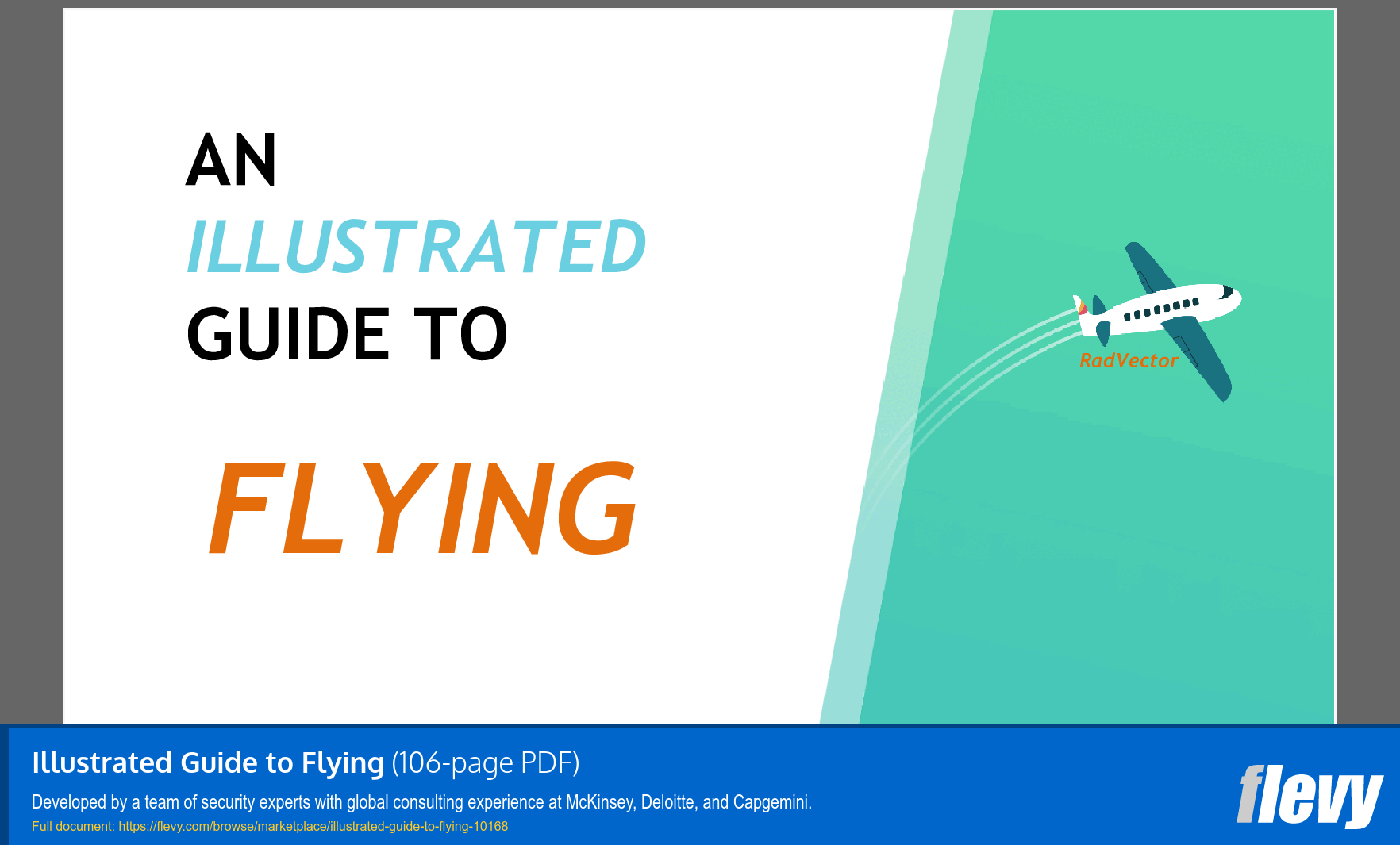
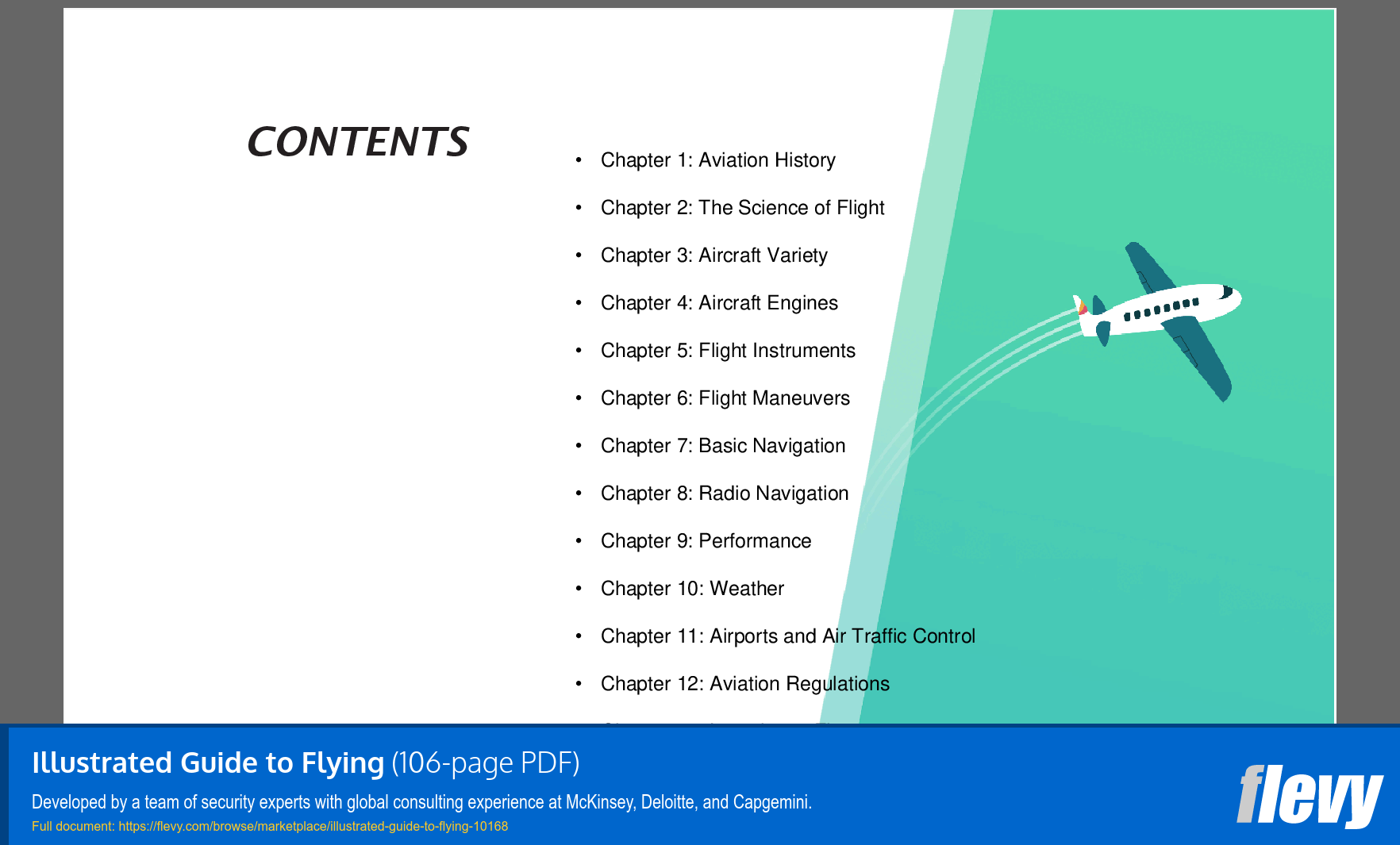
Chapter 1: Aviation History introduces the pioneers who turned humanity's dream of flight into reality. From the Wright brothers' first powered flight to the jet age and the rise of commercial aviation, this chapter traces how innovation, war, and ambition shaped the evolution of flight.
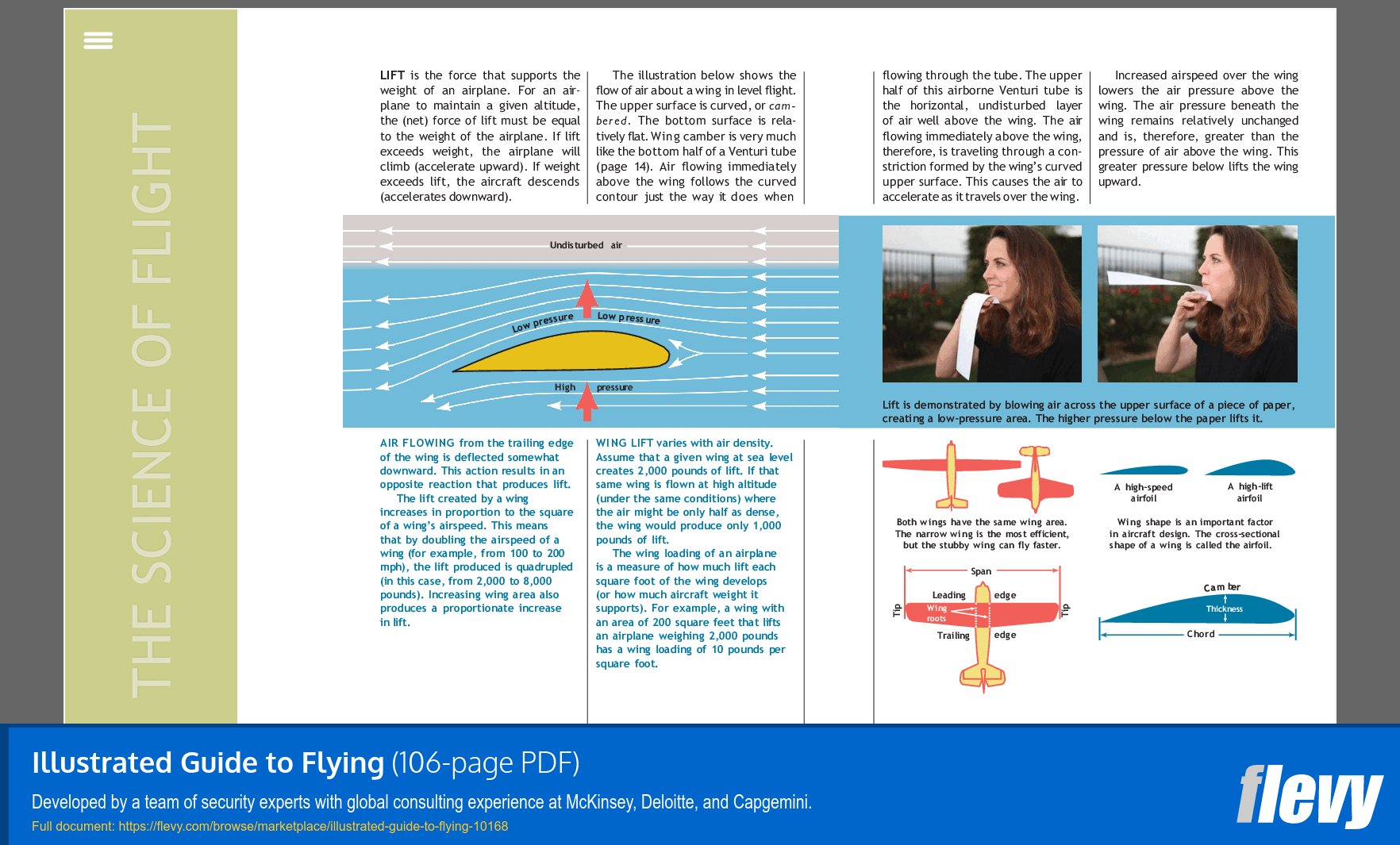
Chapter 2: The Science of Flight explains the physics that make flying possible. Concepts such as lift, drag, thrust, and weight are explored, helping readers understand how aerodynamic forces interact to keep an aircraft airborne.
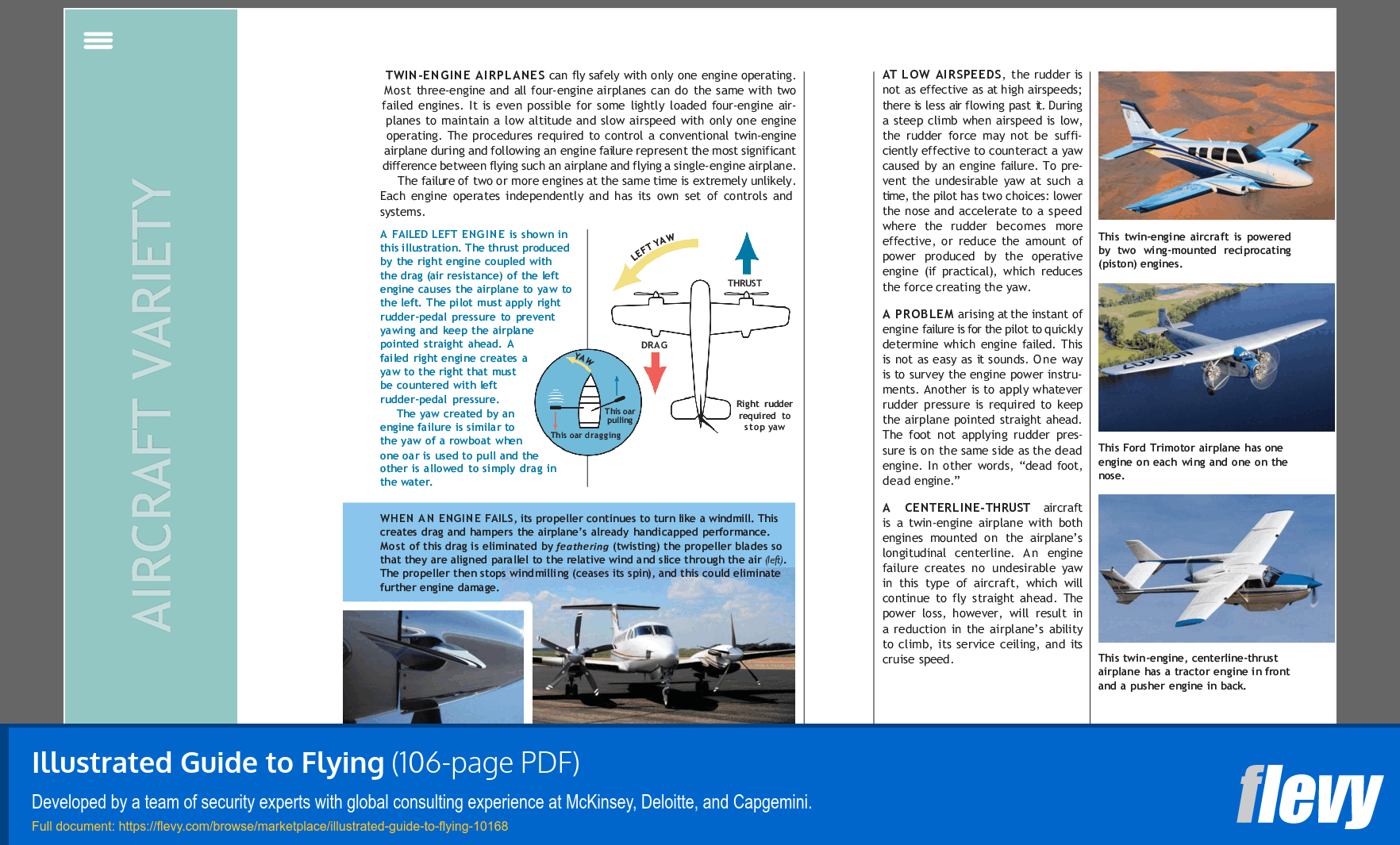
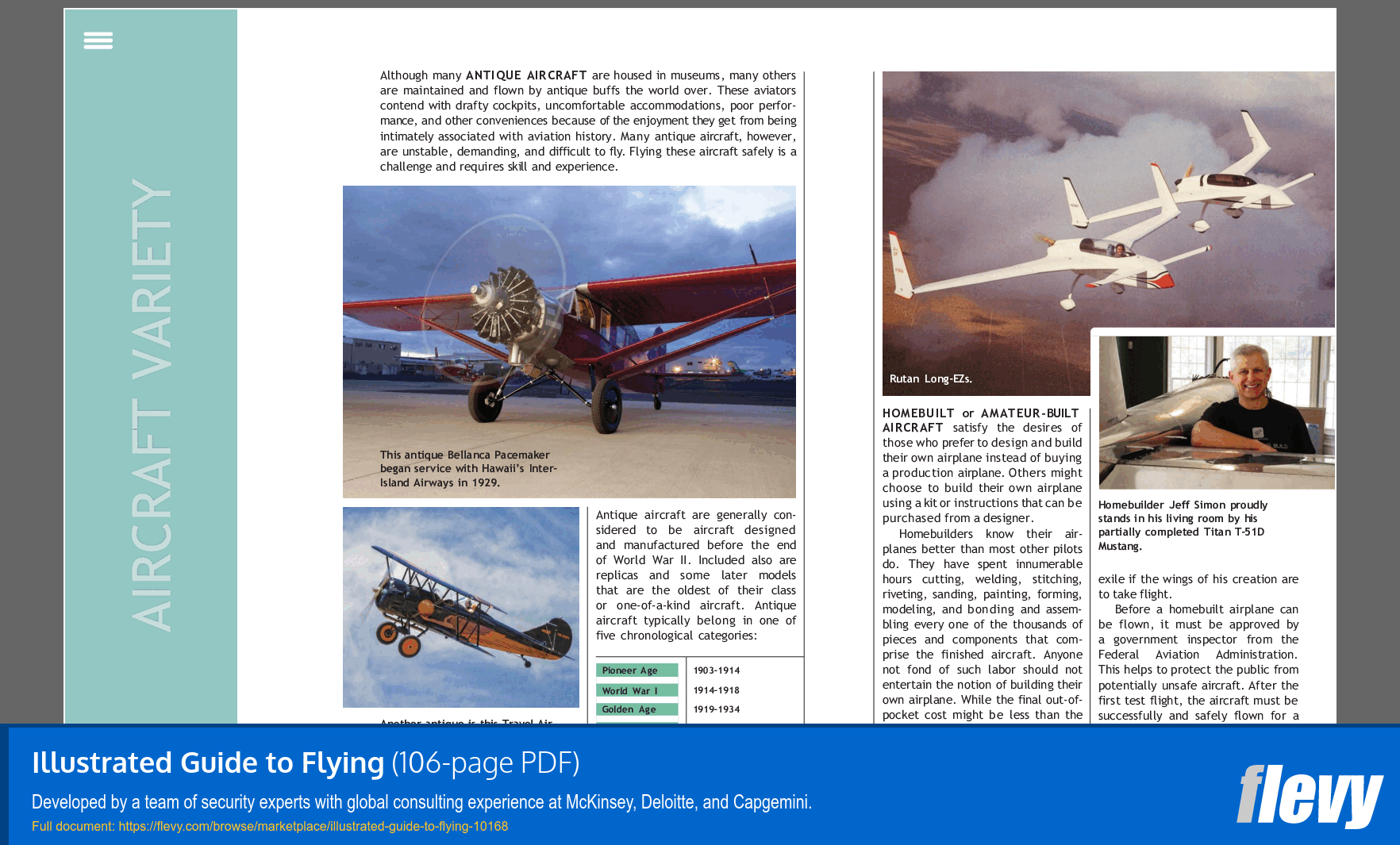
In Chapter 3: Aircraft Variety, we explore the diversity of aircraft – from light training planes and helicopters to commercial jets and military fighters. This chapter emphasizes how design serves purpose, performance, and mission.
Chapter 4: Aircraft Engines delves into the power sources of flight, including piston engines, turboprops, and jet turbines, explaining how each converts energy into thrust.
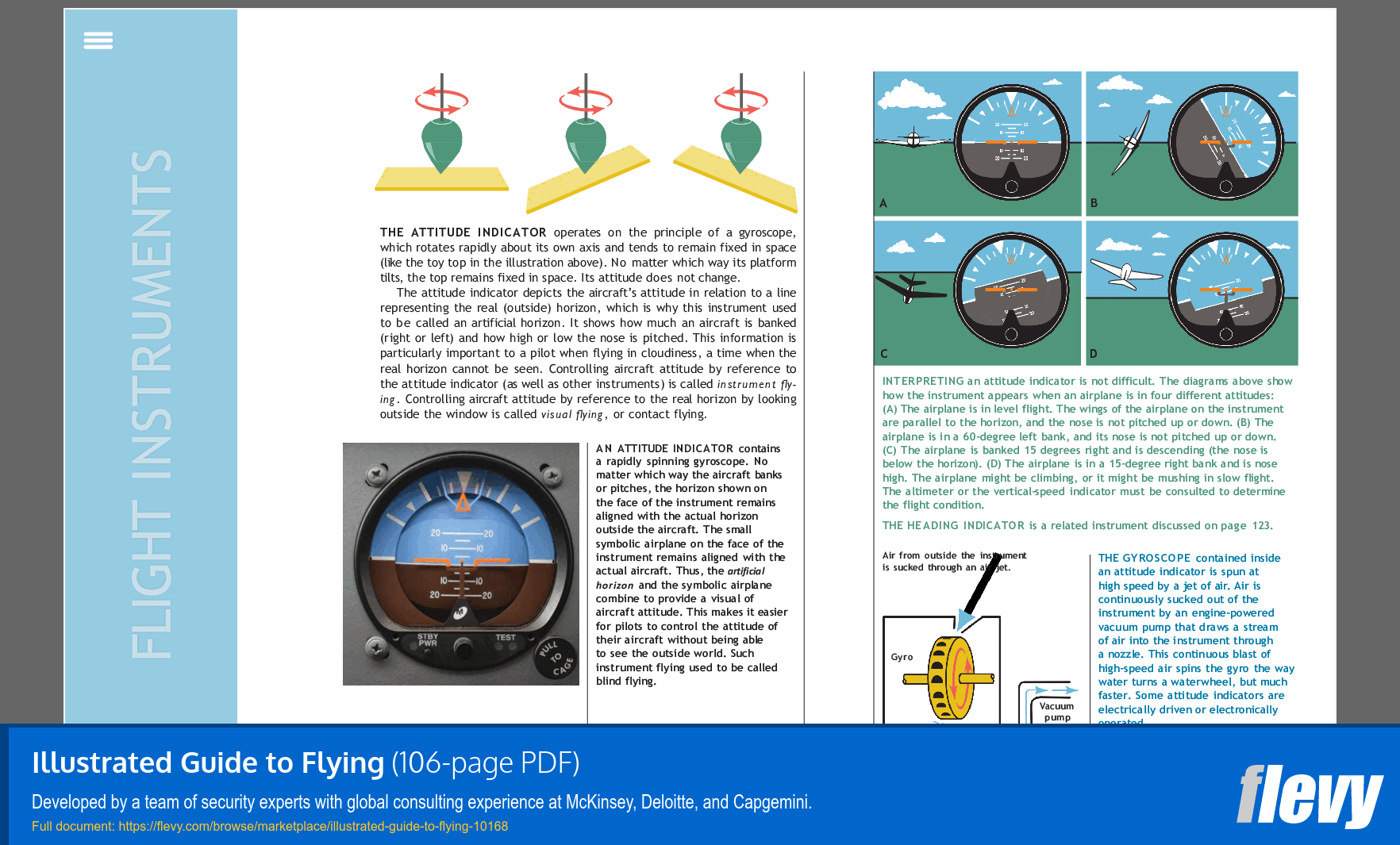
Chapter 5: Flight Instruments covers essential cockpit tools like the altimeter, airspeed indicator, and attitude indicator, which help pilots maintain control and situational awareness.
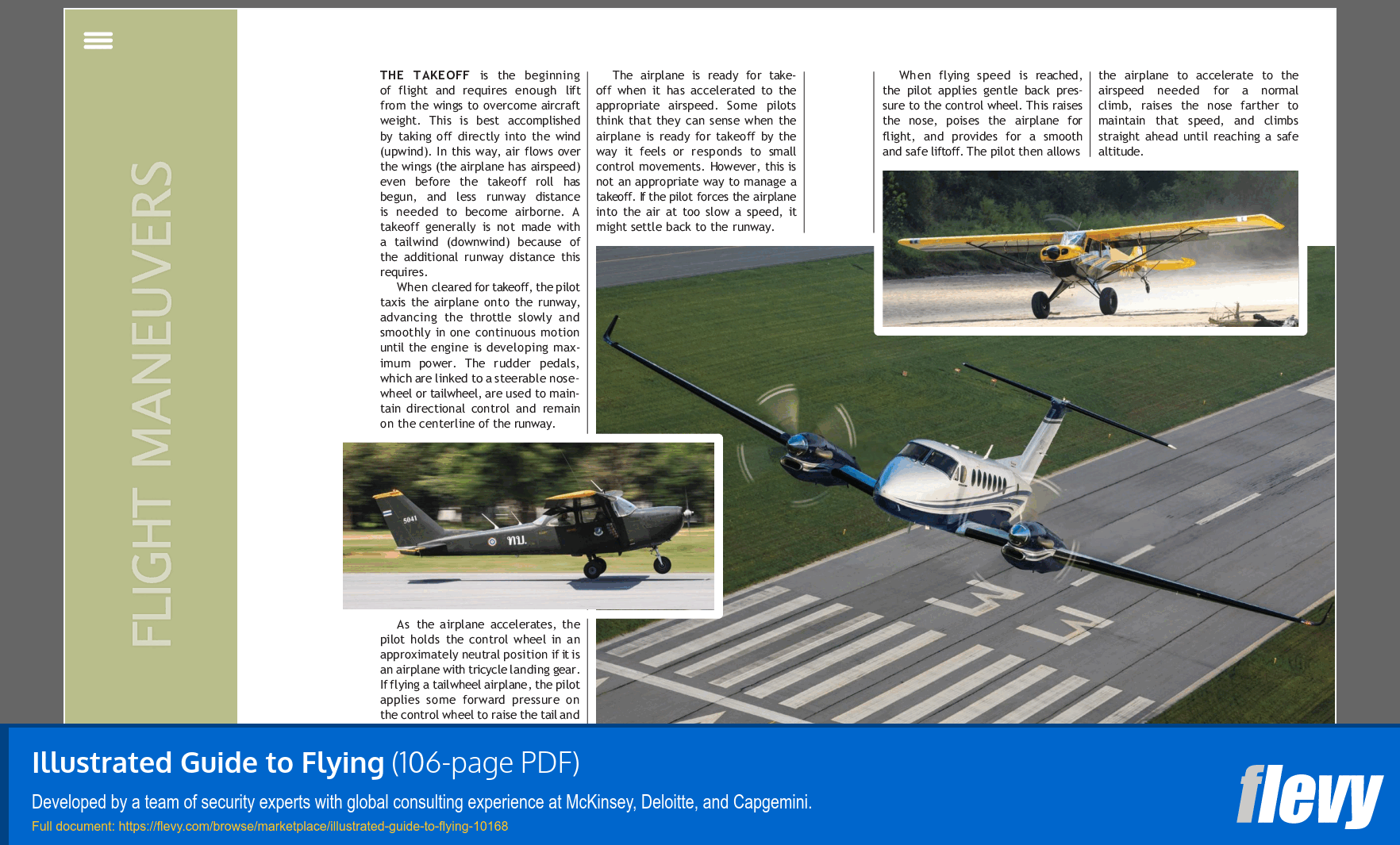
Chapter 6: Flight Maneuvers focuses on basic and advanced movements – climbs, turns, descents, stalls – that form the foundation of pilot training.
The navigation-focused chapters begin with Chapter 7: Basic Navigation, which introduces maps, headings, and visual references, followed by Chapter 8: Radio Navigation, explaining modern systems like VOR, GPS, and ILS that guide aircraft safely even in poor visibility.
Chapter 9: Performance discusses how factors like weight, altitude, and weather affect an aircraft's efficiency and capabilities, while Chapter 10: Weather examines meteorological conditions crucial to flight safety.
Chapter 11: Airports and Air Traffic Control explores how ground operations and communication ensure smooth and safe air traffic management.
Chapter 12: Aviation Regulations presents the international and national laws that govern aviation standards, pilot licensing, and aircraft certification.
Finally, Chapter 13: Learning to Fly brings all these concepts together, offering a roadmap for aspiring pilots – from ground school theory to solo flight and beyond.
This PDF presentation aims to inspire understanding, respect, and passion for the science and art of aviation.
Got a question about the product? Email us at support@flevy.com or ask the author directly by using the "Ask the Author a Question" form. If you cannot view the preview above this document description, go here to view the large preview instead.
TOPIC FAQ
What are the fundamental aerodynamic forces that allow an aircraft to fly?
Flight is governed by 4 interacting aerodynamic forces: lift, drag, thrust, and weight. Introductory materials explain how changes in these forces affect climb, cruise, and descent and how pilot inputs manage them; the guide’s Science of Flight chapter covers these 4 forces.Which cockpit instruments are essential for basic flight and what do they show?
Essential cockpit instruments include the altimeter (shows altitude), airspeed indicator (shows speed), and attitude indicator (shows aircraft pitch and bank). These tools support control and situational awareness; Flevy's Illustrated Guide to Flying addresses their functions and importance in Chapter 5, listing altimeter, airspeed indicator, and attitude indicator.How do piston engines, turboprops, and jet turbines differ in aircraft propulsion?
Piston engines, turboprops, and jet turbines are distinct types of aircraft powerplants that convert fuel energy into thrust or shaft power. Introductory coverage distinguishes their roles across light aircraft, regional turboprops, and jets; Chapter 4 of the guide examines piston engines, turboprops, and jet turbines.What navigation systems help aircraft fly safely in poor visibility?
Modern navigation and landing aids used in low-visibility conditions include VOR for en-route navigation, GPS for satellite positioning, and ILS for precision approaches. Technical overviews explain how these systems guide aircraft; see the guide’s radio navigation coverage of VOR, GPS, and ILS.What should I look for in an introductory aviation guide if I have limited study time?
Prefer resources that sequence fundamentals before application: concise explanations of aerodynamic basics, key instruments, primary maneuvers, basic and radio navigation, weather impacts, ATC, and regulations. A single-reference presentation with clear chapters and coverage across those topics is useful, such as a 13-chapter structure.How can buying an illustrated aviation guide save time compared with creating training materials from scratch?
A ready-made guide compiles history, theory, instruments, engines, maneuvers, navigation, performance, weather, ATC, and regulations into one structured file, reducing research and slide creation time. Flevy's Illustrated Guide to Flying presents that consolidated content as a 106-page PDF available for digital download.I'm starting flight training—what topics should I prioritize during the first months?
Early training should focus on the principles that underpin safe flying: the science of flight, core flight instruments, basic navigation, primary flight maneuvers, and weather awareness. Studying those areas provides the foundation for practical flying and is covered in Chapters 2, 5, 7, 6, and 10.How can I prepare to understand aviation regulations and air traffic control before flying internationally?
Study how airports and ATC operations manage traffic, plus national and international aviation regulations covering licensing and certification. Combine that with a practical roadmap for learning to fly to understand procedural implications; relevant material is organized in Chapters 11, 12, and 13.Source: Best Practices in Airline Industry PDF: Illustrated Guide to Flying PDF (PDF) Document, RadVector Consulting




























