Aviation Industry Value Chain   32-slide PPT PowerPoint presentation template (PPTX)
$39.00

Aviation Industry Value Chain (32-slide PPT PowerPoint presentation slide deck (PPTX)) Preview Image
Flevy is the marketplace for business best practices.
Aviation Industry Value Chain (32-slide PPT PowerPoint presentation slide deck (PPTX)) Preview Image
Arrow   Click main image to view in full screen.

Aviation Industry Value Chain – PowerPoint PPTX Template

PowerPoint (PPTX) 32 Slides

$39.00
This framework is created by former McKinsey, BCG, Deloitte, EY, and Capgemini consultants and provides actionable insights for Aviation Industry Value Chain Analysis.
Add to Cart


Immediate download
Free lifetime updates

BENEFITS OF THIS DOWNLOADABLE POWERPOINT DOCUMENT

  1. Provides a framework for examining the Aviation Industry.
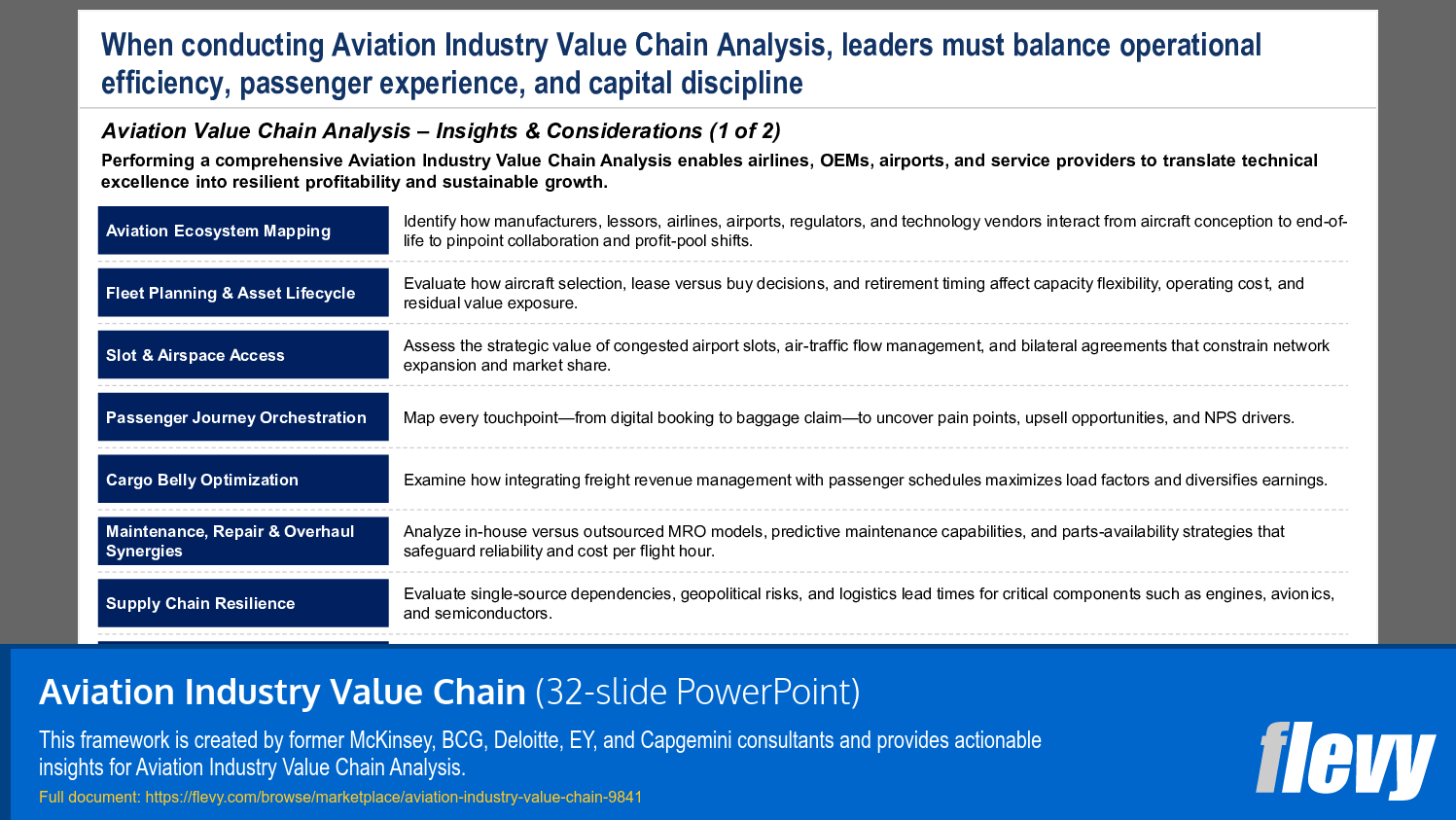
  2. Identifies 15 important insights and considerations for Aviation Value Chain Analysis.
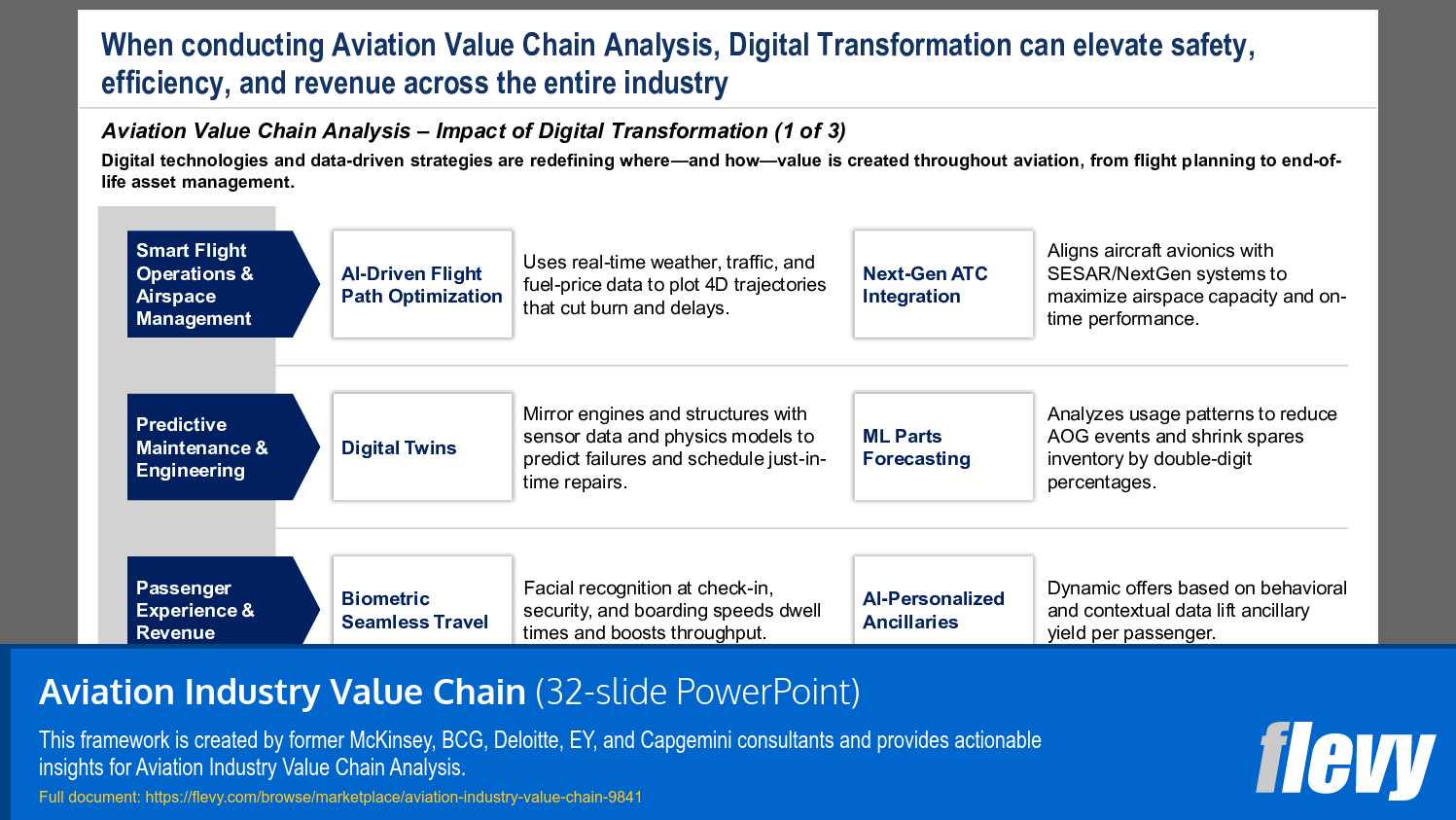
  3. Provides a detailed breakdown of the impact of Digital Transformation across the Aviation Industry Value Chain.

VALUE CHAIN ANALYSIS PPT TEMPLATE DESCRIPTION

Editor Summary Aviation Industry Value Chain is a 32-slide PPTX framework for mapping aviation primary and support activities and analyzing value capture across the sector, developed by former McKinsey, BCG, Deloitte, EY, and Capgemini consultants. Read more

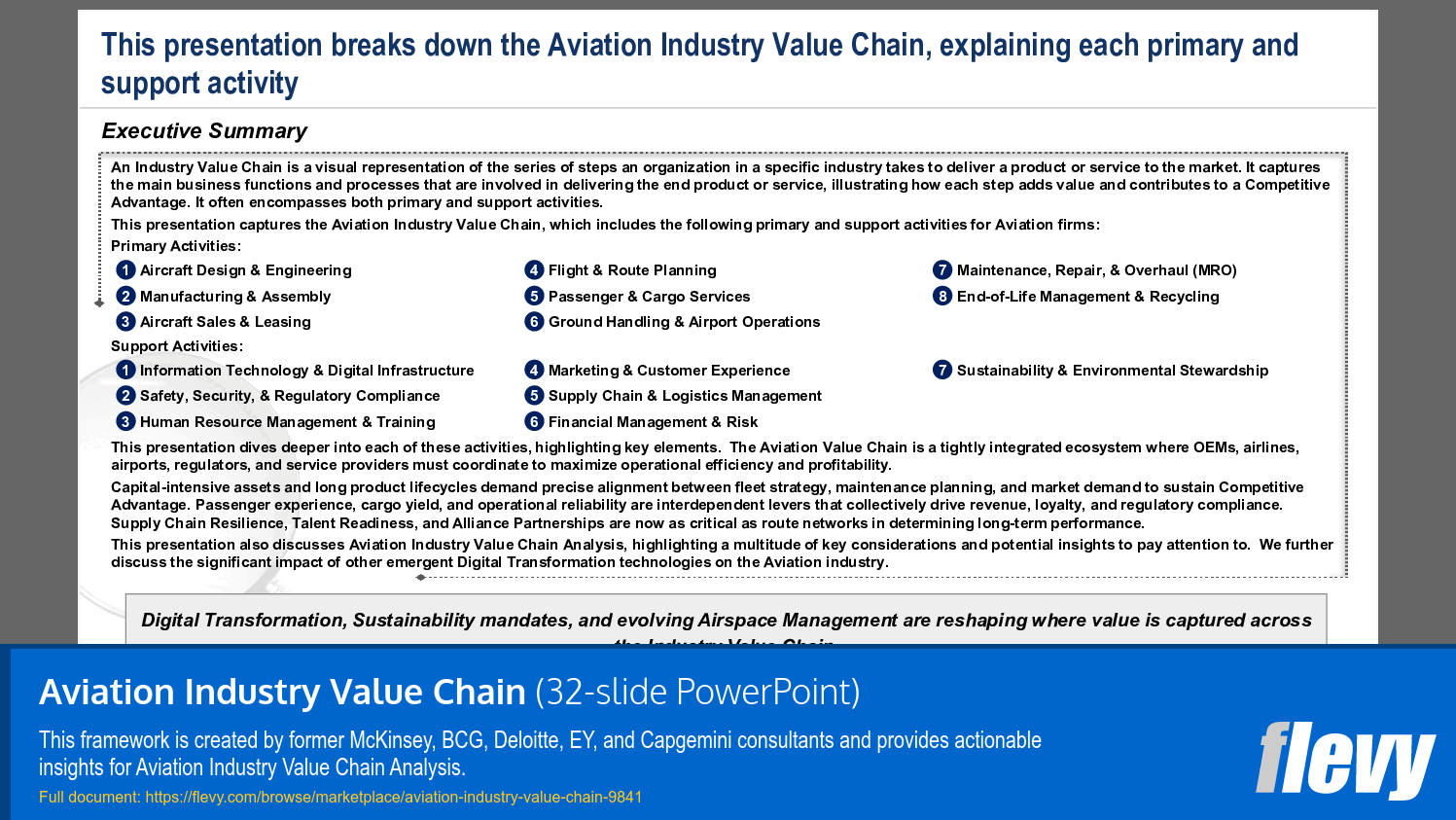
An Industry Value Chain is a visual representation of the series of steps an organization in a specific industry takes to deliver a product or service to the market. It captures the main business functions and processes that are involved in delivering the end product or service, illustrating how each step adds value and contributes to a Competitive Advantage. It often encompasses both primary and support activities.

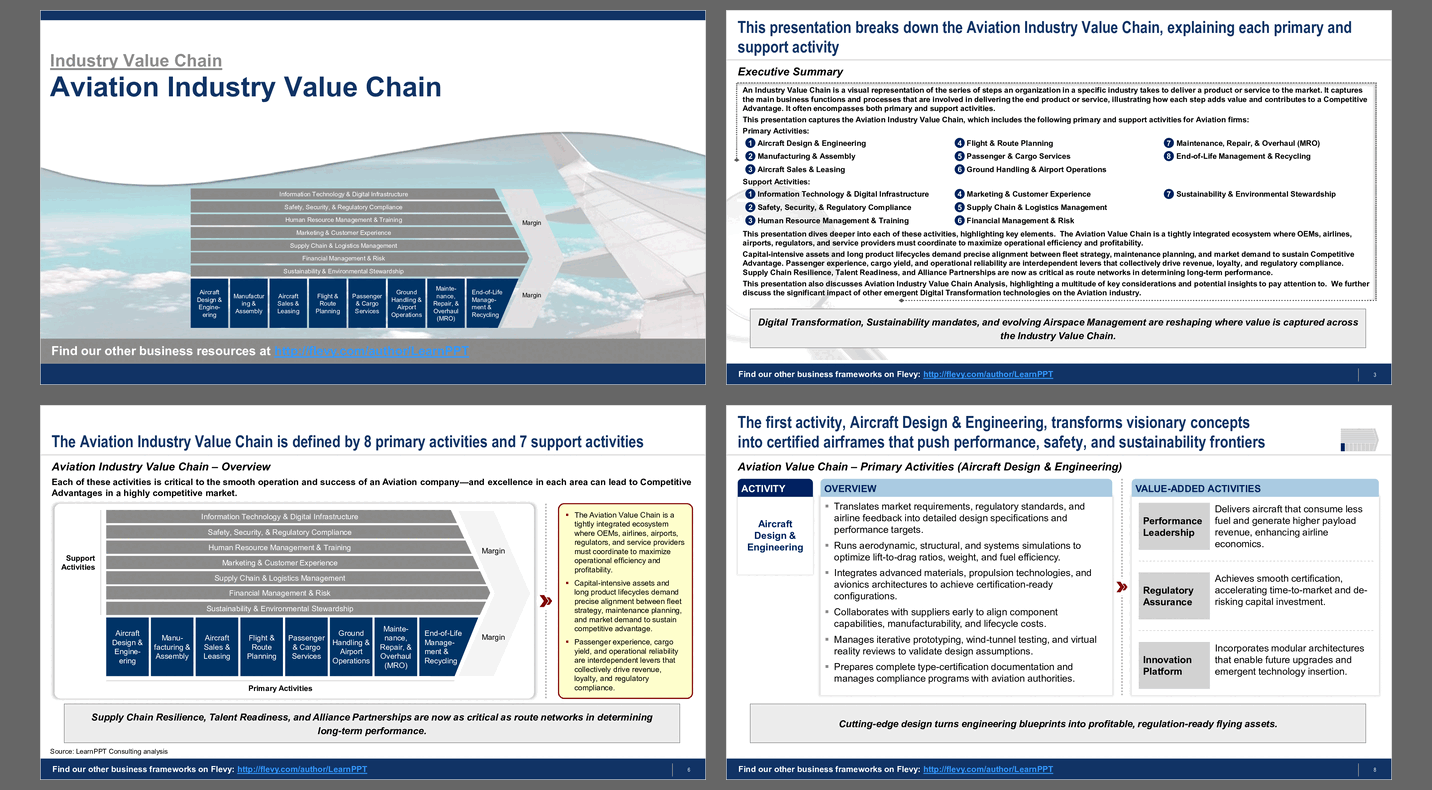
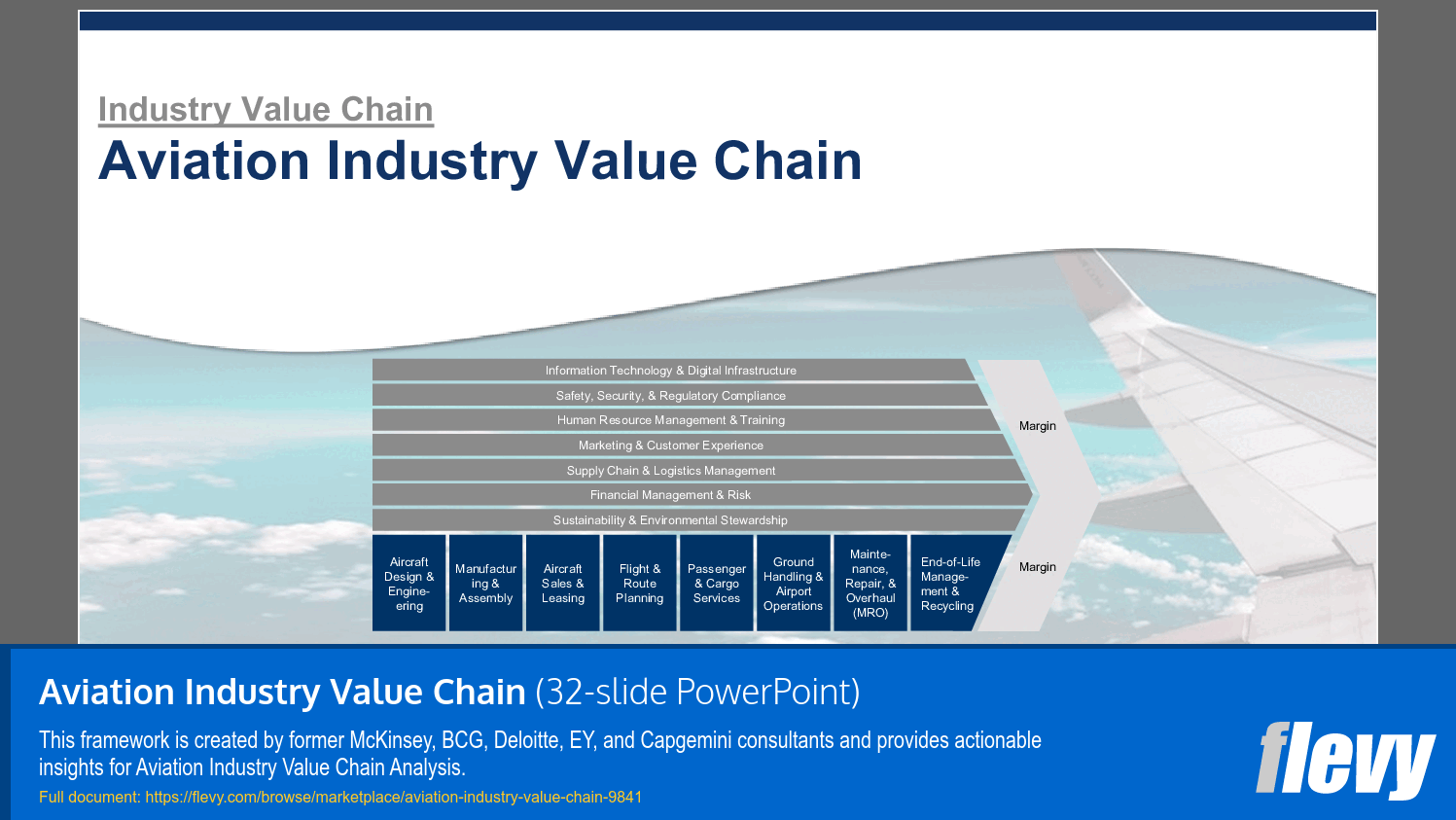
This PowerPoint presentation captures the Aviation Industry Value Chain, which includes the following primary and support activities for Aviation firms:

Primary Activities
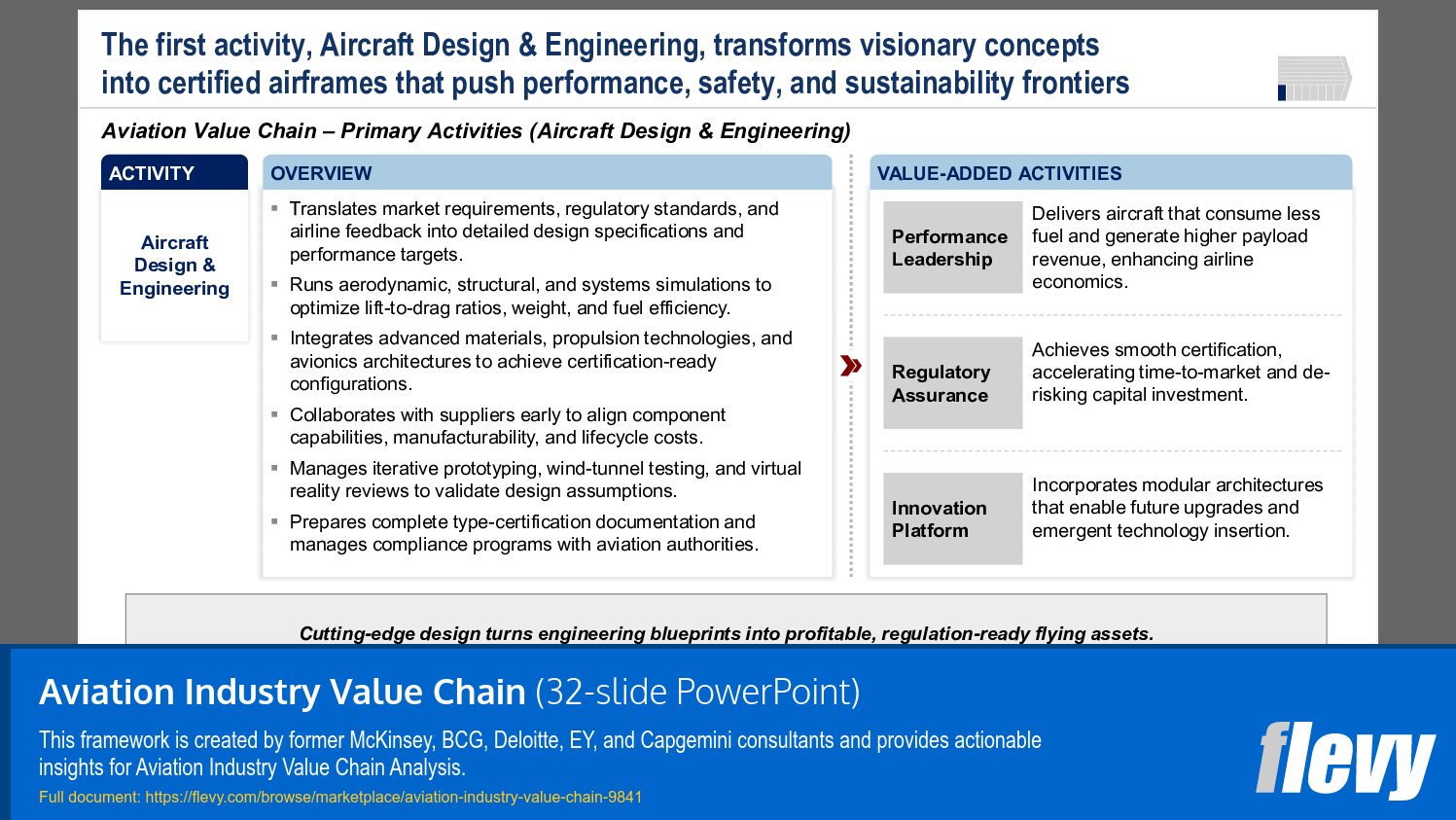
1. Aircraft Design & Engineering
2. Manufacturing & Assembly
3. Aircraft Sales & Leasing
4. Flight & Route Planning
5. Passenger & Cargo Services
6. Ground Handling & Airport Operations
7. Maintenance, Repair, & Overhaul (MRO)
8. End-of-Life Management & Recycling

Support Activities
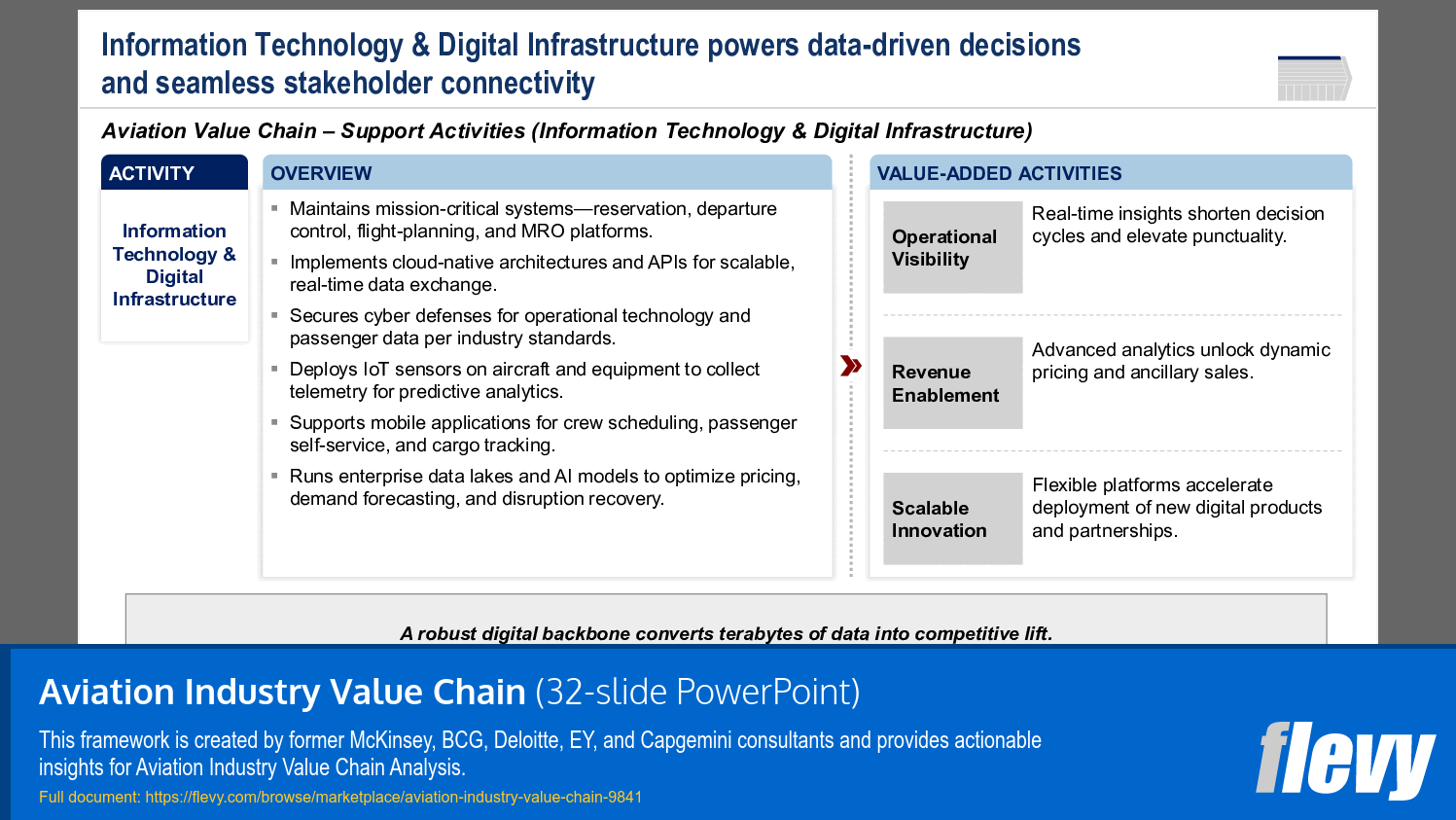
1. Information Technology & Digital Infrastructure
2. Safety, Security, & Regulatory Compliance
3. Human Resource Management & Training
4. Marketing & Customer Experience
5. Supply Chain & Logistics Management
6. Financial Management & Risk
7. Sustainability & Environmental Stewardship

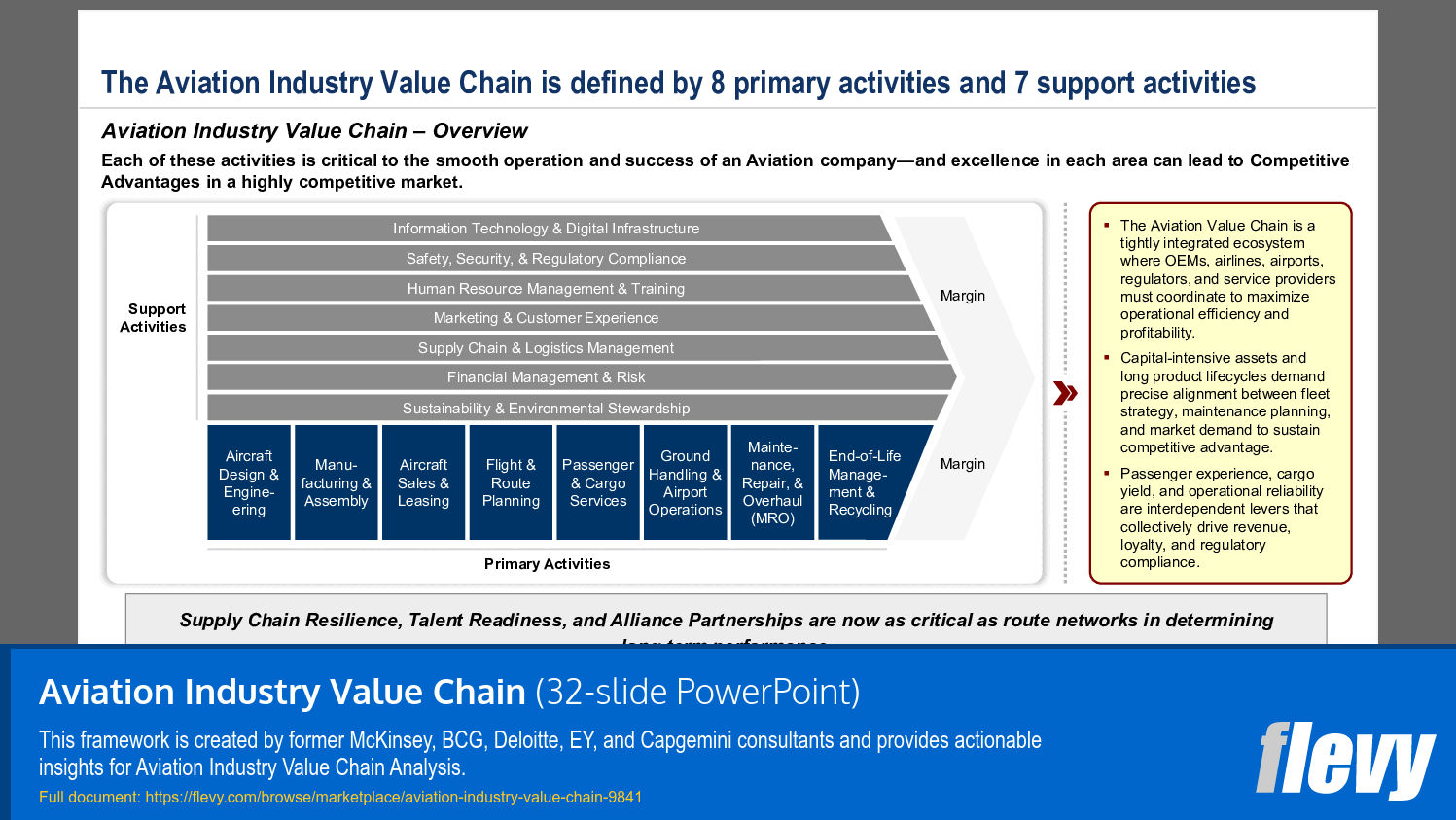
This PPT presentation dives deeper into each of these activities, highlighting key elements. The Aviation Value Chain is a tightly integrated ecosystem where OEMs, airlines, airports, regulators, and service providers must coordinate to maximize operational efficiency and profitability. Digital Transformation, Sustainability mandates, and evolving Airspace Management are reshaping where value is captured across the Industry Value Chain.

Capital-intensive assets and long product lifecycles demand precise alignment between fleet strategy, maintenance planning, and market demand to sustain Competitive Advantage. Passenger experience, cargo yield, and operational reliability are interdependent levers that collectively drive revenue, loyalty, and regulatory compliance. Supply Chain Resilience, Talent Readiness, and Alliance Partnerships are now as critical as route networks in determining long-term performance.

This presentation also discusses Aviation Industry Value Chain Analysis, highlighting a multitude of key considerations and potential insights to pay attention to. We further discuss the significant impact of other emergent Digital Transformation technologies on the Aviation industry.

Got a question about the product? Email us at support@flevy.com or ask the author directly by using the "Ask the Author a Question" form. If you cannot view the preview above this document description, go here to view the large preview instead.

MARCUS OVERVIEW

This synopsis was written by Marcus [?] based on the analysis of the full 32-slide presentation.


Executive Summary
The Aviation Industry Value Chain presentation offers a comprehensive framework for analyzing the various components that contribute to the efficiency and profitability of the aviation sector. Developed by former consultants from leading firms, this presentation provides actionable insights into primary and support activities within the aviation industry. Key areas include aircraft design, manufacturing, sales, flight planning, passenger services, and maintenance. The framework emphasizes the importance of digital transformation, sustainability, and regulatory compliance in enhancing operational effectiveness and customer satisfaction.

Who This Is For and When to Use
•  Aviation executives and managers seeking to optimize operational efficiency.
•  Consultants focused on strategic planning and operational improvement in the aviation sector.
•  Supply chain and logistics teams aiming to enhance service delivery and cost management.
•  Regulatory compliance officers ensuring adherence to safety and environmental standards.

Best-fit moments to use this deck:
•  During strategic planning sessions to identify areas for operational improvement.
•  When conducting workshops on digital transformation and sustainability initiatives.
•  For training sessions on best practices in aviation operations and management.

Learning Objectives
•  Define the Aviation Industry Value Chain and its significance in operational efficiency.
•  Analyze the interdependencies among primary and support activities in aviation.
•  Identify key performance indicators for measuring success in aviation operations.
•  Develop strategies for integrating digital transformation into aviation processes.
•  Assess the impact of regulatory compliance on operational practices.
•  Explore sustainability initiatives and their implications for the aviation industry.

Table of Contents
•  Executive Summary (page 3)
•  Aviation Industry Value Chain (page 4)
•  Primary Activities (page 6)
•  Support Activities (page 6)
•  Aviation Industry Value Chain Analysis (page 25)

Primary Topics Covered
•  Aircraft Design & Engineering - Focuses on translating market requirements into certified airframes, optimizing performance and safety.
•  Manufacturing & Assembly - Details the processes for delivering precision-built aircraft while maintaining cost and quality standards.
•  Aircraft Sales & Leasing - Discusses strategies for matching fleet solutions to airline needs, enhancing capital flexibility.
•  Flight & Route Planning - Covers the orchestration of airspace and payload variables to ensure fuel-efficient operations.
•  Passenger & Cargo Services - Explores how to maximize revenue through effective management of cabin and cargo space.
•  Ground Handling & Airport Operations - Highlights the importance of efficient ground operations for timely departures.
•  Maintenance, Repair, & Overhaul (MRO) - Examines strategies for keeping fleets airworthy while managing costs.
•  End-of-Life Management & Recycling - Discusses approaches to maximize residual value and sustainability in aircraft retirement.

Deliverables, Templates, and Tools
•  Value chain analysis template for mapping primary and support activities.
•  Performance metrics framework for evaluating operational efficiency.
•  Digital transformation roadmap for integrating technology into aviation processes.
•  Compliance checklist for regulatory adherence in aviation operations.
•  Sustainability assessment tool for evaluating environmental impact.

Slide Highlights
•  Overview of the Aviation Industry Value Chain, illustrating primary and support activities.
•  Detailed breakdown of each primary activity, including value-added benefits.
•  Insights on the impact of digital transformation on operational efficiency.
•  Case studies demonstrating successful implementation of sustainability initiatives.

Potential Workshop Agenda
Introduction to Aviation Value Chain (30 minutes)
•  Overview of primary and support activities.
•  Discussion on the importance of operational efficiency.

Deep Dive into Primary Activities (60 minutes)
•  Analyze aircraft design and manufacturing processes.
•  Explore sales and leasing strategies.

Digital Transformation in Aviation (45 minutes)
•  Discuss technology integration and its impact on operations.
•  Identify key digital tools for enhancing efficiency.

Sustainability and Compliance (45 minutes)
•  Review regulatory requirements and sustainability practices.
•  Develop actionable plans for compliance and environmental stewardship.

Customization Guidance
•  Tailor the value chain analysis to specific organizational contexts and operational needs.
•  Adjust performance metrics to align with company goals and industry standards.
•  Incorporate local regulatory requirements into compliance checklists.

Secondary Topics Covered
•  Supply chain resilience and risk management strategies.
•  Talent management and workforce development in aviation.
•  Marketing strategies for enhancing customer experience and loyalty.
•  Financial management practices specific to the aviation industry.

Topic FAQ

What are the main components of an aviation industry value chain I should map first?

An aviation value chain typically separates primary activities—aircraft design & engineering, manufacturing & assembly, sales & leasing, flight & route planning, passenger & cargo services, ground handling, MRO, and end-of-life management—from support activities like IT, safety/regulatory compliance, HR, marketing, supply chain, finance, and sustainability; there are eight primary activities in the model.

How does a value chain analysis help airlines improve operational efficiency?

Value chain analysis makes interdependencies visible, allowing teams to spot process bottlenecks, align fleet strategy with maintenance planning, and prioritize interventions tied to measurable outcomes. Documentation such as the Aviation Industry Value Chain provides a performance metrics framework to convert findings into tracked actions and KPIs.

Which KPIs should I track to measure success across the aviation value chain?

Common KPI categories include operational efficiency (on-time performance, turnaround time), financial yield (load factor, cargo yield), customer measures (satisfaction, Net Promoter Score), regulatory/compliance rates, and environmental metrics; tracking efficiency, customer satisfaction, compliance, and sustainability KPIs gives a balanced view.

What practical steps should airlines take to incorporate digital transformation into the value chain?

Start by assessing digital infrastructure and data flows, prioritize use cases that improve decision-making (route optimization, predictive maintenance), and sequence technology adoption via a roadmap; the Aviation Industry Value Chain includes a digital transformation roadmap to guide sequencing and tool selection.

What should I look for when buying an aviation value chain toolkit on a budget and timeline?

Prioritize ready-to-use mapping templates, a performance metrics framework, a digital transformation roadmap, regulatory compliance checklists, and guidance for customization to local rules; these elements reduce build time and are included in the Aviation Industry Value Chain toolkit as core deliverables.

How long does a workshop based on an aviation value chain typically take?

A structured workshop can be delivered modularly; a sample agenda in the presentation runs 30 minutes for an overview, 60 minutes for primary activity deep dives, 45 minutes on digital transformation, and 45 minutes on sustainability and compliance—totaling 180 minutes for the full sequence.

If my objective is to lower MRO costs, which parts of the value chain should I analyze first?

Focus on Maintenance, Repair & Overhaul activities, upstream manufacturing and assembly quality, supply chain resilience for spare parts, fleet management and routing that affect utilization, and relevant KPIs to track cost drivers; start with MRO and supply chain management.

After merging 2 airlines, how can a value chain approach help align operations?

Map both organizations’ primary and support activities to identify overlaps and gaps, harmonize fleet strategy and MRO schedules, align regulatory and HR practices, and use a standardized value chain analysis template to document consolidated processes and priorities.

Document FAQ
These are questions addressed within this presentation.

What is the Aviation Industry Value Chain?
The Aviation Industry Value Chain is a framework that outlines the primary and support activities involved in delivering aviation products and services, emphasizing how each step adds value.

How can this framework improve operational efficiency?
By analyzing each component of the value chain, organizations can identify inefficiencies, optimize processes, and enhance overall performance.

What role does digital transformation play in aviation?
Digital transformation integrates technology into aviation operations, improving decision-making, operational efficiency, and customer experience.

How does sustainability impact the aviation industry?
Sustainability initiatives help aviation companies meet regulatory requirements, reduce environmental impact, and enhance brand reputation.

What are the primary activities in the Aviation Value Chain?
The primary activities include aircraft design, manufacturing, sales, flight planning, passenger services, ground handling, maintenance, and end-of-life management.

How can organizations measure success in aviation operations?
Success can be measured through key performance indicators related to efficiency, customer satisfaction, compliance, and sustainability.

What tools are available for conducting a value chain analysis?
Templates and frameworks for mapping activities, assessing performance, and developing strategies are available for organizations to utilize.

How can this presentation be customized for specific needs?
Organizations can tailor the content to reflect their operational context, regulatory environment, and strategic goals.

Glossary
•  Aviation Industry Value Chain - A framework outlining the primary and support activities in aviation.
•  Digital Transformation - The integration of digital technology into all areas of business.
•  Sustainability - Practices aimed at reducing environmental impact and promoting responsible resource use.
•  Regulatory Compliance - Adherence to laws and regulations governing aviation operations.
•  Performance Metrics - Standards used to measure the efficiency and effectiveness of operations.
•  Supply Chain Resilience - The ability to adapt to disruptions in the supply chain.
•  MRO (Maintenance, Repair, and Overhaul) - Services that ensure aircraft are maintained and operational.
•  Customer Experience - The overall perception of a customer’s interaction with a company.
•  Value-Added Activities - Actions that enhance the value of a product or service.
•  Fleet Management - The process of overseeing a company's vehicle fleet.
•  Operational Efficiency - The ability to deliver products and services in the most cost-effective manner.
•  Risk Management - The identification and mitigation of potential risks in operations.
•  Talent Management - Strategies for recruiting, developing, and retaining employees.
•  Financial Management - The planning and controlling of financial resources.
•  Market Access - The ability to sell products and services in a specific market.
•  Customer Loyalty - The tendency of customers to continue buying from a specific brand.
•  Operational Compliance - Adherence to operational standards and regulations.
•  Environmental Stewardship - Responsible management of resources to protect the environment.
•  Data Analytics - The process of analyzing data to inform business decisions.
•  Operational Excellence - The execution of business strategies more consistently and reliably than competitors.

Source: Best Practices in Value Chain Analysis, Airline Industry PowerPoint Slides: Aviation Industry Value Chain PowerPoint (PPTX) Presentation Slide Deck, LearnPPT Consulting


$39.00
This framework is created by former McKinsey, BCG, Deloitte, EY, and Capgemini consultants and provides actionable insights for Aviation Industry Value Chain Analysis.
Add to Cart
  

ABOUT THE AUTHOR

Author image
Additional documents from author: 141

We are a team of management consultants trained by top tier global consulting firms (including McKinsey, BCG, Deloitte, EY, Capgemini) with a collective experience of several decades. We specialize in business frameworks based on real-life consulting engagements.

We have served 100s of clients that range from Fortune 500 companies to tech startups to ... [read more]

Ask the Author a Question

You must be logged in to contact the author.

Click here to log in Click here register

Did you know?
The average daily rate of a McKinsey consultant is $6,625 (not including expenses). The average price of a Flevy document is $65.



Trusted by over 10,000+ Client Organizations
Since 2012, we have provided business templates to over 10,000 businesses and organizations of all sizes, from startups and small businesses to the Fortune 100, in over 130 countries.
AT&T GE Cisco Intel IBM Coke Dell Toyota HP Nike Samsung Microsoft Astrazeneca JP Morgan KPMG Walgreens Walmart 3M Kaiser Oracle SAP Google E&Y Volvo Bosch Merck Fedex Shell Amgen Eli Lilly Roche AIG Abbott Amazon PwC T-Mobile Broadcom Bayer Pearson Titleist ConEd Pfizer NTT Data Schwab


Read Customer Testimonials

 
"I like your product. I'm frequently designing PowerPoint presentations for my company and your product has given me so many great ideas on the use of charts, layouts, tools, and frameworks. I really think the templates are a valuable asset to the job."

– Roberto Fuentes Martinez, Senior Executive Director at Technology Transformation Advisory
 
"Flevy is our 'go to' resource for management material, at an affordable cost. The Flevy library is comprehensive and the content deep, and typically provides a great foundation for us to further develop and tailor our own service offer."

– Chris McCann, Founder at Resilient.World
 
"Flevy is now a part of my business routine. I visit Flevy at least 3 times each month.

Flevy has become my preferred learning source, because what it provides is practical, current, and useful in this era where the business world is being rewritten.

In today's environment where there are so "

– Omar Hernán Montes Parra, CEO at Quantum SFE
 
"I have used Flevy services for a number of years and have never, ever been disappointed. As a matter of fact, David and his team continue, time after time, to impress me with their willingness to assist and in the real sense of the word. I have concluded in fact "

– Roberto Pelliccia, Senior Executive in International Hospitality
 
"I have used FlevyPro for several business applications. It is a great complement to working with expensive consultants. The quality and effectiveness of the tools are of the highest standards."

– Moritz Bernhoerster, Global Sourcing Director at Fortune 500
 
"Last Sunday morning, I was diligently working on an important presentation for a client and found myself in need of additional content and suitable templates for various types of graphics. Flevy.com proved to be a treasure trove for both content and design at a reasonable price, considering the time I "

– M. E., Chief Commercial Officer, International Logistics Service Provider
 
"FlevyPro provides business frameworks from many of the global giants in management consulting that allow you to provide best in class solutions for your clients."

– David Harris, Managing Director at Futures Strategy
 
"I am extremely grateful for the proactiveness and eagerness to help and I would gladly recommend the Flevy team if you are looking for data and toolkits to help you work through business solutions."

– Trevor Booth, Partner, Fast Forward Consulting


Customers Also Bought These Documents


Customers Also Like These Documents

Explore Templates on Related Management Topics


Your Recently Viewed Documents
Download our FREE Strategy & Transformation Framework Templates

Download our free compilation of 50+ Strategy & Transformation slides and templates. Frameworks include McKinsey 7-S, Balanced Scorecard, Disruptive Innovation, BCG Curve, and many more.