
 Click main image to view in full screen. Unlock all 16 preview images:
Fixed-Base Operator (FBO) – 10 Year Financial Model – Excel XLSX
Excel (XLSX)


BENEFITS OF THIS DOWNLOADABLE EXCEL DOCUMENT
- Provides a dynamic up to 10-year financial forecast for a Fixed-Base Operator (FBO) enabling investors and operators to assess profitability, cash flow, and returns with precision.
AIRLINE INDUSTRY EXCEL DESCRIPTION
A Fixed-Base Operator (FBO) is a commercial service provider at an airport that supports private, corporate, and general aviation operations. FBOs offer a range of services including aircraft fueling, maintenance, hangaring, ground handling, and passenger amenities such as lounges and concierge assistance. They serve as key infrastructure for non-commercial aviation, ensuring smooth, safe, and efficient operations while providing comfort and convenience for pilots and passengers alike.
Our comprehensive Fixed-Base Operator (FBO)Financial Model provides a complete 10-year projection for aviation ground service operations, capturing all major revenue streams including fuel sales, hangar and office leases, ramp and handling fees, maintenance services, and passenger amenities. Designed for both new developments and existing FBOs, the model features detailed operating cost analysis, capital expenditure planning, and debt and equity financing structures. It enables investors and operators to assess profitability, cash flow, and returns with precision – supporting strategic decisions for expansion, financing, and performance optimization.
The model includes calculations and assumptions for Development Budget (with Land either purchased or leased), A variety of Ground-Services and Passenger Services Revenue sources (allowing users to choose which to include in the model), Direct Costs, Payroll, Operating Expenses, Capital Expenditures during Operations & Depreciation, Financing through Debt & Equity, Valuation and Exit multiple assumptions in case of a potential sale of the business.
The structure of the template follows Financial Modeling Best Practices principles and is fully customizable.
Model Structure
Inputs & Model Calculations:
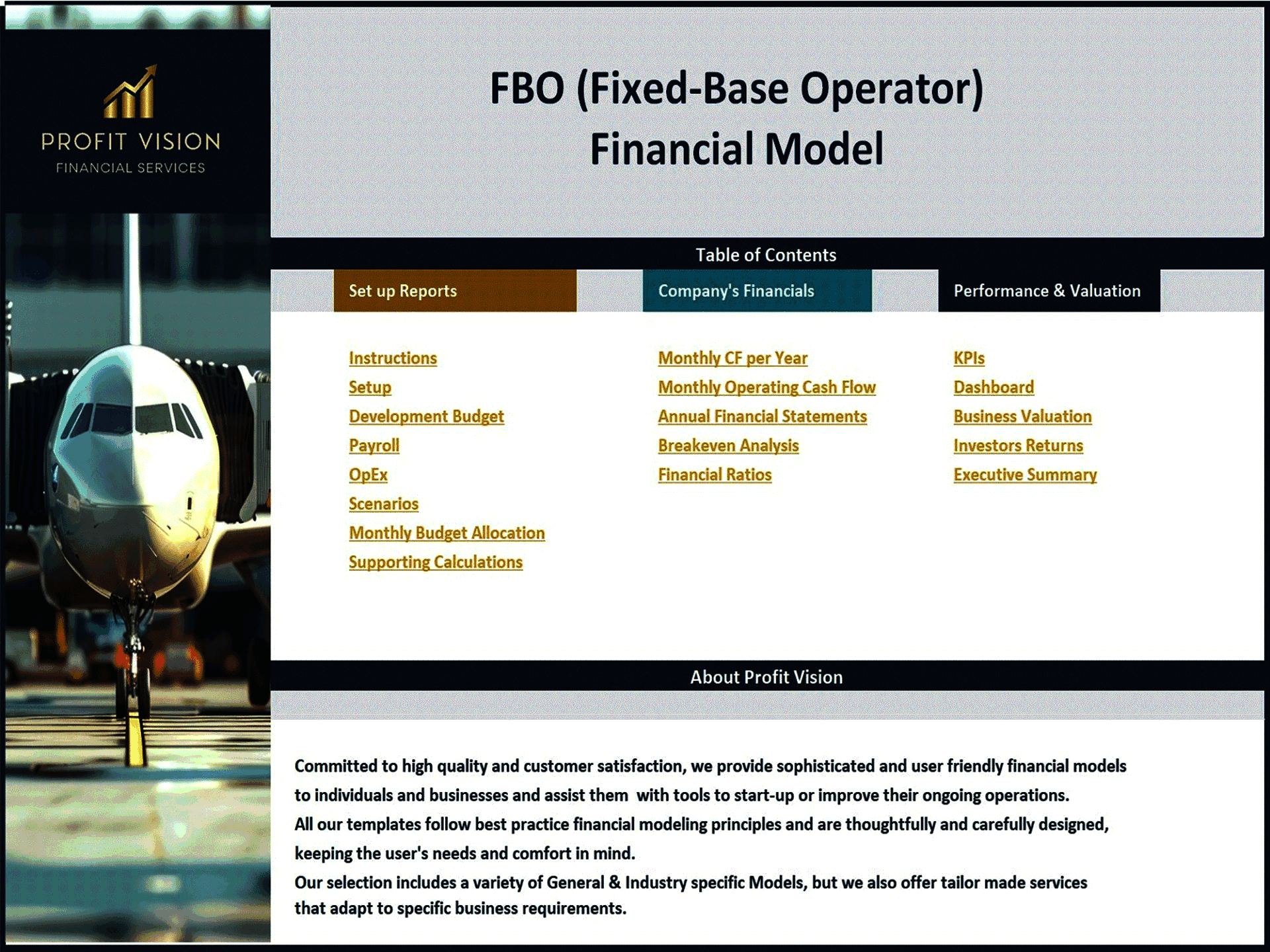
• General Setup Assumptions, incl. Development Budget and Startup Expenses, Sources of Revenue & Direct Costs, Financing (Debt & Equity) and Valuation Metrics
• Payroll, OpEx, and Capex, incl. Depreciation Schedule
• Forecast Scenarios
• Monthly Budget Allocation
Outputs:
• Monthly Cash Flow Budget & Budget vs Actual Variance Analysis
• Annual Financial Statements (3 Statement model – 10 Year Forecast)
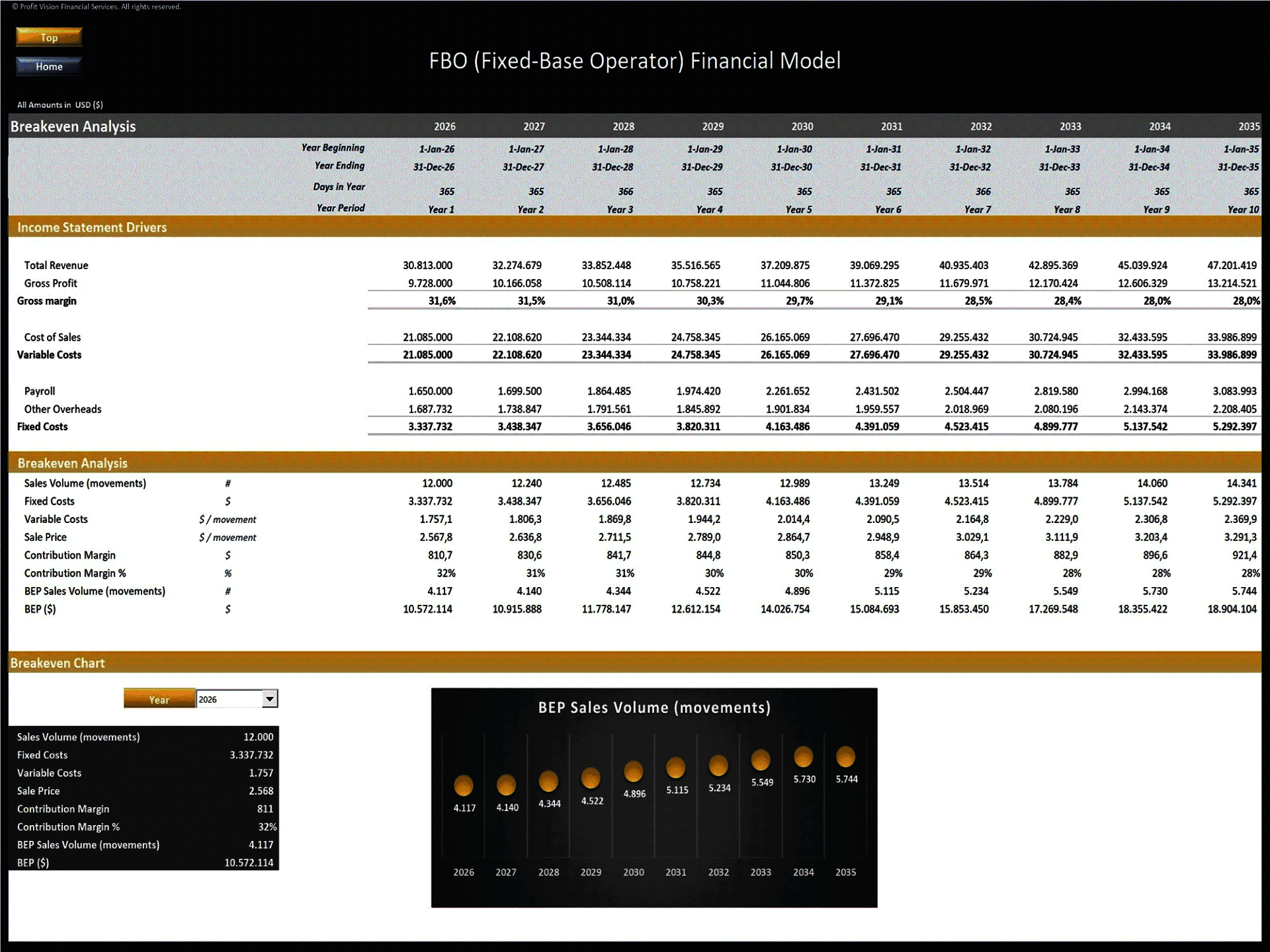
• Break-Even Analysis
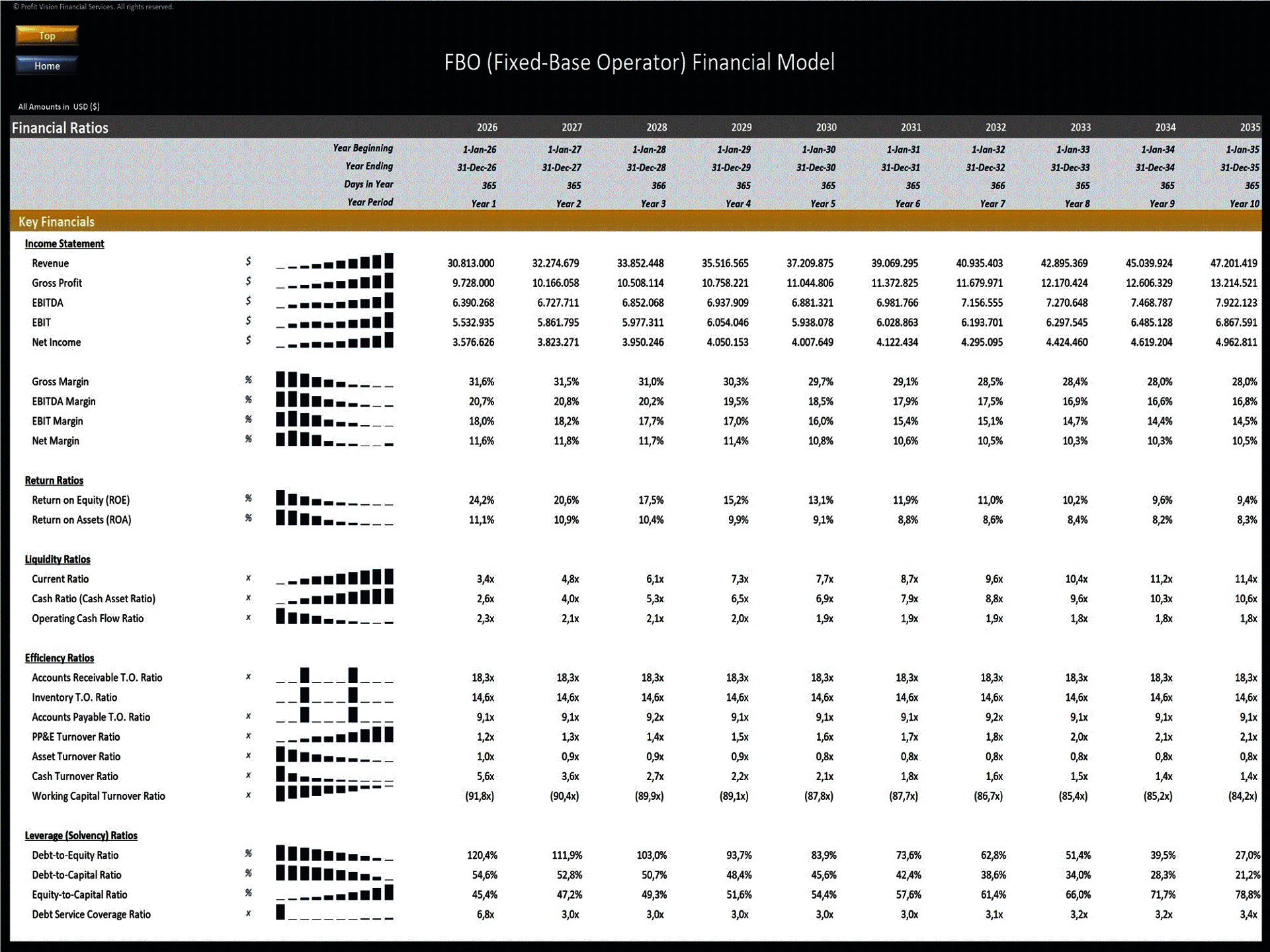
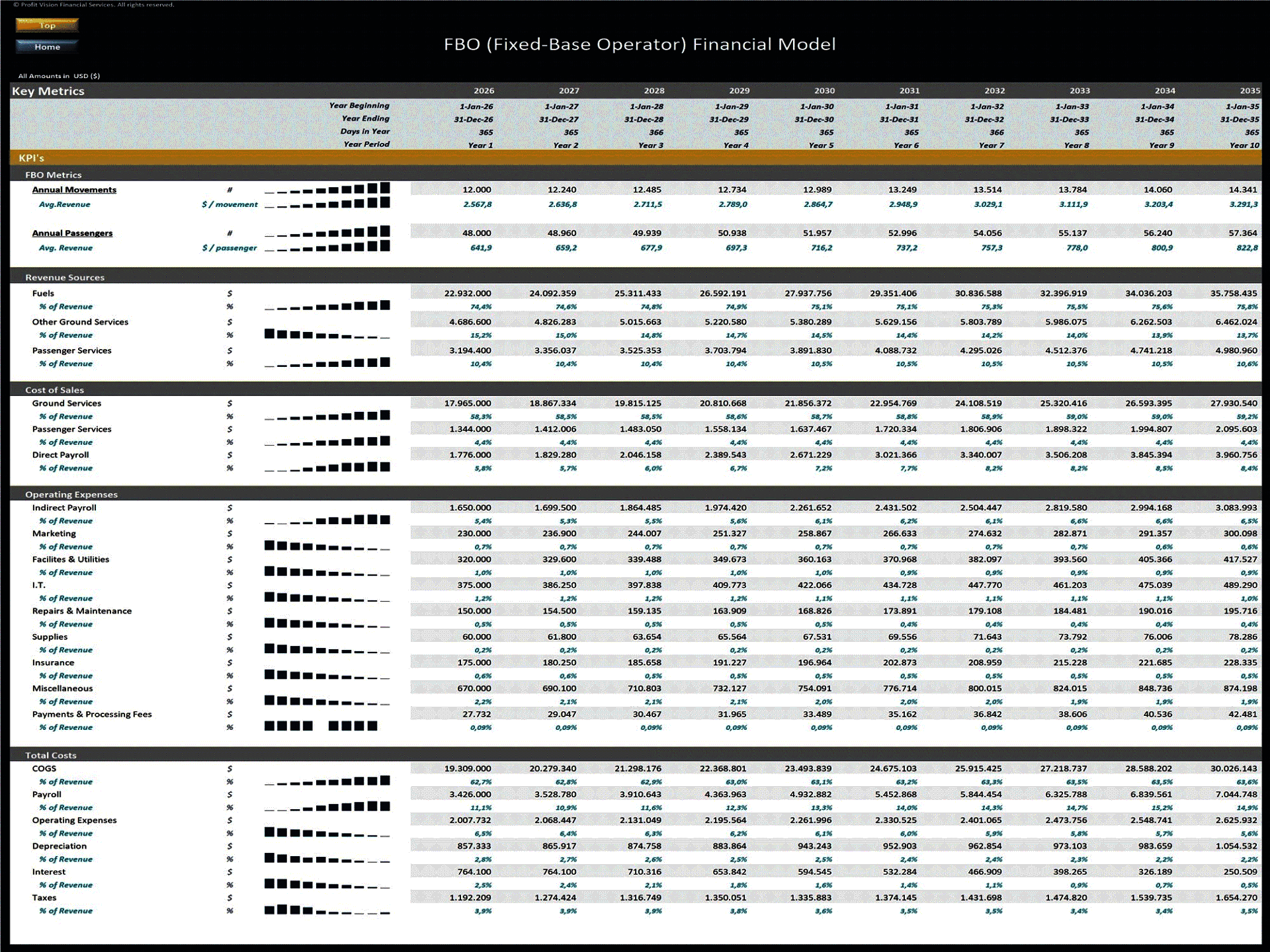
• KPIs & Financial Ratios, including several Profitability, Efficiency, Liquidity, and Leverage (Solvency) Ratios
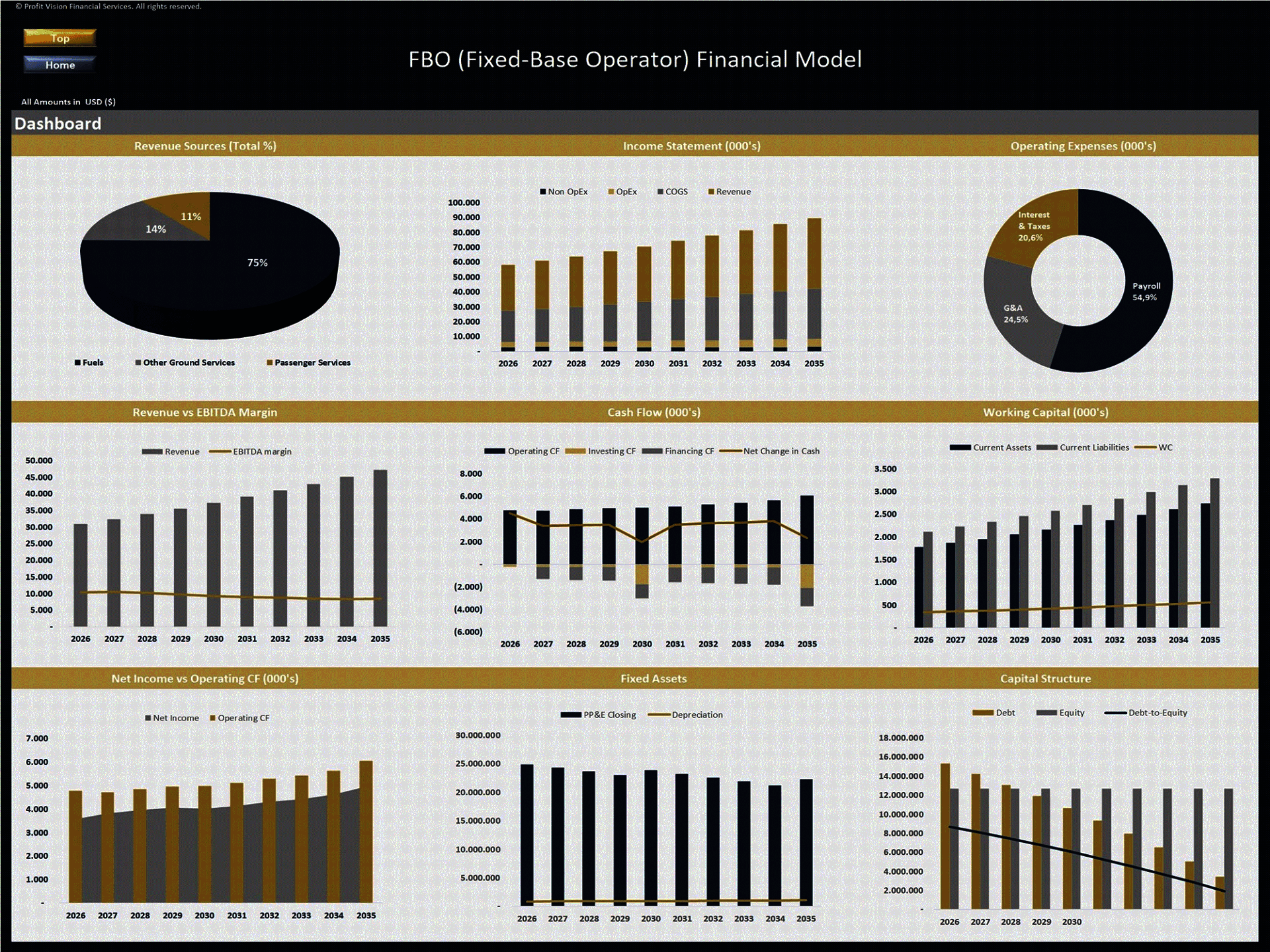
• Performance Dashboard
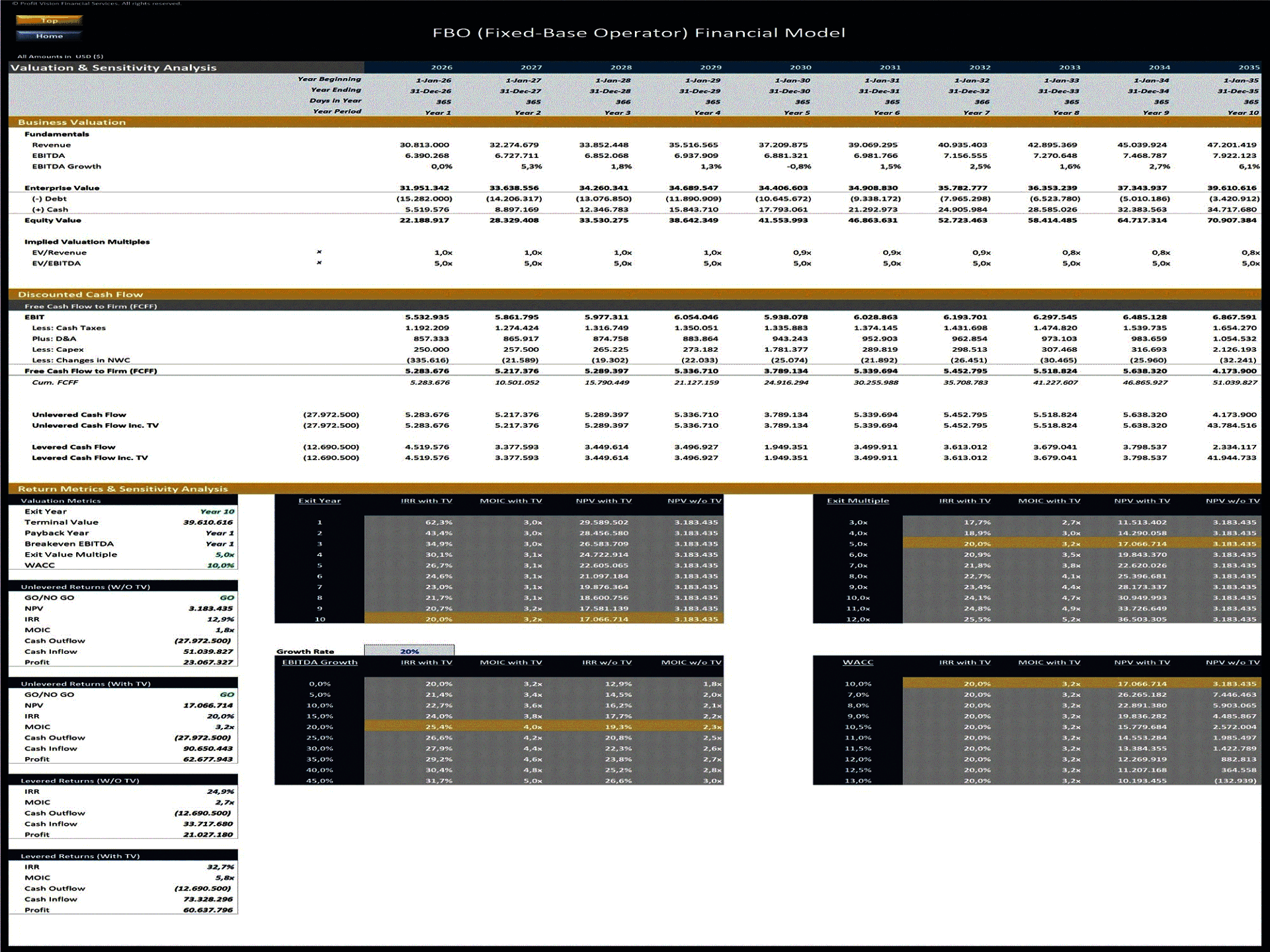
• Business Valuation, including DCF Model, Return Metrics (NPV, EV, IRR, MOIC, ROI, etc.), and Sensitivity Analysis
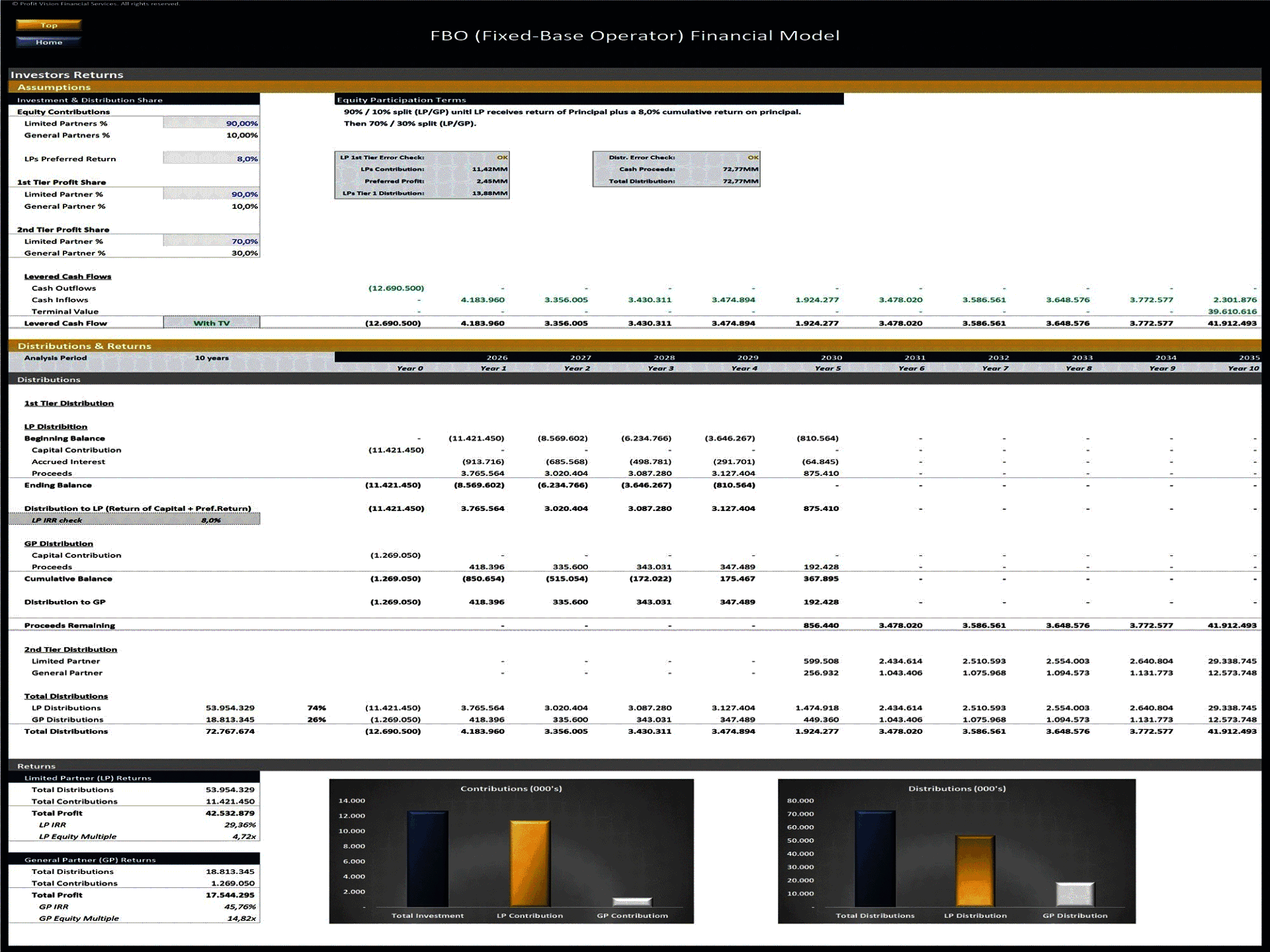
• Investors Distribution Waterfall Model
• Dynamic Executive Summary with an option to choose the Exit Year and Exit Scenario (with or without Terminal Value)
Detailed instructions on the use of the model are included in the Excel file.
Help & Support
Committed to high quality and customer satisfaction, all our templates follow best-practice financial modeling principles and are thoughtfully and carefully designed, keeping the user's needs and comfort in mind.
Whether you have no experience or are well-versed in finance, accounting, and the use of Microsoft Excel, our professional financial models are the right tools to boost your business operations!
If you experience any difficulty while using this template and cannot find the appropriate guidance in the provided instructions, please feel free to contact us for assistance.
If you need a template customized for your business requirements, please e-mail us and explain your specific needs briefly.
Got a question about the product? Email us at support@flevy.com or ask the author directly by using the "Ask the Author a Question" form. If you cannot view the preview above this document description, go here to view the large preview instead.
TOPIC FAQ
What revenue streams should I model for an FBO business plan?
Typical FBO revenue streams include aircraft fueling (fuel sales), hangar and office leases, ramp and handling fees, maintenance services, and passenger amenities such as lounges and concierge. These categories map directly to operating revenue lines used in FBO financial forecasts and are included as selectable revenue options in the model.What are the main cost categories to include in an FBO financial model?
Core cost categories are direct costs tied to services (e.g., fuel cost of goods sold), payroll for operational and administrative staff, operating expenses (utilities, insurance, ground handling), capital expenditures for facilities and equipment, and depreciation schedules. These feed into operating margins and cash flow projections via CapEx and depreciation.How do investors typically value an FBO business?
Investors commonly use discounted cash flow (DCF) analysis alongside exit multiple scenarios to estimate enterprise value, supported by return metrics such as NPV, IRR, MOIC, and ROI. Sensitivity analysis around key drivers like fuel margins and utilization helps test valuation assumptions in the DCF and exit multiple approach.What forecasting horizon and outputs are standard for an FBO financial model?
A 10-year forecast horizon with monthly cash flow budgeting and annualized 3-statement outputs (income statement, balance sheet, cash flow) is standard for long-term planning and lender review. Typical outputs also include break-even analysis, KPIs and financial ratios, and a performance dashboard.What should I look for when choosing an FBO financial model template?
Look for templates that allow customizable revenue selection, a Development Budget that supports land purchased or leased, integrated debt and equity financing schedules, monthly budgeting and variance analysis, valuation modules (DCF and exit scenarios), and clear instructions—features present in the Fixed-Base Operator (FBO) – 10 Year Financial Model.How much Excel or finance experience is needed to use a pre-built FBO model?
Templates vary,, but those that include detailed usage instructions and customer support can be used by users with limited modeling experience as well as seasoned analysts. Choose a model that provides step-by-step guidance and documentation built into the Excel file for onboarding and customization.Which schedules are essential when preparing a lender package for an FBO acquisition?
Lenders typically require a monthly cash flow budget, a 3-statement forecast (income, balance sheet, cash flow), CapEx and depreciation schedules, debt and equity financing repayment profiles, break-even analysis, and key financial ratios demonstrating liquidity and leverage — these inform covenant and servicing assessments.How can I test how fuel prices or utilization changes impact FBO returns?
Use scenario forecasting and sensitivity analysis to vary fuel price assumptions, utilization rates, and revenue mix, then observe impacts on cash flows, DCF valuation, and return metrics. Models that include Forecast Scenarios and Sensitivity Analysis tools enable systematic testing of these drivers.Source: Best Practices in Airline Industry, Integrated Financial Model Excel: Fixed-Base Operator (FBO) – 10 Year Financial Model Excel (XLSX) Spreadsheet, Profit Vision
ABOUT THE AUTHOR

Profit Vision provides Consulting & Outsourced Financial Services as well as Financial Planning & Performance analysis to small and mid-size businesses by implementing efficient and effective tools to assist them with start-up business plans or improve their ongoing operations.
Our range of services include Financial & Operational Analysis, Business Planning, Budgeting & Forecasting, Cash Flow
... [read more]
Ask the Author a Question
You must be logged in to contact the author.




























