
 Click main image to view in full screen. Unlock all 13 preview images:
Design Thinking - Overview – PowerPoint PPTX Template
PowerPoint (PPTX) 46 Slides


BENEFITS OF THIS DOWNLOADABLE POWERPOINT DOCUMENT
- Design thinking - Overview
- Design thinking - Awareness
- Design thinking - Process and Mindset
DESIGN THINKING PPT TEMPLATE DESCRIPTION
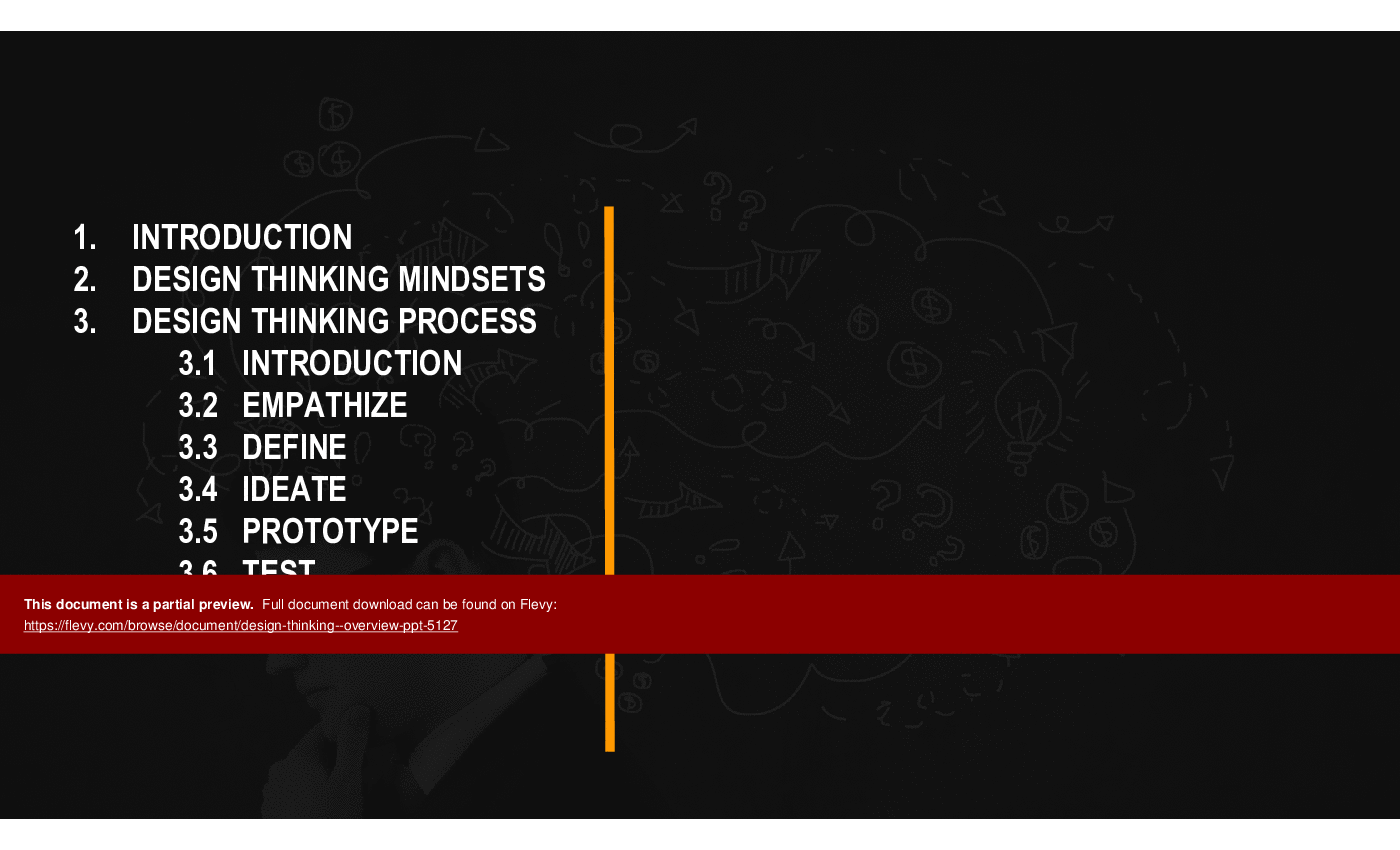
Content of this presentation is as follows:
1. INTRODUCTION
2. DESIGN THINKING MINDSETS
3. DESIGN THINKING PROCESS
3.1 INTRODUCTION
3.2 EMPATHIZE
3.3 DEFINE
3.4 IDEATE
3.5 PROTOTYPE
3.6 TEST
Design thinking:
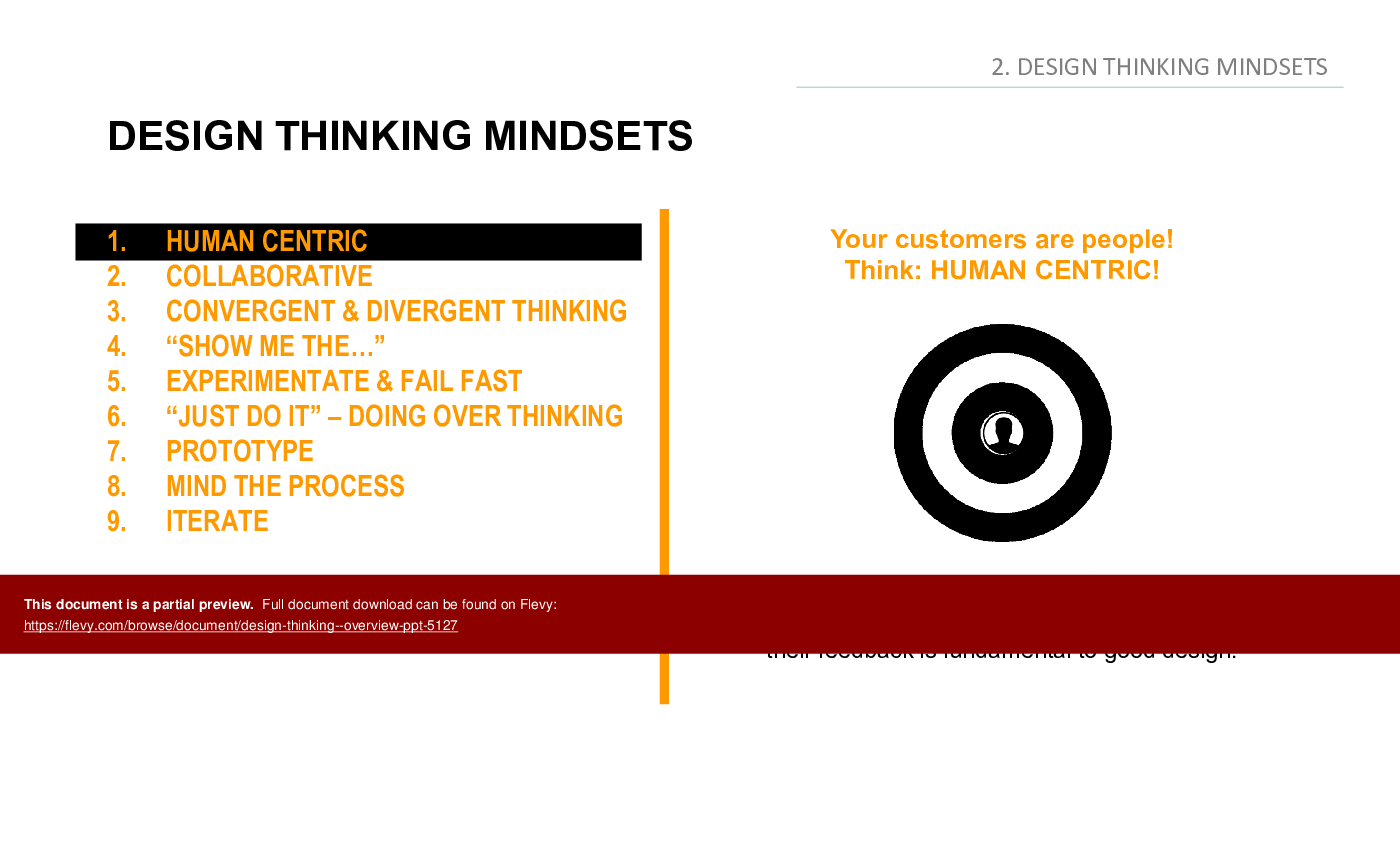
• Design thinking is a human-centered approach to problem solving
• Helps us to get a deep understanding of customers' unmet needs and wants
• It encourages creative consideration of a wide array of innovative solutions
• It is as much a mindset as a process
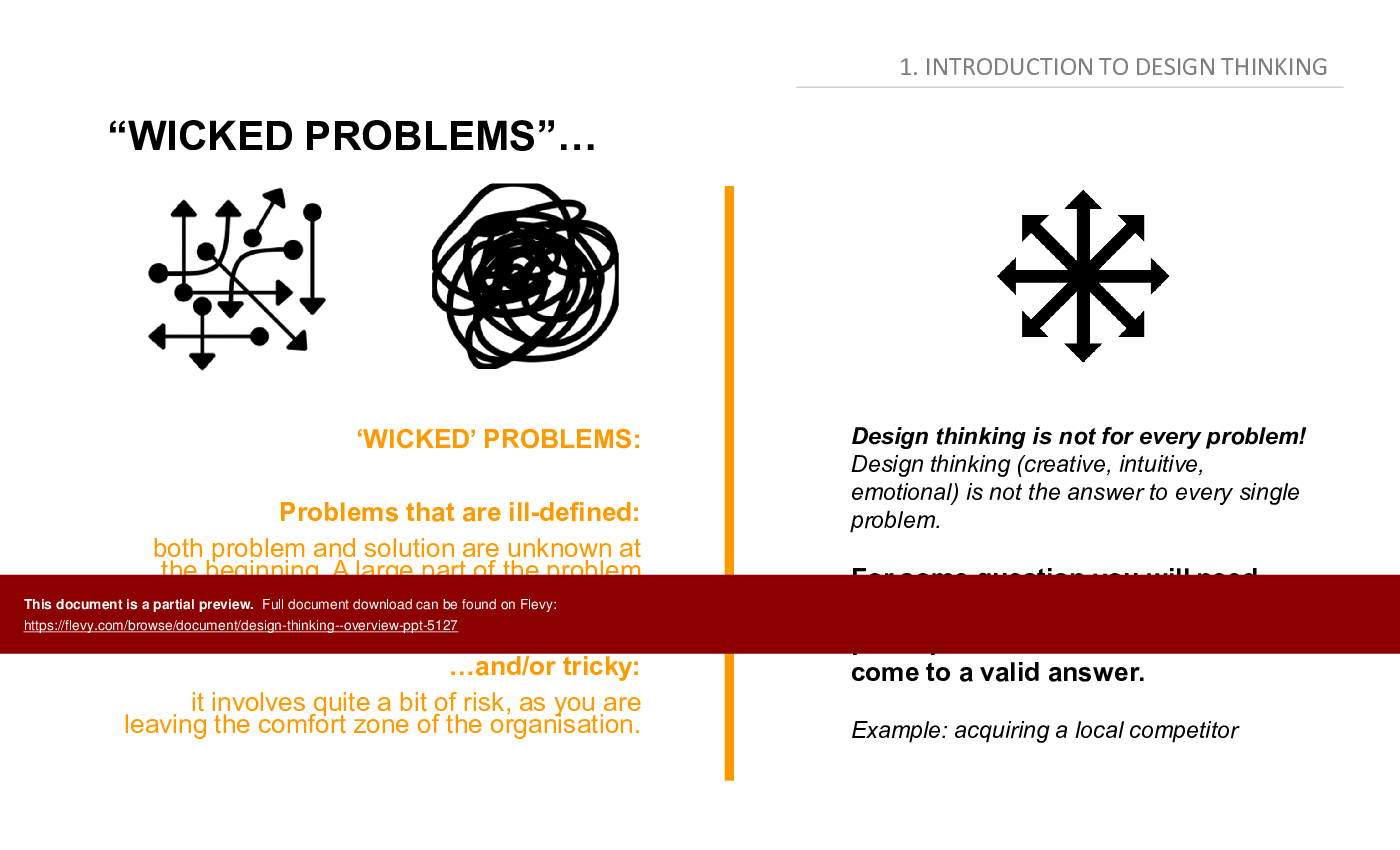
Design thinking can be helpful with 'WICKED' PROBLEMS: Problems that are ill-defined and/or tricky.
• Problems that are ill-defined: both problem and solution are unknown at the beginning. A large part of the problem solving is actually defining the problem.
• ... and/or tricky: it involves quite a bit of risk, as you are leaving the comfort zone of the organisation.
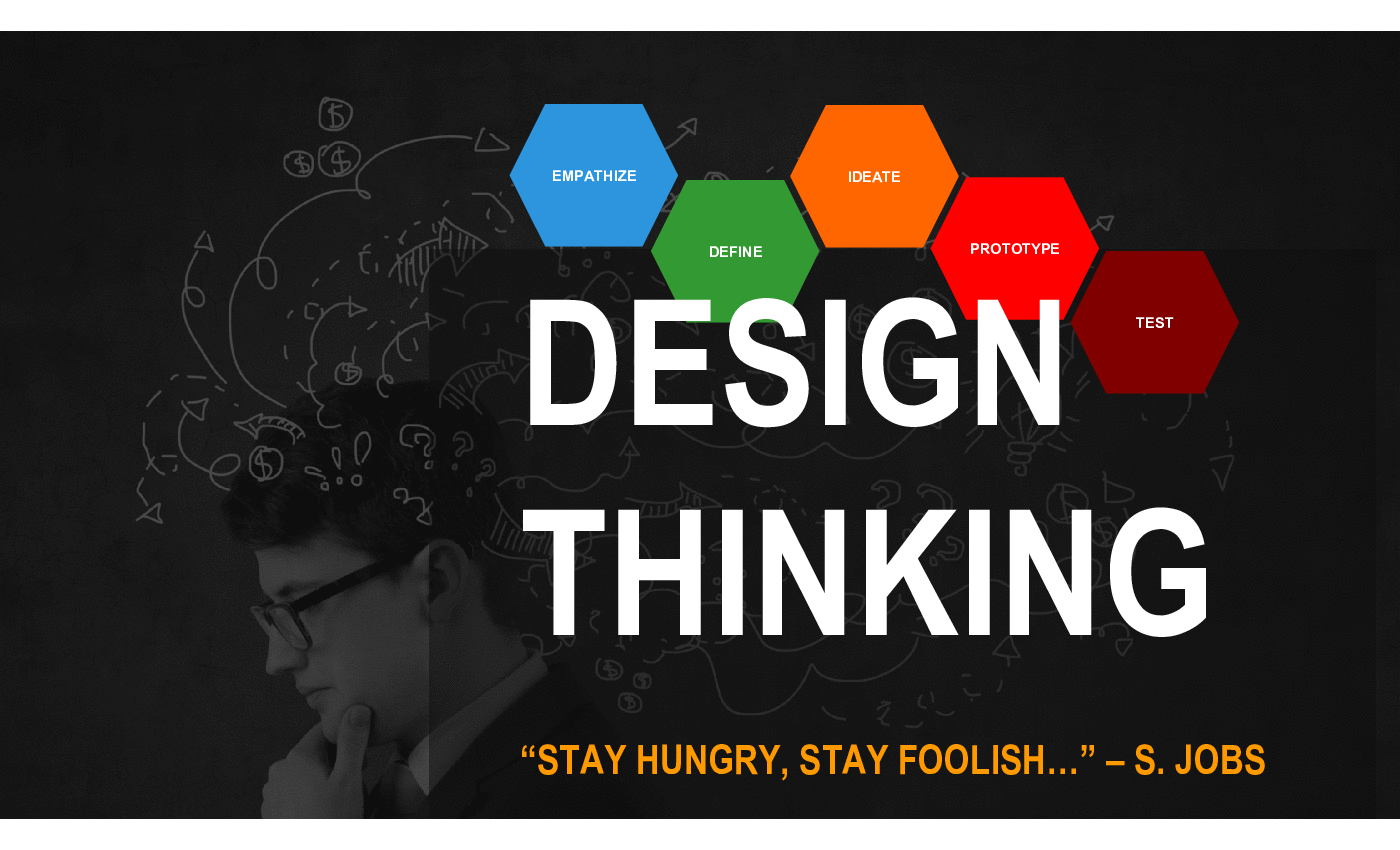
Design thinking process includes 5 activities:
1. Empathize
2. Ideate
3. Define
4. Prototype
5. Test
The final phase is the Testing stage where prototypes are made available to solicit feedback from users. This provides the opportunity to understand users further and see how they will use and interact with a product in real life. A great rule from the is "always prototype as if you know you are right, but test as if you know you're wrong – testing is a chance to refine your solutions and make them better."
Quickly receiving initial feedback encourages the team to refine the prototype, refine the POV and learn more about your users. Even if the prototype doesn't succeed with users, it doesn't mean the concept was a failure. The opportunity to quickly learn from users and adapt the product moves the team closer to the final product that will meet and exceed the need of users.
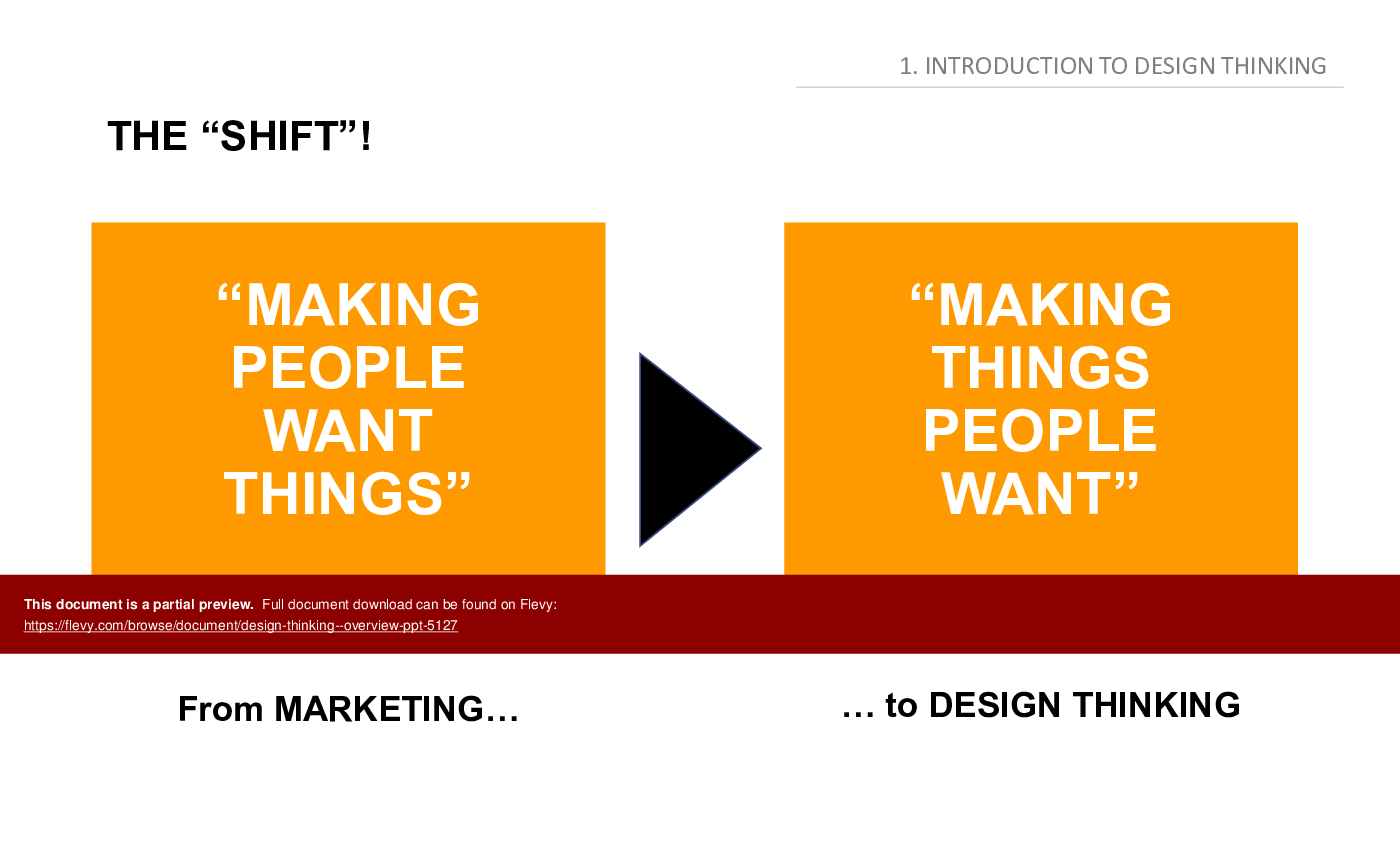
This presentation highlights the shift from traditional marketing to a design thinking approach, emphasizing the importance of creating things people actually want. It also covers the necessity of empathizing with users to uncover deep needs and insights.
Got a question about the product? Email us at support@flevy.com or ask the author directly by using the "Ask the Author a Question" form. If you cannot view the preview above this document description, go here to view the large preview instead.
TOPIC FAQ
What are the core phases of the design thinking process?
Design thinking is organized around 5 core activities: Empathize, Define, Ideate, Prototype, and Test. These phases guide teams from understanding user needs through generating concepts and iterating solutions, with a specific emphasis on user feedback during the Prototype and Test stages and 5 activities in total.How does design thinking differ from traditional marketing approaches?
Design thinking centers on a human-centered discovery of unmet needs rather than assuming solutions from past campaigns. It emphasizes direct user empathy work to reframe problems and inform solution concepts, shifting focus from message delivery to understanding needs during the Empathize phase.When is design thinking appropriate for addressing "wicked" problems?
Use design thinking when problems are ill-defined or risky—when both the problem and solution are initially unknown and significant problem-framing is required. The approach helps teams surface user needs and redefine the challenge, making it suitable for ill-defined and/or risky "wicked" problems.What is the role of prototyping and testing in design thinking?
Prototyping and testing are iterative means to solicit user feedback and refine solutions quickly. Prototypes are exposed to users to learn how they interact with concepts; testing is framed as a learning opportunity, consistent with the d.school maxim about prototyping and testing in the Testing stage.What should I look for when choosing a design thinking presentation or toolkit?
Look for content that explains both mindsets and the process phases—Empathize, Define, Ideate, Prototype, Test—and that addresses how to handle ill-defined or risky problems. Materials that describe prototyping and testing approaches and user-empathy methods indicate coverage of the 5 phases.How can I judge the value of buying a design thinking slide deck for training?
A slide deck is valuable if it teaches the human-centered mindset, walks through each process phase, and provides language for workshops and prototyping practices. For example, the product Design Thinking - Overview is a 46-slide PPTX by ITSM Consulting sold on Flevy as a digital download.I need to redesign a customer journey—how can design thinking help?
Design thinking begins with Empathize to surface unmet needs, then Define to frame the opportunity, Ideate to create concepts, and Prototype/Test to validate interactions with users. This sequence helps uncover where journeys break and iteratively refine solutions using Empathize, Ideate, Prototype, Test.How can marketing teams use design thinking to improve campaign effectiveness?
Marketing teams can use empathy research to uncover deep customer motivations, reframe campaign problems, generate creative concepts in Ideate, and validate messaging or experiences via prototypes and user tests. This shifts campaign development toward user-validated solutions using the Empathize and Test phases.Source: Best Practices in Design Thinking PowerPoint Slides: Design Thinking - Overview PowerPoint (PPTX) Presentation Slide Deck, ITSM Consulting




























