
Seventy percent of change programs fail, according to the April 2001 Harvard Business Review article, "Cracking the Code of Change". According to Bain & Company, businesses that implement fast, focused, and simultaneous change programs can create enormous and long-lasting shareholder value.
The purpose of this Change Management Strategy framework is to provide a standard methodology and framework for Change Management projects following a transaction. The Change Management Strategy can be used as a guide for HR Business Partners and Transaction Advisors dealing with acquisitions, disposals, divestitures, and the like, on how to complete a Change Management project. It will help to drive a consistent approach to manage organizational change.
LEARNING OBJECTIVES
1. Acquire knowledge on the basic concepts of change management.
2. Define the change management process and explore the model and tools for managing the change.
3. Identify the phases and best practices of change management within the context of a transaction.
CONTENTS:
1. Overview of the Change Management Strategy
2. Proposed Change Management Model
3. Proposed Change Management Process
3.1. Phase 1 – Preparing for the change
3.2. Phase 2 – Managing the change
3.3. Phase 3 – Monitoring and reinforcing the change
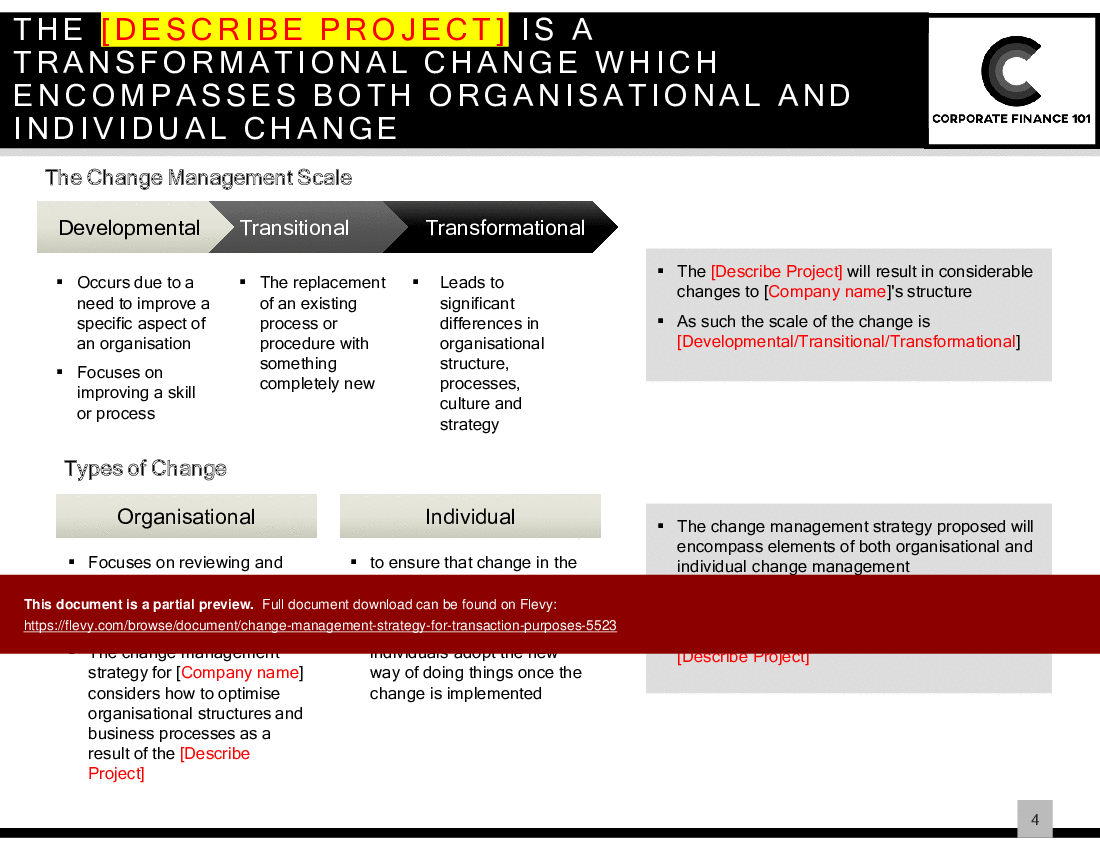
This Change Management Strategy framework also delves into the categorization of change, distinguishing between developmental, transitional, and transformational changes. It provides a clear roadmap for identifying and managing both organizational and individual changes, ensuring that all aspects of the transformation are addressed comprehensively. The framework emphasizes the importance of aligning change management activities with the overall project timelines to maintain coherence and effectiveness.
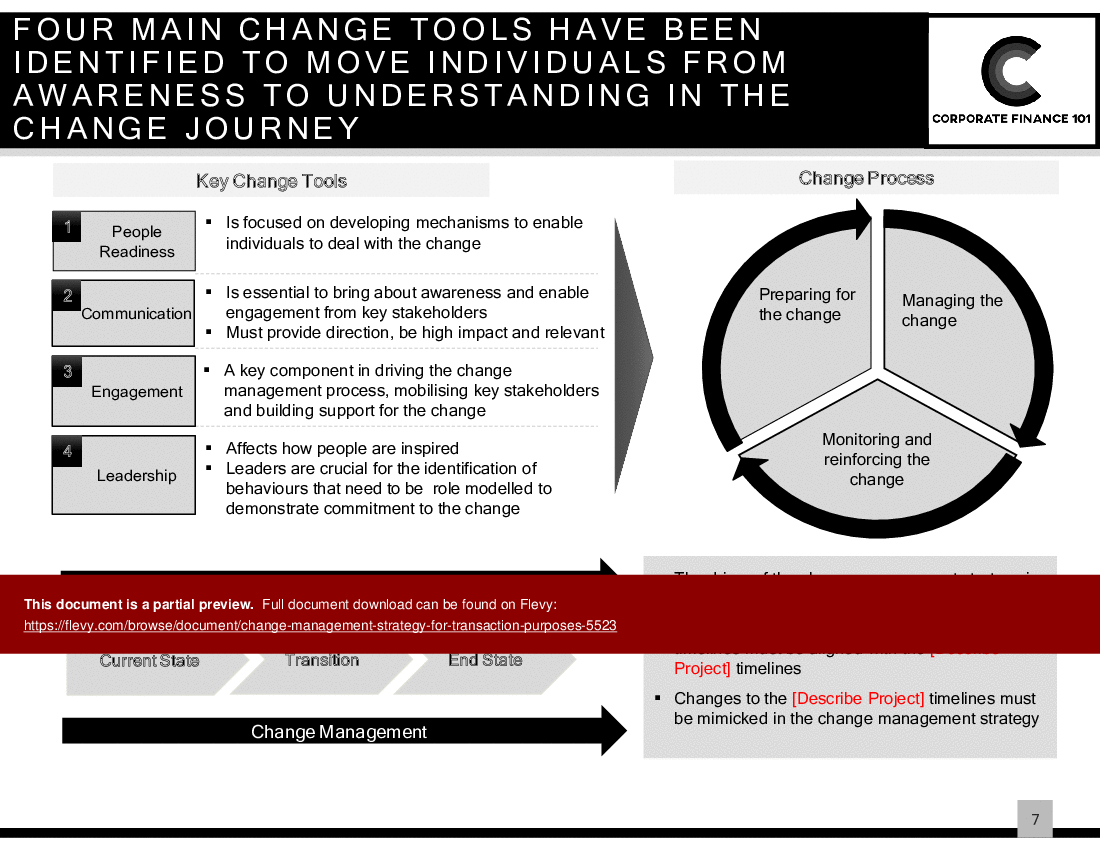
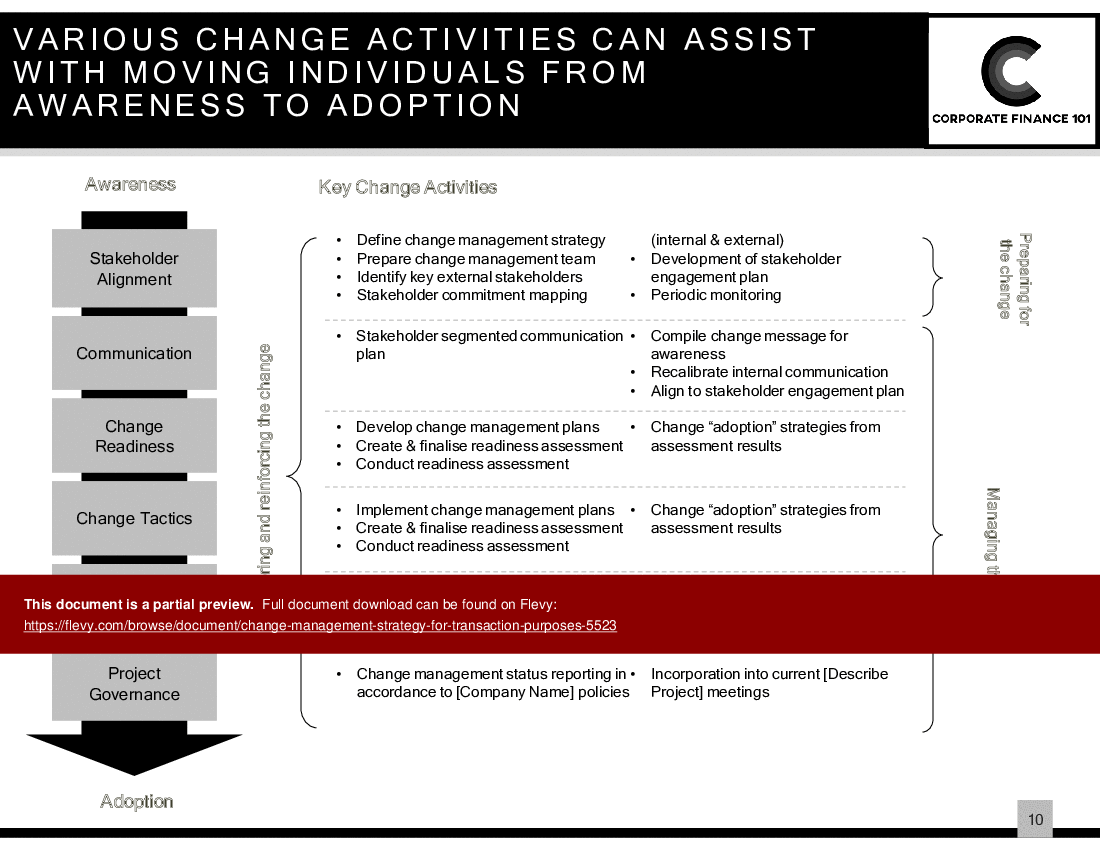
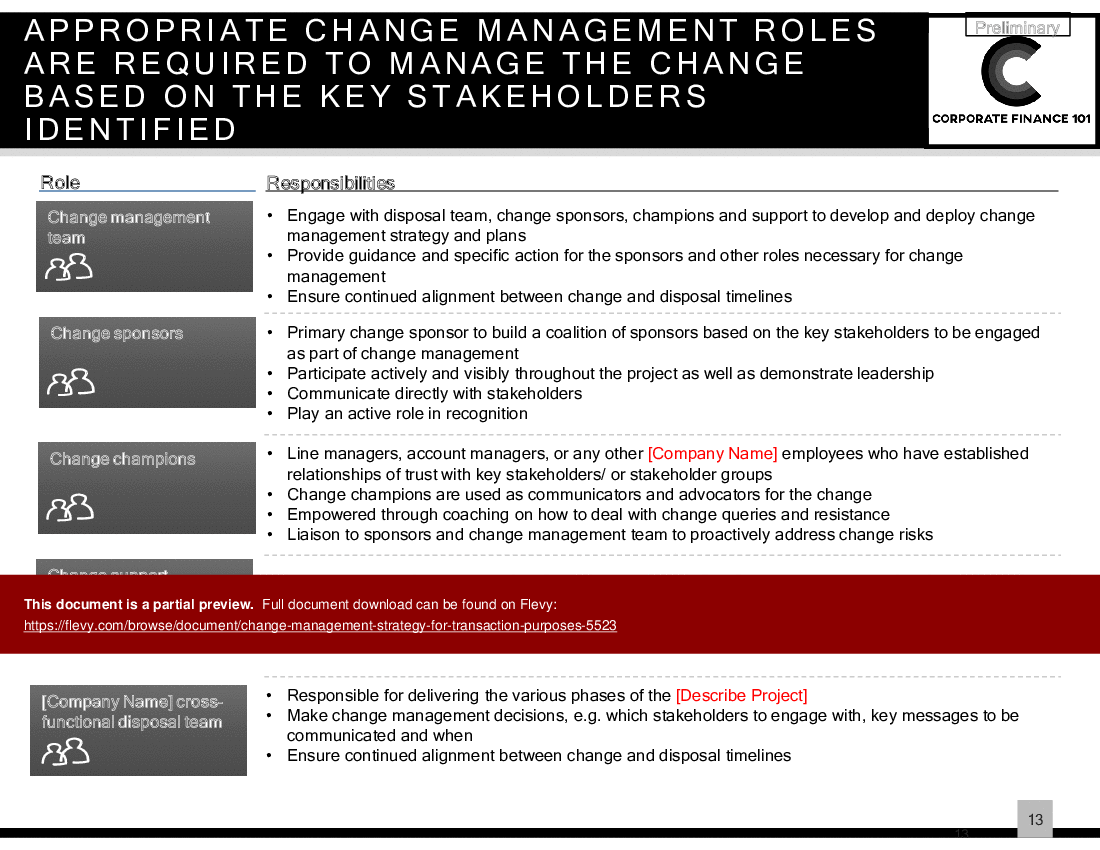
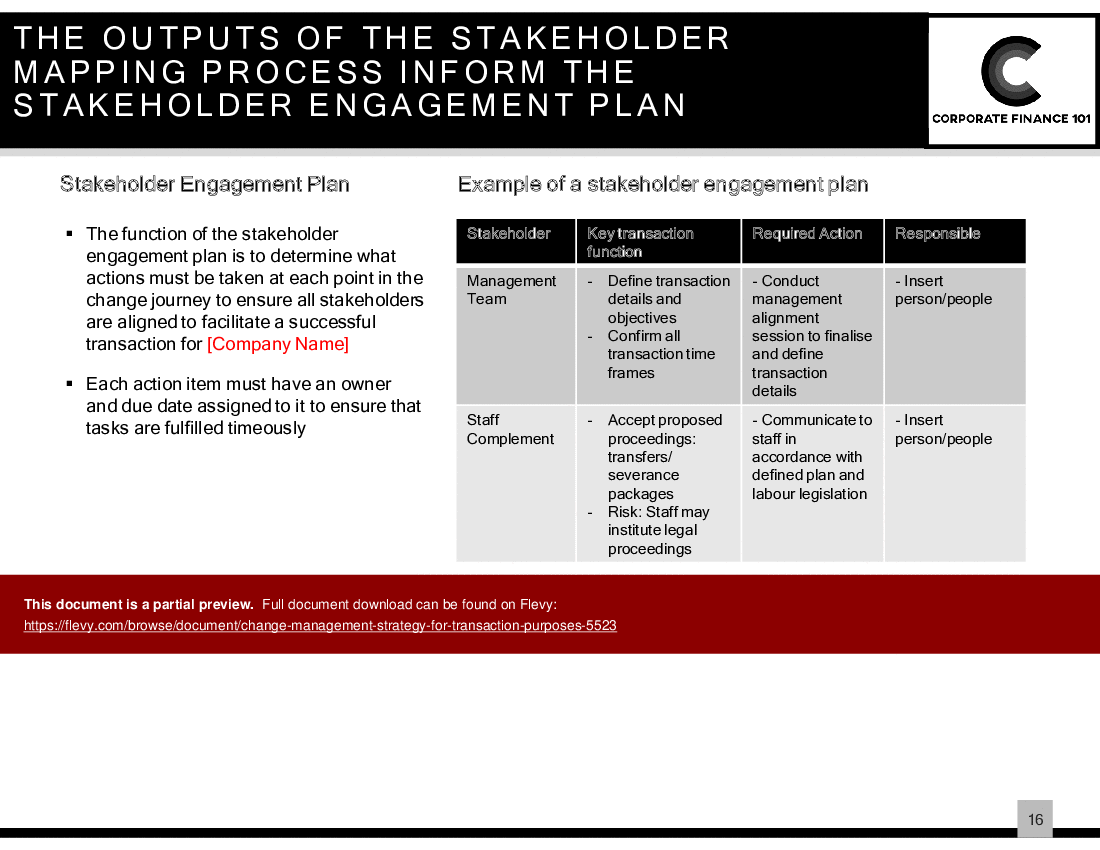
Key tools such as People Readiness, Communication, Engagement, and Leadership are outlined to facilitate the transition from awareness to adoption. Detailed roles and responsibilities for the change management team, sponsors, and champions are specified to ensure accountability and effective execution. The PPT also includes a stakeholder engagement plan to keep all parties aligned and informed throughout the change process.
Got a question about the product? Email us at support@flevy.com or ask the author directly by using the "Ask the Author a Question" form. If you cannot view the preview above this document description, go here to view the large preview instead.
Executive Summary
This Change Management Strategy document is designed to facilitate the successful adoption of the [Describe Project] following a transaction, crafted with the rigor and clarity expected from a McKinsey, Bain, or BCG-quality presentation (consulting-grade; not affiliated). It provides a structured approach for project teams to engage stakeholders effectively, manage change processes, and ensure alignment throughout the transaction lifecycle. By implementing this strategy, organizations can navigate the complexities of change, mitigate risks, and promote sustainable adoption among all stakeholders.
Who This Is For and When to Use
• Change management teams responsible for overseeing organizational transitions
• Project managers and leaders involved in transaction processes
• HR professionals tasked with managing employee engagement during change
• Stakeholder engagement specialists focusing on communication and alignment
Best-fit moments to use this deck:
• During the planning phase of a transaction to outline change management strategies
• When preparing stakeholders for significant organizational changes
• In the execution phase to monitor and reinforce change adoption
Learning Objectives
• Define the scope and nature of the change associated with the [Describe Project].
• Identify key stakeholders and assess their impact on the change process.
• Develop a comprehensive communication plan to engage stakeholders effectively.
• Implement change management plans that drive awareness and buy-in.
• Monitor stakeholder adoption and reinforce change initiatives.
• Evaluate the success of change management efforts and incorporate feedback.
Table of Contents
• Overview (page 1)
• Change Management Objectives (page 3)
• Proposed Change Management Model (page 5)
• Proposed Change Management Process (page 7)
• Phase 1: Preparing for the Change (page 9)
• Phase 2: Managing the Change (page 11)
• Phase 3: Monitoring and Reinforcing the Change (page 21)
Primary Topics Covered
• Change Management Scope - Defines the nature and scope of the change, identifying impacted stakeholders and their involvement.
• Stakeholder Engagement - Outlines methods for engaging key stakeholders and ensuring their alignment with the change process.
• Communication Plan - Details strategies for effective communication to create awareness and sustain interest in the change initiative.
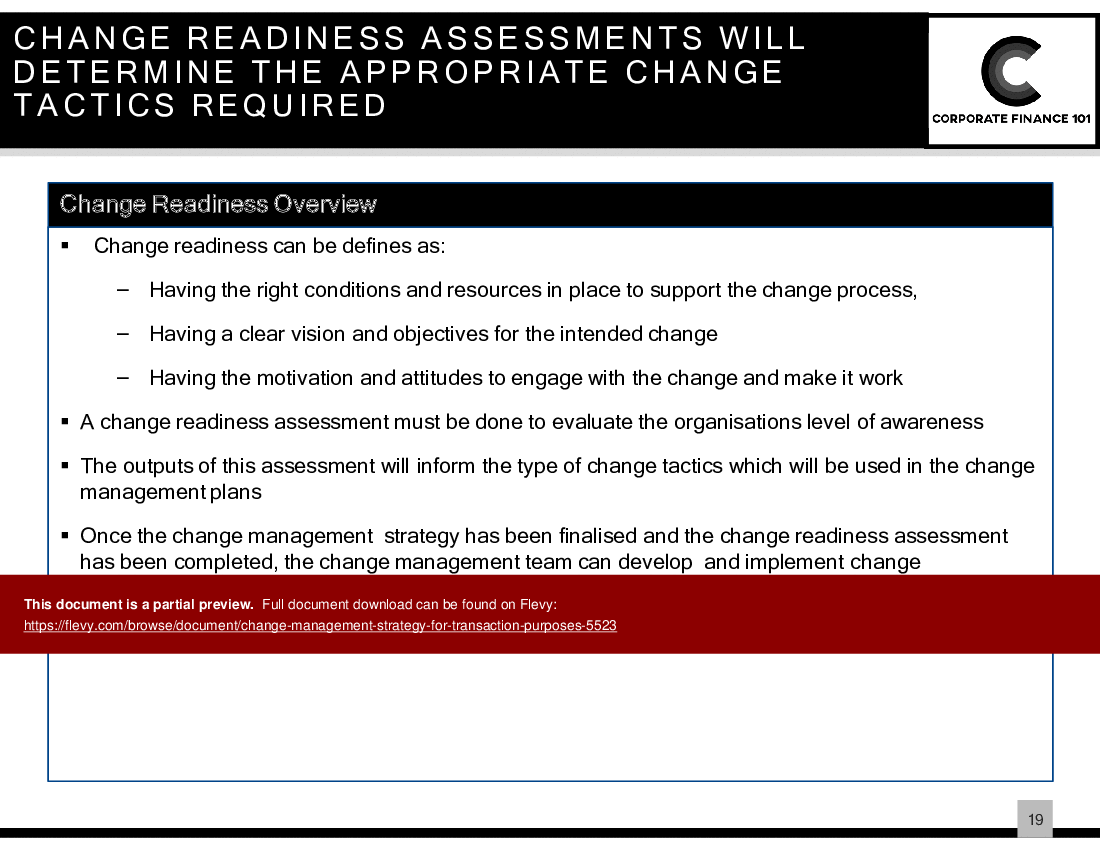
• Change Readiness Assessment - Evaluates the organization's preparedness for change and informs the tactics required for successful adoption.
• Monitoring and Evaluation - Establishes mechanisms for tracking stakeholder adoption and refining change management plans based on feedback.
• Change Management Roles - Identifies key roles such as change sponsors, champions, and support teams essential for managing the change process.
Deliverables, Templates, and Tools
• Change management scope definition template to outline the nature and impact of the change.
• Stakeholder engagement plan template for mapping and prioritizing key stakeholders.
• Communication plan template to ensure consistent messaging throughout the change journey.
• Change readiness assessment tool to evaluate organizational preparedness for change.
• Monitoring and evaluation framework to assess the success of change initiatives.
• Recognition and feedback mechanisms to reinforce stakeholder engagement and celebrate successes.
Slide Highlights
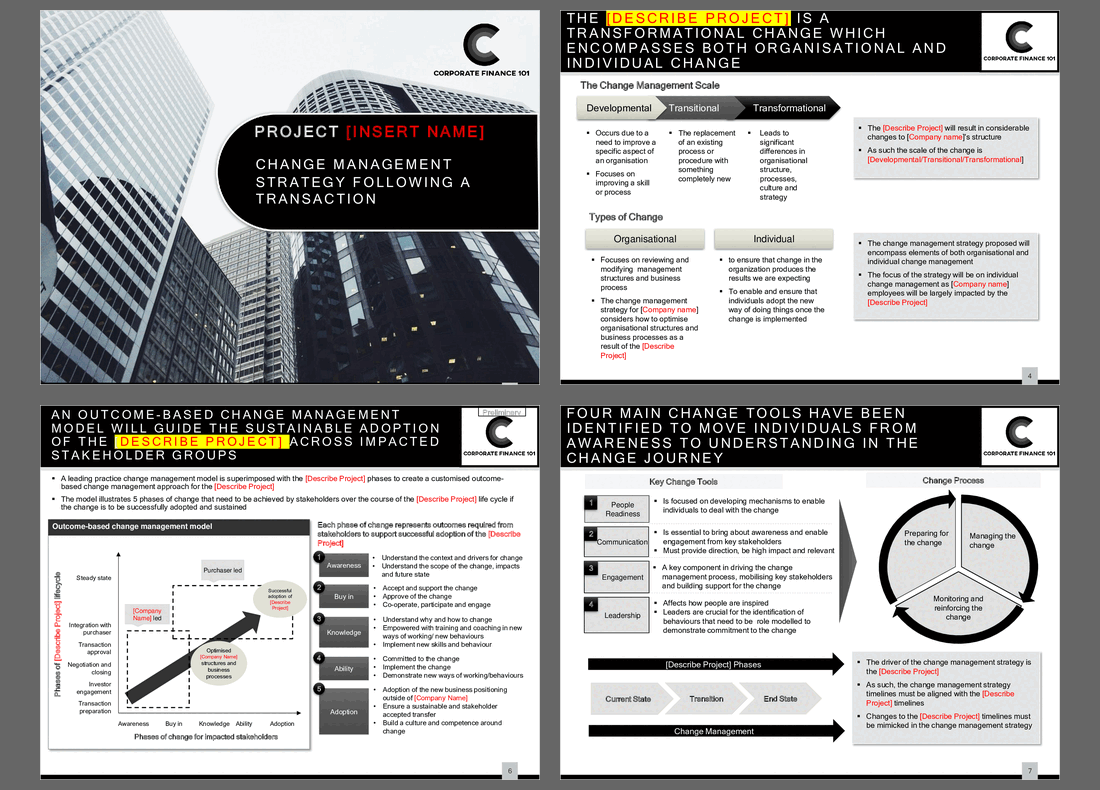
• Overview of the Change Management Strategy, emphasizing the importance of structured engagement.
• Proposed Change Management Model illustrating phases of stakeholder engagement.
• Detailed breakdown of the three-phase change management process.
• Visual representation of stakeholder mapping and prioritization.
• Communication objectives and activities designed to enhance awareness and buy-in.
Potential Workshop Agenda
Change Management Strategy Overview (60 minutes)
• Introduce the objectives and scope of the change management strategy.
• Discuss the importance of stakeholder engagement and communication.
• Review the proposed change management model and process.
Stakeholder Engagement Planning (90 minutes)
• Identify key stakeholders and their potential impact on the change.
• Develop a stakeholder engagement plan tailored to the [Describe Project].
• Outline communication strategies to ensure alignment and support.
Change Readiness Assessment Workshop (60 minutes)
• Conduct a readiness assessment to evaluate organizational preparedness.
• Discuss findings and develop tactics to address identified gaps.
• Plan next steps for implementing change management initiatives.
Customization Guidance
• Tailor the change management scope to reflect the specific nature of the [Describe Project].
• Adjust stakeholder engagement strategies based on the unique dynamics of the organization.
• Modify communication plans to align with organizational culture and stakeholder preferences.
• Incorporate feedback mechanisms that resonate with the specific needs of the impacted stakeholders.
Secondary Topics Covered
• Change management tools and techniques for effective stakeholder engagement.
• Strategies for addressing resistance to change and fostering acceptance.
• Methods for evaluating the impact of change on organizational performance.
• Best practices for sustaining change and promoting a culture of adaptability.
FAQ
What is the purpose of the Change Management Strategy?
The strategy aims to facilitate the successful adoption of the [Describe Project] by engaging stakeholders, managing change processes, and ensuring alignment throughout the transaction lifecycle.
Who are the key stakeholders in the change process?
Key stakeholders include internal management, employees, external partners, and any groups impacted by the [Describe Project].
How will stakeholder engagement be managed?
Stakeholder engagement will be managed through a structured plan that includes mapping, prioritizing, and communicating with stakeholders effectively.
What is a change readiness assessment?
A change readiness assessment evaluates the organization's preparedness for change, identifying areas that require attention to ensure successful adoption.
What are the phases of the proposed change management process?
The process consists of 3 phases: preparing for the change, managing the change, and monitoring and reinforcing the change.
How will success be measured in the change management process?
Success will be measured through monitoring stakeholder adoption, evaluating feedback, and assessing the effectiveness of change management initiatives.
What tools will be used to support the change management strategy?
Tools include templates for stakeholder engagement, communication plans, and change readiness assessments.
How can the change management strategy be customized?
The strategy can be customized by adjusting the scope, engagement strategies, and communication plans to fit the specific needs of the organization and project.
Glossary
• Change Management - The process of planning, implementing, and monitoring changes within an organization.
• Stakeholder - Any individual or group affected by or involved in the change process.
• Change Readiness - The state of preparedness within an organization to engage with and implement change.
• Communication Plan - A strategic outline for how information will be shared with stakeholders during the change process.
• Engagement Plan - A structured approach to involve stakeholders in the change journey to ensure alignment and support.
• Monitoring - The ongoing process of assessing stakeholder adoption and the effectiveness of change initiatives.
Source: Best Practices in Change Management, M&A PowerPoint Slides: Change Management Strategy PowerPoint (PPTX) Presentation Slide Deck, Corporate Finance 101
|
Download our FREE Organization, Change, & Culture, Templates
Download our free compilation of 50+ slides and templates on Organizational Design, Change Management, and Corporate Culture. Methodologies include ADKAR, Burke-Litwin Change Model, McKinsey 7-S, Competing Values Framework, etc. |