
This product (Business Unit Strategy Training Program) is a 654-slide PPT PowerPoint presentation slide deck (PPT), which you can download immediately upon purchase.
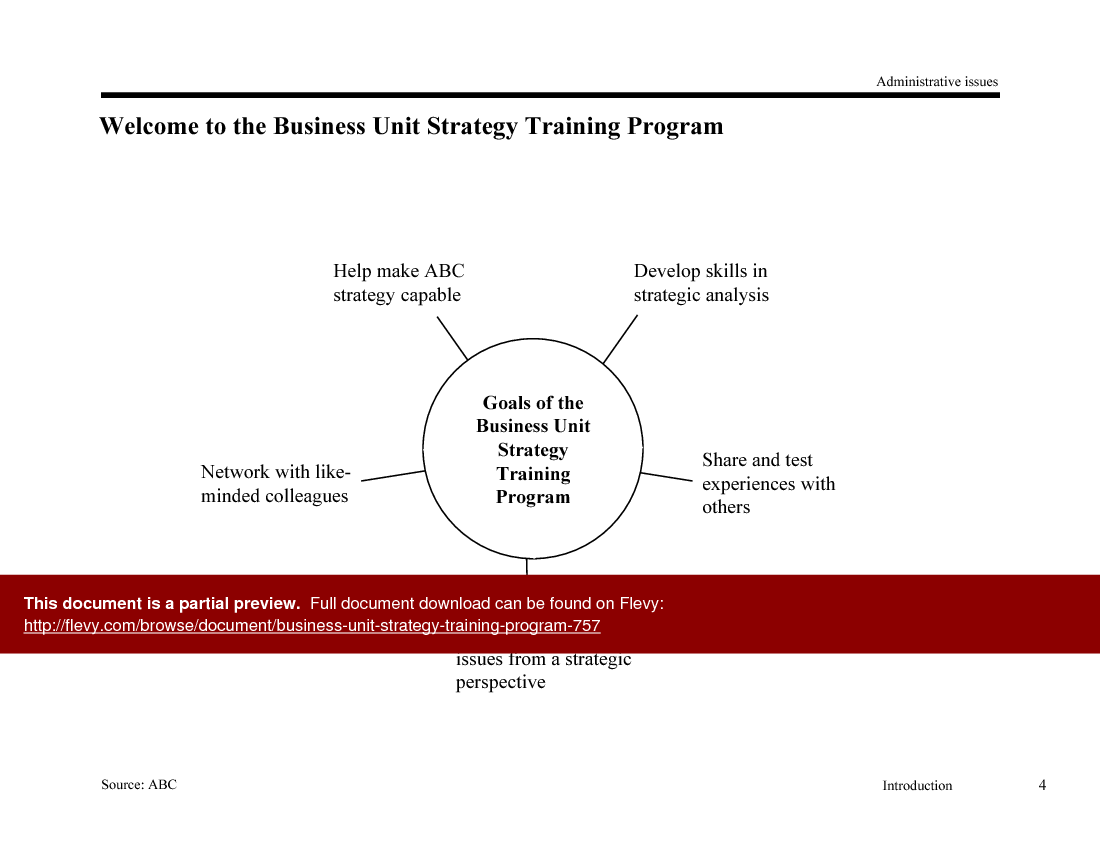
This Training Program materials was developed a leading consulting firm aims Network with like-minded colleagues,Help make strategy capable, Develop skills in strategic analysis, Share and test experiences with others, Think about business issues from a strategic perspective. This program was created using a "bottom-up" approach, in which sources from around the firm and academia were gathered and with time filtered into the "finished product"
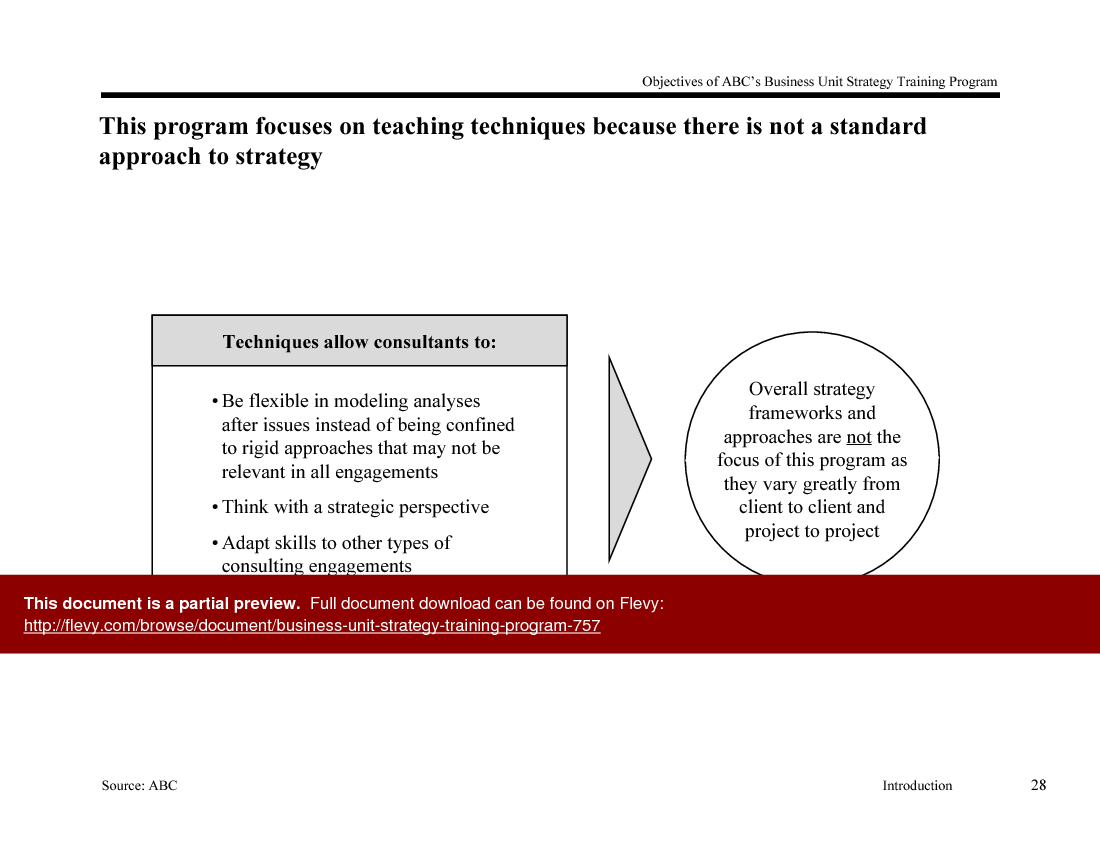
The objective of the training program is to teach a set of techniques that form the building blocks of analysis in strategy engagements and not to teach an approach. This program focuses on teaching techniques because there is not a standard approach to strategy. The training program focuses intensively on exercises and examples to ensure that the theoretical knowledge can be practically applied. The techniques taught in this program do not cover all of the areas that might be relevant in strategy projects
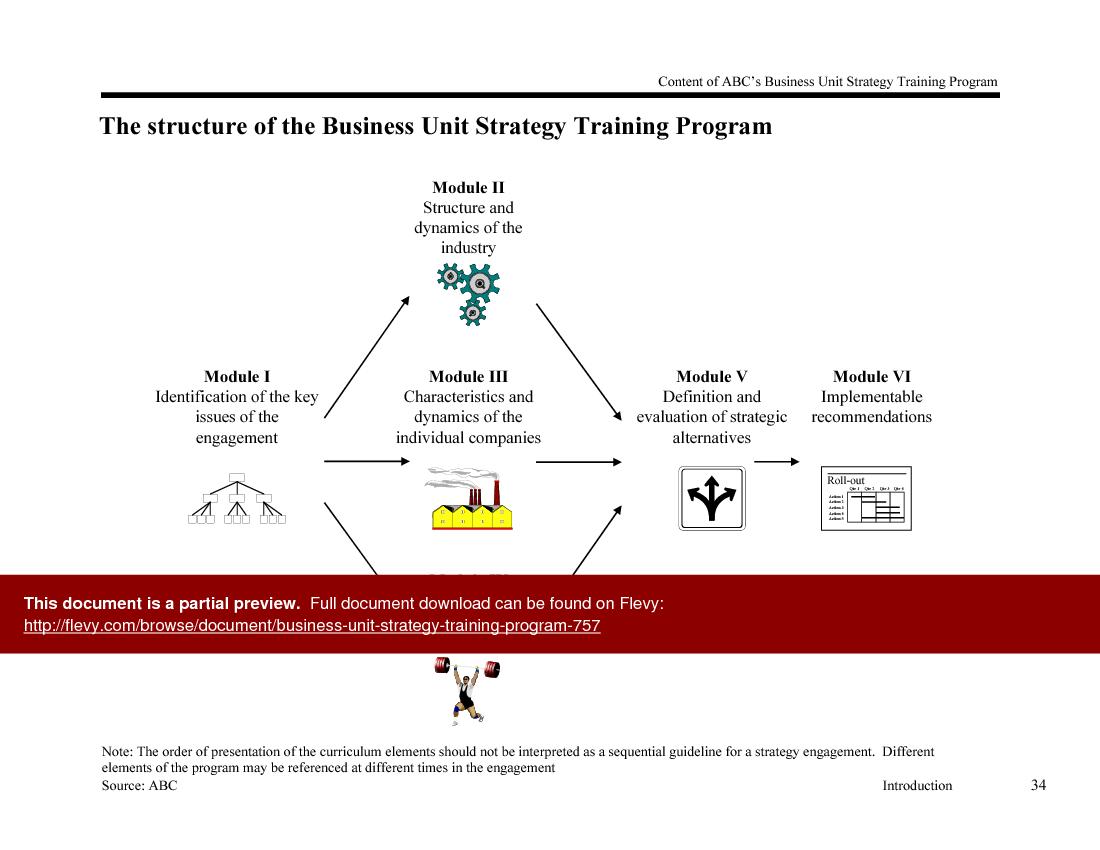
The training program focuses on BU strategy development methodology, consisting of 6 modules:
Module 1. Identification of key strategic issues
This module establishes the point-of-departure for business unit strategy engagements and categorized into Key issues of the engagement deliverable.
Module 2. Analysis of structure and dynamics of industry
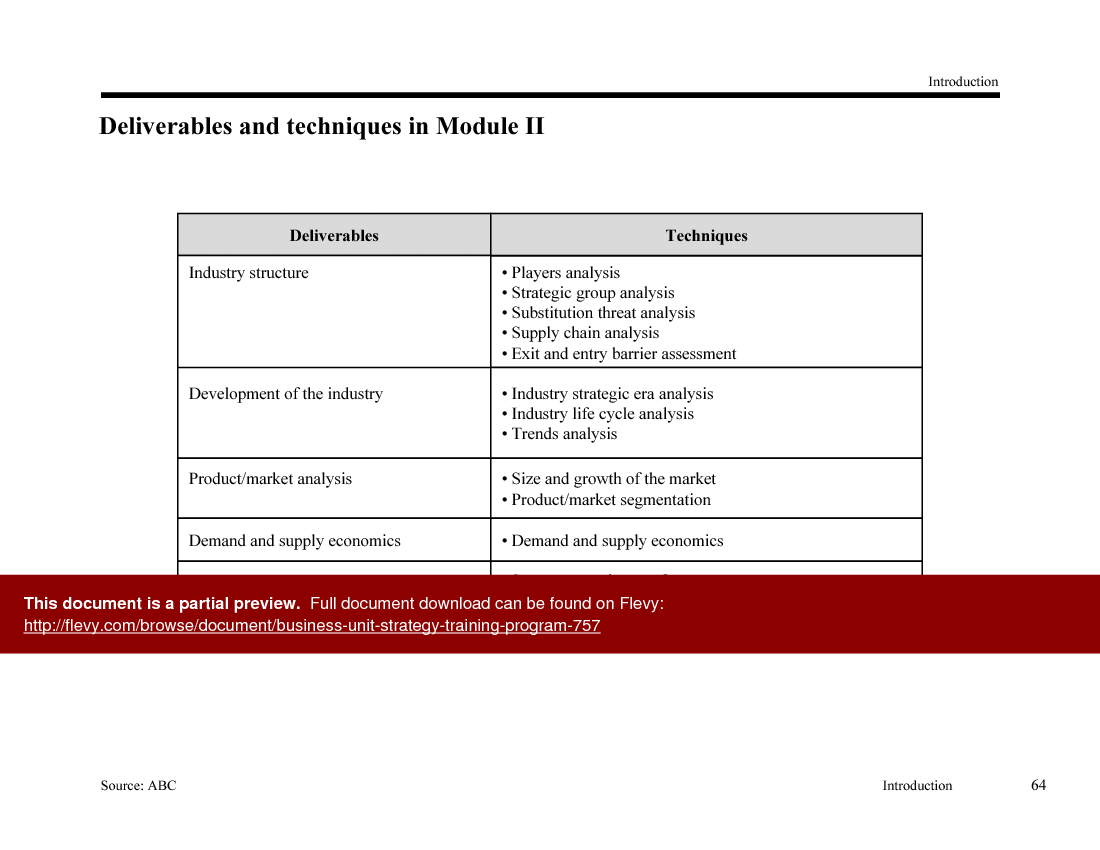
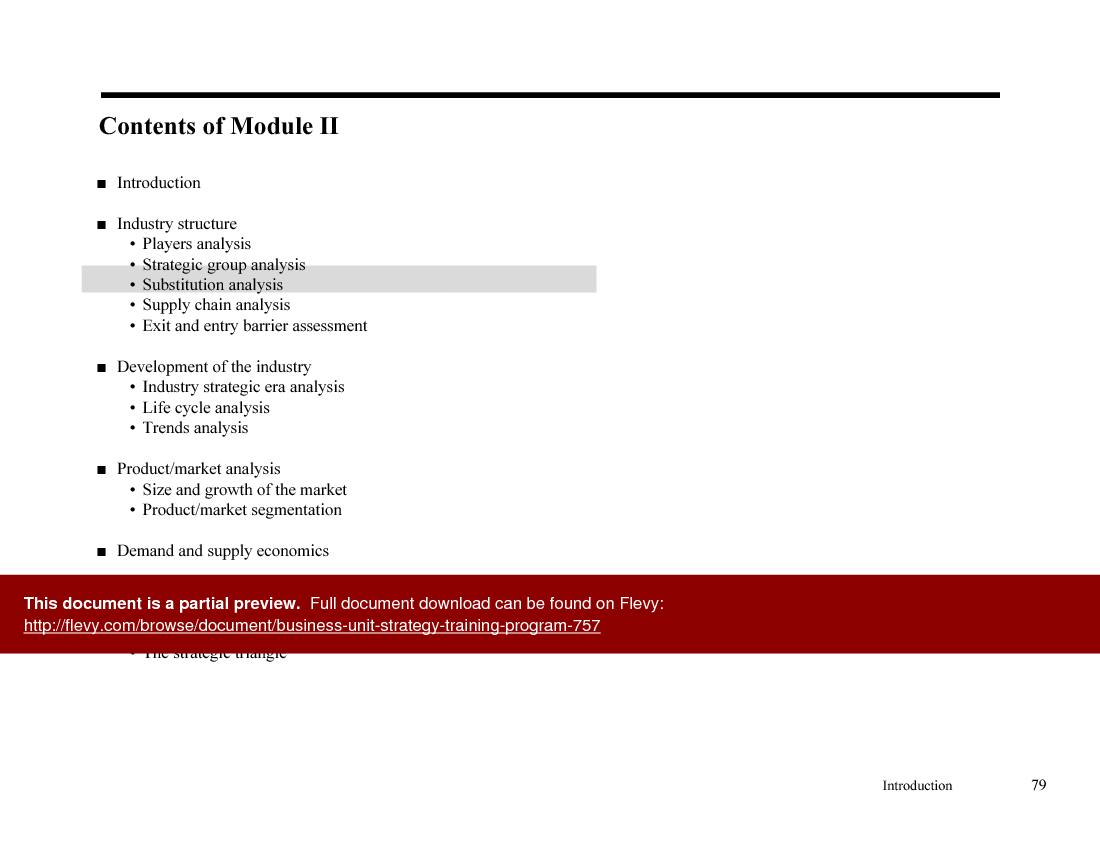
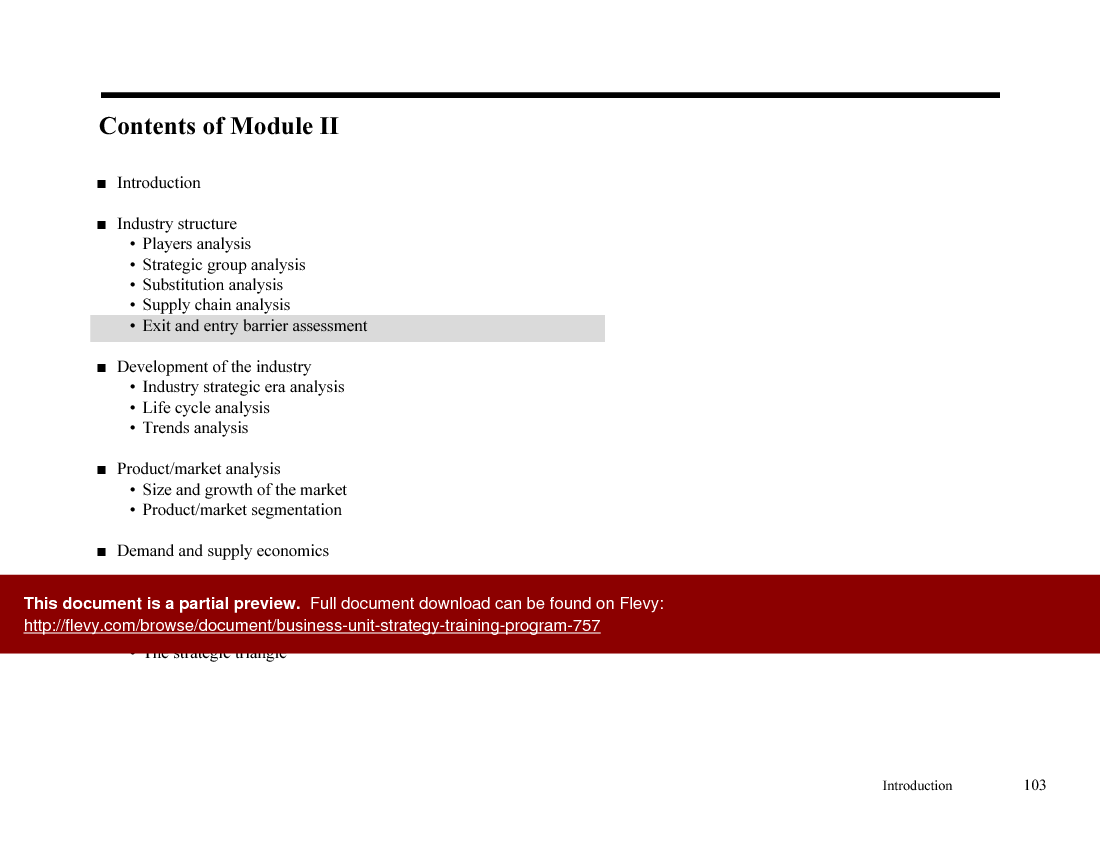
This module teaches techniques and frameworks used to analyze the structure and dynamics of the industry and categorized into 5 deliverables include: Industry structure, Development of the industry, Product/market analysis, Demand and supply economics, Industry analysis frameworks
Module 3. Analysis of characteristics and dynamics of company
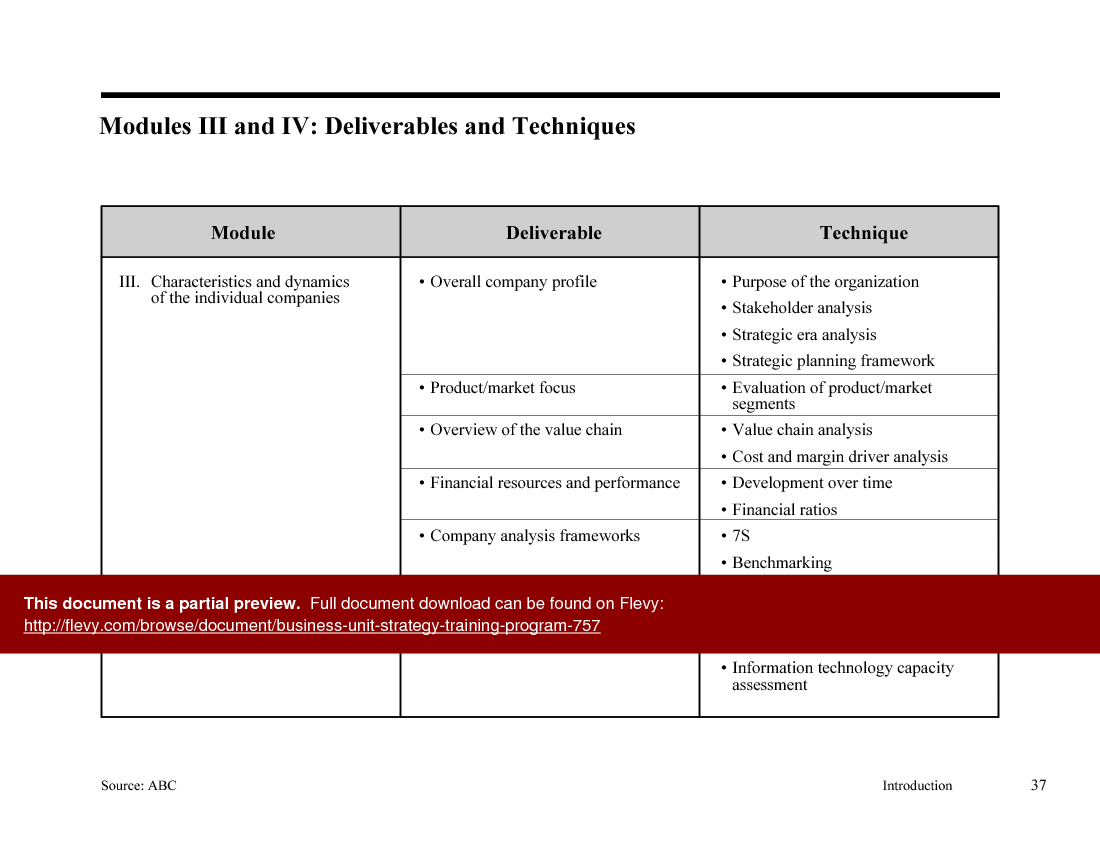
This module teaches the analysis of individual company characteristics and dynamics, which can be applied to both the client and its competitors and categorized into 5 deliverables include: Overall company profile, Product/market focus, Overview of the value chain, Financial resources and performance, Company analysis frameworks
Module 4. Assessment of execution capability
This module focus determine the degrees of strategic freedom available to the client in terms of the client's capacity to execute strategy. The purpose is that strategic decision-making should be tailored to the specific capabilities of the client. The module is categorized into Assessment of execution capacity deliverable
Module 5. Evaluation of strategic alternatives
Module 6. Implementation recommendation
Each module contains detail description of the considerations, methodology, key processes & activities, key tools/techniques, examples, deliverables, and usage. The deck has 600 PowerPoint slides.
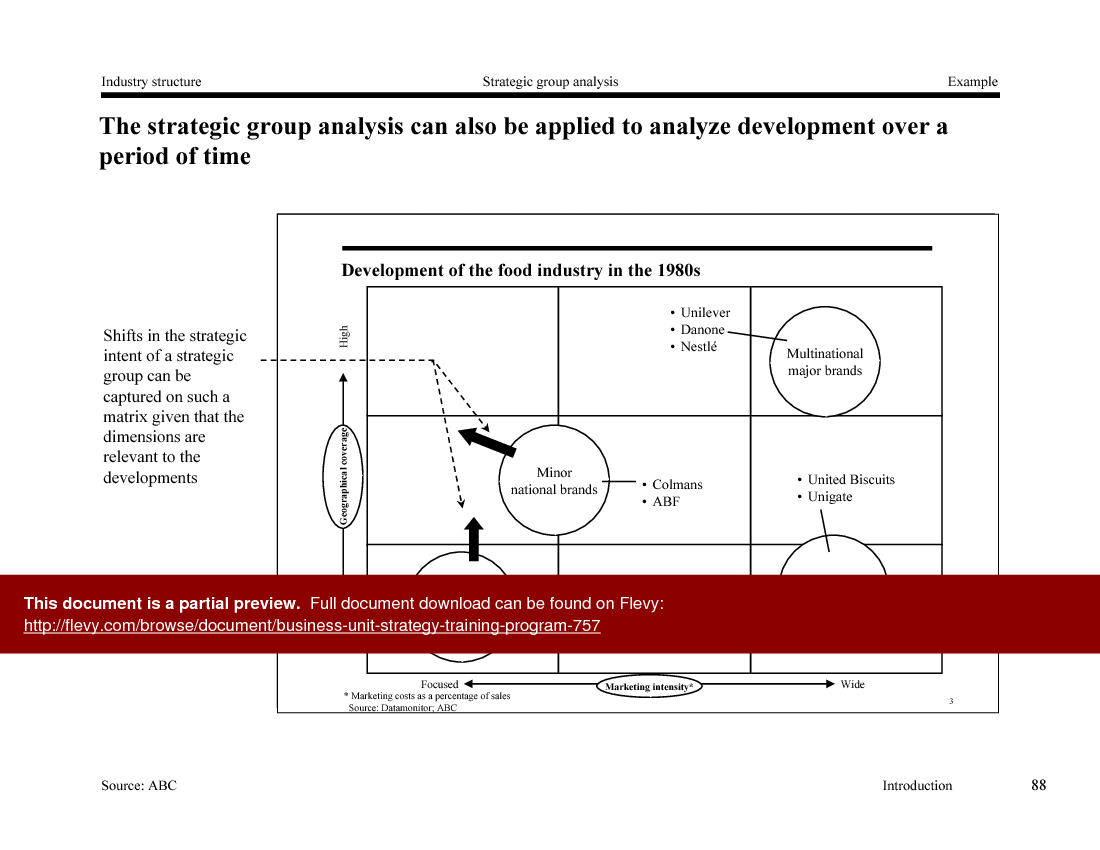
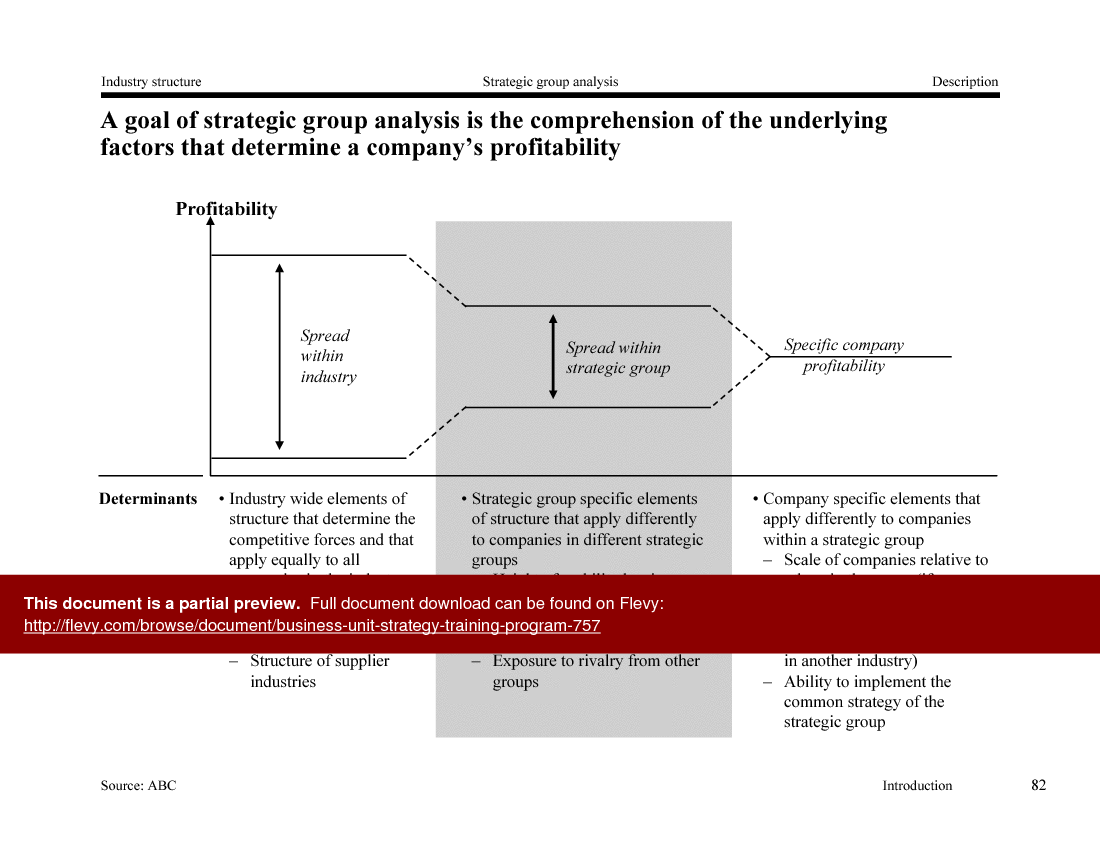
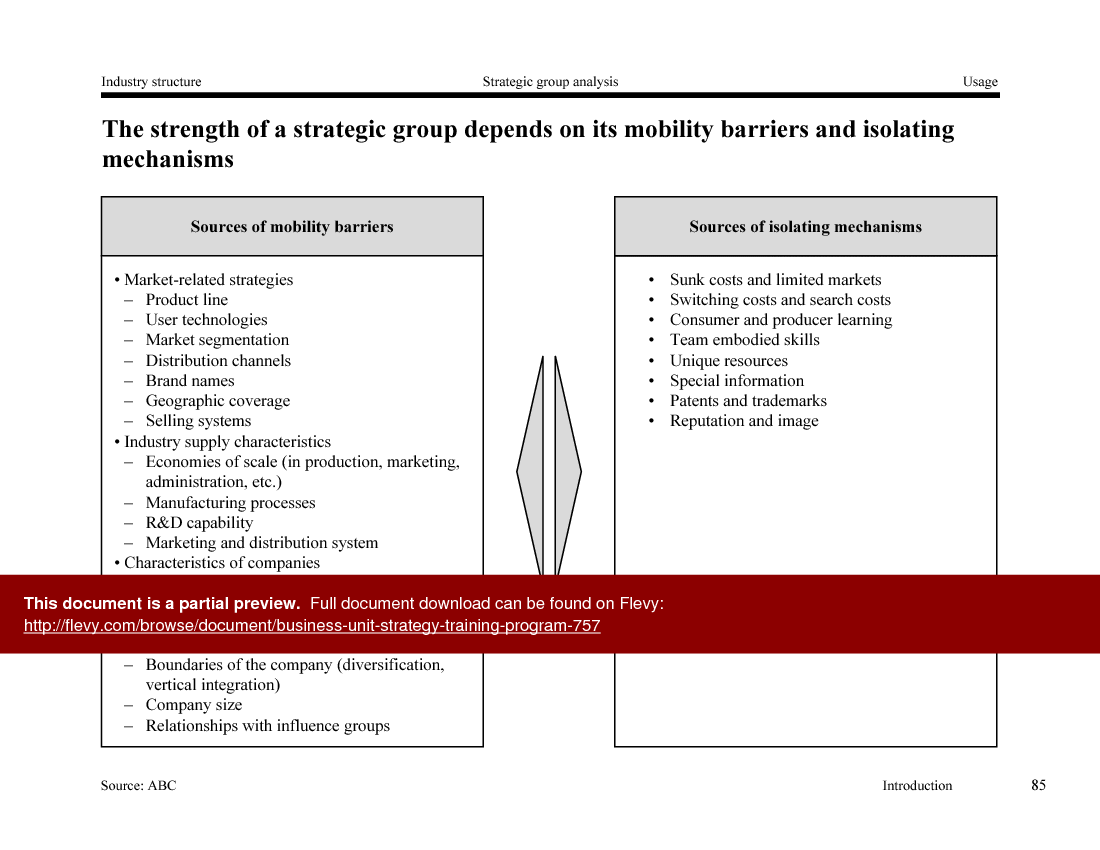
The program also includes a comprehensive analysis of industry structure and dynamics, helping participants understand key market forces. You will gain insights into strategic group analysis, supply chain dynamics, and market segmentation.
Got a question about the product? Email us at support@flevy.com or ask the author directly by using the "Ask the Author a Question" form. If you cannot view the preview above this document description, go here to view the large preview instead.
MARCUS OVERVIEW
This synopsis was written by Marcus [?] based on the analysis of the full 654-slide presentation.
Executive Summary
The Business Unit Strategy Training Program is a meticulously crafted curriculum designed to elevate strategic capabilities within organizations. Developed by ABC's Global Strategy Initiative, this program embodies McKinsey, Bain, or BCG-quality rigor (consulting-grade; not affiliated). Participants will engage in comprehensive modules that cover strategic analysis, industry dynamics, and execution capacity, enabling them to formulate actionable strategies tailored to their business units. This training equips corporate executives and consultants with the tools to navigate complex business landscapes effectively.
Who This Is For and When to Use
• Corporate executives seeking to enhance their strategic decision-making skills
• Business unit leaders responsible for implementing strategic initiatives
• Consultants aiming to deepen their understanding of business unit strategy
• Teams involved in strategic planning and execution
Best-fit moments to use this deck:
• During strategic planning sessions to align business unit objectives with corporate goals
• When assessing market dynamics and competitive positioning
• In preparation for major organizational changes or market entries
Learning Objectives
• Define the core components of a business unit strategy and its significance
• Build frameworks for analyzing industry structure and competitive dynamics
• Establish operational and organizational capacities necessary for strategy execution
• Develop actionable recommendations based on strategic analysis
• Enhance skills in stakeholder engagement and management
Table of Contents
• Introduction to the Program (page 1)
• Module I: Identification of Key Issues (page 5)
• Module II: Structure and Dynamics of the Industry (page 10)
• Module III: Characteristics and Dynamics of Individual Companies (page 20)
• Module IV: Execution Capacity Assessment (page 30)
• Module V: Definition and Evaluation of Strategic Alternatives (page 40)
• Module VI: Implementable Recommendations (page 50)
Primary Topics Covered
• Strategic Analysis - Understanding the frameworks that guide strategic decision-making and implementation.
• Industry Dynamics - Analyzing market structures, competitive forces, and trends that impact business unit strategies.
• Execution Capacity - Assessing operational, organizational, and technological capabilities essential for strategy execution.
• Strategic Alternatives - Evaluating various strategic options and their implications for business units.
• Implementation Plans - Developing actionable strategies that align with organizational goals and stakeholder expectations.
Deliverables, Templates, and Tools
• Strategic frameworks for business unit analysis and planning
• Templates for stakeholder analysis and engagement
• Tools for conducting SWOT and 7S analyses
• Guidelines for developing implementation plans and performance metrics
• Case studies illustrating successful strategy execution
Slide Highlights
• Overview of the Business Unit Strategy Training Program and its objectives
• Key frameworks for strategic analysis, including the Structure-Conduct-Performance model
• Detailed breakdown of the value chain and its implications for competitive advantage
• Insights into stakeholder management and the importance of aligning objectives
• Real-world case studies demonstrating the application of strategic concepts
Potential Workshop Agenda
Introduction to Business Unit Strategy (90 minutes)
• Overview of program objectives and structure
• Discussion of participant expectations and experiences
Module I: Key Issues Identification (120 minutes)
• Brainstorming session to identify strategic challenges
• Group work to formulate hypotheses and preliminary work plans
Module II: Industry Dynamics (120 minutes)
• Analysis of industry structure and competitive forces
• Case study discussion on market trends and implications
Module III: Company Characteristics (120 minutes)
• Evaluation of individual company dynamics and capabilities
• Group presentations on stakeholder analysis
Customization Guidance
• Tailor the program content to reflect specific industry challenges and organizational contexts
• Adapt case studies to align with participant experiences and expectations
• Modify templates and tools to fit the unique needs of the organization
Secondary Topics Covered
• Competitive positioning and market entry strategies
• Risk assessment and management in strategic planning
• Change management and organizational readiness for strategy execution
• Financial performance metrics and their relevance to strategic objectives
FAQ What is the focus of the Business Unit Strategy Training Program?
The program focuses on enhancing strategic capabilities within organizations, specifically tailored for business unit leaders and consultants.
How can this training benefit my organization?
Participants will gain actionable insights and frameworks that can be directly applied to improve strategic decision-making and execution within their business units.
Is this program suitable for all industries?
Yes, the program is designed to be adaptable to various industries, allowing participants to apply the concepts to their specific contexts.
What are the expected outcomes of this training?
Participants will leave with a comprehensive understanding of strategic analysis, execution capacity, and implementation planning, equipping them to drive effective change within their organizations.
How often is the program updated?
The program is regularly reviewed and updated to incorporate the latest strategic frameworks and industry trends.
Glossary
• Business Unit Strategy - A plan that outlines how a specific business unit will compete in its market.
• SWOT Analysis - A framework for identifying strengths, weaknesses, opportunities, and threats related to a business.
• 7S Framework - A model for analyzing an organization's internal elements, including strategy, structure, systems, shared values, skills, style, and staff.
• Value Chain - A set of activities that a company performs to deliver a valuable product or service to the market.
• Stakeholder Analysis - The process of identifying and assessing the influence of various stakeholders on an organization's strategy.
• Execution Capacity - The ability of an organization to implement its strategies effectively.
• Competitive Advantage - The attributes that allow an organization to outperform its competitors.
• Market Dynamics - The forces that impact the supply and demand of goods and services in a market.
• Implementation Plan - A detailed outline of how a strategy will be executed, including timelines, resources, and responsibilities.
• Scenario Planning - A strategic planning method used to make flexible long-term plans based on potential future scenarios.
• End Game - The ultimate outcome or state that an industry is moving towards, given current trends and dynamics.
• Generic Strategies - Frameworks that outline how a company can achieve competitive advantage through cost leadership, differentiation, or focus.
• Growth Matrix - A tool used to identify opportunities for growth within existing businesses by analyzing market penetration, market development, and product development strategies.
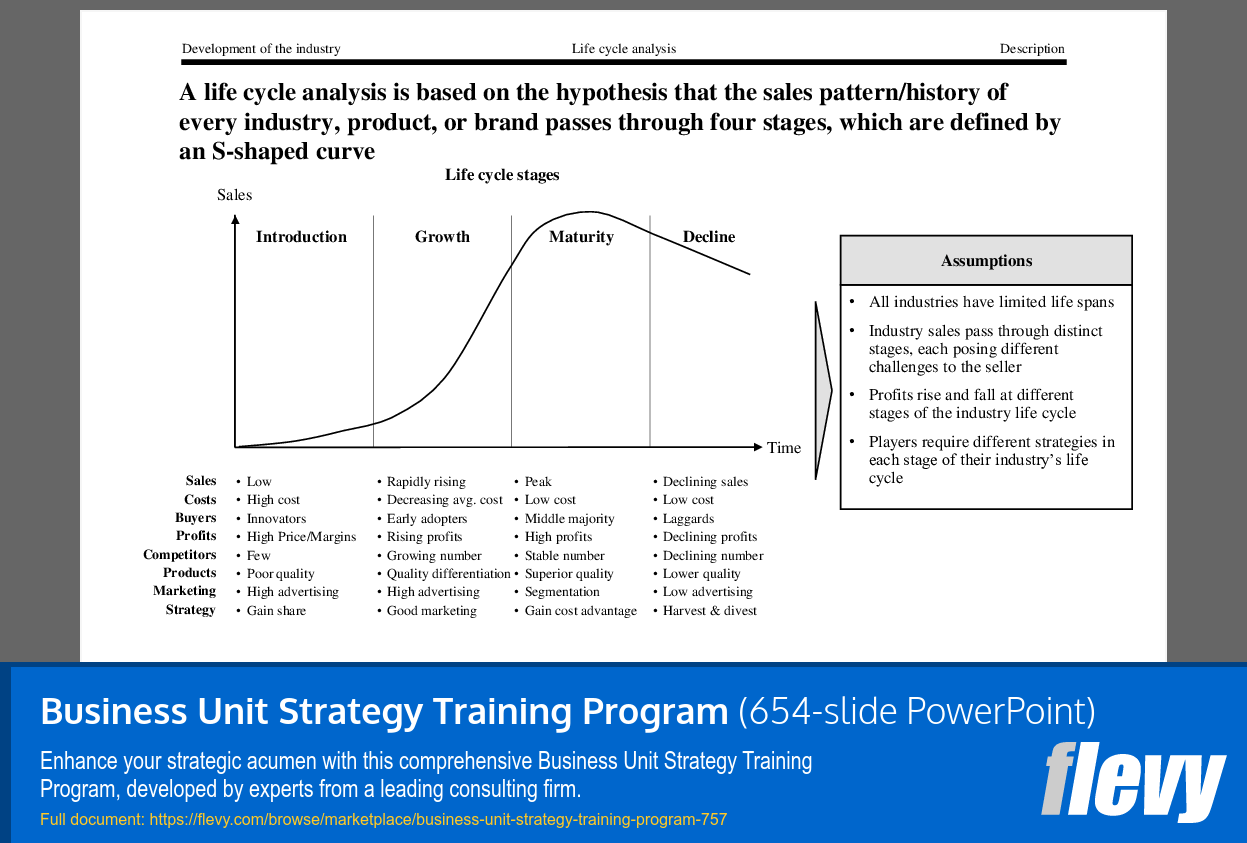
This slide illustrates the life cycle analysis framework, detailing the 4 stages: Introduction, Growth, Maturity, and Decline, represented by an S-shaped curve. In the Introduction phase, sales are low, costs are high, and marketing focuses on attracting innovators. The Growth phase sees rapid sales increases, decreasing average costs, and engagement from early adopters, leading to rising profits and increased competition. The Maturity stage features peak sales and profits with stable competitors, requiring differentiation and segmentation strategies to maintain market share. Finally, the Decline stage experiences reduced sales and profits, with laggards as the last buyers, prompting strategies like harvesting or divesting to manage declining revenues. Each stage presents unique challenges that necessitate tailored strategies.
This slide outlines a structured methodology for applying the Structure-Conduct-Performance (SCP) framework in industry analysis, consisting of 4 components: Input, Process, and Output. The Input phase includes data sources such as supply and demand economics, expert interviews, and financial performance metrics, ensuring a robust foundation for analysis. The Process involves 4 steps: studying basic conditions to understand industry dynamics, examining industry structure to analyze competitive environments, predicting conduct based on current strategies and structural changes, and predicting performance by linking company outcomes to industry conditions. The Output highlights the expected results, including insights into industry structure and trends, aiding executives in strategic positioning and long-term planning.
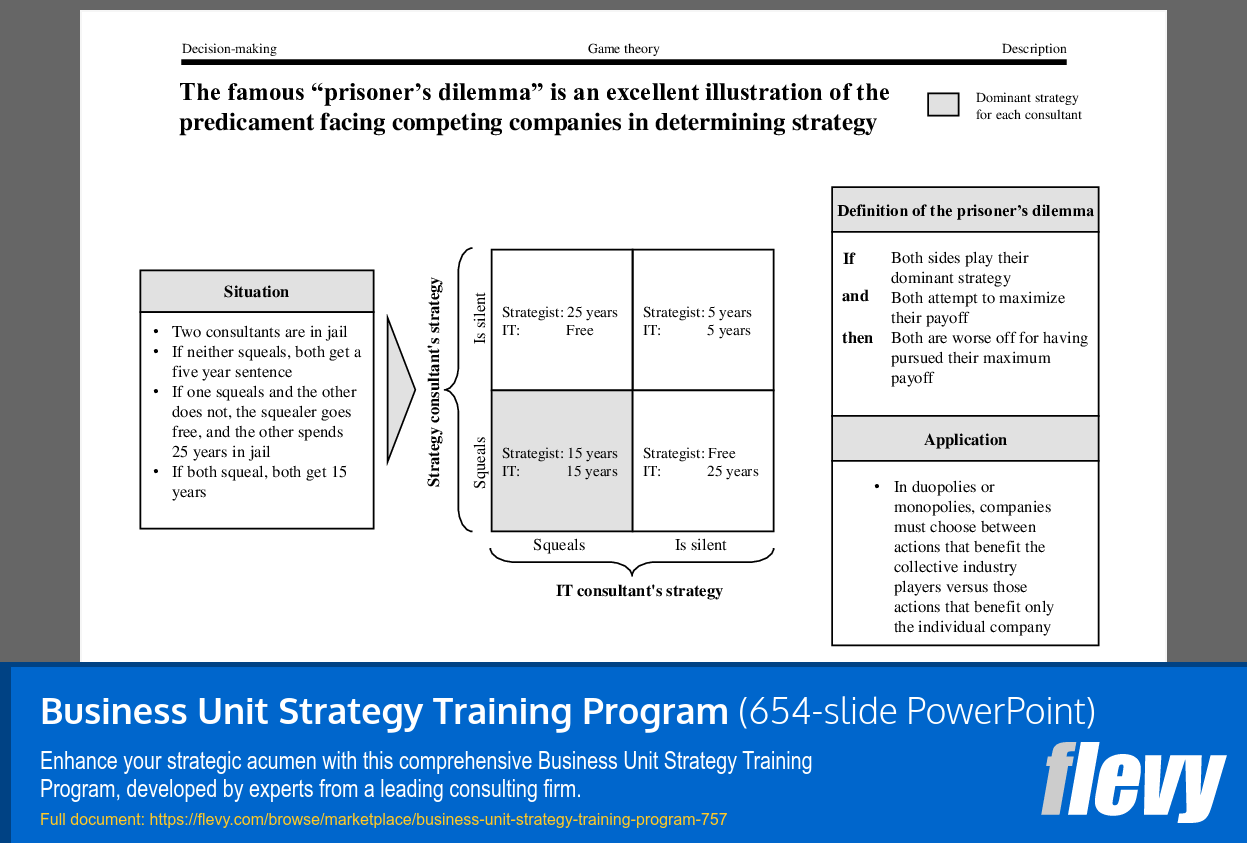
This slide presents the "prisoner’s dilemma" framework for strategic decision-making among competing companies. It illustrates a scenario with 2 consultants facing choices that reflect competitive strategies: both remain silent, serve 5 years; one squeals, the other stays silent, resulting in a 25-year sentence for the silent one; both squeal, each gets 15 years. This highlights the tension between individual rationality and collective benefit. If both pursue dominant strategies, they may end up worse off than if they cooperated. The application extends to real-world scenarios in duopolies or monopolies, emphasizing the need for companies to balance self-serving actions with industry-wide benefits, particularly where collaboration can lead to improved outcomes for all players.
This slide outlines a customer-based strategy framework for a coffee bean refinery, emphasizing the importance of identifying target customer segments due to resource limitations. Key elements include "Segmentation by objectives," focusing on factors like high caffeine content, brand image, and taste preferences to position products effectively. The "Targeted customers" section highlights a focus on demographics, particularly coffee connoisseurs in California and Oregon, optimizing resource allocation in high-demand regions. The "Customer coverage" section details geographical segments, including the Northeast, South, and Midwest, while prioritizing California and Oregon for marketing and distribution efforts. This targeted segmentation enhances market penetration and customer satisfaction.
This slide outlines how mission and vision statements define a company's core ideology and future aspirations. "Core ideology" establishes the organization's enduring character and stability over time. "Core values" reflect intrinsic beliefs that guide behavior and decision-making. The "Core purpose" articulates the organization's reason for existence, distinguishing it from operational objectives. The "10-30 year long-term goal" emphasizes the need for clarity and shared challenges to unify efforts and foster team spirit. The "Vivid description" component calls for a dynamic portrayal of achieving long-term goals, inspiring stakeholders and providing a tangible sense of direction. Mission and vision statements serve as critical tools for articulating a company’s identity and roadmap for future endeavors.
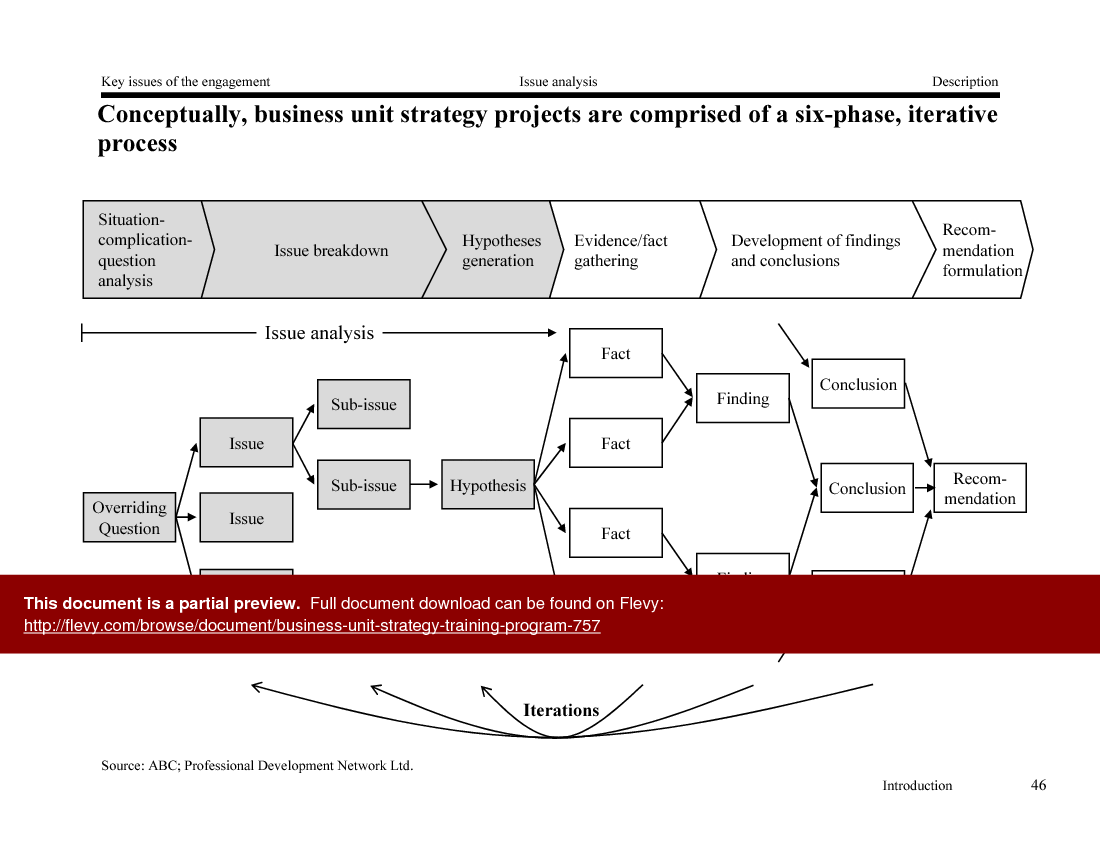
This slide outlines a six-phase iterative process for business unit strategy projects. It begins with a situation-complication-question analysis to identify key issues, followed by an issue breakdown phase that dissects challenges into sub-issues. Hypotheses generation proposes potential explanations or solutions based on identified issues, leading to evidence and fact gathering to validate or refute these hypotheses. The development of findings synthesizes gathered evidence into actionable intelligence, culminating in recommendation formulation based on conclusions drawn. The diagram illustrates the flow from issues to recommendations, emphasizing a structured approach that ensures comprehensive consideration of complex business challenges.
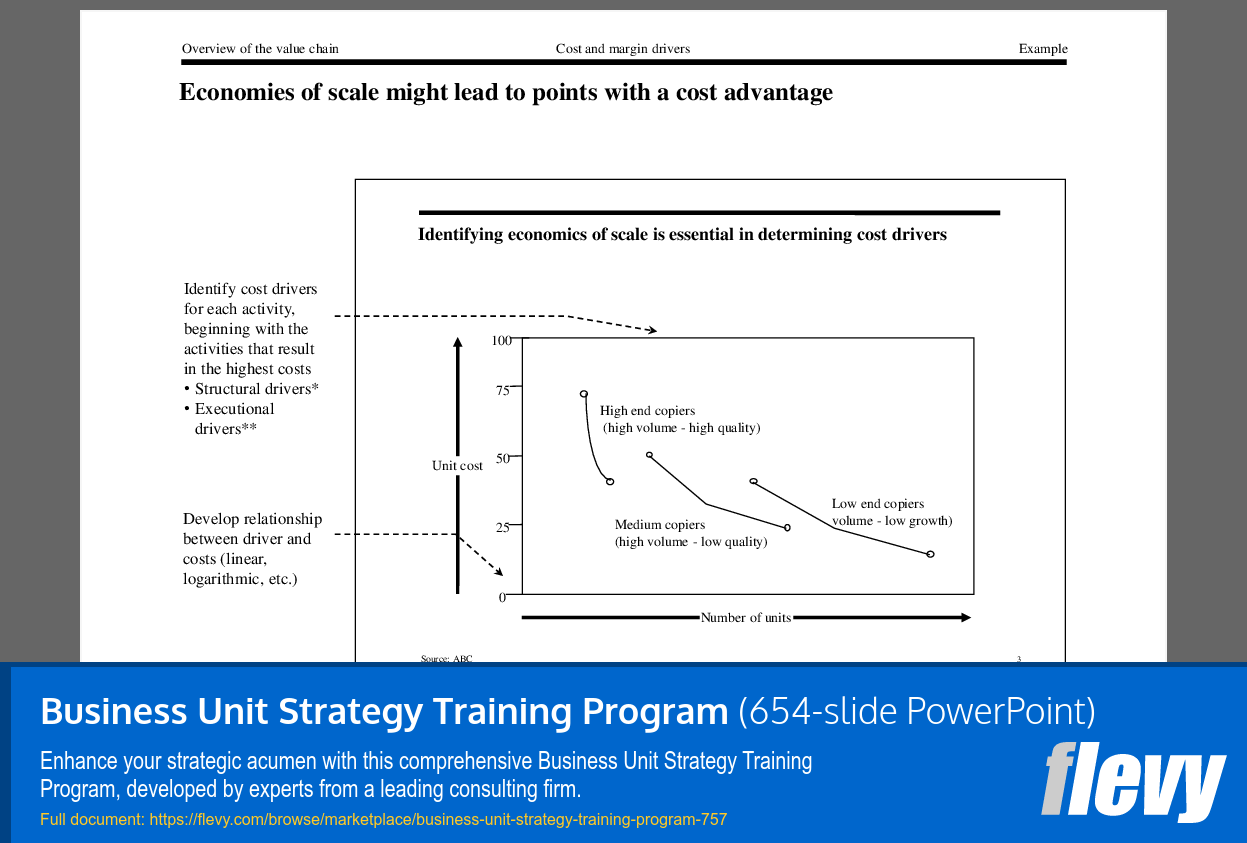
This slide presents a framework for understanding economies of scale and their impact on unit costs in copiers. It identifies cost drivers categorized into structural and executional drivers, highlighting areas for efficiency gains. The graphical representation shows the inverse relationship between production volume and unit costs, illustrating that as production increases, unit costs decrease. High-end copiers demonstrate significant cost reductions with scale, while low-end copiers show a less pronounced effect. By analyzing key cost drivers and their relationship to production volume, businesses can optimize cost structures and enhance profitability, guiding strategic planning and operational adjustments.
This slide outlines a structured methodology for supply chain analysis, divided into Input and Output sections, focusing on 4 key steps. The Input section identifies essential data sources, including client interviews and annual reports, crucial for mapping supply chain activities. Step 1 emphasizes defining the end product and raw materials, along with intermediate transformation steps. Step 2 develops a value-added structure by analyzing selling prices, retail margins, and input costs to assess profitability. Step 3 identifies players at each supply chain stage, grouping them by product equivalency to evaluate market dynamics. The final step analyzes relationships among players and assesses vertical integration. The Output section summarizes deliverables, including supplier linkages, value-added analysis, and substitution threat assessments, providing a comprehensive framework for optimizing supply chain operations.
This slide outlines a framework for evaluating a client's business unit strategy through a structured methodology. It includes 4 key components:
1. Integrated actions: Assessing the management of the value chain and ensuring the strategic plan encompasses all necessary actions for cohesive execution.
2. Value system design: Evaluating the effectiveness of delivery mechanisms and the overall structure of the value system for operational success.
3. Competitive advantages: Focusing on the client's approach to competition and the sustainability of their competitive edge in a dynamic market.
4. Superior customer value: Aligning strategy with customer needs to enhance perceived value and drive long-term shareholder value.
This framework serves as a diagnostic tool for consultants to assess the robustness of a client’s strategy.
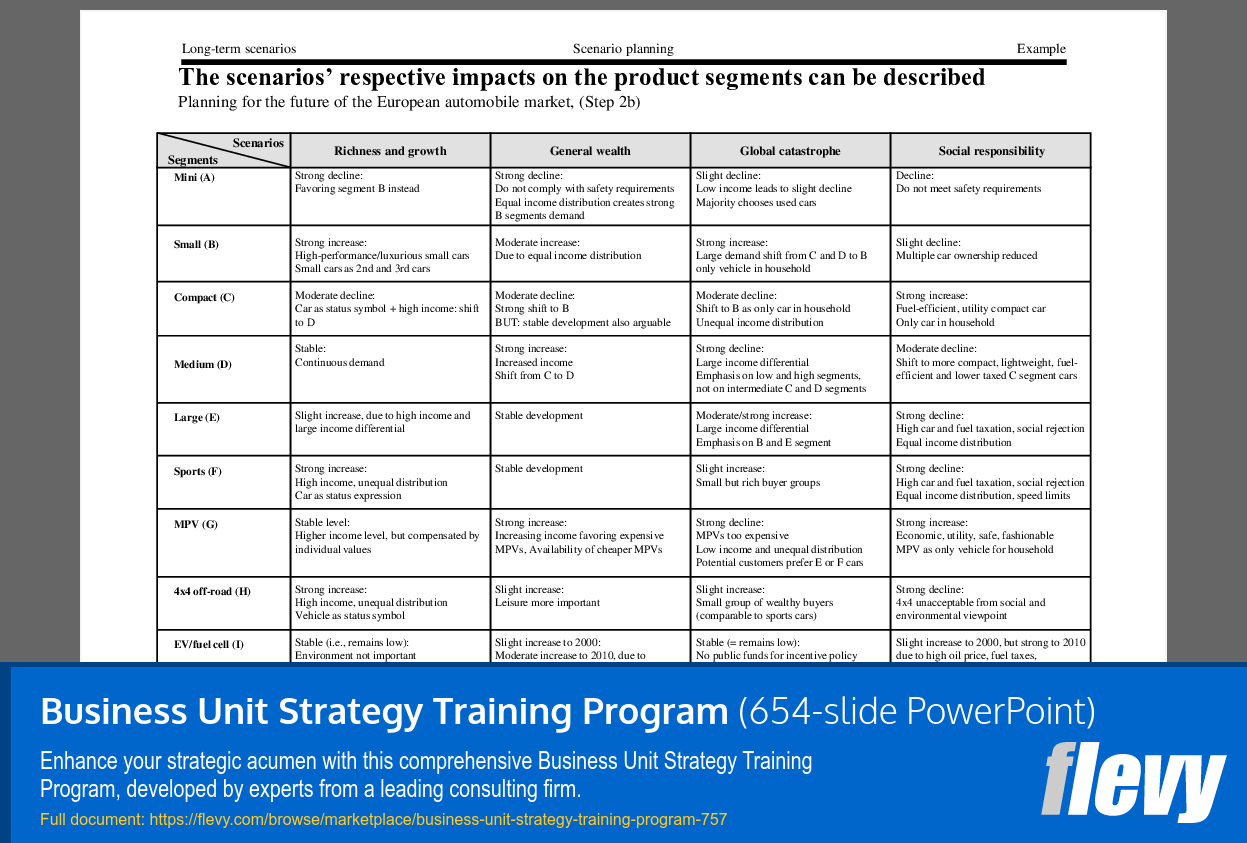
The slide analyzes various scenarios impacting segments of the European automobile market based on 3 factors: richness and growth, general wealth, and global catastrophe. The Mini segment (A) is projected to decline due to shifting consumer preferences towards the Small segment (B), which is expected to grow significantly driven by demand for high-performance and luxurious small cars. Compact cars (C) may see a moderate decline,, but stable development is possible as the market shifts towards the Medium segment (D), which remains stable with continuous demand. The Large segment (E) shows slight growth among high-income consumers, while the Sports segment (F) is projected to grow strongly, appealing to affluent buyers. The 4x4 off-road segment indicates strong growth among wealthy buyers, and the EV/fuel cell segment remains stable with slight increases anticipated, influenced by environmental concerns and public incentives.
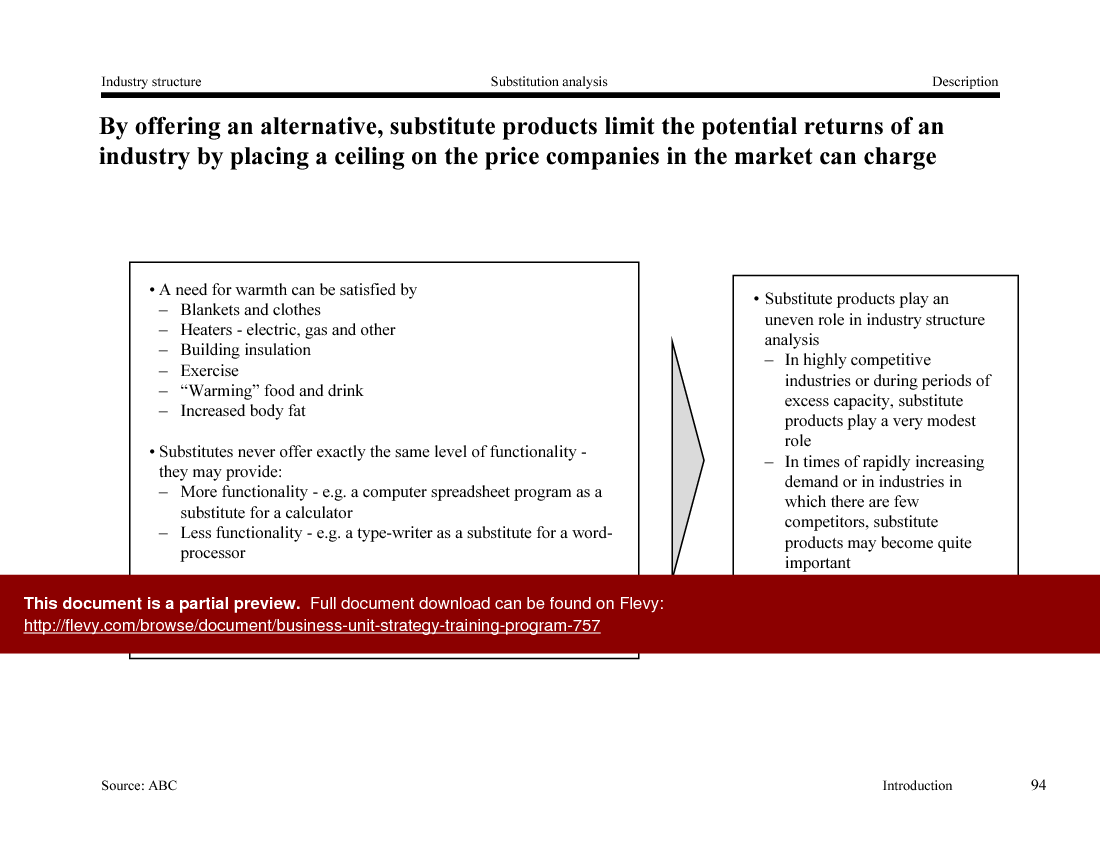
This slide analyzes switching costs incurred by customers when transitioning between substitute products, specifically for an international food manufacturer. Key components include installation costs, complementary product costs, complexity costs, service and maintenance costs, and decommissioning costs. Addressing these switching costs is vital for promoting products as substitutes and defending against competitors, informing marketing strategies and customer retention efforts. Quantifying each switching cost can assess its impact on customer loyalty and purchasing decisions, influencing pricing strategies and product development. This analysis enhances understanding of customer dynamics in product substitution, encouraging proactive management of switching costs to improve customer satisfaction and retention.
This slide presents various industry life cycle models, illustrating distinct sales patterns over time. The "Growth-slump-maturity" model shows that sales can stabilize at a low level after initial growth, driven by early to late adopters, relevant for niche products like small kitchen appliances. The "Cycle-recycle" model indicates that companies can rejuvenate interest through promotions as sales decline, common in the pharmaceutical industry. The "Style" model reflects enduring expressions that fluctuate in popularity, while the "Fashion" model outlines a structured progression from popularity to decline, exemplified by denim jeans. The "Fad" model represents a rapid rise and fall in popularity, as seen with pet rocks. Each model provides insights into consumer behavior and product longevity across sectors.
This slide presents a supply chain analysis of the German flour industry, illustrating the diminishing value captured from 1990 to 1996. The overall value captured by the client industry decreased from 1.50 DEM/kg in 1990 to 1.40 DEM/kg in 1996. Retailers' share of value increased from 29% to 32%, while the client industry dropped from 27% to 14%. Transportation held steady at 8%, and grain suppliers increased their share from 36% to 49%. This analysis highlights shifts in value capture and underscores the need for strategic adjustments to reclaim lost value in a changing market.
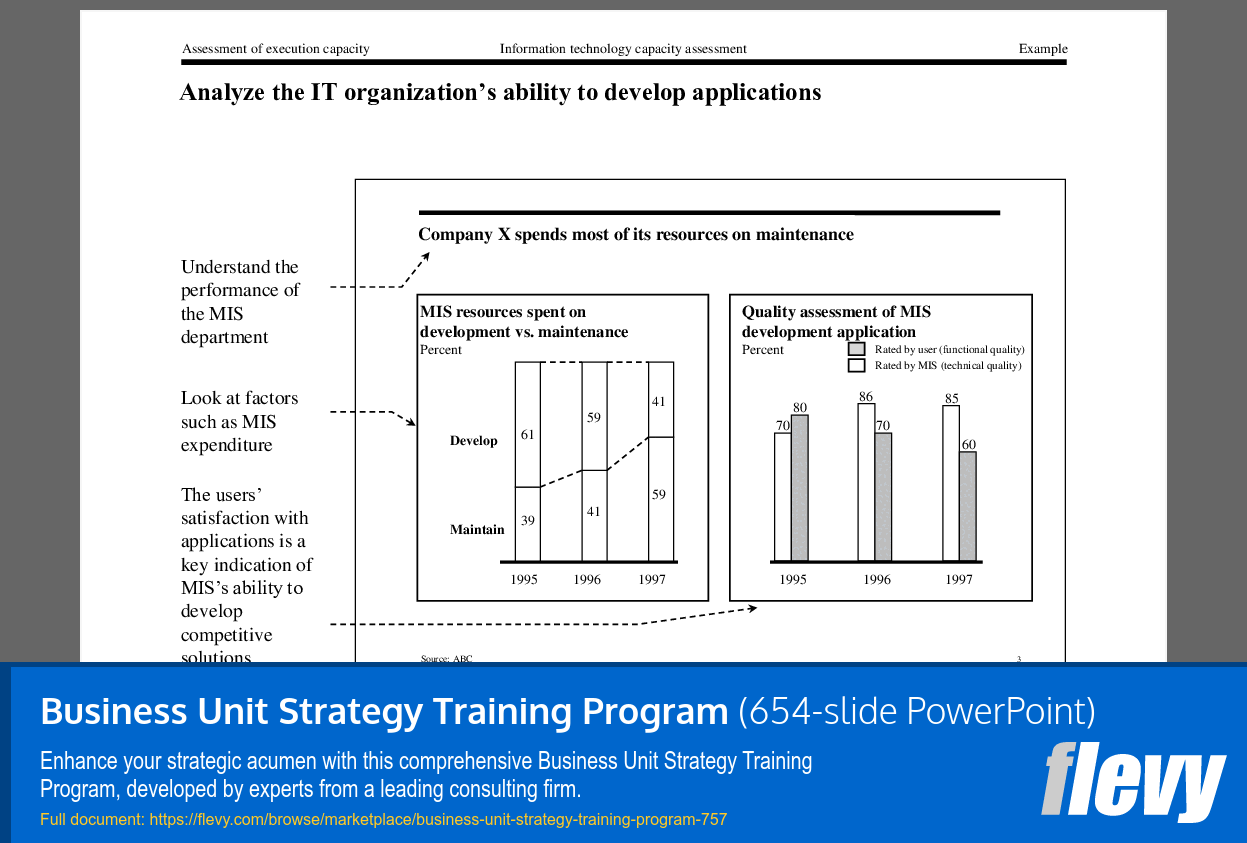
This slide analyzes Company X's IT organization's application development capacity, focusing on resource allocation and quality assessment. In 1995, 61% of resources were allocated to development and 39% to maintenance. By 1997, this shifted to 41% for development and 59% for maintenance, indicating a growing emphasis on maintaining existing systems, potentially hindering innovation. The quality assessment compares user ratings of functional quality and technical quality from 1995 to 1997. User ratings improved from 80% to 85%, while technical quality declined from 70% to 60%. This disconnect raises concerns about the sustainability of user satisfaction. The analysis highlights the need to balance resource allocation and enhance both user and technical quality for a more agile IT organization.
This slide presents a framework for analyzing entry and exit barriers and their impact on industry performance. It illustrates a two-dimensional matrix with entry barriers on the vertical axis and exit barriers on the horizontal axis. The upper right quadrant, where both barriers are high, indicates significant profit potential, but increased risk, exemplified by multinational food players and aerospace manufacturers. The upper left quadrant features high entry barriers and low exit barriers, representing an attractive segment for local food players and dairy producers. The lower left quadrant shows low entry and exit barriers, typical of food stands and grocery stores, while the lower right quadrant highlights industries like mining with high exit barriers, indicating challenges in leaving the market. This framework provides insights for evaluating market entry or exit strategies.
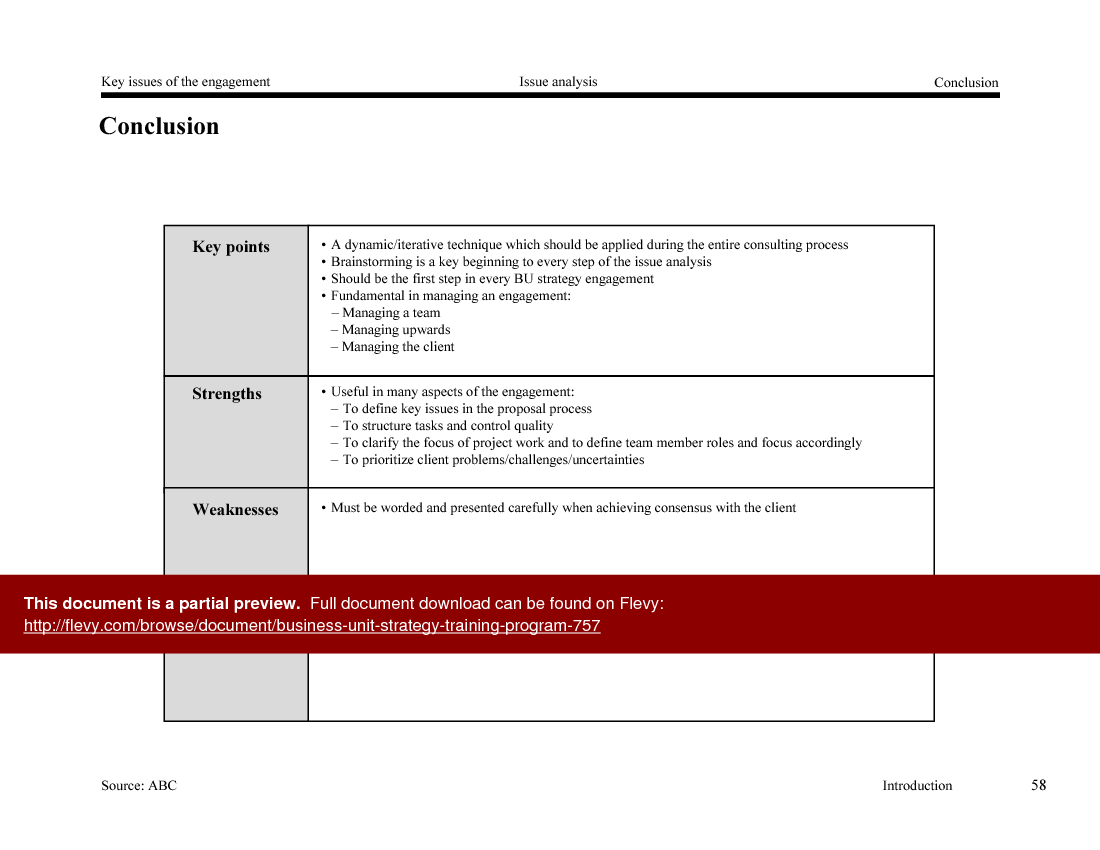
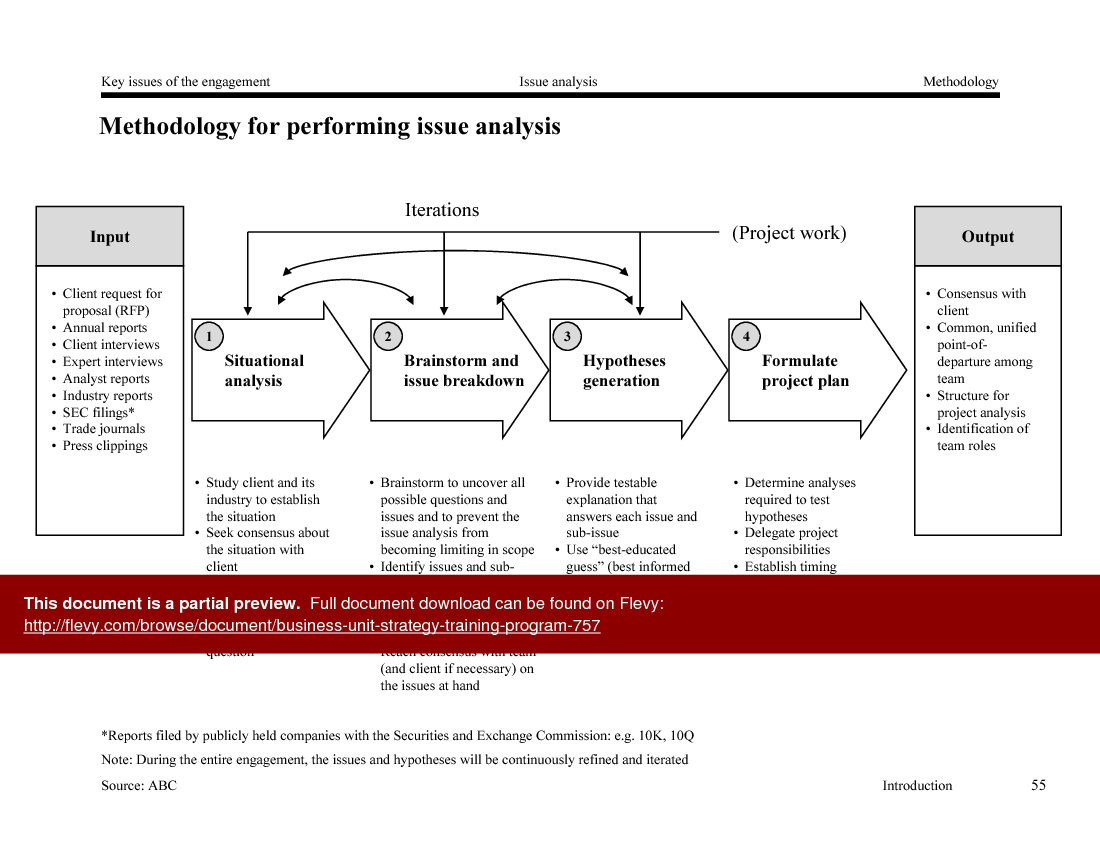
This slide outlines a structured methodology for issue analysis, comprising 4 key steps. The "Input" phase gathers foundational data from client requests, annual reports, and expert interviews to understand the client's context. The first step, "Situational analysis," involves assessing the client and industry to define primary complications and overarching questions. The second step, "Brainstorm and issue breakdown," promotes collaboration to identify potential questions and ensure comprehensive consideration of relevant issues. The third step, "Hypotheses generation," focuses on formulating testable explanations for identified issues, guiding further investigation. Finally, the "Formulate project plan" phase operationalizes insights, determining necessary analyses, delegating responsibilities, and establishing timelines, resulting in a unified project plan that aligns team and client objectives.
This slide illustrates the industry demand curve, depicting the relationship between price and quantity demanded for a product. The downward-sloping curve indicates that as price decreases, quantity demanded increases. Two price points, P1 and P2, are marked on the vertical axis, with corresponding quantities Q1 and Q2 on the horizontal axis. Factors influencing total quantity demanded include product price, prices of substitutes or complements, product quality, consumer income, advertising efforts, and consumer tastes. For example, a decrease in a substitute's price can reduce demand for the original product, while effective advertising can boost consumer preference and demand. Understanding the demand curve aids in strategic decision-making, guiding pricing strategies, marketing campaigns, and product development.
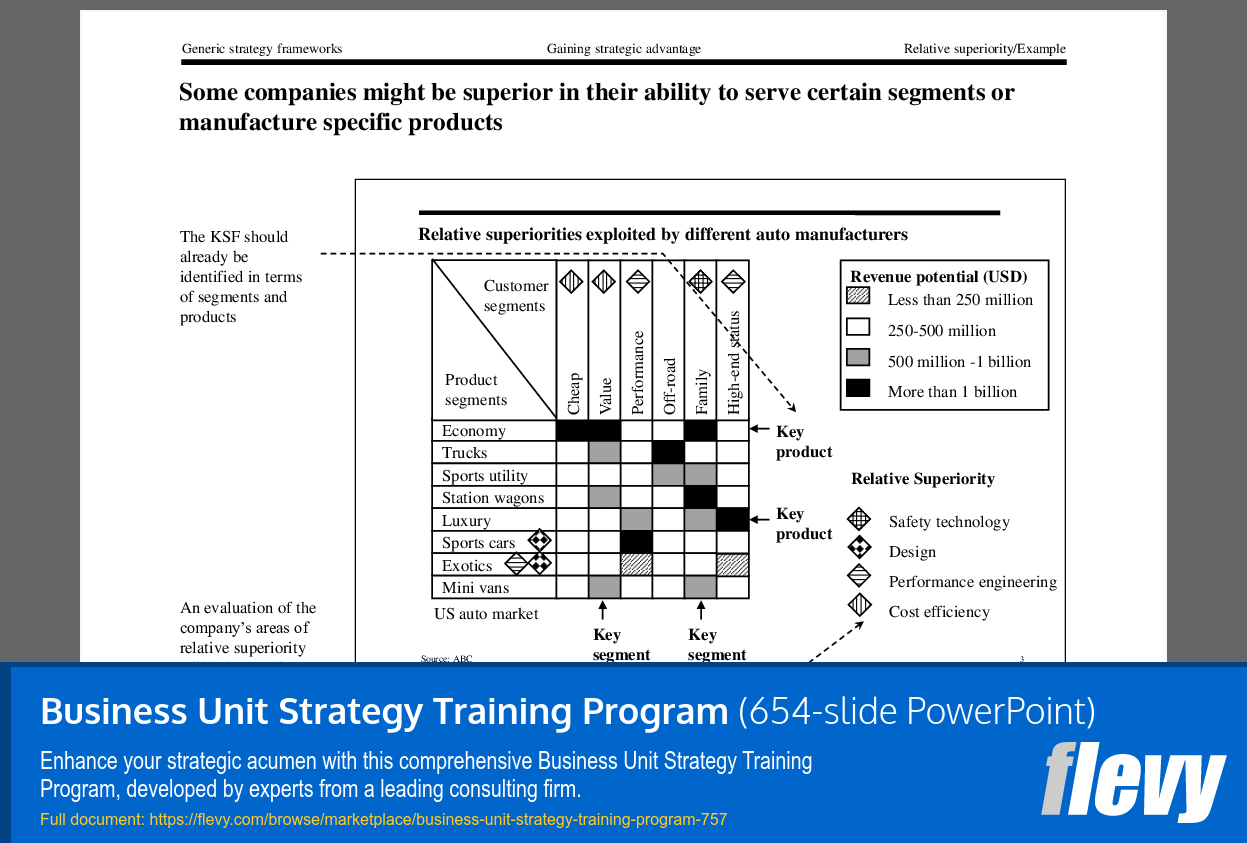
This slide presents a framework for analyzing the strengths of auto manufacturers across distinct market segments and product categories. The grid categorizes customer segments—economy, trucks, sports utility vehicles, and luxury cars—against product segments, highlighting manufacturer performance at each intersection. Key success factors (KSFs) should be identified based on these segments, emphasizing the importance of understanding market dynamics for strategic decision-making. Revenue potential is illustrated through a color-coded system, indicating financial viability across segments. Relative superiority is detailed with categories such as safety technology, design, performance engineering, and cost efficiency, which are essential for manufacturers' marketing and operational strategies. This framework guides executives in assessing automotive market positioning and resource allocation.
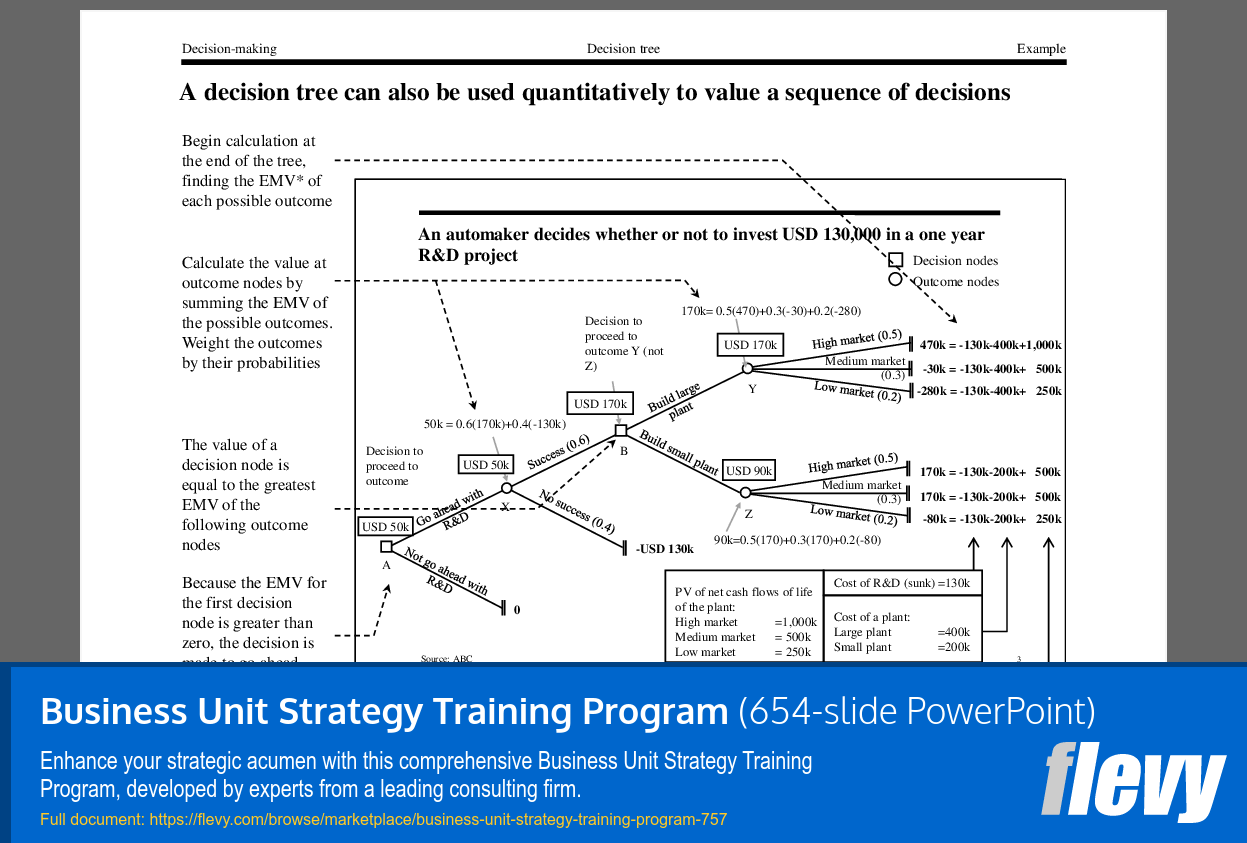
This slide illustrates the application of a decision tree for evaluating an investment decision in a USD 130,000 R&D project for an automaker. It emphasizes calculating the Expected Monetary Value (EMV) at decision nodes to guide strategic choices. The automaker can choose to proceed with the R&D investment, leading to options for building a large or small plant, each with distinct potential market outcomes quantified by projected cash flows in high, medium, and low scenarios. EMV is calculated by summing weighted outcomes based on probabilities. A positive EMV at the initial decision node indicates a favorable choice for proceeding with R&D, providing a structured framework for decision-making and risk assessment in investment scenarios.
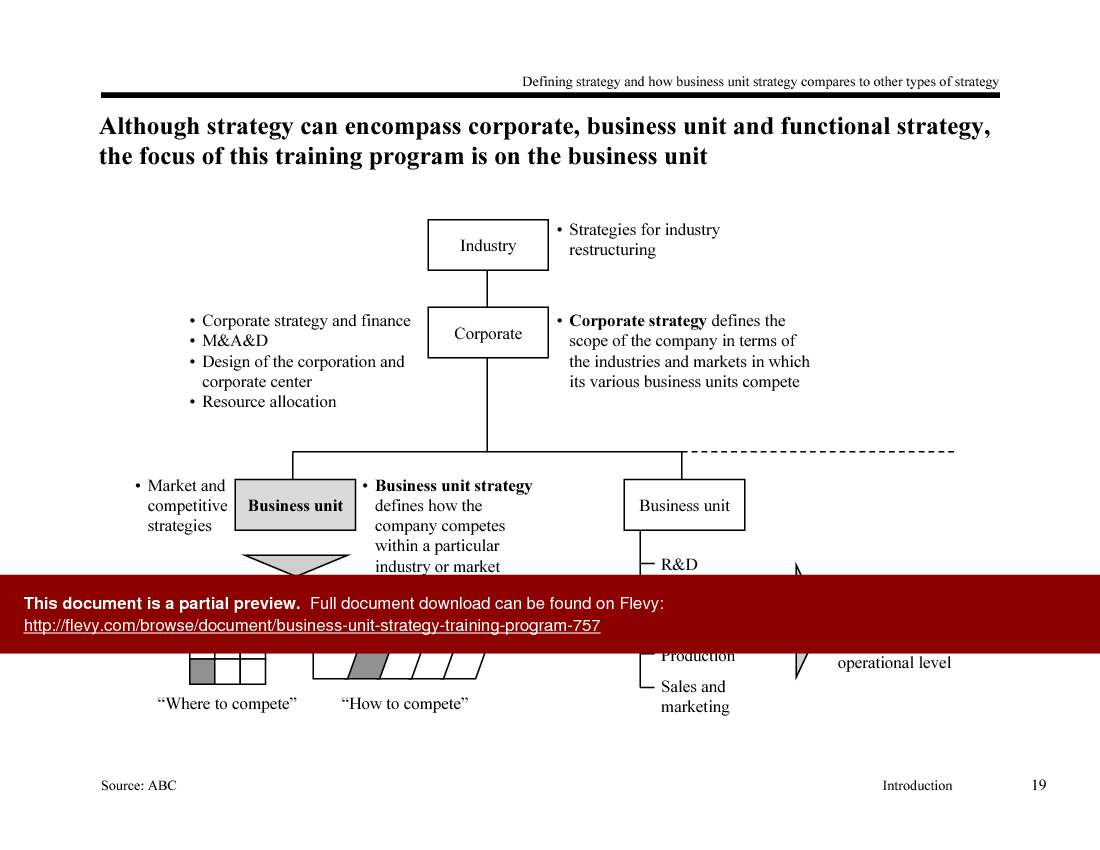
This slide outlines a training program focused on business unit strategy, distinct from corporate and functional strategies. It categorizes strategy into 3 levels: industry, corporate, and business unit. The industry level emphasizes strategies for restructuring and adaptability in changing markets. The corporate segment defines the company's scope and strategic alignment across various business units. Business unit strategy refers to how a company competes within a specific market, connecting to market and competitive strategies for positioning and differentiation. Functional strategy addresses operational resource deployment in R&D, personnel, finance, production, and sales, highlighting the interaction between these functions and overarching strategy. The visual layout illustrates the flow from broad strategic considerations to specific operational tactics, reinforcing the multi-layered nature of effective strategy.
The consulting industry has evolved over 3 periods: 1980-1989, 1990-1997, and 1998 onward. In the first period, globalization drove consultants to enhance strategy capabilities focused on cost reduction and organizational design, with key players like McKinsey, BCG, Bain, and Booz Allen & Hamilton. Success depended on problem-solving capabilities to navigate a globalizing economy. The second period introduced deregulation, industry convergence, and the rise of firms like ABC, shifting the value proposition to include industry knowledge and process facilitation in operations and IT. Success factors included an international office network and industry practices. From 1998 onward, the focus shifted to digital solutions and comprehensive capabilities, with the "Big Six" firms dominating. Success factors evolved to include CEO control and integrated solutions, emphasizing strategic alignment at the organizational level.
This slide analyzes key trends in the consumer catering industry across 3 sectors: fast food, restaurants, and hotel restaurants. In fast food, positive trends include increased snacking habits, stronger brand identity, and growth in franchising models, particularly among the 25-35 age demographic. Challenges include the rise of home delivery services and pre-prepared supermarket foods. The restaurant sector shows a demand for variety and faster service, with a growing number of patrons,, but faces reduced average spending and smaller meal sizes. Hotel restaurants benefit from international travel, though some must lower prices to remain competitive, facing challenges from business entertainment cutbacks and perceptions of being overpriced.
The slide presents a value/cost matrix for analyzing dairy product substitutes. The vertical axis represents customer value, while the horizontal axis denotes customer cost. Products S1 and S3 deliver the highest value relative to cost, making them optimal choices. The diagonal line indicates where value equals cost, serving as a benchmark for evaluation. Products S1, S2, S3, and S4 provide more value than their cost, suggesting positive customer perception. In contrast, S5 and S6 offer less value than their cost, risking customer interest and market share. This matrix aids in assessing product positioning and informs strategic decisions on product development, pricing, and marketing to enhance customer satisfaction and retention.
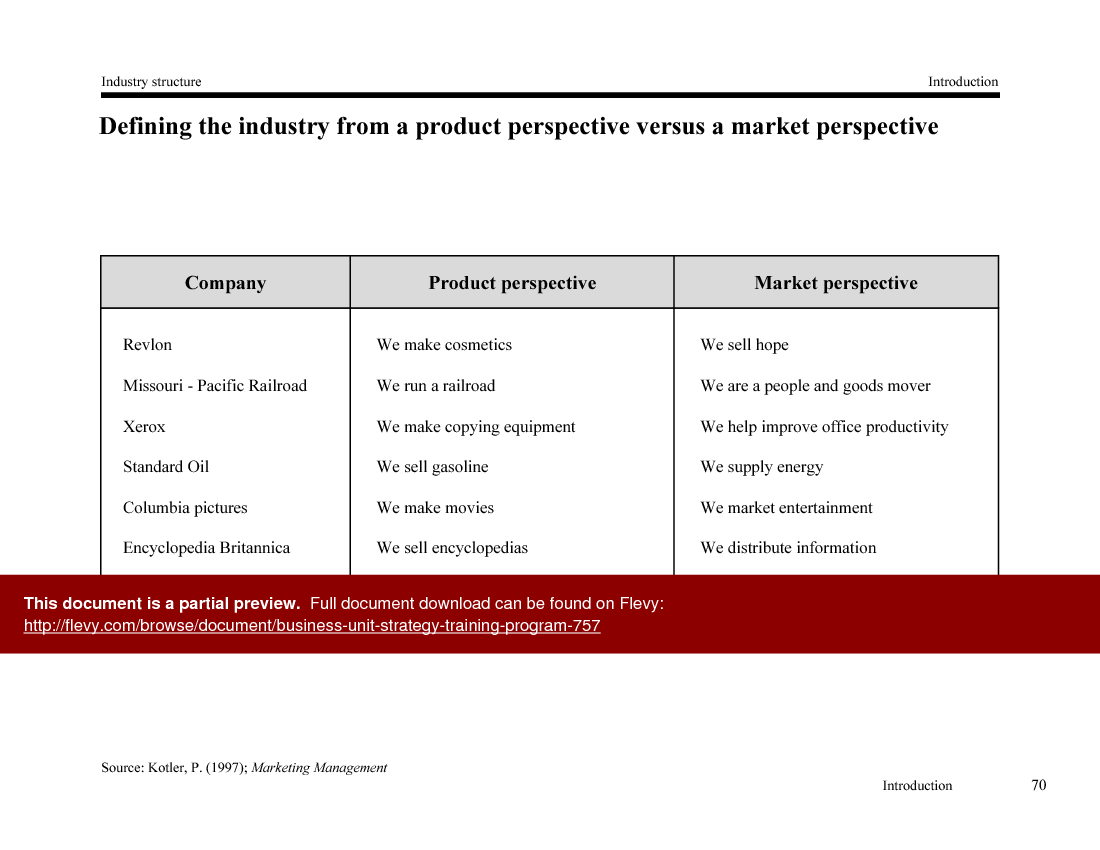
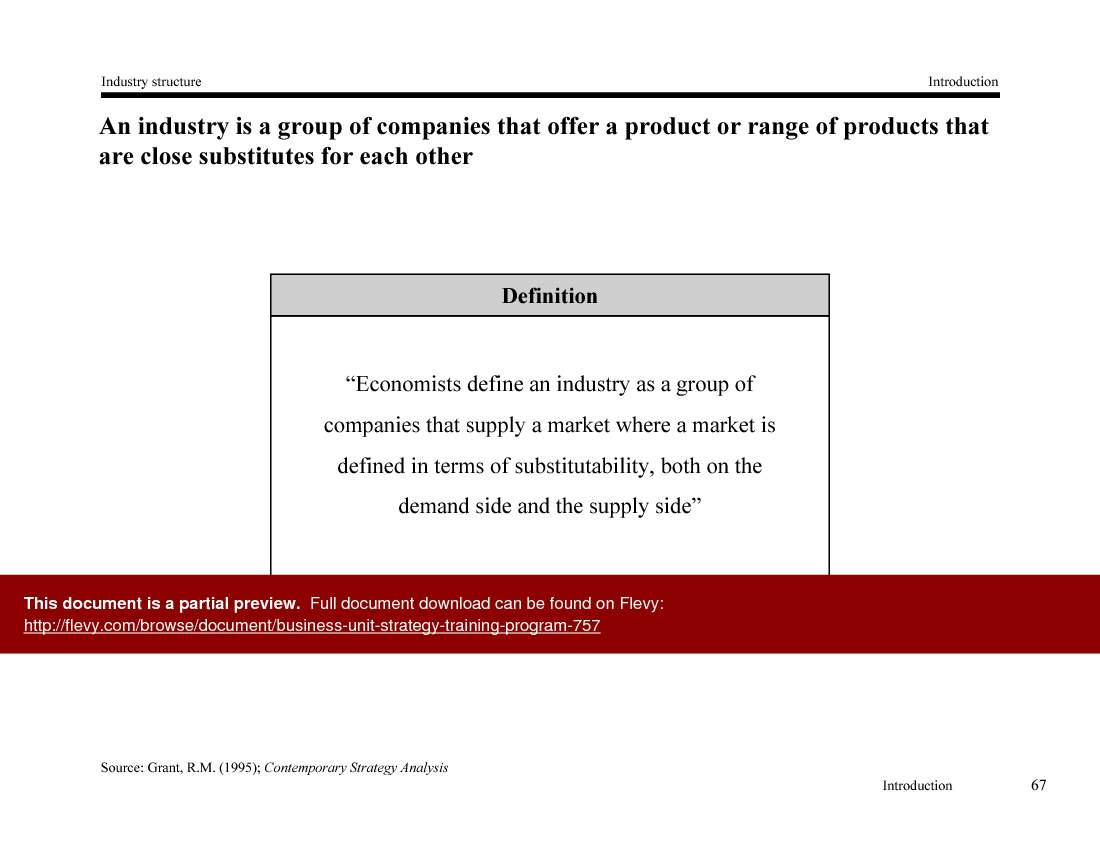
This slide outlines 4 levels of industry analysis: "Same products," "Similar product or product range," "Products that serve same needs," and "Products competing for the spending of the same customer group."
The first level focuses on direct competitors producing identical items, such as luxury automobiles from brands like Lincoln, BMW, Mercedes, and Lexus. The second level broadens the definition to all automobile manufacturers, recognizing competition among brands with similar vehicles. The third level includes manufacturers of motorcycles, bicycles, and trucks, reflecting a holistic view of consumer needs. The final level encompasses all companies selling major consumer durables, illustrating significant overlap in consumer spending across industries.
These levels aid in identifying competitors and market opportunities, guiding product development, marketing strategies, and business positioning.
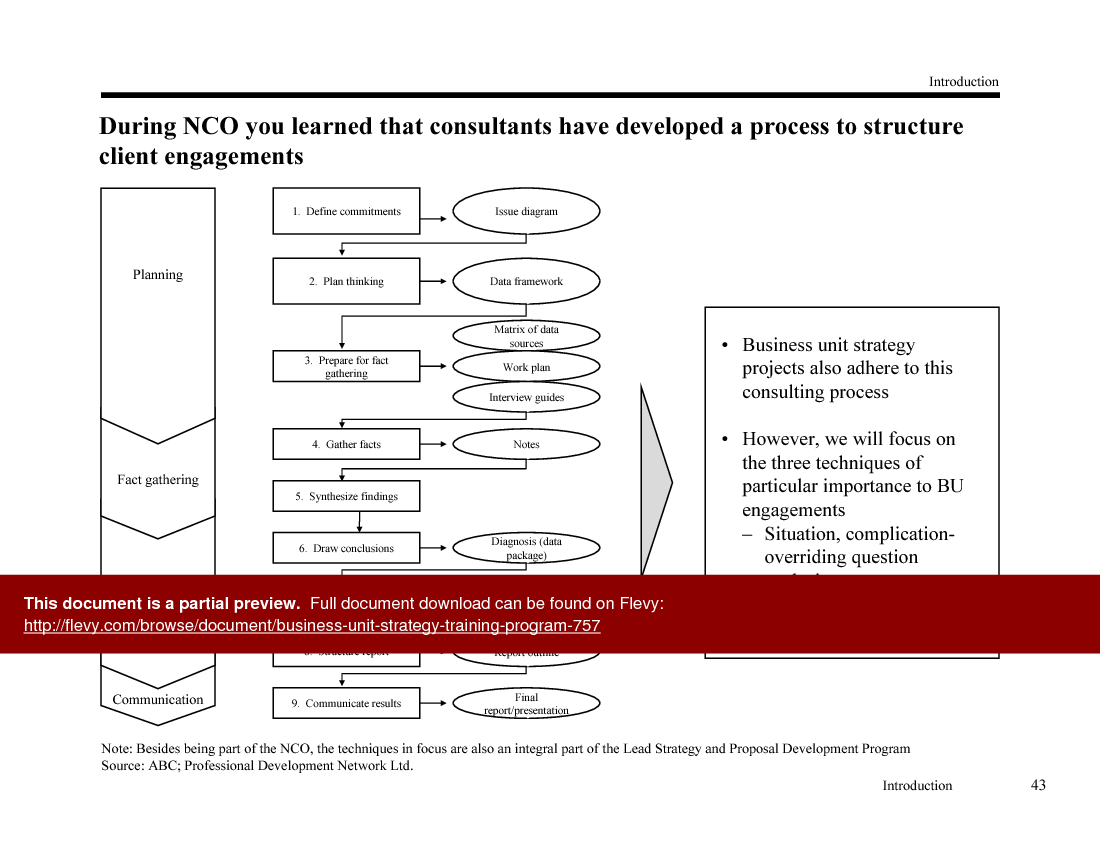
This slide outlines a structured consulting approach for managing client engagements, beginning with the "Planning" phase, which defines commitments and establishes a systematic process. The "Fact gathering" phase involves preparing for data collection, gathering facts, and synthesizing findings, crucial for informed decision-making. Tools like issue diagrams and data frameworks organize information and clarify objectives. The "Analysis" phase draws conclusions from collected data, generating actionable recommendations. The final steps include structuring the report and communicating results to stakeholders. The methodology aligns with business unit strategy projects, focusing on techniques like situation analysis, complication-overriding question analysis, and issue breakdown, essential for addressing complex challenges and guiding strategic decisions.
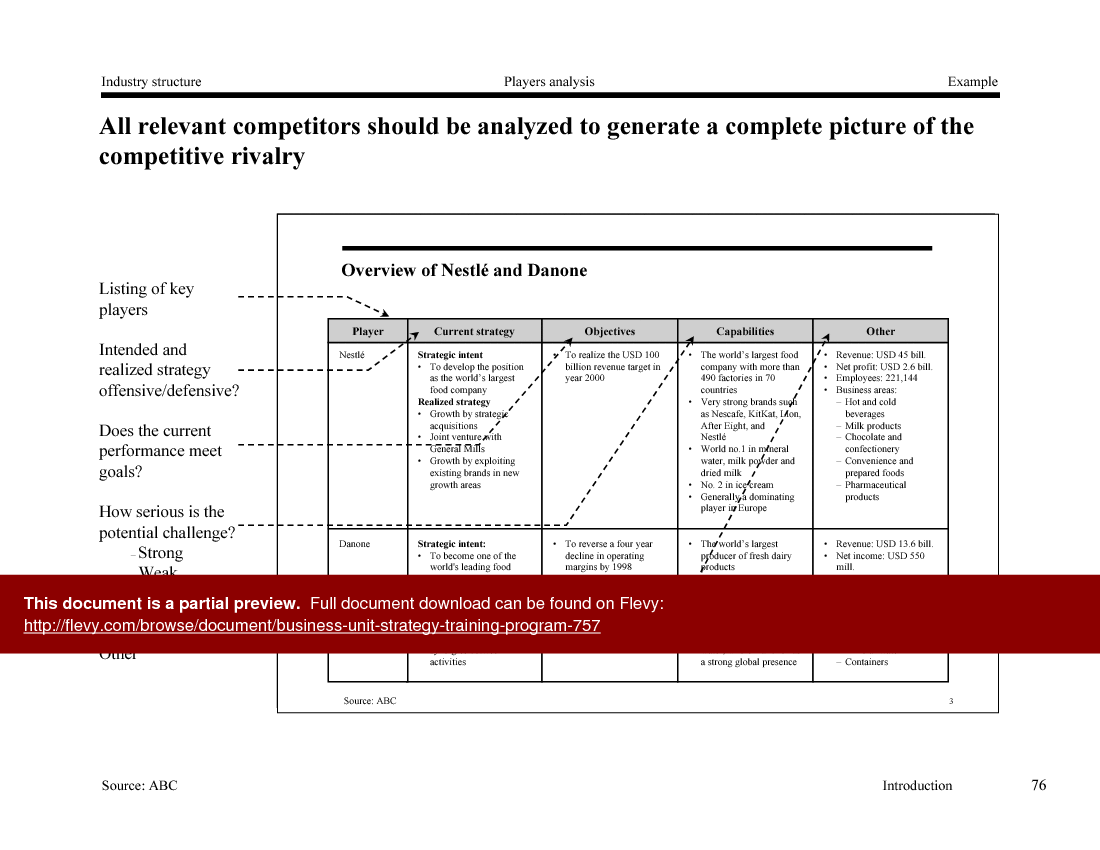
This slide analyzes industry players through 3 sections: Current Strategy, Objectives, and Capabilities. The Current Strategy section identifies Strategic Intent, which defines overarching goals, and Realized Strategy, which includes actions like capital investments and marketing efforts. Objectives focus on performance metrics such as profitability, market share, and growth, emphasizing the need for adaptability. The Capabilities section evaluates challenges from competitors, highlighting the importance of financial reserves, capital equipment, workforce quality, brand loyalty, and management. This framework aids in strategic planning and competitive analysis, encouraging critical evaluation of both internal and external strategies.
This slide analyzes confectionery customer segments' expenditure on pick & mix products among movie-goers. It categorizes 4 segments based on spending behavior, revealing that Segment 1, with the highest expenditure, represents a small percentage of the population contributing significantly to total sales. Segment 2 shows moderate spending, while Segments 3 and 4 indicate lower attractiveness for marketing efforts. Notably, 20% of movie-goers account for 57% of confectionery sales, underscoring the need to prioritize high-revenue segments. This analysis informs strategic decisions on marketing strategies, product offerings, and resource allocation to enhance profitability and market positioning.
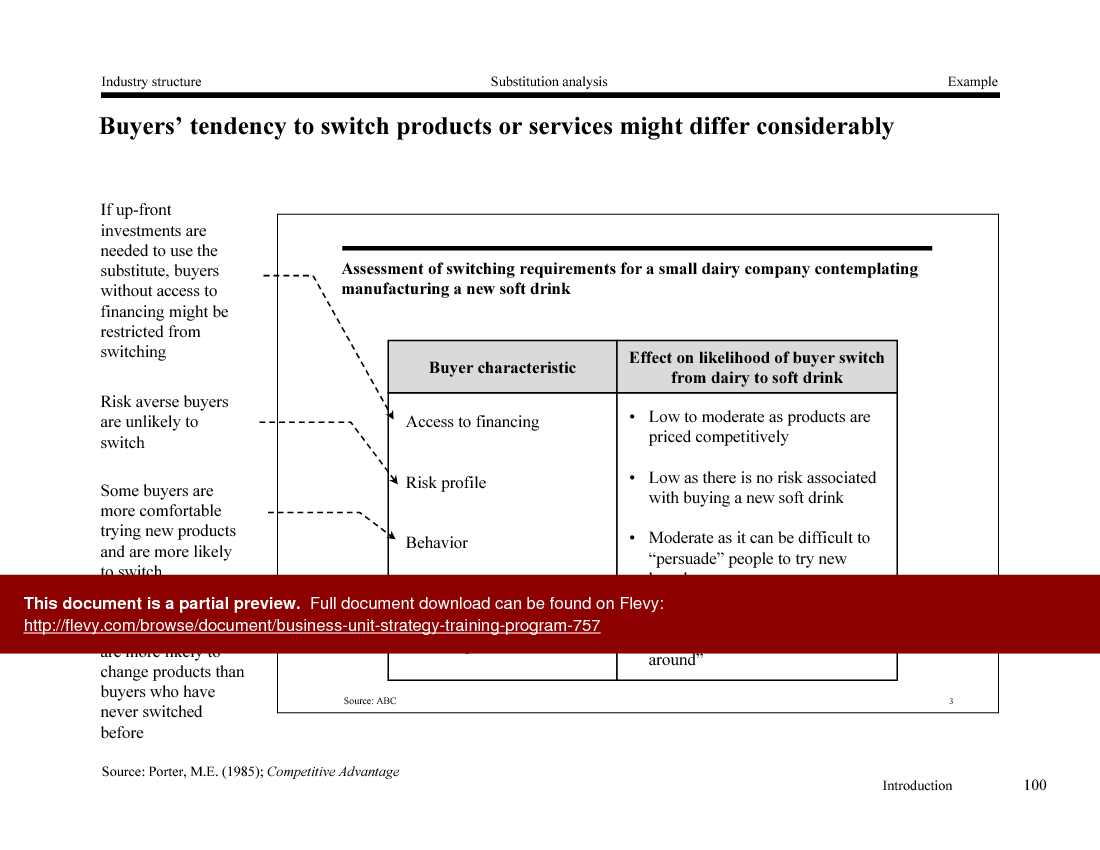
This slide analyzes buyer behavior regarding the likelihood of switching from dairy products to a new soft drink, highlighting key buyer characteristics. "Access to financing" indicates that buyers without financial resources may face barriers to switching, particularly if upfront investments are required. The "Risk profile" shows that risk-averse buyers prefer familiar products, while those perceiving low risk in trying new soft drinks are more likely to switch. Lastly, "Behavior" reveals that consumers open to experimenting with new products have a higher likelihood of switching, although competitive pricing alone may not suffice. Effective marketing strategies that communicate product benefits are essential for encouraging transitions in a competitive market.
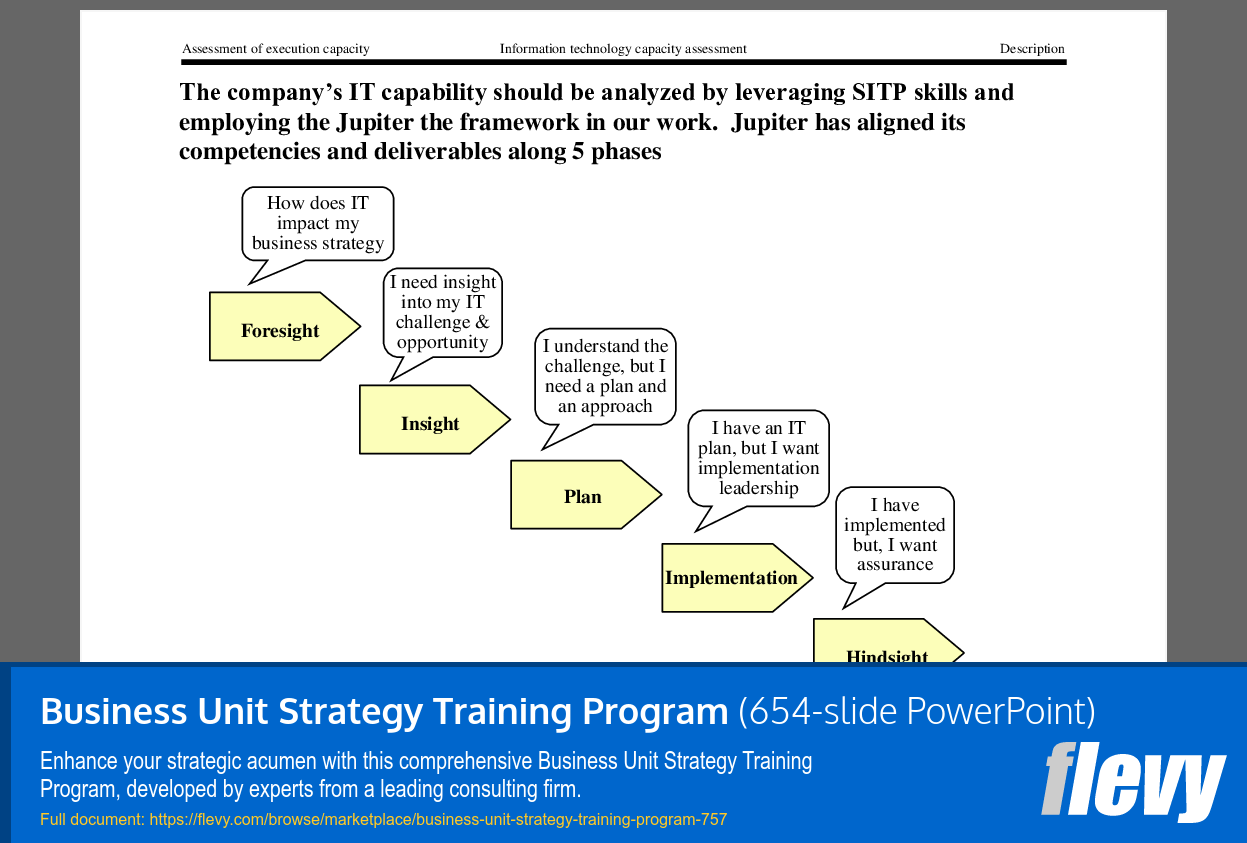
This slide outlines the Jupiter framework for assessing IT capabilities, emphasizing alignment with business strategy. The five-phase process begins with "Foresight," prompting organizations to evaluate IT's influence on overall strategy. The "Insight" phase focuses on identifying specific IT challenges and opportunities within the current IT landscape. The "Plan" phase stresses the importance of developing strategic approaches to address these challenges with actionable plans. In the "Implementation" phase, strong leadership is essential for executing IT strategies effectively. Finally, the "Hindsight" phase highlights the need for reflection post-implementation to ensure outcomes align with initial objectives. This structured framework serves as a roadmap for enhancing IT capabilities in line with business goals.
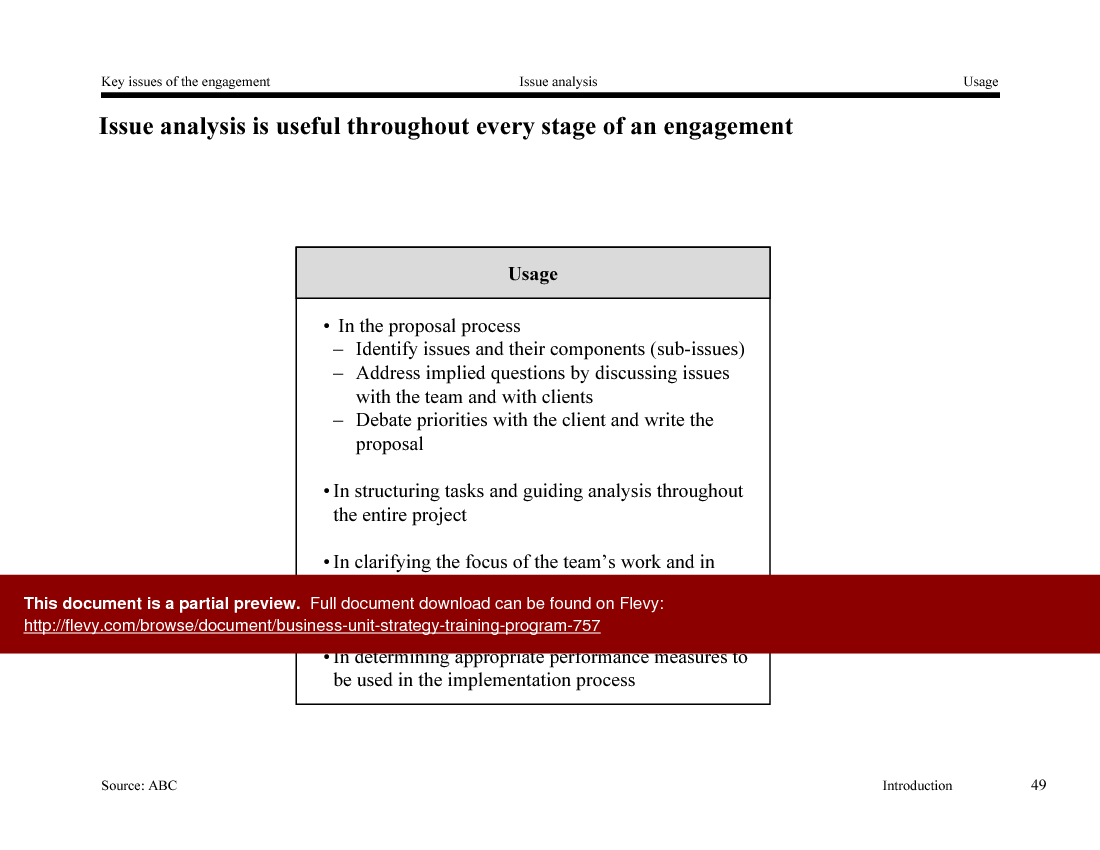
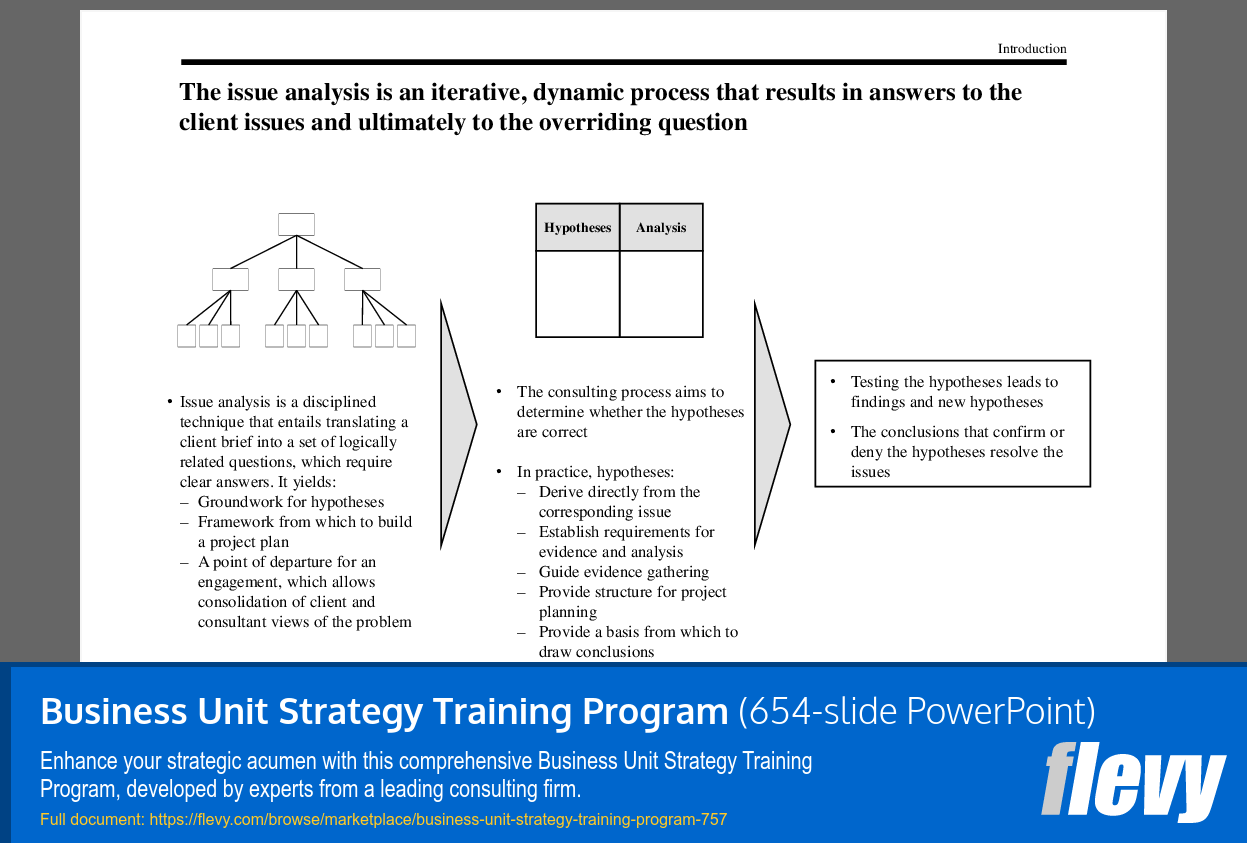
This slide outlines a structured approach to issue analysis in consulting, defining it as a disciplined technique that translates a client brief into logically related questions. Outputs include groundwork for hypotheses, a framework for project planning, and a consolidated view of client and consultant perspectives. The consulting process validates proposed hypotheses derived from identified issues, establishing requirements for evidence and analysis. This structured approach guides evidence-gathering and project planning. Testing hypotheses leads to findings and new hypotheses, creating a feedback loop that enhances understanding and ensures analysis remains relevant to evolving client needs. This cyclical process resolves client issues through actionable insights.
This slide assesses ABC's capabilities in Strategy, Operations, and Information Technology, rated on a scale from 1 to 5. ABC's strategy capability is rated at a 2, indicating a need for improvement in its strategic frameworks to support operational integration. In contrast, Operations and Information Technology are rated at a 5, reflecting strong capabilities. This disparity highlights a critical gap; while ABC excels in operations and technology, its strategic framework lacks the strength to unify these functions. The statement about the "Need for improvement on a global basis" suggests systemic issues affecting overall performance, posing a risk if strategic capabilities are not addressed. Investing in strategic development is essential to align and leverage operational and technological strengths effectively, leading to enhanced performance and cohesive organizational goals.
This slide presents a stakeholder analysis, identifying key stakeholders such as shareholders, media, strategic partners, local community, government bodies, suppliers, customers, employees, unions, creditors, top management, and the corporation itself. Each stakeholder influences the client's strategic direction and operational landscape. The analysis clarifies stakeholder roles and their impact on the client, which is essential for managing stakeholder relationships and aligning company strategy. The deliverables include 2 objectives: identifying stakeholders and assessing their influence, and pinpointing critical stakeholders to evaluate their relative power. This insight aids in prioritizing engagement efforts and managing stakeholder expectations effectively.
This slide outlines a structured approach to hypothesis generation for integrating the North Sea business. The primary question is whether full integration is beneficial. One sub-issue explores if complete integration would maximize vessel capacity, suggesting it could optimize resource utilization. Another sub-issue examines whether a controlled unit would preserve project generation skills from Business Unit A, indicating that while integration may enhance capacity, it risks losing specific skills short-term. The impact of a unified sales force on returns is also considered, with the hypothesis affirming that Business Unit A's superior technology could enhance the North Sea sales force. Lastly, the slide addresses whether combined project management would maintain credibility with multi-client customers, suggesting that credibility may be compromised depending on the new organization's size. This framework aids in developing actionable insights for strategic planning.
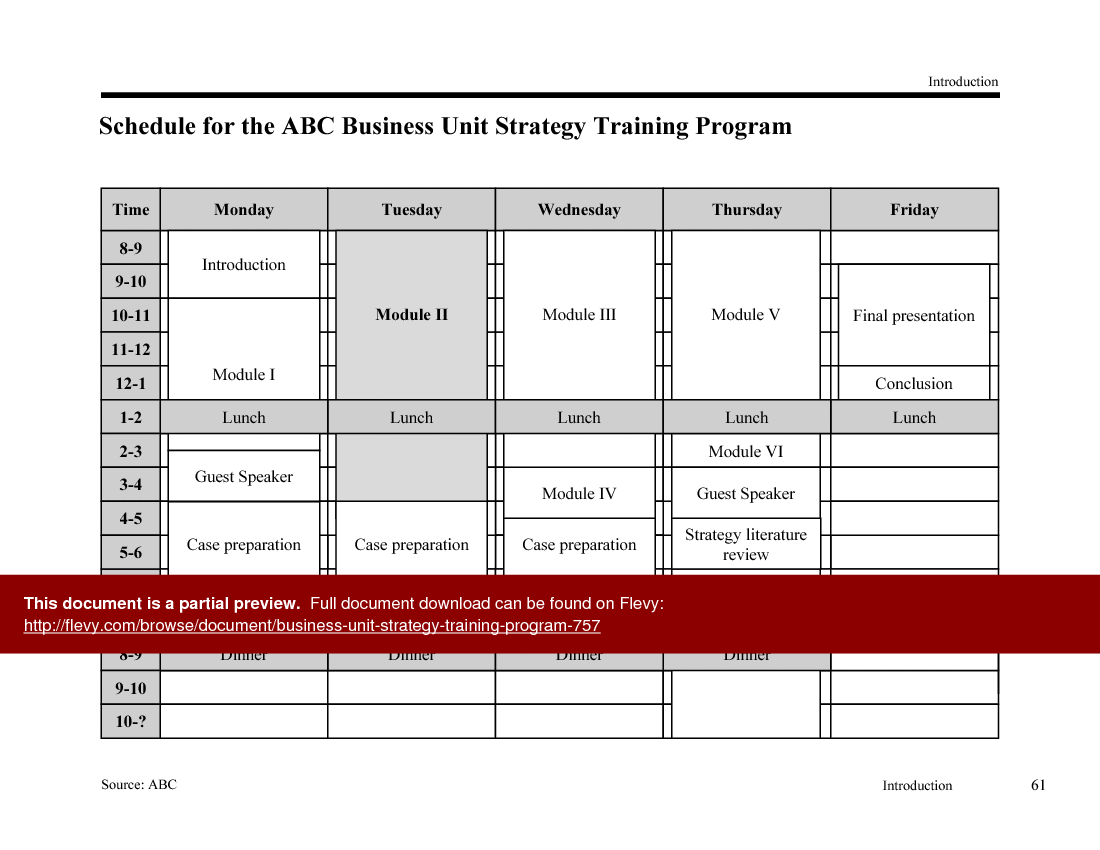
The ABC Business Unit Strategy Training Program spans 5 days, featuring a structured schedule with specific time slots for modules, activities, and breaks. The program begins with an introductory session, followed by 6 progressive modules that enhance understanding of business unit strategy. Guest speakers provide real-world insights, enriching the learning experience. Lunch breaks facilitate networking and reflection, while afternoons focus on case preparation and presentations, emphasizing practical application of concepts. The final presentation on Friday showcases participants' understanding and application of training content, culminating in feedback and reflection. This program blends theoretical modules, practical case work, and expert insights to enhance strategic acumen.
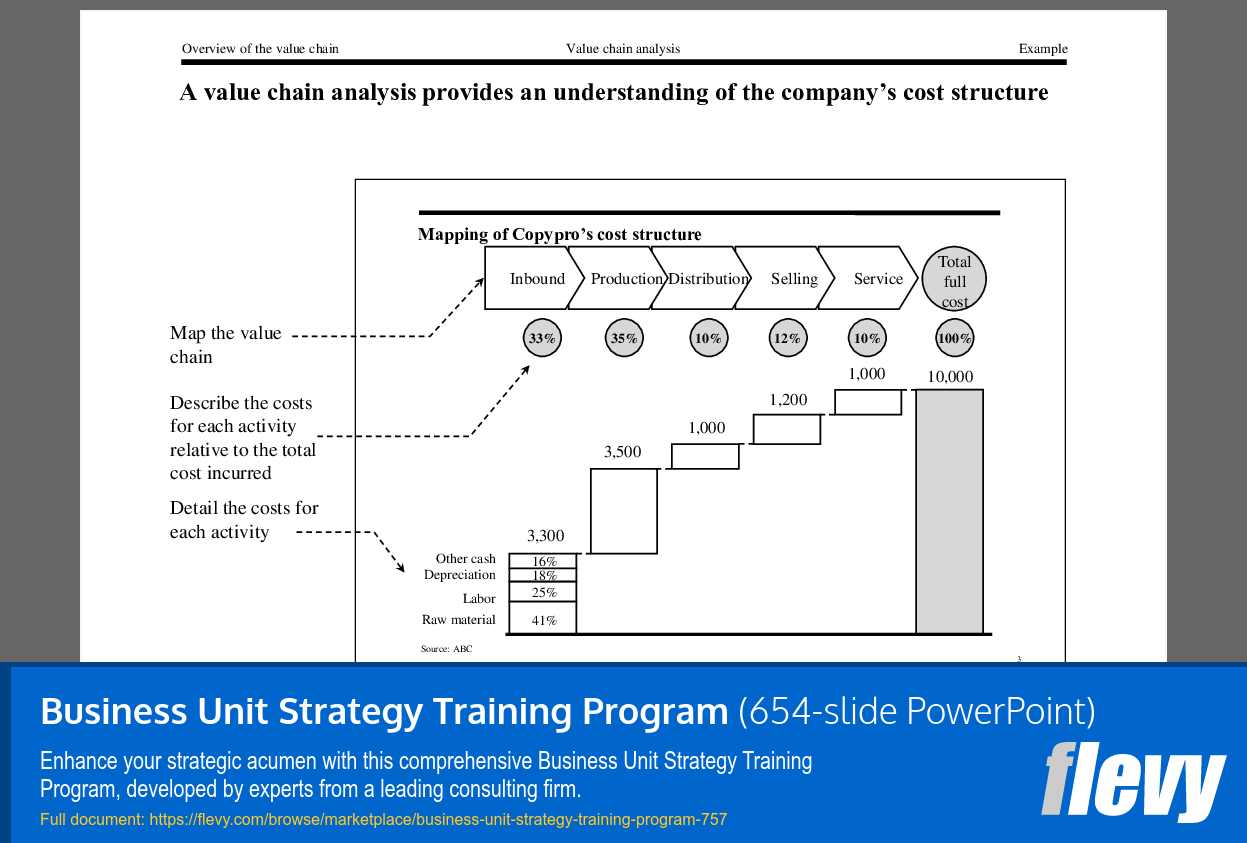
This slide analyzes a company's cost structure using a value chain framework, detailing cost allocation across key activities: Inbound, Production, Distribution, Selling, and Service. Inbound and Production are the largest contributors at 33% and 35%, respectively, indicating areas for cost management and efficiency improvements. Selling and Service account for smaller portions at 12% and 10%. Costs within each category break down into Labor, Raw Material, Depreciation, and Other Cash, with Labor as the largest component at 41%, highlighting potential for operational optimization. Mapping the value chain and understanding activity costs aids in strategic planning and resource allocation, enabling executives to prioritize initiatives that enhance efficiency and profitability.
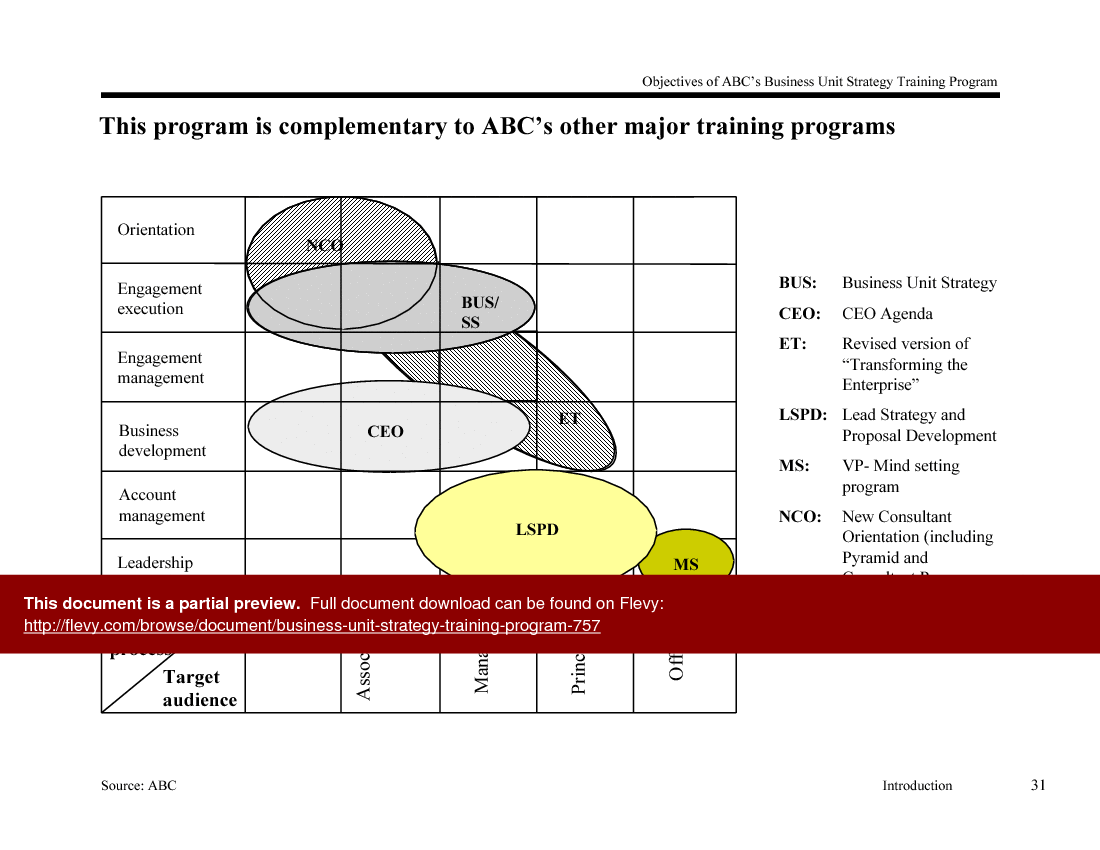
This slide outlines the Business Unit Strategy (BUS) Training Program's relationship with other training initiatives, categorized in a grid by roles (Associate, Manager, Principal, Officer) and key business processes (Orientation, Engagement Execution, Engagement Management, Business Development, Account Management, Leadership, Business Process). Overlapping areas indicate intersections with other programs, such as the CEO program for leadership development and the Lead Strategy and Proposal Development (LSPD) program, which is relevant across multiple roles. Abbreviations like NCO for New Consultant Orientation and MS for Mind Setting reflect a structured training approach tailored to various experience levels. This visual representation clarifies program interconnections, guiding participants in selecting beneficial training for their roles and career paths.
This slide outlines a structured approach using the "situation-complication-overriding question" framework for a Nordic oil and gas company. The "Situation" section reveals the client's intent to consolidate North Sea operations to enhance efficiency and optimize the value chain, indicating a proactive engagement with consulting firm ABC to analyze market requirements. The "Complication" highlights uncertainties regarding the integration's outcomes and the complexities introduced by a rapidly changing technology landscape. The "Overriding Question" focuses on how to effectively structure North Sea activities to enhance performance, guiding consulting efforts toward actionable insights. This framework exemplifies a methodical approach to problem-solving that fosters informed and strategic decisions.
This slide analyzes Copypro's strategic evolution from 1959 to 1990, highlighting key eras:
1. Entry (1959): Focused on building organizational capacity, establishing an R&D organization for electro photography, and developing low-volume copiers.
2. Internationalization (1969): Aimed to enter Japanese and European markets, introducing the NP 1100 copier and expanding the NP system.
3. Product Development (1974): Expanded product lines with NP color copiers and microprocessor-controlled systems, emphasizing innovation.
4. Technological Differentiation (1978): Leveraged technological advancements to enter the high-volume market, introducing an IT image retention system.
5. Entry into Multimedia (1990): Committed to multimedia strategy through advanced digital copying machines and multifunctional devices, reflecting a trend towards technology integration.
This overview illustrates how innovation, market expansion, and technological advancement drove Copypro's business strategy.
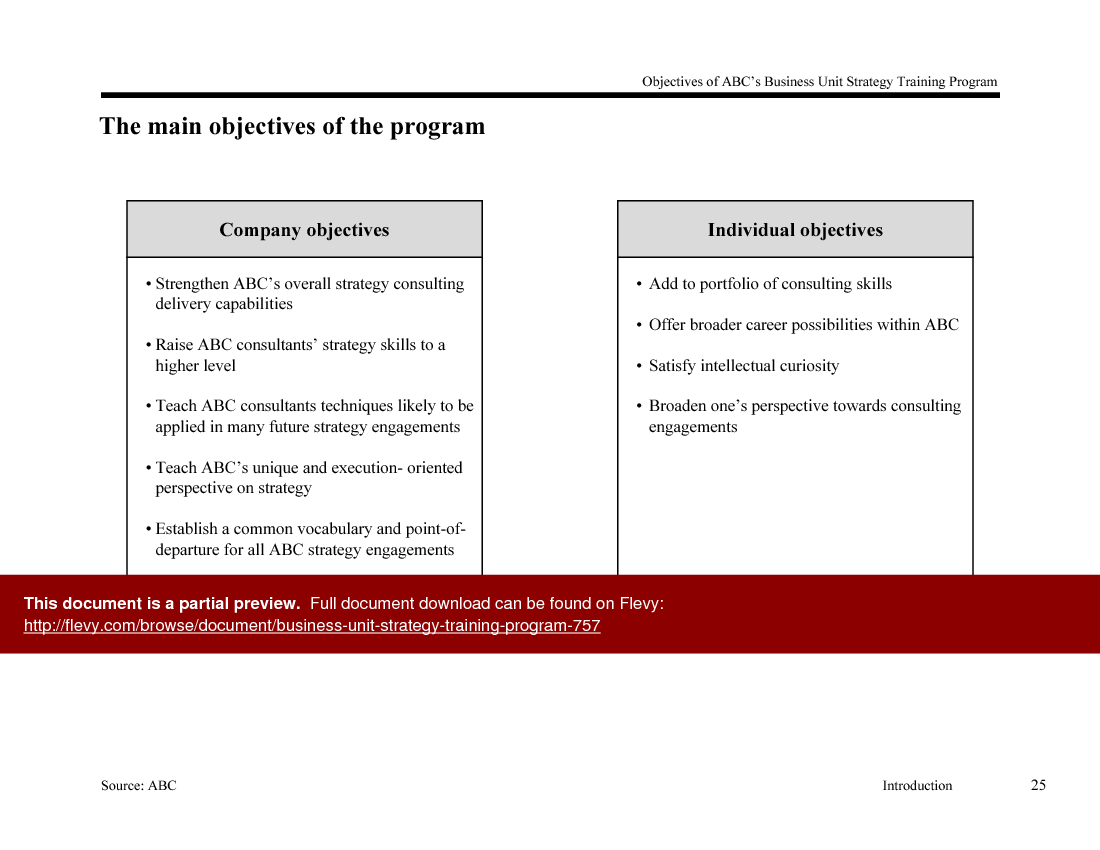
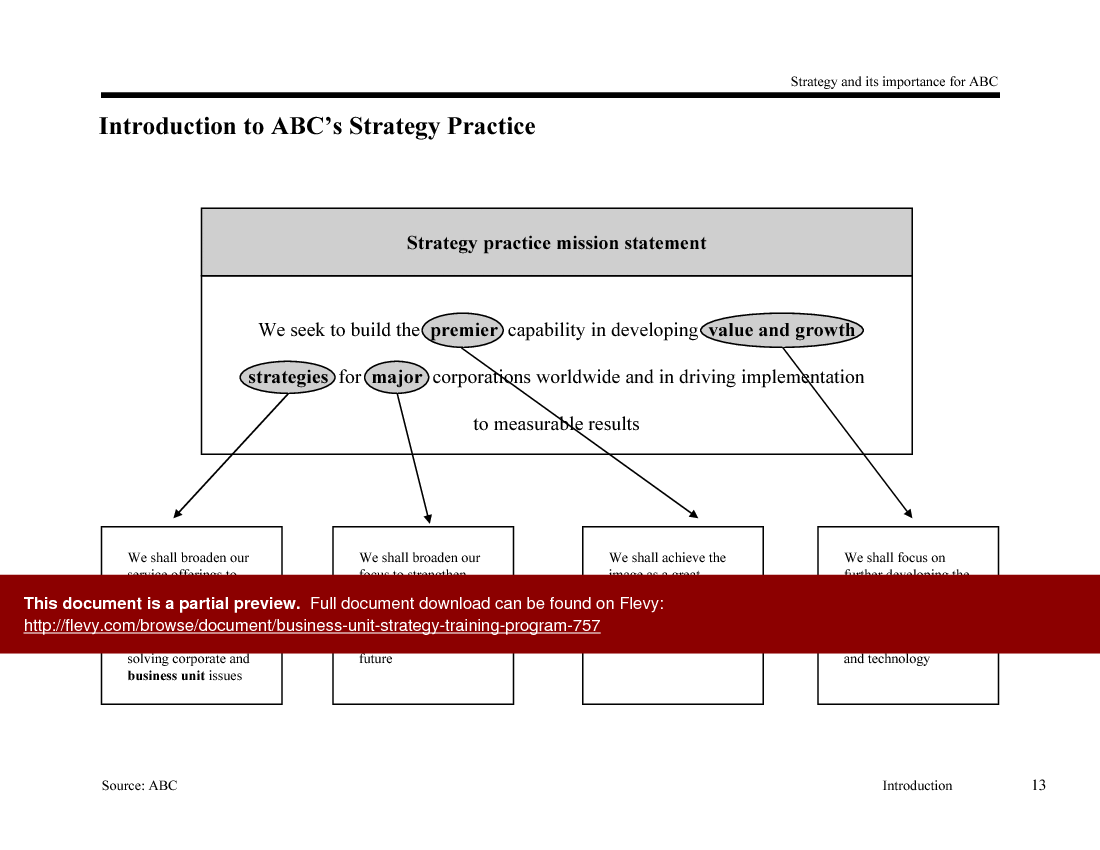
The Business Unit Strategy Training Program focuses on enhancing the ABC strategy's practical application and effectiveness in strategic initiatives. Key objectives include developing strategic analysis skills through critical thinking and analytical exercises, fostering decision-making abilities. Networking is emphasized, encouraging collaboration and shared learning among participants. The program promotes a culture of innovation by sharing and testing experiences, equipping participants to approach business challenges from a strategic perspective. This holistic view enables creative problem-solving and strategic thinking, showcasing the program's comprehensive approach to developing strategic capabilities.
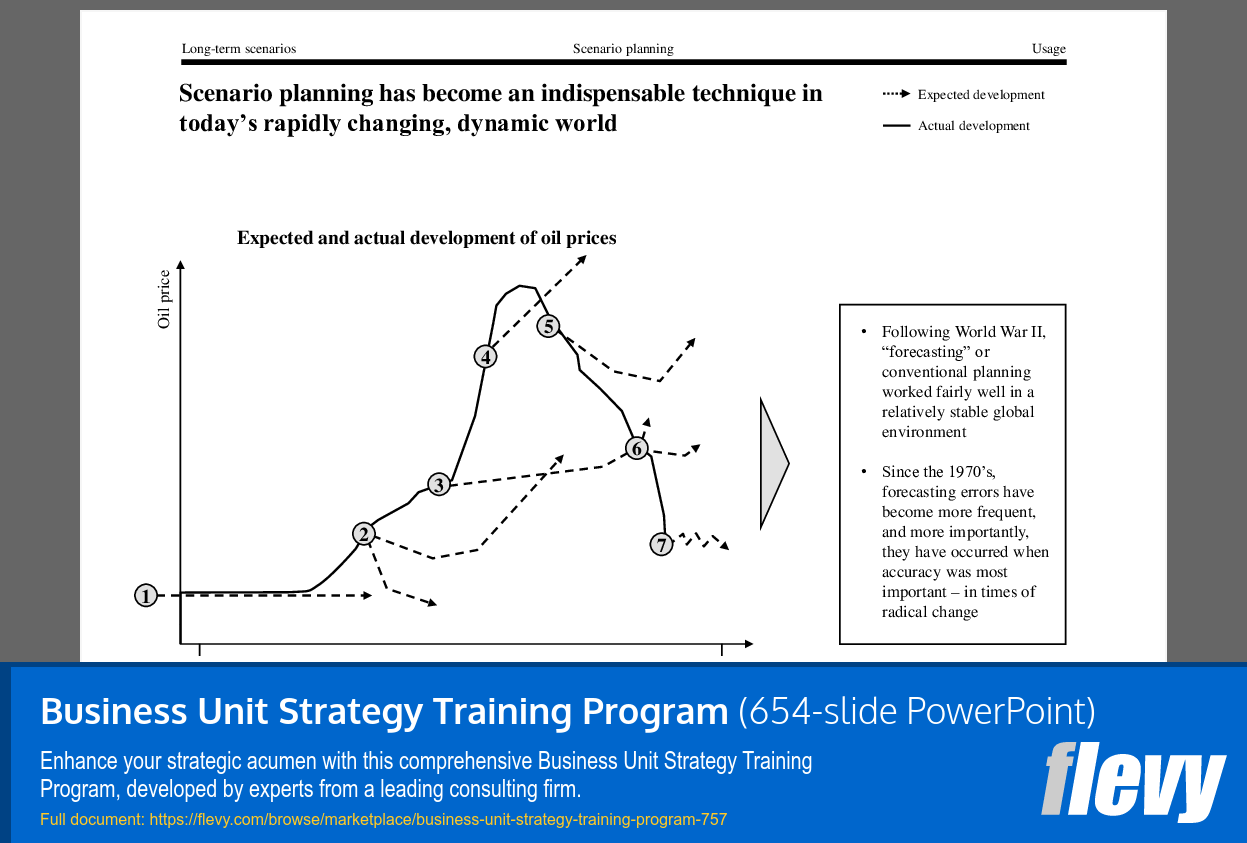
This slide highlights the importance of scenario planning in today's volatile business environment. It features a graph comparing expected versus actual oil price developments, with a dashed line for projections and a solid line for actual movements, revealing significant discrepancies. Since the 1970s, traditional forecasting methods have proven inadequate, leading to increased forecasting errors during periods of change. This underscores the necessity for organizations to adopt scenario planning to anticipate market fluctuations. Key takeaways include the inadequacy of static forecasting models in dynamic markets and the need for companies to leverage scenario planning to enhance strategic resilience and agility, preparing for multiple potential futures rather than relying solely on linear projections.
Source: Best Practices in Consulting Training, Strategy Development, Industry Analysis, Environmental Analysis PowerPoint Slides: Business Unit Strategy Training Program PowerPoint (PPT) Presentation Slide Deck, Documents & Files
The average daily rate of a McKinsey consultant is $6,625 (not including expenses). The average price of a Flevy document is $65.
Trusted by over 10,000+ Client Organizations
Since 2012, we have provided best practices to over 10,000 businesses and organizations of all sizes, from startups and small businesses to the Fortune 100, in over 130 countries.

"As a consultant requiring up to date and professional material that will be of value and use to my clients, I find Flevy a very reliable resource.
The variety and quality of material available through Flevy offers a very useful and commanding source for information. Using Flevy saves me time, enhances my expertise and ends up being a good decision."
– Dennis Gershowitz, Principal at DG Associates
"The wide selection of frameworks is very useful to me as an independent consultant. In fact, it rivals what I had at my disposal at Big 4 Consulting firms in terms of efficacy and organization."
– Julia T., Consulting Firm Owner (Former Manager at Deloitte and Capgemini)
"Flevy is now a part of my business routine. I visit Flevy at least 3 times each month.
Flevy has become my preferred learning source, because what it provides is practical, current, and useful in this era where the business world is being rewritten.
many challenges and there is the need to make the right decisions in a short time, with so much scattered information, we are fortunate to have Flevy. Flevy investigates, selects, and puts at our disposal the best of the best to help us be successful in our work.
"
– Omar Hernán Montes Parra, CEO at Quantum SFE
"Last Sunday morning, I was diligently working on an important presentation for a client and found myself in need of additional content and suitable templates for various types of graphics. Flevy.com proved to be a treasure trove for both content and design at a reasonable price, considering the time I
saved. I encountered a download issue during the ordering process. However, a quick email to Flevy's support team, even on a Sunday (!!!), resulted in assistance within less than an hour, allowing me to download the content I needed. Fantastic job, Flevy! I give 5 stars for both content/price and customer service. Thank you!
"
– M. E., Chief Commercial Officer, International Logistics Service Provider
"I am extremely grateful for the proactiveness and eagerness to help and I would gladly recommend the Flevy team if you are looking for data and toolkits to help you work through business solutions."
– Trevor Booth, Partner, Fast Forward Consulting
"If you are looking for great resources to save time with your business presentations, Flevy is truly a value-added resource. Flevy has done all the work for you and we will continue to utilize Flevy as a source to extract up-to-date information and data for our virtual and onsite presentations!"
– Debbi Saffo, President at The NiKhar Group
"My FlevyPro subscription provides me with the most popular frameworks and decks in demand in today’s market. They not only augment my existing consulting and coaching offerings and delivery, but also keep me abreast of the latest trends, inspire new products and service offerings for my practice, and educate me
in a fraction of the time and money of other solutions. I strongly recommend FlevyPro to any consultant serious about success.
"
– Bill Branson, Founder at Strategic Business Architects
"Flevy is our 'go to' resource for management material, at an affordable cost. The Flevy library is comprehensive and the content deep, and typically provides a great foundation for us to further develop and tailor our own service offer."
Receive our FREE whitepaper on the Top 101 Consulting Frameworks
Download our 200+ page guide summarizing the Top 101 Management Consulting Frameworks. Each framework provides a structured approach to analyzing and solving a common business problem.