
Post-merger Integration Training   131-slide PPT PowerPoint presentation slide deck (PPT)
$159.99

Post-merger Integration Training (131-slide PPT PowerPoint presentation slide deck (PPT)) Preview Image
Log in to unlock full preview.
Post-merger Integration Training (131-slide PPT PowerPoint presentation slide deck (PPT)) Preview Image
Arrow   Click main image to view in full screen.

Post-merger Integration Training (PowerPoint PPT Slide Deck)

PowerPoint (PPT) 131 Slides

#3 in Post-merger Integration $159.99

Add to Cart


Immediate download
Free lifetime updates

POST-MERGER INTEGRATION PPT DESCRIPTION

This product (Post-merger Integration Training) is a 131-slide PPT PowerPoint presentation slide deck (PPT), which you can download immediately upon purchase.

This is a post- merger integration training material.
The contents include:
•  Day One capabilities
•  Synergy Capture
•  Functional Integration:
•  IT
•  Finance
•  Supply Chain
•  HR
•  Communications and Change

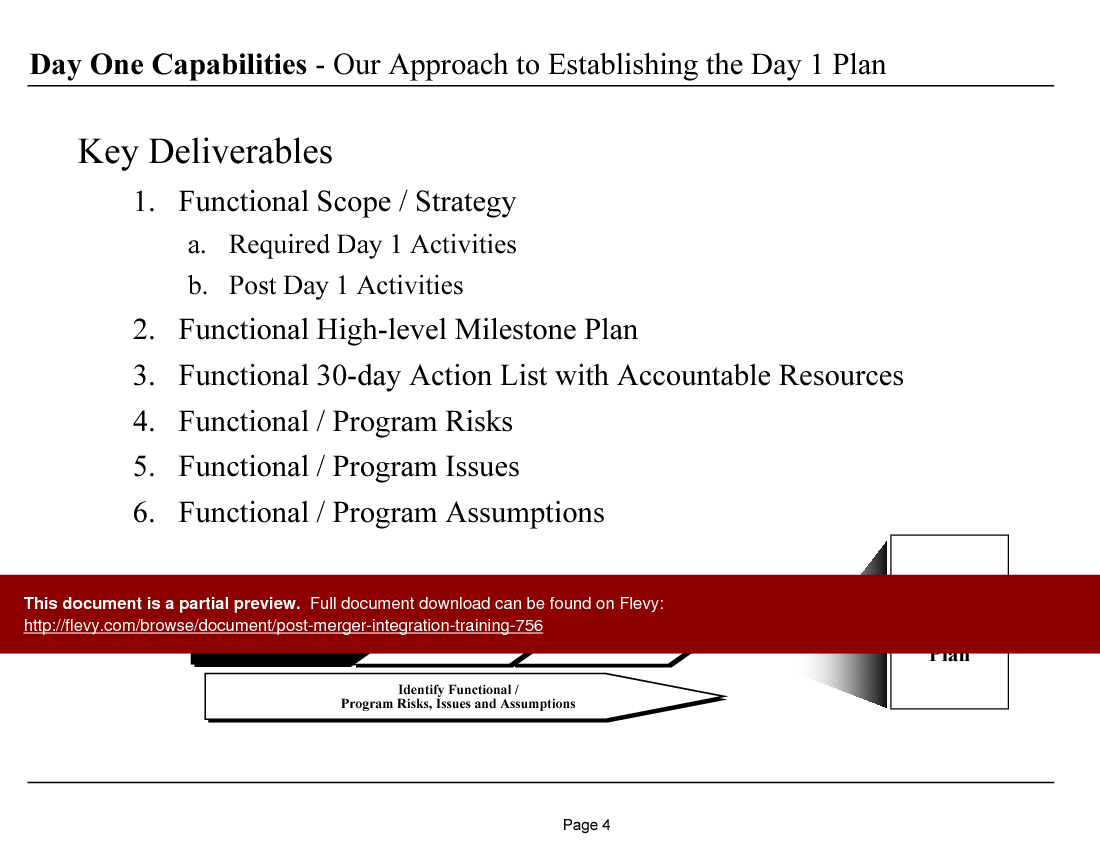
This comprehensive Post-Merger Integration Training material dives deep into the critical aspects of integration, ensuring your organization is well-prepared for Day One and beyond. The document provides a detailed approach to establishing a robust Day One plan, including functional scope and strategy, high-level milestones, and a 30-day action list with accountable resources. Key deliverables such as program risks, issues, and assumptions are meticulously outlined to mitigate potential pitfalls.

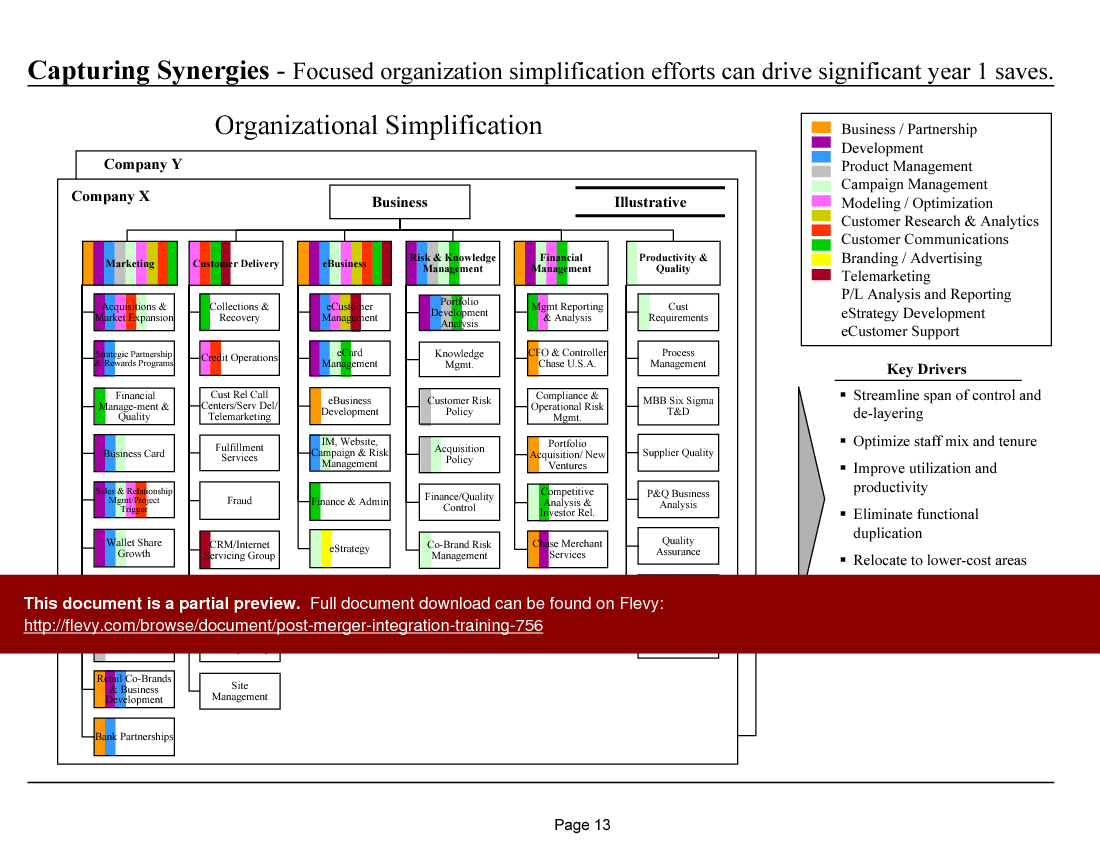
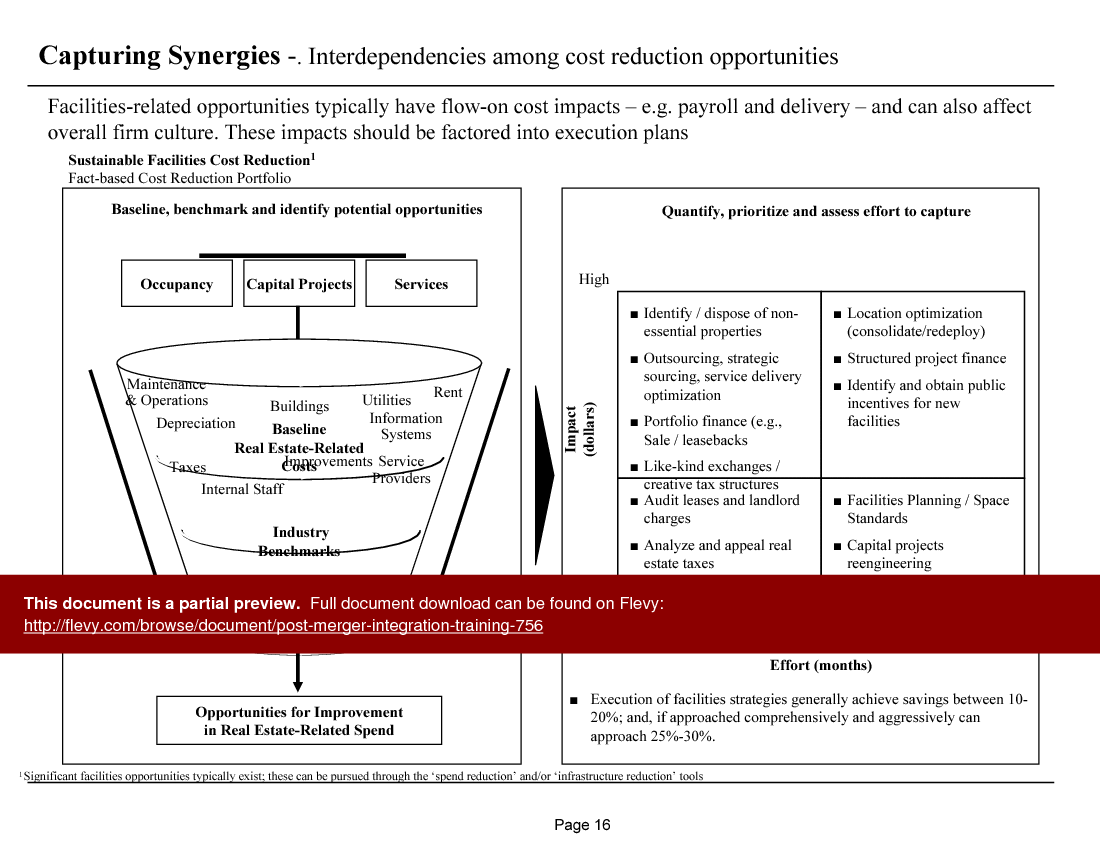
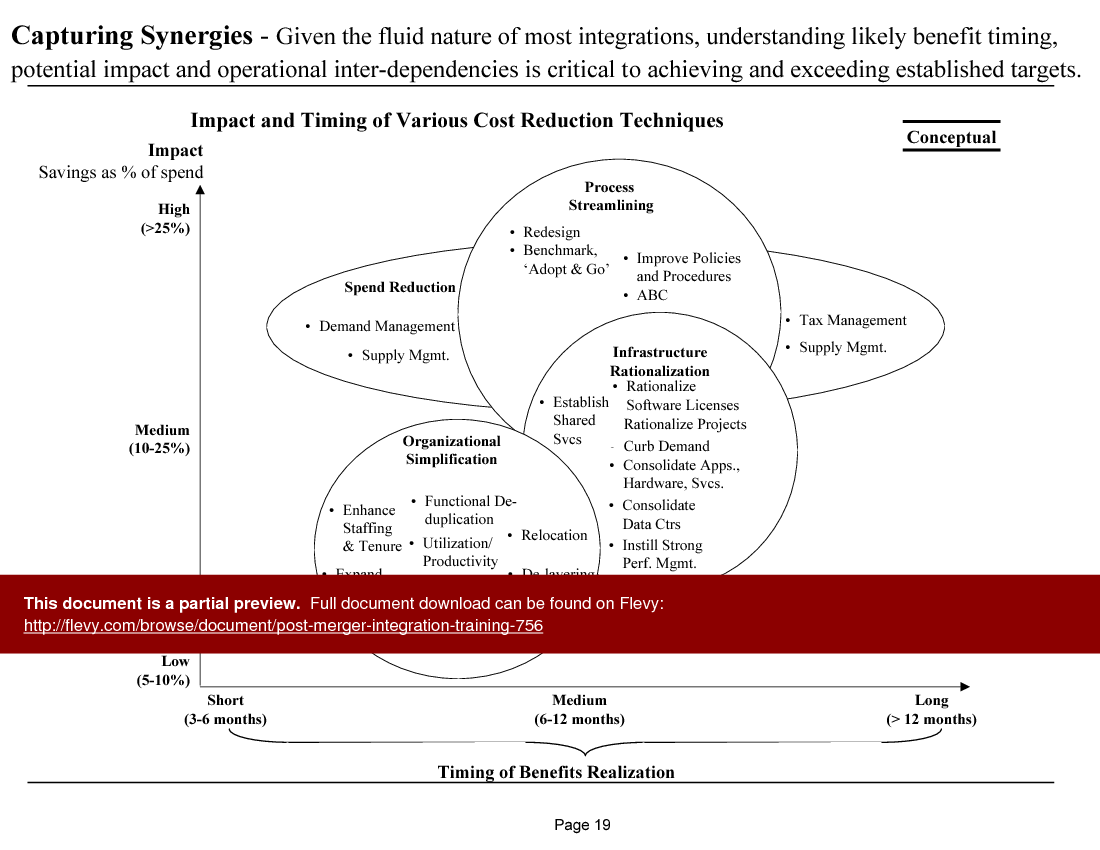
The training material also emphasizes capturing synergies, a crucial component for realizing the full value of a merger. Focused organizational simplification efforts are highlighted to drive significant cost savings in the first year. The document explores interdependencies among cost reduction opportunities, particularly in facilities-related areas, and provides a framework for quantifying, prioritizing, and assessing efforts to capture these opportunities. Understanding the timing and impact of various cost reduction techniques is critical for achieving and exceeding established targets.

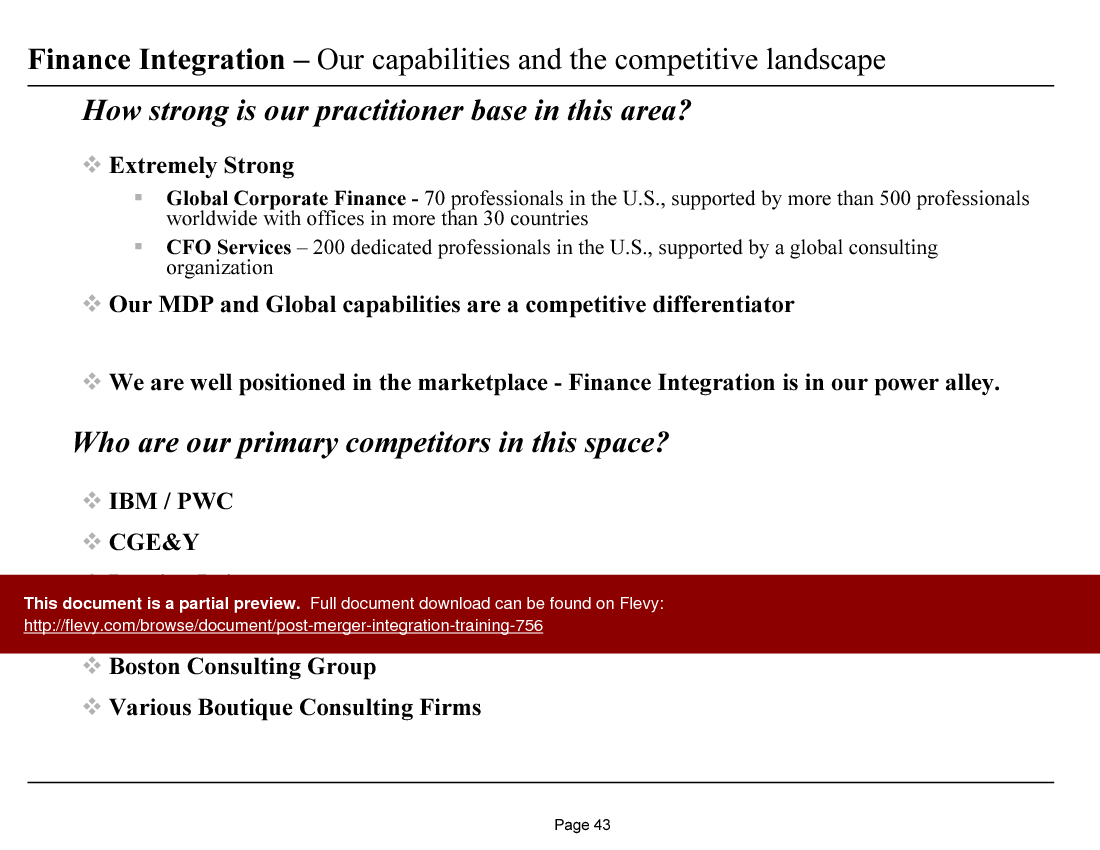
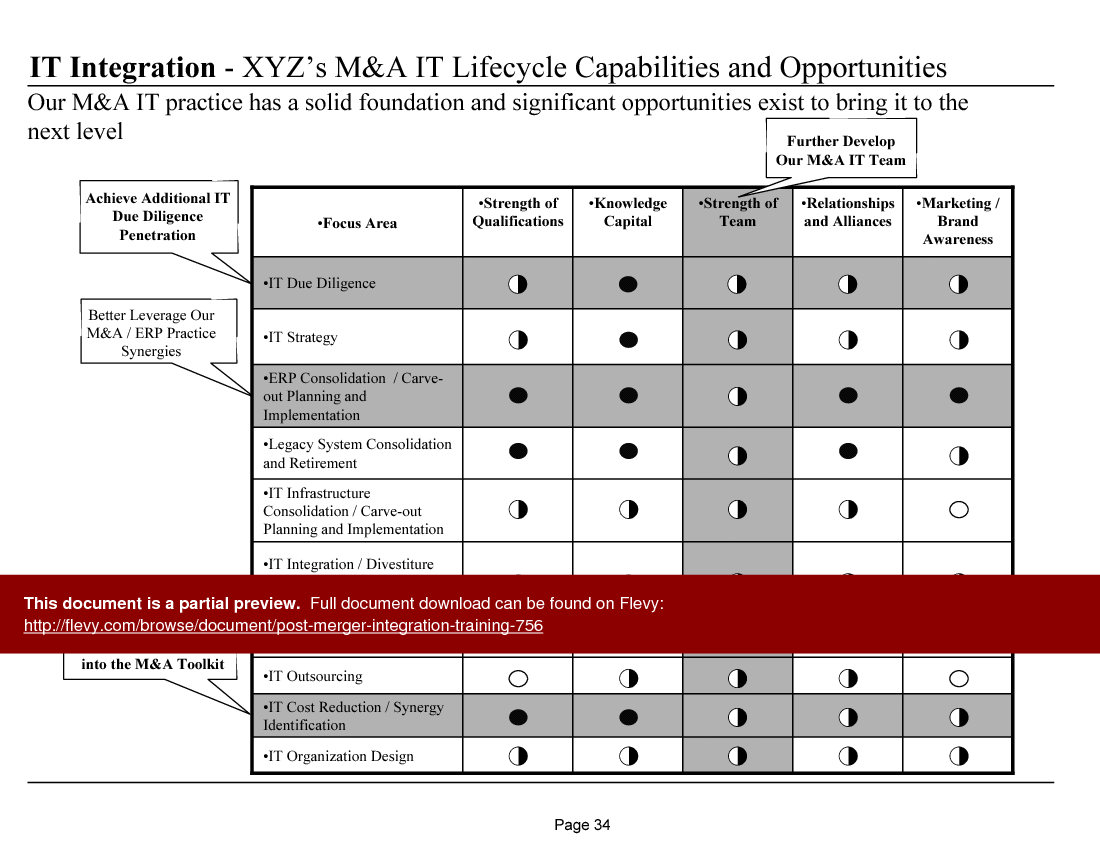
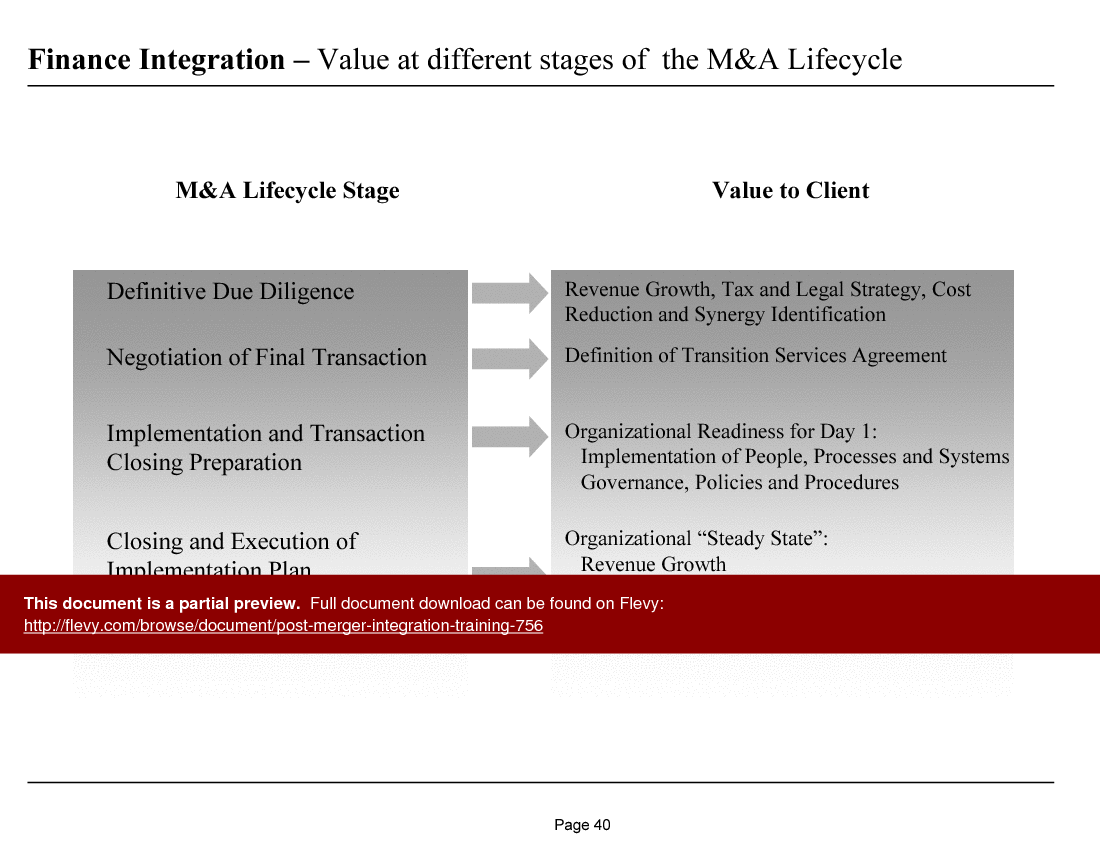
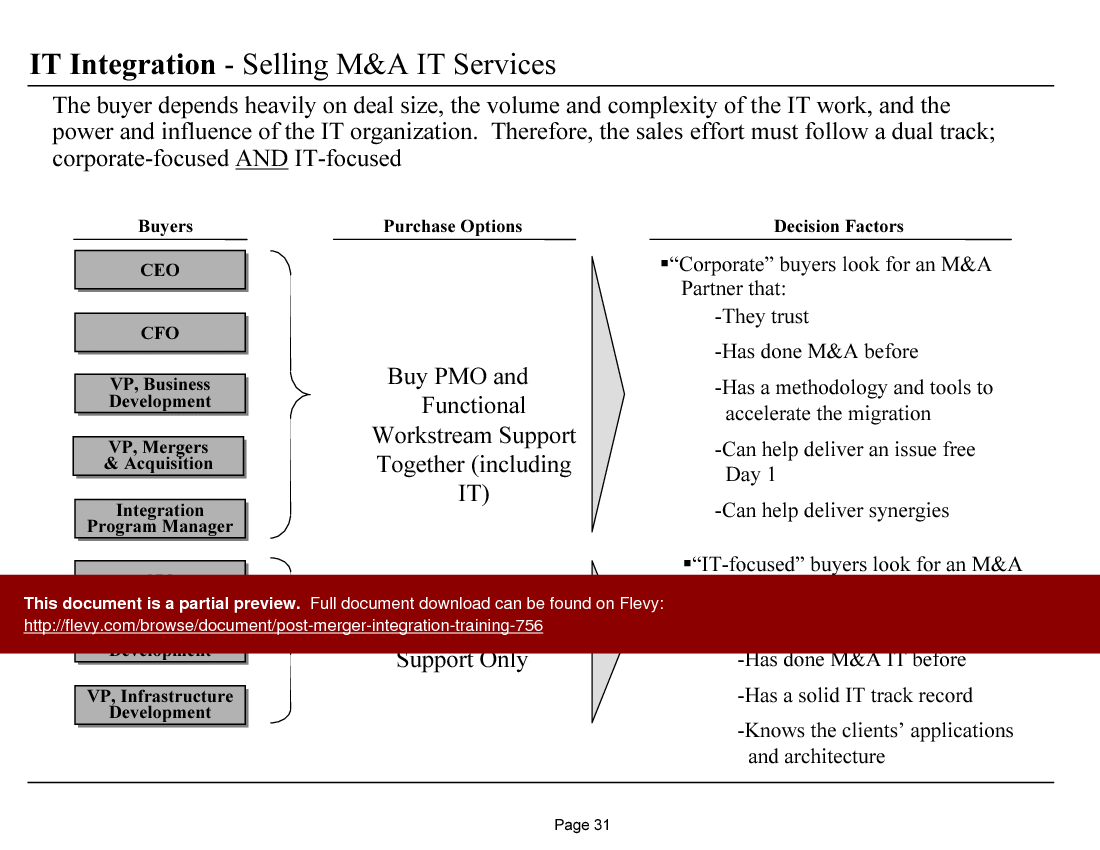
Functional integration is another cornerstone of this training, with dedicated sections on IT, finance, supply chain, and HR. The IT integration segment discusses selling M&A IT services, lifecycle capabilities, and opportunities, emphasizing the importance of a dual-track approach that addresses both corporate and IT-focused needs. The finance integration section outlines value at different stages of the M&A lifecycle, competitive landscape, and the practitioner's base strength, ensuring your finance team is well-positioned to support the integration process.

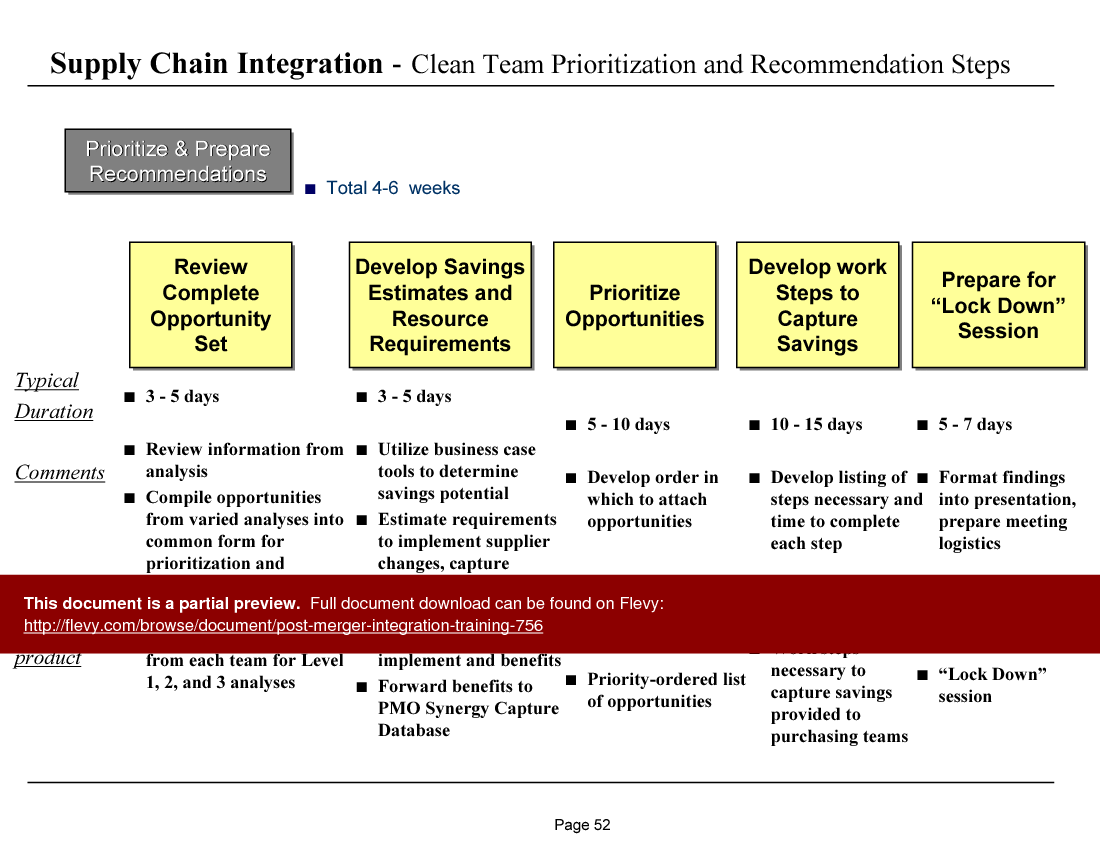
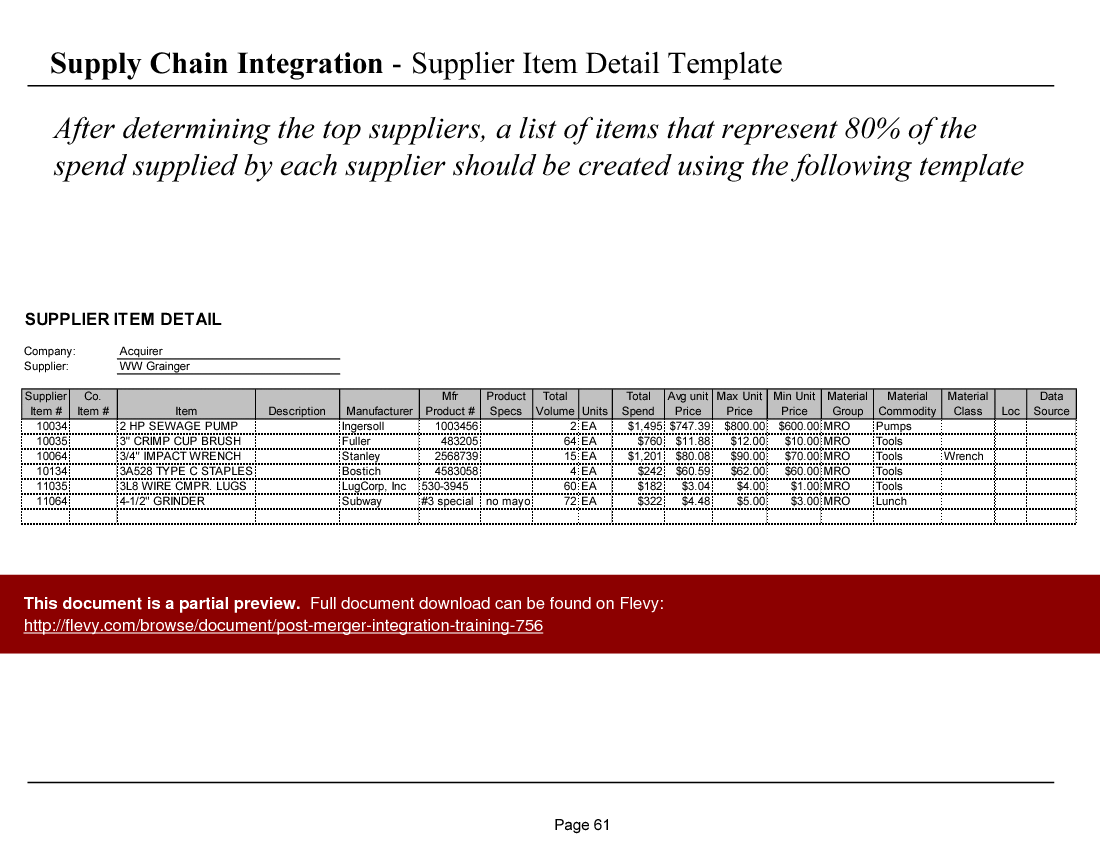
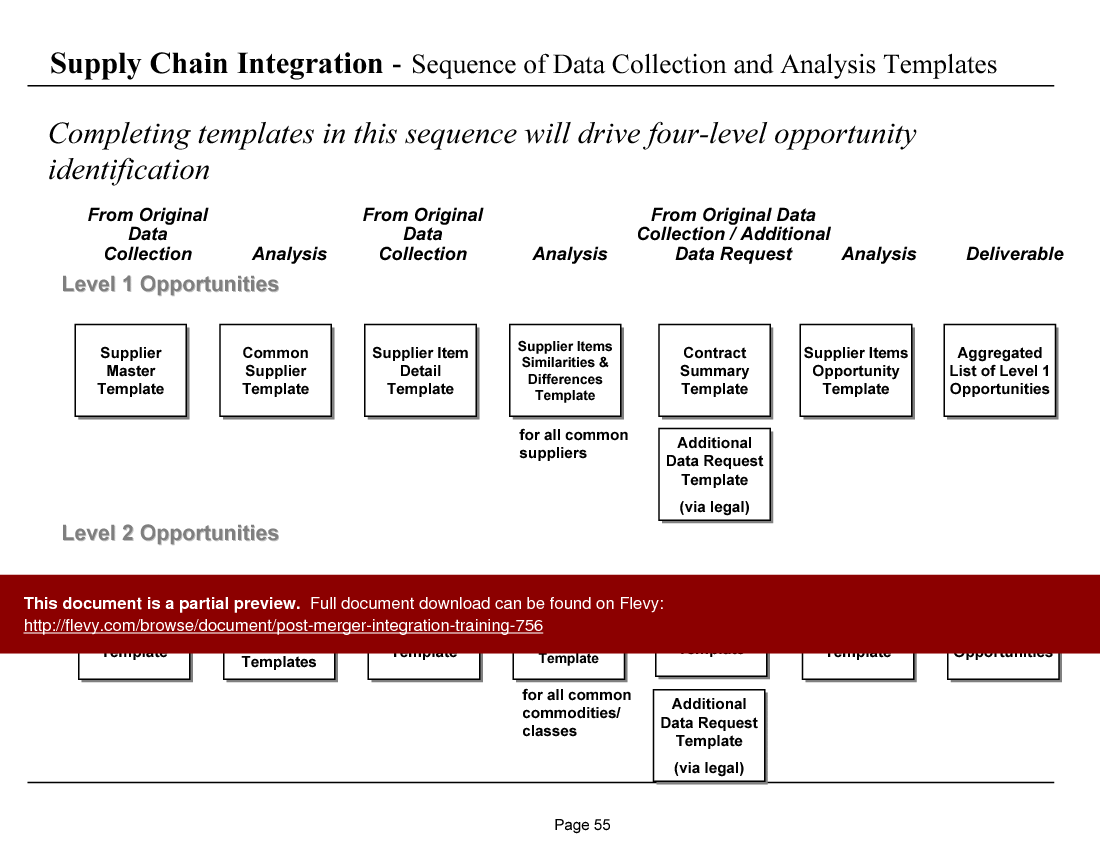
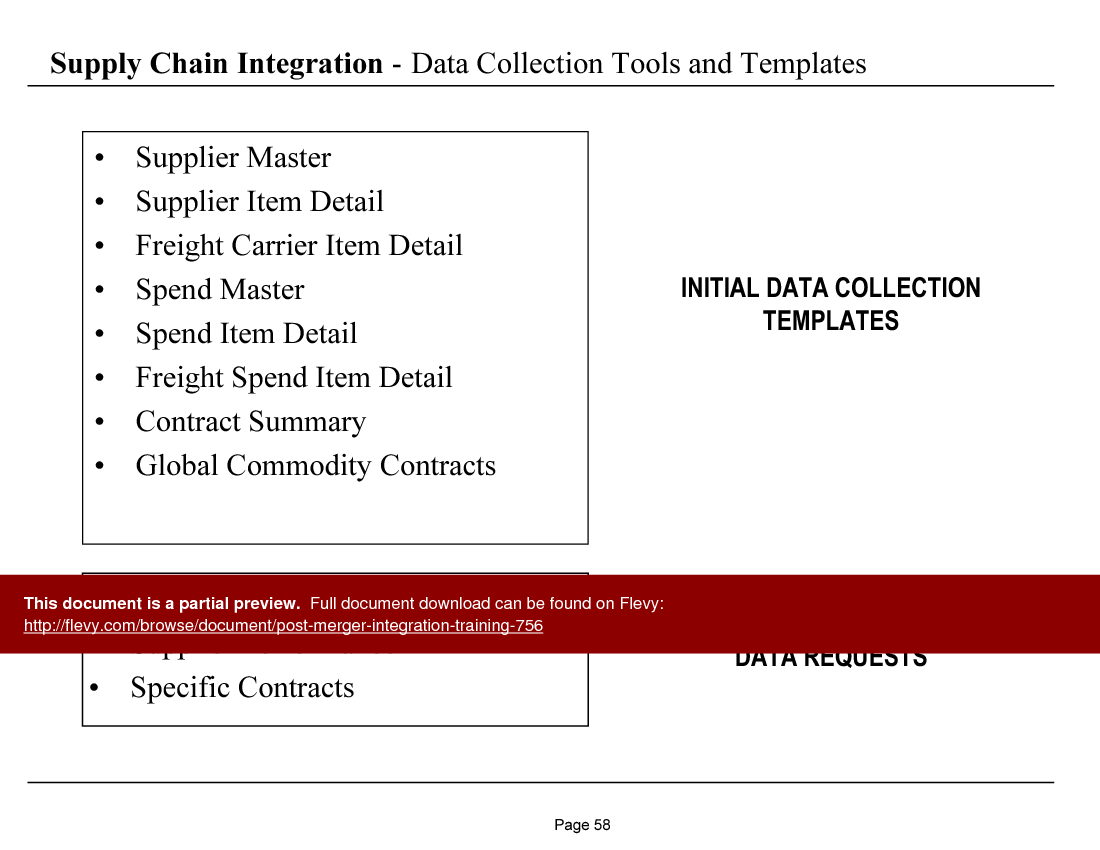
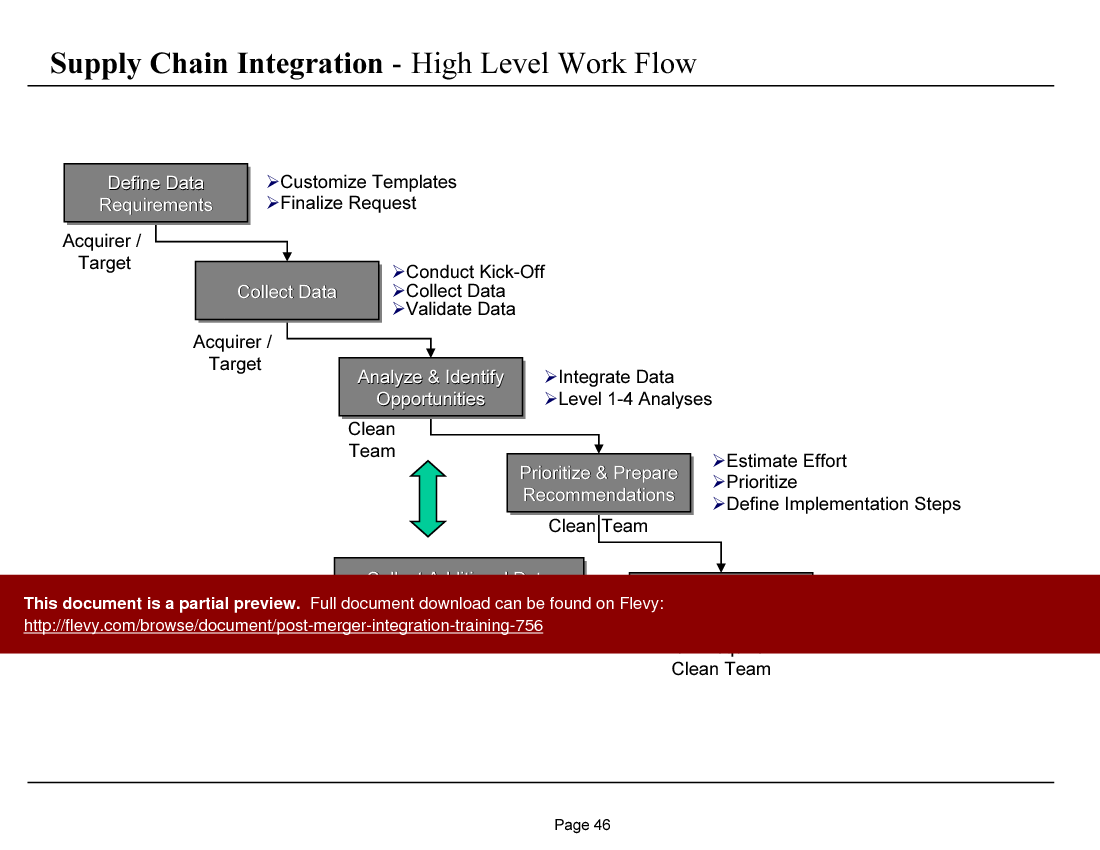
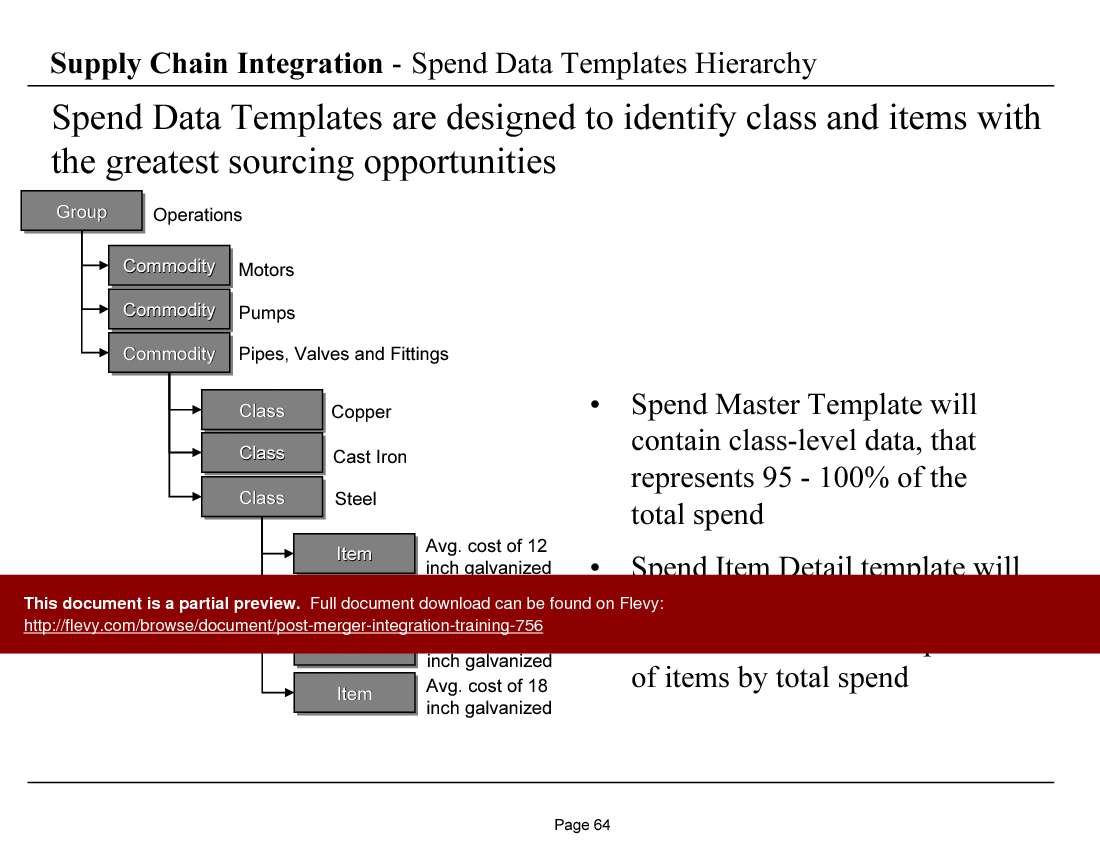
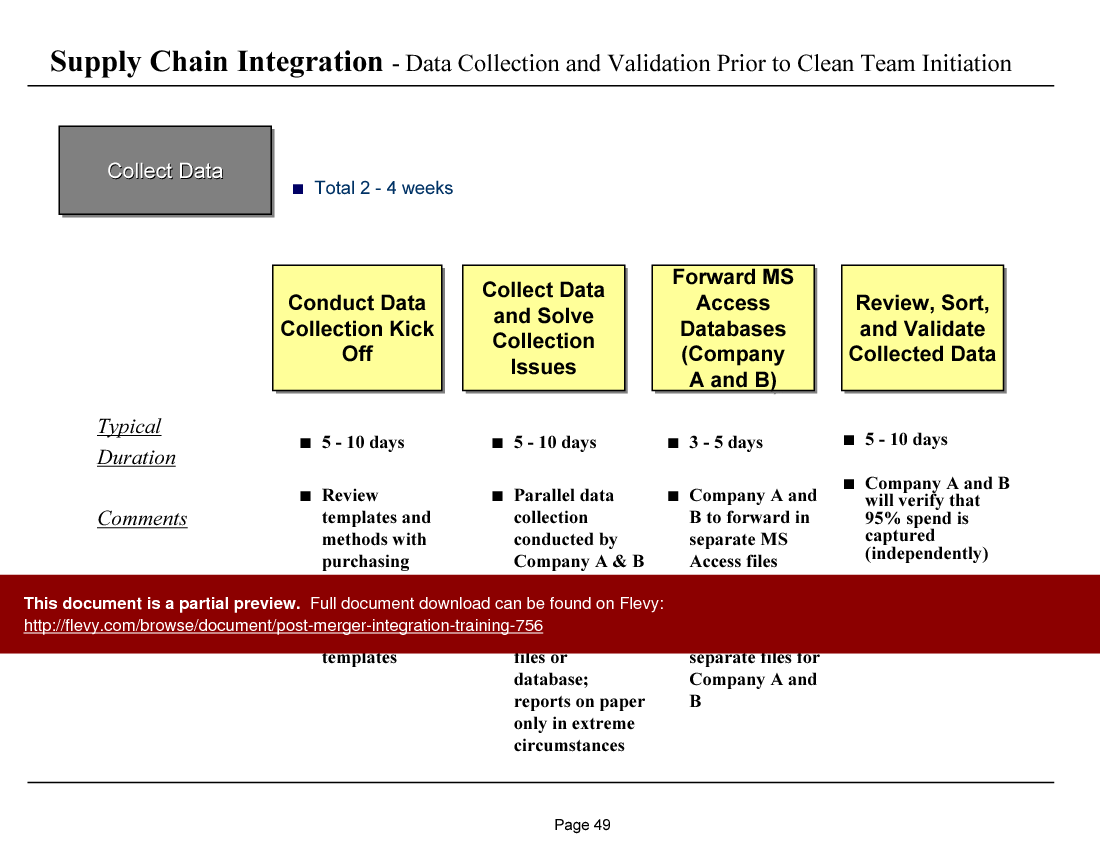
The supply chain integration portion provides a high-level workflow, data collection and validation steps, and clean team prioritization and recommendation steps. Detailed templates for data collection, spend analysis, and opportunity identification are included to streamline the integration process. The document also covers final deliverables, such as spend profiles and aggregated level 1 opportunities, ensuring a comprehensive understanding of the supply chain landscape post-merger.

HR integration is thoroughly addressed, focusing on merger integration objectives, critical success factors, and challenges of human capital integration. The document outlines key priorities for selection and retention, leadership, culture, and communications, and provides a transition playbook for people management. This ensures that the workforce is aligned, engaged, and effectively managed throughout the integration process.

Got a question about the product? Email us at support@flevy.com or ask the author directly by using the "Ask the Author a Question" form. If you cannot view the preview above this document description, go here to view the large preview instead.

MARCUS OVERVIEW

This synopsis was written by Marcus [?] based on the analysis of the full 131-slide presentation.


Executive Summary
This is a post-merger integration training deck built around Day 1 readiness, synergy capture, and functional integration—structured in the same crisp, outcome-driven style you’d expect from a McKinsey, Bain, or BCG-quality presentation (consulting-grade format and rigor; not affiliated). It is designed to help an integration team define “Day 1” (when two companies begin operating as one, or a divested entity begins operating independently), translate that definition into a functional Day 1 plan, and then execute through milestones, 30-day actions, and disciplined risk/issue/assumption tracking.

Who This Is For and When to Use

•  Integration Management Office (IMO) / PMO leads running merger integration or separation execution
•  Functional workstream leads building Day 1 scope, post-Day 1 scope, milestones, and near-term actions
•  Finance leaders and integration finance teams accountable for synergy targets, governance, and benefits tracking
•  IT, Supply Chain, HR, and Communications/Change teams coordinating systems, processes, and people transition work across Day 1 and stabilization

Best-fit moments to use this deck:

•  Pre-close planning window to set Day 1 scope, governance, and readiness walk-throughs
•  Day 1 execution and D1+30 ramp to drive stabilization, first close, and early synergy traction
•  Divestitures/separations that require TSAs/SLAs and a clean transition plan from “seller” systems to “NewCo” operations

Learning Objectives

•  Define Day 1 in plain operational terms for a merger or divestiture, and explain why it sets external confidence and internal clarity
•  Build a Day 1 plan using a repeatable set of deliverables: scope/strategy, milestones, 30-day actions, and tracked risks/issues/assumptions
•  Create a baseline schedule that connects functional charters, readiness reviews, stabilization, and “Day 2” transition work
•  Establish synergy capture discipline (targets, timing, ownership) and clarify the role of Finance and the PMO in execution governance
•  Identify functional integration touchpoints across systems and processes (ERP, core finance, payroll, supply chain, customer/order systems)
•  Apply HR integration priorities across organization structure, retention, rewards, HR service delivery, and change readiness

Table of Contents

•  Day One Capabilities (page 3)
•  Capturing Synergies (page 10)
•  Functional Integration (page 29)
•  IT (page 29)
•  Finance (page 37)
•  Supply Chain (page 44)
•  HR (page 101)
•  Communications and Change (page 113)

Primary Topics Covered

•  Day 1 Definition and Value - Day 1 is defined as the point two companies begin operating as one (merger) or a carved-out entity begins operating independently (divestiture). The deck frames Day 1 as a credibility milestone externally (“the street,” lenders, customers, suppliers) and an internal operating reset that sets discipline and accountability.
•  Day 1 Planning Method and Core Deliverables - A practical approach for building the Day 1 plan: define scope/strategy (Day 1 and post-Day 1), then create a milestone plan, a 30-day action list with accountable resources, and a program log of risks, issues, and assumptions.
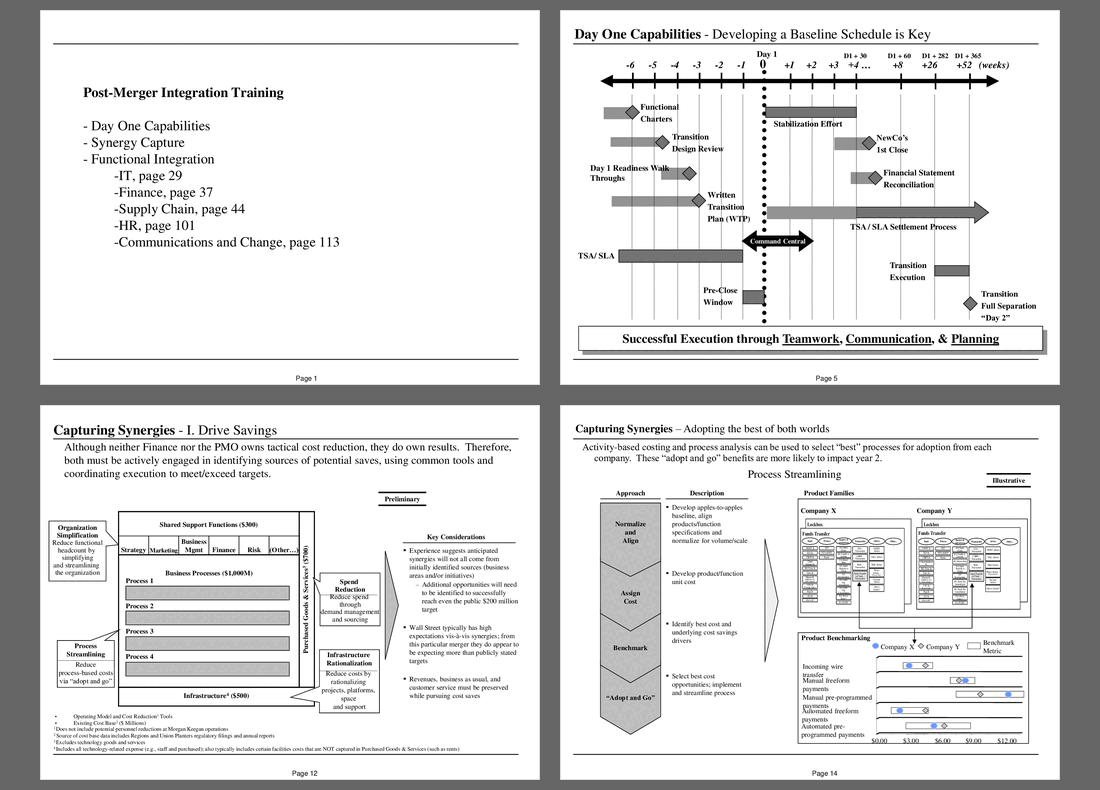
•  Baseline Schedule and Integration Timeline - A baseline schedule that connects pre-close work, readiness walk-throughs, TSA/SLA planning, command center setup, stabilization, first close, settlement processes, and the transition toward “Day 2.”
•  Synergy Capture and Cost Reduction Execution - A synergy capture module that focuses on driving savings, clarifying Finance’s role in execution, and answering concrete questions: what is achievable, what can be accelerated, and what governance and resourcing are required.
•  Finance Integration across the M&A Lifecycle - Finance integration topics spanning due diligence through closing and steady state: TSA definition, legal entity setup, process/policy design, systems testing, reporting strategy, payroll testing, and ongoing synergy benefit tracking.
•  HR Integration Priorities and Deliverables - Human capital integration coverage across organization design, leadership roles, reporting relationships, retention strategy, rewards consolidation, HR service delivery, and change readiness.

Deliverables, Templates, and Tools

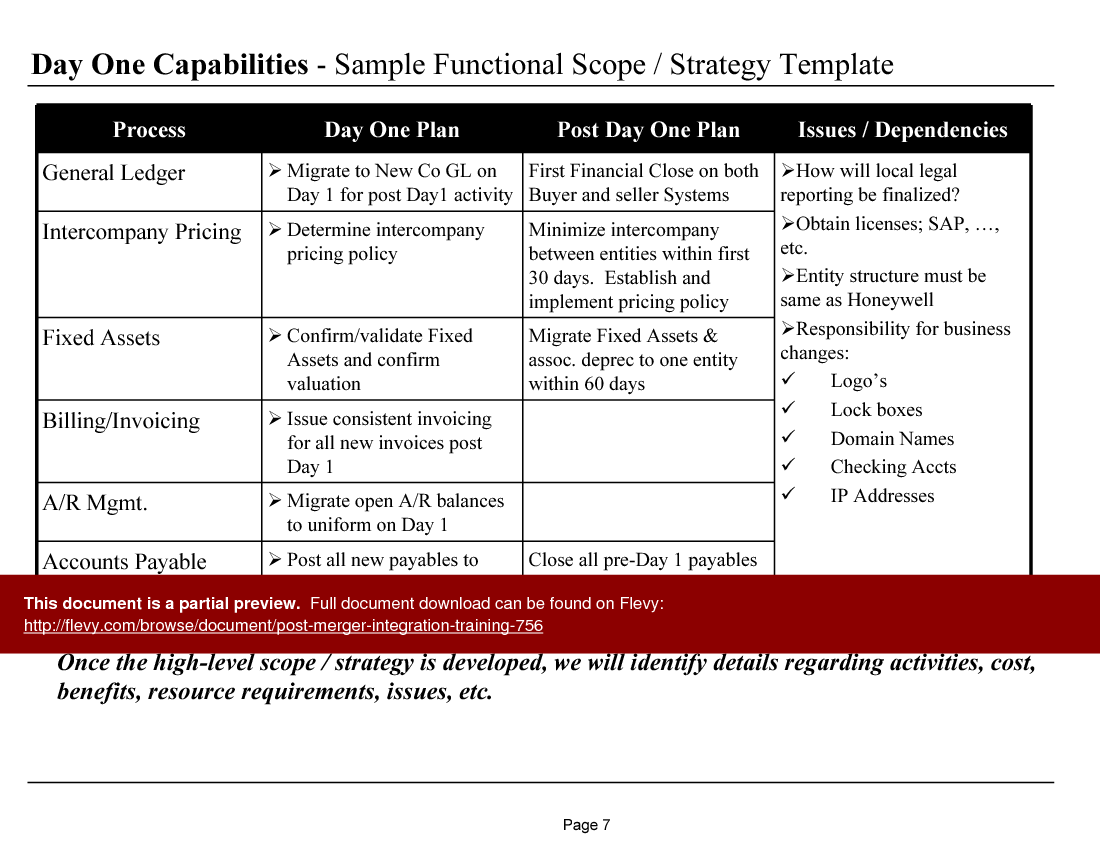
•  Functional scope and strategy template that separates required Day 1 activities from post-Day 1 activities
•  High-level functional milestone plan tied to the program timeline (charters, design review, readiness review, hand-off)
•  Functional 30-day action list with accountable resources to force near-term execution discipline
•  Program risk, issue, and assumption tracking to surface blockers early and keep dependencies visible
•  Baseline schedule model covering pre-close, TSA/SLA, command center, stabilization, first close, and Day 2 transition
•  TSA exhibit/log example to frame service scope, service levels, and payment terms in a transition services agreement

Slide Highlights

•  “Day 1 Defined” slide that makes the merger vs. divestiture definition unambiguous, with a direct list of why Day 1 matters
•  “Our Approach to Establishing the Day 1 Plan” slide that spells out exactly what teams must produce (scope, milestones, actions, risks/issues/assumptions)
•  Timeline view linking pre-close planning, readiness walk-throughs, command central, stabilization, and settlement processes
•  Synergy capture framing for Finance and PMO roles: line functions may own tactics, but Finance/PMO own results
•  Finance systems and integration points snapshot (ERP/core finance/treasury/reporting/tax/payroll plus supply chain and customer systems touchpoints)
•  HR integration service areas and priorities across leadership/culture/comms, retention, rewards, HR delivery, and risk management

Potential Workshop Agenda

Day 1 Readiness Working Session (90–120 minutes)
•  Align on Day 1 definition, non-negotiable Day 1 capabilities, and what “ready” means for each workstream
•  Draft functional Day 1 scope vs. post-Day 1 scope and assign owners
•  Build a first-pass milestone plan and a 30-day action list
Synergy Capture Working Session (60–90 minutes)
•  Pressure-test synergy targets and timing, then define how Finance and the PMO will run governance
•  Identify “saves” sources and agree on tracking cadence so benefits do not drift
HR and Change Readiness Deep Dive (90 minutes)
•  Confirm key talent/retention approach, rewards consolidation questions, and Day 1 reporting relationships
•  Define change readiness inputs and immediate communications needs

Customization Guidance

•  Replace generic timeline labels with your actual pre-close window, Day 1 date, first close date, and stabilization milestones
•  Tailor each workstream’s “required Day 1 activities” and “post-Day 1 activities” so scope is explicit
•  Add your deal’s TSA/SLA services, service levels, and durations directly into the TSA exhibit/log format

Secondary Topics Covered

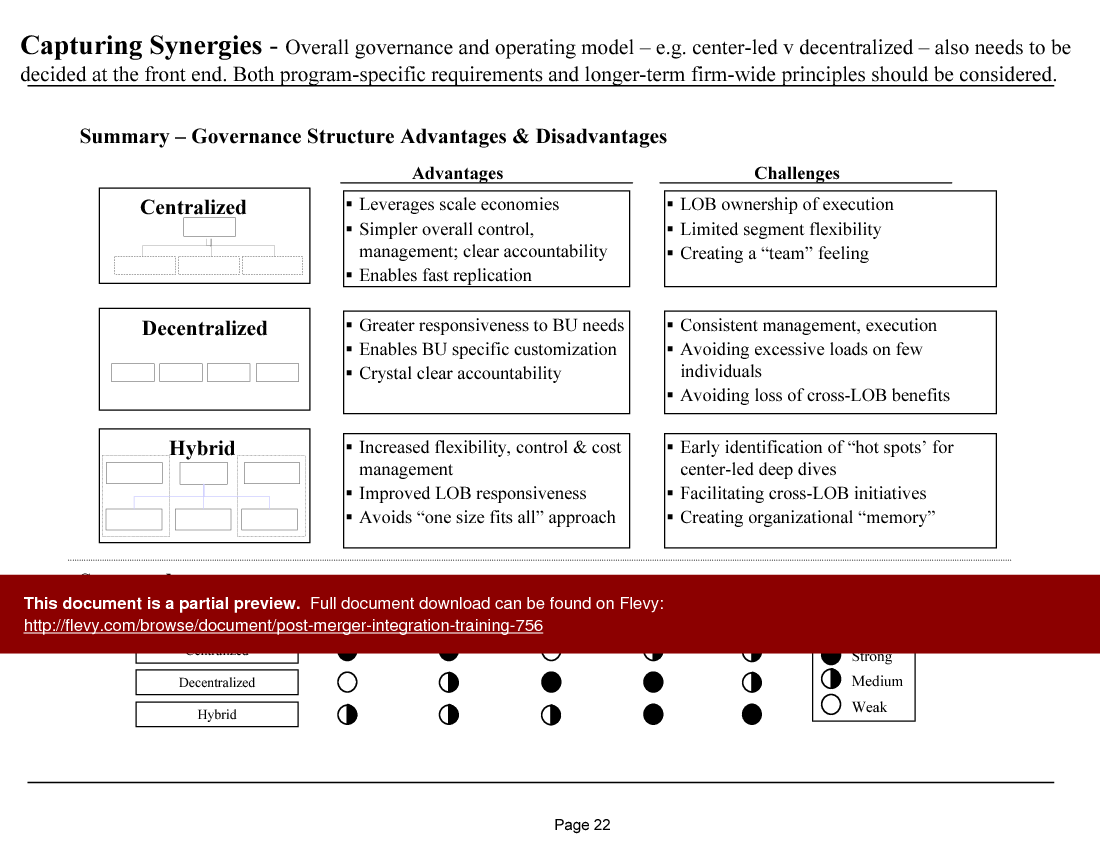
•  Governance and operating model questions for integration execution (who decides what, how often, with what data)
•  Resource planning and accountability: workload estimates, accountable resources, and ownership clarity
•  “Command central” / command center setup and stabilization management as a distinct phase of execution
•  Financial statement reconciliation and settlement processes during transition services periods
•  Finance process scope examples (AP/AR/GL/inventory/intercompany pricing) as a way to translate strategy into execution steps

FAQ

What exactly is “Day 1” in a merger vs. a divestiture?
In a merger, Day 1 is when two companies begin operating as one company. In a divestiture, Day 1 is when the carved-out entity begins operating independently from the seller, even if TSAs or SLAs remain in place for a period after closing.

What are the concrete deliverables required for Day 1 readiness (not just meetings and status updates)?
A practical Day 1 package typically includes: functional scope/strategy (required Day 1 activities and post-Day 1 activities), a high-level milestone plan, a 30-day action list with accountable resources, and a tracked log of program risks, issues, and assumptions.

How do I separate Day 1 scope from post-Day 1 scope so teams stop arguing about priorities?
Use a simple two-bucket definition for every workstream: “must-have capabilities to operate on Day 1” versus “activities that can occur after Day 1 without breaking operations.” Then force each item onto a milestone plan and 30-day action list so the trade-offs become explicit.

What should a baseline integration schedule include from pre-close through stabilization and “Day 2”?
A workable baseline schedule typically spans the pre-close window and readiness walk-throughs, TSA/SLA setup where needed, command center stabilization, early operating milestones (such as first close), reconciliation and settlement processes during transition, and a structured handoff into “Day 2” execution.

How should Finance and the PMO work together on synergy capture and cost reduction governance?
Finance and the PMO may not own every cost-reduction tactic, but they should own results: defining targets, building a cadence for tracking, coordinating execution across line functions, and maintaining visibility into progress versus commitments.

What systems and process touchpoints should Finance track (ERP, payroll, supply chain, customer systems)?
Focus on the “backbone” systems and their dependencies: ERP; core finance processes (GL, invoicing, AR, AP, fixed assets); treasury/cash management; reporting and analysis; tax systems; time and expense; payroll and commissions—plus integration points into supply chain systems and customer/order management.

What are the highest-impact HR integration priorities in the first wave (structure, retention, rewards, HR delivery)?
First-wave HR integration typically centers on end-state organization design and reporting lines, critical talent retention and deployment, harmonizing rewards and benefits where needed, and ensuring HR service delivery can support the transition (while reinforcing clear communication and change readiness).

When do TSAs and SLAs become unavoidable, and what must be defined inside them?
They become unavoidable when separation or integration requires one party to keep providing operational services temporarily (systems, processes, support functions) to avoid breaking Day 1 operations. The core definitions usually include service scope, service levels, length/duration, and cost/payment terms.

How do I turn a long list of integration tasks into a 30-day action list with real owners?
Start from the milestone plan and select only the items that must be started or completed in the next 30 days. Assign accountable resources to each action and keep it tied to Day 1 readiness and stabilization outcomes (not general “nice-to-have” improvements).

What should be tracked as risks, issues, and assumptions to avoid late surprises?
Track items that can derail Day 1 readiness or delay stabilization: risks (potential blockers), issues (current blockers), and assumptions (conditions you’re relying on). Keep them visible across workstreams so dependencies are surfaced early.

Glossary

•  Day 1 - The operational start point for a combined company (merger) or an independent entity (divestiture)
•  Day 2 - Post-Day 1 transition toward full separation or steady-state integration
•  Day One Capabilities - The must-have capabilities and must-do activities required to operate on Day 1
•  Synergy Capture - Discipline for meeting targets and sustaining realized benefits over time
•  Baseline Schedule - The integrated timeline that links pre-close planning, Day 1 readiness, stabilization, and post-Day 1 transition work
•  Milestone Plan - A high-level sequence of functional milestones tied to the overall program timeline
•  30-Day Action List - A near-term execution list that forces ownership and prioritization for the next 30 days
•  IMO / PMO - The integration program leadership function that coordinates governance, cadence, and cross-workstream execution
•  Workstream - A functional integration team (for example, IT, Finance, Supply Chain, HR, or Communications and Change) accountable for a defined scope
•  TSA - Transition Services Agreement defining temporary services provided during separation or integration
•  SLA - Service Level Agreement defining service performance levels (often used during transitional service periods)
•  Command Center - The central execution control point used during stabilization to manage issues, decisions, and dependencies
•  Stabilization - The phase immediately after Day 1 focused on operational continuity, issue resolution, and settling into a steady cadence
•  First Close - The first financial close cycle after Day 1 that often serves as an early stress test for finance processes and systems
•  Risks, Issues, and Assumptions - The core execution log used to identify potential blockers, current blockers, and conditions being relied on

POST-MERGER INTEGRATION PPT SLIDES

Supply Chain Spend Analysis: Acquirer vs. Target

Detailed Spend Analysis Template for Material Groups

Spend Data Templates for Sourcing Optimization

Day One Integration Timeline and Key Activities

Framework for Cost Reduction in Post-Merger Integration

Strategic Opportunity Matrix for Supplier and Product Alignment

Supply Chain Integration Workflow Overview

Framework for Navigating Organizational Change

Optimizing Processes Post-Merger: A Strategic Framework

Governance Models: Advantages, Challenges, and Evaluation

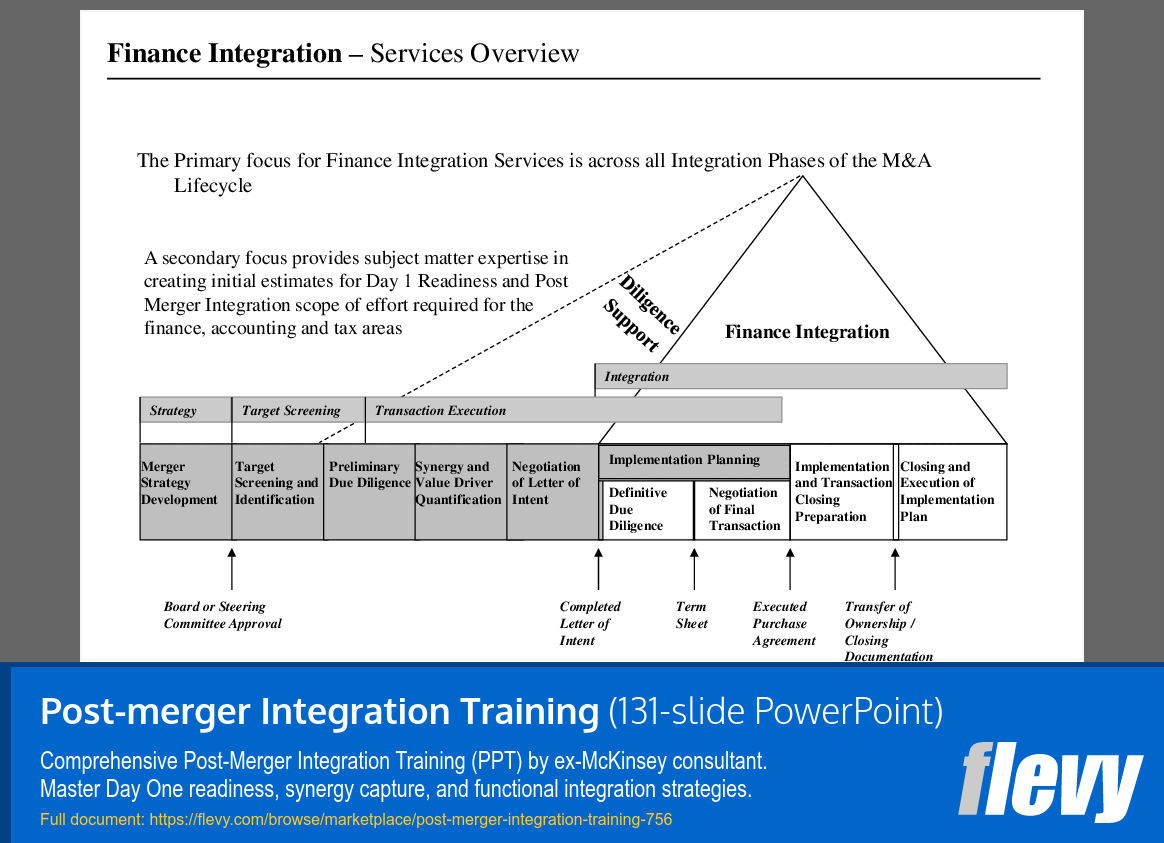
Comprehensive Overview of Finance Integration Services

Strategic Roll-Out Plan for Supply Chain Integration

Comprehensive HR Integration Process for Mergers

Comprehensive IT Integration Framework for M&A

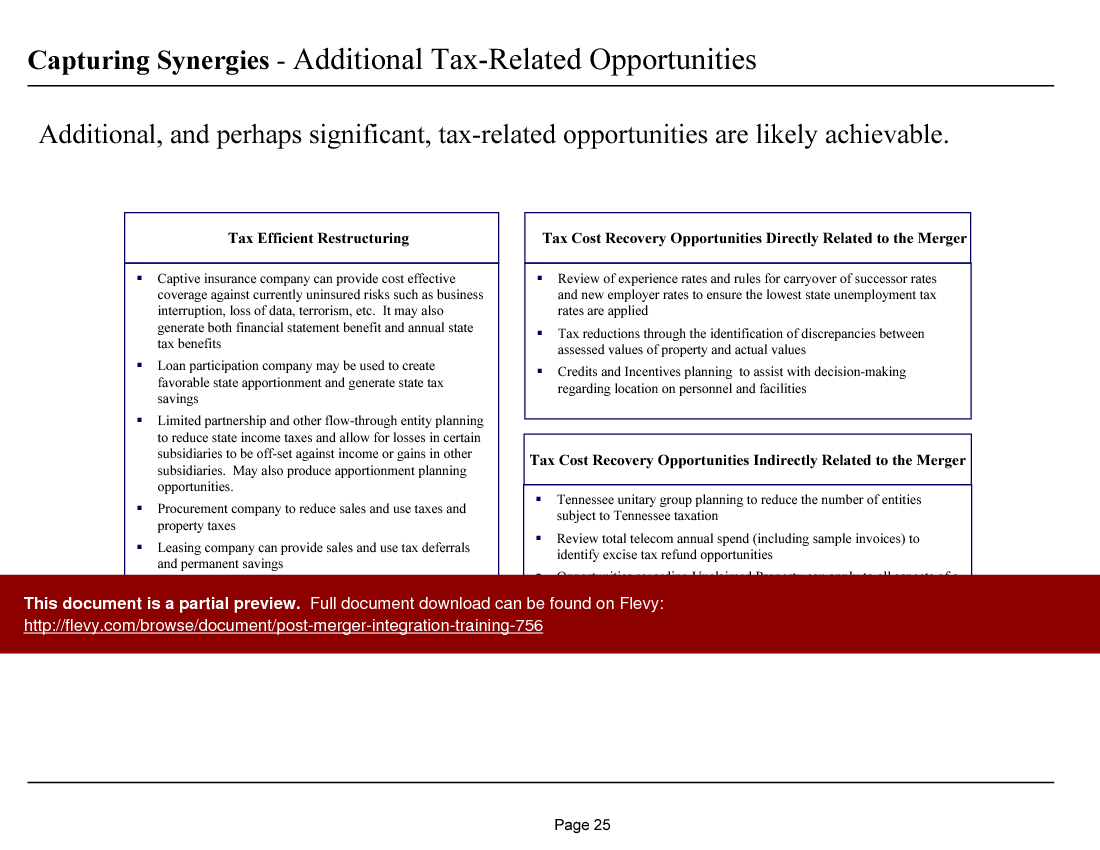
Strategies for Optimizing Tax-Related Savings

Strategic Framework for Facilities Cost Reduction

Assessment of IT Integration in M&A Landscape

Tailored Corporate Culture Assessment Methodology

Strategic Framework for Post-Merger Cost Savings

Enhancing XYZ's M&A IT Lifecycle Capabilities

Source: Best Practices in Post-merger Integration, Synergy PowerPoint Slides: Post-merger Integration Training PowerPoint (PPT) Presentation Slide Deck, Documents & Files


$159.99

Add to Cart
  

ABOUT THE AUTHOR

Additional documents from author: 130

Ask the Author a Question

You must be logged in to contact the author.

Click here to log in Click here register

Did you know?
The average daily rate of a McKinsey consultant is $6,625 (not including expenses). The average price of a Flevy document is $65.
Bundle and save! You can save up to % with bundles!

View bundle(s)


Trusted by over 10,000+ Client Organizations
Since 2012, we have provided best practices to over 10,000 businesses and organizations of all sizes, from startups and small businesses to the Fortune 100, in over 130 countries.
AT&T GE Cisco Intel IBM Coke Dell Toyota HP Nike Samsung Microsoft Astrazeneca JP Morgan KPMG Walgreens Walmart 3M Kaiser Oracle SAP Google E&Y Volvo Bosch Merck Fedex Shell Amgen Eli Lilly Roche AIG Abbott Amazon PwC T-Mobile Broadcom Bayer Pearson Titleist ConEd Pfizer NTT Data Schwab


Read Customer Testimonials

 
"Flevy.com has proven to be an invaluable resource library to our Independent Management Consultancy, supporting and enabling us to better serve our enterprise clients.

The value derived from our [FlevyPro] subscription in terms of the business it has helped to gain far exceeds the investment made, making a subscription a no-brainer for any growing consultancy – or in-house strategy team."

– Dean Carlton, Chief Transformation Officer, Global Village Transformations Pty Ltd.
 
"I have used Flevy services for a number of years and have never, ever been disappointed. As a matter of fact, David and his team continue, time after time, to impress me with their willingness to assist and in the real sense of the word. I have concluded in fact "

– Roberto Pelliccia, Senior Executive in International Hospitality
 
"I like your product. I'm frequently designing PowerPoint presentations for my company and your product has given me so many great ideas on the use of charts, layouts, tools, and frameworks. I really think the templates are a valuable asset to the job."

– Roberto Fuentes Martinez, Senior Executive Director at Technology Transformation Advisory
 
"[Flevy] produces some great work that has been/continues to be of immense help not only to myself, but as I seek to provide professional services to my clients, it gives me a large "tool box" of resources that are critical to provide them with the quality of service and outcomes they are expecting."

– Royston Knowles, Executive with 50+ Years of Board Level Experience
 
"As a young consulting firm, requests for input from clients vary and it's sometimes impossible to provide expert solutions across a broad spectrum of requirements. That was before I discovered Flevy.com.

Through subscription to this invaluable site of a plethora of topics that are key and crucial to consulting, I "

– Nishi Singh, Strategist and MD at NSP Consultants
 
"Flevy is now a part of my business routine. I visit Flevy at least 3 times each month.

Flevy has become my preferred learning source, because what it provides is practical, current, and useful in this era where the business world is being rewritten.

In today's environment where there are so "

– Omar Hernán Montes Parra, CEO at Quantum SFE
 
"As a consultant requiring up to date and professional material that will be of value and use to my clients, I find Flevy a very reliable resource.

The variety and quality of material available through Flevy offers a very useful and commanding source for information. Using Flevy saves me time, enhances my expertise and ends up being a good decision."

– Dennis Gershowitz, Principal at DG Associates
 
"As a niche strategic consulting firm, Flevy and FlevyPro frameworks and documents are an on-going reference to help us structure our findings and recommendations to our clients as well as improve their clarity, strength, and visual power. For us, it is an invaluable resource to increase our impact and value."

– David Coloma, Consulting Area Manager at Cynertia Consulting


Save with Bundles

This document is available as part of the following discounted bundle(s):

Save %!
Post-merger Integration Toolkit

This bundle contains 2 total documents. See all the documents to the right.

$199.99


Add Bundle & Save

Save %!
Mergers and Acquisitions Toolkit

This bundle contains 7 total documents. See all the documents to the right.

$399.99


Add Bundle & Save


Customers Also Bought These Documents


Customers Also Like These Documents

Explore Related Management Topics

PMI


Your Recently Viewed Documents
Receive our FREE presentation on Operational Excellence

This 50-slide presentation provides a high-level introduction to the 4 Building Blocks of Operational Excellence. Achieving OpEx requires the implementation of a Business Execution System that integrates these 4 building blocks.