 Click main image to view in full screen.
Brand Positioning Decision System – PowerPoint PPTX Template
PowerPoint (PPTX) + Zip archive file (ZIP) 23 Slides


BRAND STRATEGY PPT TEMPLATE DESCRIPTION
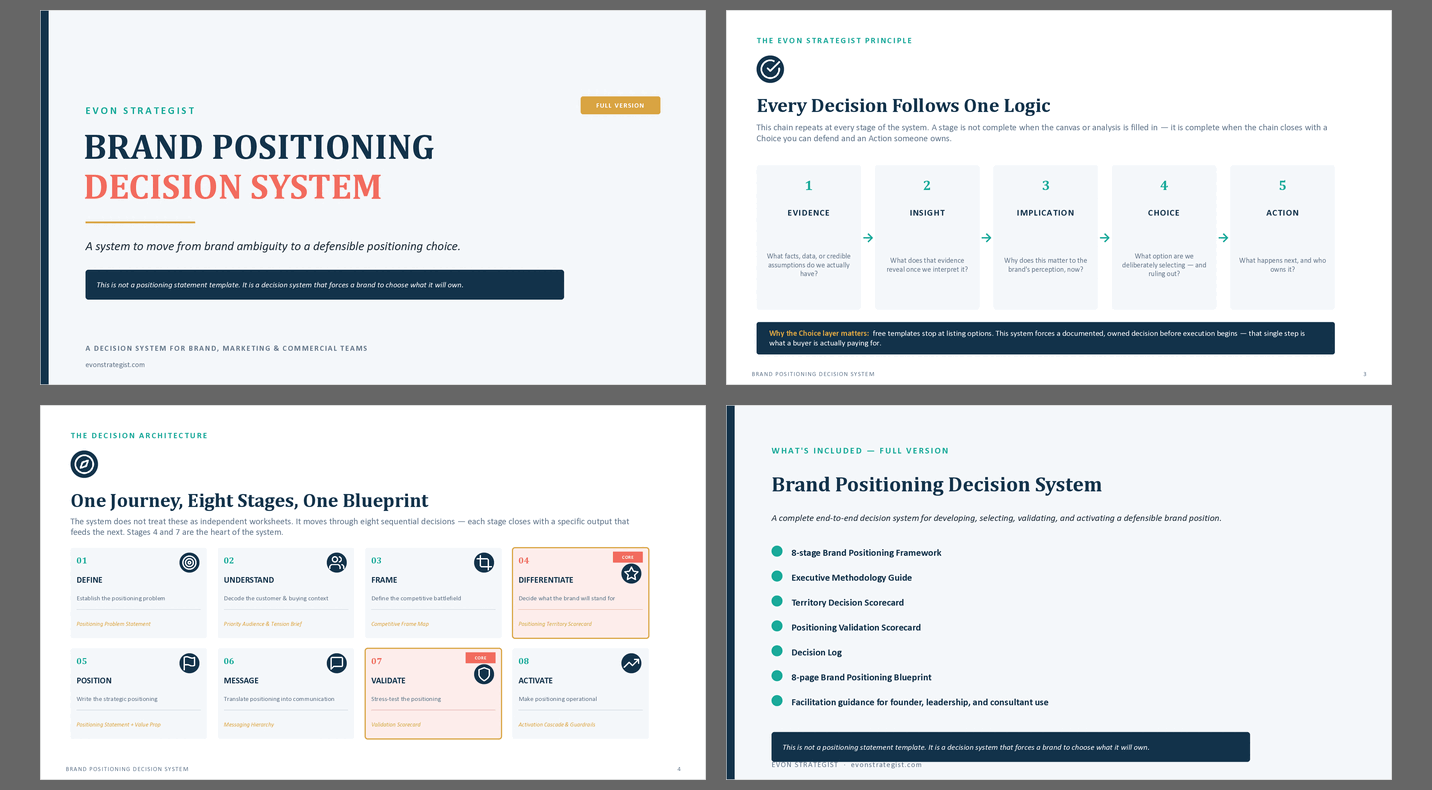
Most brand positioning work fails before it starts. Teams jump straight to writing a polished positioning statement without first making the hard strategic choices that should produce it. The result is a fill-in-the-blank sentence that looks finished but decides nothing – and collapses the moment it meets real competitive pressure or internal scrutiny.
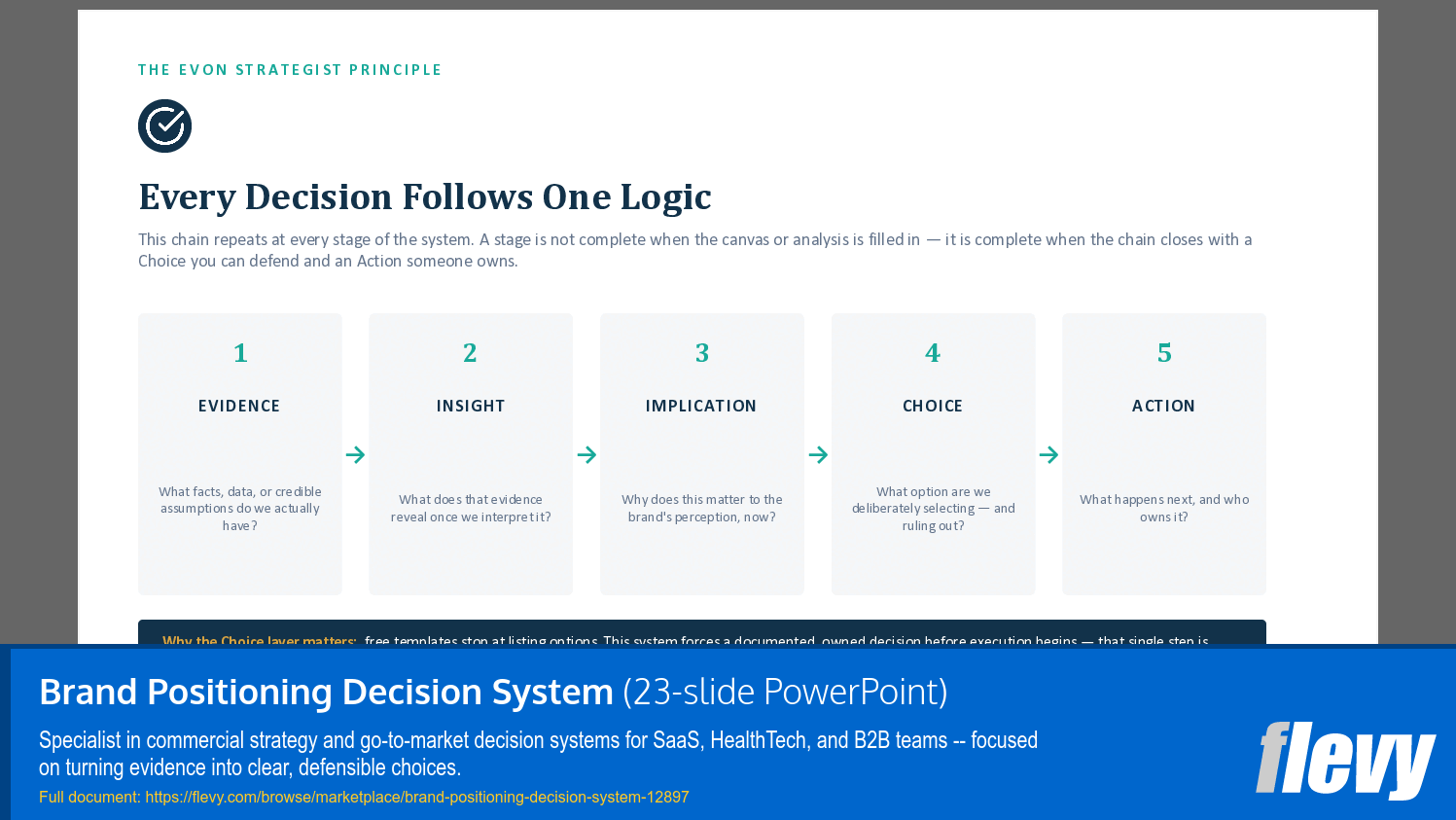
This is not another brand positioning template. It is a complete 8-stage Brand Positioning Decision System that forces a brand to choose what it will own. Every stage ends in a clear Decision Gate. Two stages are non-negotiable hard gates. The system produces a scored choice between real alternatives, a documented record of why the other options lost, and a pass/fail validation before anything ships.
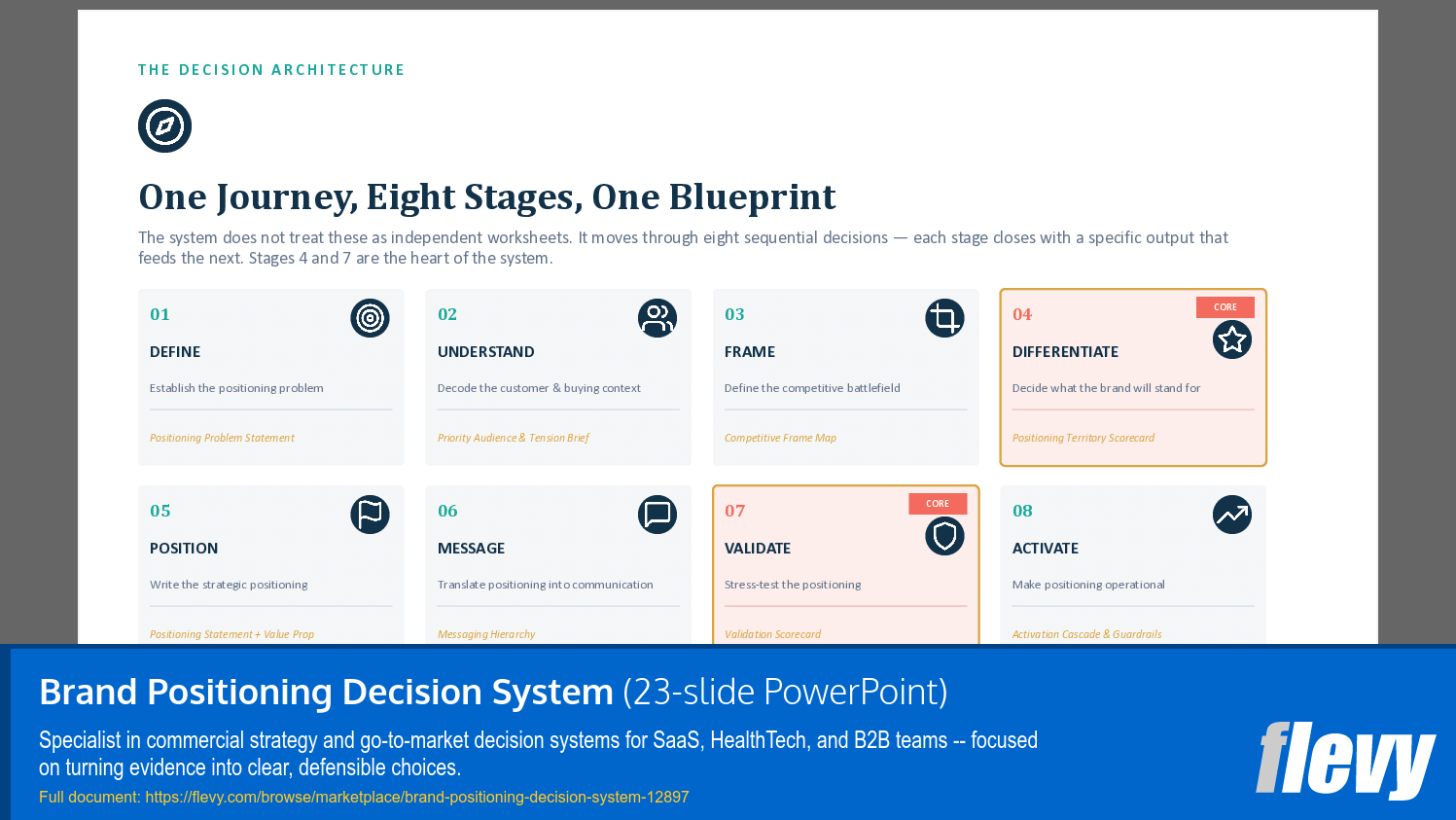
The Decision Architecture
The system moves through eight sequential stages:
DEFINE – Establish the positioning problem and perception gap
UNDERSTAND – Decode the priority audience and the one customer tension worth owning
FRAME – Choose the competitive frame of reference and map points of parity vs. points of difference
DIFFERENTIATE (Core Decision Stage) – Score 2–4 candidate positioning territories on Relevance, Distinctiveness, Credibility, and Defensibility using a weighted Territory Scorecard. Eligibility gates and decision-sensitivity flags ensure the score informs the choice – it does not make it
POSITION – Construct the Positioning Statement, Value Proposition, Brand Promise, and Strategic Essence only after upstream decisions are locked
MESSAGE – Build the messaging hierarchy, pillars, proof architecture, and audience adaptations
VALIDATE (Core Decision Stage) – Run 7 Hard Gates and 5 Quality Tests on the Positioning Validation Scorecard. A single Hard Gate failure blocks locking
ACTIVATE – Translate the position into Do/Don't guardrails, channel adaptation, sales narrative, and governance
The flagship output is the Brand Positioning Blueprint – an 8-page executive document designed to hand to leadership, marketing, sales, agencies, and creative teams without a re-briefing call.
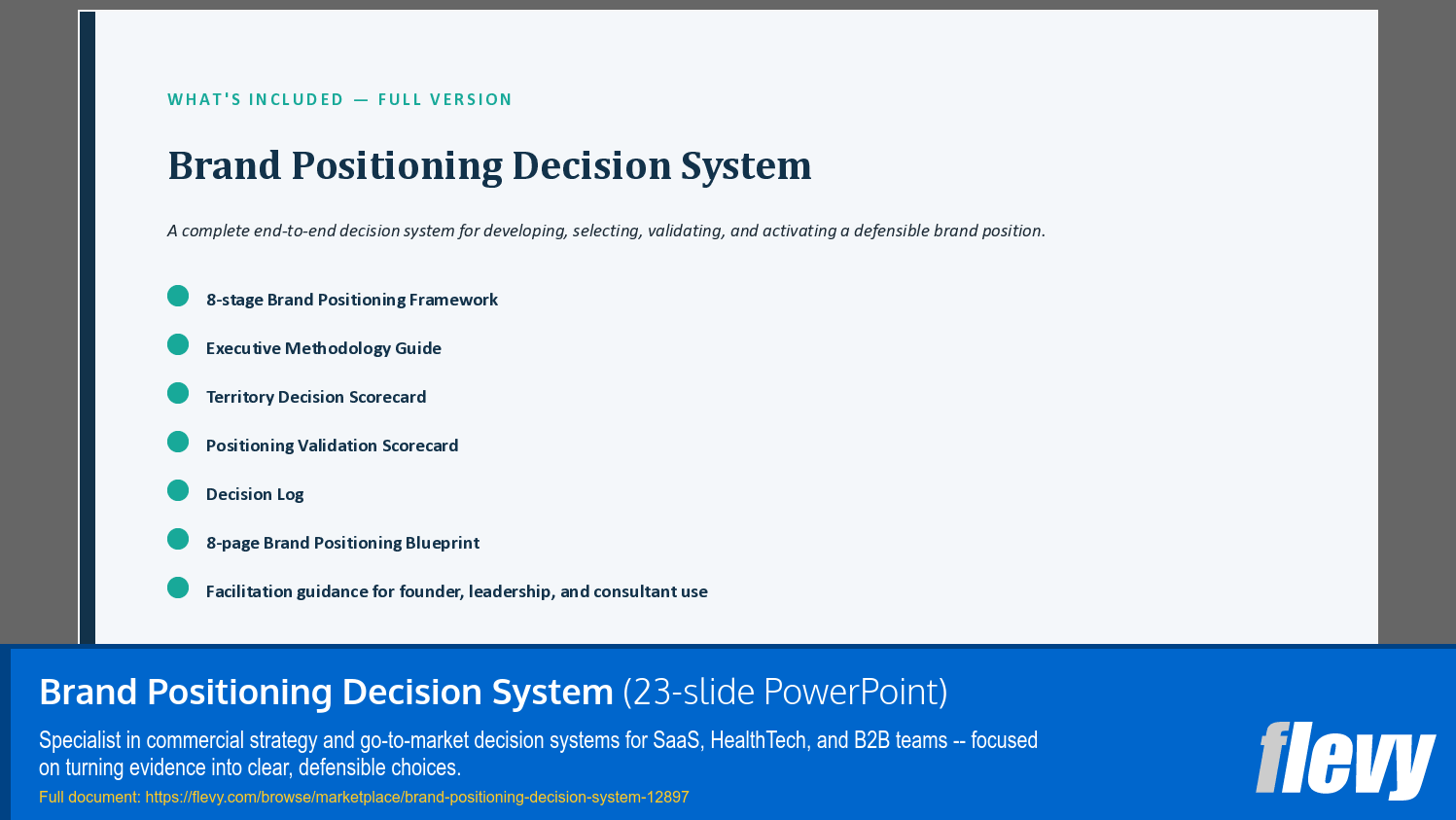
What's Included
• Full PowerPoint Framework Deck (architecture, stage guidance, and blank Blueprint shells)
• Excel Decision Workbook containing the Territory Scorecard (Stage 4), Validation Scorecard (Stage 7), and central Decision Log
• Word Executive Methodology Guide with facilitation guidance, good-vs-common-mistake examples, Decision Gates, and three ways to run the system (Founder Sprint, Leadership Workshop, Consultant Engagement)
Who This Is For
• Independent strategy consultants and boutique firms who need a reusable, client-ready positioning process
• Fractional CMOs and brand strategists
• In-house brand and marketing leadership teams at growth-stage companies
• Founders of B2B SaaS and professional services businesses who have outgrown generic templates and need a defensible position they can actually own
Why It Works
Most positioning frameworks help teams write a statement. This system helps them decide what the brand should own before writing one. It replaces opinion with scored alternatives, documents trade-offs, and installs hard validation gates so a weak position is caught before it ships.
The result is a competitive positioning, value proposition, and messaging architecture that leadership can defend – not just repeat.
Ideal for brand strategy development, competitive positioning work, messaging hierarchy design, repositioning projects, and any engagement that requires a clear, evidence-based answer to the question: What one differentiated value will this brand own?
Got a question about the product? Email us at support@flevy.com or ask the author directly by using the "Ask the Author a Question" form. If you cannot view the preview above this document description, go here to view the large preview instead.
Source: Best Practices in Brand Strategy, Positioning PowerPoint Slides: Brand Positioning Decision System PowerPoint (PPTX) Presentation Slide Deck, Evon Strategist
ABOUT THE AUTHOR

Evon Strategist - builds practical decision systems for Saas, HealthTech, and B2B commercial teams.
I help founders, marketers, and consultants cut through complexity on go-to-market, positioning, launching and competitive choices - turning evidence into clear, defensible recommendations they can actually execute.
Ask the Author a Question
You must be logged in to contact the author.




























