
This framework is developed by a team of former McKinsey and Big 4 consultants. The presentation follows the headline-body-bumper slide format used by global consulting firms.
Explore a comprehensive PMI Target Operating Model framework developed by ex-McKinsey and Big 4 consultants. Optimize post-merger operations and achieve synergies. PMI: Target Operating Model is a 38-slide PPT PowerPoint presentation slide deck (PPTX) available for immediate download upon purchase.
Post-Merger Integration (PMI) Target Operating Model (TOM) development captures the methodology of architecting the future state of an organization's operations following a merger or acquisition. It encompasses the alignment of Processes, Systems/Technologies, Organizational Structures, and Culture to realize the transaction's value.
PMI TOM is crucial for ensuring a smooth transition and achieving the strategic goals of a merger or acquisition. It helps minimize risks, reduce costs, and ensure that the combined entity can operate effectively. Benefits include streamlined operations, optimized performance, and the realization of synergies that can drive Growth and Profitability. A well-executed PMI TOM serves as a catalyst for Transformation, enabling the newly formed entity to leverage best practices and innovative solutions.
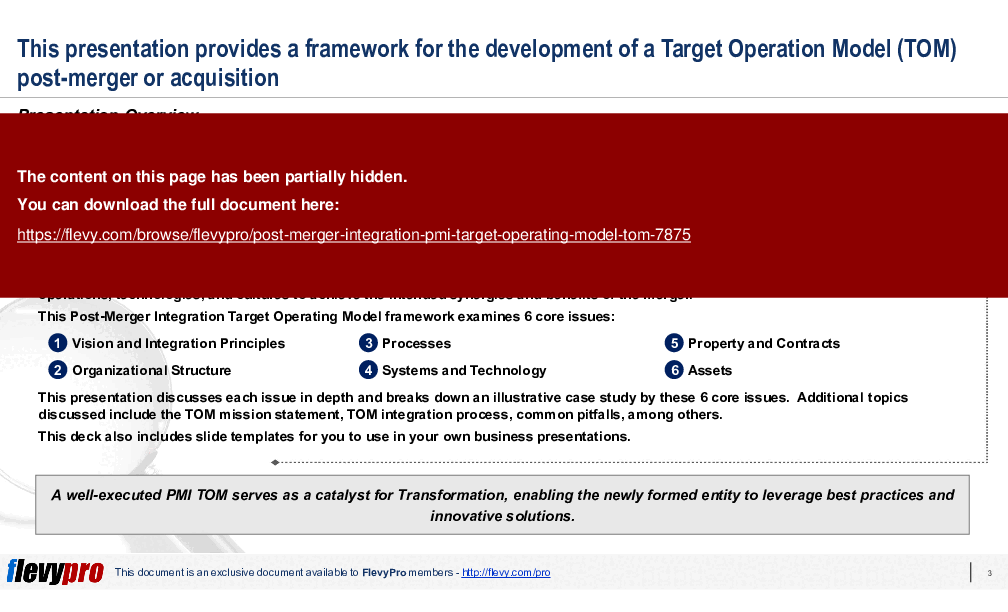
This PowerPoint presentation provides a framework to evaluate the intricacies of PMI and the strategic development of a TOM, a blueprint for how an organization will operate after a merger or acquisition. It is designed to guide executives through the complexities of merging operations, technologies, and cultures to achieve the intended synergies and benefits of the merger.
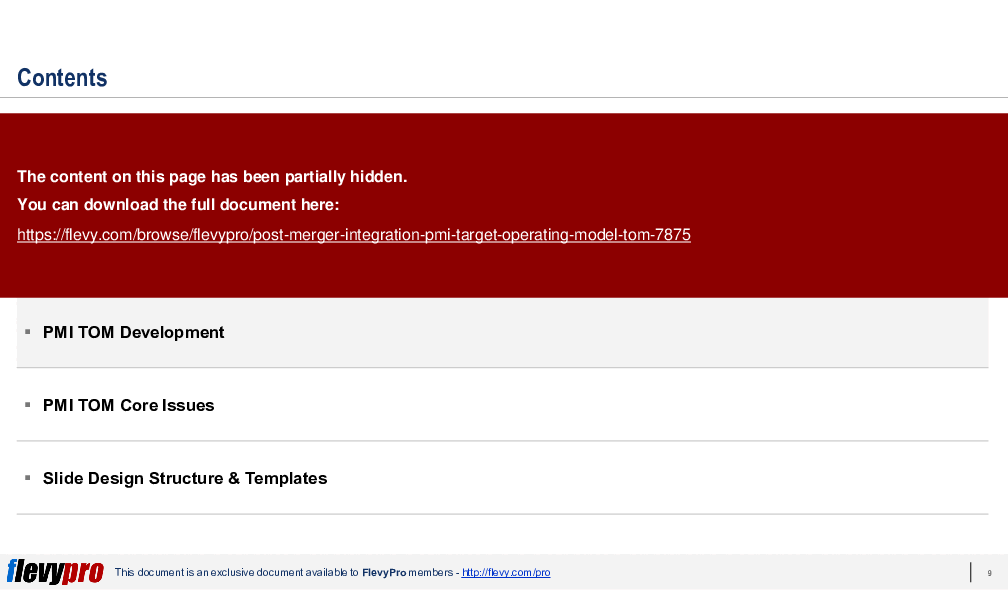
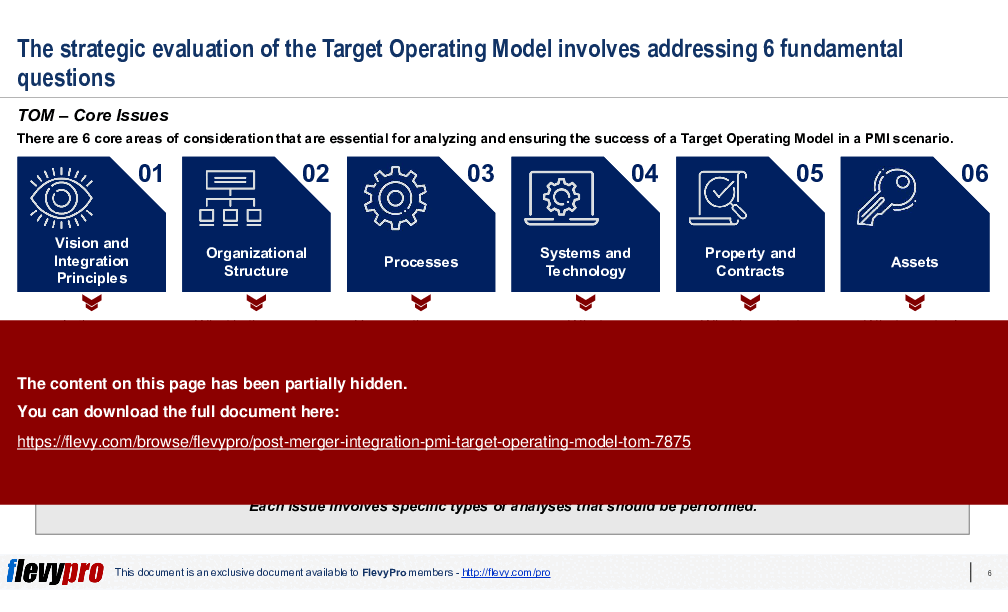
This Post-Merger Integration Target Operating Model framework examines 6 core issues:
1. Vision and Integration Principles
2. Organizational Structure
3. Processes
4. Systems and Technology
5. Property and Contracts
6. Assets
This PowerPoint presentation on PMI Target Operation Model development discusses each issue in depth and breaks down an illustrative case study by these 6 core issues. Additional topics discussed include the TOM mission statement, TOM integration process, common pitfalls, among others.
This deck also includes slide templates for you to use in your own business presentations.
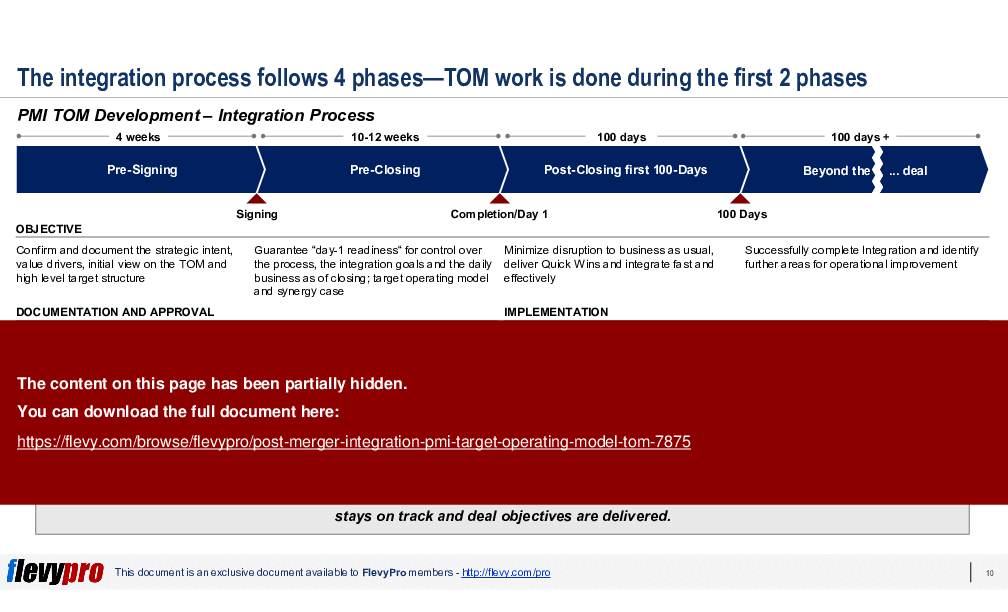
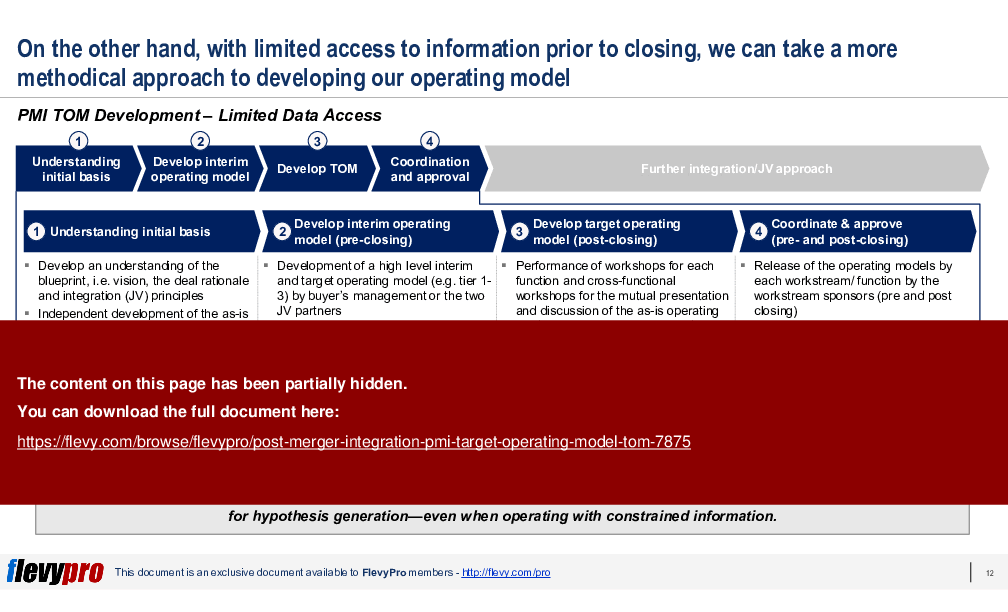
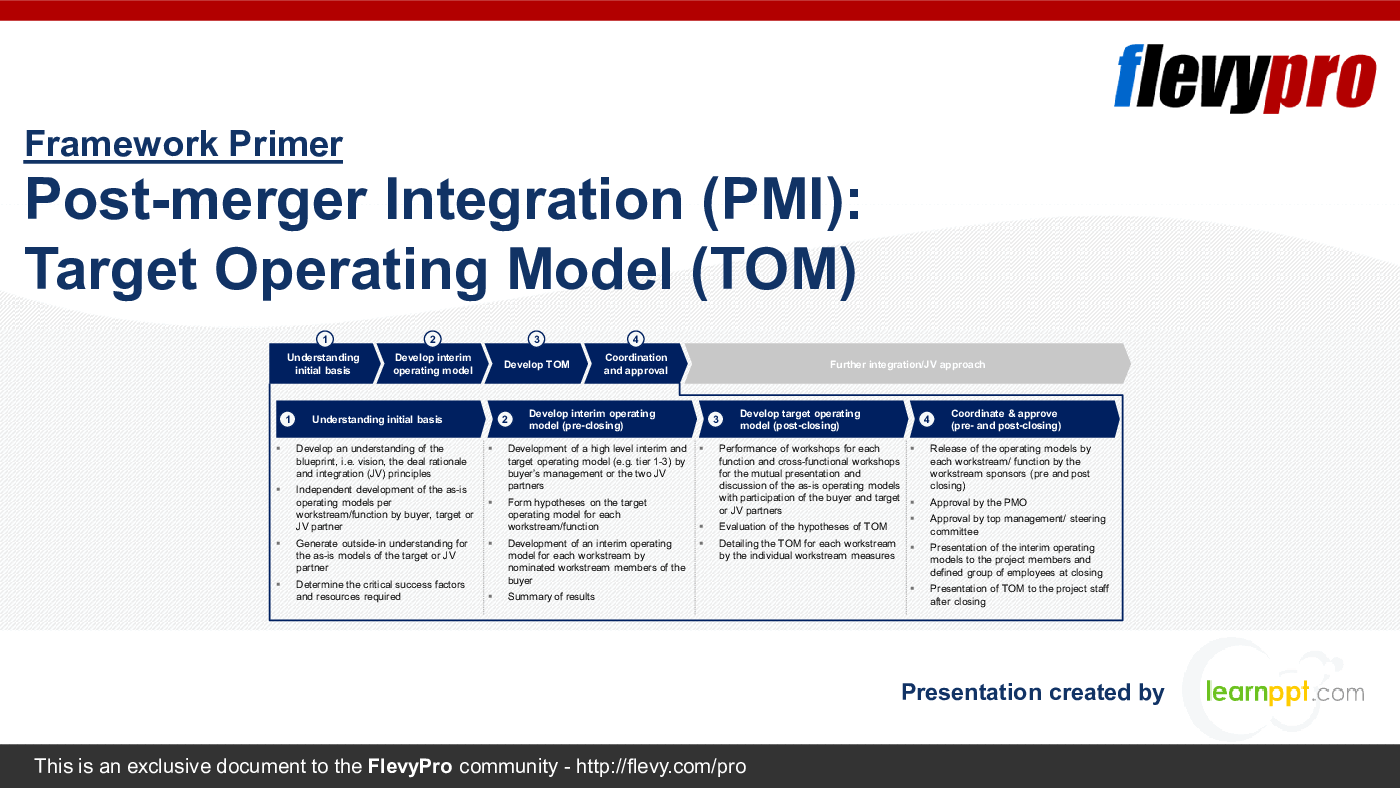
This presentation also covers the integration process in four distinct phases, ensuring readiness and minimizing disruption. Regular alignment workshops and iterative reviews with stakeholders provide the flexibility to refine the operating model in response to changing business conditions.
This PPT slide presents a comparative analysis of financial controlling processes in Company A and Company B, alongside a proposed integrated operating model for the merged entity (Company A+B). Company A employs a product-oriented approach with annual planning and sales focus, while Company B adopts a region-oriented model with customer-level steering. Both companies utilize project review mechanisms,, but Company A has a more defined project evaluation guideline. The interim operating model aims to facilitate customer-level steering for Company B while maintaining annual planning. The target operating model integrates both companies' strengths, focusing on products, customers, and regions, proposing a 12-month outlook process, and ensuring consistent planning data and incentives across the organization. Compliance with existing management concepts from Company A and independent product sales from various locations are also emphasized.
This PPT slide outlines key organizational structure considerations during a merger, focusing on the legal and operational frameworks of the acquiring and target entities. Critical analyses include evaluating legal structure compatibility, operational synergies, and human resources alignment. Legal structure analysis examines subsidiary relationships and equity stakes, while operational synergy ensures efficient collaboration between entities. Human resources alignment is essential for smooth talent management transitions. The balance between centralization and decentralization is discussed to optimize shared services post-merger. Key challenges include cultural integration, sensitive staff reallocation, and maintaining uninterrupted daily operations during the transition, all crucial for overall performance.
This PPT slide outlines a proposed organizational structure for post-merger integration, emphasizing clear leadership roles and regional accountability. The President of the new company, "President NewCo," holds worldwide profit and loss (P&L) responsibility, indicating a centralized leadership approach. Below the President, Regional Presidents oversee the Americas, EMEA, China, and Asia Pacific, allowing for localized management and tailored strategies. Each Regional President manages General Managers across various locations, decentralizing operations while maintaining oversight. Key roles include Vice Presidents for OEM, Commercial IT & Services, Product Management & Marketing, Quality Management, Engineering, and Finance & Administration, indicating a matrix organization that balances functional expertise with regional oversight. The Product Resource Manager (PRM) has product-related P&L responsibility, highlighting a dual focus on product performance and regional market success. This structure facilitates effective decision-making and operational efficiency for the newly merged entity.
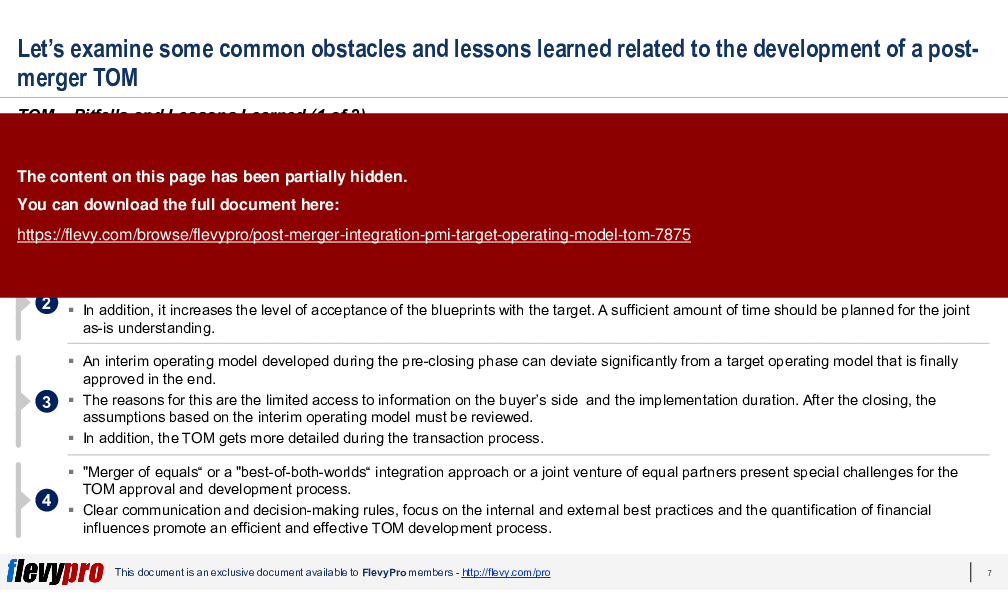
This PPT slide outlines a structured approach to post-merger integration between Company A, a leader in diagnostic equipment, and Company B, specializing in diagnostic products, within the automotive diagnostic sector. The integration strategy focuses on the first 100 days post-merger, segmented into key phases: Start, Joint Kick-off, Pre-Closing Planning, Completion/Day 1, Midterm Review, and Post-Closing Planning, leading to the implementation of the Target Operating Model (TOM). The Day-1/Interim Operating Model prioritizes 3 objectives: securing the business, harvesting synergies, and designing the future, linked to financial metrics like EBITDA and synergy targets. Integration principles vital for the TOM will guide the process, aligning with overall business goals. The future state envisions a dominant player in the automotive diagnostic market with a harmonized product portfolio and optimized technology platforms.
This PPT slide outlines foundational principles for post-merger integration, focusing on aligning vision and strategic intent with organizational goals. It poses critical questions about understanding the rationale behind the merger and identifying success factors for effective integration. The slide is structured into 4 sections: Core Analyses, Key Considerations, Key Challenges, and overarching issues. Core Analyses emphasize reviewing integration blueprints and determining essential resources. Key Considerations highlight alignment with long-term goals, stakeholder consensus, and resource allocation. Key Challenges include communicating the vision across diverse corporate cultures and managing stakeholder expectations while maintaining operational efficiency. The complexity of integration, especially with varied systems and regulatory environments, presents significant obstacles.
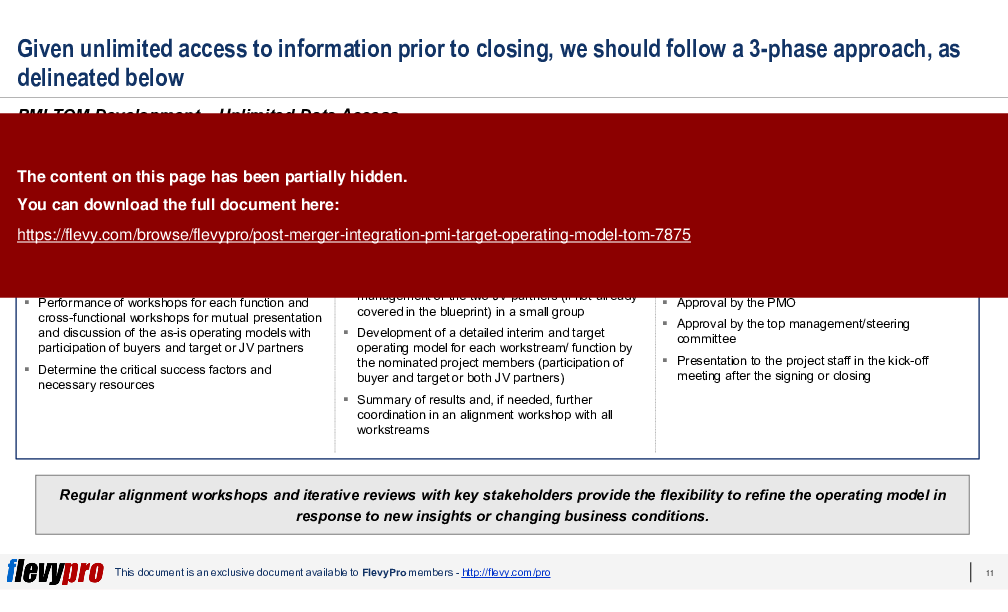
This PPT slide outlines a three-phase approach for developing a Target Operating Model (TOM) during post-merger integration (PMI). The first phase, "Understanding initial basis," establishes the integration blueprint, including the vision and rationale, through workshops with buyers and joint venture partners to identify critical success factors and resources. The second phase, "Develop interim and target operating model," creates a high-level interim model reflecting the buyer's management perspective and detailed models for each workstream, ensuring active participation from project members. The final phase, "Coordination and approval," focuses on obtaining necessary approvals from workstream sponsors and the project management office (PMO), including top management or steering committee approval and a presentation during the kick-off meeting post-closing. This structured approach ensures alignment among stakeholders and a robust operating model.
This PPT slide outlines 6 essential areas for evaluating a Target Operating Model (TOM) in post-merger integration (PMI):
1. Vision and Integration Principles: Understand the merger's overarching vision and integration principles to identify key success factors.
2. Organizational Structure: Assess current and target organizational frameworks to align with merger goals and optimize performance.
3. Processes: Evaluate core processes to ensure efficiency and effectiveness in the new entity.
4. Systems and Technology: Analyze current technologies and anticipate future needs for successful integration.
5. Property and Contracts: Examine existing property rights and contractual obligations to support the new organization.
6. Assets: Identify necessary current and future asset requirements for operational success.
Thorough analysis of these areas is critical for effective integration and successful merger outcomes.
This PPT slide analyzes property rights and contracts in a post-merger integration context. Company A has approximately 1,500 non-production and 40 production contracts, while Company B holds around 1,000 non-production and 100 production contracts, all supervised by the Purchasing function. The interim operating model addresses contract overlaps, with critical contracts being novated to a new legal entity for joint venture operations. A phased approach is employed for amending non-critical contracts. The target operating model aims to align the contracts base with best practices, emphasizing the renegotiation of supply terms and effective communication with suppliers. This structured strategy ensures purchasing contracts are aligned with the new legal entity and establishes new terms as necessary.
Source: Best Practices in Operating Model, Post-merger Integration PowerPoint Slides: Post-merger Integration (PMI): Target Operating Model (TOM) PowerPoint (PPTX) Presentation Slide Deck, LearnPPT Consulting
This framework is developed by a team of former McKinsey and Big 4 consultants. The presentation follows the headline-body-bumper slide format used by global consulting firms.
For $10.00 more, you can download this document plus 2 more FlevyPro documents. That's just $13 each.
ABOUT FLEVYPRO
This document is part of the FlevyPro Library, a curated knowledge base of documents for our FlevyPro subscribers.

FlevyPro is a subscription service for on-demand business frameworks and analysis tools. FlevyPro subscribers receive access to an exclusive library of curated business documents—business framework primers, presentation templates, Lean Six Sigma tools, and more—among other exclusive benefits.
The average daily rate of a McKinsey consultant is $6,625 (not including expenses). The average price of a Flevy document is $65.
Trusted by over 10,000+ Client Organizations
Since 2012, we have provided business templates to over 10,000 businesses and organizations of all sizes, from startups and small businesses to the Fortune 100, in over 130 countries.
"[Flevy] produces some great work that has been/continues to be of immense help not only to myself, but as I seek to provide professional services to my clients, it gives me a large "tool box" of resources that are critical to provide them with the quality of service and outcomes they are expecting."
– Royston Knowles, Executive with 50+ Years of Board Level Experience
"As a consulting firm, we had been creating subject matter training materials for our people and found the excellent materials on Flevy, which saved us 100's of hours of re-creating what already exists on the Flevy materials we purchased."
– Michael Evans, Managing Director at Newport LLC
"As a consultant requiring up to date and professional material that will be of value and use to my clients, I find Flevy a very reliable resource.
The variety and quality of material available through Flevy offers a very useful and commanding source for information. Using Flevy saves me time, enhances my expertise and ends up being a good decision."
– Dennis Gershowitz, Principal at DG Associates
"As a young consulting firm, requests for input from clients vary and it's sometimes impossible to provide expert solutions across a broad spectrum of requirements. That was before I discovered Flevy.com.
Through subscription to this invaluable site of a plethora of topics that are key and crucial to consulting, I
have been able to exceed expectations and deliver quality advice and solutions to my clients. The quality and expertise of the authors are exemplary and gives me great confidence to use as part of my service offerings.
I highly recommend this company for any consultant wanting to apply international best practice standards in their service offerings.
"
– Nishi Singh, Strategist and MD at NSP Consultants
"The wide selection of frameworks is very useful to me as an independent consultant. In fact, it rivals what I had at my disposal at Big 4 Consulting firms in terms of efficacy and organization."
– Julia T., Consulting Firm Owner (Former Manager at Deloitte and Capgemini)
"As a niche strategic consulting firm, Flevy and FlevyPro frameworks and documents are an on-going reference to help us structure our findings and recommendations to our clients as well as improve their clarity, strength, and visual power. For us, it is an invaluable resource to increase our impact and value."
– David Coloma, Consulting Area Manager at Cynertia Consulting
"One of the great discoveries that I have made for my business is the Flevy library of training materials.
As a Lean Transformation Expert, I am always making presentations to clients on a variety of topics: Training, Transformation, Total Productive Maintenance, Culture, Coaching, Tools, Leadership Behavior, etc. Flevy
It is well worth the money to purchase these presentations. Sure, I have the knowledge and information to make my point. It is another thing to create a presentation that captures what I want to say. Flevy has saved me countless hours of preparation time that is much better spent with implementation that will actually save money for my clients.
"
– Ed Kemmerling, Senior Lean Transformation Expert at PMG
"FlevyPro has been a brilliant resource for me, as an independent growth consultant, to access a vast knowledge bank of presentations to support my work with clients. In terms of RoI, the value I received from the very first presentation I downloaded paid for my subscription many times over! The
quality of the decks available allows me to punch way above my weight – it's like having the resources of a Big 4 consultancy at your fingertips at a microscopic fraction of the overhead.
Receive our FREE presentation on Operational Excellence
This 50-slide presentation provides a high-level introduction to the 4 Building Blocks of Operational Excellence. Achieving OpEx requires the implementation of a Business Execution System that integrates these 4 building blocks.