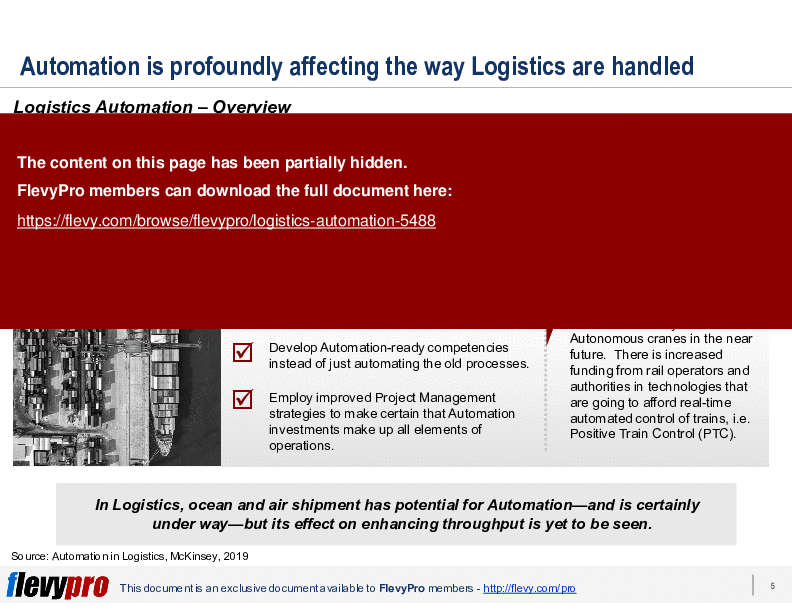
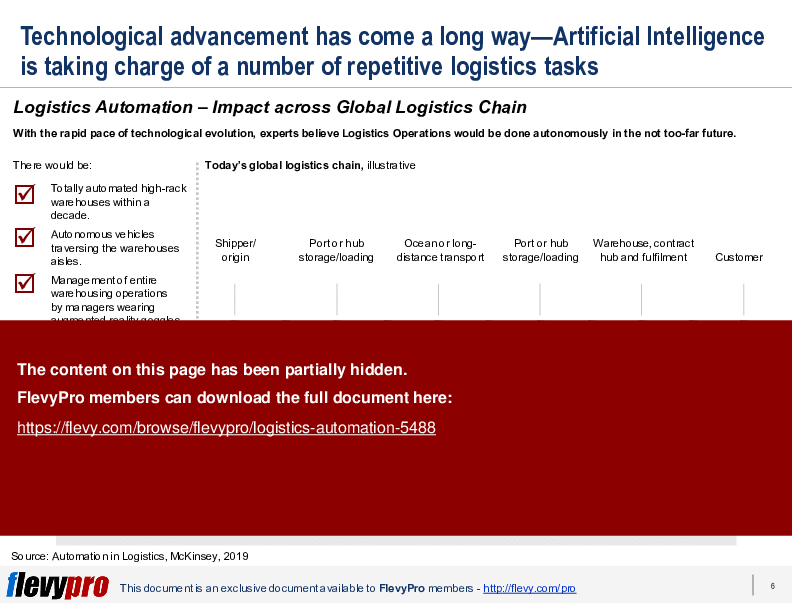

Automation is disrupting the entire Logistics Supply Chain, not just the warehousing, picking, and sorting functions. The impact of Automation on roads, rails, and ports is immense. Automation is assisting in reducing operating expenses of ports by 15 to 35%, yet output is diminishing by 7 to 15%.
To enhance throughput, organizations should develop Automation-ready competencies instead of just automating the old processes and employ improved project management strategies to make certain that Automation investments make up all elements of operations.
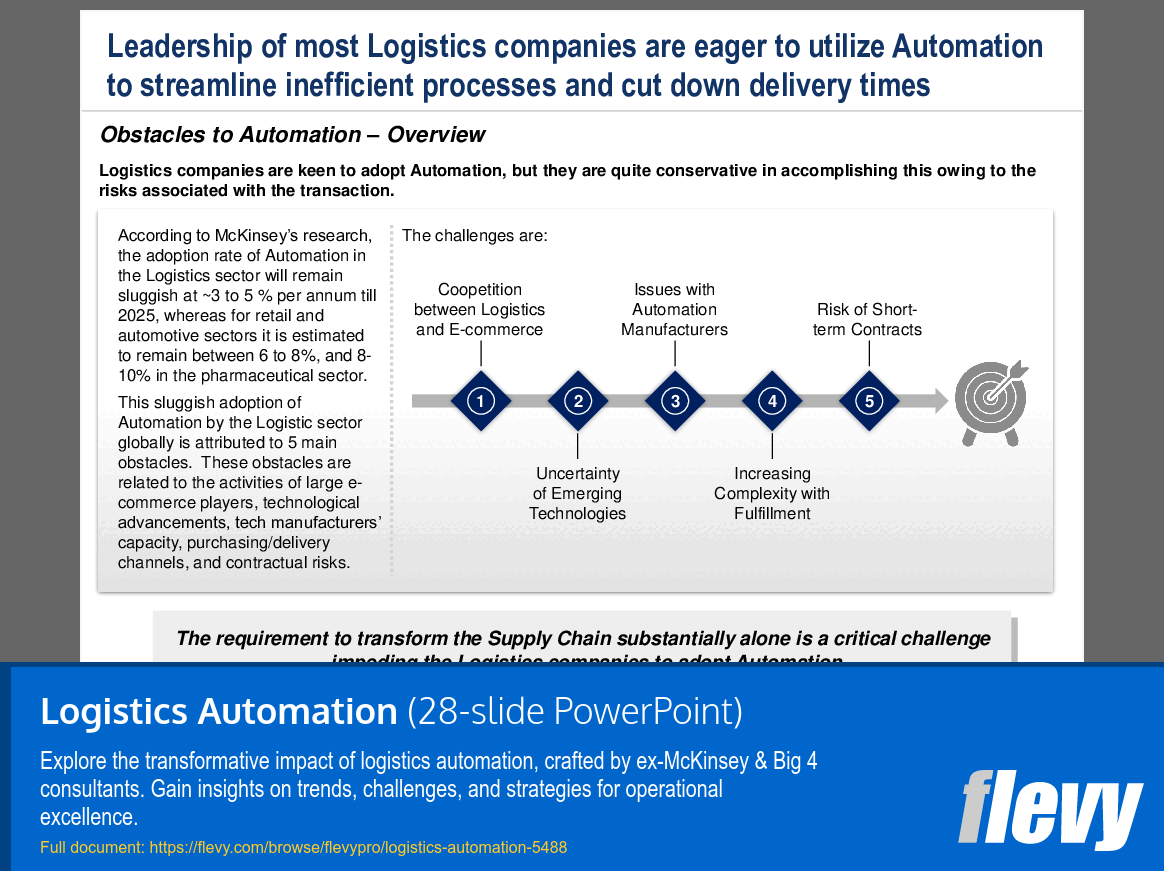
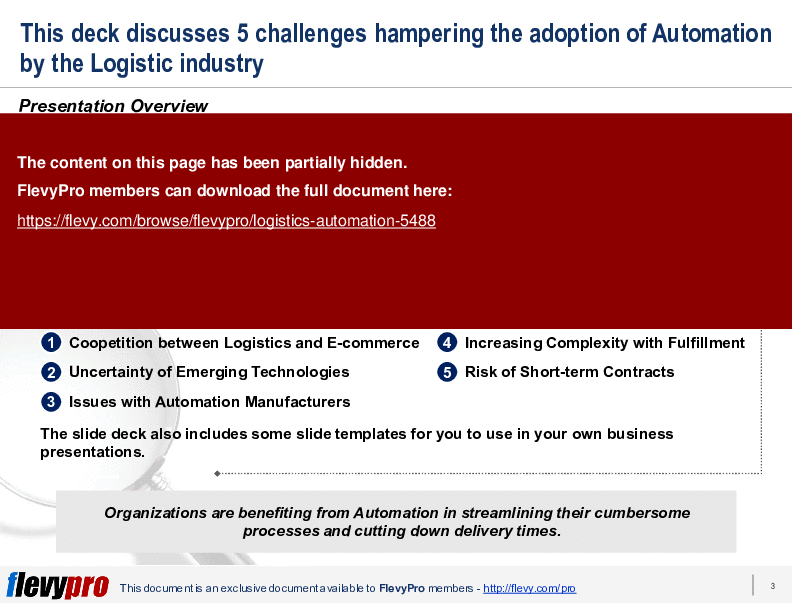
This deck discusses 3 key trends driving Automation in Logistics, as well as 5 key challenges hindering the adoption of Automation in Logistics. Additional topics discussed include the impact of Automation across the Global Logistics Chain, Automation Technologies, the Technology Development Lifecycle, E-commerce, among other topics.
The slide deck also includes some slide templates for you to use in your own business presentations.
This presentation delves into the profound impact of Automation on the logistics sector, emphasizing the necessity for businesses to adapt to the evolving technological landscape. It highlights the importance of developing Automation-ready competencies and employing advanced project management strategies to ensure that investments cover all operational aspects. The PPT provides a comprehensive overview of how Automation is reshaping logistics, from warehousing to transportation.
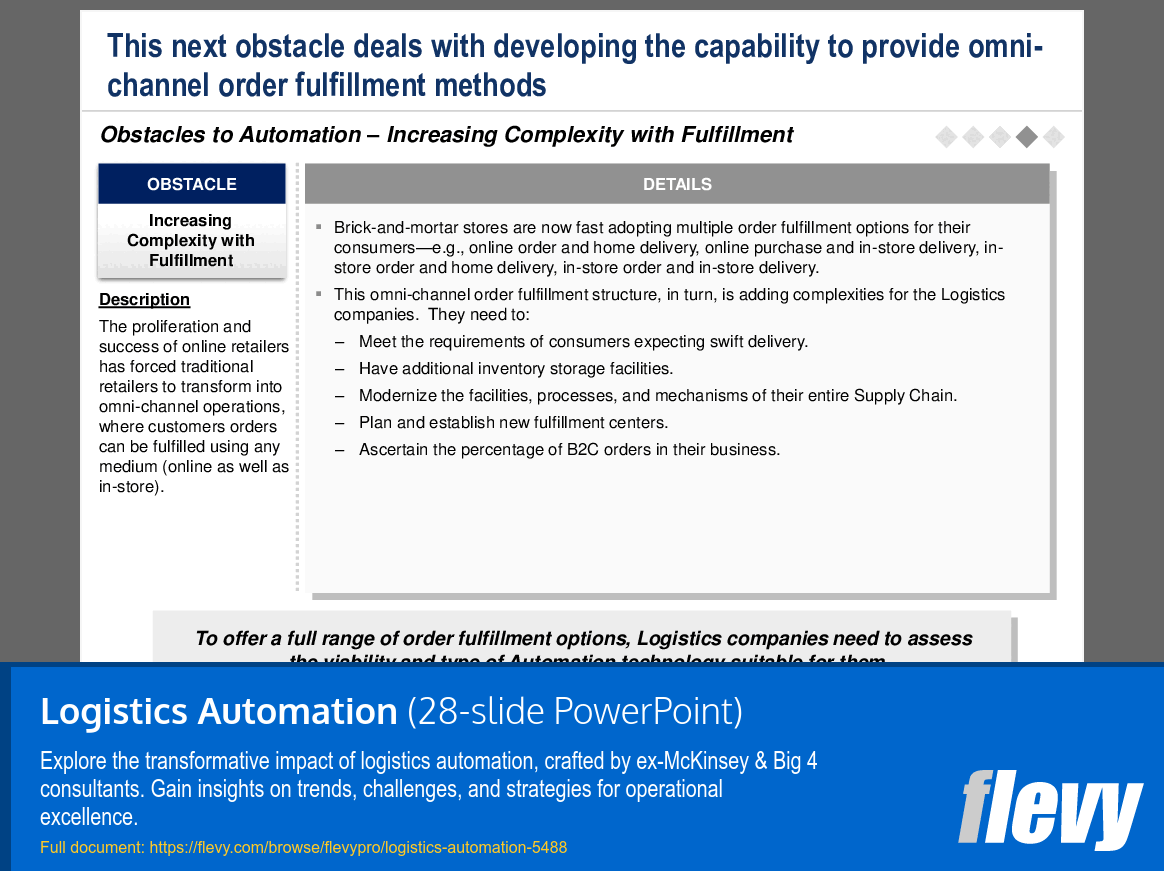
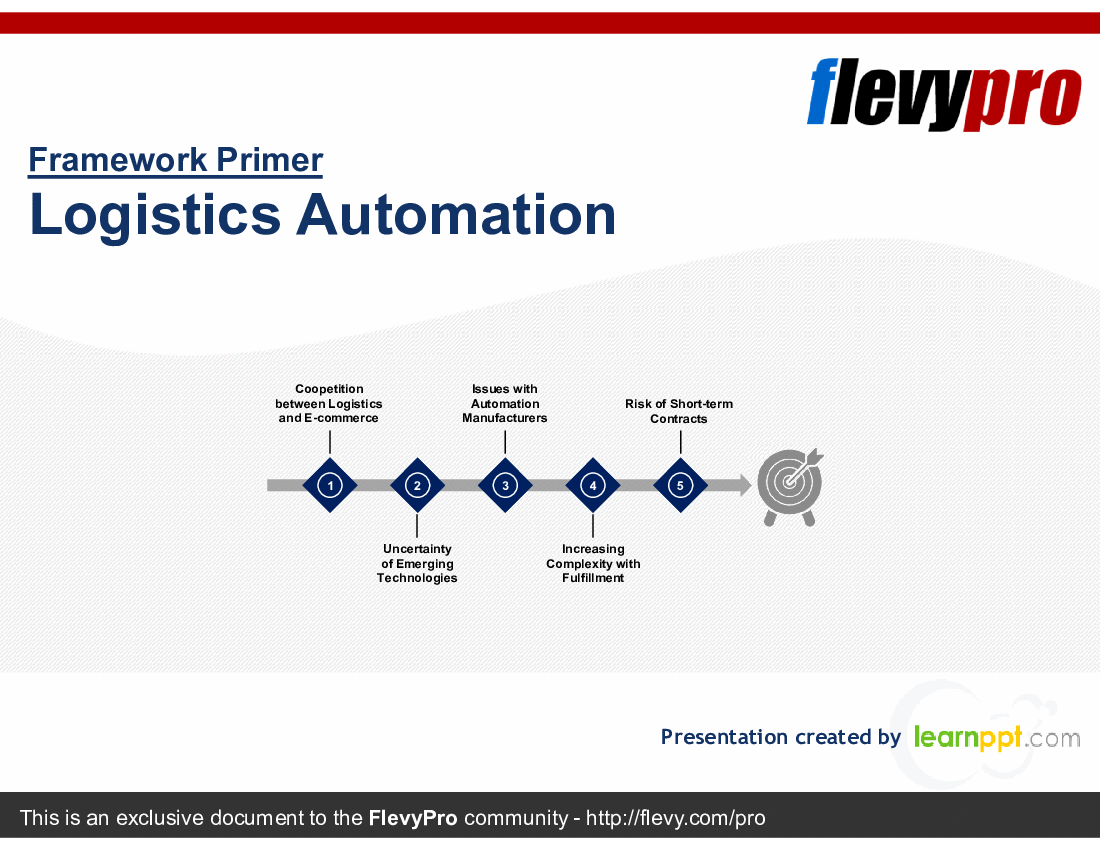
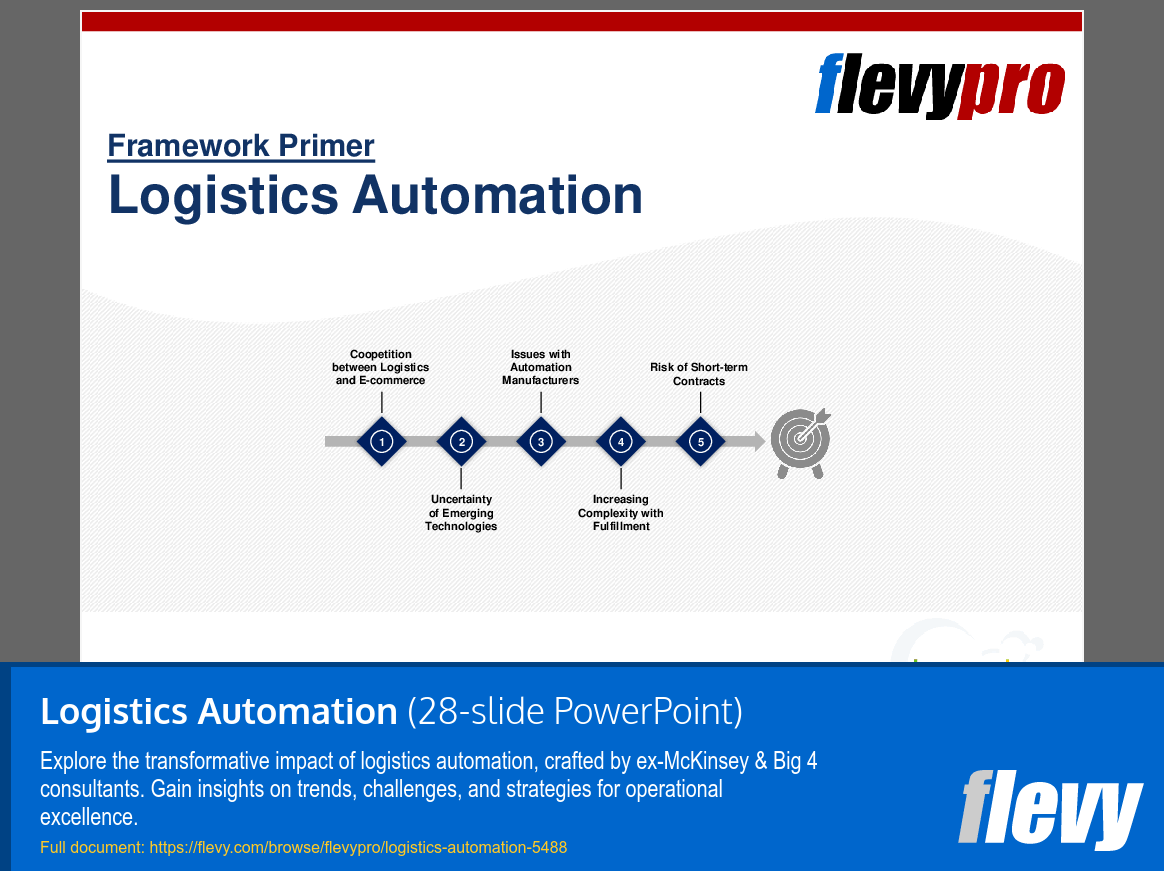
The deck also explores the challenges faced by the logistics industry in adopting Automation, such as the uncertainty of emerging technologies and the increasing complexity of fulfillment processes. It discusses the dynamics between logistics companies and e-commerce giants, the issues with Automation manufacturers, and the risks associated with short-term contracts. These insights are crucial for organizations looking to navigate the complexities of Automation and stay competitive in a rapidly changing market.
Included in the presentation are templates that can be utilized for internal business presentations, providing a practical tool for executives to communicate strategies and plans effectively. The document is a valuable resource for C-level executives seeking to streamline operations, reduce costs, and enhance throughput through the strategic implementation of Automation technologies.
Got a question about this document? Email us at flevypro@flevy.com.
Executive Summary
The Logistics Automation presentation provides a comprehensive overview of the transformative impact of automation within the logistics sector. Developed by former consultants from McKinsey and Big 4 firms, this deck highlights key trends, challenges, and strategic approaches necessary for achieving operational excellence. It emphasizes the importance of developing automation-ready competencies and employing effective project management strategies to maximize the benefits of automation investments. The presentation also outlines 5 critical challenges hindering the adoption of automation in logistics, including coopetition with e-commerce, uncertainty surrounding emerging technologies, and the complexities of fulfillment.
Who This Is For and When to Use
• Logistics executives and managers seeking to understand automation trends and strategies
• Supply chain leaders looking to enhance operational efficiency through automation
• Consultants advising logistics companies on technology adoption and process improvement
• Project managers responsible for implementing automation initiatives in logistics operations
Best-fit moments to use this deck:
• During strategic planning sessions focused on technology investments in logistics
• When assessing the readiness of logistics operations for automation
• In workshops aimed at identifying and overcoming barriers to automation adoption
Learning Objectives
• Define the role of automation in transforming logistics operations
• Identify key trends driving the adoption of automation in logistics
• Analyze the challenges faced by logistics companies in implementing automation
• Develop strategies to enhance operational efficiency through automation
• Create a roadmap for integrating automation technologies into logistics processes
• Establish metrics for measuring the success of automation initiatives
Table of Contents
• Overview (page 1)
• Logistics Automation (page 5)
• Trends Driving Logistics Automation (page 10)
• Obstacles to Logistics Automation (page 15)
• Templates (page 21)
Primary Topics Covered
• Logistics Automation Overview - An introduction to how automation is reshaping logistics, affecting various supply chain functions beyond warehousing.
• Trends Driving Automation - Key trends such as labor shortages, the rise of e-commerce, and advancements in automation technologies influencing the logistics landscape.
• Obstacles to Automation - Five critical challenges hindering the adoption of automation in logistics, including coopetition with e-commerce and uncertainty regarding emerging technologies.
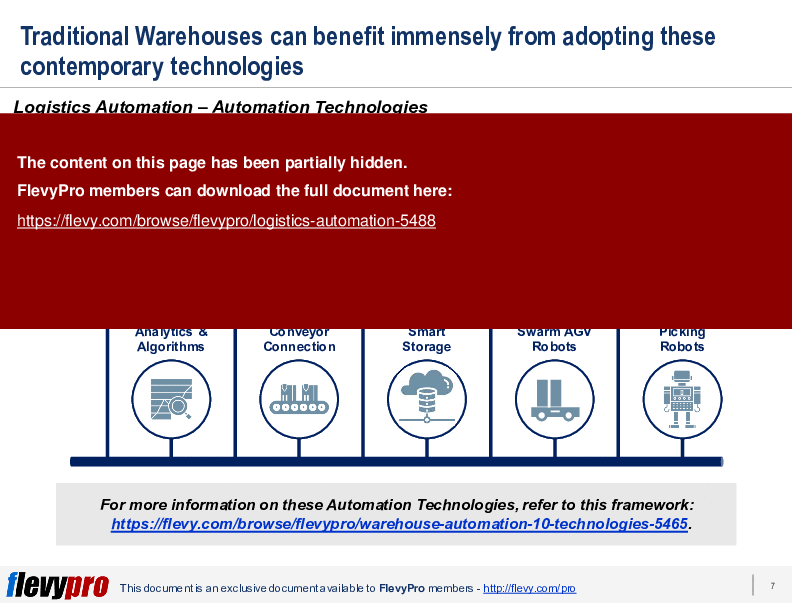
• Automation Technologies - Overview of contemporary technologies that can disrupt logistics operations, including warehouse management systems and autonomous vehicles.
• Project Management Strategies - Recommendations for effective project management to ensure successful automation implementation.
• Future of Logistics Automation - Insights into the potential future developments in logistics automation and the expected impact on the industry.
Deliverables, Templates, and Tools
• Automation readiness assessment template for logistics operations
• Roadmap template for implementing automation technologies
• Project management framework for overseeing automation initiatives
• Metrics dashboard for tracking automation performance and ROI
• Presentation templates for communicating automation strategies to stakeholders
• Case study examples of successful automation implementations in logistics
Slide Highlights
• Overview slide detailing the impact of automation on logistics supply chains
• Trend analysis slide showcasing the rise of e-commerce and its implications for logistics
• Challenges slide outlining the 5 key obstacles to automation adoption
• Technology overview slide highlighting innovative automation solutions for logistics
• Project management framework slide providing a structured approach to automation initiatives
Potential Workshop Agenda
Understanding Automation in Logistics (90 minutes)
• Discuss the current landscape of logistics automation
• Identify key trends and their implications for operations
• Explore case studies of successful automation implementations
Overcoming Barriers to Automation (60 minutes)
• Analyze the 5 obstacles to automation adoption
• Brainstorm strategies to mitigate these challenges
• Develop action plans for addressing specific barriers
Implementing Automation Technologies (90 minutes)
• Review available automation technologies and their applications
• Create a roadmap for integrating automation into logistics processes
• Establish metrics for measuring success and ROI
Customization Guidance
• Tailor the roadmap template to reflect specific organizational goals and timelines
• Adjust the metrics dashboard to align with key performance indicators relevant to your logistics operations
• Modify case study examples to include industry-specific scenarios and challenges
Secondary Topics Covered
• The impact of COVID-19 on logistics operations and automation adoption
• The role of artificial intelligence in enhancing logistics efficiency
• Future trends in logistics automation and technology development
• Best practices for managing change during automation implementation
• The importance of workforce training and development in automation initiatives
Topic FAQ
Document FAQ
These are questions addressed within this presentation.
What are the main benefits of logistics automation?
Automation can streamline operations, reduce delivery times, and lower operational costs, ultimately enhancing overall efficiency in logistics.
What are the key trends driving logistics automation?
The main trends include labor shortages, the proliferation of e-commerce, and advancements in automation technologies.
What are the primary obstacles to adopting automation in logistics?
Key obstacles include coopetition with e-commerce, uncertainty regarding emerging technologies, and increasing complexity in fulfillment processes.
How can organizations prepare for automation implementation?
Organizations should assess their readiness, develop a clear roadmap, and establish metrics to track success.
What technologies are game-changers for logistics automation?
Technologies such as warehouse management systems, autonomous vehicles, and advanced robotics are significantly impacting logistics operations.
How does the COVID-19 pandemic affect logistics automation?
The pandemic has intensified labor shortages and increased the urgency for logistics companies to adopt automation solutions to remain competitive.
What project management strategies are recommended for automation initiatives?
Employing structured frameworks, clear timelines, and accountability measures can enhance the success of automation projects.
How can organizations measure the success of their automation investments?
Establishing key performance indicators (KPIs) and using metrics dashboards can help track the effectiveness and ROI of automation initiatives.
Glossary
• Automation - The use of technology to perform tasks without human intervention.
• Coopetition - A collaborative relationship between competing companies.
• E-commerce - Buying and selling goods or services over the internet.
• Fulfillment - The process of delivering products to customers after an order is placed.
• ROI - Return on investment, a measure of the profitability of an investment.
• Warehouse Management System - Software that manages warehouse operations and inventory.
• Autonomous Vehicles - Self-driving vehicles used for transportation and logistics.
• Advanced Robotics - Sophisticated robotic systems capable of performing complex tasks.
• Key Performance Indicators (KPIs) - Metrics used to evaluate the success of an organization in achieving its objectives.
• Supply Chain - The network of organizations involved in producing and delivering a product.
• Labor Shortage - A situation where the demand for workers exceeds the supply.
• Technology Development Lifecycle - The stages through which a technology progresses from conception to widespread use.
Source: Best Practices in Automation, Warehousing, Logistics PowerPoint Slides: Logistics Automation PowerPoint (PPTX) Presentation Slide Deck, LearnPPT Consulting
Did you need more documents?
Consider a FlevyPro subscription from $39/month. View plans here.
For $10.00 more, you can download this document plus 2 more FlevyPro documents. That's just $13 each.
|
Receive our FREE presentation on Operational Excellence
This 50-slide presentation provides a high-level introduction to the 4 Building Blocks of Operational Excellence. Achieving OpEx requires the implementation of a Business Execution System that integrates these 4 building blocks. |