
Key Performance Indicators (KPIs): 5 Areas of Focus   22-slide PPT PowerPoint presentation slide deck (PPTX)
$29.00

Key Performance Indicators (KPIs): 5 Areas of Focus (22-slide PPT PowerPoint presentation slide deck (PPTX)) Preview Image
Log in to unlock full preview.
Key Performance Indicators (KPIs): 5 Areas of Focus (22-slide PPT PowerPoint presentation slide deck (PPTX)) Preview Image
Arrow   Click main image to view in full screen.

Key Performance Indicators (KPIs): 5 Areas of Focus (PowerPoint PPTX Slide Deck)

PowerPoint (PPTX) 22 Slides FlevyPro Document

Top 1,000 Best Practice $29.00
FlevyPro price: FREE (included in subscription)
This framework is developed by a team of former McKinsey and Big 4 consultants. The presentation follows the headline-body-bumper slide format used by global consulting firms.
Add to Cart


Immediate download
Free lifetime updates

KEY PERFORMANCE INDICATORS PPT DESCRIPTION

Editor Summary A 22-slide PowerPoint presentation, Key Performance Indicators (KPIs): 5 Areas of Focus presents a structured approach to KPI implementation across 5 domains: Enterprise KPIs, Customer KPIs, Workplace Analytics, Partner and Supplier KPIs, and Quantified-self KPIs. Read more

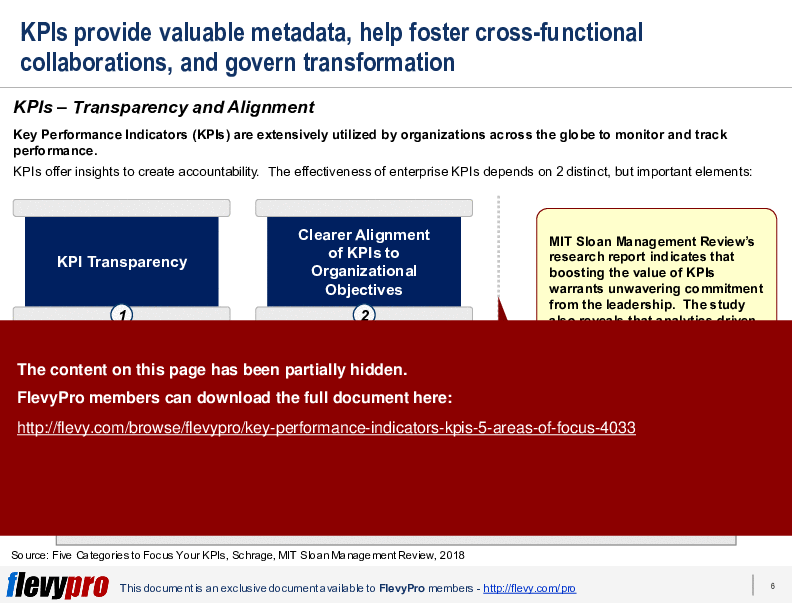
Key Performance Indicators (KPIs) are extensively utilized by organizations across the globe to monitor and track performance. They offer invaluable insights to create enterprise-wide accountability and a productive culture.

However, most executives are typically not able to utilize KPIs to their full potential. The effectiveness of KPIs depends on two distinct but important elements: KPI Transparency across the entire workforce and KPI Alignment with organizational goals. Development of a KPI-driven culture rests on unwavering commitment from the leadership and its ability to outline and direct KPI transparency and alignment in the organization.

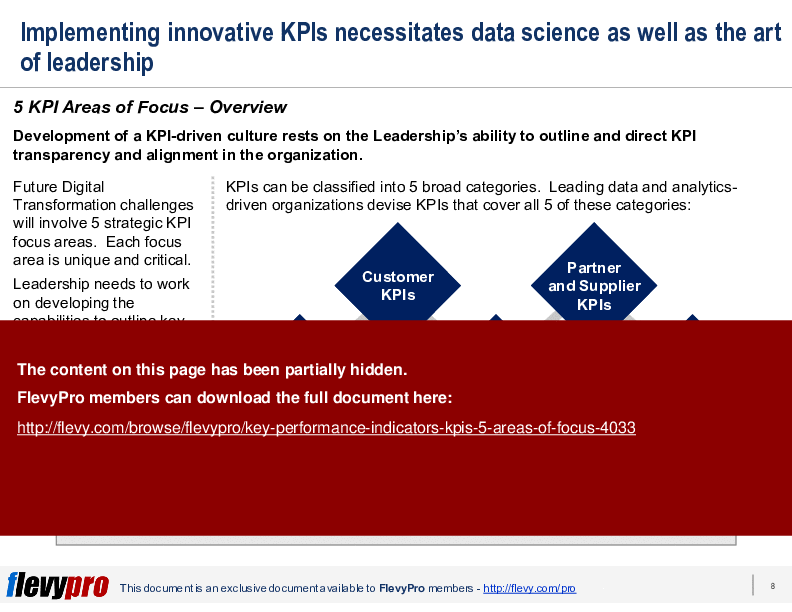
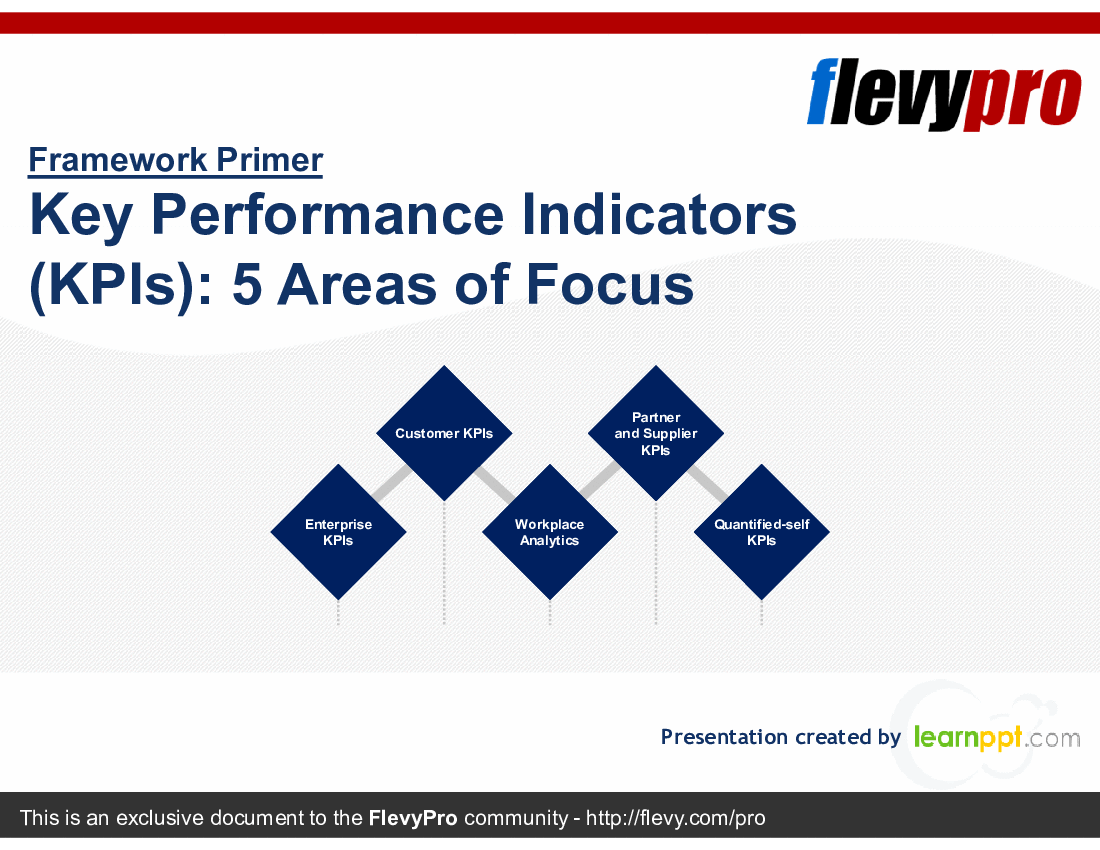
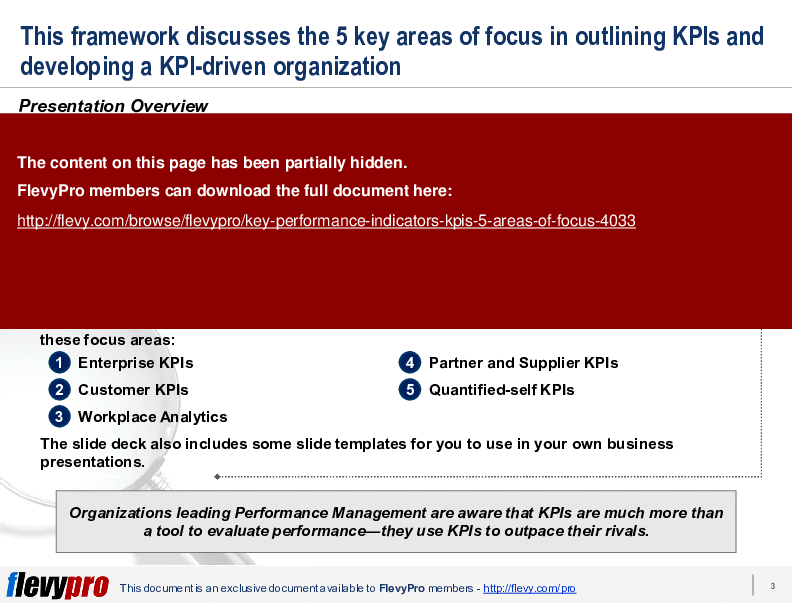
This presentation deliberates on the 5 key areas of focus that are essential to encourage a KPI-driven culture. Leading Analytics-enabled organizations formulate KPIs that encompass all 5 of these focus areas:

1. Enterprise KPIs
2. Customer KPIs
3. Workplace KPIs
4. Partner and Supplier KPIs
5. Quantified-self KPIs

Organizations leading Performance Management are aware that KPIs are much more than a tool to evaluate performance—they use KPIs to outpace their rivals.

The slide deck also includes some slide templates for you to use in your own business presentations.

This comprehensive guide delves into the intricacies of KPI transparency and alignment, emphasizing their critical role in fostering a data-driven culture. The PPT provides a structured approach to developing KPIs that align with organizational objectives, ensuring that every metric contributes to the overarching goals of the enterprise. It highlights the importance of leadership in driving KPI initiatives and maintaining transparency across all levels of the organization.

The presentation also includes practical templates to facilitate the implementation of KPIs in your business. These templates are designed to streamline the process of KPI development and alignment, making it easier for executives to track and measure performance effectively. By leveraging these tools, organizations can enhance their performance management practices and gain a competitive edge in the market.

Got a question about this document? Email us at flevypro@flevy.com.

MARCUS OVERVIEW

This synopsis was written by Marcus [?] based on the analysis of the full 22-slide presentation.


Executive Summary
The "Key Performance Indicators (KPIs): 5 Areas of Focus" presentation provides a structured approach to understanding and implementing KPIs within organizations. This deck emphasizes the critical role of KPIs in performance management, offering insights into how they can drive accountability and foster a KPI-driven culture. By focusing on 5 essential areas—Enterprise KPIs, Customer KPIs, Workplace Analytics, Partner and Supplier KPIs, and Quantified-self KPIs—executives can leverage these metrics to enhance strategic planning and decision-making. The presentation includes templates for immediate application in business contexts.

Who This Is For and When to Use
•  Corporate executives seeking to enhance performance measurement frameworks
•  Integration leaders focused on establishing KPI transparency and alignment
•  Consultants advising organizations on KPI implementation strategies
•  Project managers responsible for tracking and reporting on performance metrics

Best-fit moments to use this deck:
•  During strategic planning sessions to align KPIs with organizational goals
•  In workshops aimed at developing a KPI-driven culture
•  When evaluating the effectiveness of existing performance measurement systems

Learning Objectives
•  Define the 5 key areas of focus for effective KPI implementation
•  Build a KPI framework that aligns with organizational objectives
•  Establish transparency and accountability in KPI reporting
•  Analyze the interrelationships between different KPI categories
•  Develop actionable templates for KPI tracking and reporting
•  Foster a culture of continuous improvement through KPI insights

Table of Contents
•  Overview (page 3)
•  Key Performance Indicators (page 5)
•  KPI Areas of Focus (page 8)
•  Templates (page 18)

Primary Topics Covered
•  KPI Overview - An introduction to Key Performance Indicators as essential metrics for evaluating organizational success.
•  Enterprise KPIs - Metrics that benchmark the effectiveness of core organizational functions for strategic planning and decision-making.
•  Customer KPIs - Metrics that assess the financial contributions of business prospects and clients, aiding in customer relationship management.
•  Workplace Analytics - Metrics that quantify the effectiveness and engagement of the workforce, highlighting areas for improvement.
•  Partner and Supplier KPIs - Metrics that evaluate the efficiency of external partnerships and supplier relationships.
•  Quantified-self KPIs - Metrics that leverage personal performance data to enhance individual accountability and productivity.

Deliverables, Templates, and Tools
•  KPI framework templates for visualizing and tracking performance metrics
•  Reporting templates for presenting KPI data to stakeholders
•  Actionable guidelines for establishing KPI transparency across the organization
•  Tools for analyzing the interdependencies between different KPI categories

Slide Highlights
•  Overview of the 5 KPI focus areas, visually represented for clarity
•  Detailed breakdown of Enterprise KPIs and their strategic importance
•  Insights into Customer KPIs and their role in driving revenue
•  Analysis of Workplace Analytics and their impact on employee engagement
•  Examples of Partner and Supplier KPIs that enhance operational efficiency

Potential Workshop Agenda
KPI Introduction and Overview (60 minutes)
•  Discuss the importance of KPIs in performance management
•  Review the 5 areas of focus for KPI development

KPI Alignment Session (90 minutes)
•  Identify organizational goals and align KPIs accordingly
•  Develop actionable plans for KPI implementation

KPI Transparency and Reporting (60 minutes)
•  Establish guidelines for KPI transparency across teams
•  Create templates for consistent KPI reporting

Customization Guidance
•  Tailor KPI definitions and metrics to align with specific organizational goals
•  Modify templates to reflect unique business processes and reporting structures
•  Adjust the presentation style to fit the audience's familiarity with KPI concepts

Secondary Topics Covered
•  The role of leadership in fostering a KPI-driven culture
•  Strategies for overcoming common challenges in KPI implementation
•  Best practices for maintaining KPI relevance and accuracy over time

Topic FAQ

What core areas should I cover when creating an organizational KPI program?

A complete KPI program should span the 5 focus areas identified in the literature: Enterprise KPIs, Customer KPIs, Workplace Analytics, Partner and Supplier KPIs, and Quantified-self KPIs. Covering all 5 ensures metrics reflect organization-wide strategy and individual accountability across these domains.

Why is KPI transparency important and how can I improve it in my organization?

KPI transparency ensures teams understand what is measured and why, which promotes accountability and alignment with goals. Improve transparency by documenting KPI definitions, publishing regular reports, and using consistent reporting templates; the slide deck includes transparency guidelines and reporting templates.

How do I align KPIs to high-level organizational strategy?

Start by defining strategic objectives, map which outcomes indicate success, select KPIs that measure those outcomes, and involve stakeholders in review cycles. The presentation provides a KPI Alignment Session outline and KPI framework templates to guide this alignment process.

What kinds of metrics fall under Workplace Analytics?

Workplace Analytics focuses on employee-related measures that quantify workforce effectiveness and engagement, such as engagement scores and productivity indicators. These metrics help identify areas for improvement in workforce performance and are included as a distinct KPI category in the materials.

What should I look for when purchasing KPI templates for my team?

Look for templates that include a KPI framework, reporting formats, guidance on transparency, and tools to analyze interdependencies between metrics. The presentation explicitly provides KPI framework templates, reporting templates, actionable guidelines, and interdependency tools.

How much time should I budget to introduce KPIs using a workshop-based approach?

Time depends on scope,, but the product supplies a sample workshop agenda that totals 210 minutes: a 60-minute KPI Introduction, a 90-minute KPI Alignment Session, and a 60-minute KPI Transparency and Reporting session, which can be adapted to your schedule.

I need to evaluate supplier performance—which KPI category and artifacts should I use?

Use Partner and Supplier KPIs to measure supplier efficiency, quality, and delivery performance, and present findings with standardized reporting templates. Flevy's Key Performance Indicators (KPIs): 5 Areas of Focus includes Partner and Supplier KPIs and reporting templates to support this work.

After a merger, how do I establish KPI transparency and alignment across legacy teams?

Begin by defining common organizational goals, map legacy KPIs to those goals, conduct alignment workshops with stakeholders, and publish unified reporting standards. The slide deck offers a 90-minute KPI Alignment Session and a 60-minute KPI Transparency and Reporting session to structure this work.

Document FAQ
These are questions addressed within this presentation.

What are Key Performance Indicators (KPIs)?
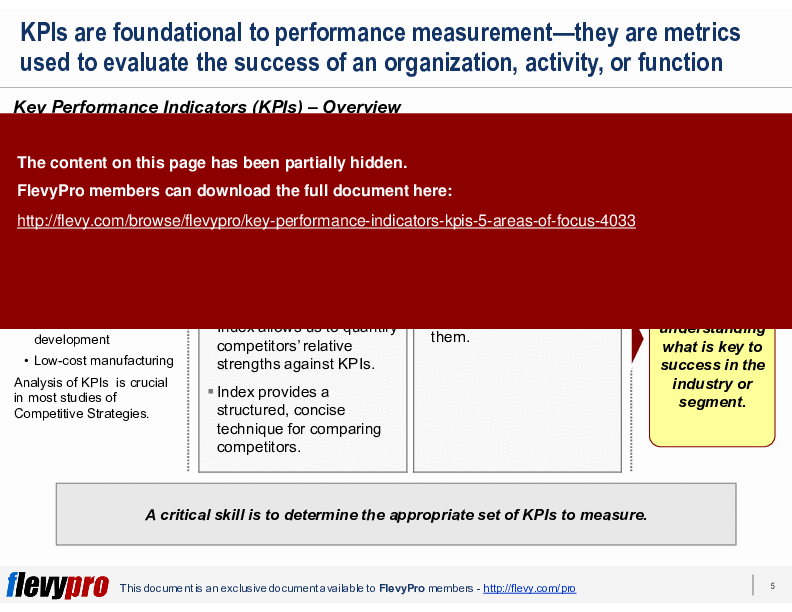
KPIs are measurable values that demonstrate how effectively an organization is achieving key business objectives.

Why is KPI transparency important?
KPI transparency ensures that all team members understand the metrics being tracked, fostering accountability and alignment with organizational goals.

How can I implement KPIs in my organization?
Start by defining your organizational goals, then select relevant KPIs that align with those goals, ensuring transparency and regular review.

What are the 5 areas of focus for KPIs?
The 5 areas are Enterprise KPIs, Customer KPIs, Workplace Analytics, Partner and Supplier KPIs, and Quantified-self KPIs.

How do KPIs drive accountability?
By providing clear metrics for performance, KPIs help organizations set expectations and measure progress, holding teams accountable for results.

Can KPIs change over time?
Yes, KPIs should be regularly reviewed and adjusted to remain relevant to the organization's evolving goals and market conditions.

What tools can help with KPI tracking?
Utilize performance management software and reporting templates to streamline KPI tracking and ensure consistent reporting.

How do I ensure alignment between KPIs and organizational objectives?
Regularly review and adjust KPIs to ensure they reflect current organizational goals and strategies, involving key stakeholders in the process.

Glossary
•  KPI - Key Performance Indicator, a measurable value that demonstrates effectiveness.
•  Transparency - The practice of making KPI data accessible to all relevant stakeholders.
•  Alignment - The process of ensuring KPIs reflect organizational goals and objectives.
•  Workplace Analytics - Metrics that measure employee engagement and effectiveness.
•  Customer Lifetime Value - A prediction of the net profit attributed to the entire future relationship with a customer.
•  Net Promoter Score (NPS) - A metric used to gauge customer loyalty and satisfaction.
•  Quantified-self - The use of self-tracking data to improve personal performance.
•  Partner KPIs - Metrics that evaluate the effectiveness of partnerships and supplier relationships.
•  Enterprise KPIs - Metrics that assess the overall performance of an organization.
•  Performance Management - The process of ensuring that goals are consistently being met in an effective and efficient manner.
•  Data-Driven Organization - An organization that makes decisions based on data analysis rather than intuition.
•  Accountability - The obligation of an individual or organization to report on their activities and accept responsibility for them.
•  Stakeholders - Individuals or groups with an interest in the performance and success of an organization.
•  Continuous Improvement - Ongoing efforts to improve products, services, or processes.
•  Metrics - Standards of measurement used to assess performance.
•  Strategic Planning - The process of defining an organization's direction and making decisions on allocating resources.
•  Performance Measurement - The process of evaluating the efficiency and effectiveness of an action.
•  Feedback Loop - A system where outputs of a process are circled back and used as inputs.
•  Benchmarking - Comparing business processes and performance metrics to industry bests and best practices from other companies.
•  Governance - The framework of rules and practices by which an organization ensures accountability, fairness, and transparency.

KEY PERFORMANCE INDICATORS PPT SLIDES

Leveraging Quantified-self Data for Enhanced Performance Insights

Strategic Focus Areas for Effective KPI Implementation

Understanding Enterprise KPIs: Metrics for Strategic Decision-Making

Assessing Workforce Efficiency through Workplace Analytics

KPI Transparency and Organizational Alignment Strategies

Source: Best Practices in Performance Management, Key Performance Indicators PowerPoint Slides: Key Performance Indicators (KPIs): 5 Areas of Focus PowerPoint (PPTX) Presentation Slide Deck, LearnPPT Consulting


$29.00
FlevyPro price: FREE (included in subscription)
This framework is developed by a team of former McKinsey and Big 4 consultants. The presentation follows the headline-body-bumper slide format used by global consulting firms.
Add to Cart
  

Did you need more documents?

Consider a FlevyPro subscription from $39/month. View plans here.

For $10.00 more, you can download this document plus 2 more FlevyPro documents. That's just $13 each.

ABOUT FLEVYPRO

This document is part of the FlevyPro Library, a curated knowledge base of documents for our FlevyPro subscribers.

FlevyPro is a subscription service for on-demand business frameworks and analysis tools. FlevyPro subscribers receive access to an exclusive library of curated business documents—business framework primers, presentation templates, Lean Six Sigma tools, and more—among other exclusive benefits.

Click here to learn more about FlevyPro and its benefits.

Did you know?
The average daily rate of a McKinsey consultant is $6,625 (not including expenses). The average price of a Flevy document is $65.


Trusted by over 10,000+ Client Organizations
Since 2012, we have provided business templates to over 10,000 businesses and organizations of all sizes, from startups and small businesses to the Fortune 100, in over 130 countries.
AT&T GE Cisco Intel IBM Coke Dell Toyota HP Nike Samsung Microsoft Astrazeneca JP Morgan KPMG Walgreens Walmart 3M Kaiser Oracle SAP Google E&Y Volvo Bosch Merck Fedex Shell Amgen Eli Lilly Roche AIG Abbott Amazon PwC T-Mobile Broadcom Bayer Pearson Titleist ConEd Pfizer NTT Data Schwab


Read Customer Testimonials

 
"I am extremely grateful for the proactiveness and eagerness to help and I would gladly recommend the Flevy team if you are looking for data and toolkits to help you work through business solutions."

– Trevor Booth, Partner, Fast Forward Consulting
 
"Flevy.com has proven to be an invaluable resource library to our Independent Management Consultancy, supporting and enabling us to better serve our enterprise clients.

The value derived from our [FlevyPro] subscription in terms of the business it has helped to gain far exceeds the investment made, making a subscription a no-brainer for any growing consultancy – or in-house strategy team."

– Dean Carlton, Chief Transformation Officer, Global Village Transformations Pty Ltd.
 
"My FlevyPro subscription provides me with the most popular frameworks and decks in demand in today’s market. They not only augment my existing consulting and coaching offerings and delivery, but also keep me abreast of the latest trends, inspire new products and service offerings for my practice, and educate me "

– Bill Branson, Founder at Strategic Business Architects
 
"The wide selection of frameworks is very useful to me as an independent consultant. In fact, it rivals what I had at my disposal at Big 4 Consulting firms in terms of efficacy and organization."

– Julia T., Consulting Firm Owner (Former Manager at Deloitte and Capgemini)
 
"[Flevy] produces some great work that has been/continues to be of immense help not only to myself, but as I seek to provide professional services to my clients, it gives me a large "tool box" of resources that are critical to provide them with the quality of service and outcomes they are expecting."

– Royston Knowles, Executive with 50+ Years of Board Level Experience
 
"Flevy is our 'go to' resource for management material, at an affordable cost. The Flevy library is comprehensive and the content deep, and typically provides a great foundation for us to further develop and tailor our own service offer."

– Chris McCann, Founder at Resilient.World
 
"As an Independent Management Consultant, I find Flevy to add great value as a source of best practices, templates and information on new trends. Flevy has matured and the quality and quantity of the library is excellent. Lastly the price charged is reasonable, creating a win-win value for "

– Jim Schoen, Principal at FRC Group
 
"I have used Flevy services for a number of years and have never, ever been disappointed. As a matter of fact, David and his team continue, time after time, to impress me with their willingness to assist and in the real sense of the word. I have concluded in fact "

– Roberto Pelliccia, Senior Executive in International Hospitality


Customers Also Bought These Documents


Customers Also Like These Documents

Explore Templates on Related Management Topics


Your Recently Viewed Documents
Download our FREE Strategy & Transformation Framework Templates

Download our free compilation of 50+ Strategy & Transformation slides and templates. Frameworks include McKinsey 7-S, Balanced Scorecard, Disruptive Innovation, BCG Curve, and many more.