
Introduction:
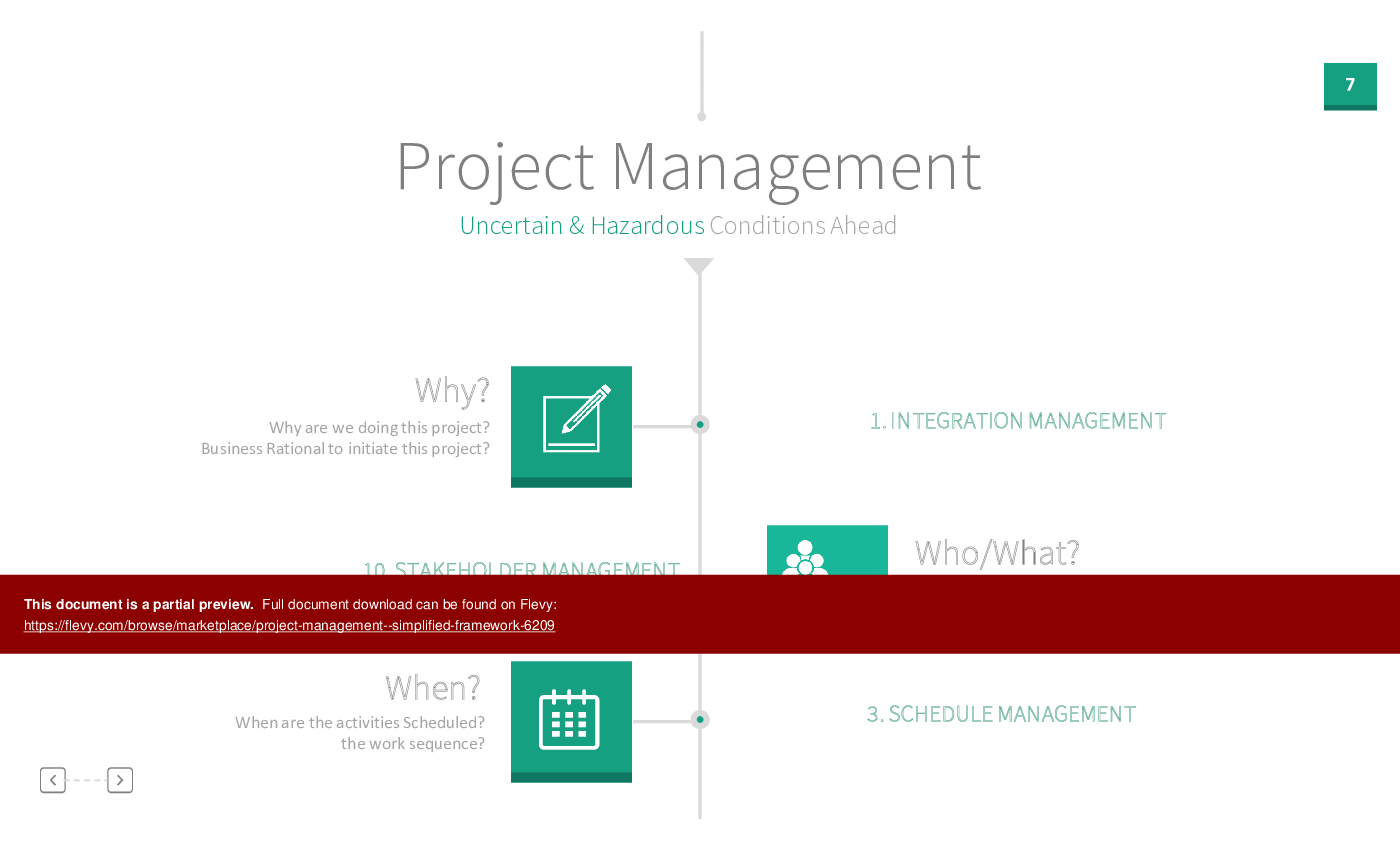
Welcome to a comprehensive 166-slide PowerPoint presentation that demystifies the complex world of project management. Within these slides, we unveil a Simplified Framework, merging the Systems Approach with six instinctive pathways embodied in our everyday project queries: Why?, Who?, When?, How Much/Many?, Where?, and How?
1. The Project Management Big 'Churn':
• Simplifying Complexity: Transforming the intricate landscape of project management into an accessible framework.
• Instinctive Pathways: Harnessing six fundamental questions that drive effective project management.
2. Navigating the Project Management Universe:
• Purpose and Scope: Empowering you with a simplified project management framework.
• Instinctive Competence: Enhancing your innate ability to manage projects and contribute effectively to project teams.
3. A Roadmap to Mastery:
• The Systems Approach: Delving into the 49 processes outlined in the PMBOK Guide.
• Knowledge Areas: Exploring the ten critical facets of project management.
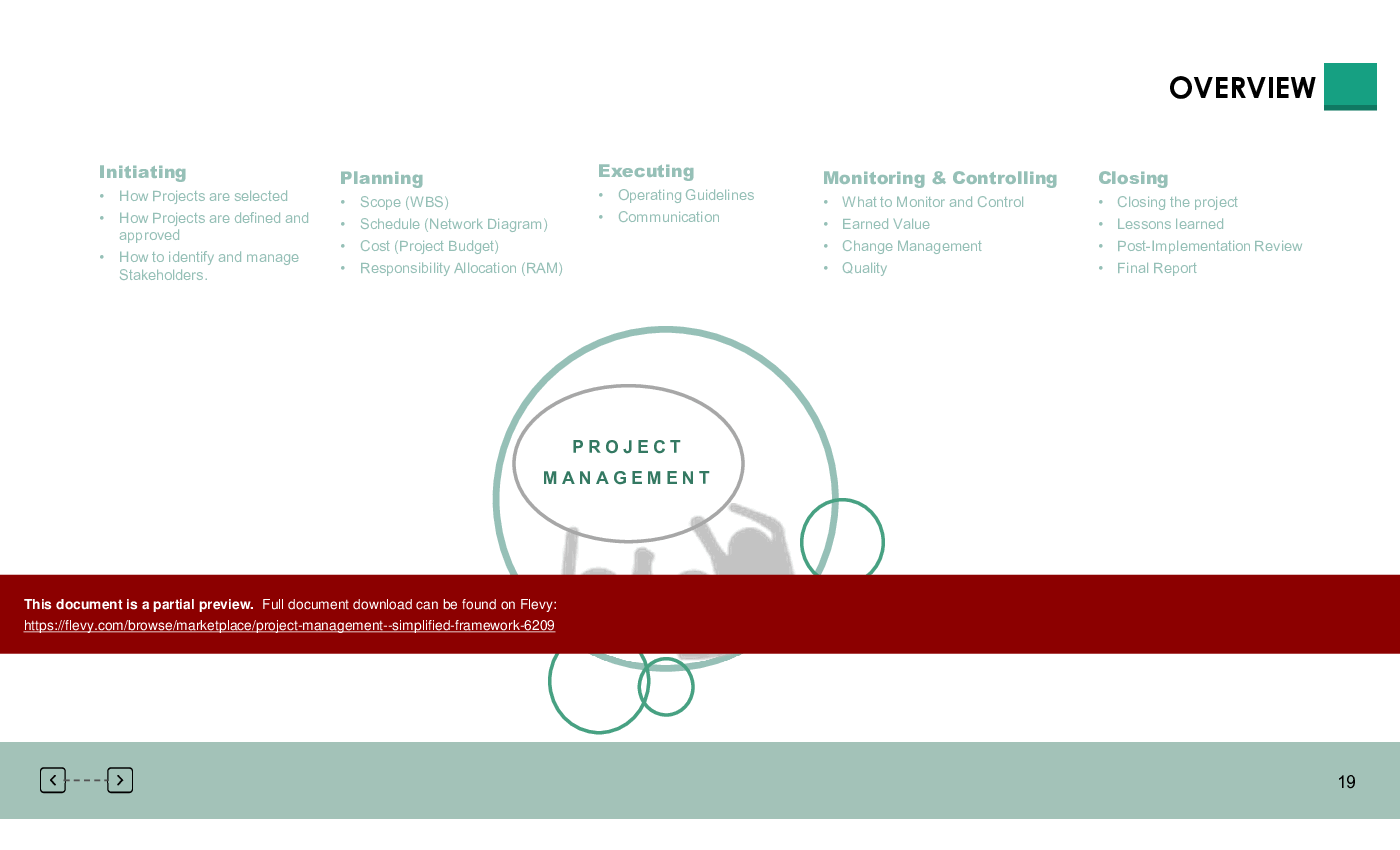
• Process Groups: Unpacking the five key stages of project management.
4. Empowering Project Managers:
• Strategic Planning and Execution: Equipping you to proficiently strategize and execute projects.
• Effective Resource Management: Empowering you to manage people and resources adeptly.
• Stakeholder Engagement: Guiding you to build meaningful connections with stakeholders.
• Scope, Budget, and Timeline Management: Ensuring your competence in maintaining and managing project scope, budget, and timelines.
This training guide is a versatile resource, readily customizable to meet your specific needs. Feel free to tailor the content as desired, omitting sections that may not be immediately relevant. Abundant graphics and visuals are thoughtfully incorporated to provide a holistic understanding of the interconnected systems at play.
By journey's end, you will emerge with the expertise to:
• Plan and execute projects effectively.
• Manage human and material resources proficiently.
• Foster meaningful stakeholder relationships.
• Maintain and oversee project scope, budget, and timelines with precision.
Embrace this Comprehensive Framework, and embark on a path to mastering project management, one instinctive question at a time.
This presentation includes practical tools like network diagrams and Gantt charts for effective scheduling. It also emphasizes stakeholder management and resource allocation strategies to ensure project success.
Got a question about the product? Email us at support@flevy.com or ask the author directly by using the "Ask the Author a Question" form. If you cannot view the preview above this document description, go here to view the large preview instead.
Executive Summary
The Project Management - Simplified Framework (PPTX) is a comprehensive presentation designed to streamline project management processes. Developed by a team with extensive consulting experience at McKinsey, Deloitte, and Capgemini, this framework aligns with the PMBOK Guide (6th Edition) and is tailored for PMI Authorized Training Partners (ATPs). The framework simplifies complex project management concepts into clear phases, enhancing governance, resource management, and stakeholder engagement. By utilizing this framework, corporate executives and project managers can effectively navigate project challenges, ensuring timely delivery within budget while meeting stakeholder expectations.
Who This Is For and When to Use
• Project Managers overseeing complex projects requiring structured methodologies
• Corporate Executives responsible for project oversight and strategic alignment
• Integration Leaders managing cross-functional teams and resources
• Consultants providing project management training or advisory services
Best-fit moments to use this deck:
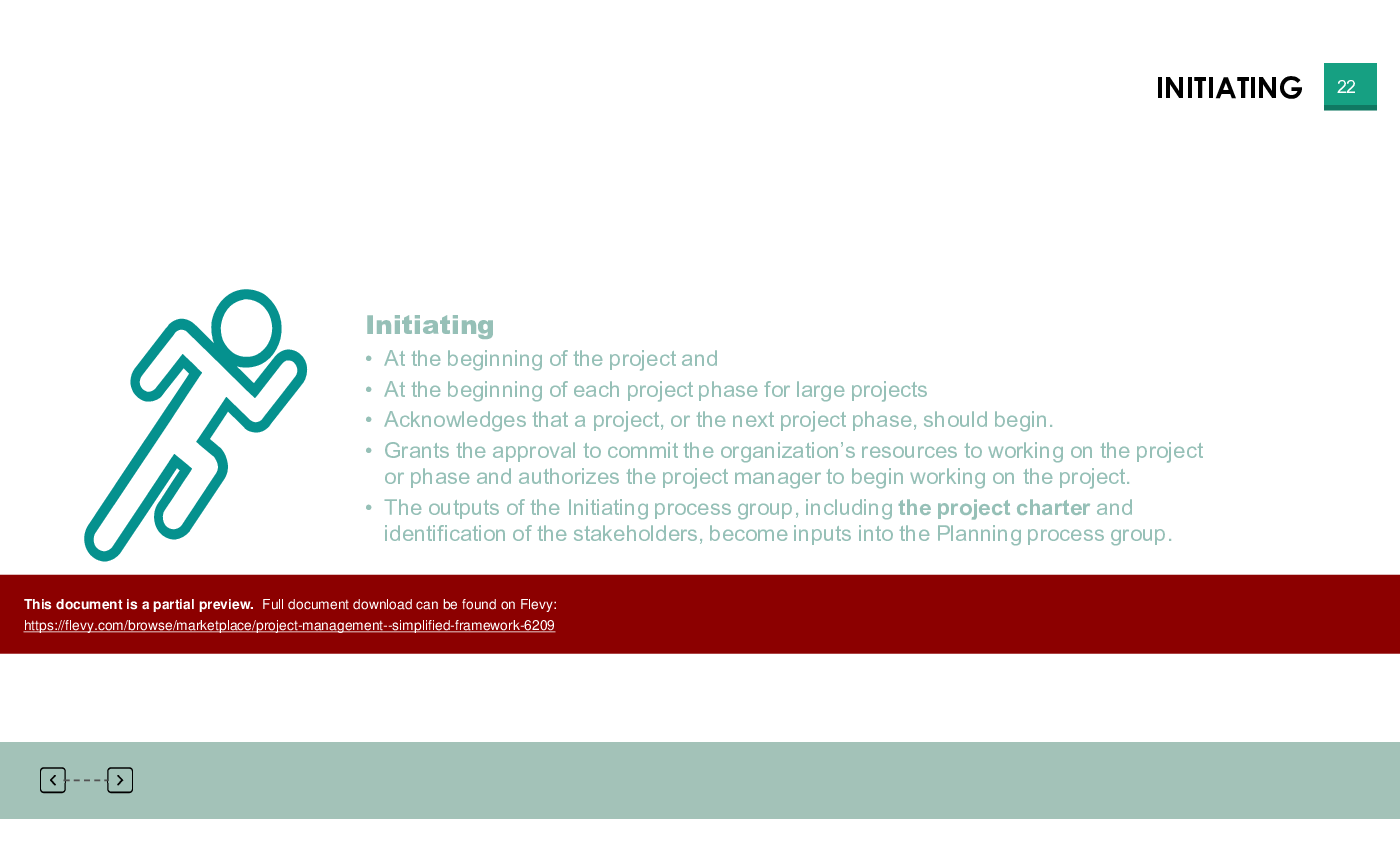
• During project initiation to establish foundational goals and objectives
• In planning sessions to define scope, schedule, and resource allocation
• At project execution phases to monitor progress and implement changes
• For stakeholder engagement meetings to communicate project updates and gather feedback
Learning Objectives
• Define the key phases of project management and their significance
• Build a comprehensive project plan that aligns with strategic objectives
• Establish effective governance structures for project oversight
• Identify and manage project risks throughout the project lifecycle
• Develop communication strategies that enhance stakeholder engagement
• Implement quality management practices to ensure project deliverables meet standards
Table of Contents
• Overview of Project Management Concepts (page 9)
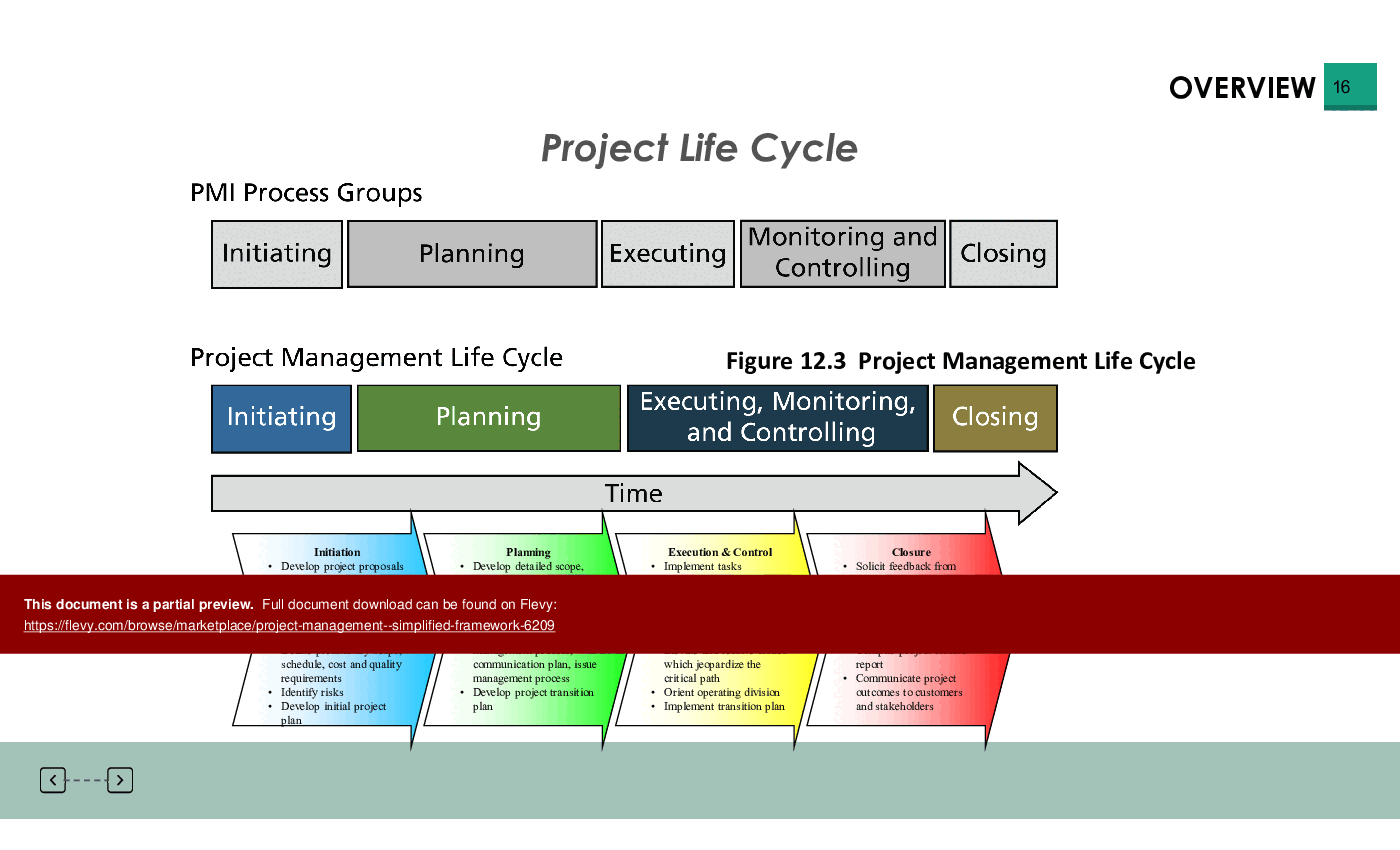
• Project Life Cycle Phases (page 16)
• Project Knowledge Areas (page 11)
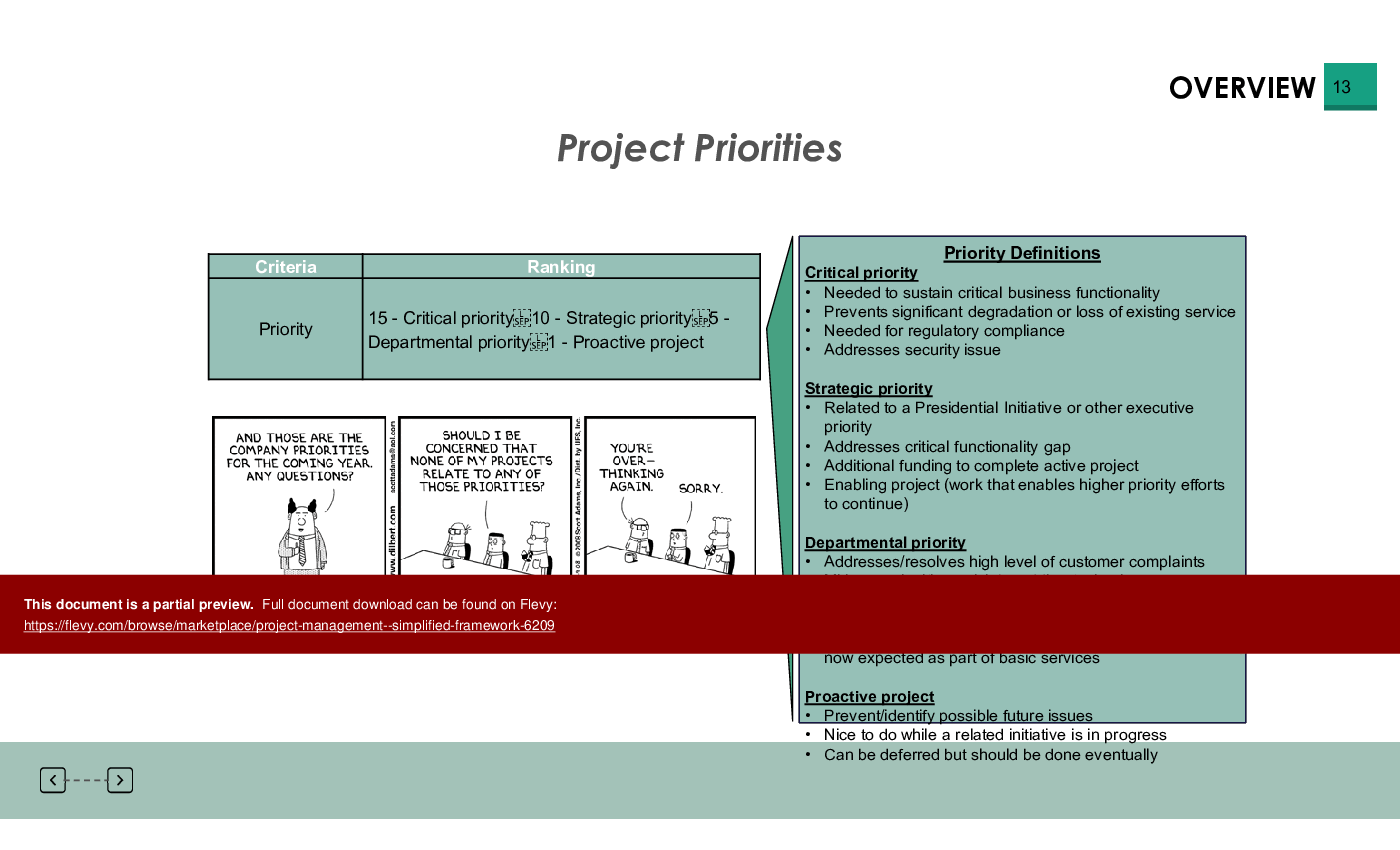
• Project Constraints and Priorities (page 13)
• Stakeholder Management Strategies (page 38)
• Risk Management Framework (page 93)
• Change Management Processes (page 137)
• Closing Processes and Lessons Learned (page 156)
Primary Topics Covered
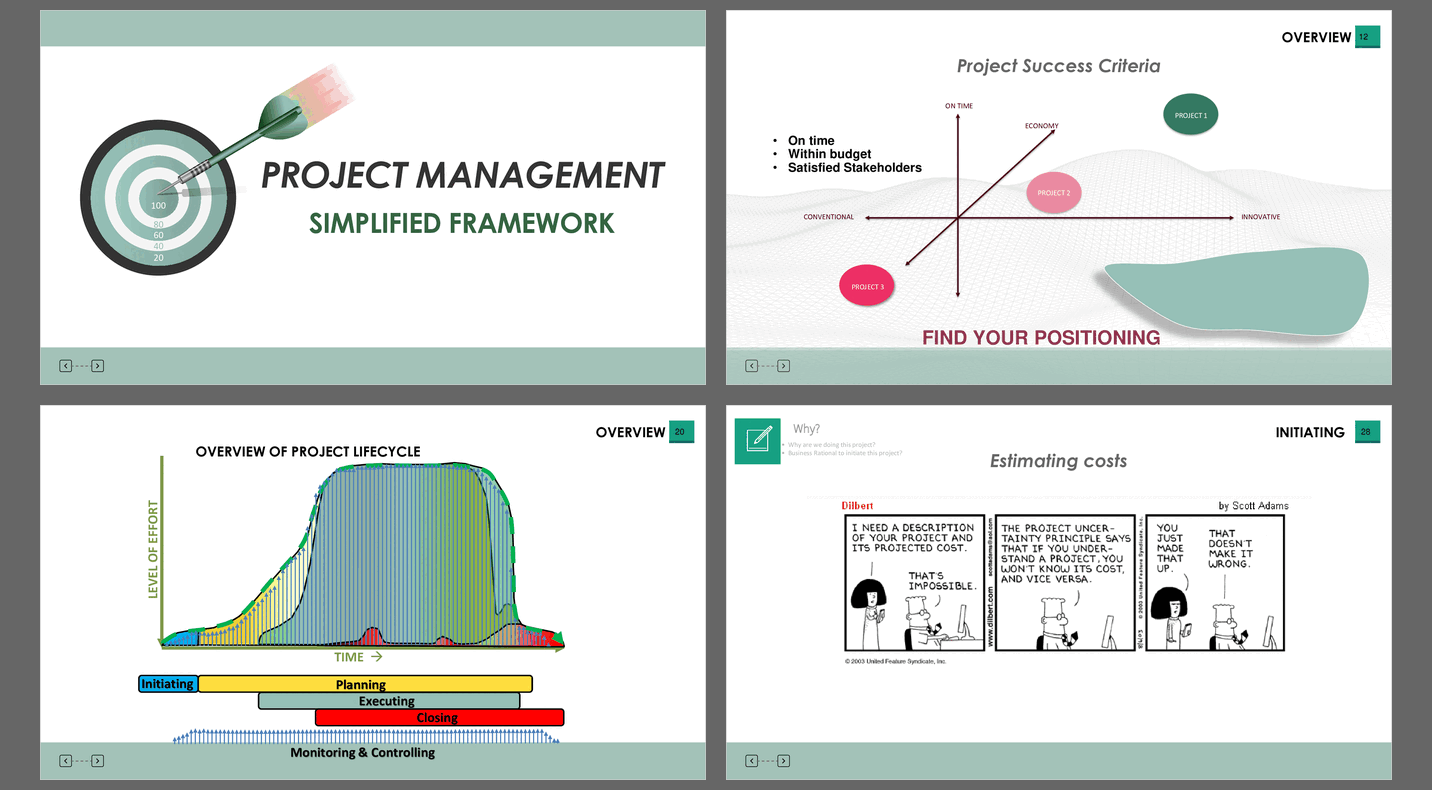
• Project Life Cycle - The structured phases of project management: Initiating, Planning, Executing, Monitoring and Controlling, and Closing.
• Knowledge Areas - Key areas of focus including Integration, Scope, Time, Cost, Quality, Resource, Communication, Risk, Procurement, and Stakeholder Management.
• Project Constraints - Essential factors such as time, cost, and scope that impact project delivery.
• Stakeholder Engagement - Strategies for identifying and managing stakeholder expectations and involvement.
• Risk Management - Processes for identifying, analyzing, and responding to project risks.
• Change Management - Framework for managing changes in project scope and objectives effectively.
Deliverables, Templates, and Tools
• Project Charter template for defining project scope and objectives
• Work Breakdown Structure (WBS) for organizing project tasks
• Risk Register template for tracking project risks and responses
• Communication Plan template for stakeholder engagement
• Change Control Log for documenting and managing project changes
• Quality Management Plan for ensuring project deliverables meet standards
Slide Highlights
• Visual representation of the Project Life Cycle phases and their interconnections
• Flowchart illustrating the Change Management Process for handling project modifications
• Graphical depiction of Project Constraints and their impact on project success
• Stakeholder Matrix for identifying and prioritizing key stakeholders
• Gantt Chart example for visualizing project schedules and milestones
Potential Workshop Agenda
Project Initiation Workshop (2 hours)
• Discuss project objectives and business rationale
• Identify key stakeholders and their roles
• Develop initial project charter
Project Planning Session (3 hours)
• Define project scope and create WBS
• Establish project schedule and resource allocation
• Identify risks and develop risk management strategies
Monitoring and Controlling Workshop (2 hours)
• Review project progress and performance metrics
• Discuss change management processes and stakeholder feedback
• Update project plans based on current status
Customization Guidance
• Tailor project templates to reflect specific organizational terminology and processes
• Adjust project timelines and milestones based on actual project schedules
• Incorporate unique stakeholder engagement strategies relevant to the project context
Secondary Topics Covered
• Agile vs. Waterfall project management methodologies
• Techniques for effective team management and leadership
• Best practices for quality assurance in project deliverables
• Strategies for managing project conflicts and uncertainties
Topic FAQ
Document FAQ
These are questions addressed within this presentation.
What is the purpose of the Project Charter?
The Project Charter serves as a foundational document that outlines the project's objectives, scope, stakeholders, and approval requirements, enabling effective project initiation.
How do I manage project risks effectively?
Implement a Risk Management Framework that includes identifying, analyzing, and responding to risks throughout the project lifecycle, ensuring proactive management of potential issues.
What are the key phases of the project life cycle?
The key phases include Initiating, Planning, Executing, Monitoring and Controlling, and Closing, each serving specific functions in project management.
How can I engage stakeholders throughout the project?
Develop a Communication Plan that outlines how and when stakeholders will be informed about project progress, ensuring their involvement and feedback.
What is the significance of the Work Breakdown Structure (WBS)?
The WBS breaks down the project into manageable tasks, facilitating better organization, scheduling, and resource allocation.
How do I handle changes in project scope?
Utilize a Change Management Process that includes documenting changes, assessing their impact, and communicating with stakeholders to manage expectations.
What are the common project constraints?
Common constraints include time, cost, scope, quality, resources, and risk, all of which must be managed to ensure project success.
How do I ensure quality in project deliverables?
Implement a Quality Management Plan that defines quality standards, metrics, and processes for monitoring and controlling quality throughout the project.
Glossary
• Project - A temporary endeavor undertaken to create a unique product, service, or result.
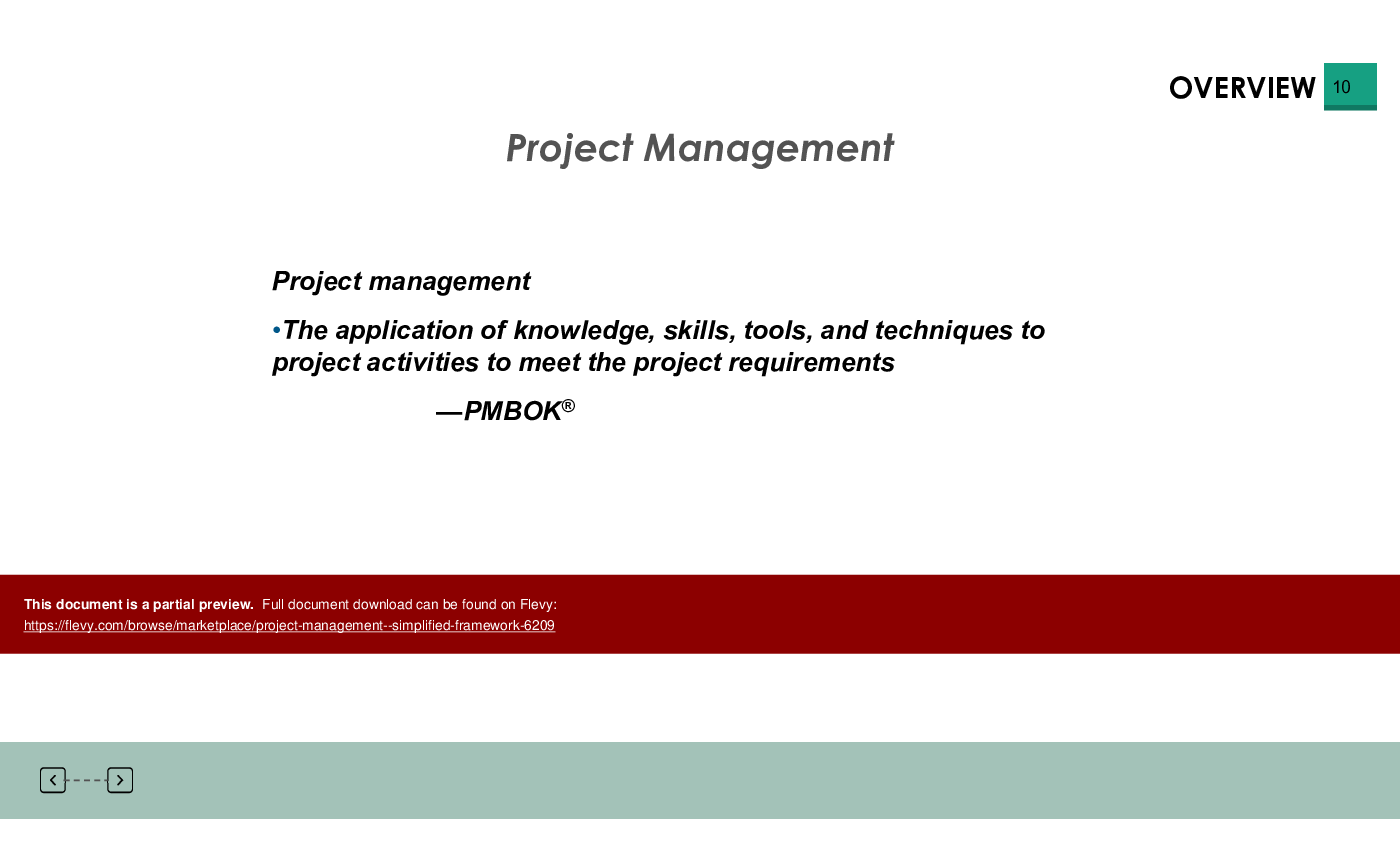
• Project Management - The application of knowledge, skills, tools, and techniques to project activities to meet project requirements.
• Stakeholder - An individual, group, or organization that may affect, be affected by, or perceive itself to be affected by a decision or outcome of the project.
• Risk Management - The process of identifying, analyzing, and responding to project risks.
• Change Management - The process of managing changes to project scope, objectives, and deliverables.
• Work Breakdown Structure (WBS) - A deliverable-oriented grouping of project elements that organizes and defines the total work scope of the project.
• Gantt Chart - A visual representation of a project schedule, showing tasks, durations, and dependencies.
• Quality Management Plan - A document that describes how the project management team will implement the quality policy.
• Communication Plan - A strategy for ensuring effective communication with stakeholders throughout the project.
• Project Charter - A document that formally authorizes the project and outlines its objectives, scope, and stakeholders.
• Earned Value Management (EVM) - A project management technique for measuring project performance and progress.
• Triple Constraint - The 3 primary constraints of project management: time, cost, and scope.
• Integration Management - The process of coordinating all aspects of a project to ensure successful completion.
• Procurement Management - The process of acquiring goods and services from external sources.
• Resource Management - The process of planning, estimating, and acquiring resources for project activities.
• Schedule Management - The process of planning and controlling the project schedule to ensure timely completion.
• Cost Management - The process of estimating, budgeting, and controlling costs to keep the project within the approved budget.
• Quality Control - The process of monitoring and measuring project deliverables to ensure they meet quality standards.
• Lessons Learned - Documentation of what went well and what did not during the project, used for future reference.
Source: Best Practices in Project Management PowerPoint Slides: Project Management - Simplified Framework PowerPoint (PPTX) Presentation Slide Deck, RadVector Consulting
|
Receive our FREE presentation on Operational Excellence
This 50-slide presentation provides a high-level introduction to the 4 Building Blocks of Operational Excellence. Achieving OpEx requires the implementation of a Business Execution System that integrates these 4 building blocks. |










