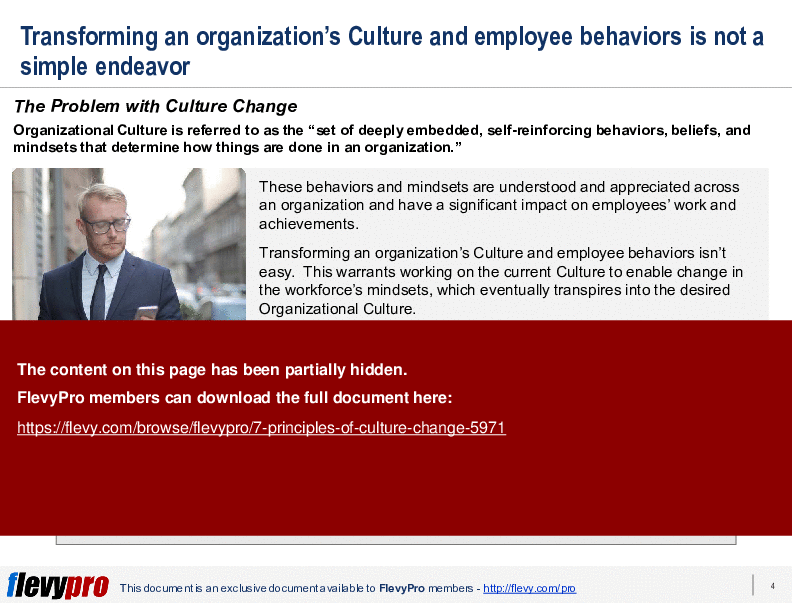

Transforming Organizational Culture and employee behaviors isn't easy. This warrants working on the current Culture to enable change in the workforce's mindsets, which eventually transpires into the desired Organizational Culture.
The engrained behaviors and mindsets transform at a snail's pace and when tackled cause the enterprise's emotional state to go down. When senior executives devise a strategy to transform the deeply entrenched Organizational Culture, there is strong resistance that outplays the strategy. They put in place new policies and practices, reward structures, and performance management systems, which take a long time to succeed.
Employees, on the other hand, are worried as to how these changes will impact their work, colleagues, atmosphere, routines, family, and their enterprise's reputation.
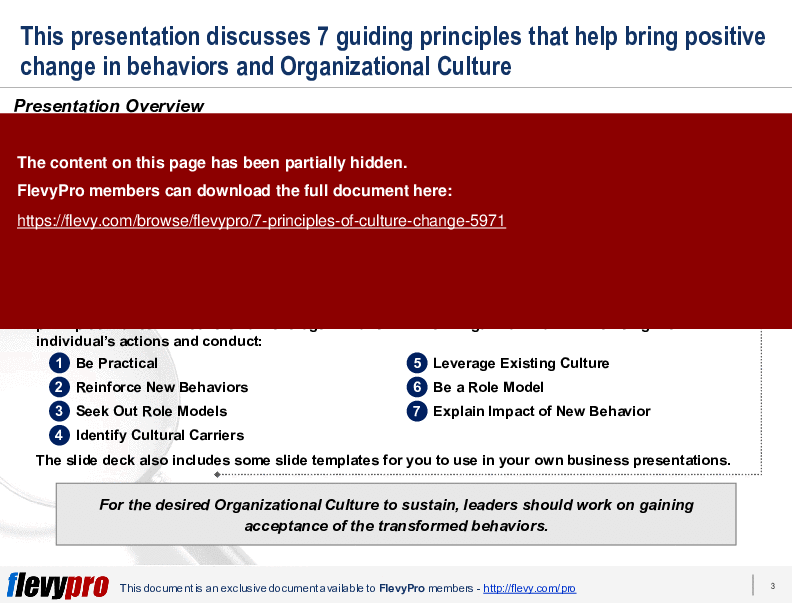
This presentation outlines 7 guiding principles that senior leaders can leverage to transform their Organizational Culture using the individual's actions and conduct.
The slide deck also includes some slide templates for you to use in your own business presentations.
This presentation delves into the myths surrounding culture change and provides actionable insights to debunk them. Leaders often grapple with misconceptions that hinder progress. The PPT emphasizes the importance of identifying and leveraging existing cultural strengths to drive transformation. It highlights the need for a practical approach, reinforcing new behaviors, and seeking out role models to inspire change.
The 7 principles outlined in this deck are designed to guide senior leaders through the complexities of culture change. From being practical and reinforcing new behaviors to explaining the impact of new behaviors, each principle is backed by real-world examples and strategies. The slide templates included are a valuable resource for crafting your own presentations, ensuring you can communicate these principles effectively to your team.
Got a question about this document? Email us at flevypro@flevy.com.
Executive Summary
The "7 Principles of Culture Change" presentation serves as a vital resource for leaders aiming to transform their organizational culture effectively. This comprehensive PowerPoint template outlines the critical principles necessary for fostering positive behavioral changes within an organization. By leveraging these principles, executives can drive acceptance of new behaviors, ultimately leading to a sustainable and desired organizational culture. The presentation includes actionable insights and templates that can be utilized in various business contexts to facilitate cultural transformation.
Who This Is For and When to Use
• Corporate executives responsible for organizational change initiatives
• HR leaders focusing on cultural alignment and employee engagement
• Change management consultants guiding clients through culture transformation
• Team leaders looking to implement new behaviors within their departments
Best-fit moments to use this deck:
• During strategic planning sessions focused on culture transformation
• In workshops aimed at aligning team behaviors with organizational values
• When addressing resistance to change within the workforce
• For training sessions on effective leadership and cultural change management
Learning Objectives
• Define the key principles of culture change and their relevance to organizational success
• Build a framework for implementing new behaviors across the organization
• Establish methods for reinforcing desired behaviors among employees
• Identify and leverage cultural carriers to facilitate change
• Create a roadmap for integrating existing cultural strengths into new initiatives
• Explain the impact of new behaviors on organizational performance
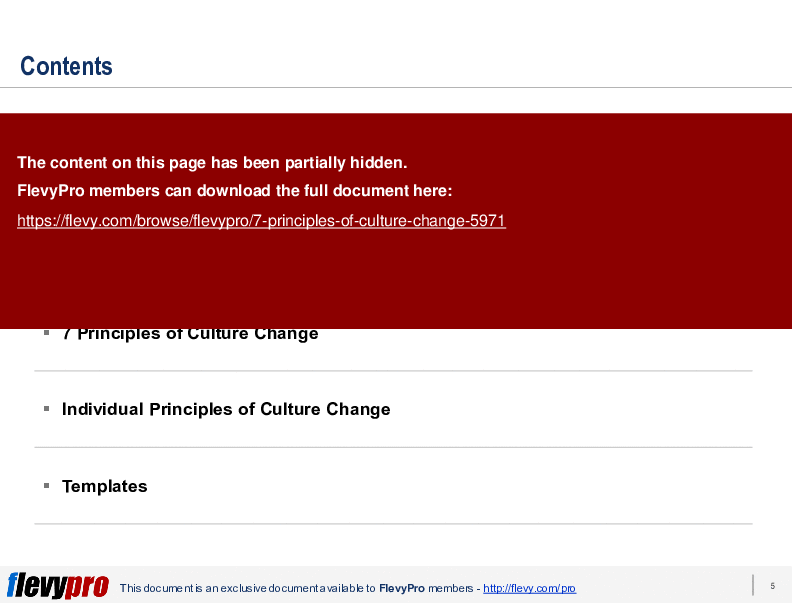
Table of Contents
• Overview (page 3)
• Myths of Culture Change (page 6)
• 7 Principles of Culture Change (page 10)
• Individual Principles of Culture Change (page 13)
• Templates (page 21)
Primary Topics Covered
• Overview of Culture Change - This section introduces the concept of culture change and its significance in organizational success.
• Myths of Culture Change - Discusses common misconceptions that hinder effective culture transformation.
• Be Practical - Emphasizes the need for a rational and pragmatic approach to changing organizational culture.
• Reinforce New Behaviors - Highlights the importance of both formal and informal mechanisms to support new behaviors.
• Seek Out Role Models - Identifies the role of change practitioners in modeling desired behaviors.
• Identify Cultural Carriers - Focuses on recruiting individuals who can promote positive aspects of the existing culture.
• Leverage Existing Culture - Encourages building on existing cultural strengths to facilitate change.
• Be a Role Model - Stresses the significance of leadership in demonstrating new behaviors.
• Explain Impact of New Behavior - Discusses the importance of clarifying the effects of new behaviors to employees.
Deliverables, Templates, and Tools
• Culture change strategy template for planning and execution
• Reinforcement mechanism guidelines for new behaviors
• Role model identification framework to support cultural change
• Cultural carrier recruitment plan to enhance positive behaviors
• Existing culture assessment tool to identify strengths and weaknesses
• Communication plan template for explaining new behaviors to employees
Slide Highlights
• Overview slide outlining the importance of culture change
• Myths of Culture Change slide debunking common misconceptions
• Detailed slides for each of the 7 principles, providing actionable insights
• Templates for practical application in real-world scenarios
Potential Workshop Agenda
Introduction to Culture Change (30 minutes)
• Overview of the importance of culture in organizations
• Discussion on common myths and their implications
Principles of Culture Change (60 minutes)
• Deep dive into the 7 principles
• Group activities to identify practical applications
Role Modeling and Reinforcement (45 minutes)
• Strategies for leaders to model desired behaviors
• Developing reinforcement mechanisms for new behaviors
Customization Guidance
• Adjust the presentation to reflect your organization’s specific cultural challenges and goals
• Incorporate real-life examples from your organization to enhance relatability
• Tailor the templates to fit your organizational structure and processes
Secondary Topics Covered
• The role of leadership in culture change
• Strategies for overcoming resistance to change
• The impact of organizational culture on employee performance
• Best practices for sustaining cultural transformation
Topic FAQ
Document FAQ
These are questions addressed within this presentation.
What are the 7 principles of culture change?
The 7 principles include being practical, reinforcing new behaviors, seeking out role models, identifying cultural carriers, leveraging existing culture, being a role model, and explaining the impact of new behavior.
How can leaders reinforce new behaviors effectively?
Leaders can reinforce new behaviors through formal mechanisms like performance appraisals and informal support networks that nurture positive behaviors.
What role do cultural carriers play in transformation?
Cultural carriers are individuals who embody and promote the desired behaviors, helping to spread positive aspects of the existing culture throughout the organization.
Why is it important to leverage existing culture in change initiatives?
Leveraging existing culture helps to build on strengths and ensures that the transformation is more sustainable and accepted by employees.
How can organizations address resistance to culture change?
Organizations can address resistance by communicating the benefits of change clearly, involving employees in the process, and providing support throughout the transition.
What is the significance of role modeling in culture change?
Role modeling by leadership sets a powerful example for employees, encouraging them to adopt new behaviors and align with the desired culture.
How can organizations measure the impact of new behaviors?
Organizations can measure the impact of new behaviors through performance metrics, employee feedback, and cultural assessments to gauge changes in engagement and productivity.
What are common myths about culture change?
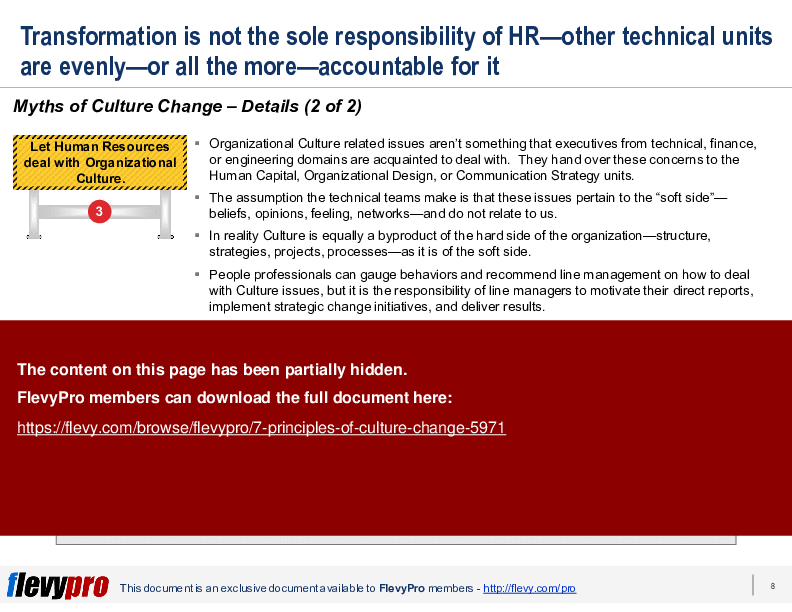
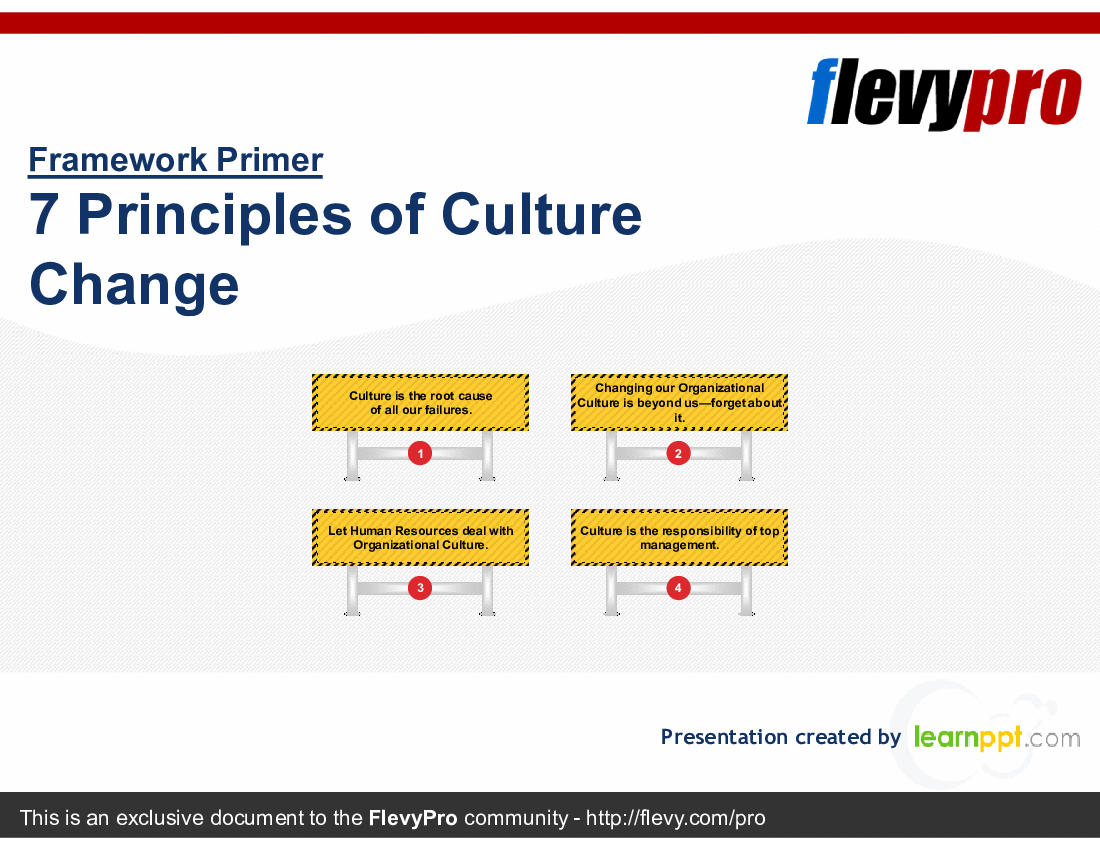
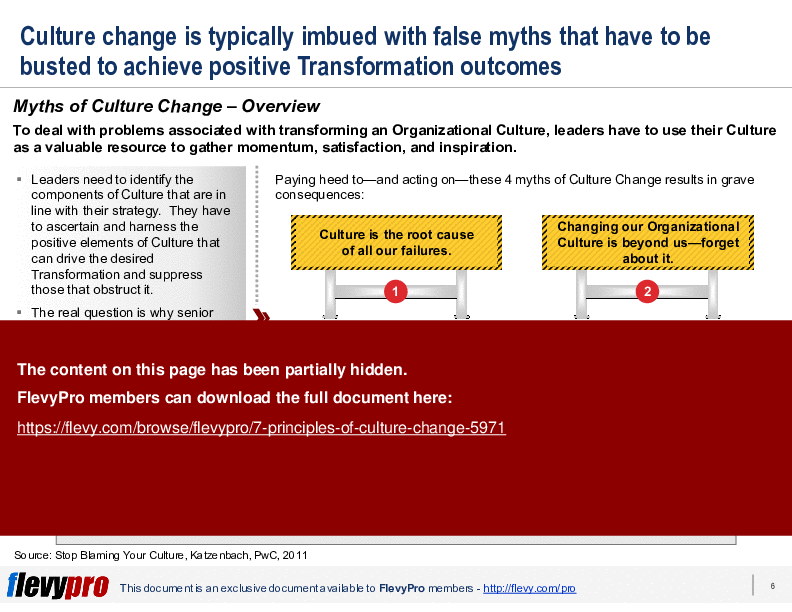
Common myths include beliefs that culture is solely the responsibility of HR, that it is the root cause of all failures, and that changing culture is impossible.
Glossary
• Culture Change - The process of transforming organizational beliefs, behaviors, and practices.
• Cultural Carriers - Individuals who promote and embody desired cultural behaviors.
• Role Model - A person who exemplifies the behaviors that are encouraged within the organization.
• Reinforcement Mechanisms - Tools and strategies used to support and encourage new behaviors.
• Organizational Culture - The shared values, beliefs, and practices that shape how work is done within an organization.
• Behavior Change - The process of altering individual or group behaviors to align with new organizational goals.
• Myths of Culture Change - Common misconceptions that hinder effective cultural transformation.
• Leadership - The act of guiding and influencing others to achieve organizational goals.
• Employee Engagement - The emotional commitment of employees to their organization and its goals.
• Transformation Initiative - A structured effort to change organizational practices and culture.
• Sustainability - The ability to maintain changes over time within the organization.
• Communication Plan - A strategy for conveying information about changes to employees.
Source: Best Practices in Change Management, Corporate Culture PowerPoint Slides: 7 Principles of Culture Change PowerPoint (PPTX) Presentation Slide Deck, LearnPPT Consulting
Did you need more documents?
Consider a FlevyPro subscription from $39/month. View plans here.
For $10.00 more, you can download this document plus 2 more FlevyPro documents. That's just $13 each.
|
Download our FREE Organization, Change, & Culture, Templates
Download our free compilation of 50+ slides and templates on Organizational Design, Change Management, and Corporate Culture. Methodologies include ADKAR, Burke-Litwin Change Model, McKinsey 7-S, Competing Values Framework, etc. |