
This document is a 129-slide PowerPoint presentation that provides an overview of IT Service Management based on the ITIL V3 Best Practice Framework, and is inclusive of the 2011 updates
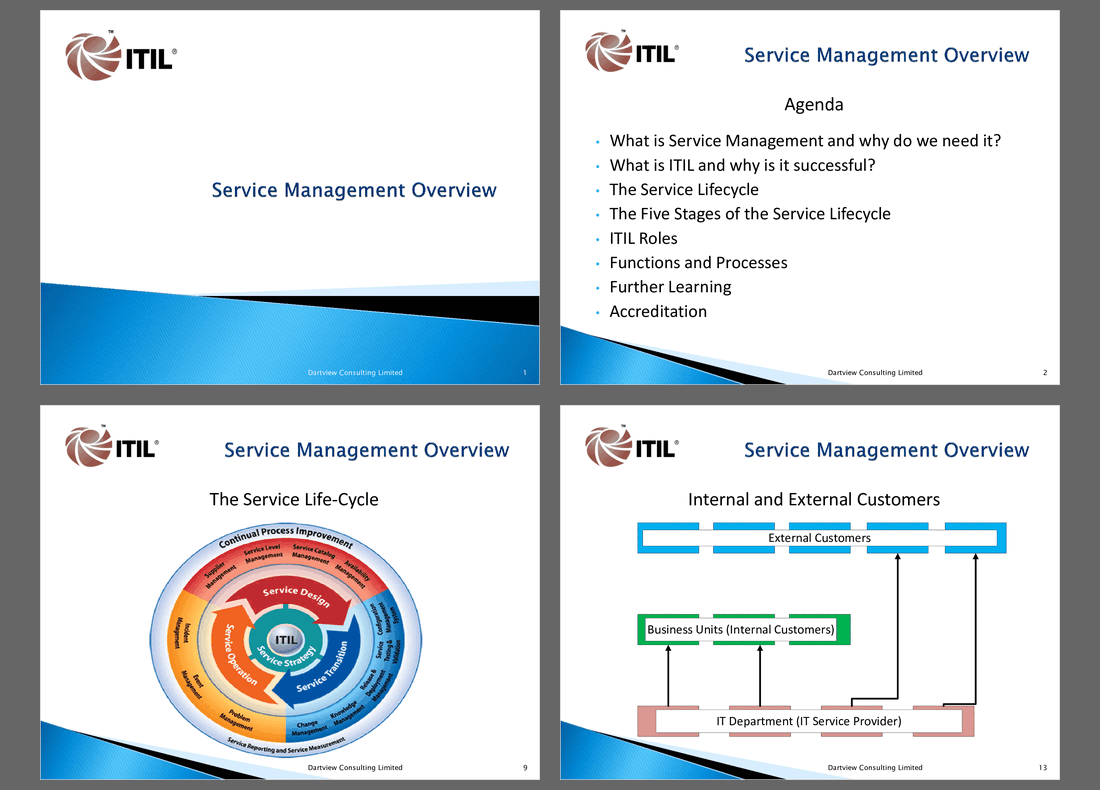
The whole of the Service Lifecycle (Service Strategy, Service Design, Service Transition, Service Operation and Continual Service Improvement) is covered, with many graphical illustration included.
Very easy to customise!!!!
Gain a comprehensive understanding of ITIL V3 Service Management with this 129-slide PowerPoint presentation. The document delves into the core components of the ITIL framework, including Service Strategy, Service Design, Service Transition, Service Operation, and Continual Service Improvement. Each section is meticulously illustrated with graphics to enhance comprehension and retention.
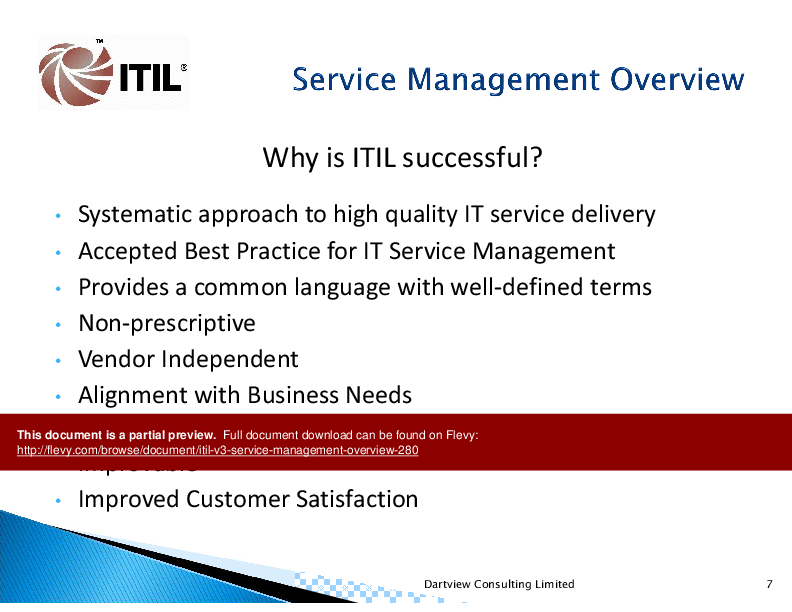
The presentation highlights the systematic approach ITIL offers for high-quality IT service delivery. It emphasizes ITIL's non-prescriptive nature, making it adaptable to various business needs and vendor-independent. The document also underscores the alignment of ITIL practices with business objectives, ensuring improved customer satisfaction and operational efficiency.
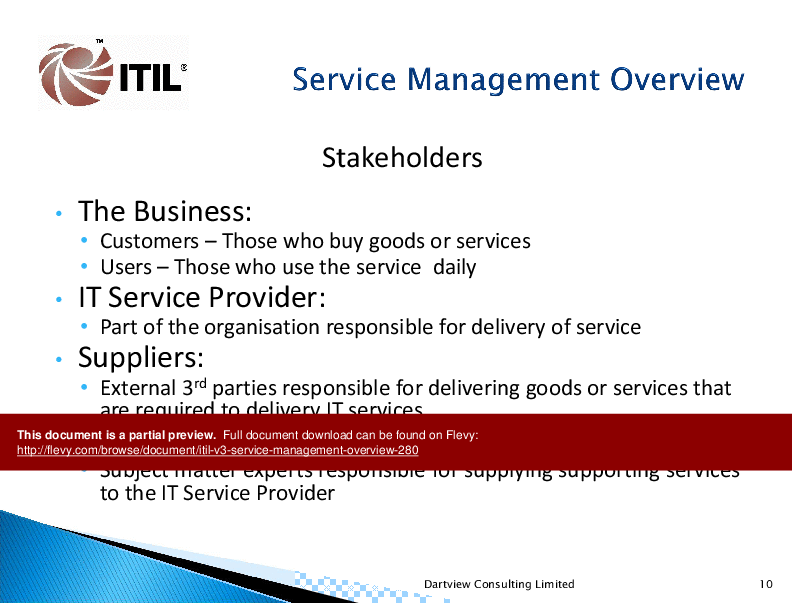
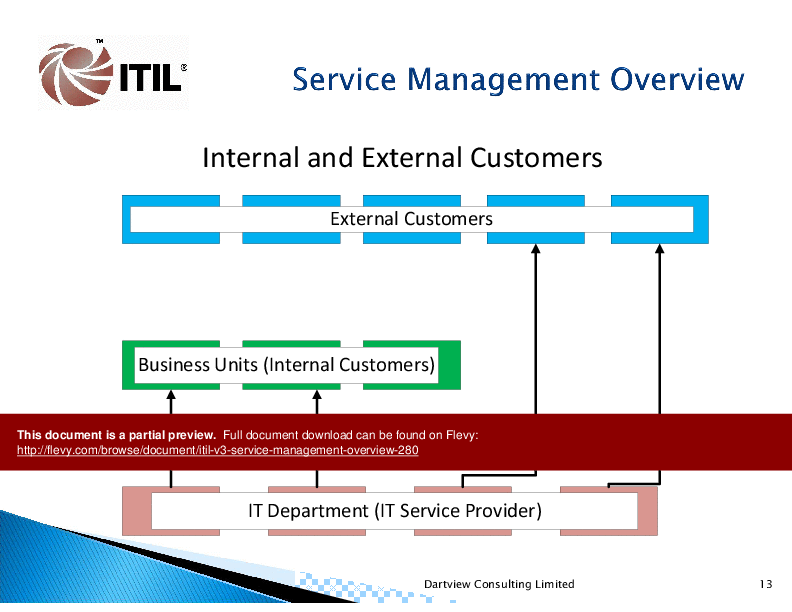
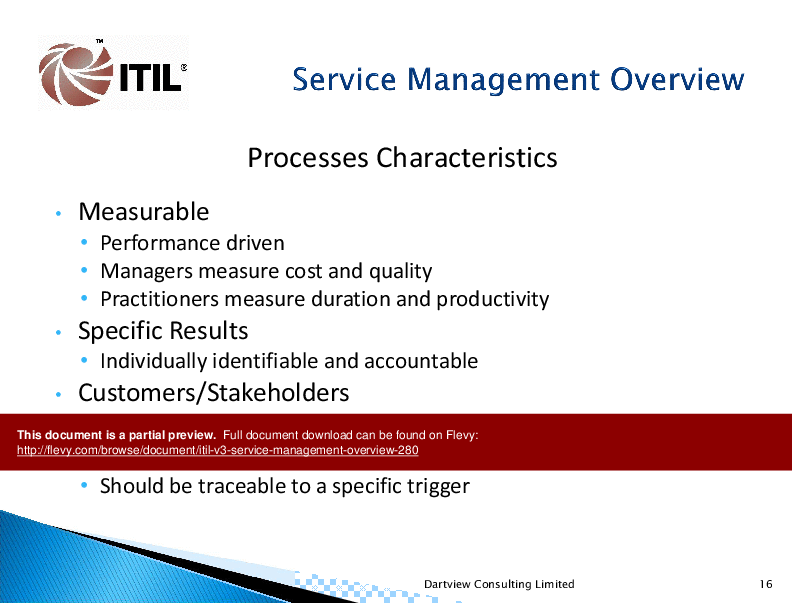
Key stakeholders, including the business, IT service providers, and suppliers, are clearly defined. The document provides insights into the roles and responsibilities of each stakeholder, ensuring a holistic understanding of the service management ecosystem. The presentation also covers the characteristics of processes, emphasizing measurability, specific results, and traceability to specific triggers.
Got a question about the product? Email us at support@flevy.com or ask the author directly by using the "Ask the Author a Question" form. If you cannot view the preview above this document description, go here to view the large preview instead.
Executive Summary
The ITIL V3 Service Management Overview presentation provides a comprehensive introduction to IT service management, focusing on the ITIL framework. This slide deck equips corporate executives, integration leaders, and consultants with essential knowledge about service management principles, the service lifecycle, and key ITIL processes. By utilizing this resource, users will gain insights into aligning IT services with business goals, enhancing customer satisfaction, and implementing continual improvement strategies.
Who This Is For and When to Use
• IT Service Managers responsible for service delivery and improvement.
• Business executives seeking to understand IT's role in achieving business outcomes.
• Consultants advising organizations on IT service management strategies.
• IT professionals involved in implementing ITIL practices within their teams.
Best-fit moments to use this deck:
• During strategic planning sessions to align IT services with business objectives.
• In training sessions for new IT staff on ITIL principles and practices.
• When conducting workshops aimed at improving service delivery and customer satisfaction.
Learning Objectives
• Define IT service management and its importance in modern organizations.
• Describe the ITIL framework and its role in service management.
• Illustrate the 5 stages of the service lifecycle and their interconnections.
• Identify key ITIL roles and their responsibilities in service delivery.
• Explain the significance of service design, transition, operation, and continual improvement.
• Develop strategies for implementing ITIL practices within an organization.
Table of Contents
• What is Service Management and Why Do We Need It? (page 3)
• What is ITIL and Why is it Successful? (page 6)
• The Service Lifecycle (page 8)
• The Five Stages of the Service Lifecycle (page 8)
• ITIL Roles (page 17)
• Functions and Processes (page 15)
• Further Learning (page 127)
• Accreditation (page 128)
Primary Topics Covered
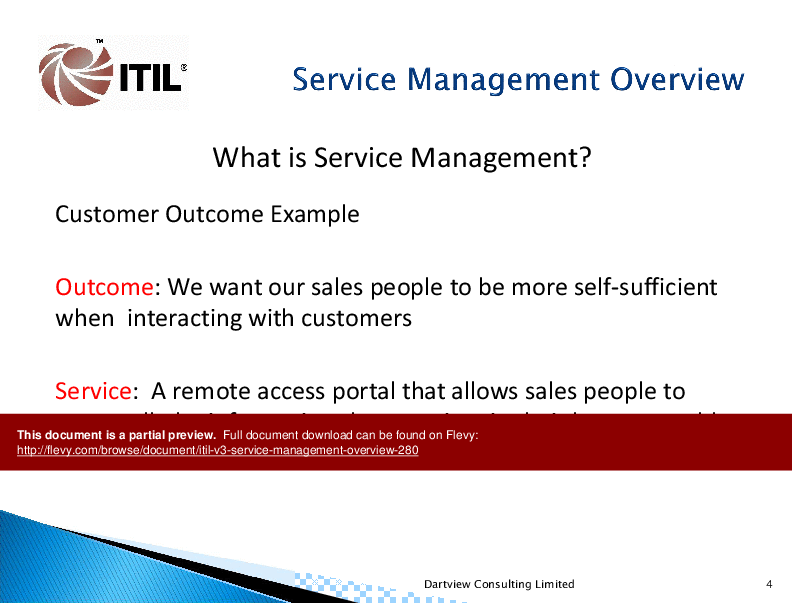
• Service Management - A specialized capability for delivering value to customers through services, emphasizing the importance of aligning IT with business goals.
• ITIL Framework - The most widely adopted approach for IT service management, providing a structured method for planning, delivering, and supporting IT services.
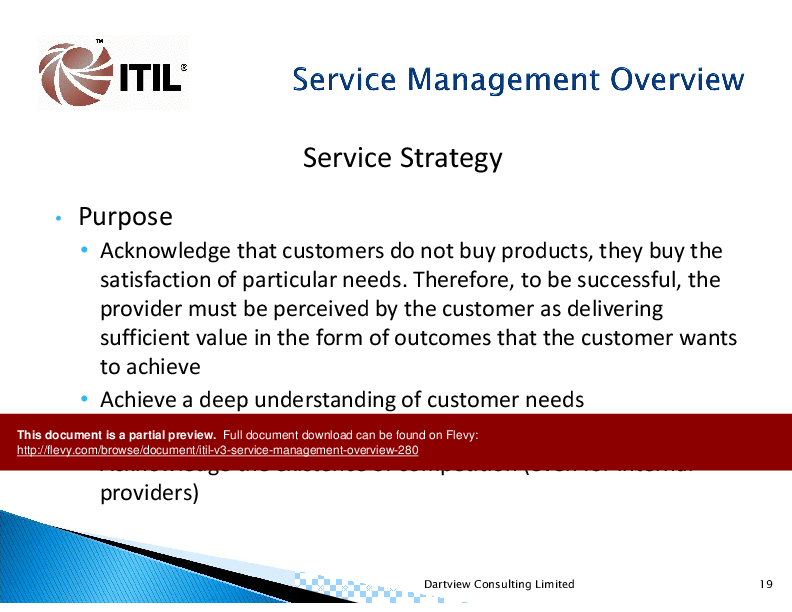
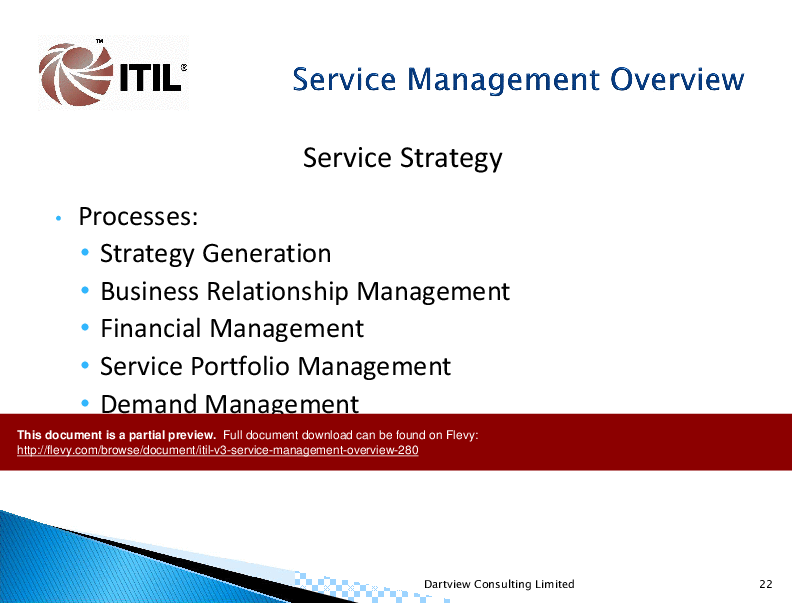
• Service Lifecycle - A comprehensive view of service management, consisting of 5 key stages: Service Strategy, Service Design, Service Transition, Service Operation, and Continual Service Improvement.
• ITIL Roles - Defined roles such as Service Owner and Process Owner that ensure accountability and focus within service management processes.
• Functions and Processes - The operational units and coordinated activities that deliver IT services effectively and efficiently.
• Continuous Service Improvement - A systematic approach to enhancing service quality and operational efficiency through ongoing evaluation and improvement efforts.
Deliverables, Templates, and Tools
• Service Management Framework template for aligning IT services with business objectives.
• Service Lifecycle overview diagram for visualizing the interconnections between service stages.
• Role definitions and responsibilities chart for ITIL roles within an organization.
• Process documentation templates for standardizing service management practices.
• Service Improvement Plan template for tracking and implementing enhancements.
• Knowledge Management System framework for capturing and sharing service-related information.
Slide Highlights
• Overview of Service Management principles and their relevance to business outcomes.
• Detailed explanation of the ITIL framework and its components, emphasizing best practices.
• Visual representation of the Service Lifecycle, illustrating the flow between stages.
• Breakdown of key ITIL roles and their contributions to service delivery.
• Insights into the importance of continual service improvement and its methodologies.
Potential Workshop Agenda
Introduction to ITIL (30 minutes)
• Overview of ITIL and its significance in service management.
• Discussion on the benefits of adopting ITIL practices.
Service Lifecycle Deep Dive (60 minutes)
• Exploration of each stage of the service lifecycle.
• Group activity to map current services to the lifecycle stages.
Roles and Responsibilities (45 minutes)
• Identification of key ITIL roles and their impact on service delivery.
• Interactive session to define roles within participants' organizations.
Continuous Improvement Strategies (30 minutes)
• Discussion on methods for implementing continual service improvement.
• Development of action plans for participants to enhance their service management practices.
Customization Guidance
• Tailor the service management framework to align with specific organizational goals and objectives.
• Adjust role definitions and responsibilities based on the unique structure of your IT team.
• Modify process documentation templates to reflect the specific workflows and tools used within your organization.
• Incorporate organizational metrics and KPIs into the service improvement plan for targeted enhancements.
Secondary Topics Covered
• The importance of aligning IT services with business strategies.
• Techniques for managing customer expectations and satisfaction.
• The role of technology in supporting service management processes.
• Best practices for stakeholder engagement in service delivery.
• Overview of related standards and frameworks, including ISO/IEC 20000 and COBIT.
FAQ
What is the primary purpose of IT service management?
IT service management aims to deliver value to customers by aligning IT services with business needs and facilitating desired outcomes without the ownership of specific costs and risks.
Why is ITIL considered successful?
ITIL is successful due to its systematic approach to high-quality IT service delivery, providing a common language, predictable processes, and improved customer satisfaction.
What are the 5 stages of the service lifecycle?
The 5 stages are Service Strategy, Service Design, Service Transition, Service Operation, and Continual Service Improvement, each contributing to effective service management.
What roles are defined within ITIL?
Key roles include Service Owner, accountable for service delivery, and Process Owner, responsible for specific processes, ensuring focus and accountability.
How does continual service improvement work?
Continual service improvement involves ongoing evaluation and enhancement of service quality and processes, using defined metrics and improvement plans.
What is the significance of the service catalogue?
The service catalogue provides a structured document detailing all live services, supporting the sale and delivery of IT services to customers.
How can organizations implement ITIL practices?
Organizations can implement ITIL practices by adopting the framework's principles, defining roles, and establishing processes that align with their specific needs.
What are the benefits of aligning IT with business goals?
Aligning IT with business goals enhances service delivery, improves customer satisfaction, and demonstrates the value of IT investments to stakeholders.
Glossary
• Service Management - A set of specialized capabilities for delivering value to customers through services.
• ITIL - Information Technology Infrastructure Library; a framework for IT service management best practices.
• Service Lifecycle - The stages through which a service passes, from inception to retirement.
• Service Owner - The individual responsible for the delivery of a specific service.
• Process Owner - The individual accountable for a specific process within service management.
• Continual Service Improvement - An ongoing effort to improve services and processes.
• Service Catalogue - A structured document detailing all live services available to customers.
• Stakeholders - Individuals or groups with an interest in the service delivery and outcomes.
• Service Level Agreement (SLA) - A formal agreement defining service expectations between the service provider and the customer.
• Configuration Management System (CMS) - A system for managing service assets and configuration items.
• Knowledge Management - The process of capturing, distributing, and effectively using knowledge within an organization.
• Capacity Management - The process of ensuring that IT infrastructure is provided at the right time in the right volume at the right price.
• Availability Management - The process of ensuring that IT services are available as needed by the business.
• Incident Management - The process of restoring normal service operation as quickly as possible after an incident.
• Problem Management - The process of identifying and managing the root causes of incidents.
• Change Management - The process of controlling the lifecycle of all changes to minimize disruption.
• Release Management - The process of planning, scheduling, and controlling the build, testing, and deployment of releases.
• Supplier Management - The process of managing supplier relationships and contracts.
• Service Design - The process of designing new or changed services to meet business requirements.
• Service Transition - The process of transitioning new or changed services into operation.
Source: Best Practices in ITIL, MIS, SLM PowerPoint Slides: ITIL V3 Service Management Overview PowerPoint (PPTX) Presentation Slide Deck, Dartview Consulting
This document is available as part of the following discounted bundle(s):

Save %!
Everything ITIL!
This bundle contains 4 total documents. See all the documents to the right.
Save %!
Best Practice (ITIL, Prince2, Risk)
This bundle contains 9 total documents. See all the documents to the right.
|
Download our FREE Digital Transformation Templates
Download our free compilation of 50+ Digital Transformation slides and templates. DX concepts covered include Digital Leadership, Digital Maturity, Digital Value Chain, Customer Experience, Customer Journey, RPA, etc. |









