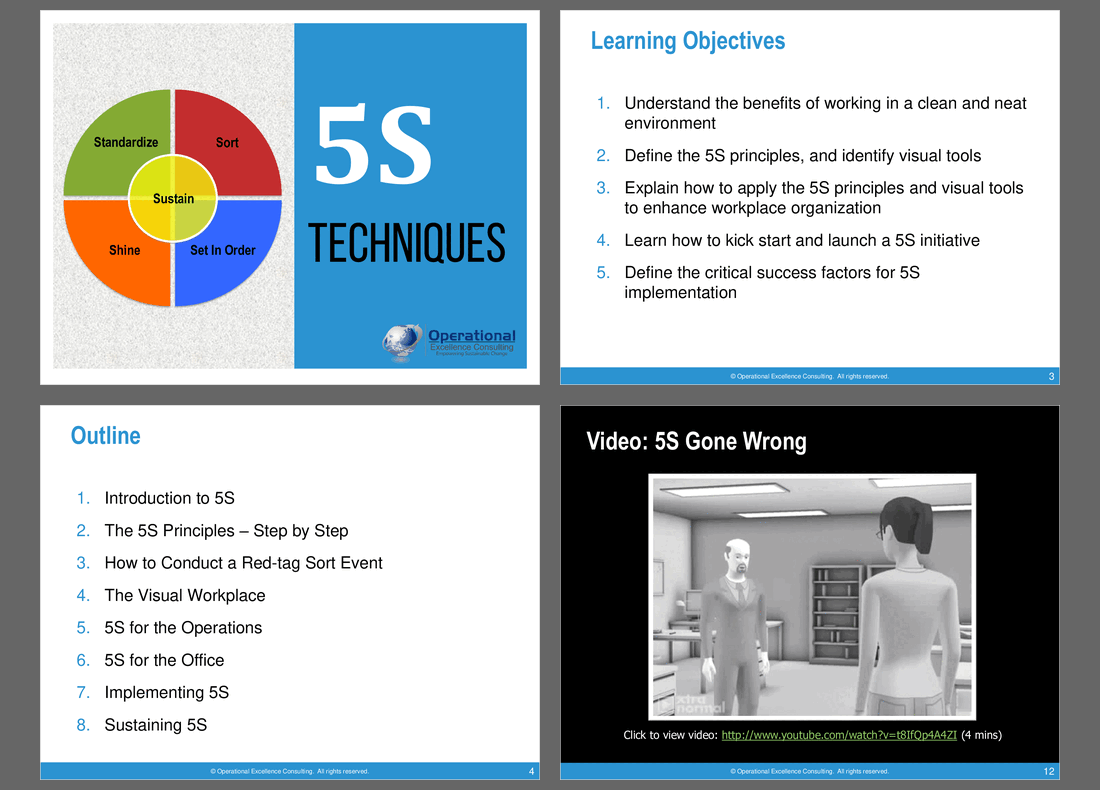
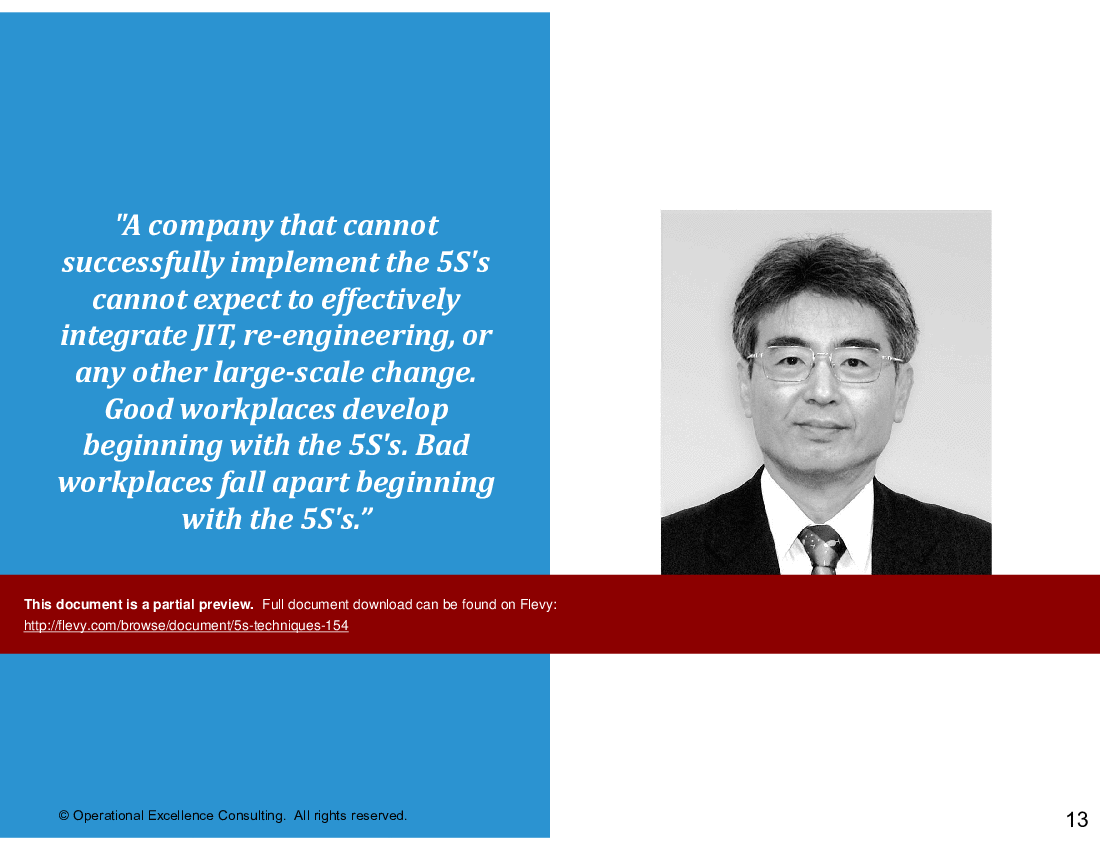
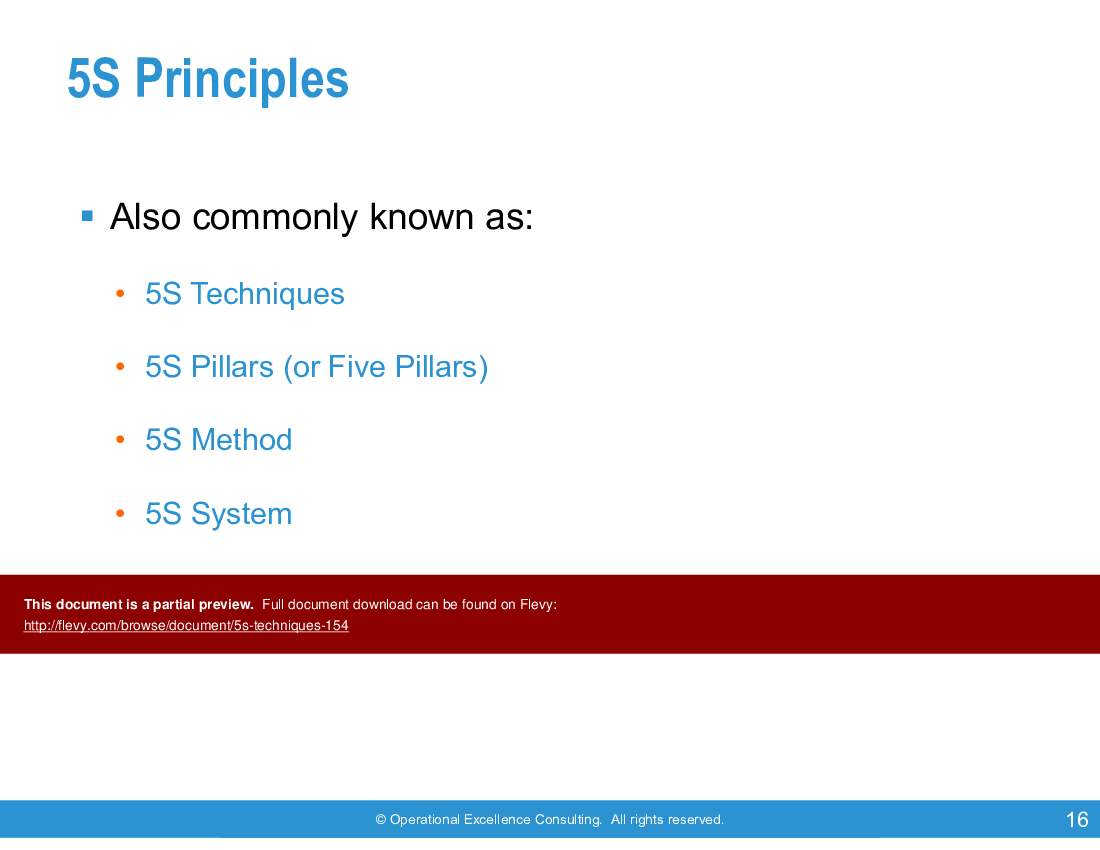
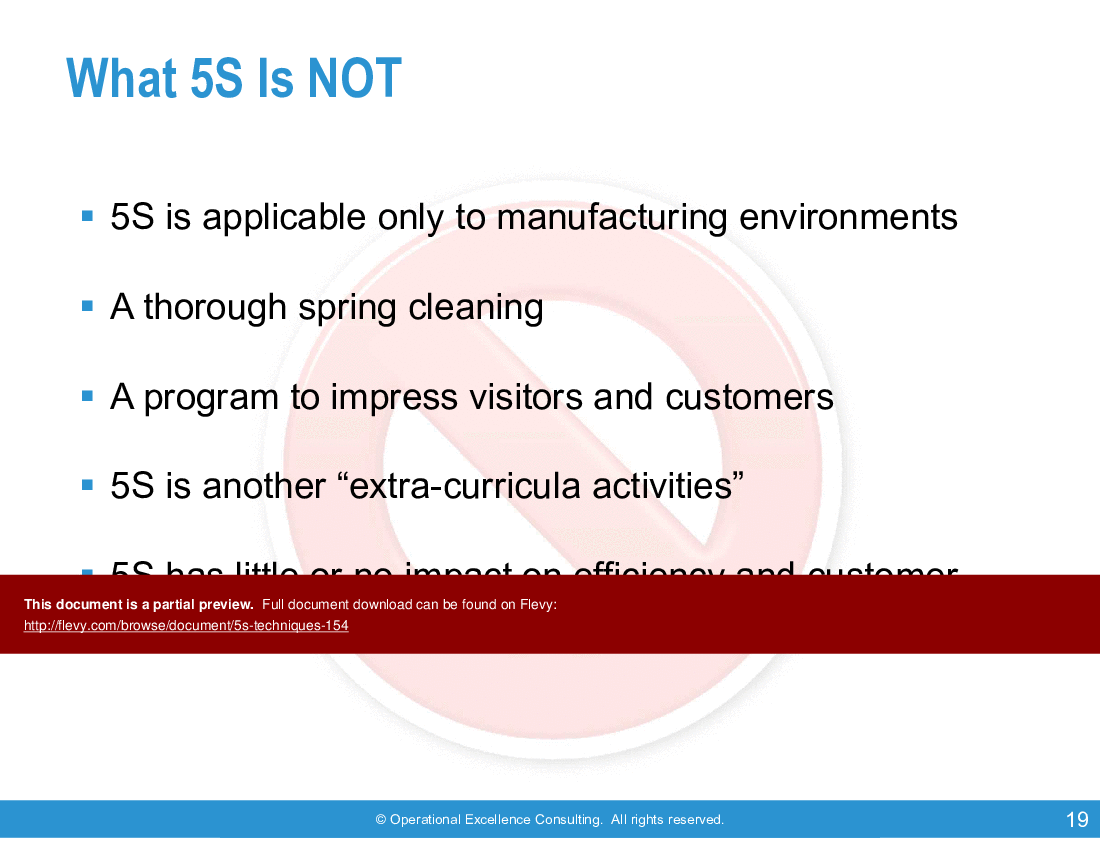

5S good housekeeping and workplace organization is a set of basic management principles that are widely adopted in industries today. Also commonly known as 5S System, 5S Method and 5S Pillars, the cornerstone of 5S is that untidy, cluttered work areas are unproductive. 5S is a powerful improvement process that gets impressive results. In a nutshell, the five principles or pillars are defined as Sort, Set in Order, Shine, Standardize, and Sustain. Because these words begin with S, they are commonly referred to as 5S.
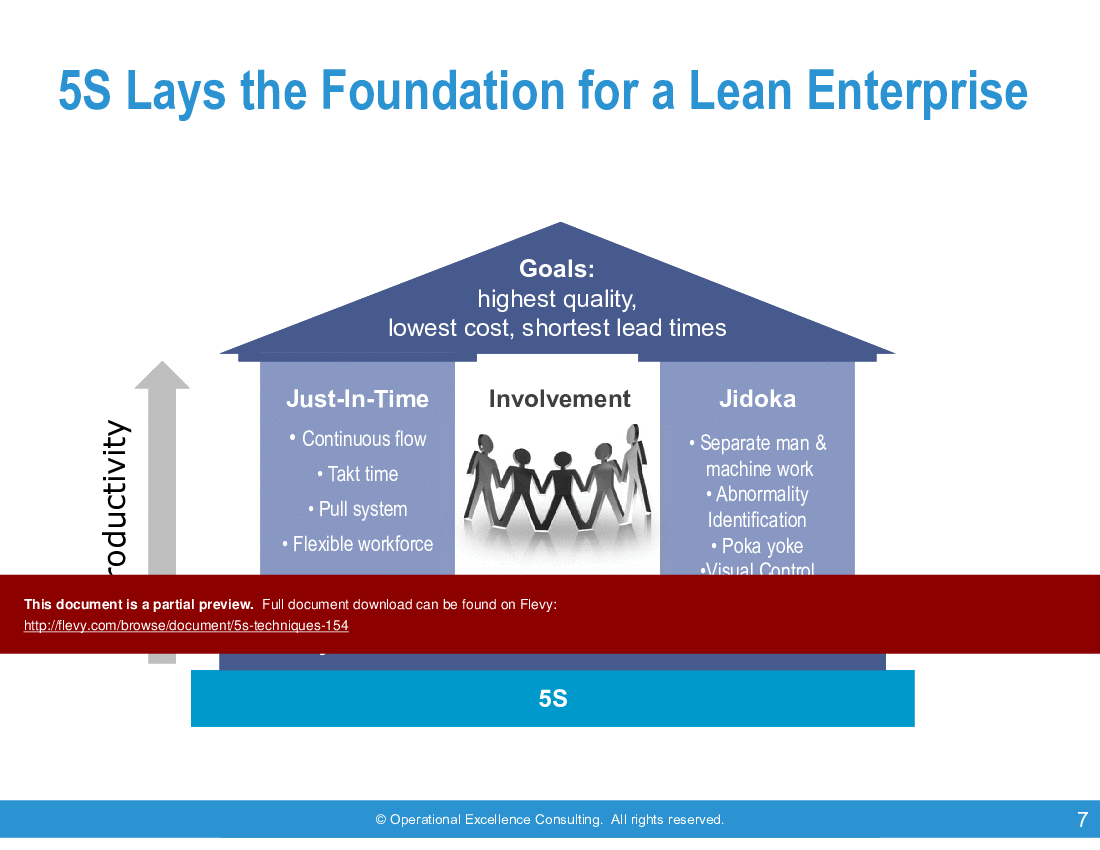
5S can be applied to make your workplace cleaner and safer and your job simpler and more satisfying. It is about how to create a workplace that is clearly organized, free of clutter, arranged so you can easily find things, and sparkling clean—a place where anyone would be proud to work. In addition, 5S principles form the core elements of Lean thinking and a visual workplace and are a fundamental platform for world-class manufacturing.
In this 5S Techniques PPT training presentation targeted at both manufacturing and office staff, you will learn how to mobilize employees and align your management team to launch or improve a 5S and Visual Management implementation in your organization. The presentation covers 5S and Visual Management best practices, step-by-step implementation guidance, and the best ways to integrate lean 5S into the organization's culture to achieve sustainable world-class excellence.
||||||||||||||||||||||||||||||||||||||||||||||||||||||||||||||||||||||||||||||||||||||||||||||||||||||||||||||||||||||||||||||||||||||||||||||||||||||
This training package includes:
1. 5S Techniques PPT training presentation (PowerPoint format)
2. 5S poster (PDF format, in color and monochrome, printable in A3/A4 size)
||||||||||||||||||||||||||||||||||||||||||||||||||||||||||||||||||||||||||||||||||||||||||||||||||||||||||||||||||||||||||||||||||||||||||||||||||||||
LEARNING OBJECTIVES
1. Understand the benefits of working in a clean and neat environment.
2. Define the 5S principles, and identify visual tools.
3. Explain how to apply the 5S principles and visual tools to enhance workplace organization.
4. Learn how to kick start and launch a 5S initiative.
5. Define the critical success factors for 5S implementation.
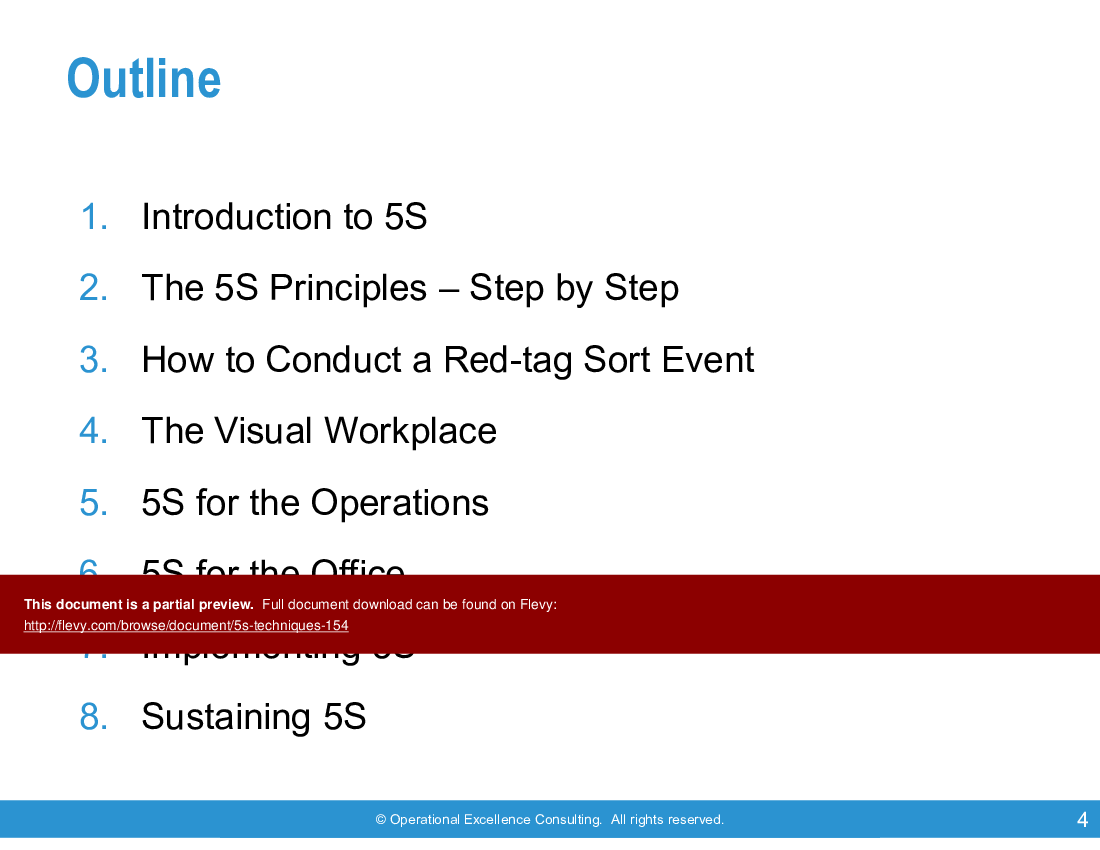
CONTENTS
1. Introduction to 5S
2. The 5S Principles
3. How to Conduct a Red-tag Sort Event
4. The Visual Workplace
5. 5S for the Operations
6. 5S for the Office
7. Implementing 5S
8. Sustaining 5S
This presentation also emphasizes the importance of identifying red-tag targets and conducting thorough sorting events to eliminate waste. It provides practical tips for sustaining 5S through regular management reviews and employee engagement.
Got a question about the product? Email us at support@flevy.com or ask the author directly by using the "Ask the Author a Question" form. If you cannot view the preview above this document description, go here to view the large preview instead.
Executive Summary
The "5S Techniques" presentation is a structured training resource designed to enhance workplace organization and standardization through the implementation of the 5S methodology. Developed by a Certified Lean Six Sigma Black Belt with extensive experience at Microsoft, IBM, and Panasonic, this presentation provides actionable insights into the 5 core principles: Sort, Set in Order, Shine, Standardize, and Sustain. It serves as a foundational tool for organizations aiming to achieve operational excellence, reduce waste, and foster a culture of continuous improvement. By utilizing this presentation, teams can effectively launch and sustain 5S initiatives across various environments, including manufacturing and office settings.
Who This Is For and When to Use
• Operations managers seeking to improve workplace efficiency and organization
• Lean practitioners and continuous improvement teams responsible for implementing 5S
• HR and training professionals focused on employee engagement and workplace culture
• Facility managers looking to enhance safety and cleanliness in work areas
Best-fit moments to use this deck:
• During training sessions for new employees on workplace organization
• As part of a kickoff for a 5S initiative or continuous improvement program
• In workshops aimed at identifying and eliminating waste in operations
Learning Objectives
• Understand the benefits of maintaining a clean and organized workplace
• Define the 5S principles and identify relevant visual tools
• Explain how to apply 5S principles to enhance workplace organization
• Learn how to initiate and launch a 5S initiative effectively
• Define critical success factors for successful 5S implementation
Table of Contents
• Introduction to 5S (page 1)
• The 5S Principles – Step by Step (page 2)
• How to Conduct a Red-tag Sort Event (page 3)
• The Visual Workplace (page 4)
• 5S for the Operations (page 5)
• 5S for the Office (page 6)
• Implementing 5S (page 7)
• Sustaining 5S (page 8)
Primary Topics Covered
• Introduction to 5S - Overview of the 5S methodology as a structured program for workplace organization and standardization.
• 5S Principles - Detailed explanation of the 5 disciplines: Sort, Set in Order, Shine, Standardize, and Sustain.
• Conducting a Red-tag Sort Event - Step-by-step guidance on organizing and tagging items to eliminate unnecessary clutter.
• The Visual Workplace - Techniques for enhancing workplace visibility and communication through visual management tools.

• 5S for Operations - Application of 5S principles specifically tailored for operational environments to improve safety and productivity.
• 5S for the Office - Adaptation of 5S principles for office settings to enhance organization and efficiency.
• Implementing 5S - A structured approach to launching and executing a 5S initiative within an organization.
• Sustaining 5S - Strategies for maintaining 5S practices over time to ensure continuous improvement.
Deliverables, Templates, and Tools
• 5S implementation plan template
• Red-tagging process guide
• Visual management checklist
• 5S audit checklist
• Training materials for 5S workshops
• Communication templates for 5S initiatives
Slide Highlights
• Overview of the 5S principles with visual representations
• Step-by-step guide for conducting a Red-tag sort event
• Examples of effective visual management techniques
• Before-and-after case studies illustrating successful 5S implementation
• Key metrics for measuring the impact of 5S initiatives
Potential Workshop Agenda
Introduction to 5S (30 minutes)
• Overview of 5S principles and benefits
• Discussion on the importance of workplace organization
Red-tag Sort Event (60 minutes)
• Hands-on activity to practice sorting and tagging items
• Group discussion on challenges and solutions
Visual Workplace Techniques (45 minutes)
• Presentation on visual management tools
• Interactive session to identify opportunities for visual improvements
Sustaining 5S (30 minutes)
• Strategies for maintaining 5S practices
• Planning for ongoing training and audits
Customization Guidance
• Tailor the presentation to reflect specific organizational terminology and processes
• Incorporate company-specific examples and case studies to enhance relevance
• Adjust the training duration and activities based on audience size and experience level
Secondary Topics Covered
• Integration of 5S with other continuous improvement initiatives
• Employee engagement strategies in 5S implementation
• Safety considerations in the context of 5S
• Measuring the effectiveness of 5S initiatives
FAQ
What is the purpose of 5S?
5S aims to create a clean, organized, and efficient workplace by making problems visible and establishing standards for maintaining order.
How can 5S be applied in non-manufacturing environments?
5S principles can be adapted for office settings, service industries, and any environment where organization and efficiency are critical.
What are the critical success factors for 5S implementation?
Key factors include management commitment, employee involvement, adequate training, and regular audits to sustain practices.
How often should 5S audits be conducted?
Regular audits should be conducted monthly or quarterly to ensure adherence to 5S standards and identify areas for improvement.
Can 5S be integrated with other continuous improvement initiatives?
Yes, 5S can complement initiatives such as Lean, Six Sigma, and Total Quality Management by providing a foundation for operational excellence.
What tools can help sustain 5S practices?
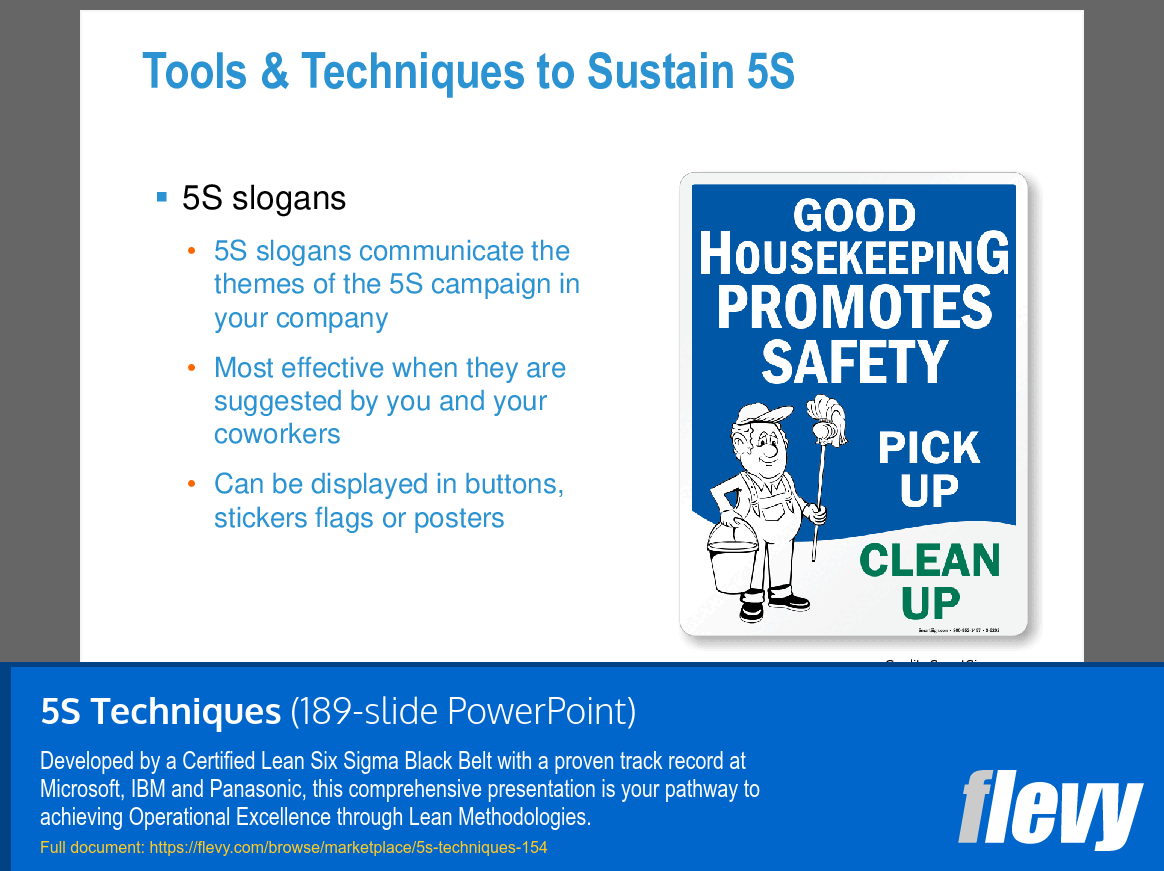
Visual management tools, regular training sessions, and employee recognition programs can help maintain 5S practices over time.
How do I engage employees in the 5S process?
Involve employees in decision-making, provide training, and encourage feedback to foster a sense of ownership in the 5S initiative.
What are common challenges in implementing 5S?
Resistance to change, lack of management support, and insufficient training can hinder successful implementation of 5S.
Glossary
• 5S - A methodology for organizing and standardizing the workplace.
• Sort - The process of removing unnecessary items from the workplace.
• Set in Order - Arranging essential items for easy access.
• Shine - Cleaning the workplace to maintain a tidy environment.
• Standardize - Establishing guidelines to maintain the first 3 S's.
• Sustain - Making 5S a habit and ensuring ongoing adherence to standards.
• Red-tagging - A method for identifying and sorting unnecessary items.
• Visual Management - Tools and techniques for enhancing visibility and communication in the workplace.
• Continuous Improvement - Ongoing efforts to improve products, services, or processes.
• Kaizen - A Japanese term meaning "continuous improvement."
• Lean - A methodology focused on minimizing waste while maximizing productivity.
• Poka Yoke - Mistake-proofing techniques to prevent errors in processes.
• Audit - A systematic examination of a process or system to ensure compliance with standards.
• Engagement - Involvement and commitment of employees in organizational initiatives.
• Waste - Any activity that does not add value to the product or service.
• Training Within Industry (TWI) - A training program designed to improve job skills and productivity.
• Visual Controls - Tools used to make processes and standards visible to all employees.
• Gemba - A Japanese term meaning "the real place," referring to where work is done.
• Standard Work - Documented best practices for performing tasks efficiently and effectively.
Source: Best Practices in Operational Excellence, Process Improvement, Visual Workplace PowerPoint Slides: 5S Techniques PowerPoint (PPTX) Presentation Slide Deck, Operational Excellence Consulting
This document is available as part of the following discounted bundle(s):
Save %!
5S Essentials Toolkit
This bundle contains 2 total documents. See all the documents to the right.
Save %!
5S Training & Audit Checklist for Manufacturing Companies
This bundle contains 2 total documents. See all the documents to the right.
Save %!
5S Leader Toolkit
This bundle contains 3 total documents. See all the documents to the right.
Save %!
5S Facilitator Toolkit
This bundle contains 4 total documents. See all the documents to the right.
Save %!
Kaizen Consultant Toolkit
This bundle contains 5 total documents. See all the documents to the right.
Save %!
Lean Essentials for Shopfloor Improvement Training Package
This bundle contains 6 total documents. See all the documents to the right.
Save %!
5S Consultant Toolkit
This bundle contains 5 total documents. See all the documents to the right.
Save %!
Complete 5S Toolkit
This bundle contains 7 total documents. See all the documents to the right.
|
Receive our FREE presentation on Operational Excellence
This 50-slide presentation provides a high-level introduction to the 4 Building Blocks of Operational Excellence. Achieving OpEx requires the implementation of a Business Execution System that integrates these 4 building blocks. |