
With recent developments and challenges, such as the impact of COVID-19, the extent of organisation flux is predicted to rapidly increase, such that many organisations are likely to be in a nearly permanent state of organisational flux. We can characterize organisational flux as the continuous transition of people and ideas through an organisation at a high rate, thus acting as a force on organisational structure and processes.
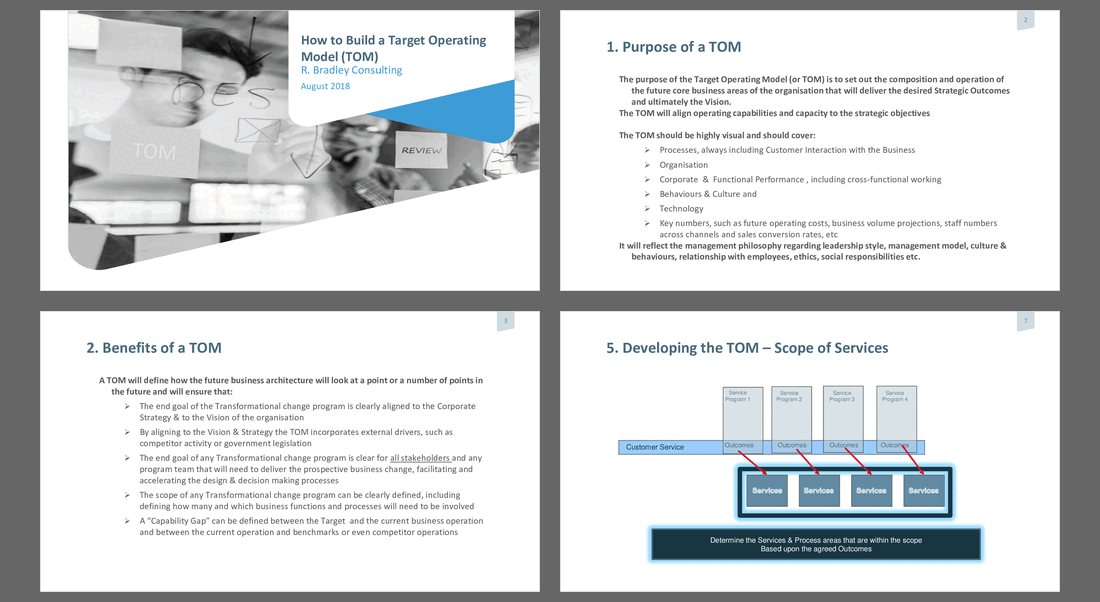
This comprehensive PowerPoint presentation provides a clear framework for conducting and structuring organisational design work or evolving Target Operating Models. Applicable to whole organisations or divisions/sections of organisations, it takes you through the whole life journey from "why" to examples of "how".
This presentation outlines the stages and steps required to build a organisation design – Target Operating Model (TOM). The TOM is the desired "to be" operating model of the organisation. Having a TOM is critical to the success of an organisation, as it provides a clear blueprint for how an organization will operate in the future. It defines the desired state of processes, systems, and structures, aligns resources and capabilities, and enables efficient operations, agility, and effective delivery of business objectives.
This PPT on Target Operating Model design includes the following views:
1. What is the purpose of a Target Operating Model (TOM)
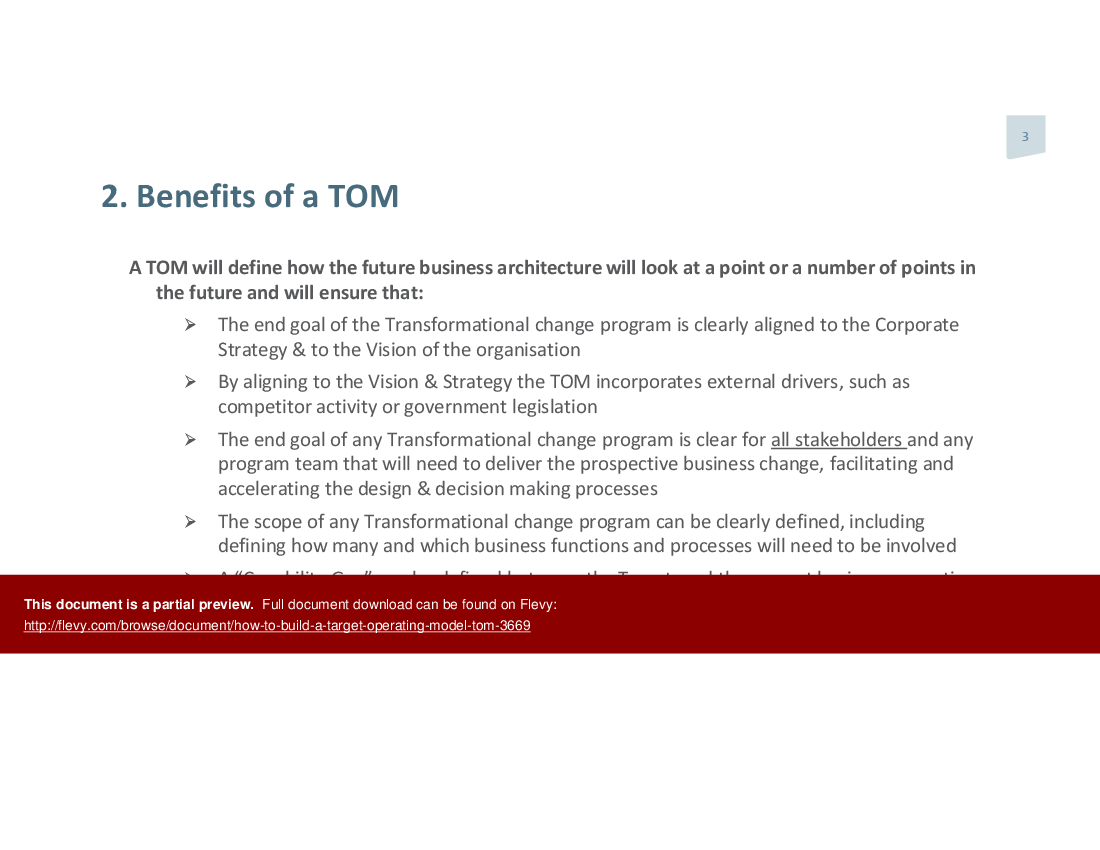
2. What are the benefits of a Target Operating Model (TOM)
3. Building an example Target Operating Model (TOM)
4. Transformation Scope
5. Developing the Target Operating Model (TOM)
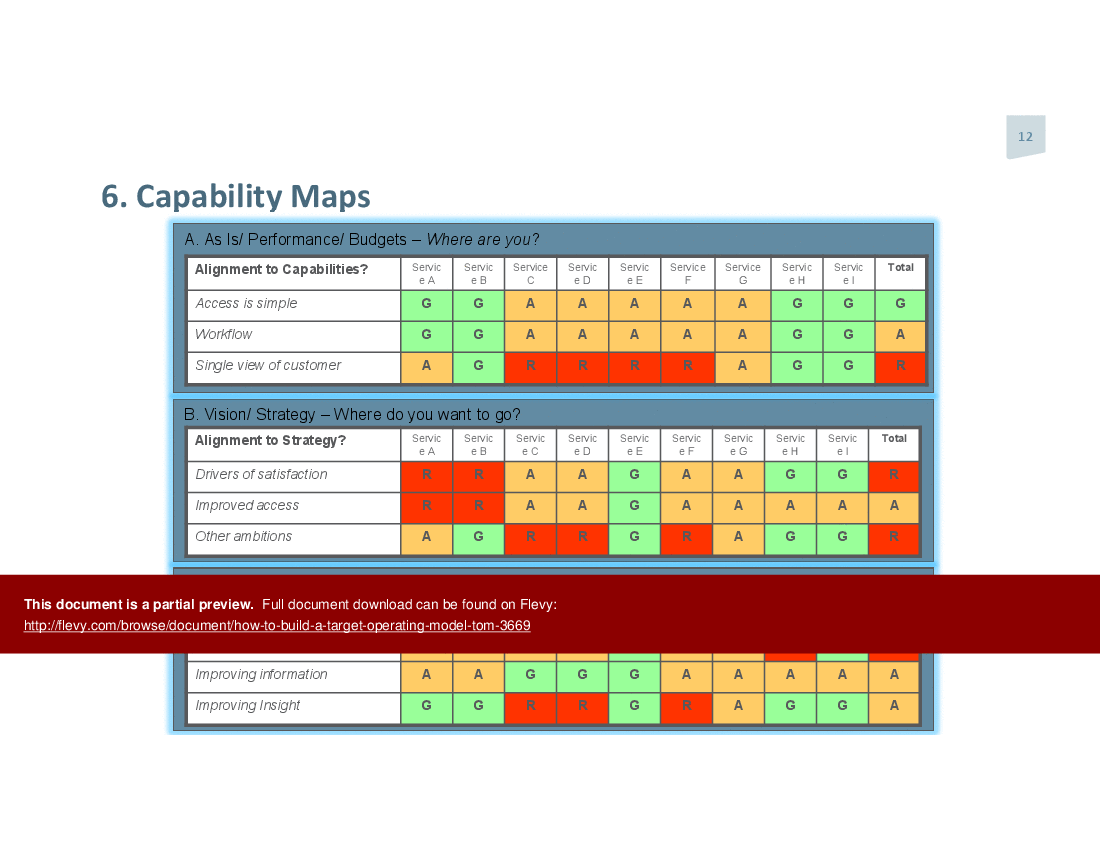
6. Capability Maps
7. Developing the Target Operating Model (TOM) – Questions
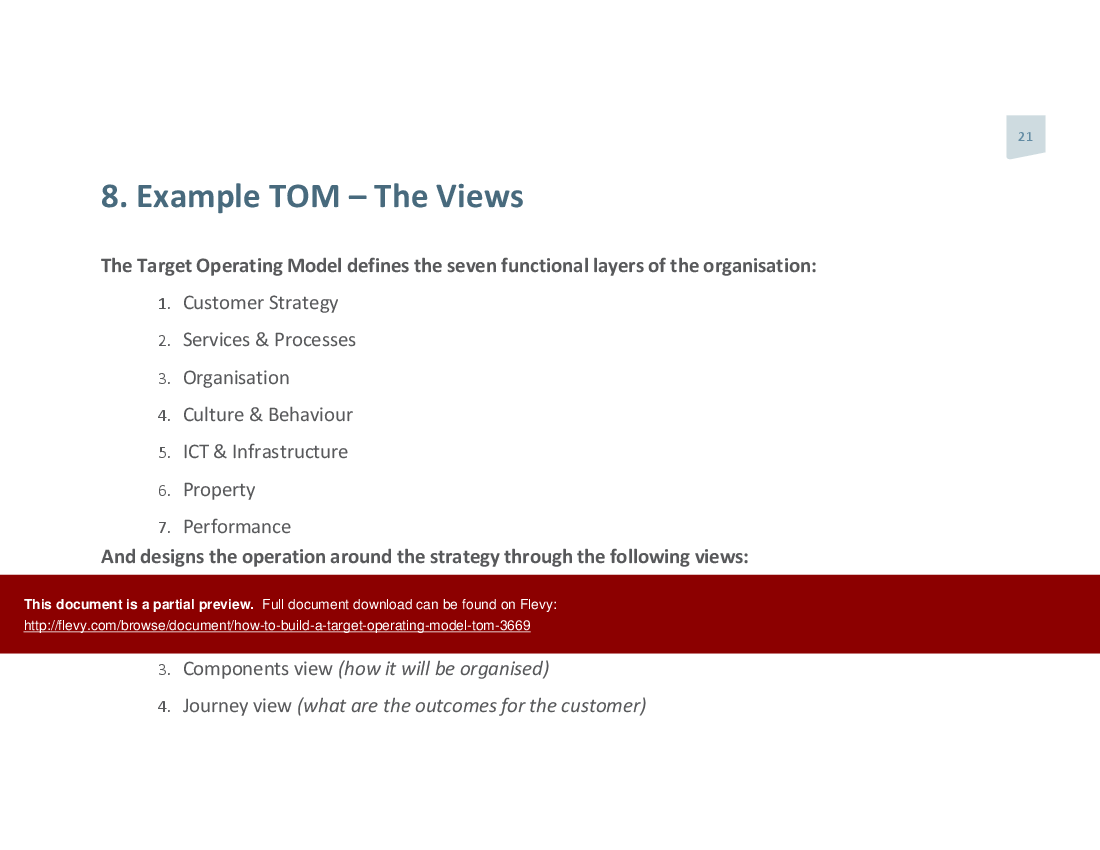
8. Example of a Target Operating Model (TOM)
Eminently useful for consulting organisations conducting organisational designs and Target Operating Model (TOM) engagements, it is also very useful for end user organisations who are conducting their own organisation redesign efforts. The document can be used as a framework or methodology to guide or provide a comprehensive checklist of points along the journey or stages one should go through.
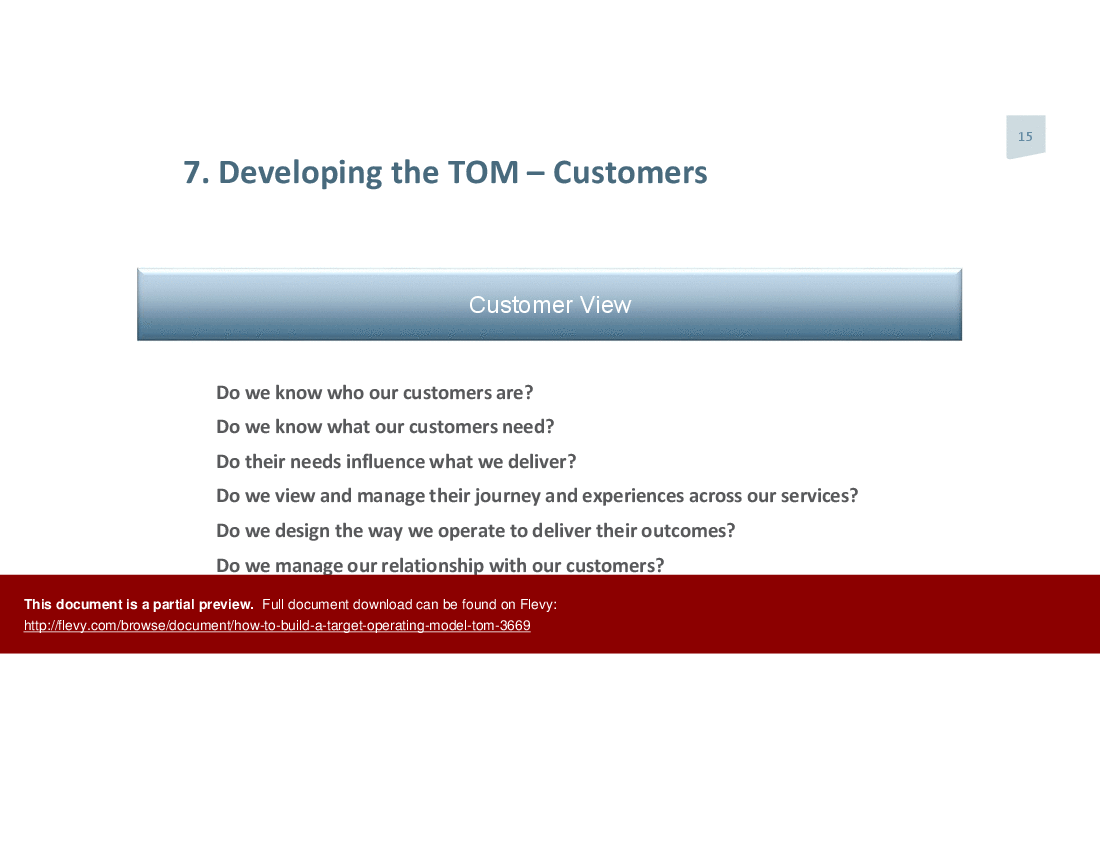
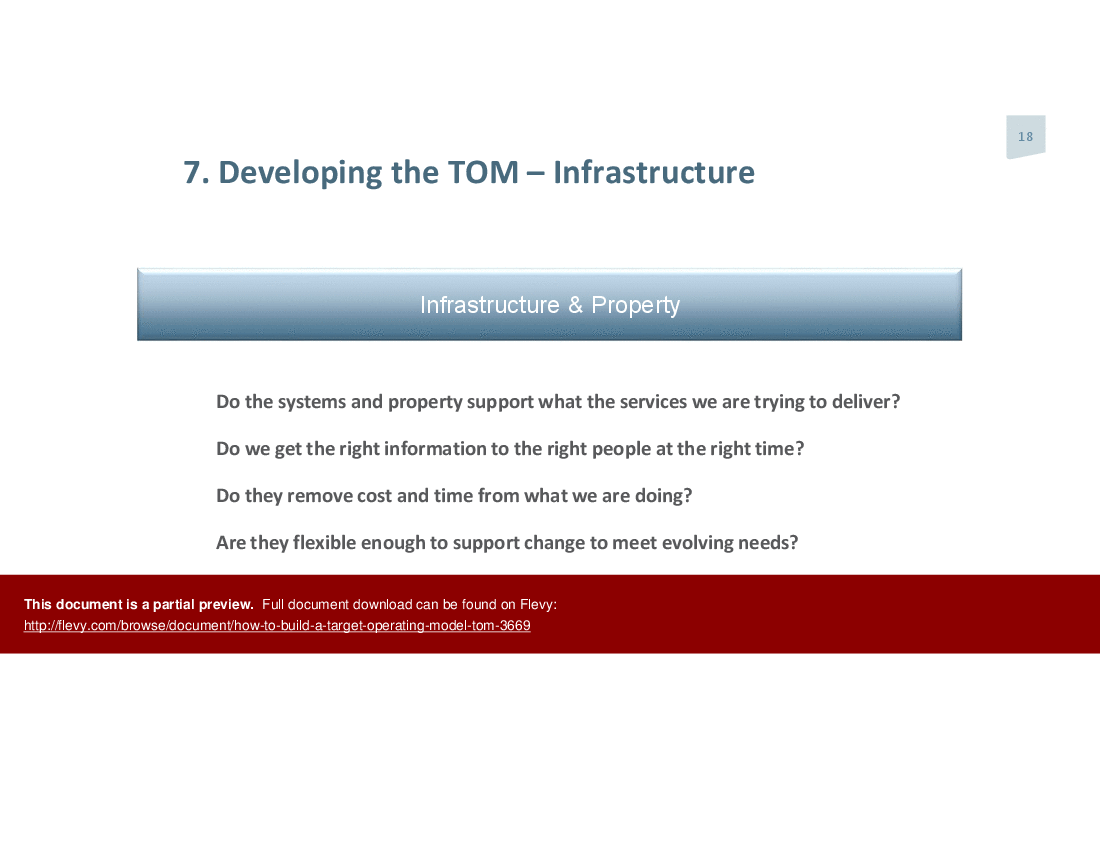
This PPT also delves into the critical aspects of customer view and infrastructure, ensuring alignment with strategic goals. Capability maps and functional layers are meticulously detailed to guide you through the transformation process.
Got a question about the product? Email us at support@flevy.com or ask the author directly by using the "Ask the Author a Question" form. If you cannot view the preview above this document description, go here to view the large preview instead.
Executive Summary
The "How to Build a Target Operating Model (TOM)" presentation provides a structured approach for organizations aiming to define and implement an effective Target Operating Model. This comprehensive PowerPoint deck outlines the purpose, benefits, and development process of a TOM, ensuring alignment with strategic objectives and enhancing operational efficiency. Users will gain insights into the critical components of a TOM, including capability maps, transformation scope, and the importance of customer interaction. This resource is designed to facilitate stakeholder buy-in and guide organizations through their transformation journeys.
Who This Is For and When to Use
• Corporate executives overseeing strategic transformations
• Integration leaders responsible for aligning operational capabilities with business goals
• Consultants advising organizations on operational improvements
• Project managers tasked with implementing change initiatives
Best-fit moments to use this deck:
• During strategic planning sessions to align operational capabilities with corporate vision
• In workshops focused on defining transformation scopes and outcomes
• When developing capability maps to assess current versus desired states
• For stakeholder presentations to gain buy-in on proposed operational changes
Learning Objectives
• Define the purpose and components of a Target Operating Model
• Identify the benefits of implementing a TOM in alignment with corporate strategy
• Develop a comprehensive transformation scope that includes all relevant service areas
• Create capability maps to assess current and future operational needs
• Establish frameworks for measuring performance and customer satisfaction
• Design a visual TOM that effectively communicates complex details to stakeholders
Table of Contents
• Purpose of a TOM (page 3)
• Benefits of a TOM (page 4)
• Building an Example TOM (page 5)
• Transformation Scope (page 6)
• Developing the TOM (page 7)
• Capability Maps (page 11)
• Example of a TOM (page 13)
• Summary (page 34)
Primary Topics Covered
• Purpose of a TOM - The TOM outlines the future operational structure necessary to achieve strategic objectives and desired outcomes.
• Benefits of a TOM - A TOM aligns operational capabilities with corporate strategy, facilitating stakeholder understanding and accelerating decision-making.
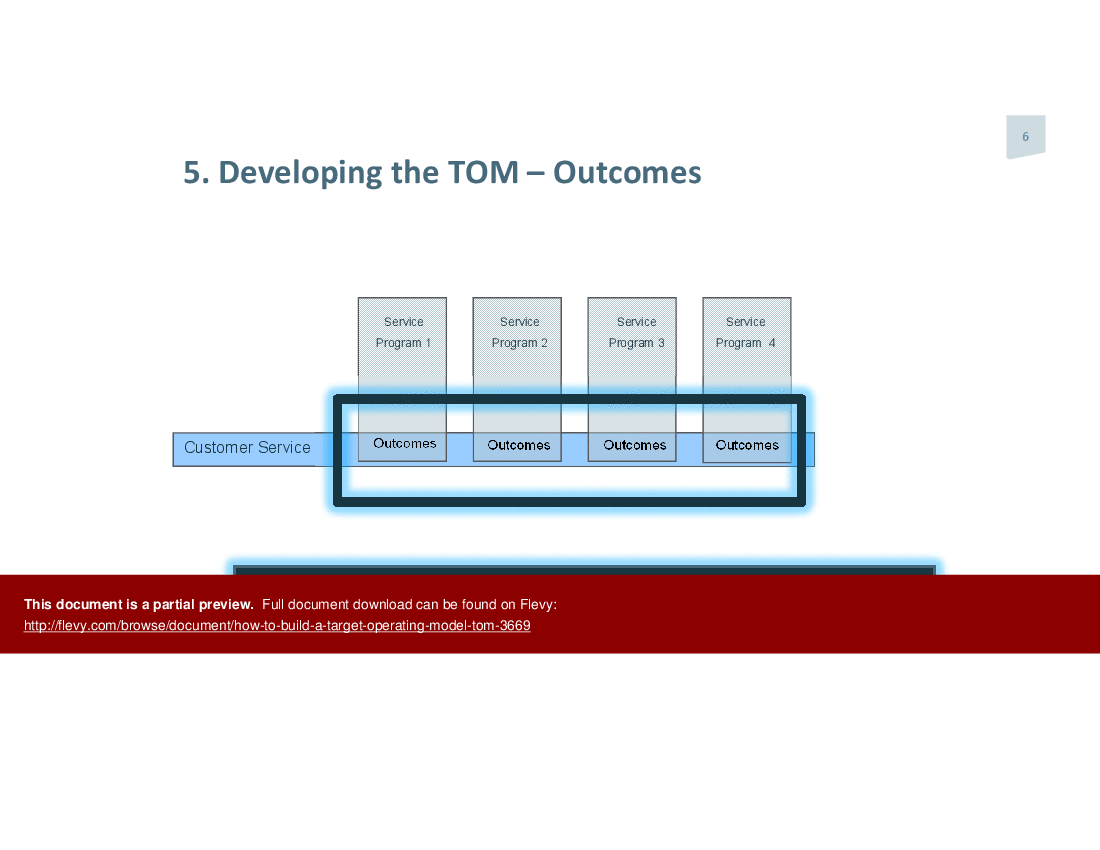
• Transformation Scope - Defines the service areas and enabling programs necessary for effective transformation within the organization.
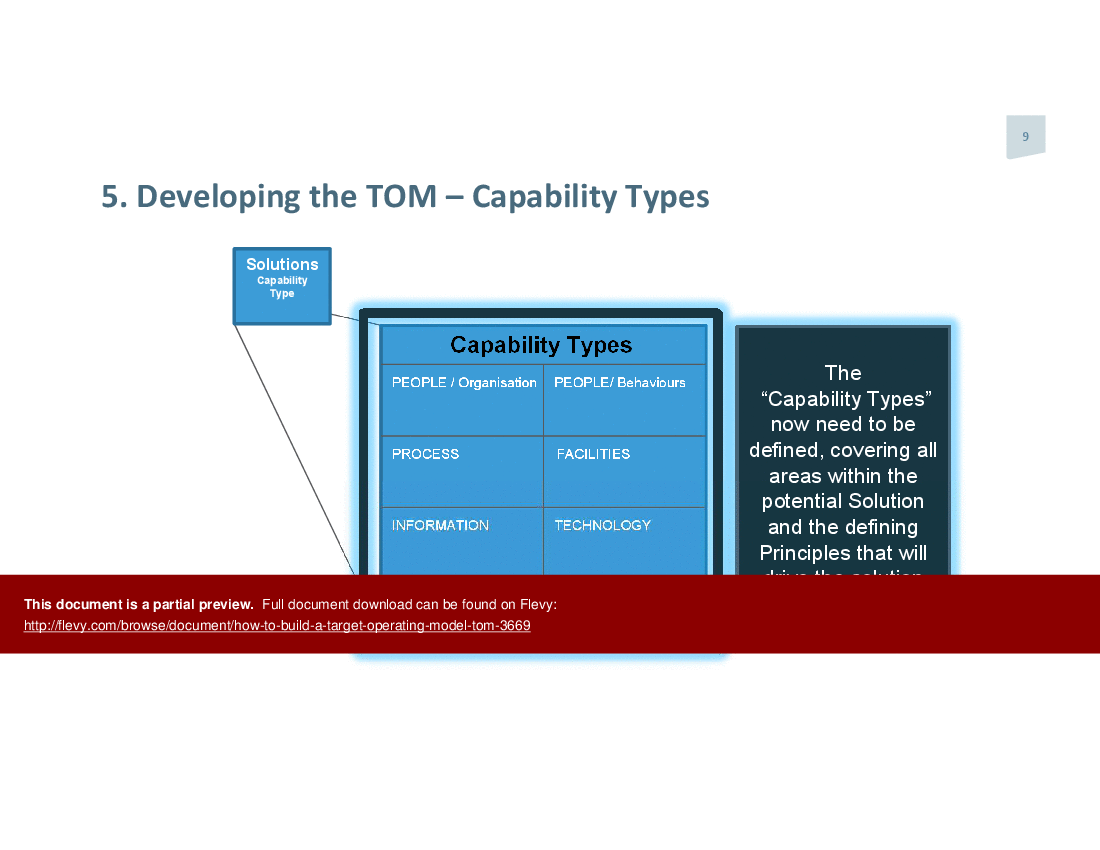
• Developing the TOM - A detailed process for creating a TOM, including defining outcomes, services, and capability types.
• Capability Maps - Tools for assessing current capabilities against desired future states, identifying gaps and areas for improvement.
• Example of a TOM - Illustrates how a TOM can be visually represented to convey complex information to stakeholders.
Deliverables, Templates, and Tools
• Target Operating Model template for defining operational structures
• Capability mapping templates for assessing current and future states
• Transformation scope framework to outline service areas and enabling programs
• Visual representation tools for stakeholder presentations
• Performance measurement frameworks to assess customer satisfaction and operational efficiency
• Documentation templates for capturing stakeholder feedback and insights
Slide Highlights
• Overview of the TOM's purpose and its alignment with strategic objectives
• Visual representation of the transformation scope, detailing service area programs
• Capability maps illustrating current versus desired operational capabilities
• Example TOM slide showcasing a visual model for stakeholder engagement
• Detailed questions to guide the development of the TOM across various components
Potential Workshop Agenda
Introduction to Target Operating Model (30 minutes)
• Overview of TOM purpose and benefits
• Discussion on alignment with corporate strategy
Developing the TOM (90 minutes)
• Identify key service areas and outcomes
• Create capability maps to assess current and future states
Stakeholder Engagement Strategies (60 minutes)
• Techniques for visual representation of the TOM
• Best practices for facilitating stakeholder buy-in
Customization Guidance
• Tailor the TOM template to reflect specific organizational goals and strategic objectives
• Adjust capability maps to incorporate unique service areas and operational needs
• Modify performance measurement frameworks to align with organizational metrics and KPIs
• Update visual representations to suit stakeholder preferences and communication styles
Secondary Topics Covered
• Customer interaction strategies within the TOM
• Integration of technology and infrastructure in the operating model
• Cultural and behavioral considerations in implementing a TOM
• Governance structures to support TOM execution
Topic FAQ
Document FAQ
These are questions addressed within this presentation.
What is a Target Operating Model?
A Target Operating Model (TOM) defines the desired future state of an organization's operations, aligning capabilities with strategic objectives to enhance performance.
Why is a TOM important for organizations?
A TOM provides clarity on how an organization will operate in the future, ensuring that all stakeholders understand the necessary changes and their implications.
How can organizations assess their current capabilities?
Organizations can use capability maps to evaluate their existing operational strengths and weaknesses against the desired future state outlined in the TOM.
What are the key components of a TOM?
Key components include processes, organizational structure, technology, performance metrics, and customer interaction strategies.
How can a TOM facilitate stakeholder buy-in?
A well-designed TOM is visually engaging and clearly communicates complex information, making it easier for stakeholders to understand and support proposed changes.
What role does customer interaction play in a TOM?
Customer interaction is central to the TOM, as it directly influences service delivery and overall customer satisfaction.
How often should a TOM be reviewed and updated?
A TOM should be reviewed regularly, particularly during strategic planning cycles or following significant organizational changes.
What tools can assist in developing a TOM?
Tools such as capability mapping templates, performance measurement frameworks, and visual representation software can aid in developing an effective TOM.
Glossary
• Target Operating Model (TOM) - A framework outlining the desired future state of an organization's operations.
• Capability Map - A visual representation of current and desired operational capabilities.
• Transformation Scope - The range of service areas and programs involved in an organizational transformation.
• Stakeholder Buy-In - The process of gaining support and agreement from key stakeholders for proposed changes.
• Performance Metrics - Measures used to assess the effectiveness and efficiency of operations.
• Customer Interaction - The ways in which customers engage with an organization throughout their journey.
• Governance Structure - The framework that defines roles, responsibilities, and decision-making processes within an organization.
• Cultural Alignment - The degree to which an organization's culture supports its strategic objectives and operational goals.
• Service Delivery - The process of providing services to customers in accordance with established standards.
• Operational Efficiency - The ability of an organization to deliver services effectively while minimizing waste and costs.
• Visual Representation - Tools and techniques used to convey complex information in an easily understandable format.
• Strategic Objectives - The long-term goals that guide an organization's direction and decision-making.
• Organizational Structure - The arrangement of roles, responsibilities, and communication within an organization.
• Change Management - The process of managing the transition from a current state to a desired future state within an organization.
• Business Processes - The series of tasks and activities that organizations undertake to deliver services and achieve objectives.
• Customer Satisfaction - A measure of how well an organization's services meet customer expectations.
• Service Area - A specific domain within an organization that focuses on delivering particular services.
• Enabling Programs - Initiatives designed to support the implementation of a TOM across various service areas.
• Operational Views - Perspectives that outline how different components of the TOM interact and function together.
• Performance Improvement - Efforts aimed at enhancing the effectiveness and efficiency of organizational operations.
Source: Best Practices in Target Operating Model PowerPoint Slides: How to Build a Target Operating Model (TOM) PowerPoint (PPTX) Presentation Slide Deck, R Bradley Consulting
|
Download our FREE Organization, Change, & Culture, Templates
Download our free compilation of 50+ slides and templates on Organizational Design, Change Management, and Corporate Culture. Methodologies include ADKAR, Burke-Litwin Change Model, McKinsey 7-S, Competing Values Framework, etc. |










