
 Click main image to view in full screen. Unlock all 35 preview images:
Ultimate Guide to Performance Auditing – PDF
PDF document 120 Pages


BENEFITS OF THIS DOWNLOADABLE PDF DOCUMENT
- Comprehensive Understanding of Performance Auditing: The presentation offers an extensive overview of performance auditing, including its objectives, methodologies, and importance in the public sector.
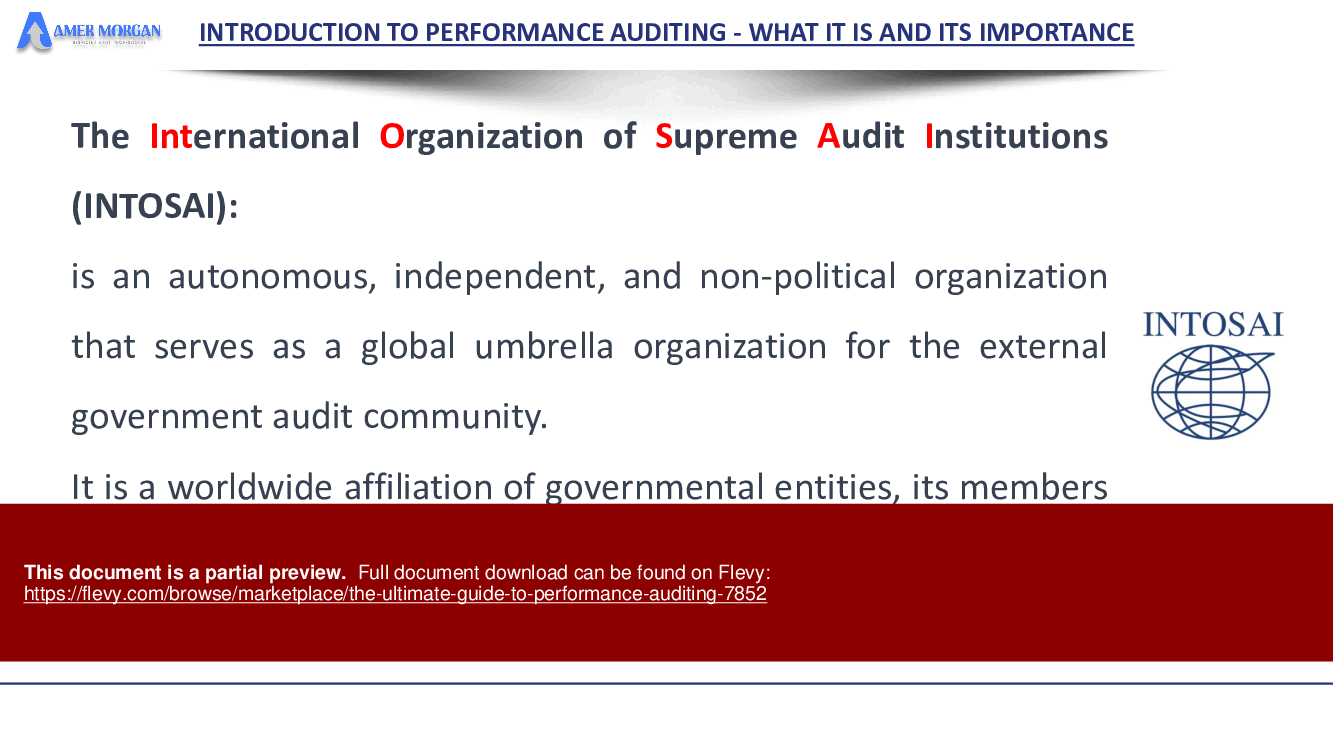
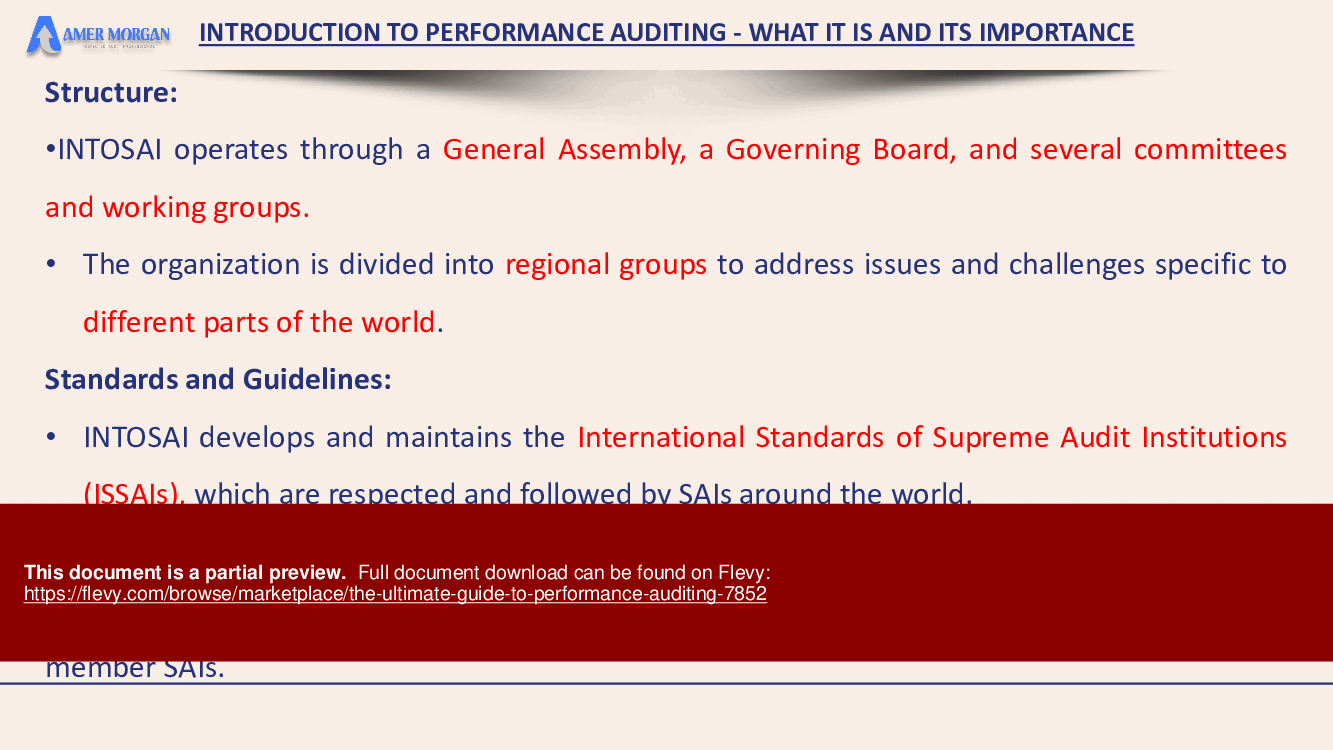
- Insights into International Auditing Standards and Practices: It delves into the role of the International Organization of Supreme Audit Institutions (INTOSAI) in developing and maintaining international auditing standards.
- Practical Tools and Techniques for Auditing: The presentation provides practical techniques and tools, such as data visualization, trend analysis, and the effective use of software for data analysis.
AUDIT MANAGEMENT PDF DESCRIPTION
In these discounted 120 slides presentation, Discover the pivotal role of performance auditing in government efficiency with 'Introduction to Performance Auditing: What it is and its Importance.' This detailed presentation offers an insightful look into the INTOSAI's role in establishing audit standards and practices globally. Learn about the methods and objectives of performance auditing, its scope covering various government activities, and the critical process of generating audit findings. Equip yourself with knowledge on data visualization, trend analysis, and collaborative techniques for interpreting audit results. A must-have resource for professionals in government auditing and policymaking, ensuring practical and strategic implementation of effective government policies and programs.
Benefits:
In-Depth Understanding of INTOSAI: Gain valuable insights into the role and activities of the International Organization of Supreme Audit Institutions, a cornerstone in the global audit community.
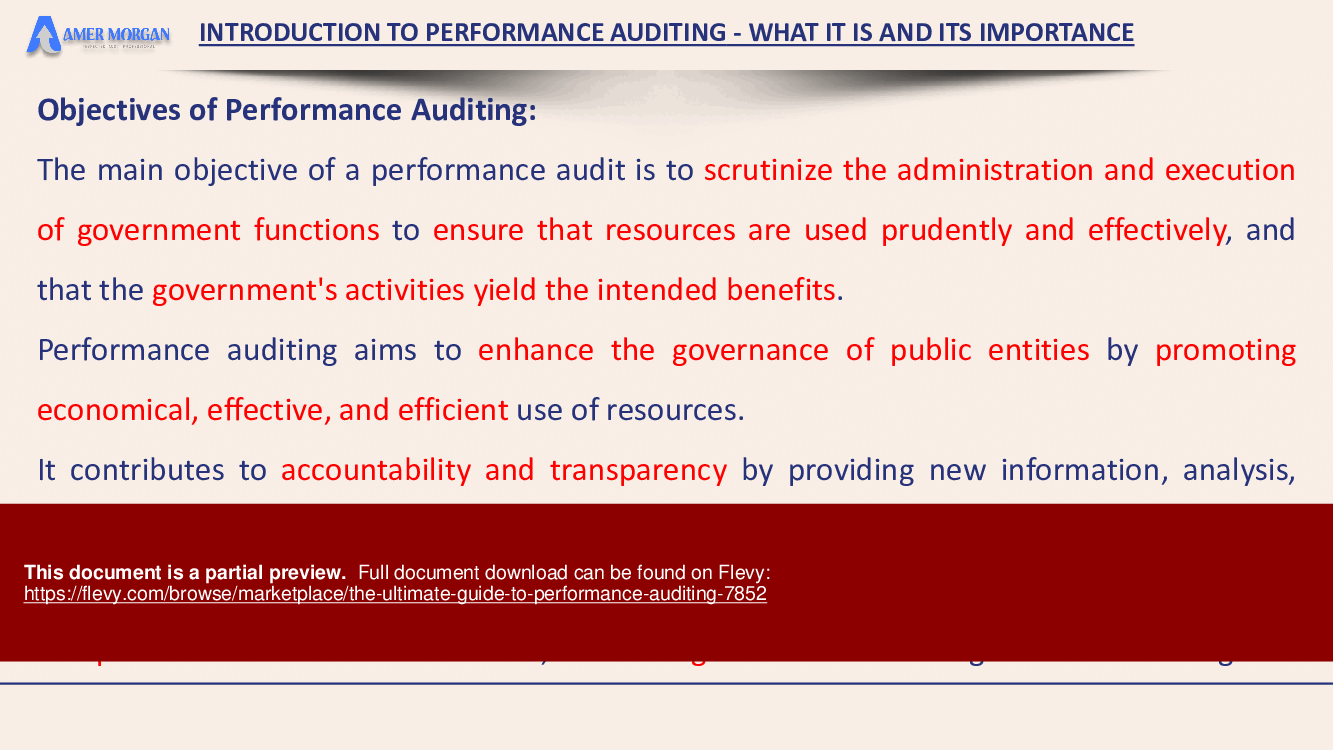
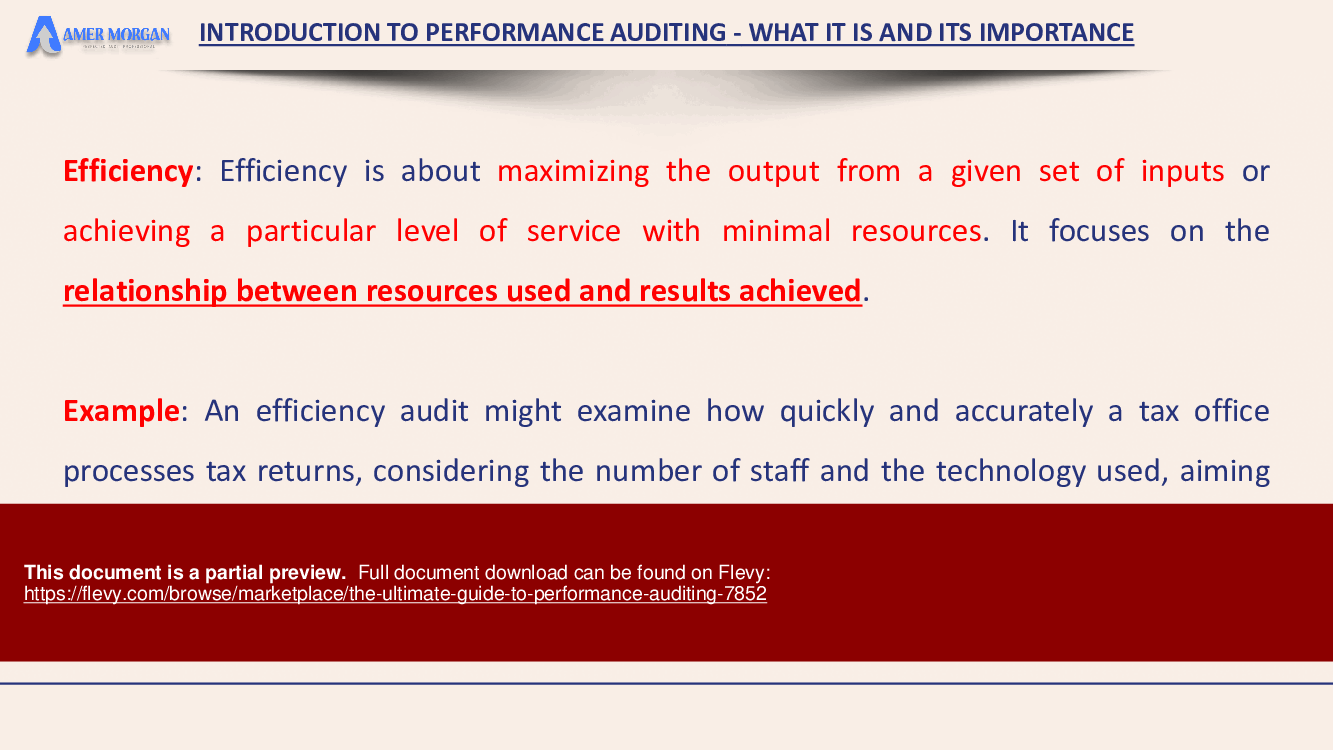
Comprehensive Overview of Performance Auditing: Learn what performance auditing entails, its significance in public sector governance, and how it contributes to the accountability and transparency of government activities.
Strategic Audit Planning and Execution: Understand the strategic importance of planning and executing performance audits, ensuring government policies and programs are implemented efficiently.
Methodological Insight: Discover the methodologies involved in performance auditing, including the development of findings, conclusions, and recommendations based on evidence and criteria.
Techniques for Enhanced Interpretation: Explore various techniques such as data visualization, trend analysis, and use of mind maps or fishbone charts to interpret audit results effectively.
Real-World Applications and Examples: Benefit from illustrative examples that highlight the application of performance auditing principles in real-world scenarios.
Tools for Effective Communication and Documentation: Learn the importance of documentation and effective communication throughout the audit process for clear and impactful audit findings.
Quality and Reliability: Understand the importance of quality in audit work, ensuring thorough analysis, proper documentation, and supervision.
This guide is a treasure trove of knowledge for enhancing government efficiency through skilled performance auditing, making it a valuable addition to any professional library.
Got a question about the product? Email us at support@flevy.com or ask the author directly by using the "Ask the Author a Question" form. If you cannot view the preview above this document description, go here to view the large preview instead.
TOPIC FAQ
What is performance auditing and what does it typically examine in government?
Performance auditing examines whether government policies, programs, and activities are implemented efficiently and contribute to accountability and transparency. It focuses on methods and objectives for assessing implementation, producing evidence-based findings, and informing improvements in public-sector governance. Ends with the generation of findings, conclusions, and recommendations.What common methods and tools are used to analyse performance audit data?
Common methods include structured evidence collection, trend analysis, and visual interpretation of results. Tools for interpretation noted in the guide include data visualization techniques, mind maps, and fishbone charts to explore causal factors and present audit results clearly. Ends with mind maps and fishbone charts.How does INTOSAI influence national performance audit standards?
INTOSAI provides international standards and guidance that shape audit practices and quality expectations for Supreme Audit Institutions and auditors worldwide. Materials that align with INTOSAI help auditors standardize methodologies, strengthen quality control, and ensure comparability across audits. Ends with reference to INTOSAI standards and practices.I need to evaluate a public program’s efficiency—what sequence should my audit follow?
Begin with strategic planning and defining scope and criteria, collect and validate evidence, apply analytical techniques (trend analysis, visualization), develop findings and conclusions based on criteria, then document and communicate recommendations. The process emphasizes quality, supervision, and clear documentation for audit results. Ends with development of findings, conclusions, and recommendations.What should a small audit office prioritize when buying a performance audit toolkit?
Prioritize materials that explain methodological steps (planning, evidence criteria), provide communicative tools (data visualization, report templates), include illustrative examples, and reference quality controls or standards such as INTOSAI. These features help limited teams apply consistent audit approaches and support documentation. Ends with data visualization and report templates.Are paid performance audit templates and slide packs worth the investment for training or practice?
Paid templates can consolidate methodological guidance, illustrative examples, and communication tools that support consistent audit execution, supervision, and documentation. For instance, Flevy's Ultimate Guide to Performance Auditing bundles methods, visualization techniques, and real-world examples across 120 slides to support training and practice. Ends with the 120-slide presentation.How should auditors present findings to policymakers to influence decision-making?
Present concise, evidence-based findings with clear conclusions and prioritized recommendations, supported by visualizations and trend analyses to highlight performance gaps and impacts. Effective communication requires thorough documentation and quality checks so policymakers can assess the evidence behind each recommendation. Ends with data visualization and clear recommendations.What key components belong in a performance audit report?
A performance audit report should include scope and criteria, evidence summary, analytical results, findings, conclusions, and specific recommendations, plus supporting documentation and quality assurance notes. Inclusion of visualization and trend analysis aids interpretation. Ends with findings, conclusions, and recommendations.Source: Best Practices in Audit Management PDF: Ultimate Guide to Performance Auditing PDF (PDF) Document, Amer Morgan
ABOUT THE AUTHOR

Amer Morgan is the founder of Business Excellence, Audit Consultant and Governance Advisor with over 30 years of practice in internal audit, enterprise risk management, and corporate governance across Qatar, Egypt, the UAE, and the USA. He currently leads the internal audit function for a sovereign-wealth-fund-owned food security group in Doha, with responsibility for board-level assurance across ... [read more]
Ask the Author a Question
You must be logged in to contact the author.




























