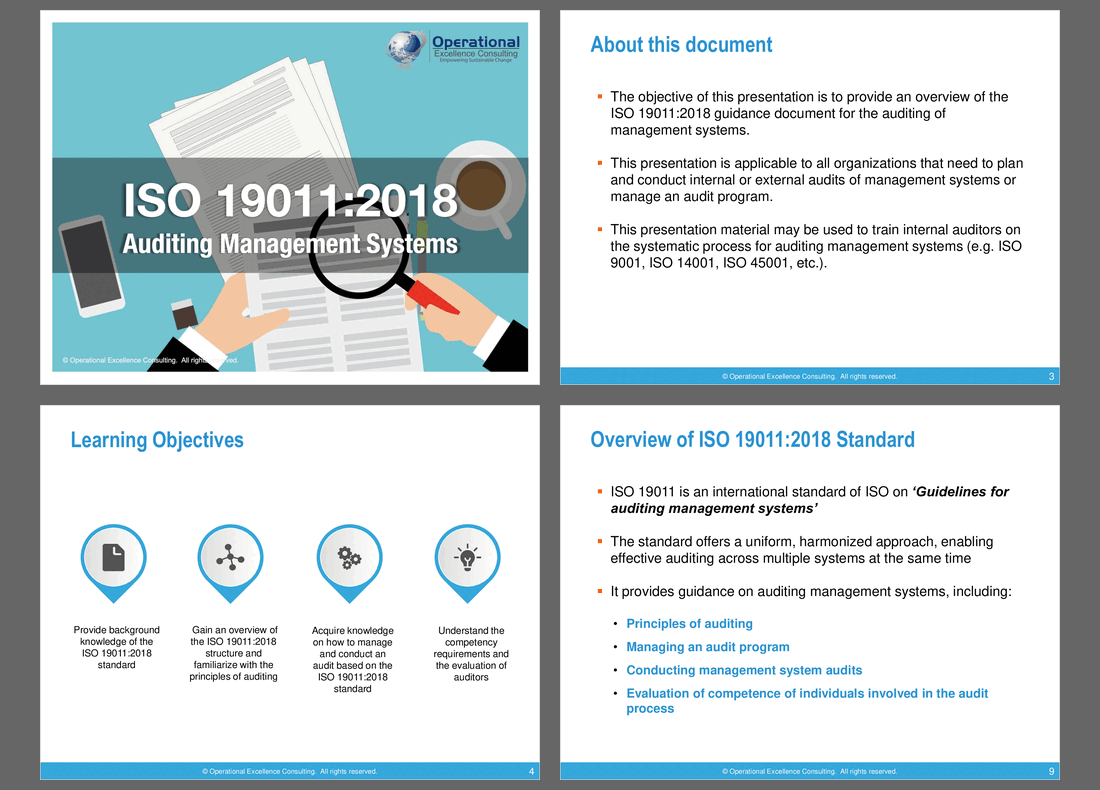
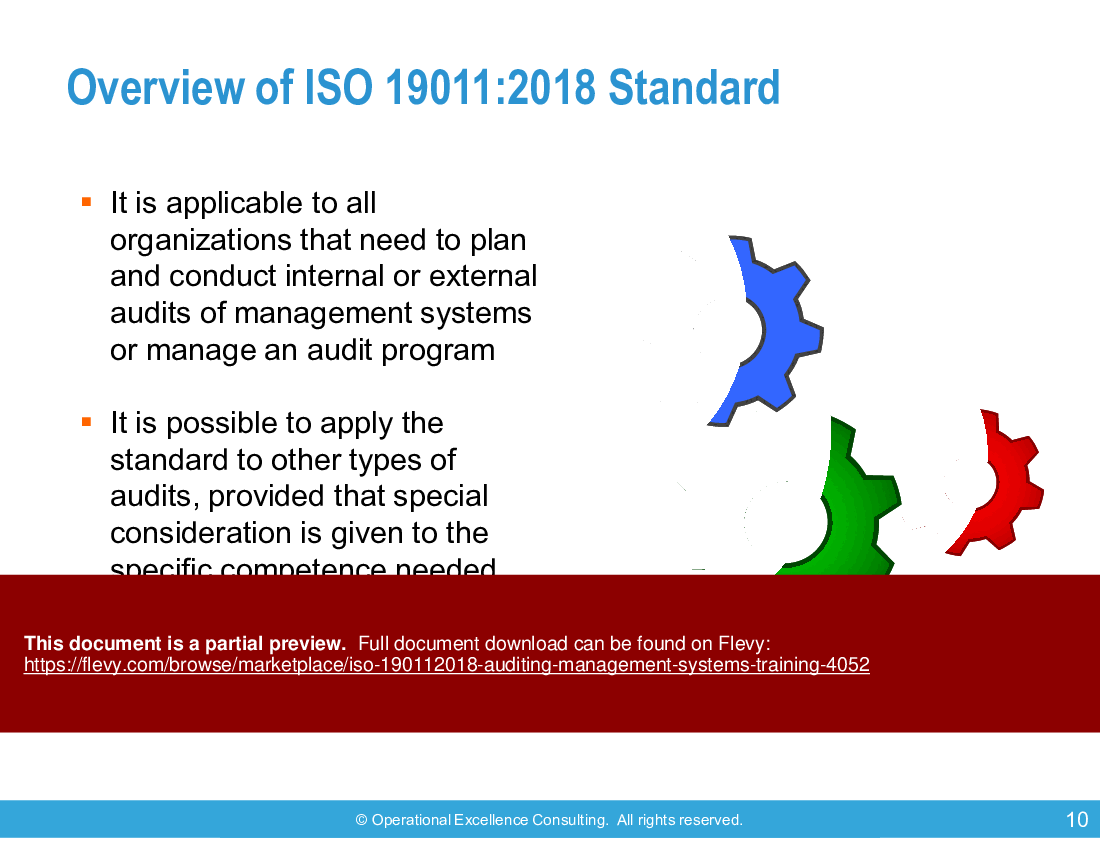

The ISO 19011:2018 standard offers guidance on auditing management systems, covering principles of auditing, managing an audit program, conducting management system audits, and evaluating the competence of individuals involved in the audit process. This standard is applicable to all organizations that need to plan and conduct internal or external audits of management systems or manage an audit program.

The ISO 19011:2018 presentation material is designed to help organizations train their internal auditors on the systematic process for auditing management systems, such as ISO 9001, ISO 14001, and ISO 45001. The training covers the structure and principles of auditing, as well as guidance on managing and conducting audits in accordance with the ISO 19011:2018 standard. Additionally, the training provides information on the competency requirements for auditors and how to evaluate their competence.
By the end of this training, participants will have gained background knowledge of the ISO 19011:2018 standard, as well as an understanding of its structure and principles of auditing. They will also have acquired knowledge on how to manage and conduct audits in line with the ISO 19011:2018 standard and have an understanding of the competency requirements and evaluation of auditors. Overall, this training is aimed at ensuring that auditors are equipped to conduct effective management system audits that help organizations meet their goals and objectives.
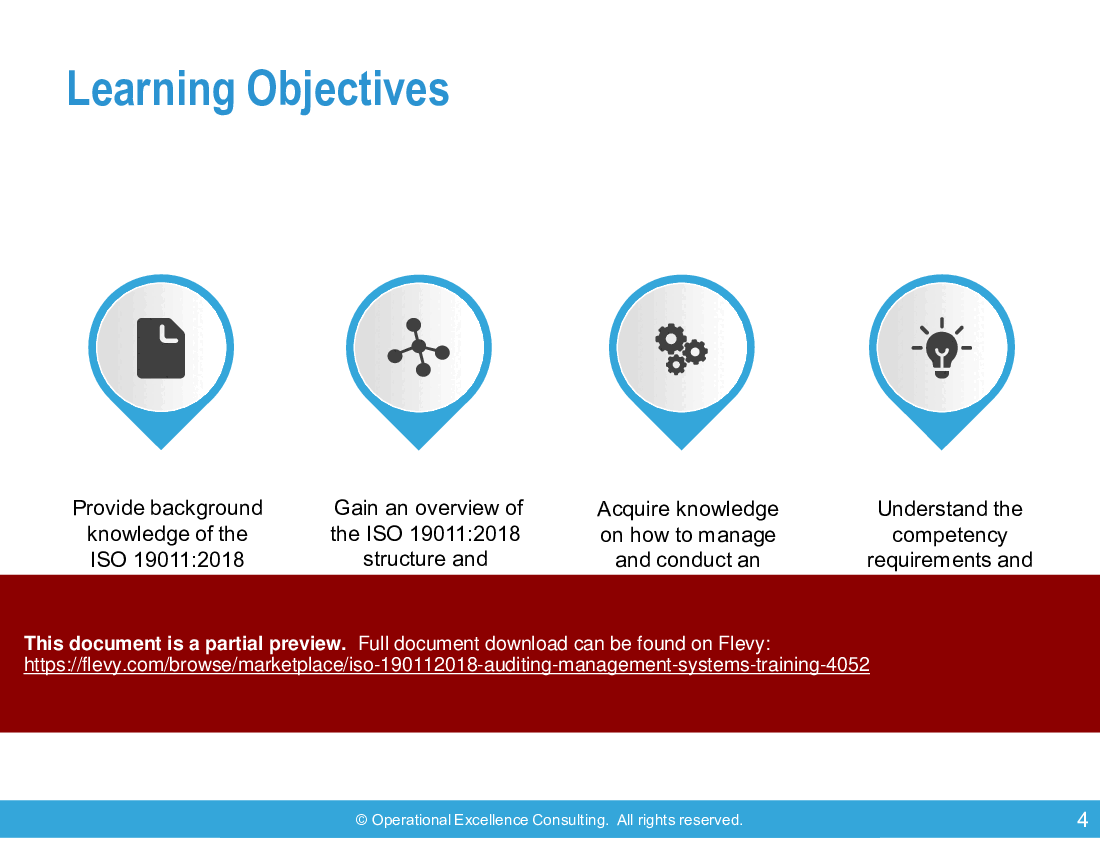
Learning Objectives:
1. Provide background knowledge of the ISO 19011:2018 standard.
2. Gain an overview of the ISO 19011:2018 structure and familiarize with the principles of auditing.
3. Acquire knowledge on how to manage and conduct an audit based on the ISO 19011:2018 standard.
4. Understand the competency requirements and the evaluation of auditors.
Contents:
1. Introduction to ISO 19011:2018
• About ISO
• Overview of ISO 19011:2018 standard
• Development of ISO 19011
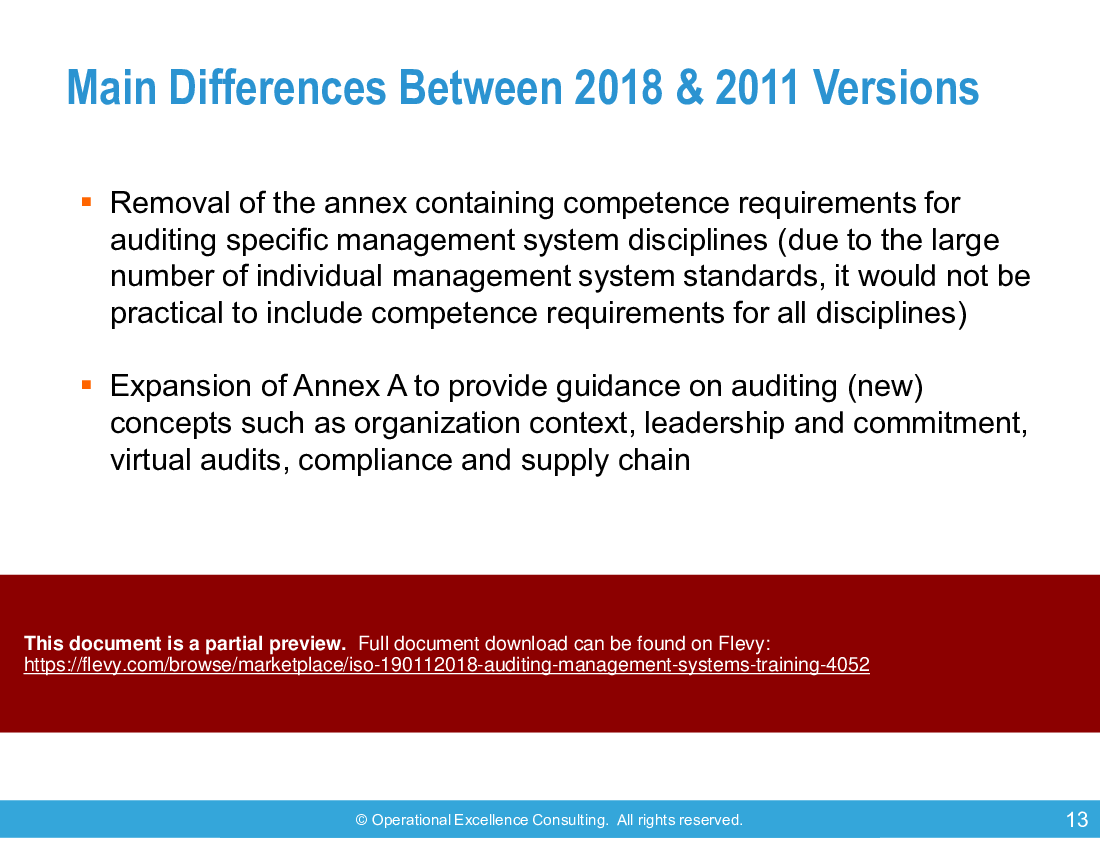
• Main differences between 2018 & 2011 Versions
• Structure of ISO 19011:2018
• ISO 19011:2018 clause structure (5, 6 & 7)
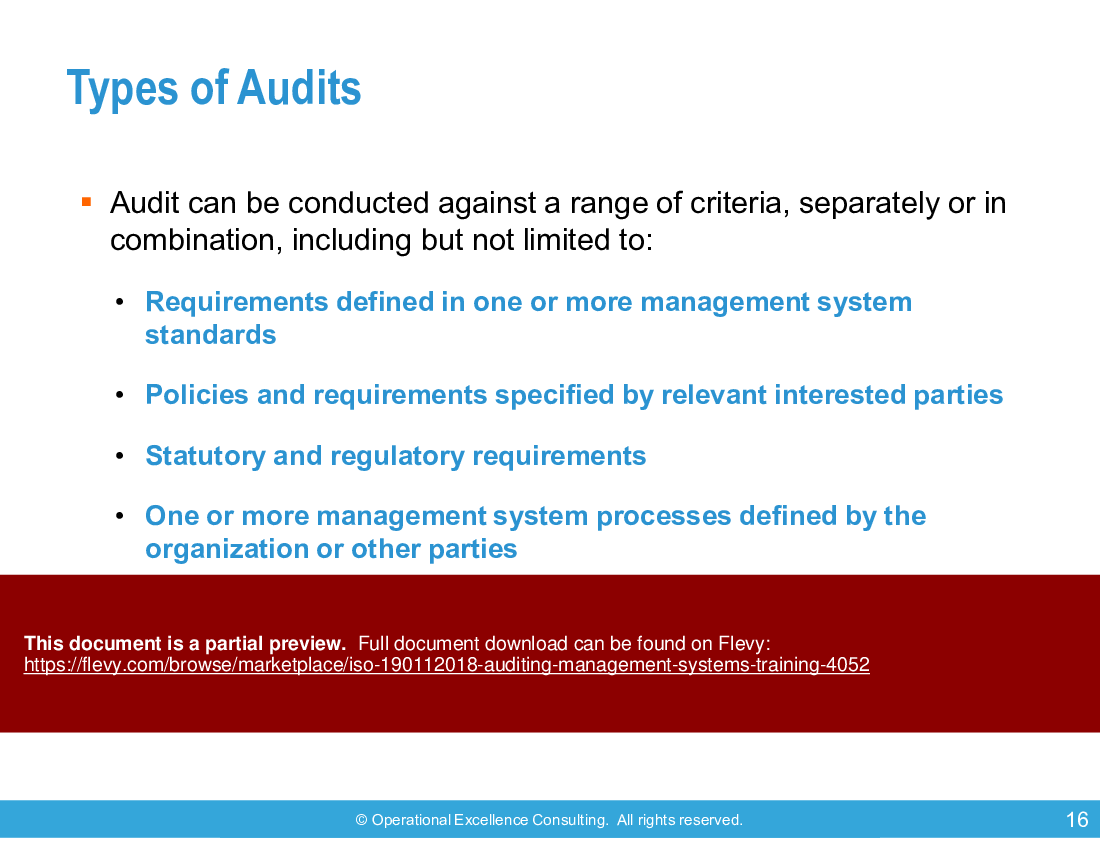
• Type of audits
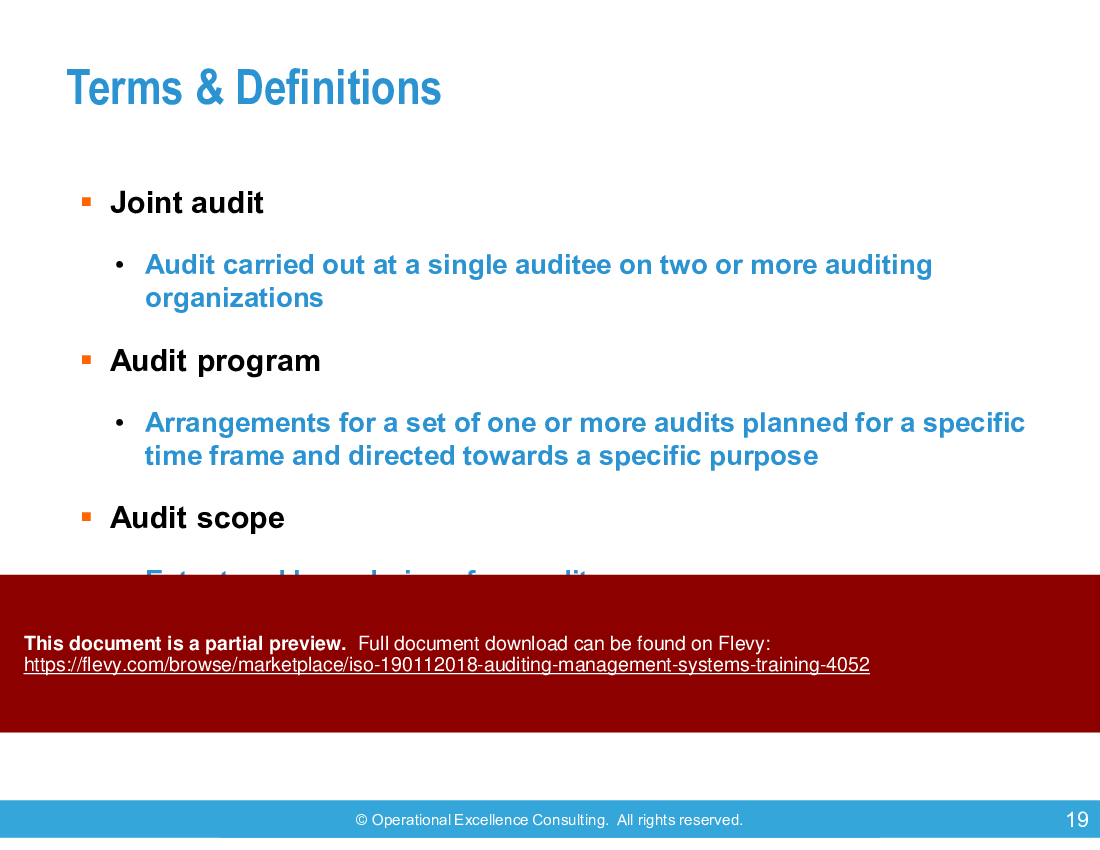
• Terms & definitions
2. Principles of Auditing
• Integrity
• Fair presentation
• Due professional care
• Confidentiality
• Independence
• Evidence-based approach
• Risk-based approach
3. Managing an Audit Program
• General
• Establishing audit program objectives
• Determining and evaluating audit program risks and opportunities
• Establishing the audit program
• Implementing audit program
• Monitoring audit program
• Reviewing and improving audit program
4. Conducting an Audit
• General
• Initiating audit
• Preparing audit activities
• Conducting audit activities
• Preparing and distributing audit report
• Completing audit
• Conducting audit follow-up
5. Competence & Evaluation of Auditors
• General
• Determining auditor competence
• Establishing auditor evaluation criteria
• Selecting appropriate auditor evaluation method
• Conducting auditor evaluation
• Maintaining and improving auditor competence
Appendix
• ISO 19011:2018 Detailed Clause Structure
This training material delves into the intricate details of managing audit programs, including establishing objectives, determining resources, and maintaining records. It also provides comprehensive guidance on conducting audits, from initiating contact with the auditee to preparing and distributing audit reports.
Got a question about the product? Email us at support@flevy.com or ask the author directly by using the "Ask the Author a Question" form. If you cannot view the preview above this document description, go here to view the large preview instead.
Executive Summary
The ISO 19011:2018 Auditing Management Systems Training presentation is an essential resource for organizations aiming to enhance their auditing capabilities. Developed by an experienced ISO Management System Lead Auditor, this training material provides a comprehensive overview of the ISO 19011:2018 standard, which offers guidelines for auditing management systems effectively. Users will gain insights into the principles of auditing, the management of audit programs, and the evaluation of auditor competence, enabling them to conduct internal and external audits with confidence and precision.
Who This Is For and When to Use
• Internal auditors responsible for conducting audits within their organizations
• Quality managers overseeing compliance with ISO standards
• Compliance officers managing regulatory requirements
• Audit program managers coordinating audit activities across departments
Best-fit moments to use this deck:
• During training sessions for new internal auditors
• As a reference for planning and conducting audits
• When establishing or revising audit programs within an organization
Learning Objectives
• Provide background knowledge of the ISO 19011:2018 standard
• Gain an overview of the ISO 19011:2018 structure and familiarize with the principles of auditing
• Acquire knowledge on how to manage and conduct an audit based on the ISO 19011:2018 standard
• Understand the competency requirements and the evaluation of auditors
Table of Contents
• Introduction to ISO 19011:2018 (page 6)
• Principles of Auditing (page 28)
• Managing an Audit Program (page 39)
• Conducting an Audit (page 73)
• Competence & Evaluation of Auditors (page 104)
Primary Topics Covered
• ISO 19011 Overview - The standard provides guidelines for auditing management systems, applicable to all organizations planning internal or external audits.
• Principles of Auditing - Key principles include integrity, fair presentation, due professional care, confidentiality, independence, evidence-based approach, and risk-based approach.
• Managing an Audit Program - Guidance on establishing audit program objectives, determining risks, and allocating resources effectively.
• Conducting an Audit - Steps for initiating, preparing, conducting, and concluding audits, including communication with auditees.
• Competence of Auditors - Evaluation criteria for auditors, including knowledge, skills, and personal behavior necessary for effective auditing.
Deliverables, Templates, and Tools
• Audit program framework template for planning and managing audits
• Checklist for assessing auditor competence and evaluation methods
• Audit report template for documenting findings and conclusions
• Risk assessment tool for identifying audit program risks and opportunities
• Guidelines for conducting effective opening and closing meetings during audits
Slide Highlights
• Overview of ISO 19011:2018 and its applicability to various management systems
• Detailed explanation of the principles of auditing and their significance
• Process flow for managing an audit program, including the PDCA cycle
• Key steps for conducting an audit, emphasizing communication and documentation
• Competence evaluation framework for auditors, highlighting necessary skills and behaviors
Potential Workshop Agenda
Introduction to ISO 19011:2018 (60 minutes)
• Overview of the standard and its importance
• Discussion of key principles of auditing
Managing an Audit Program (90 minutes)
• Establishing audit program objectives
• Identifying risks and opportunities in audit planning
Conducting an Audit (120 minutes)
• Steps for initiating and preparing audits
• Conducting audits and generating findings
Competence & Evaluation of Auditors (60 minutes)
• Criteria for evaluating auditor competence
• Continuous improvement strategies for auditors
Customization Guidance
• Tailor the presentation to include specific organizational policies and procedures
• Modify examples and case studies to reflect industry-specific scenarios
• Adjust timelines and schedules to align with organizational audit cycles
Secondary Topics Covered
• Types of audits (1st, 2nd, and 3rd party audits)
• Importance of confidentiality and security in audit processes
• Role of technology in conducting audits, including virtual audits
• Integration of audit findings into management system improvements
Topic FAQ
Document FAQ
These are questions addressed within this presentation.
What is ISO 19011:2018?
ISO 19011:2018 provides guidelines for auditing management systems, applicable to all organizations conducting internal or external audits.
Who should attend this training?
This training is designed for internal auditors, quality managers, compliance officers, and anyone involved in audit program management.
What are the key principles of auditing?
The key principles include integrity, fair presentation, due professional care, confidentiality, independence, evidence-based approach, and risk-based approach.
How can I customize the training material?
You can tailor the content to include specific organizational policies, examples relevant to your industry, and adjust timelines to fit your audit cycles.
What types of audits are covered in the training?
The training covers 1st, 2nd, and 3rd party audits, including internal audits and certification audits.
How is auditor competence evaluated?
Auditor competence is evaluated based on knowledge, skills, personal behavior, and ongoing performance in audits.
What is the PDCA cycle in auditing?
The PDCA (Plan-Do-Check-Act) cycle is a continuous improvement framework used to manage and enhance audit programs.
What resources are provided with the training?
Resources include templates for audit programs, checklists for auditor evaluation, and guidelines for conducting audits.
Glossary
• Audit - Systematic, independent, and documented process for obtaining objective evidence.
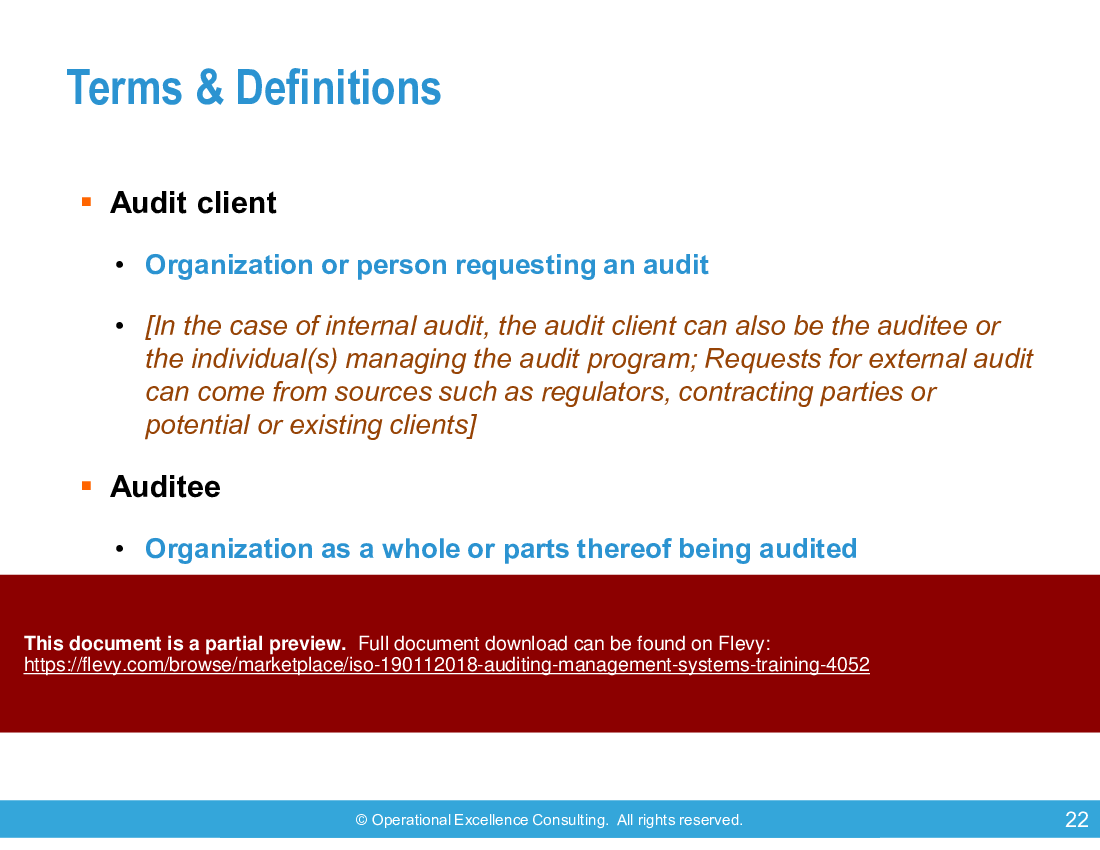
• Auditee - Organization or part thereof being audited.
• Audit Program - Arrangements for a set of one or more audits planned for a specific timeframe.
• Competence - Ability to apply knowledge and skills to achieve intended results.
• Nonconformity - Non-fulfillment of a requirement.
• Risk - Effect of uncertainty on objectives.
• Evidence - Data supporting the existence or verity of something.
• Audit Findings - Results of the evaluation of collected audit evidence against audit criteria.
• Audit Conclusion - Outcome of an audit after considering the audit objectives and findings.
• Management System - Set of interrelated elements of an organization to establish policies and objectives.
• Combined Audit - Audit carried out together at a single auditee on 2 or more management systems.
• Joint Audit - Audit carried out at a single auditee on 2 or more auditing organizations.
• Objective Evidence - Data supporting the existence or verity of something, verifiable through observation or measurement.
• Audit Criteria - Set of requirements used as a reference against which objective evidence is compared.
Source: Best Practices in Audit Management, ISO 19011 PowerPoint Slides: ISO 19011:2018 (Auditing Management Systems) Training PowerPoint (PPTX) Presentation Slide Deck, Operational Excellence Consulting
This document is available as part of the following discounted bundle(s):
Save %!
Audit Management
This bundle contains 3 total documents. See all the documents to the right.
|
Receive our FREE presentation on Operational Excellence
This 50-slide presentation provides a high-level introduction to the 4 Building Blocks of Operational Excellence. Achieving OpEx requires the implementation of a Business Execution System that integrates these 4 building blocks. |