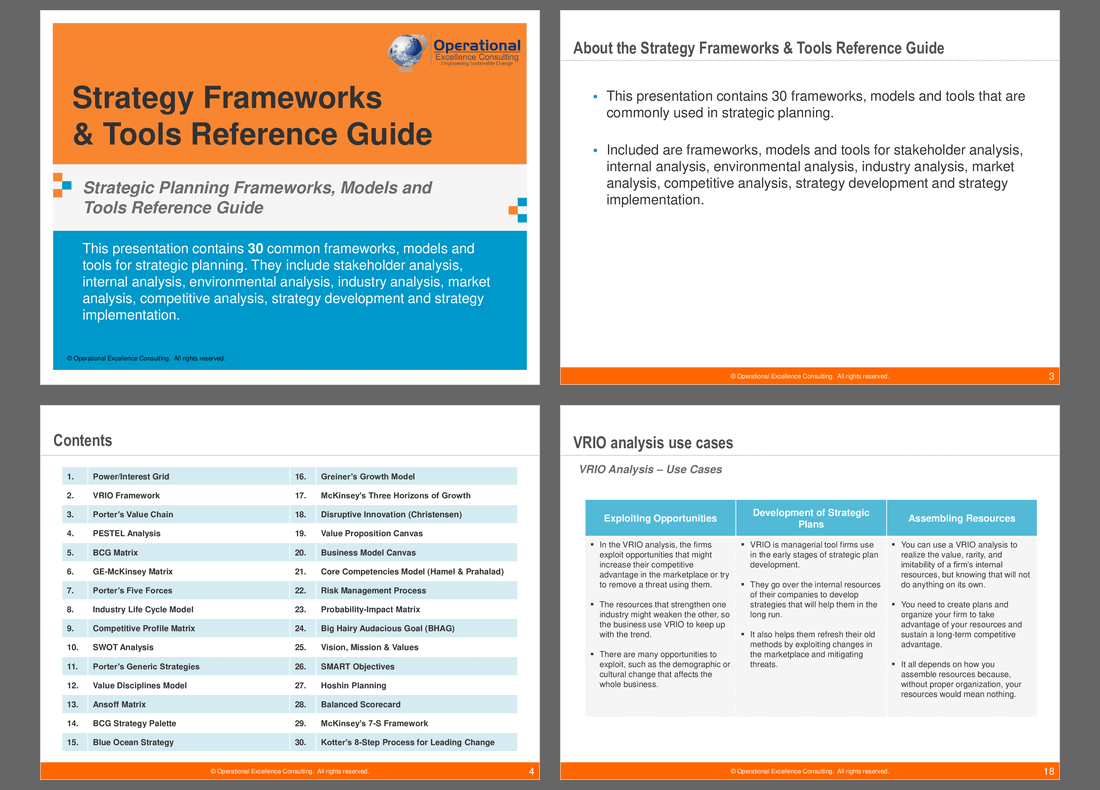

This comprehensive presentation contains 30 common frameworks, models and tools for strategic planning.

A detailed summary is provided for each strategy framework, model or tool.
The frameworks in this deck span across the key domains of strategic planning. They include stakeholder analysis, internal analysis, environmental analysis, industry analysis, market analysis, competitive analysis, strategy development and strategy implementation.
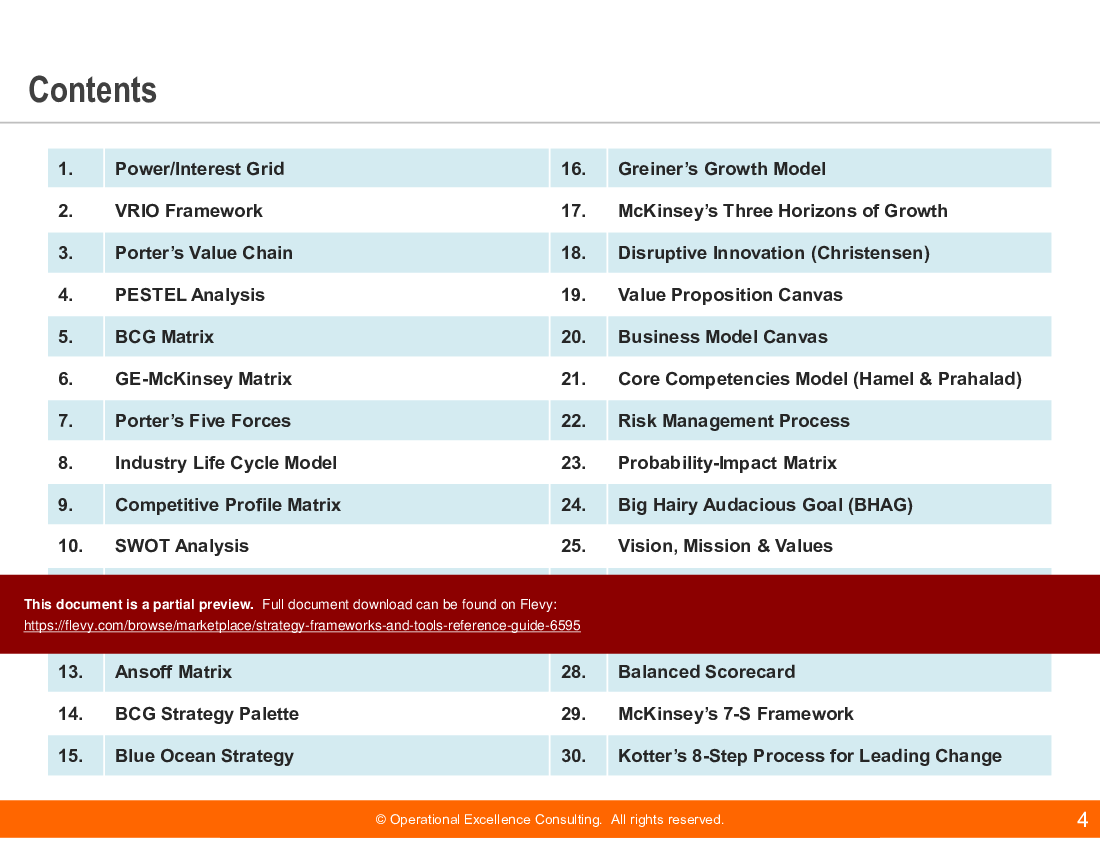
INCLUDED FRAMEWORKS, MODELS & TOOLS:
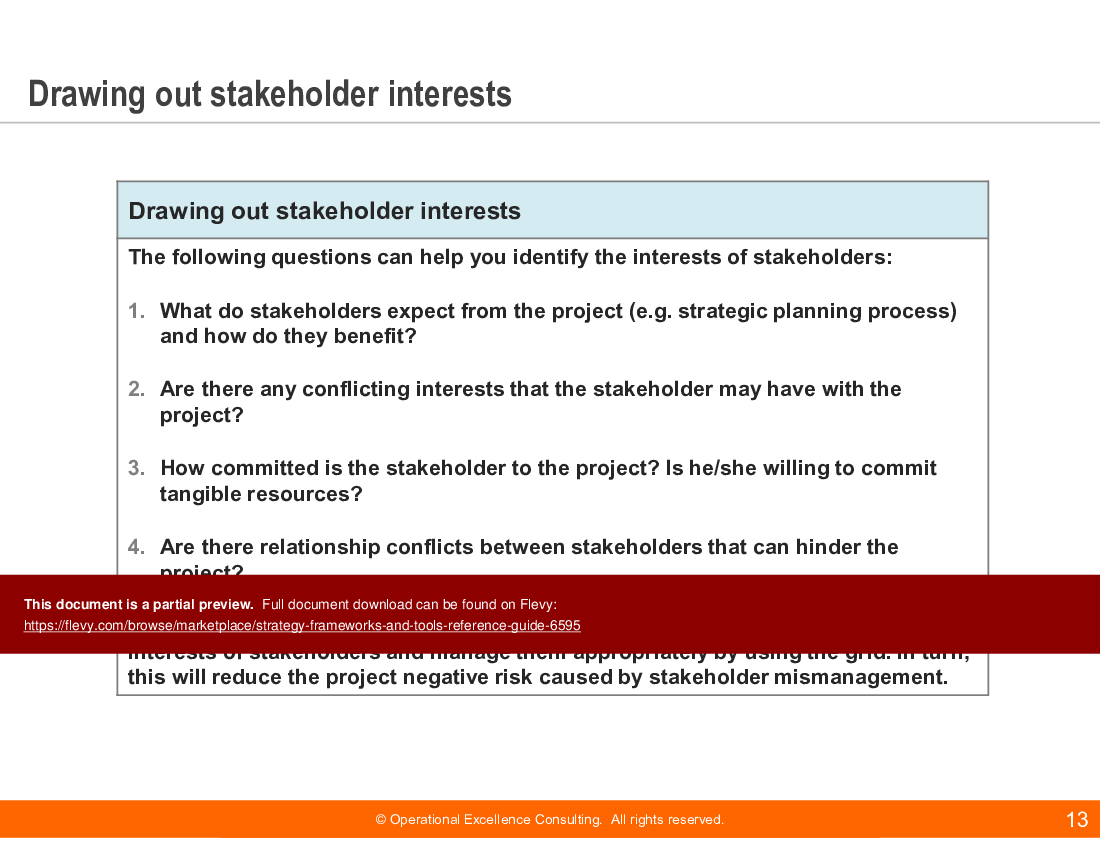
1. Power/Interest Grid
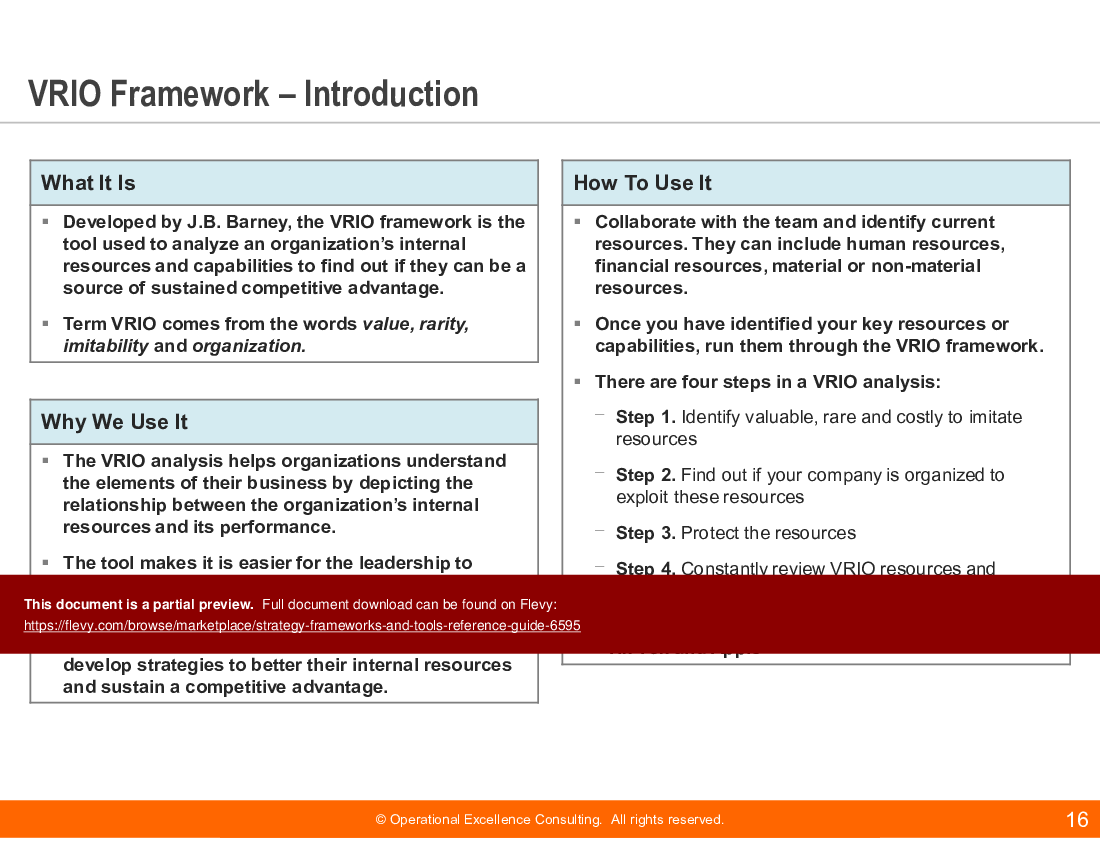
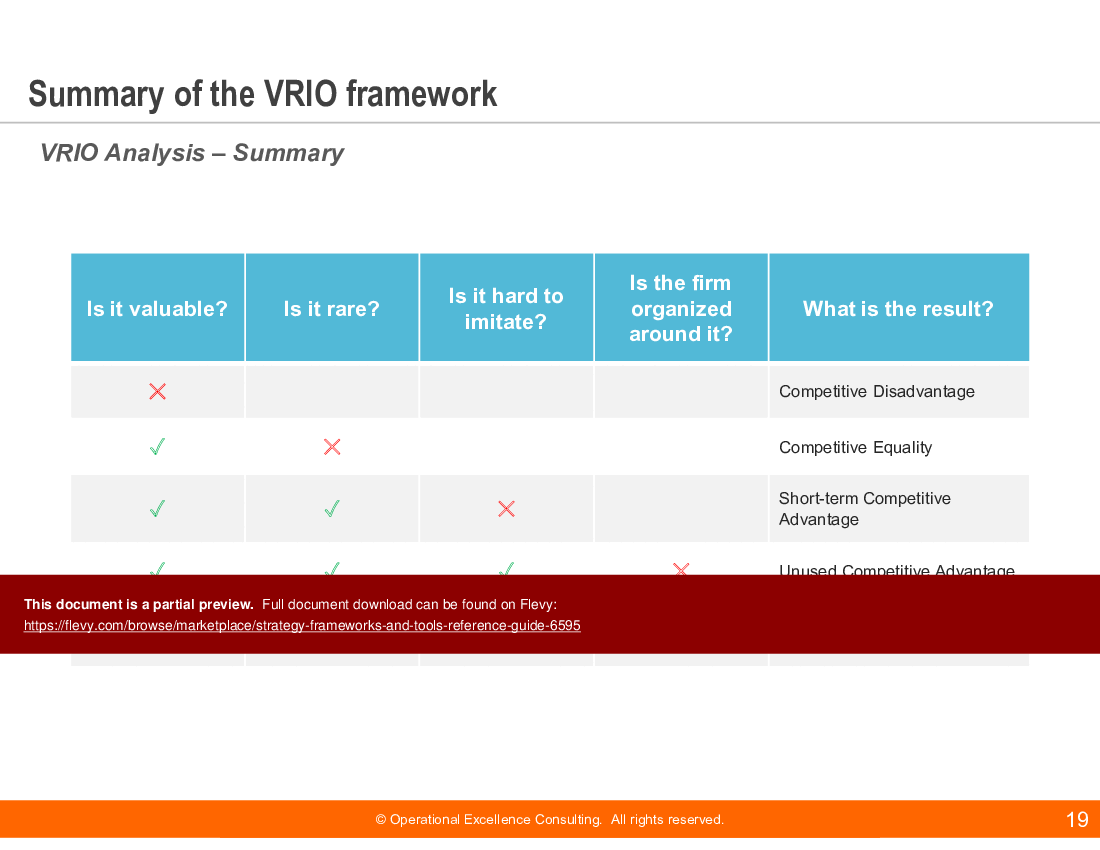
2. VRIO Framework
3. Porter's Value Chain
4. PESTEL Analysis
5. BCG Growth/Share Matrix
6. GE-McKinsey Matrix
7. Porter's Five Forces
8. Industry Life Cycle Model
9. Competitive Profile Matrix
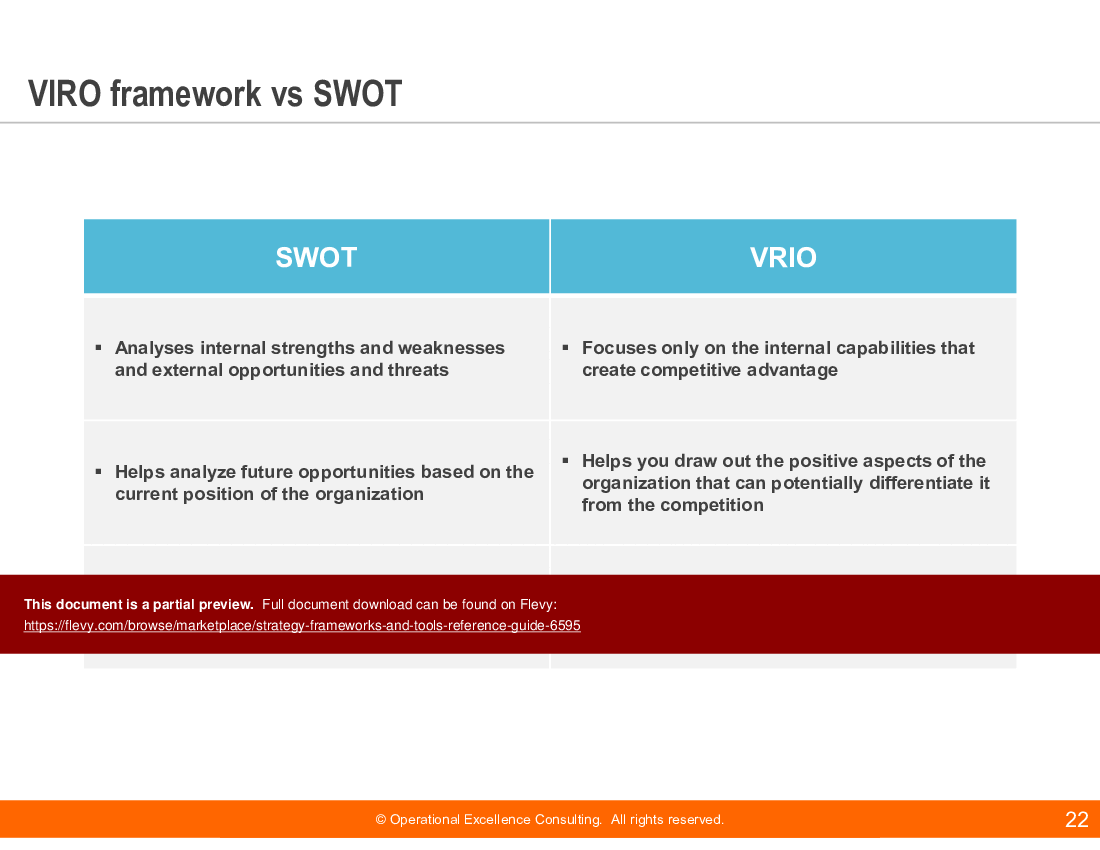
10. SWOT Analysis
11. Porter's Generic Strategies
12. Value Disciplines Model
13. Ansoff Matrix
14. BCG Strategy Palette
15. Blue Ocean Strategy
16. Greiner's Growth Model
17. McKinsey's Three Horizons of Growth
18. Disruptive Innovation (Christensen)
19. Value Proposition Canvas
20. Business Model Canvas
21. Core Competencies Model (Hamel & Prahalad)
22. Risk Management Process
23. Probability-Impact Matrix
24. Big Hairy Audacious Goal (BHAG)
25. Vision, Mission & Values
26. SMART Objectives
27. Hoshin Planning
28. Balanced Scorecard
29. McKinsey's 7-S Framework
30. Kotter's 8-Step Process for Leading Change
These frameworks and templates are used in many strategy consulting firms. With this comprehensive document in your back pocket, you can find a way to address just about any strategic planning challenge that can arise in your organization.
The level of detail varies by framework, depending on the nature of the model or tool. Examples and templates are provided.
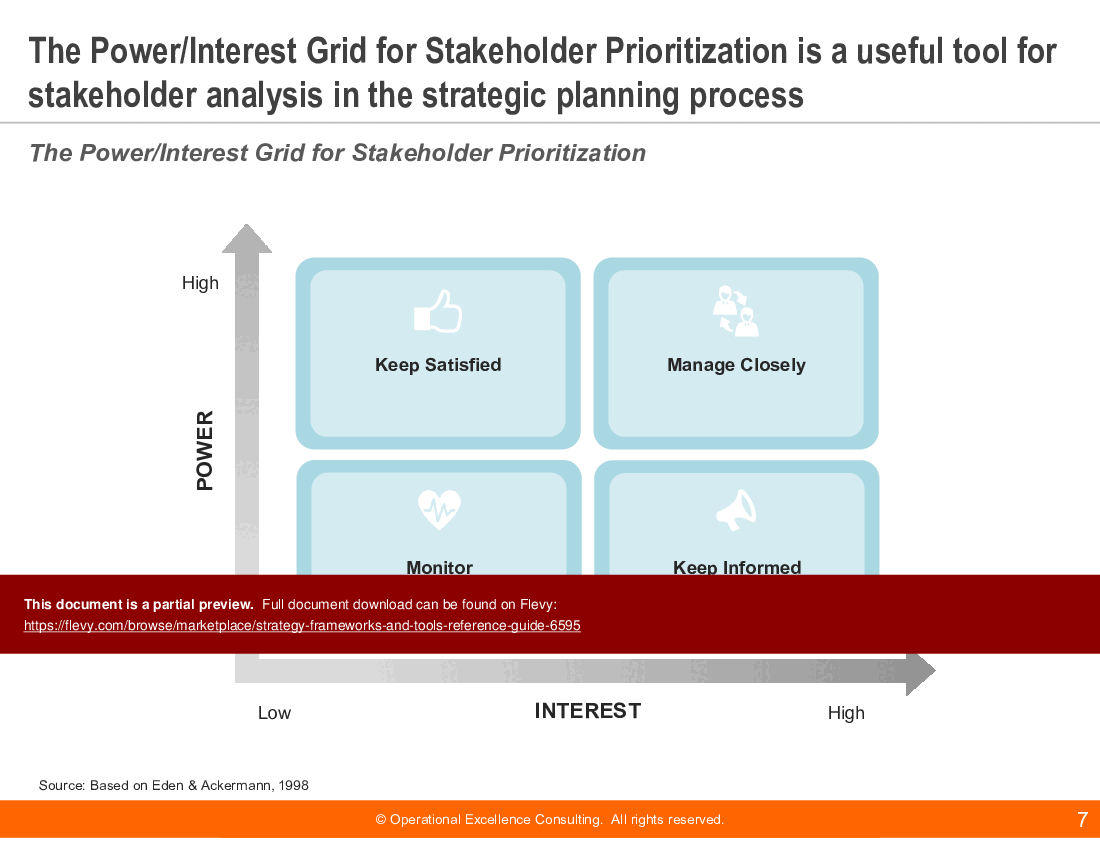
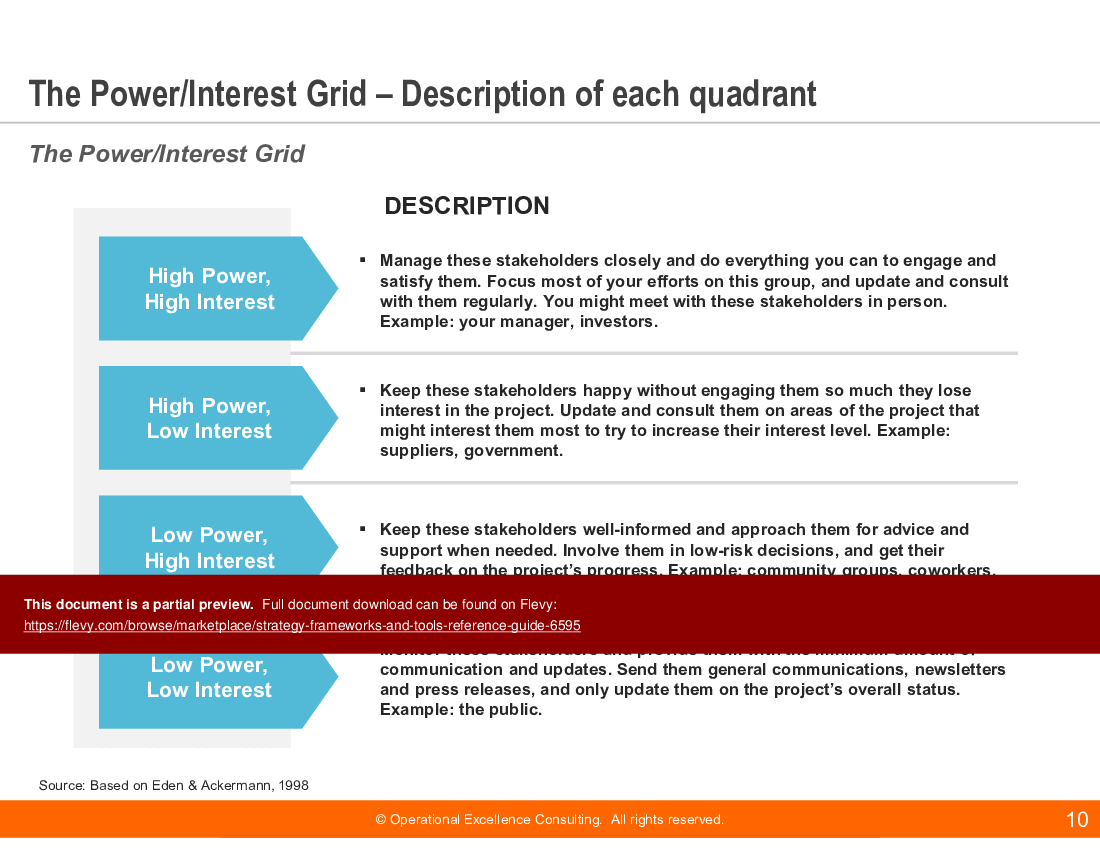
The Strategy Frameworks & Tools Reference Guide is an indispensable resource for any executive looking to navigate the complexities of strategic planning. This guide offers a deep dive into each framework, providing actionable insights and practical examples. The Power/Interest Grid, for instance, is meticulously detailed with clear instructions on stakeholder prioritization, ensuring you can effectively manage relationships that impact your projects. The VRIO Framework is another highlight, helping you identify and leverage your organization's unique resources for sustained competitive advantage. The PPT also includes comprehensive analyses like Porter's Value Chain and PESTEL Analysis, each broken down into easy-to-understand segments that facilitate immediate application. Whether you're assessing market dynamics with the BCG Matrix or evaluating internal capabilities with SWOT, this guide equips you with the tools to make informed, strategic decisions.
Got a question about the product? Email us at support@flevy.com or ask the author directly by using the "Ask the Author a Question" form. If you cannot view the preview above this document description, go here to view the large preview instead.
Executive Summary
The Strategy Frameworks & Tools Reference Guide is an essential resource for corporate executives, integration leaders, and consultants seeking to enhance strategic planning capabilities. This comprehensive guide, developed by Operational Excellence Consulting, features 30 widely recognized frameworks, models, and tools that facilitate stakeholder analysis, internal and external assessments, competitive analysis, and strategy implementation. By utilizing these frameworks, organizations can effectively navigate complex strategic landscapes, optimize decision-making processes, and drive sustainable growth.
Who This Is For and When to Use
• Corporate executives aiming to refine strategic planning processes
• Integration leaders managing mergers and acquisitions
• Consultants advising clients on strategic frameworks
• Project managers overseeing strategic initiatives
• Business analysts conducting market and competitive assessments
Best-fit moments to use this deck:
• During strategic planning sessions to align organizational goals
• When conducting stakeholder analysis for project buy-in
• In workshops focused on competitive positioning and market entry
• For training sessions on strategic frameworks and tools
Learning Objectives
• Define key strategic frameworks and their applications
• Build comprehensive stakeholder analysis using the Power/Interest Grid
• Establish competitive positioning through the BCG Matrix and GE-McKinsey Matrix
• Create actionable strategies using the Ansoff Matrix and Porter’s Five Forces
• Implement effective risk management processes using the Probability-Impact Matrix
• Develop clear and measurable SMART objectives for strategic initiatives
Table of Contents
• Power/Interest Grid (page 6)
• VRIO Framework (page 16)
• Porter’s Value Chain (page 25)
• PESTEL Analysis (page 35)
• BCG Matrix (page 44)
• GE-McKinsey Matrix (page 52)
• Porter’s Five Forces (page 59)
• Industry Life Cycle Model (page 68)
• Competitive Profile Matrix (page 79)
• SWOT Analysis (page 85)
• Porter’s Generic Strategies (page 101)
• Value Disciplines Model (page 110)
• Ansoff Matrix (page 119)
• BCG Strategy Palette (page 129)
• Blue Ocean Strategy (page 135)
• Greiner’s Growth Model (page 146)
• McKinsey’s Three Horizons of Growth (page 157)
• Disruptive Innovation (page 166)
• Value Proposition Canvas (page 177)
• Business Model Canvas (page 186)
• Core Competencies Model (Hamel & Prahalad) (page 211)
• Risk Management Process (page 224)
• Probability-Impact Matrix (page 232)
• Big Hairy Audacious Goal (BHAG) (page 246)
• Vision, Mission & Values (page 255)
• SMART Objectives (page 271)
• Hoshin Planning (page 278)
• Balanced Scorecard (page 296)
• McKinsey’s 7-S Framework (page 313)
• Kotter’s 8-Step Process for Leading Change (page 339)
Primary Topics Covered
• Power/Interest Grid - A tool for stakeholder analysis that categorizes stakeholders based on their influence and interest in a project.
• VRIO Framework - An internal analysis tool to assess resources and capabilities for competitive advantage.
• Porter’s Value Chain - A method for identifying key processes that contribute to competitive advantage.
• PESTEL Analysis - A framework for evaluating external factors affecting business performance.
• BCG Matrix - A portfolio management tool that categorizes products based on market growth and share.
• SWOT Analysis - A strategic planning tool that identifies strengths, weaknesses, opportunities, and threats.
Deliverables, Templates, and Tools
• Stakeholder analysis template using the Power/Interest Grid
• VRIO analysis template for assessing internal capabilities
• BCG Matrix template for product portfolio analysis
• PESTEL analysis framework for environmental scanning
• SMART objectives template for goal setting
• Balanced Scorecard framework for performance measurement
Slide Highlights
• Overview of the Power/Interest Grid and its applications in stakeholder management
• Detailed explanation of the VRIO framework and its role in competitive analysis
• Visual representation of Porter’s Value Chain and its significance in operational efficiency
• PESTEL analysis breakdown highlighting key external factors impacting strategy
• BCG Matrix illustrating product positioning and growth potential
Potential Workshop Agenda
Introduction to Strategic Frameworks (30 minutes)
• Overview of key frameworks and their applications
• Discussion on the importance of strategic planning
Stakeholder Analysis Workshop (60 minutes)
• Hands-on session using the Power/Interest Grid
• Group activity to identify and categorize stakeholders
Competitive Analysis Session (60 minutes)
• Interactive discussion on the BCG Matrix and GE-McKinsey Matrix
• Case study analysis of competitive positioning
Risk Management and SMART Objectives (60 minutes)
• Workshop on the Probability-Impact Matrix
• Group exercise to develop SMART objectives for strategic initiatives
Customization Guidance
• Tailor the frameworks to align with specific organizational goals and industry contexts
• Adapt templates to reflect unique stakeholder dynamics and market conditions
• Incorporate company-specific metrics and KPIs into the Balanced Scorecard
Secondary Topics Covered
• Disruptive Innovation principles and their application in strategic planning
• Hoshin Planning methodology for aligning organizational goals
• Core Competencies Model for leveraging internal strengths
• Kotter’s 8-Step Process for implementing change effectively
FAQ
What is the purpose of the Strategy Frameworks & Tools Reference Guide?
The guide serves as a comprehensive resource for understanding and applying various strategic frameworks and tools to enhance organizational planning and decision-making.
Who can benefit from this guide?
Corporate executives, integration leaders, consultants, and project managers can all leverage the frameworks and tools to improve strategic outcomes.
How can I customize the templates provided in the guide?
Templates can be tailored to fit specific organizational contexts, stakeholder dynamics, and industry requirements.
What are the key frameworks included in the guide?
The guide includes frameworks such as the Power/Interest Grid, VRIO Framework, PESTEL Analysis, BCG Matrix, and more.
How do I implement the SMART objectives framework?
SMART objectives should be specific, measurable, achievable, relevant, and time-bound, allowing for clear goal-setting and tracking.
What is the significance of the Balanced Scorecard?
The Balanced Scorecard provides a holistic view of organizational performance by integrating financial and non-financial metrics.
How does the Hoshin Planning process work?
Hoshin Planning aligns organizational goals through a structured approach that involves setting objectives, deploying plans, and reviewing progress.
What is the role of the McKinsey 7-S Framework?
The McKinsey 7-S Framework helps organizations assess and align their internal elements to ensure successful strategy implementation.
Glossary
• Stakeholder Analysis - The process of identifying and assessing the influence of stakeholders on a project.
• Competitive Advantage - The attributes that allow an organization to outperform its competitors.
• Value Proposition - The promise of value to be delivered to customers.
• SWOT Analysis - A strategic planning technique for identifying strengths, weaknesses, opportunities, and threats.
• Balanced Scorecard - A performance management tool that translates an organization’s strategic objectives into a set of performance measures.
• Hoshin Planning - A strategic planning methodology that aligns goals and objectives across an organization.
• Disruptive Innovation - Innovations that create new markets and value networks, potentially displacing established market leaders.
• VRIO Framework - A tool for analyzing an organization’s internal resources and capabilities.
• PESTEL Analysis - A framework for analyzing external factors affecting an organization.
• BCG Matrix - A tool for portfolio management that categorizes products based on market growth and share.
• Core Competencies - Unique strengths and capabilities that provide a competitive advantage.
• Probability-Impact Matrix - A tool for assessing and prioritizing risks based on their likelihood and potential impact.
• SMART Objectives - Goals that are Specific, Measurable, Achievable, Relevant, and Time-bound.
• Kotter’s 8-Step Process - A framework for leading organizational change effectively.
Source: Best Practices in Strategy Frameworks, Strategy Development, Bain PowerPoint PowerPoint Slides: Strategy Frameworks & Tools Reference Guide PowerPoint (PPTX) Presentation Slide Deck, Operational Excellence Consulting
This document is available as part of the following discounted bundle(s):
Save %!
Business Frameworks Reference Guide
This bundle contains 4 total documents. See all the documents to the right.
|
Download our FREE Strategy & Transformation Framework Templates
Download our free compilation of 50+ Strategy & Transformation slides and templates. Frameworks include McKinsey 7-S, Balanced Scorecard, Disruptive Innovation, BCG Curve, and many more. |