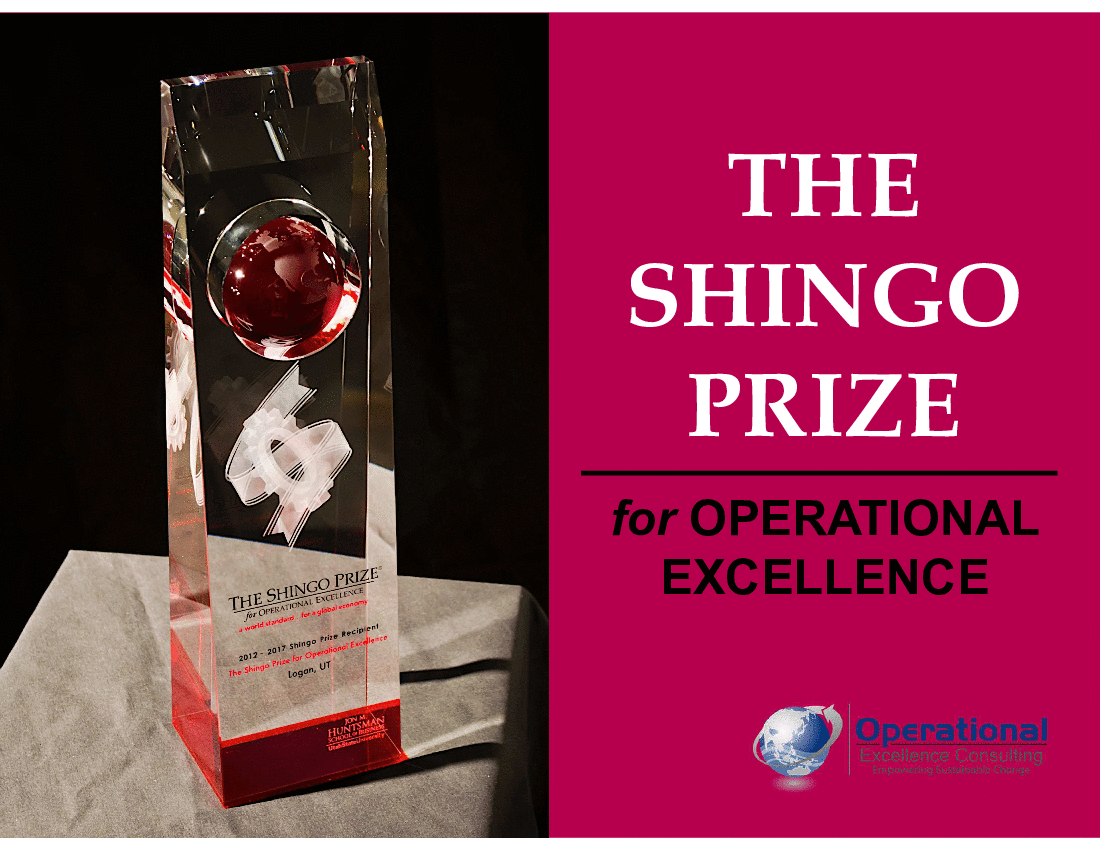
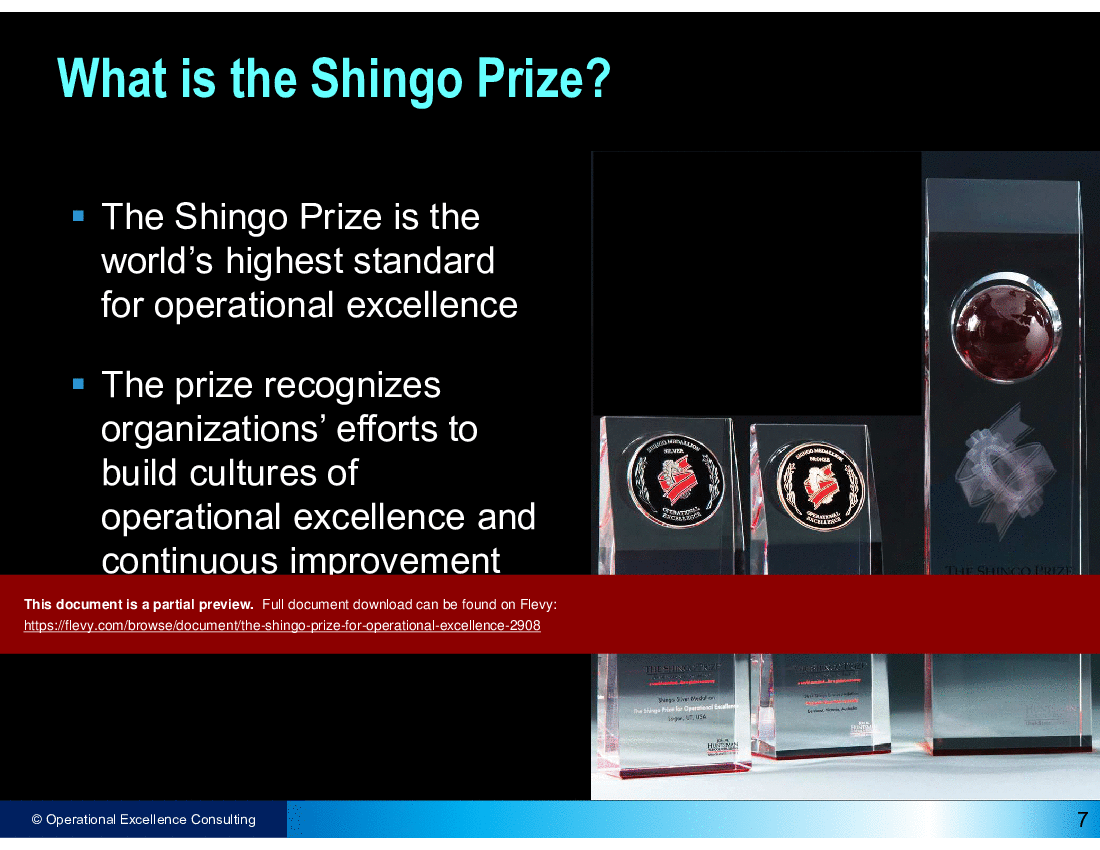

The Shingo Prize (a.k.a. The Shingo Model) is the world's highest standard for operational excellence. The prize recognizes organizations' efforts to build cultures of operational excellence and continuous improvement.

The prize is named after Shigeo Shingo, a Japanese industrial engineer who is widely recognized for his work in developing many of the revolutionary manufacturing practices that originated at Toyota. The Shingo Prize is based on the principles, systems and tools that deliver world class levels of excellence across an enterprise.
The Shingo Model is useful for companies/organizations who have embarked on the lean journey. The model can be used to assess the level of lean maturity and identify strengths and opportunities for improvement.
This training presentation can be used to brief employees to gain buy-in to the Shingo Model and prepare them for site visit assessments.
LEARNING OBJECTIVES
1. Understand The Shingo Prize as a Model for Operational Excellence.
2. Explain the Shingo Assessment Criteria for Operational Excellence.
3. Define the Shingo Model Assessment and Scoring Guidelines.
4. Gain an Overview of the Shingo Prize Application Process.
CONTENTS
1. Overview of the Shingo Prize
2. Assessment Criteria
3. Assessment & Scoring System
4. Application Process
5. Shingo Award Winners
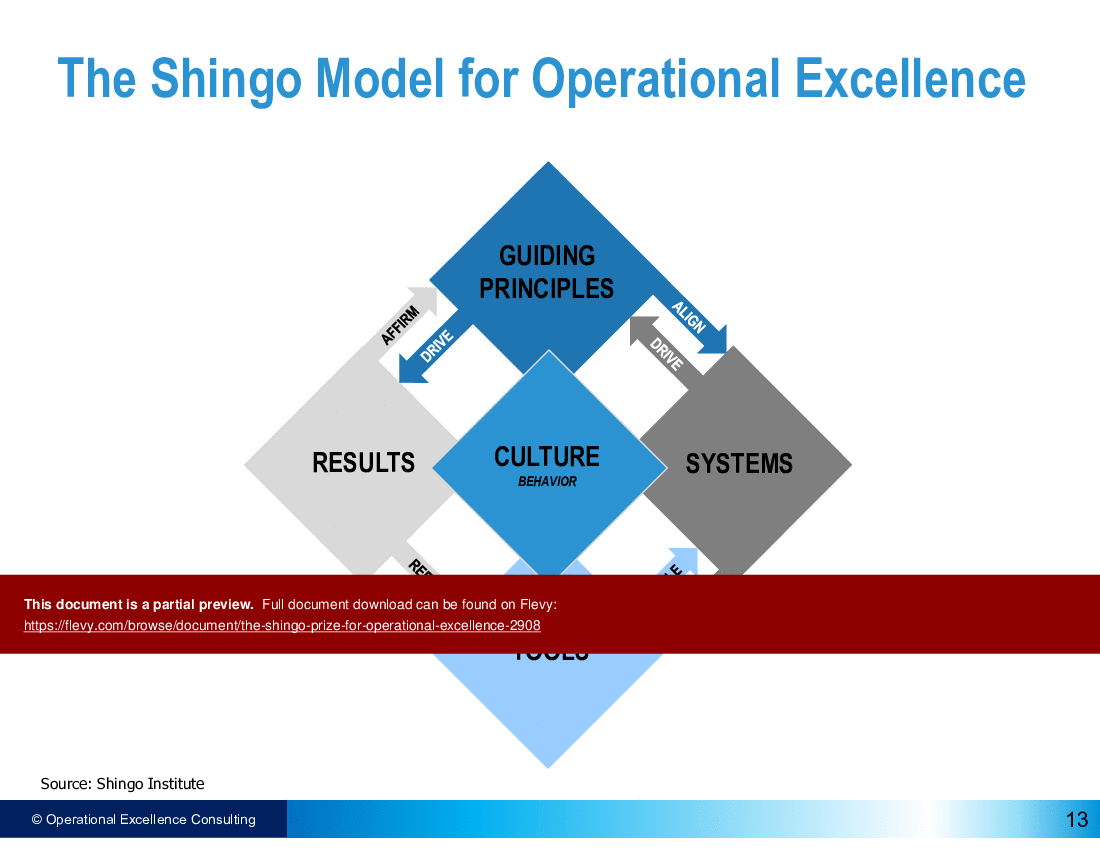
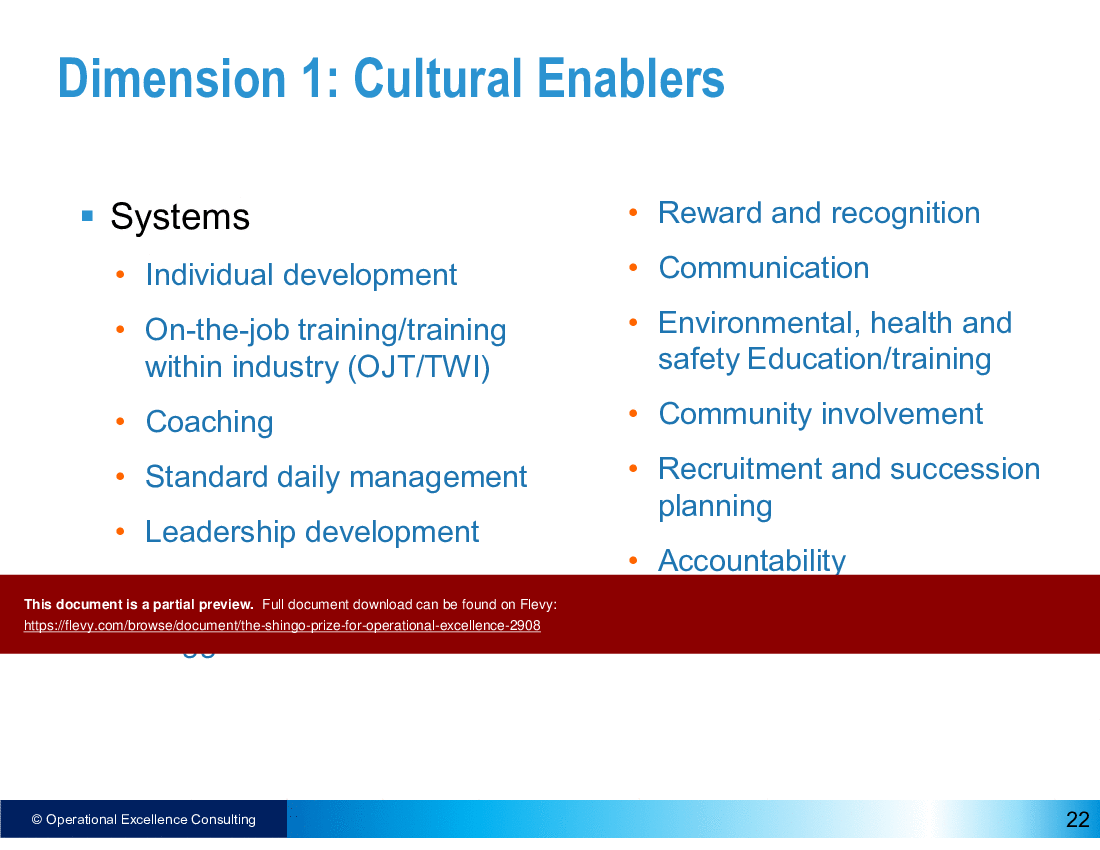
The Shingo Prize is often referred to as the "Nobel Prize for Manufacturing Excellence," underscoring its prestige in the industry. This PPT provides a comprehensive overview of the Shingo Model, detailing its guiding principles, cultural enablers, and the assessment criteria used to evaluate organizations. The model emphasizes the importance of embedding principles of operational excellence into the behavior and thinking of all employees, from senior leadership to associates.
The presentation also covers the application process for the Shingo Prize, including the assessment and feedback mechanisms. It highlights the significance of continuous improvement, enterprise alignment, and achieving measurable results. The document includes examples of ideal principle-based behaviors for leaders and associates, offering practical insights into how organizations can foster a culture of excellence. This resource is essential for any organization aiming to benchmark against the highest standards of operational excellence.
Got a question about the product? Email us at support@flevy.com or ask the author directly by using the "Ask the Author a Question" form. If you cannot view the preview above this document description, go here to view the large preview instead.
Executive Summary
The Shingo Prize for Operational Excellence presentation offers a comprehensive framework for organizations aiming to achieve operational excellence through the Shingo Model. Developed by an expert in business excellence, this presentation guides users through the assessment criteria, application process, and principles that define the Shingo Prize. By utilizing this resource, organizations can foster a culture of continuous improvement and align their operational practices with the highest standards of excellence.
Who This Is For and When to Use
• Senior executives seeking to implement operational excellence frameworks
• Continuous improvement leaders and teams focused on lean methodologies
• Quality assurance and operational managers aiming to enhance performance
• Organizations preparing for the Shingo Prize application process
Best-fit moments to use this deck:
• During strategic planning sessions focused on operational improvements
• When preparing for Shingo assessments or evaluations
• For training workshops aimed at embedding operational excellence principles
Learning Objectives
• Understand the Shingo Prize as a model for operational excellence
• Explain the Shingo assessment criteria for operational excellence
• Define the Shingo model assessment and scoring guidelines
• Gain an overview of the Shingo application process
Table of Contents
• Overview of the Shingo Prize (page 3)
• Assessment Criteria (page 19)
• Assessment & Scoring System (page 60)
• Application Process (page 72)
• Shingo Award Winners (page 80)
Primary Topics Covered
• Overview of the Shingo Prize - The Shingo Prize is recognized as the highest standard for operational excellence, emphasizing the importance of continuous improvement and cultural transformation.
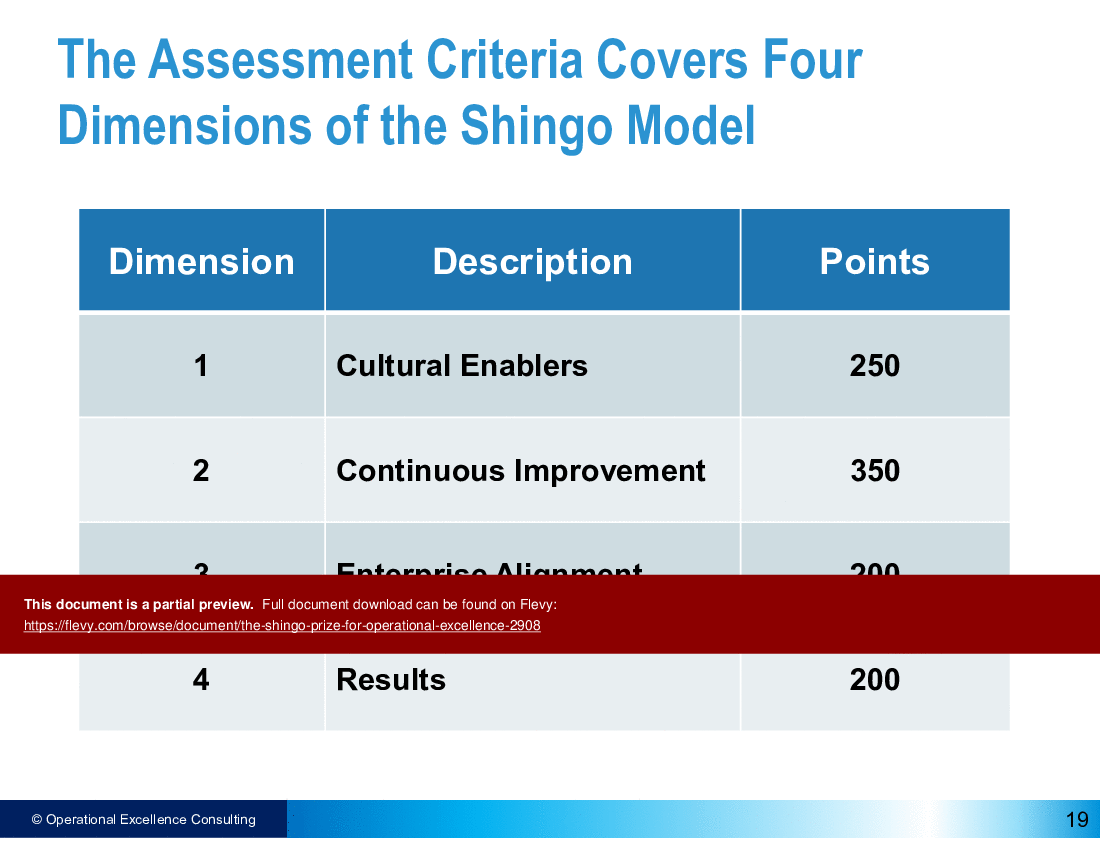
• Assessment Criteria - The assessment is based on 4 dimensions: Cultural Enablers, Continuous Improvement, Enterprise Alignment, and Results, each with specific scoring metrics.
• Assessment & Scoring System - This system evaluates the degree to which operational excellence principles are embedded in organizational culture, focusing on behaviors and results.
• Application Process - A step-by-step guide to applying for the Shingo Prize, including preparation and submission of the achievement report.
• Shingo Award Winners - A list of past recipients, showcasing organizations that have successfully implemented the Shingo Model.
Deliverables, Templates, and Tools
• Achievement report template for Shingo Prize application
• Assessment criteria checklist for operational excellence
• Scoring matrix for evaluating organizational performance
• Continuous improvement planning tools and frameworks
• Training materials for embedding Shingo principles in organizational culture
Slide Highlights
• Overview slide detailing the significance of the Shingo Prize
• Assessment criteria slide outlining the 4 key dimensions
• Scoring system slide illustrating the behavior assessment scale
• Application process slide providing a clear roadmap for applicants
• Award winners slide showcasing successful organizations and their achievements
Potential Workshop Agenda
Shingo Readiness Workshop (2 days)
• Introduction to the Shingo Model and its principles
• Detailed review of assessment criteria and scoring
• Group activities to develop achievement reports
• Feedback sessions on application strategies
Customization Guidance
• Tailor the achievement report to reflect specific organizational goals and metrics
• Adjust training materials to align with the unique culture and operational practices of the organization
• Incorporate case studies of past Shingo Prize winners relevant to your industry
Secondary Topics Covered
• Lean manufacturing principles and practices
• Continuous improvement methodologies
• Cultural transformation strategies for operational excellence
• Metrics and KPIs for measuring success in operational initiatives
Topic FAQ
Document FAQ
These are questions addressed within this presentation.
What is the Shingo Prize?
The Shingo Prize is the highest standard for operational excellence, recognizing organizations that foster a culture of continuous improvement.
Who can apply for the Shingo Award?
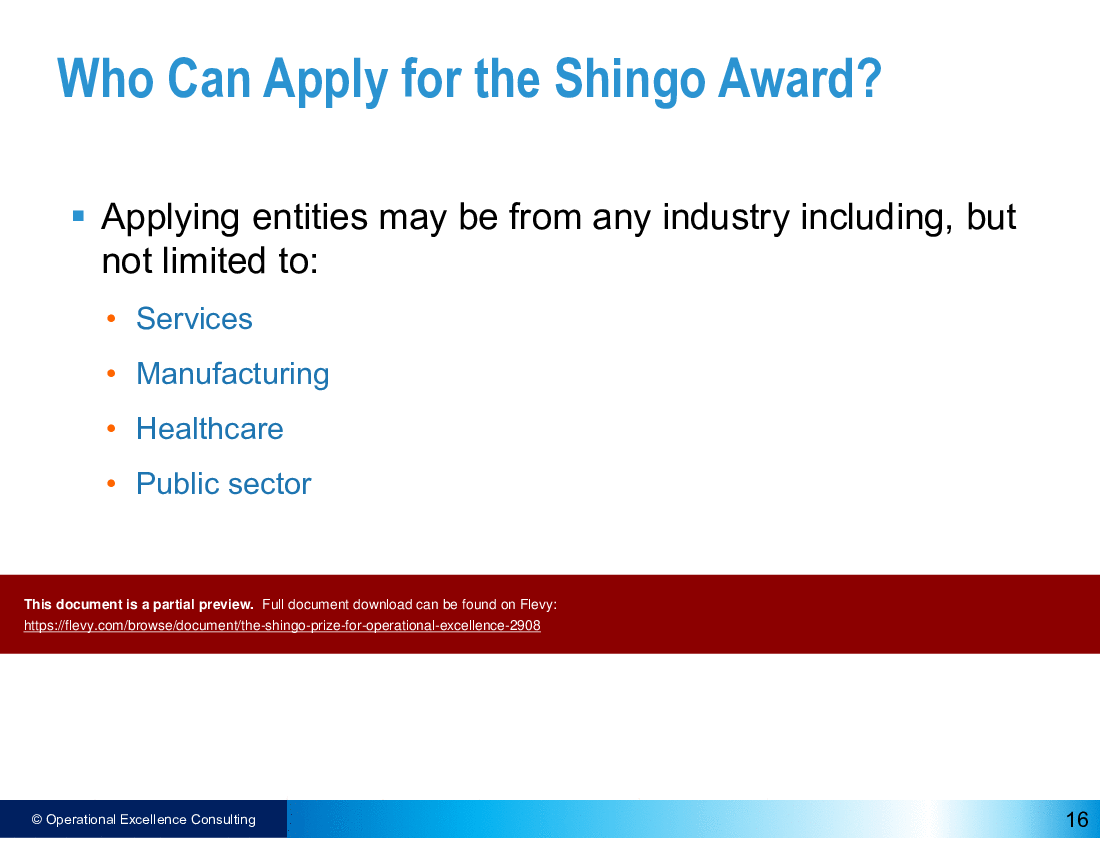
Any organization from various sectors, including manufacturing, healthcare, and services, can apply for the Shingo Award.
What are the assessment criteria for the Shingo Prize?
The assessment focuses on Cultural Enablers, Continuous Improvement, Enterprise Alignment, and Results, each with specific scoring metrics.
How is the Shingo Award evaluated?
A board of examiners evaluates organizations based on the degree to which Shingo principles are embedded in their culture, including site visits and assessments.
What are the levels of recognition for the Shingo Award?
Recognition levels include the Shingo Prize, Silver Medallion, and Bronze Medallion, based on the scores achieved during the assessment.
What is the application process for the Shingo Prize?
Organizations must attend a readiness workshop, prepare an achievement report, and submit it for evaluation by the Shingo Institute.
How long does the assessment process take?
Site assessments typically occur around 3 months after the application is received, involving a team of assessors.
What are the benefits of achieving the Shingo Prize?
Organizations gain recognition for their commitment to operational excellence, which can enhance reputation, employee engagement, and customer satisfaction.
Glossary
• Shingo Prize - The highest standard for operational excellence, awarded to organizations demonstrating deep cultural integration of operational excellence principles.
• Cultural Enablers - Factors that support a culture of continuous improvement, including leadership and employee engagement.
• Continuous Improvement - Ongoing efforts to enhance products, services, or processes through incremental improvements.
• Enterprise Alignment - Ensuring all parts of the organization are working towards common goals and objectives.
• Results - The outcomes achieved through the application of operational excellence principles, measured against established metrics.
• Assessment Criteria - The standards used to evaluate organizations applying for the Shingo Prize.
• Application Process - The steps organizations must follow to apply for the Shingo Prize, including preparation and submission of required documents.
• Scoring Matrix - A tool used to evaluate performance across various dimensions of operational excellence.
• Lean Manufacturing - A production practice that considers the expenditure of resources in any aspect other than the direct creation of value for the end customer to be wasteful and thus a target for elimination.
• Kaizen - A Japanese term meaning "continuous improvement," often used in business contexts to refer to activities that continuously improve all functions.
• Value Stream Mapping - A lean-management method for analyzing the current state and designing a future state for the series of events that take a product or service from start to finish.
• PDCA Cycle - A four-step management method used for the control and continuous improvement of processes and products.
• Lean Tools - Techniques used to implement lean principles, such as 5S, Kanban, and Just-In-Time (JIT).
• Voice of the Customer - The process of capturing customers' expectations, preferences, and aversions.
• Total Quality Management (TQM) - An organization-wide approach to continuous improvement that focuses on customer satisfaction through the involvement of all employees.
• Six Sigma - A set of techniques and tools for process improvement aimed at reducing defects and variability.
• Root Cause Analysis - A method of problem-solving used to identify the root causes of faults or problems.
• Benchmarking - The process of comparing business processes and performance metrics to industry bests and best practices from other companies.
• Standard Operating Procedures (SOP) - Established procedures to ensure consistent and quality performance of tasks.
• Key Performance Indicators (KPIs) - Quantifiable measures used to evaluate the success of an organization in meeting objectives for performance.
• Enterprise Resource Planning (ERP) - Integrated management of core business processes, often mediated by software and technology.
Source: Best Practices in Shingo Prize PowerPoint Slides: Shingo Prize for Operational Excellence PowerPoint (PPTX) Presentation Slide Deck, Operational Excellence Consulting
|
Receive our FREE presentation on Operational Excellence
This 50-slide presentation provides a high-level introduction to the 4 Building Blocks of Operational Excellence. Achieving OpEx requires the implementation of a Business Execution System that integrates these 4 building blocks. |