

Sales & Marketing Alignment With A Lead Lifecycle and Marketing Automation
In today's competitive business environment, the alignment between sales and marketing is more crucial than ever. This presentation will explore how integrating a lead lifecycle with marketing automation can streamline processes, enhance lead management, and ultimately drive revenue growth.
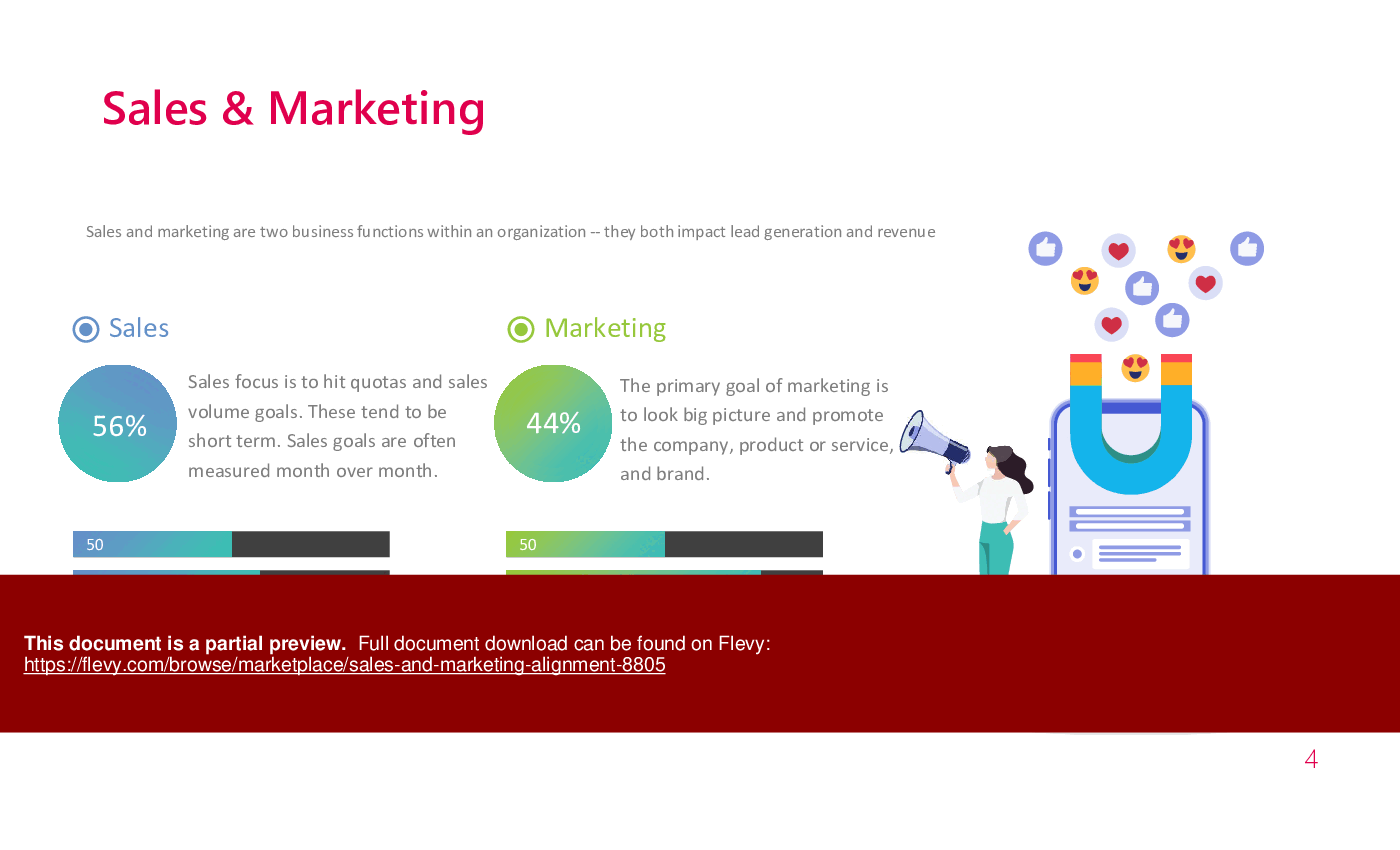
Sales and Marketing Alignment
Alignment between sales and marketing involves creating a cohesive strategy where both departments work towards common goals. This integration ensures that marketing efforts effectively generate leads that sales can convert into customers. Key benefits include improved communication, a unified customer journey, and increased accountability. Sales and marketing teams must collaborate on defining target audiences, developing messaging, and setting shared KPIs to measure success.
Lead Lifecycle
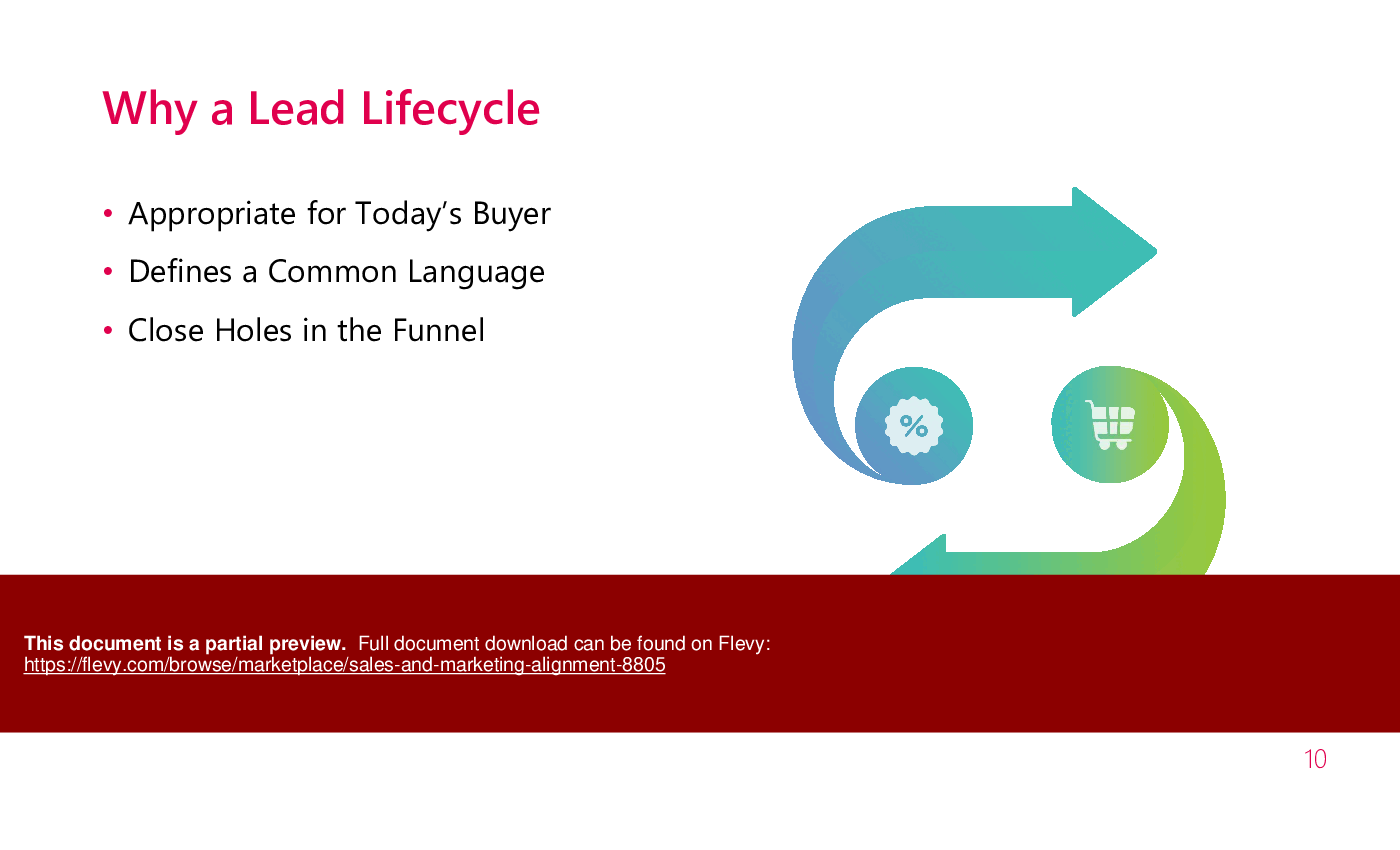
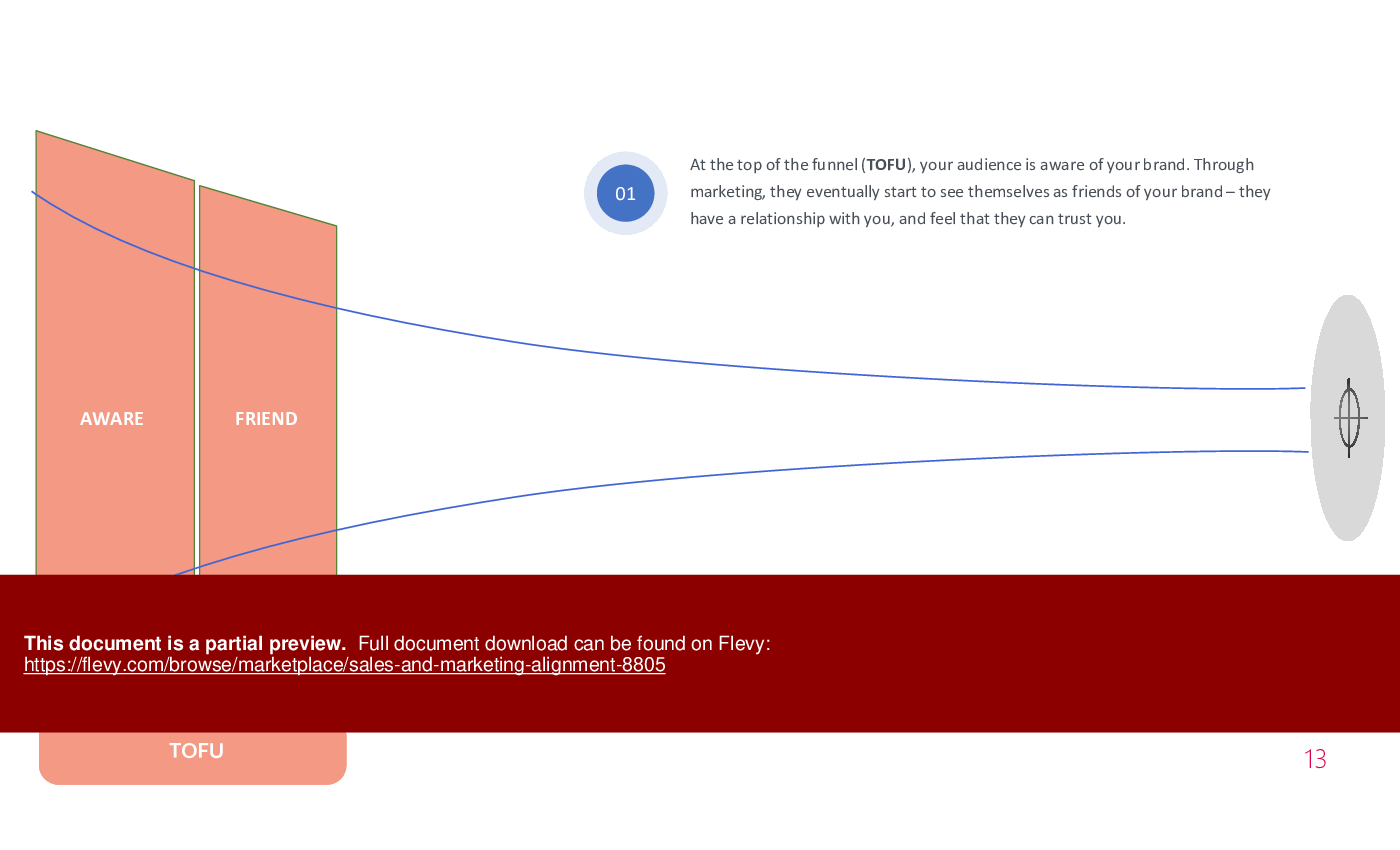
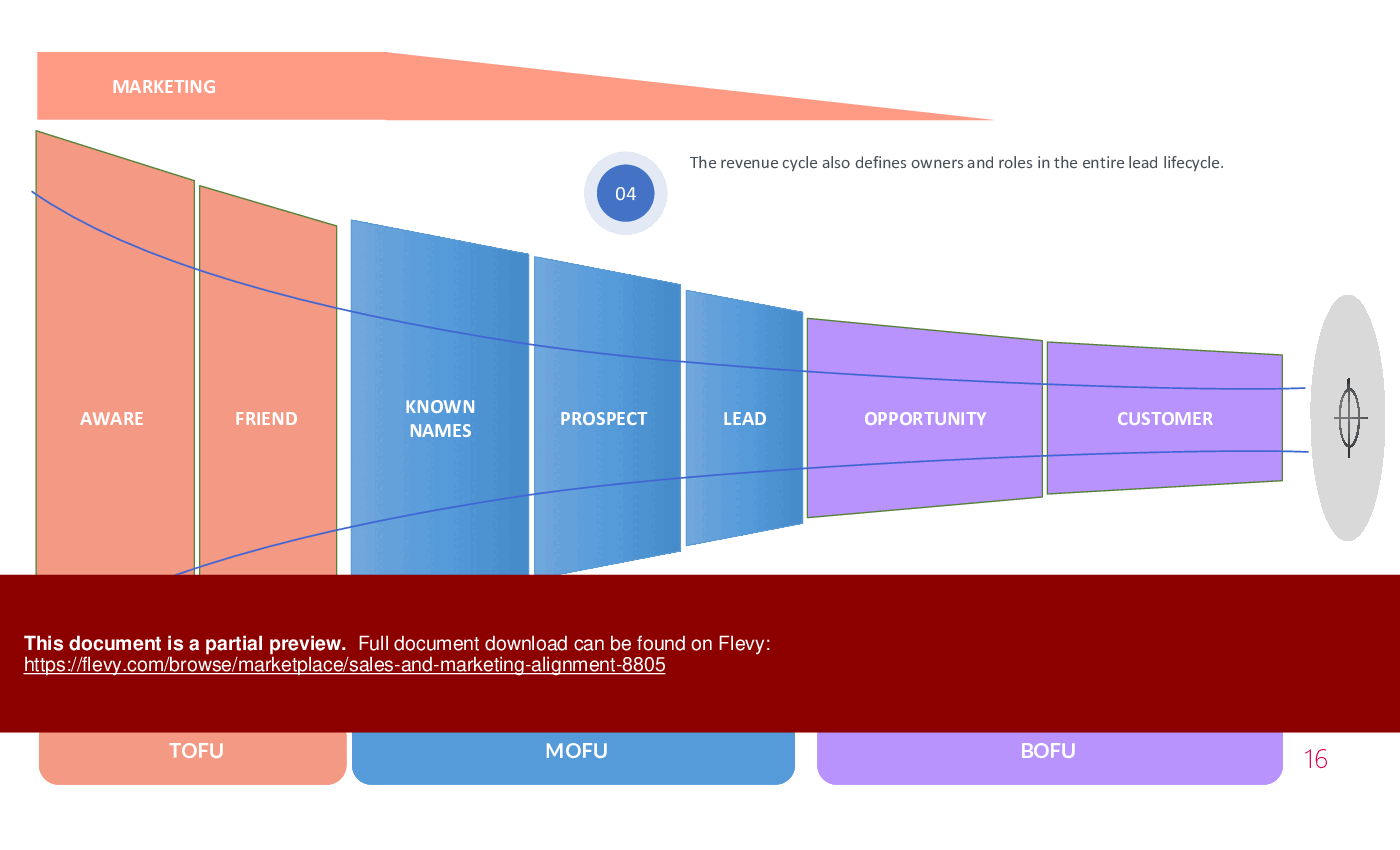
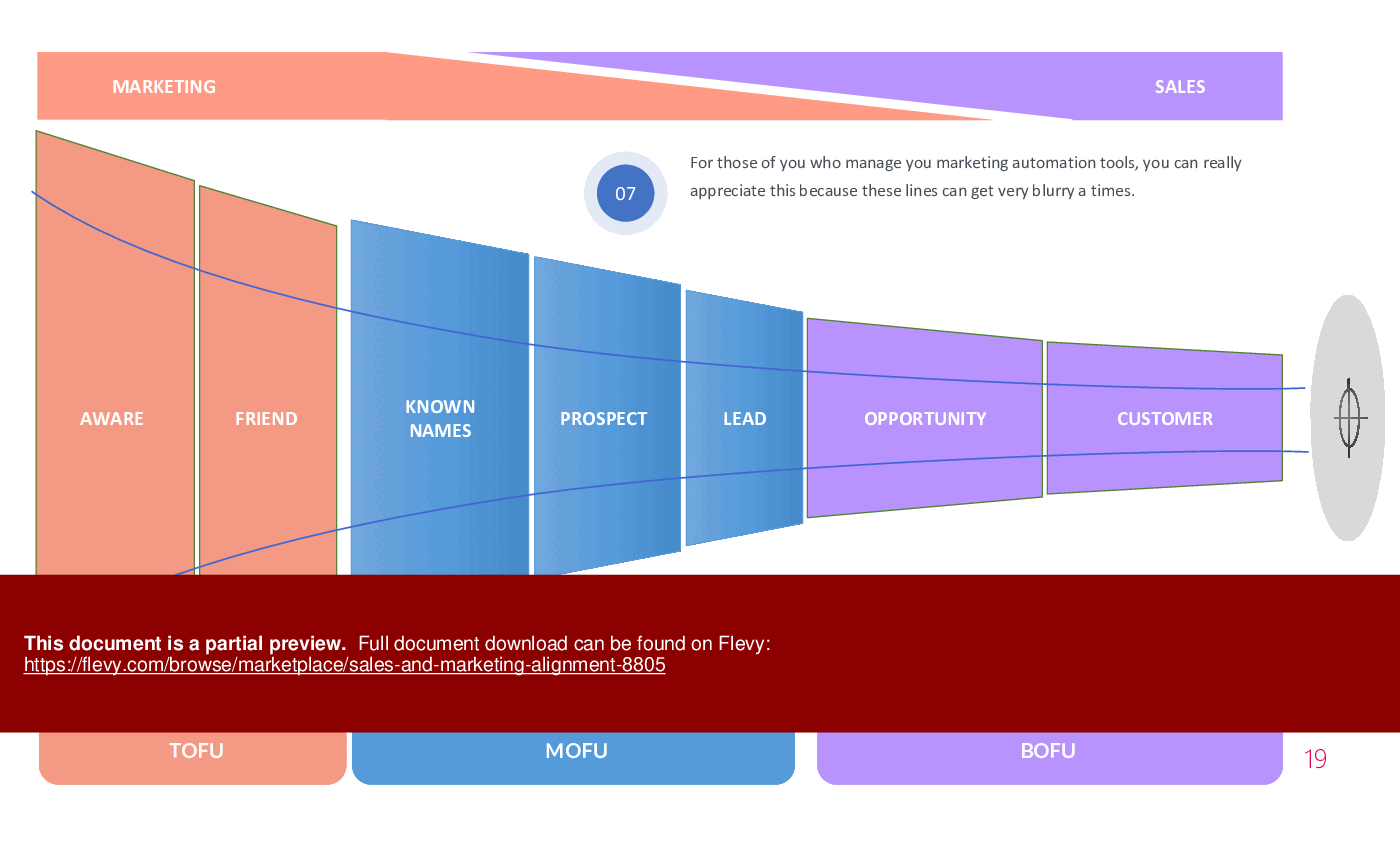
Understanding the lead lifecycle is essential for aligning sales and marketing. The lead lifecycle encompasses all stages a lead goes through, from initial awareness to becoming a loyal customer. It typically includes the following stages:
1. Attract: Capturing the interest of potential customers through various marketing efforts.
2. Convert: Turning interested prospects into leads by obtaining their contact information.
3. Nurture: Engaging leads with personalized content and interactions to move them through the sales funnel.
4. Close: Converting nurtured leads into paying customers.
5. Retain: Continuing to engage customers post-purchase to foster loyalty and repeat business.
Marketing Automation
Marketing automation plays a pivotal role in managing the lead lifecycle effectively. It involves using software to automate repetitive marketing tasks, such as email campaigns, social media posts, and lead scoring. Key benefits include:
• Efficiency: Automating tasks saves time and ensures consistent execution.
• Personalization: Tailoring content and interactions to individual leads based on their behavior and preferences.
• Scalability: Managing large volumes of leads without compromising on quality.
Integration and Implementation
To achieve effective alignment, integrate marketing automation tools with CRM systems. This integration enables seamless data flow between marketing and sales, ensuring that both teams have access to up-to-date information on lead status and interactions. Regular meetings and feedback loops between sales and marketing teams can also help refine strategies and improve overall performance.
In conclusion, aligning sales and marketing through a well-defined lead lifecycle and leveraging marketing automation can significantly enhance lead management, improve conversion rates, and drive business growth.
Sales and marketing alignment is not just a buzzword; it's a necessity for driving growth in today's fast-paced market. This PPT provides actionable insights into defining lead scoring and establishing clear service level agreements, ensuring both teams are on the same page and maximizing their efforts.
Got a question about the product? Email us at support@flevy.com or ask the author directly by using the "Ask the Author a Question" form. If you cannot view the preview above this document description, go here to view the large preview instead.
Executive Summary
The Sales and Marketing Alignment presentation is designed to bridge the gap between sales and marketing teams, emphasizing the importance of a unified approach to lead management and marketing automation. This expert template, developed by professionals with extensive experience at McKinsey, Deloitte, and Capgemini, provides actionable insights into lead lifecycle stages and marketing strategies that enhance collaboration. By utilizing this presentation, organizations can streamline their processes, improve communication, and ultimately drive revenue growth.
Who This Is For and When to Use
• Sales and Marketing Executives seeking to enhance team collaboration
• Business Development Managers focused on lead conversion
• Marketing Professionals responsible for campaign effectiveness
• Sales Representatives aiming for better lead qualification
Best-fit moments to use this deck:
• During strategic planning sessions to align sales and marketing goals
• In training workshops for new sales and marketing personnel
• When implementing or revising lead management processes
Learning Objectives
• Define the lead lifecycle and its significance in sales and marketing alignment
• Build effective lead scoring models that reflect sales readiness
• Establish a common lead language to enhance team communication
• Develop Service Level Agreements (SLAs) that clarify roles and responsibilities
• Identify key metrics for tracking lead progression through the funnel
• Create actionable marketing automation strategies that support sales efforts
Table of Contents
• Introduction to Sales and Marketing Alignment (page 3)
• Evolution of Relationship Marketing Terminology (page 4)
• Understanding Sales and Marketing Functions (page 5)
• Importance of a Lead Lifecycle (page 9)
• Building Your Lead Lifecycle (page 22)
• Lead Scoring Techniques (page 23)
• Defining Lead Language (page 34)
• Establishing Lead SLAs (page 38)
• Governing Your Lead Lifecycle (page 50)
• Benefits of Sales and Marketing Alignment (page 51)
• Resources and Templates (page 52)
Primary Topics Covered
• Lead Lifecycle - The lead lifecycle provides a structured approach to managing leads from generation to conversion, ensuring both sales and marketing teams are aligned in their efforts.
• Lead Scoring - A systematic method for ranking leads based on their readiness to purchase, incorporating both behavioral and demographic criteria.
• Lead Language - Establishing a common terminology for leads, including definitions for Marketing Contacted Lead (MCL), Marketing Qualified Lead (MQL), and Sales Qualified Lead (SQL).
• Service Level Agreements (SLAs) - Clear agreements that define the roles and responsibilities of sales and marketing teams at each stage of the lead lifecycle.
• Marketing Automation - Strategies for leveraging technology to automate marketing efforts, enhancing lead nurturing and engagement.
• Collaboration Techniques - Best practices for fostering collaboration between sales and marketing teams to improve lead conversion rates.
Deliverables, Templates, and Tools
• Lead scoring model template to assess lead readiness
• Common lead language definitions for team alignment
• SLA framework outlining responsibilities for sales and marketing
• Marketing automation strategy guide to streamline processes
• Lead lifecycle diagram illustrating stages from awareness to customer
• Reporting templates for tracking lead progression and performance
Slide Highlights
• Visual representation of the lead lifecycle stages, highlighting the transition from leads to customers
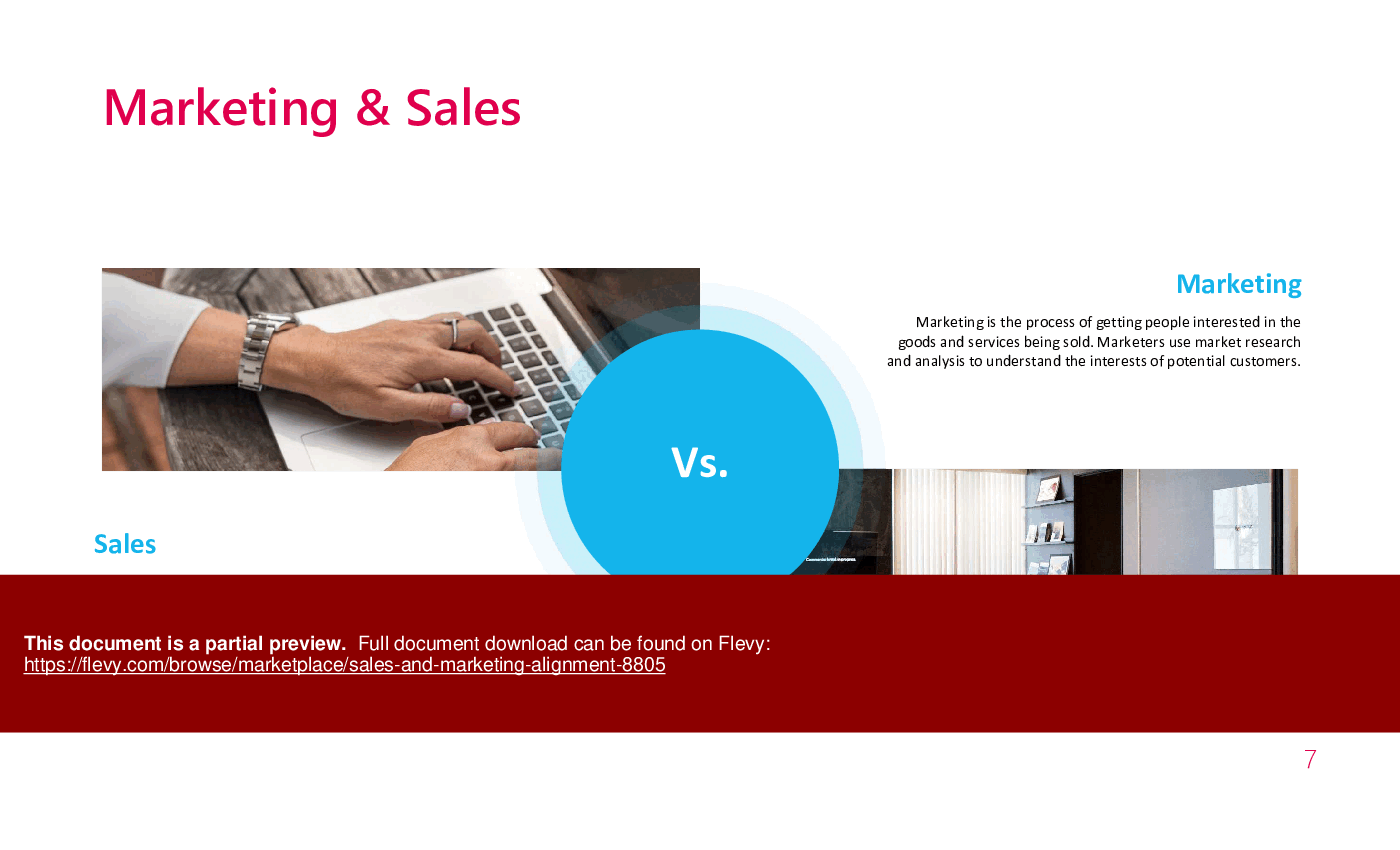
• Comparison of sales and marketing functions, emphasizing their distinct roles and interdependencies
• Infographic detailing the evolution of relationship marketing terminology
• Framework for establishing SLAs between sales and marketing teams
• Case studies showcasing successful sales and marketing alignment strategies
Potential Workshop Agenda
Lead Lifecycle Overview (60 minutes)
• Introduce the concept of the lead lifecycle and its importance
• Discuss the roles of sales and marketing in lead management
• Identify common challenges and solutions
Lead Scoring and Language (90 minutes)
• Define lead scoring criteria and its impact on sales readiness
• Establish a common lead language for team communication
• Develop a scoring model collaboratively
SLA Development Session (60 minutes)
• Outline key responsibilities for sales and marketing teams
• Create draft SLAs to ensure accountability and clarity
• Review and refine SLAs based on team feedback
Customization Guidance
• Tailor lead scoring criteria to reflect your organization's specific buyer personas
• Adjust the lead language definitions to align with your internal terminology
• Customize SLAs based on the unique roles and responsibilities of your sales and marketing teams
• Incorporate your existing marketing automation tools into the strategies outlined in the presentation
Secondary Topics Covered
• The impact of customer engagement on lead conversion
• Strategies for improving brand loyalty through effective marketing
• The role of data analytics in optimizing sales and marketing alignment
• Techniques for enhancing customer experience throughout the lead lifecycle
• Best practices for using social media in lead generation
Topic FAQ
Source: Best Practices in Sales, Marketing Automation PowerPoint Slides: Sales and Marketing Alignment PowerPoint (PPTX) Presentation Slide Deck, RadVector Consulting
|
Download our FREE Strategy & Transformation Framework Templates
Download our free compilation of 50+ Strategy & Transformation slides and templates. Frameworks include McKinsey 7-S, Balanced Scorecard, Disruptive Innovation, BCG Curve, and many more. |










