
 Click main image to view in full screen. Unlock all 19 preview images:
Quality Management System (QMS) - ISO 9001:2015 – PowerPoint PPTX Template
PowerPoint (PPTX) 168 Slides


QUALITY MANAGEMENT PPT TEMPLATE DESCRIPTION
Quality Management System (QMS) – ISO 9001:2015 :
Introduction to the Standard
This presentation provides a comprehensive introduction to a quality management standard, often represented by ISO 9001 or similar frameworks. The standard sets out the criteria for a quality management system (QMS) that organizations can use to improve their operational processes, satisfy customer needs, and comply with regulatory requirements. By adopting this standard, companies demonstrate a commitment to quality and a proactive approach to continuous improvement.
Benefits of Implementation
Implementing a quality management standard has numerous benefits for an organization. It promotes consistency in processes, reduces inefficiencies, and enhances customer satisfaction by focusing on quality at every level. Through better-defined roles and responsibilities, it also increases employee engagement and accountability. By aligning quality objectives with business goals, the standard fosters a culture of excellence that can lead to improved market reputation, reduced risk, and potentially higher revenue.
PDCA Cycle
The Plan-Do-Check-Act (PDCA) cycle is a foundational concept within the quality standard. It ensures that quality improvements are systematic and sustainable. In the "Plan" phase, organizations set quality objectives and determine the resources needed. The "Do" phase involves implementing these plans. The "Check" phase assesses performance through measurement and monitoring, while the "Act" phase involves making adjustments based on the findings. This cycle promotes a culture of iterative improvement that evolves with the organization's needs.
Risk-Based Thinking / Audits
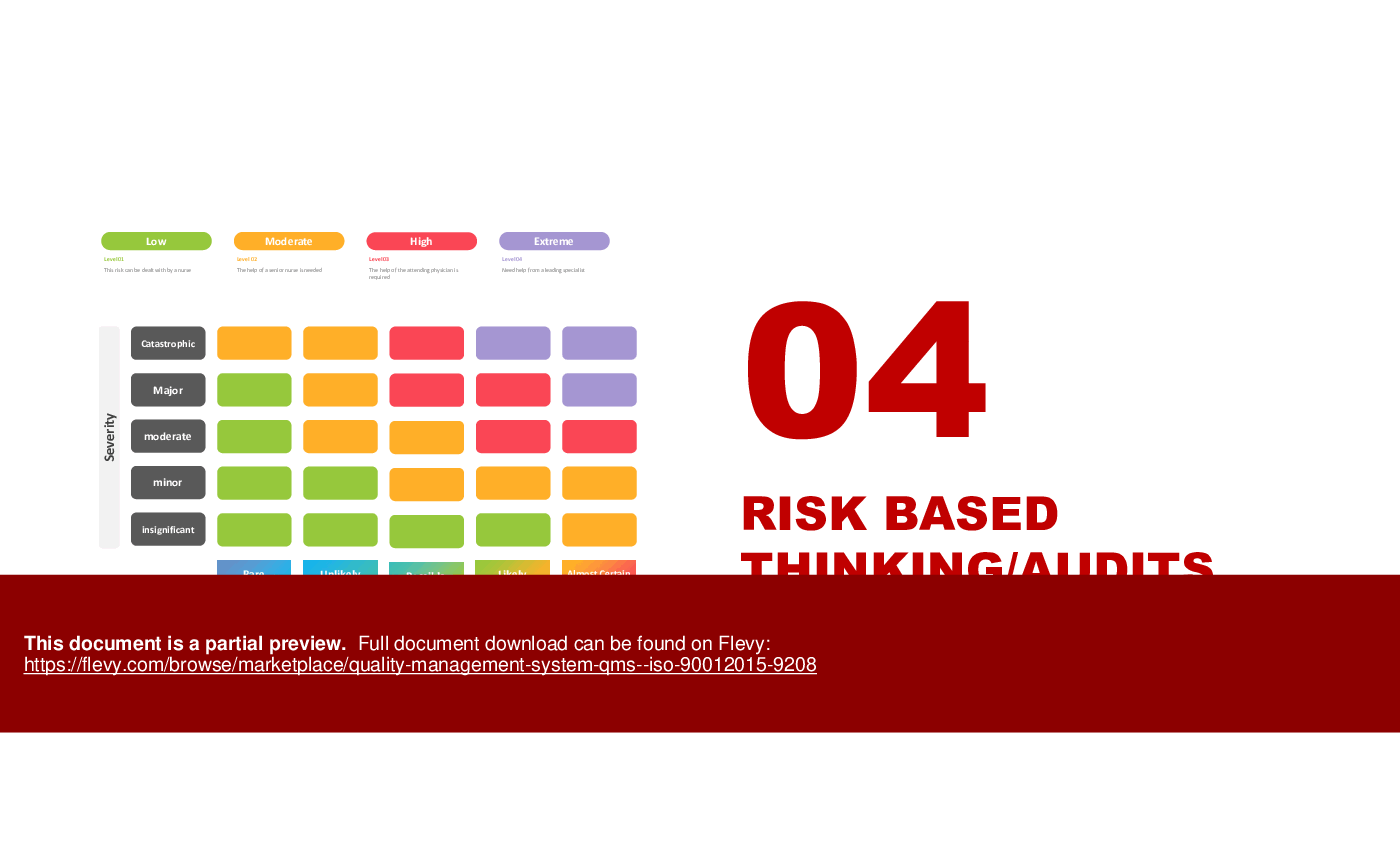
Risk-based thinking requires organizations to identify, analyze, and address potential risks that could impact quality objectives. This approach prevents issues before they arise, enhancing reliability and stability. Internal audits are an essential part of this risk-based approach, serving as a tool to evaluate whether processes meet defined standards and identify areas for improvement. Audits provide a structured way to verify compliance, analyze risk factors, and make informed decisions to maintain quality standards.
Annex SL
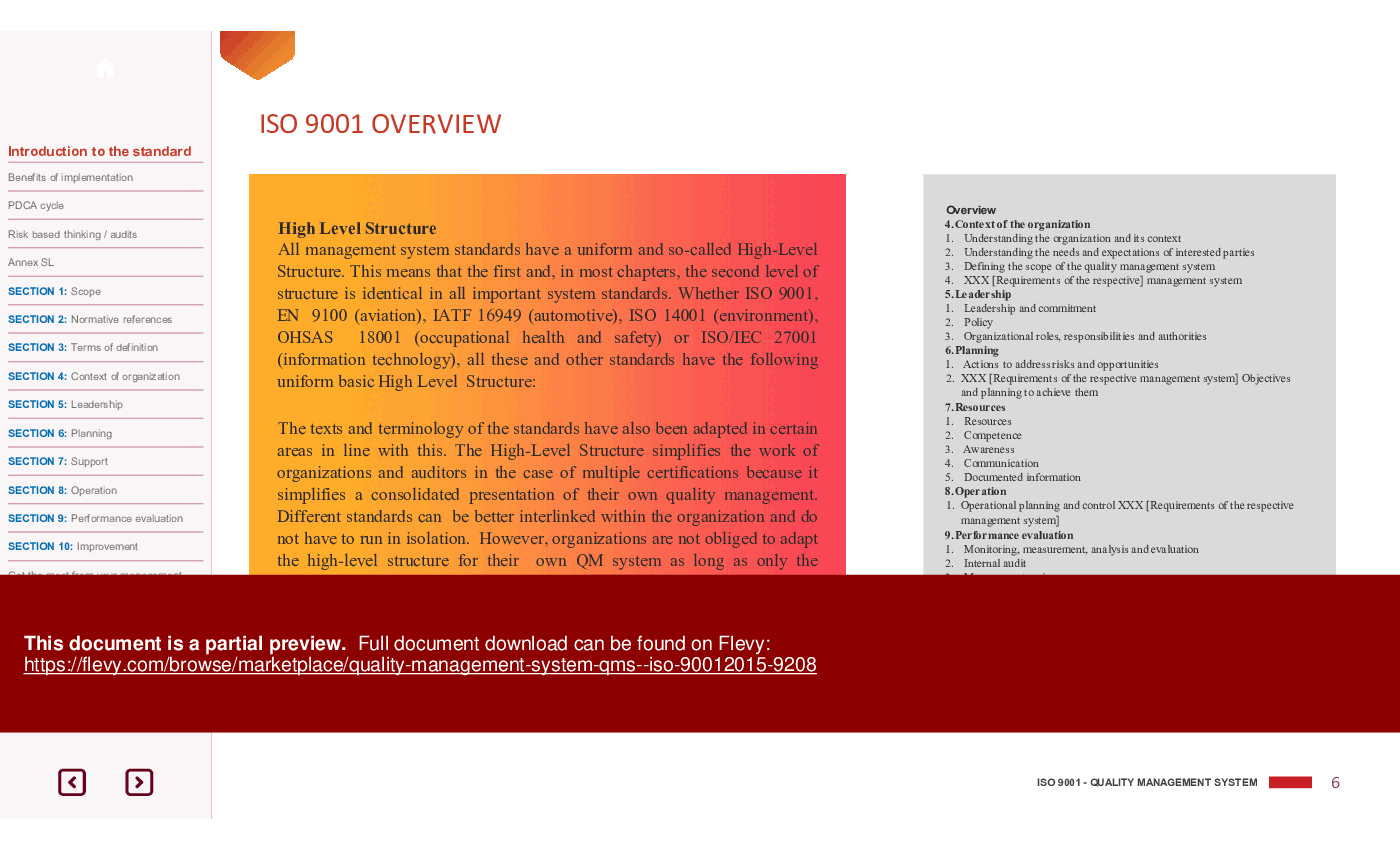
Annex SL provides a common framework for all ISO management system standards, making it easier for organizations to integrate multiple standards, such as ISO 9001, ISO 14001 (Environmental Management), or ISO 45001 (Occupational Health and Safety). With a consistent structure, terminology, and approach across standards, Annex SL streamlines the implementation process, reduces duplication, and enhances consistency across different management systems.
Section 1: Scope
The scope section defines the boundaries of the QMS, detailing which parts of the organization or which specific activities are covered by the standard. This clarity helps focus the QMS on areas that are critical to quality while ensuring compliance with standard requirements in all applicable areas.
Section 2: Normative References
This section lists additional documents that are essential for implementing the standard. These references ensure that the QMS is built on a foundation of reliable resources, helping organizations align with industry best practices and regulatory requirements.
Section 3: Terms and Definitions
This section provides clear definitions of key terms used in the standard. Understanding this terminology is essential to ensure that everyone within the organization interprets quality-related requirements consistently, avoiding misunderstandings that could lead to quality issues.
Section 4: Context of the Organization
This section requires organizations to analyze internal and external factors that may impact their ability to meet quality objectives. By assessing the business environment, competitive landscape, and regulatory context, organizations can align their QMS with strategic goals, ensuring that it supports broader business objectives while addressing stakeholder expectations.
Section 5: Leadership
The standard emphasizes that effective leadership is crucial for the successful implementation of a QMS. Leaders are responsible for setting a vision for quality, defining objectives, and allocating resources. By fostering a culture of quality, leaders drive engagement and ensure that quality management becomes an integral part of the organization's culture.
Section 6: Planning
Planning within the QMS involves setting quality objectives, identifying risks and opportunities, and determining the necessary actions to achieve these goals. This section helps organizations prepare for potential challenges and enables proactive management of quality initiatives.
Section 7: Support
Support covers the resources, competence, awareness, communication, and documentation needed to maintain an effective QMS. It ensures that employees have the necessary skills, tools, and information to carry out their roles effectively. This section emphasizes the importance of training and effective communication in sustaining high-quality standards.
Section 8: Operation
This section addresses the core processes required to deliver quality products or services consistently. It includes process control, product requirements, and criteria for meeting customer needs. By clearly defining these processes, organizations can achieve reliable, repeatable results and ensure customer satisfaction.
Section 9: Performance Evaluation
Performance evaluation involves monitoring, measurement, analysis, and evaluation of the QMS. Through regular internal audits and management reviews, organizations assess the effectiveness of their processes, identify areas for improvement, and make data-driven decisions to enhance quality.
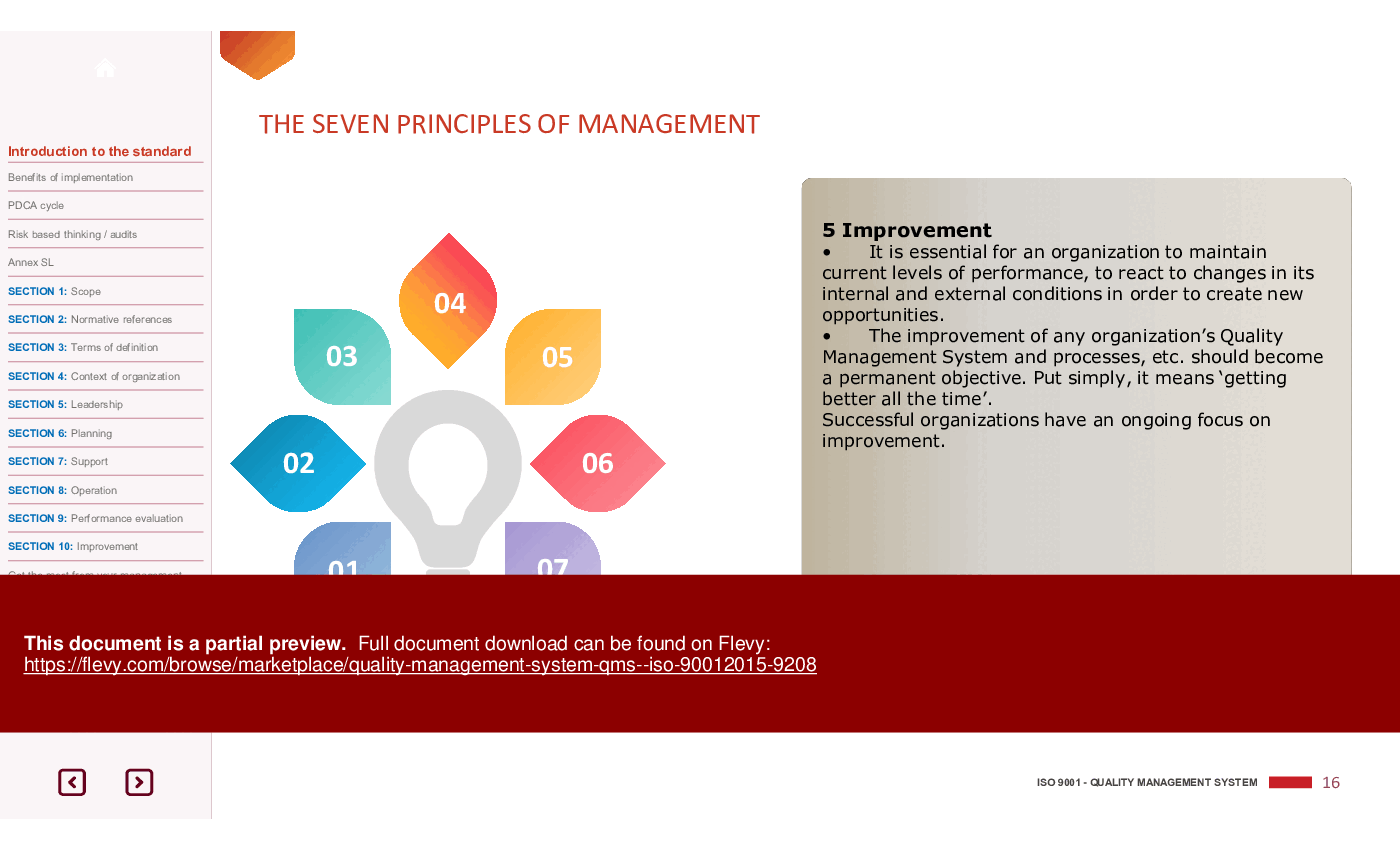
Section 10: Improvement
The improvement section emphasizes a commitment to continual improvement by identifying non-conformities, analyzing root causes, and implementing corrective actions. This focus on improvement helps organizations remain competitive and responsive to changing customer demands and industry trends.
Getting the Most from Your Management
Active management involvement is essential for the success of the QMS. Leaders should not only support quality initiatives but also promote them as strategic business priorities. By showing commitment, management can inspire a company-wide dedication to quality, ensuring that employees at all levels understand and support quality objectives.
Next Steps Once Implemented
Once the QMS is implemented, organizations must continue to maintain and refine it. Regular updates, audits, and management reviews help ensure that the system evolves in response to changing needs and challenges. Continuous education, feedback loops, and stakeholder engagement are also essential for long-term success.
The Migration Process Steps
For organizations transitioning to a new or updated quality standard, a structured migration process is essential. This involves assessing current practices, identifying gaps, planning updates, training staff, and gradually implementing changes. Effective migration ensures minimal disruption while aligning the QMS with the latest requirements.
Got a question about the product? Email us at support@flevy.com or ask the author directly by using the "Ask the Author a Question" form. If you cannot view the preview above this document description, go here to view the large preview instead.
PRESENTATION DEEP DIVE ANALYSIS
This deep-dive analysis was generated from the full 168-slide PowerPoint presentation.
Source: Best Practices in Quality Management, ISO 9001 PowerPoint Slides: Quality Management System (QMS) - ISO 9001:2015 PowerPoint (PPTX) Presentation Slide Deck, RadVector Consulting