Objective of the Presentation:
To understand and explore opportunities in supply chain optimization solutions in manufacturing by analysing overall demand trends, identifying potential end-user use cases, company profiling, and benchmarking major players in the market
Sections included:
Section 1 | Importance of Resilient Supply Chain Optimization Solutions
• Key drivers for the increasing importance of resilient supply chain optimization in today's market
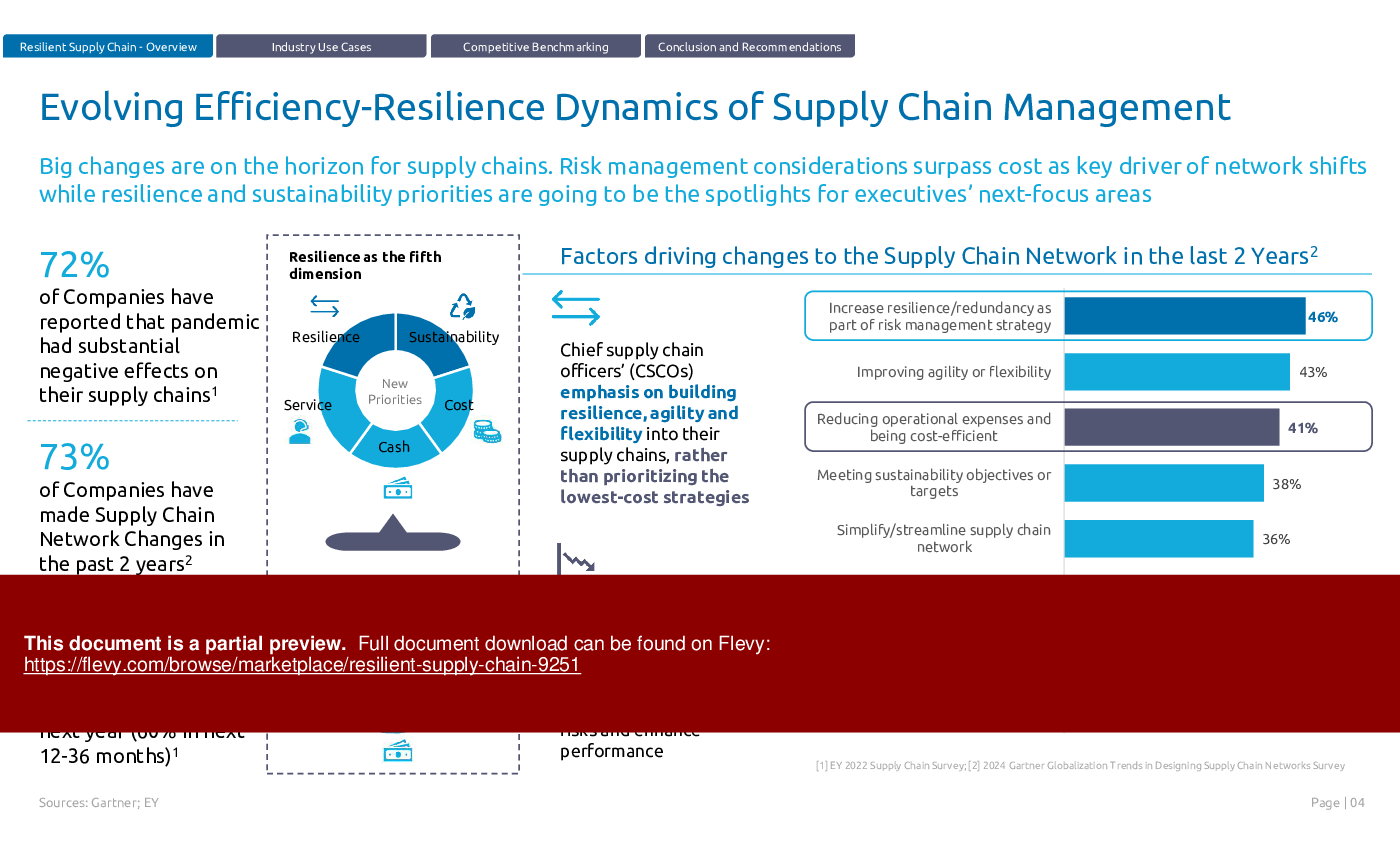
• Recent analyst insights (market data) on the balance between efficiency and resilience in supply chain management
• Findings from recent surveys regarding the state of supply chain resilience among organizations
• Key developments in technology or market dynamics have influenced the need for resilient supply chains
Section 2 | Potential industries and Use Cases for Resilient Supply Chain Optimization Using AI/Gen AI
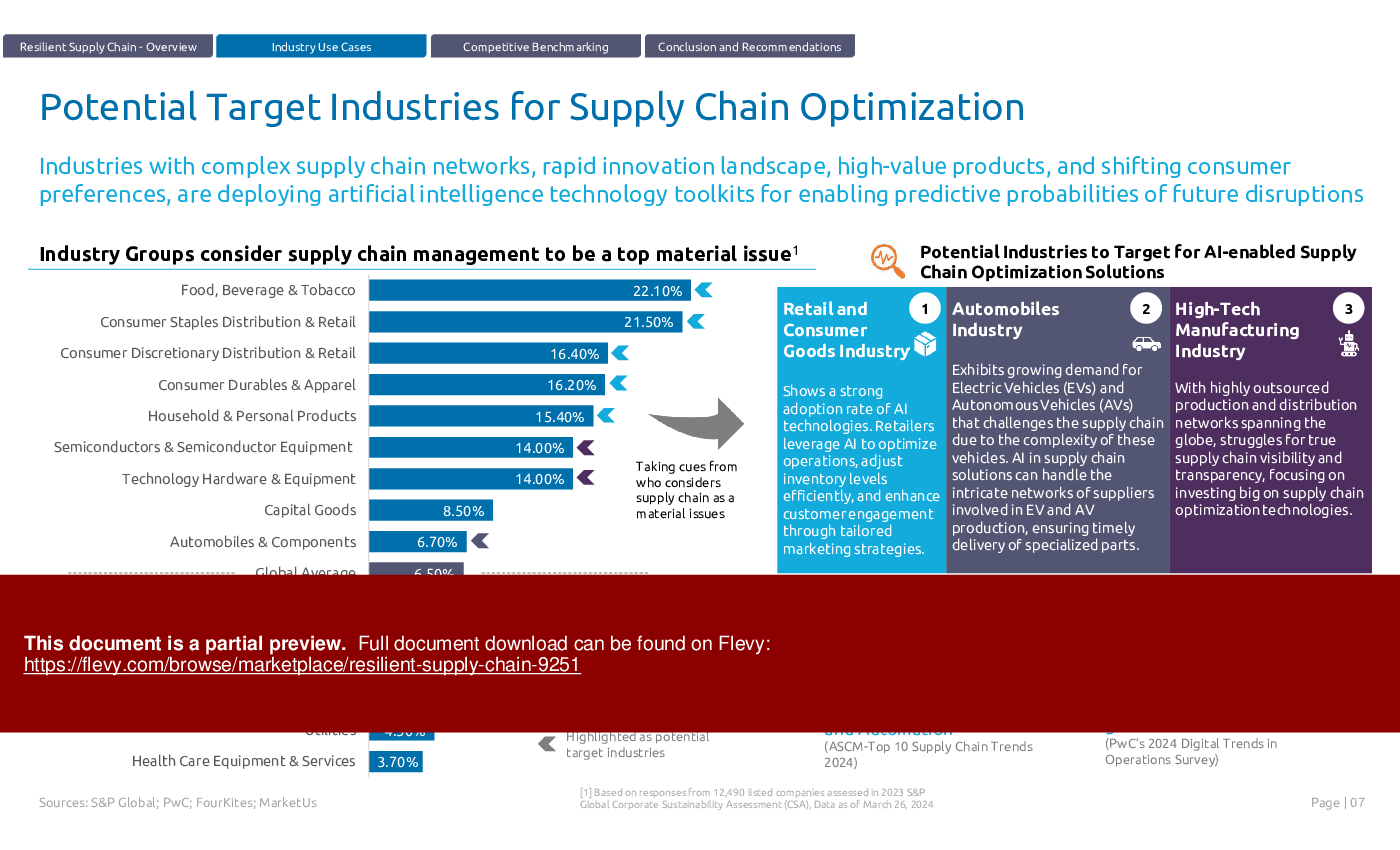
• Potential industries to target with proper rationale or back up with market data
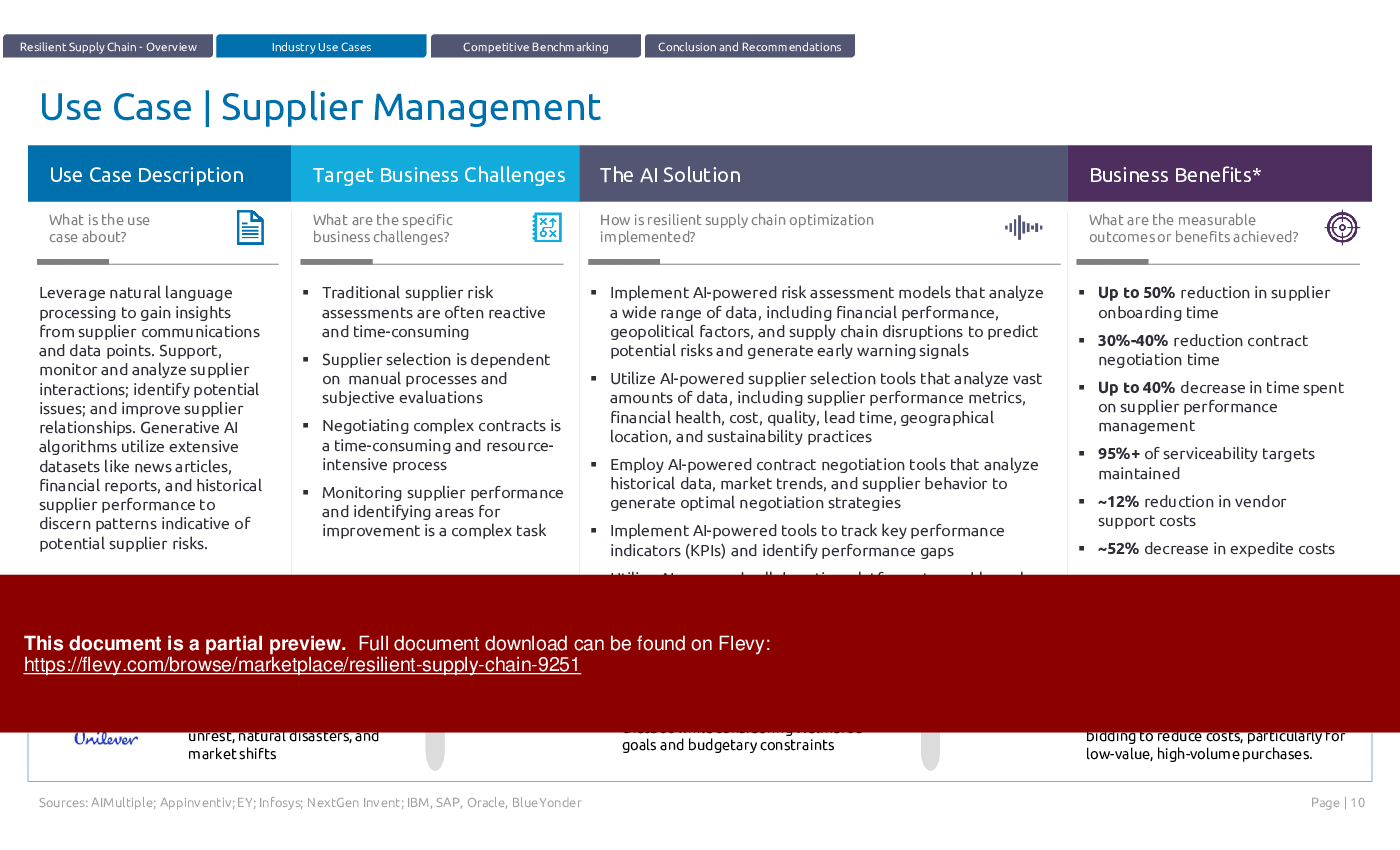
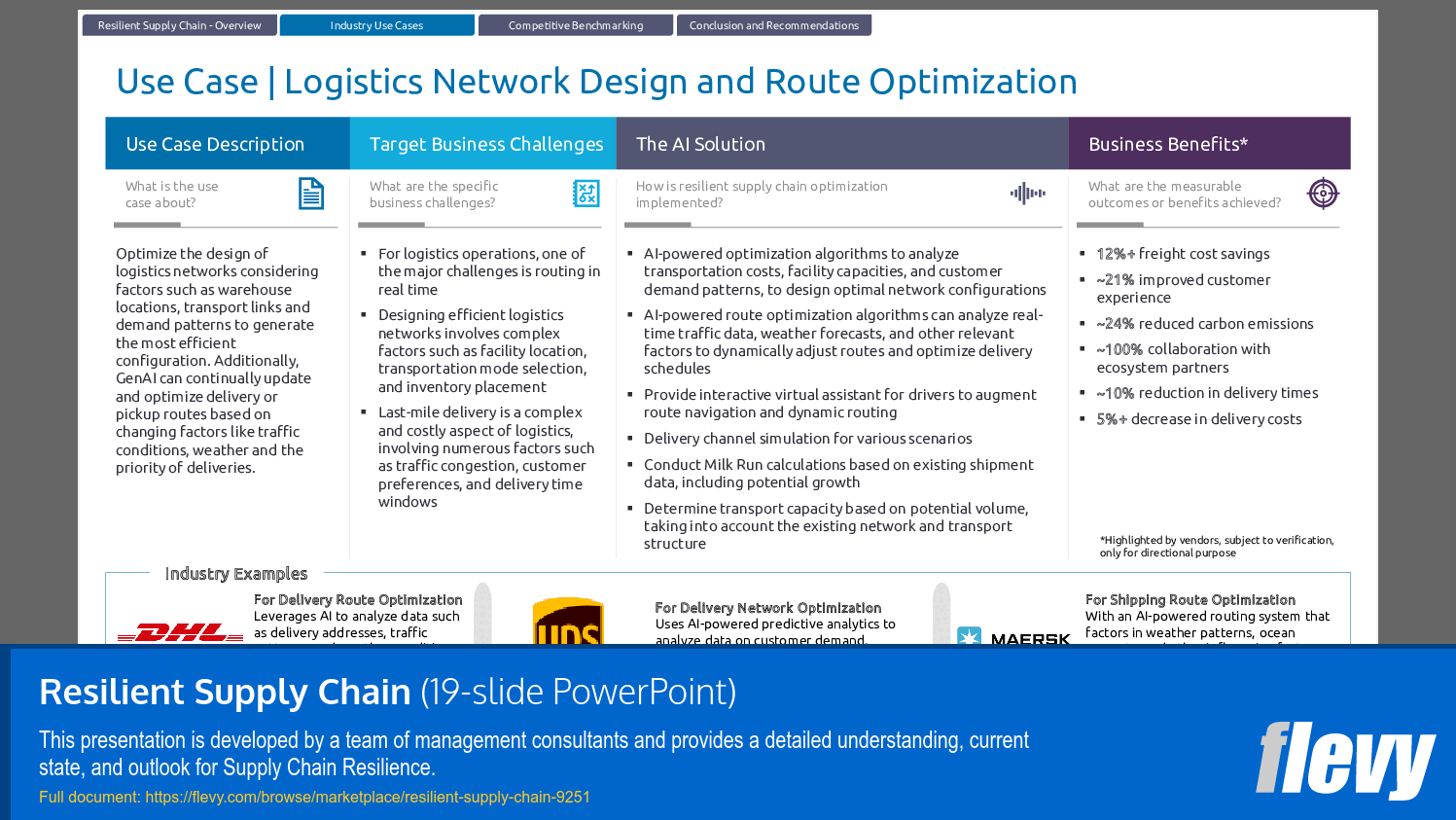
• Potential and actual use cases for resilient supply chain optimization utilizing AI or Generative AI. Each use case includes – Title: What is the use case about, Challenges: What are the specific challenges, Solution: How resilient supply chain optimization was implemented, and End Result: What are the measurable outcomes or benefits achieved
Section 3 | Benchmarking of Major Players in Resilient Supply Chain Optimization
• Who are the top players in the resilient supply chain optimization space
• How do these players differentiate themselves in terms of the breadth and depth of their portfolios
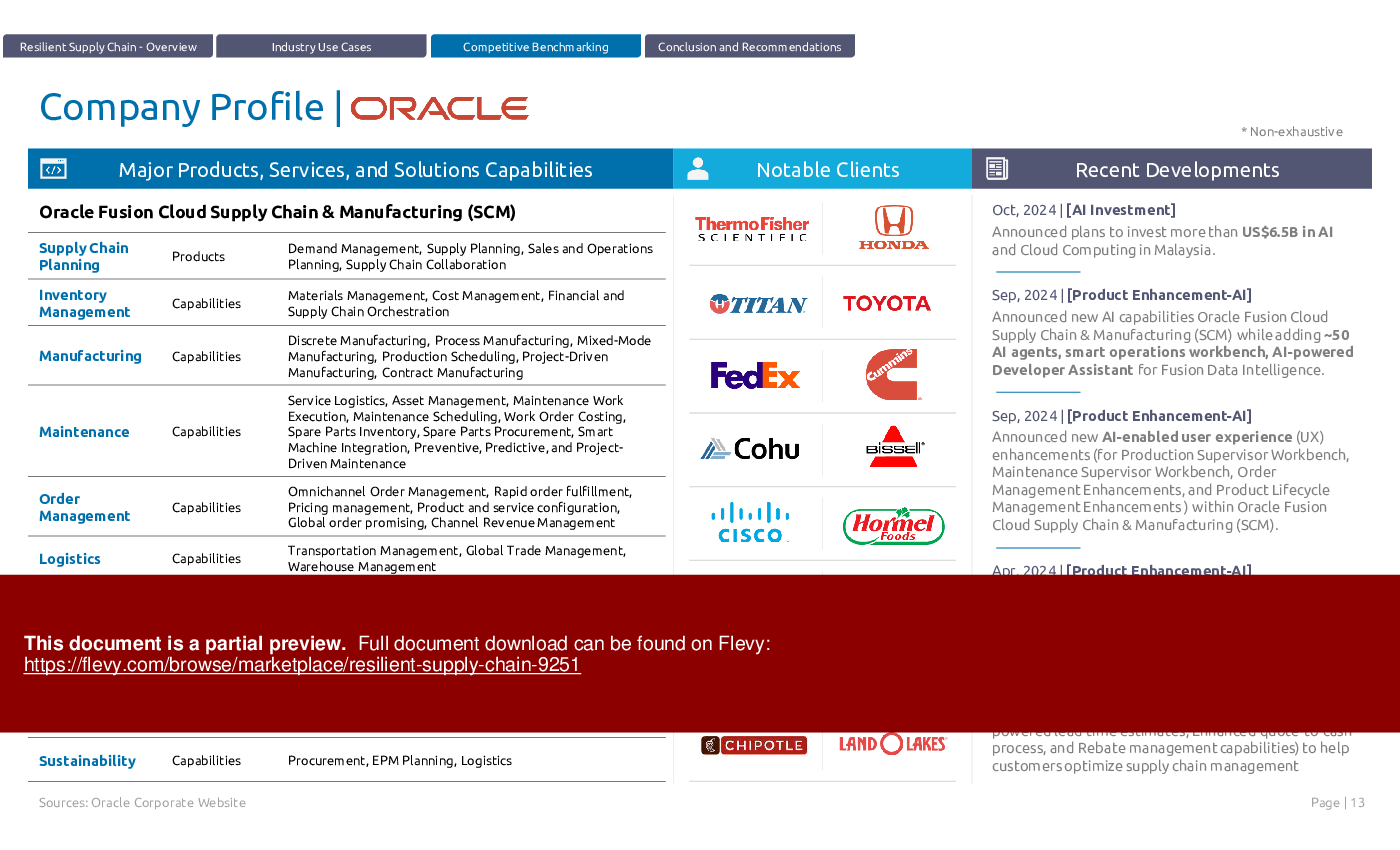
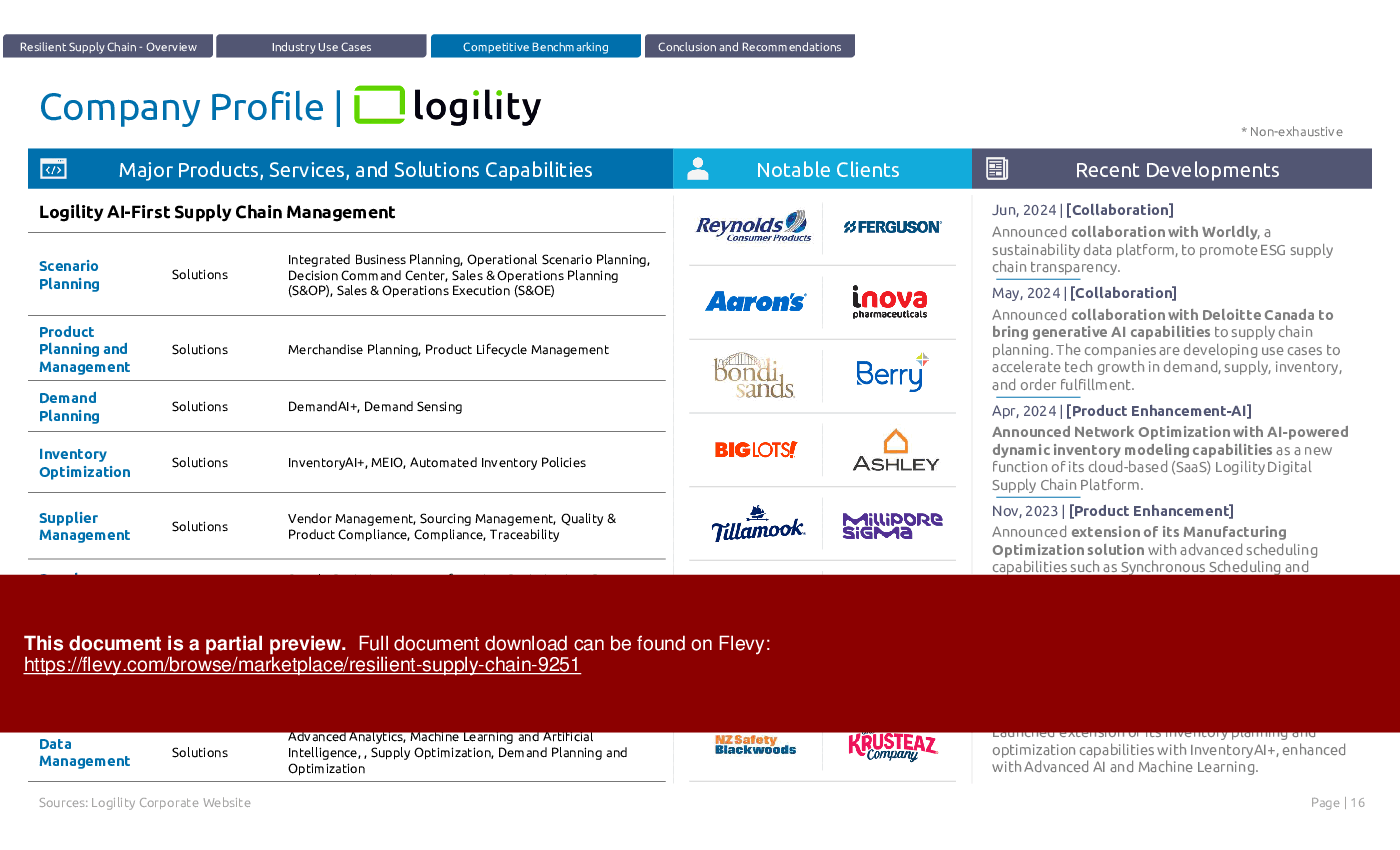
• Detailed company profile for the top 5 players that includes: Major Offerings-What are their key products or services in the resilient supply chain optimization sector, Key Clients: Who are their notable clients if available, Recent Developments: What significant partnerships, collaborations, or technological advancements have they made in the last 1-2 years related to resilient supply chain optimization using Gen AI / AI
Section 4 | Conclusion
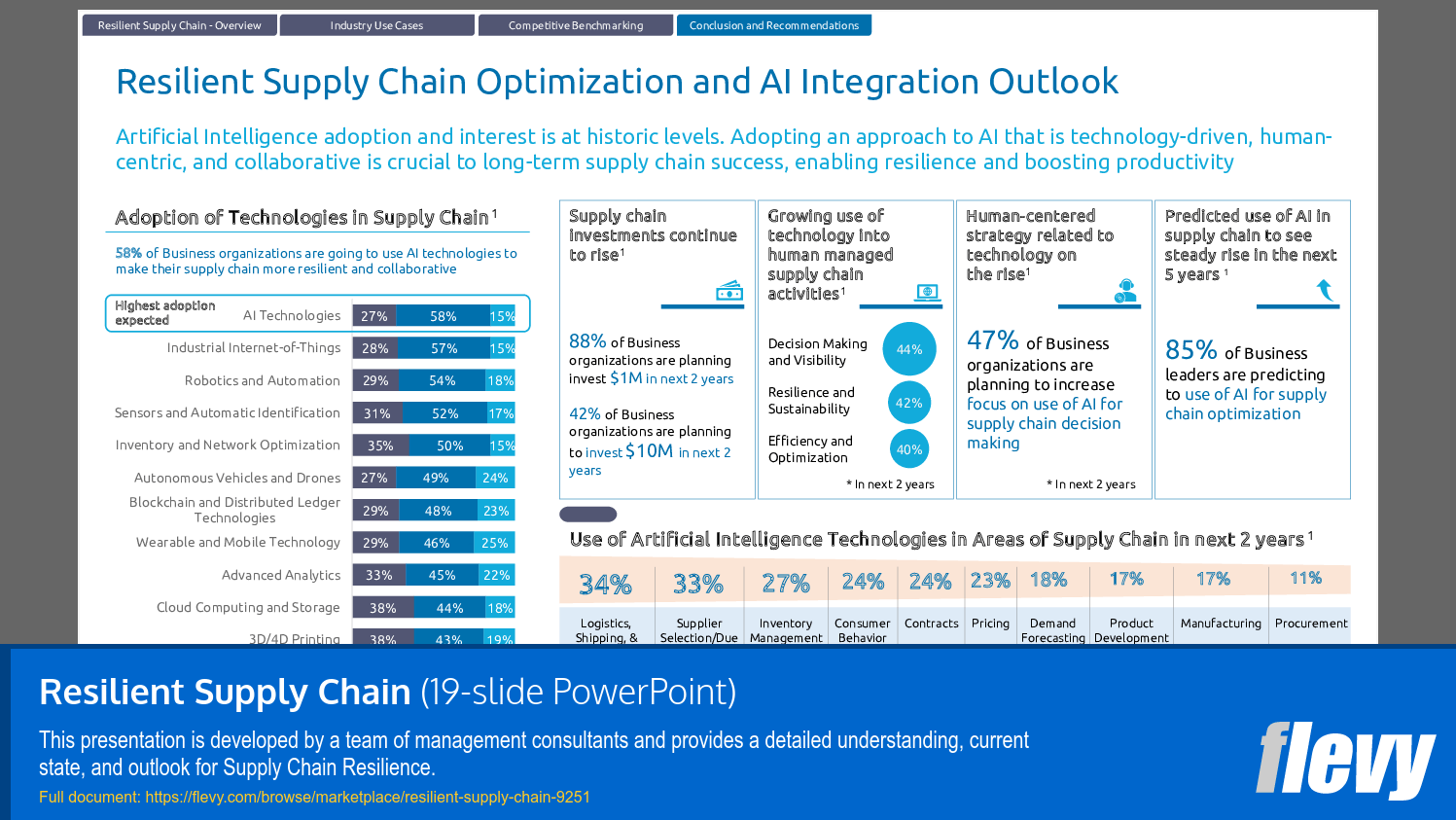
• Future trends in resilient supply chain optimization, particularly with the integration of AI and Gen AI technologies
Got a question about the product? Email us at support@flevy.com or ask the author directly by using the "Ask the Author a Question" form. If you cannot view the preview above this document description, go here to view the large preview instead.
Executive Summary
The "Resilient Supply Chain" presentation provides a comprehensive analysis of supply chain resilience, emphasizing the necessity for organizations to adapt to disruptions and optimize their supply chains. Developed by a team of management consultants, this presentation outlines the current state of supply chain resilience, identifies key drivers of change, and offers actionable recommendations. Executives will gain insights into leveraging AI and advanced technologies to enhance supply chain flexibility, reduce costs, and improve overall performance.
Who This Is For and When to Use
• Supply Chain Executives responsible for strategic planning and risk management
• Operations Managers focused on optimizing logistics and inventory
• Business Analysts analyzing market trends and consumer behavior
• Consultants advising organizations on supply chain transformations
Best-fit moments to use this deck:
• During strategic planning sessions to assess supply chain vulnerabilities
• In workshops aimed at enhancing operational resilience
• When evaluating technology investments for supply chain optimization
• For training sessions on best practices in supply chain management
Learning Objectives
• Define supply chain resilience and its importance in today's market
• Identify key drivers influencing supply chain optimization
• Analyze industry use cases that demonstrate successful resilience strategies
• Build frameworks for integrating AI and advanced technologies into supply chains
• Establish metrics for measuring supply chain performance and resilience
• Develop actionable recommendations for enhancing supply chain flexibility
Table of Contents
• Resilient Supply Chain Overview (page 3)
• Industry Use Cases (page 7)
• Competitive Benchmarking (page 12)
• Outlook and Recommendations (page 18)
Primary Topics Covered
• Supply Chain Resilience - The ability of a supply chain to respond swiftly to disruptions through effective contingency planning and forecasting.
• Key Drivers of Change - Factors such as geopolitical events, economic uncertainty, and regulatory changes that necessitate enhanced supply chain resilience.
• AI Integration - The role of artificial intelligence in predicting disruptions and optimizing supply chain operations.
• Industry Use Cases - Real-world examples of organizations successfully implementing resilient supply chain strategies.
• Competitive Benchmarking - Analysis of how leading companies are adapting their supply chains to meet new challenges.
• Future Outlook - Predictions on the evolution of supply chain resilience and the technologies that will shape it.
Deliverables, Templates, and Tools
• Framework for assessing supply chain resilience
• Checklist for identifying key drivers of supply chain change
• Template for evaluating AI technologies applicable to supply chain management
• Case study examples of successful supply chain transformations
• Metrics dashboard for tracking supply chain performance
• Guidelines for developing a resilient supply chain strategy
Slide Highlights
• Overview of supply chain resilience and its competitive advantages
• Key drivers of change impacting supply chains today
• Case studies showcasing industry leaders in supply chain optimization
• Visual representation of AI technologies enhancing supply chain resilience
• Strategic recommendations for future-proofing supply chains
Potential Workshop Agenda
Supply Chain Resilience Overview (60 minutes)
• Introduce the concept of supply chain resilience
• Discuss key drivers of change and their implications
• Review case studies of successful implementations
AI Integration Strategies (90 minutes)
• Explore the role of AI in supply chain optimization
• Identify specific AI tools and technologies for implementation
• Develop a roadmap for integrating AI into supply chain processes
Performance Metrics and Evaluation (60 minutes)
• Establish key performance indicators for supply chain resilience
• Discuss methods for tracking and reporting on supply chain performance
• Create an action plan for ongoing evaluation and improvement
Customization Guidance
• Tailor the presentation to reflect specific industry challenges and opportunities
• Update case studies with recent examples relevant to the audience
• Modify metrics and performance indicators to align with organizational goals
• Adjust terminology and frameworks to fit the company culture and language
Secondary Topics Covered
• The impact of geopolitical events on supply chain stability
• Strategies for sustainable and ethical sourcing
• The role of digital transformation in enhancing supply chain visibility
• Best practices for managing supplier relationships in a resilient supply chain
Topic FAQ
Document FAQ
These are questions addressed within this presentation.
What is supply chain resilience?
Supply chain resilience refers to the ability of a supply chain to quickly adapt to disruptions through effective planning and forecasting.
Why is supply chain resilience important?
It enables organizations to withstand disruptions, minimizing the impact on revenues, costs, and customer satisfaction.
How can AI improve supply chain resilience?
AI can analyze vast amounts of data to predict disruptions, optimize inventory levels, and enhance decision-making processes.
What are the key drivers of change in supply chains today?
Geopolitical events, economic uncertainty, regulatory changes, and consumer expectations are significant drivers influencing supply chain strategies.
What industries can benefit from resilient supply chain strategies?
Industries such as healthcare, technology, and consumer goods are particularly well-suited for implementing resilient supply chain practices.
How do I measure supply chain performance?
Establish key performance indicators (KPIs) that align with organizational goals and track metrics related to efficiency, cost, and customer satisfaction.
What are some common challenges in achieving supply chain resilience?
Challenges include managing complex supplier networks, adapting to regulatory changes, and integrating new technologies.
How can organizations prepare for future supply chain disruptions?
Developing flexible contingency plans, investing in technology, and fostering strong supplier relationships are essential for preparedness.
Glossary
• Supply Chain Resilience - The capacity of a supply chain to respond effectively to disruptions.
• AI (Artificial Intelligence) - Technology that enables machines to learn from data and make decisions.
• Contingency Planning - Preparing alternative strategies to address potential disruptions.
• Key Performance Indicators (KPIs) - Metrics used to evaluate the success of an organization in achieving its objectives.
• Geopolitical Events - Political events that can impact global supply chains, such as conflicts or trade wars.
• Digital Transformation - The integration of digital technology into all areas of a business, fundamentally changing operations.
• Sustainable Sourcing - Procurement practices that consider environmental and social impacts.
• Supplier Network - The interconnected group of suppliers that provide goods and services to an organization.
• Market Trends - Patterns and tendencies in consumer behavior and preferences that influence supply chain strategies.
• Operational Efficiency - The ability to deliver products and services in the most cost-effective manner.
• Risk Management - The process of identifying, assessing, and mitigating risks to minimize their impact.

• Logistics Optimization - The process of improving the efficiency of logistics operations, including transportation and warehousing.
• Inventory Management - The supervision of non-capitalized assets (inventory) and stock items.
• Supply Chain Visibility - The ability to track and monitor all components of the supply chain in real-time.
• Consumer Behavior - The study of individuals and groups in selecting, purchasing, and using goods and services.
• Regulatory Compliance - Adhering to laws, regulations, guidelines, and specifications relevant to business operations.
• Performance Metrics - Quantitative measures used to gauge the performance of various business processes.
• Operational Disruptions - Interruptions that affect the normal functioning of a supply chain.
• Flexibility - The ability of a supply chain to adapt to changes in demand or supply conditions.
• Collaboration - Working together with partners and suppliers to enhance supply chain performance.
• Forecasting - The process of predicting future demand for products and services based on historical data and trends.
Source: Best Practices in Supply Chain Resilience PowerPoint Slides: Resilient Supply Chain PowerPoint (PPTX) Presentation Slide Deck, Insights Locus
|
Receive our FREE presentation on Operational Excellence
This 50-slide presentation provides a high-level introduction to the 4 Building Blocks of Operational Excellence. Achieving OpEx requires the implementation of a Business Execution System that integrates these 4 building blocks. |