
The Stakeholder Management Plan Template provides a guided approach to effectively identify, analyze and manage stakeholders for a project. This deliverable is developed during the project's planning phase and is usually created by a project or program manager. It is necessary to have a planned strategy for dealing with your project stakeholders as they are the people who are mostly impacted by project results. The key elements within this template include:
• Analysis and classification or key stakeholders
• Current and desired engagement levels of stakeholders
• Understand stakeholder goals, objectives, and expectations
• Stakeholder communication requirements
• Identifying changes to stakeholder groups
• Method for identifying issues, remediation actions, and improvement opportunities for managing stakeholders
• Implementing changes for managing stakeholders, including reviewing and revising goals and expectations
• Communicating results to stakeholders
This template is customizable for you to tailor to your projects needs.
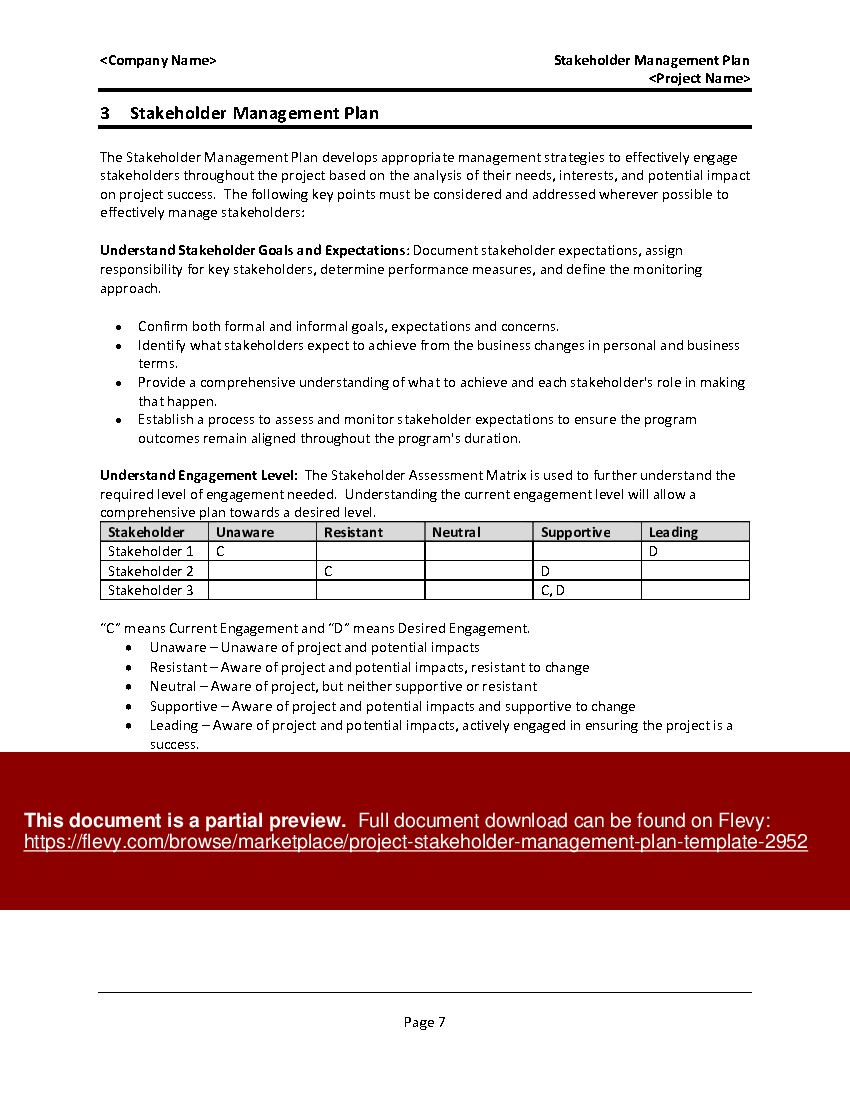
The template includes a comprehensive matrix for categorizing stakeholders based on their awareness, resistance, neutrality, support, and leadership. This allows for a nuanced understanding of each stakeholder's position and influence on the project. By leveraging this matrix, project managers can tailor their engagement strategies to effectively address and align stakeholder interests.
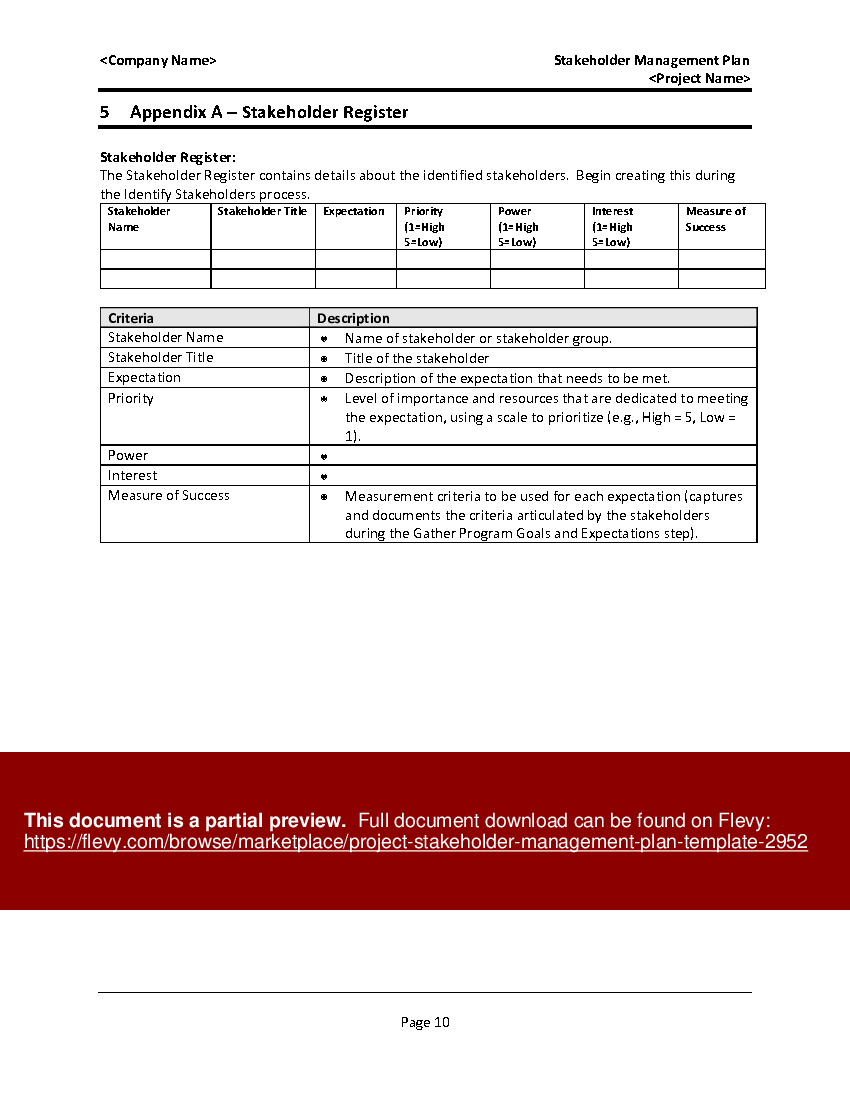
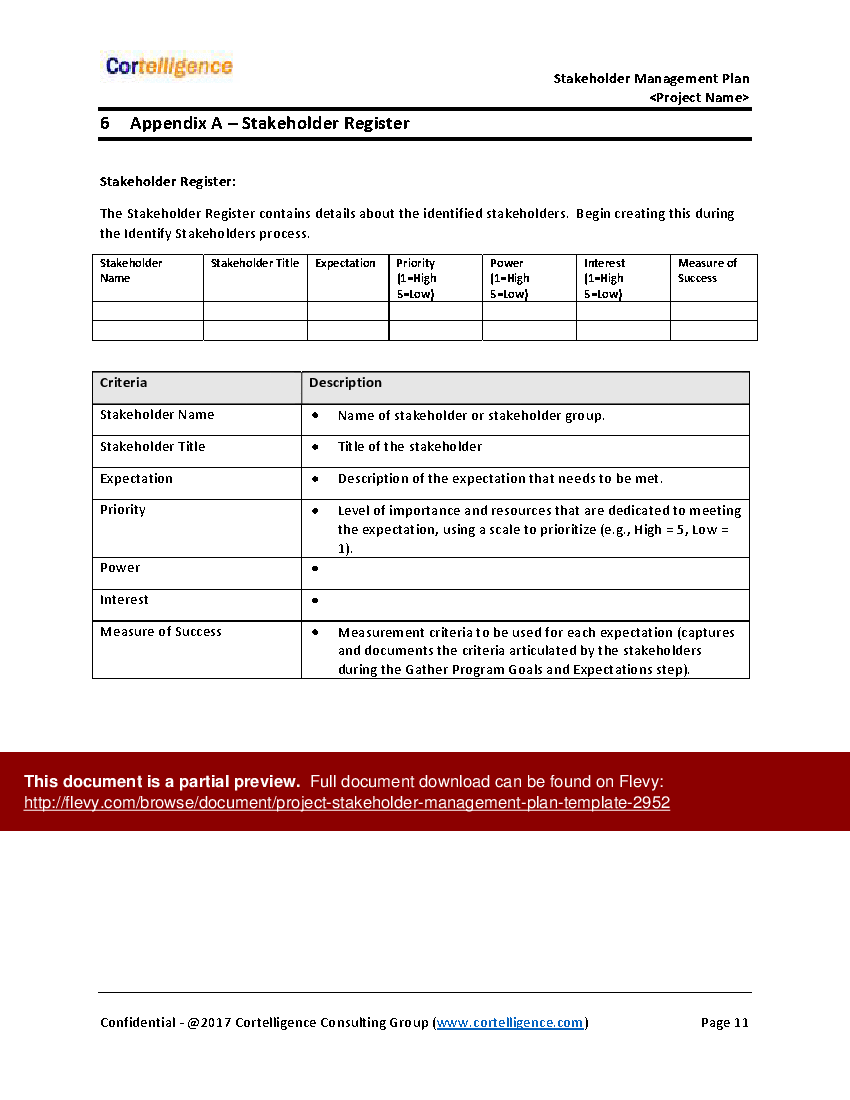
Additionally, the Word document features a detailed criteria and description table, facilitating the evaluation and documentation of stakeholder attributes. This structured approach ensures that all relevant stakeholder information is captured systematically, enabling better decision-making and more effective communication throughout the project lifecycle.
Got a question about the product? Email us at support@flevy.com or ask the author directly by using the "Ask the Author a Question" form. If you cannot view the preview above this document description, go here to view the large preview instead.
Executive Summary
The Stakeholder Management Plan Template is designed to facilitate effective communication and engagement strategies for project stakeholders. This document provides a structured approach to identify, analyze, and manage stakeholders throughout the project lifecycle. With this template, users can systematically document stakeholder expectations, assess their influence, and develop tailored engagement plans. The goal is to enhance project success by ensuring that stakeholder needs are met and potential conflicts are addressed proactively.
Who This Is For and When to Use
• Project Managers overseeing stakeholder engagement processes
• Team Leaders responsible for project execution and stakeholder communication
• Change Management Professionals focused on stakeholder alignment
• Business Analysts tasked with gathering stakeholder requirements
Best-fit moments to use this deck:
• During project initiation to establish a clear stakeholder engagement strategy
• When conducting stakeholder analysis to identify key individuals and groups
• Throughout project execution to manage ongoing stakeholder relationships and expectations
Learning Objectives
• Define the key stakeholders and their roles in the project
• Analyze stakeholder interests and potential impacts on project success
• Develop a comprehensive Stakeholder Management Plan tailored to project needs
• Implement effective communication strategies to engage stakeholders
• Monitor and adjust stakeholder engagement based on feedback and project dynamics
• Resolve conflicts and address issues that arise during the project lifecycle
Table of Contents
• Introduction (page 3)
• Stakeholder Identification and Analysis (page 4)
• Stakeholder Management Plan (page 7)
• Manage and Control Stakeholder Engagement (page 8)
• Appendix A – Stakeholder Register (page 10)
• Approvals (page 11)
Primary Topics Covered
• Stakeholder Identification - The process of identifying individuals and groups that can influence or are affected by the project, including sponsors, users, and support teams.
• Stakeholder Analysis - Techniques for assessing stakeholder interests, influence, and potential impact on project outcomes to inform engagement strategies.
• Stakeholder Management Strategies - Development of tailored approaches to engage stakeholders effectively, ensuring their needs and expectations are met.
• Engagement Levels - Understanding the current and desired engagement levels of stakeholders to facilitate effective communication and support.
• Communication Requirements - Identification of specific information needs and communication methods for each stakeholder group to ensure clarity and alignment.
• Monitoring and Control - Ongoing assessment of stakeholder satisfaction and expectations to adapt strategies as necessary throughout the project.
Deliverables, Templates, and Tools
• Stakeholder Register template for documenting key stakeholder information and expectations
• Stakeholder Assessment Matrix for evaluating engagement levels and strategies
• Communication Plan template outlining stakeholder information needs and delivery methods
• Power/Interest Grid for classifying stakeholders based on their influence and interest levels
• Issue and Conflict Resolution framework to address stakeholder concerns effectively
• Performance Measurement criteria for assessing stakeholder engagement success
Slide Highlights
• Overview of the Stakeholder Management Plan and its objectives
• Power/Interest Grid visual to classify stakeholders and inform engagement strategies
• Stakeholder Assessment Matrix to evaluate current and desired engagement levels
• Communication Requirements table to outline information needs for each stakeholder
• Process flow for managing and controlling stakeholder engagement throughout the project
Potential Workshop Agenda
Stakeholder Identification Session (60 minutes)
• Discuss project goals and identify potential stakeholders
• Create a preliminary Stakeholder Register
• Assign roles and responsibilities for stakeholder engagement
Stakeholder Analysis Workshop (90 minutes)
• Analyze stakeholder interests and influence using the Power/Interest Grid
• Classify stakeholders based on their engagement levels
• Develop tailored engagement strategies for key stakeholders
Communication Planning Session (60 minutes)
• Identify communication needs for each stakeholder group
• Develop a comprehensive Communication Plan
• Establish feedback mechanisms to monitor stakeholder satisfaction
Customization Guidance
• Modify the Stakeholder Register to include project-specific stakeholders and their details
• Tailor engagement strategies based on the unique needs and expectations of identified stakeholders
• Adjust communication methods and timing based on stakeholder preferences and project timelines
• Incorporate project-specific metrics for measuring stakeholder engagement success
• Update the Power/Interest Grid as stakeholder dynamics change throughout the project
Secondary Topics Covered
• Conflict resolution strategies for managing stakeholder disagreements
• Techniques for building stakeholder coalitions and partnerships
• Best practices for ongoing stakeholder communication and engagement
• Methods for assessing stakeholder satisfaction and adjusting strategies accordingly
• Importance of aligning stakeholder expectations with project goals
Topic FAQ
Document FAQ
These are questions addressed within this presentation.
What is the purpose of a Stakeholder Management Plan?
The Stakeholder Management Plan outlines strategies to identify, analyze, and engage stakeholders effectively, ensuring their needs and expectations are met throughout the project lifecycle.
How do I identify key stakeholders?
Key stakeholders can be identified through a systematic process that includes analyzing project roles, responsibilities, and potential impacts on the project.
What is the Power/Interest Grid?
The Power/Interest Grid is a tool used to classify stakeholders based on their level of influence and interest in the project, guiding engagement strategies accordingly.
How can I assess stakeholder engagement levels?
Engagement levels can be assessed using a Stakeholder Assessment Matrix, which categorizes stakeholders into different levels of awareness and support for the project.
What should be included in the Stakeholder Register?
The Stakeholder Register should include stakeholder names, titles, expectations, priority levels, power and interest ratings, and measures of success.
How do I manage conflicts among stakeholders?
Conflicts can be managed by identifying issues early, facilitating open communication, and involving leadership when necessary to reach resolutions.
What communication methods should I use for stakeholders?
Communication methods should be tailored to each stakeholder's preferences and may include meetings, emails, reports, and presentations.
How often should I review stakeholder expectations?
Stakeholder expectations should be reviewed regularly throughout the project to ensure alignment and address any changes in needs or concerns.
Glossary
• Stakeholder - An individual or group that can influence or is affected by a project.
• Stakeholder Management Plan - A document outlining strategies for engaging stakeholders throughout a project.
• Stakeholder Register - A tool for documenting key stakeholder information and expectations.
• Power/Interest Grid - A visual tool for classifying stakeholders based on their influence and interest in the project.
• Engagement Level - The degree of involvement and support a stakeholder has for the project.
• Communication Plan - A strategy outlining how information will be shared with stakeholders.
• Conflict Resolution - The process of addressing and resolving disagreements among stakeholders.
• Stakeholder Analysis - The assessment of stakeholder interests, influence, and potential impacts on project success.
• Stakeholder Assessment Matrix - A tool for evaluating current and desired engagement levels of stakeholders.
• Performance Measurement - Criteria used to evaluate the success of stakeholder engagement efforts.
• Issue Management - The process of identifying and addressing problems that arise during a project.
• Change Management - The discipline of managing the transition of individuals, teams, and organizations to a desired future state.
Source: Best Practices in Project Management, Stakeholder Management Word: Project Stakeholder Management Plan Template Word (DOCX) Document, Your Agile Project Manager
|
Receive our FREE presentation on Operational Excellence

This 50-slide presentation provides a high-level introduction to the 4 Building Blocks of Operational Excellence. Achieving OpEx requires the implementation of a Business Execution System that integrates these 4 building blocks. |