 Click main image to view in full screen.
Marketing & Agency Procurement Toolkit – PowerPoint PPTX Template
PowerPoint (PPTX) + Zip archive file (ZIP) 15 Slides


BENEFITS OF THIS DOWNLOADABLE POWERPOINT DOCUMENT
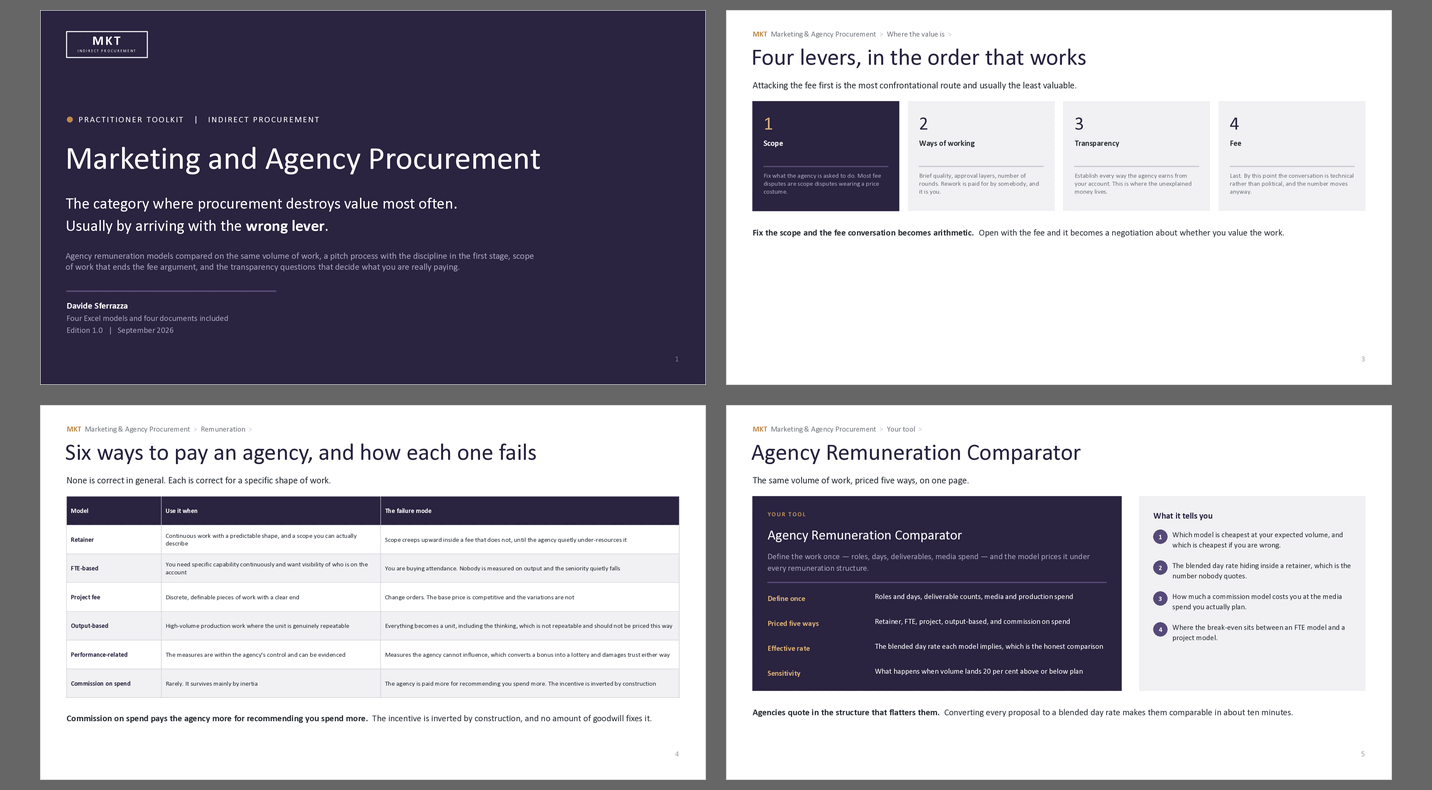
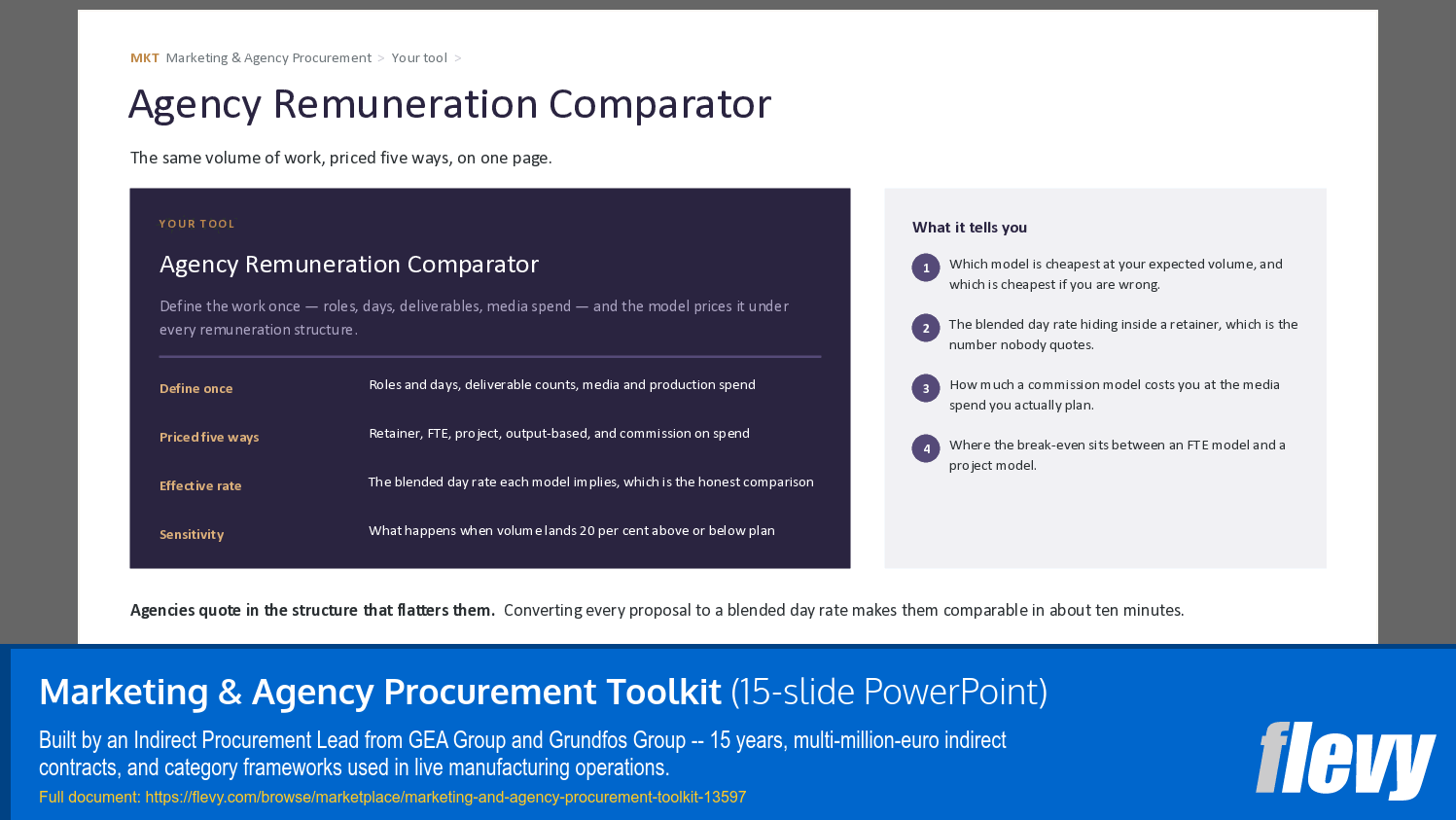
- Compare five agency remuneration models on the same volume of work, converted to a blended day rate, and see which one stops being cheapest when volume lands below plan
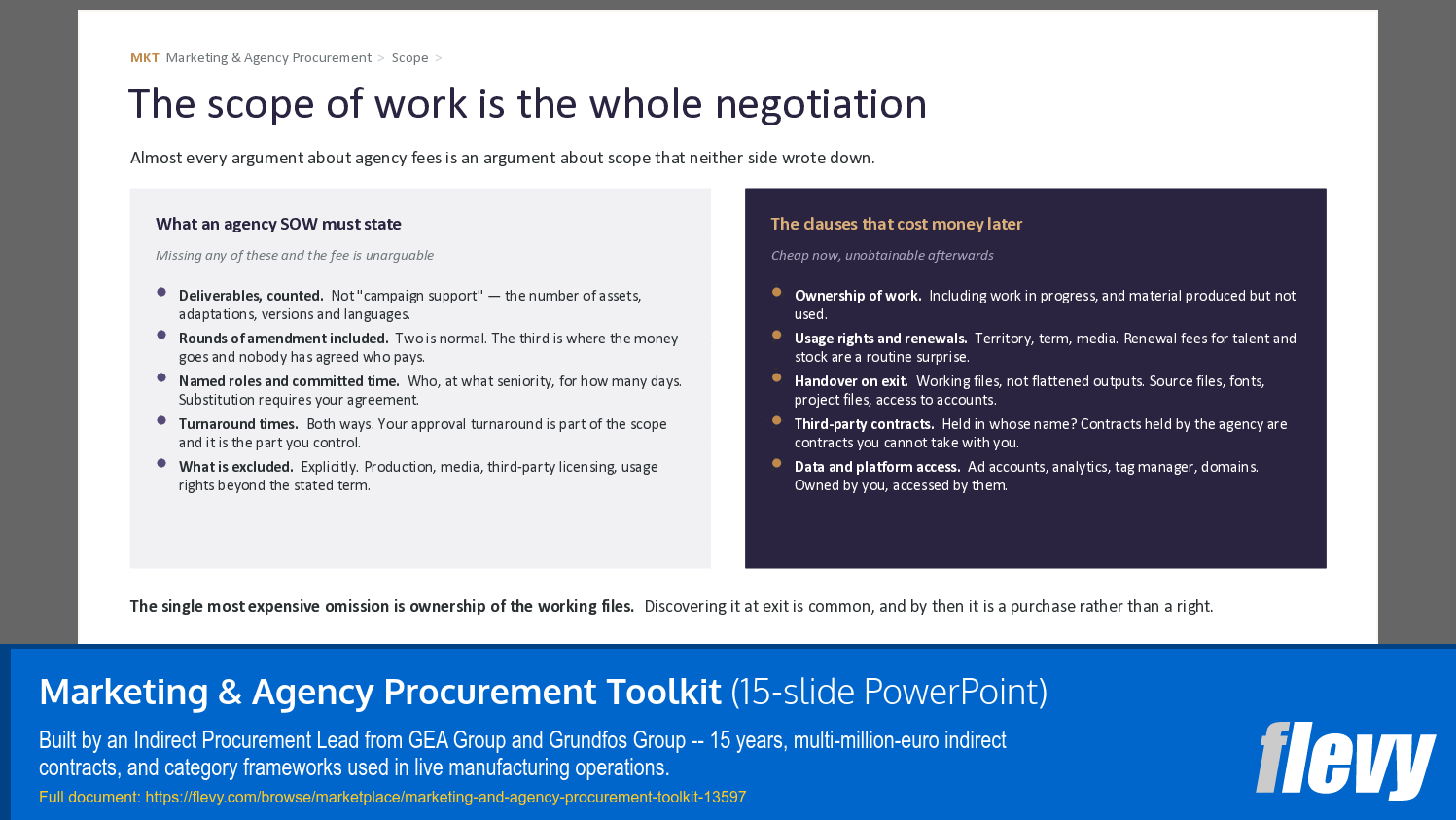
- Write a scope of work that ends the fee argument in advance: deliverables counted, rounds agreed, turnaround in both directions, and ownership of the working files secured
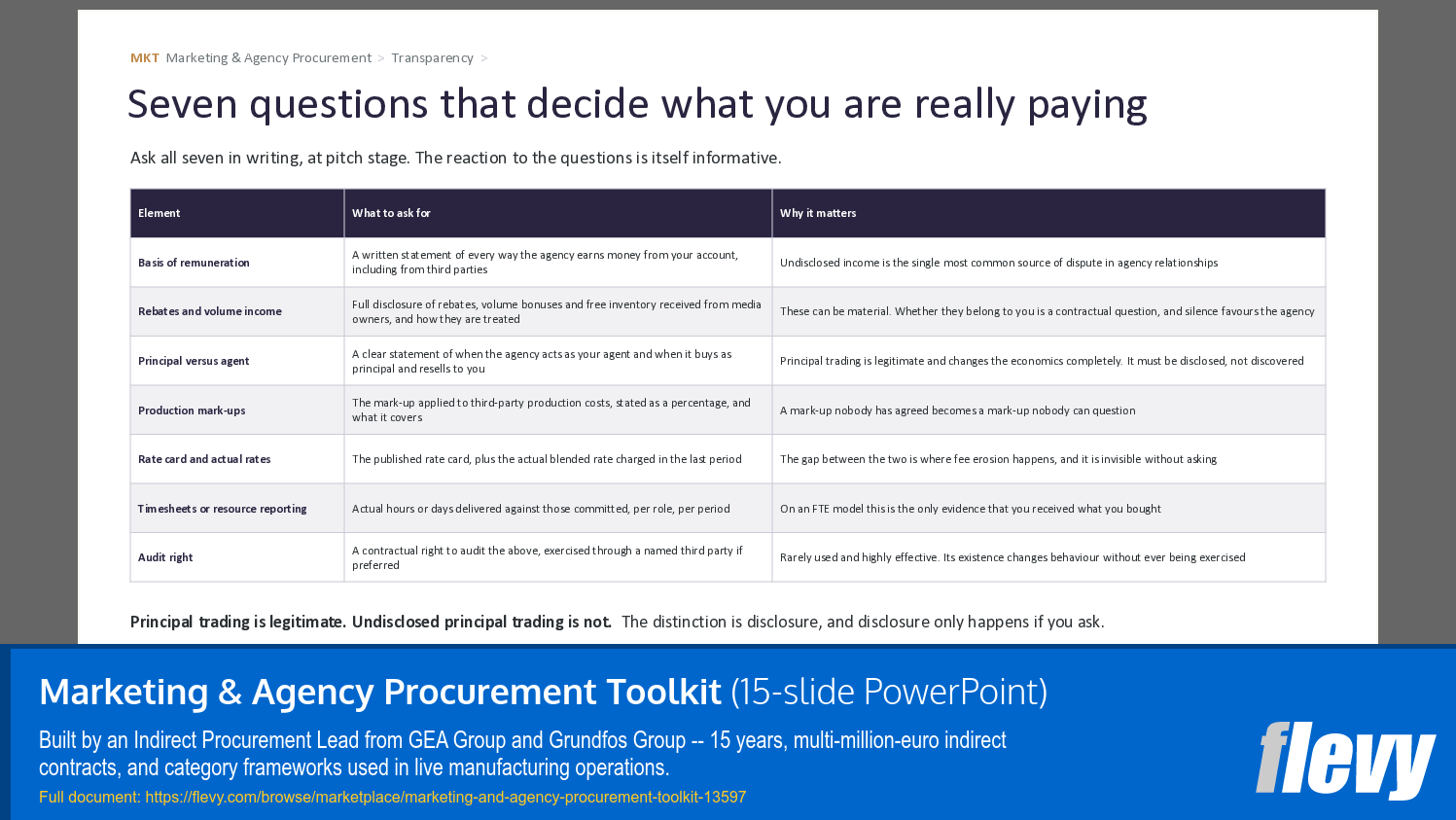
- Ask the seven transparency questions that establish every way an agency earns from your account, including principal trading and rebates, before you appoint rather than afterwards
PROCUREMENT STRATEGY PPT TEMPLATE DESCRIPTION
Marketing is the one indirect category where the internal client can route around procurement entirely, and where the cost of them doing so is invisible in the spend data because it reappears as project fees, freelancers, platform subscriptions and expenses.
It is also the category where a cost-led approach does the most damage. A pitch that produces a cheaper agency and worse work ends procurement's access to marketing for years, which makes it the most expensive saving in the indirect portfolio.
THE SEQUENCE THIS PACK IS BUILT ON
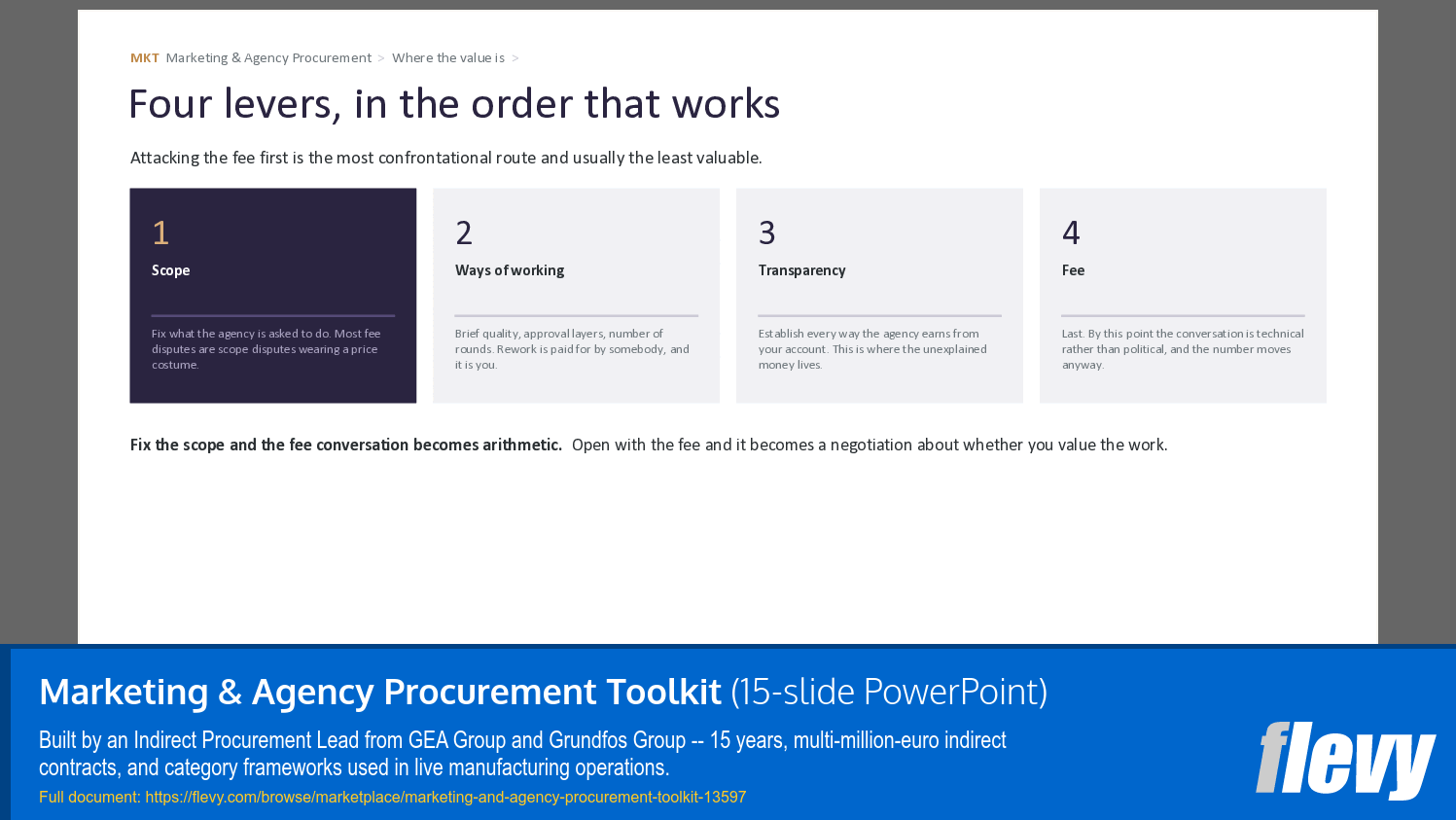
Four levers, in a specific order. Scope first, because most fee disputes are scope disputes wearing a price costume. Then ways of working – brief quality, approval layers, rounds of amendment – because rework is paid for by somebody and that somebody is you. Then transparency, because that is where the unexplained money lives. The fee comes last, by which point the conversation is arithmetic rather than politics, and the number moves anyway.
Arriving in week one with a fee reduction target is the reliable way to be excluded from the category for three years.
WHAT IS INCLUDED
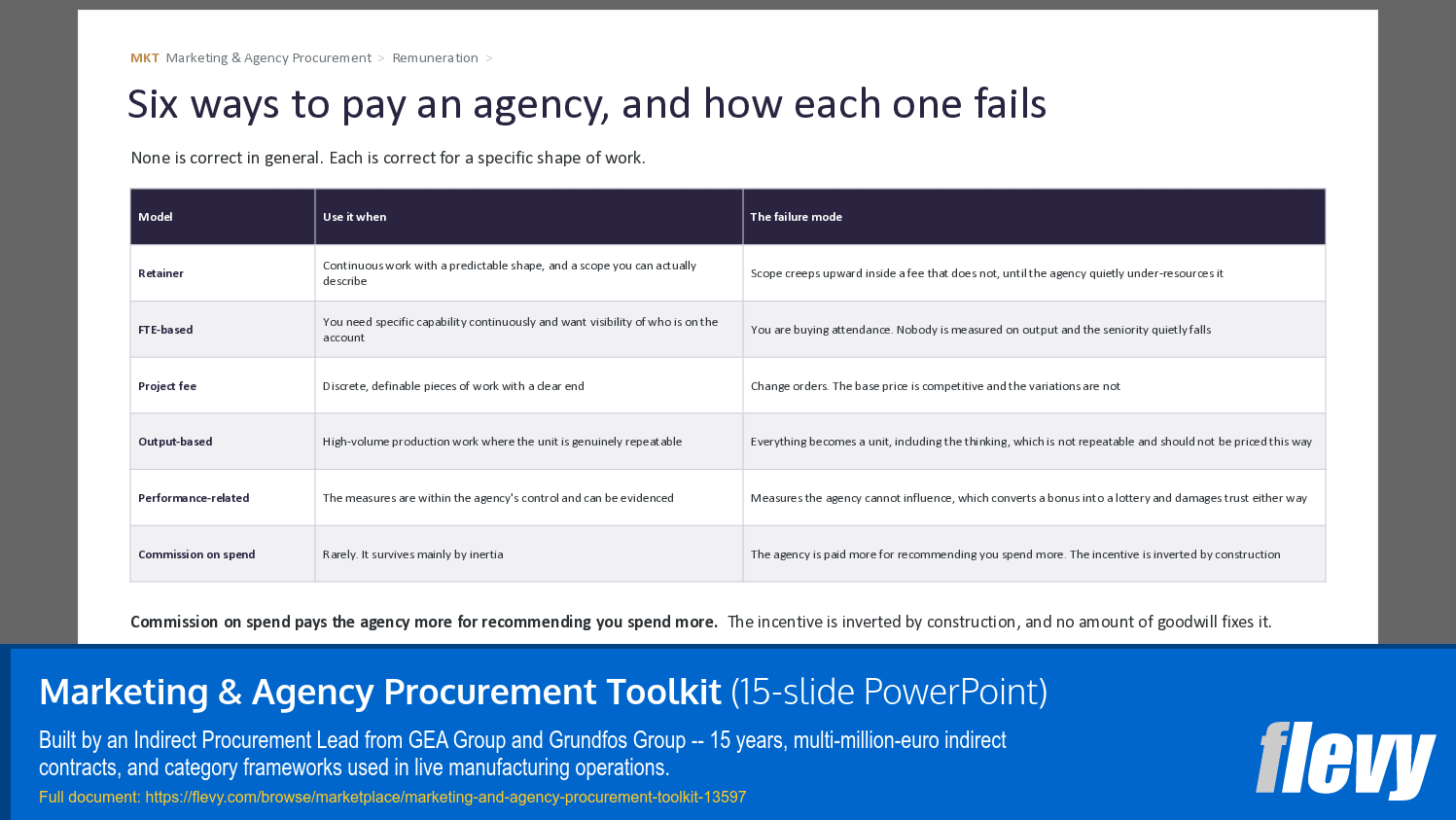
Primary document – a 14-slide guide covering the four levers in order, six remuneration models and how each fails, why the pitch decision comes before the pitch process, what a scope of work must count, the seven transparency questions, where production estimates diverge from invoices, why most rework is caused by the client rather than the agency, how to score an agency without pretending creative work is a commodity, and a hundred-day sequence.
Working files, all unlocked with live formulas:
Agency Remuneration Comparator (Excel) – define the work once as roles, days, deliverables, projects and media spend, and the model prices it under five structures: retainer, FTE-based, project fee, output-based and commission on spend. Every one is converted to a blended day rate, which is the only comparison that survives the different ways agencies quote. A sensitivity block shows what happens when volume lands twenty per cent either side of plan, which is where a retainer stops being the cheapest option.
Production Cost Transparency Model (Excel) – breaks a production estimate into third-party cost, agency time, mark-up and contingency, tracks estimate against actual by line, and checks the mark-up charged against the mark-up contractually agreed. It also asks the question nobody asks: what happened to the unused contingency.
Agency Scorecard (Excel) – seven weighted areas with the scorer named for each, because a scorecard on which procurement grades creative quality has no authority with the people who commissioned the work.
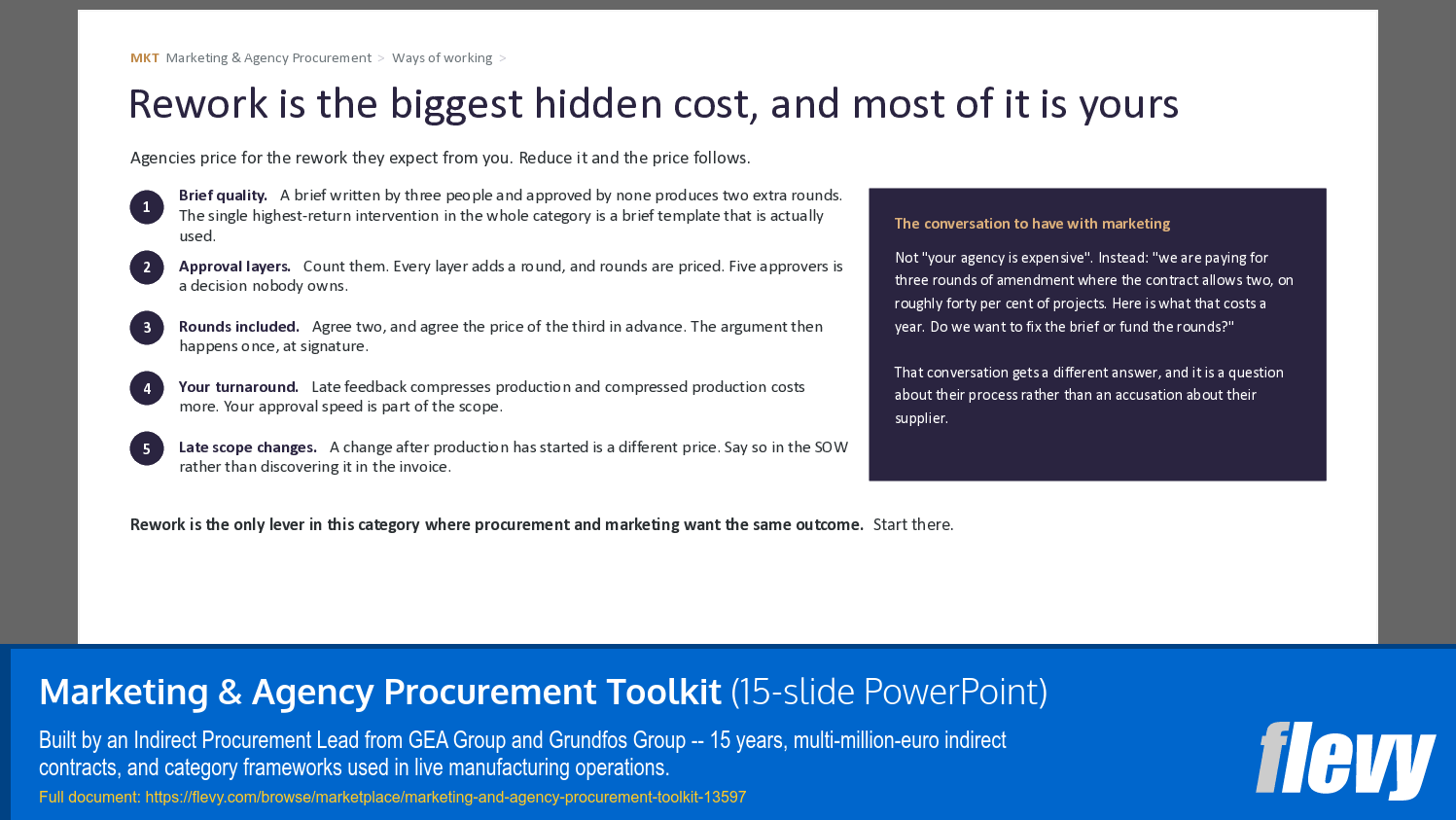
Rework and Rounds Cost Model (Excel) – logs rounds used against rounds contracted, prices the overrun, records the cause, and calculates what share of the rework was caused by the client. In most organisations that share is well over half, and it is the half you can fix without a negotiation.
Agency Pitch Process Guide (Word) – six stages over roughly thirteen weeks, a stage-zero checklist for deciding not to pitch at all, how to define better without mentioning price, why to pay for the shortlist work, and how to run a debrief that means good agencies bid for you again.
Agency Scope of Work Template (Word) – a complete nine-section template covering deliverables counted, rounds of amendment, named team and committed days, turnaround times in both directions, exclusions, fees and third-party mark-up, and the ownership clauses on working files, advertising accounts and analytics properties that are almost always missing.
Transparency and Disclosure Checklist (Word) – the seven questions, why each matters, the principal-versus-agent distinction explained properly, how to handle rebates and volume income, and how to draft an audit right that changes behaviour without ever being exercised.
Marketing Category Playbook (Word) – the first hundred days, the framing that works in a conversation with marketing, and five things procurement should never do in this category.
WHO IT IS FOR
Category managers taking on marketing for the first time. Procurement leads facing uncontrolled agency and production spend. Marketing operations managers who own agency commercials. Consultants running a marketing procurement review.
WHAT THIS IS NOT
It is not a media auditing service and it contains no rate benchmarks, because published agency rate data is dated within months and varies enormously by market. It is not legal advice on agency contracts. And it is not an argument for cheaper agencies.
Got a question about the product? Email us at support@flevy.com or ask the author directly by using the "Ask the Author a Question" form. If you cannot view the preview above this document description, go here to view the large preview instead.
Source: Best Practices in Procurement Strategy, Marketing Strategy PowerPoint Slides: Marketing & Agency Procurement Toolkit PowerPoint (PPTX) Presentation Slide Deck, Davide Sferrazza
ABOUT THE AUTHOR

Indirect Procurement Lead, with 15 years spent in the categories most organisations manage least well: MRO, facilities, utilities and energy, marketing services, IT and software, professional services, logistics and CapEx.
That career has been inside manufacturing groups -- Pavan (GEA Group) and DAB Pumps (Grundfos Group) -- leading procurement transformation projects, negotiating
... [read more]
Ask the Author a Question
You must be logged in to contact the author.




























