
 Click main image to view in full screen. Unlock all 12 preview images:
Indirect Procurement Essentials - Complete Course Toolkit – PowerPoint PPTX Template
PowerPoint (PPTX) + Zip archive file (ZIP) 121 Slides


BENEFITS OF THIS DOWNLOADABLE POWERPOINT DOCUMENT
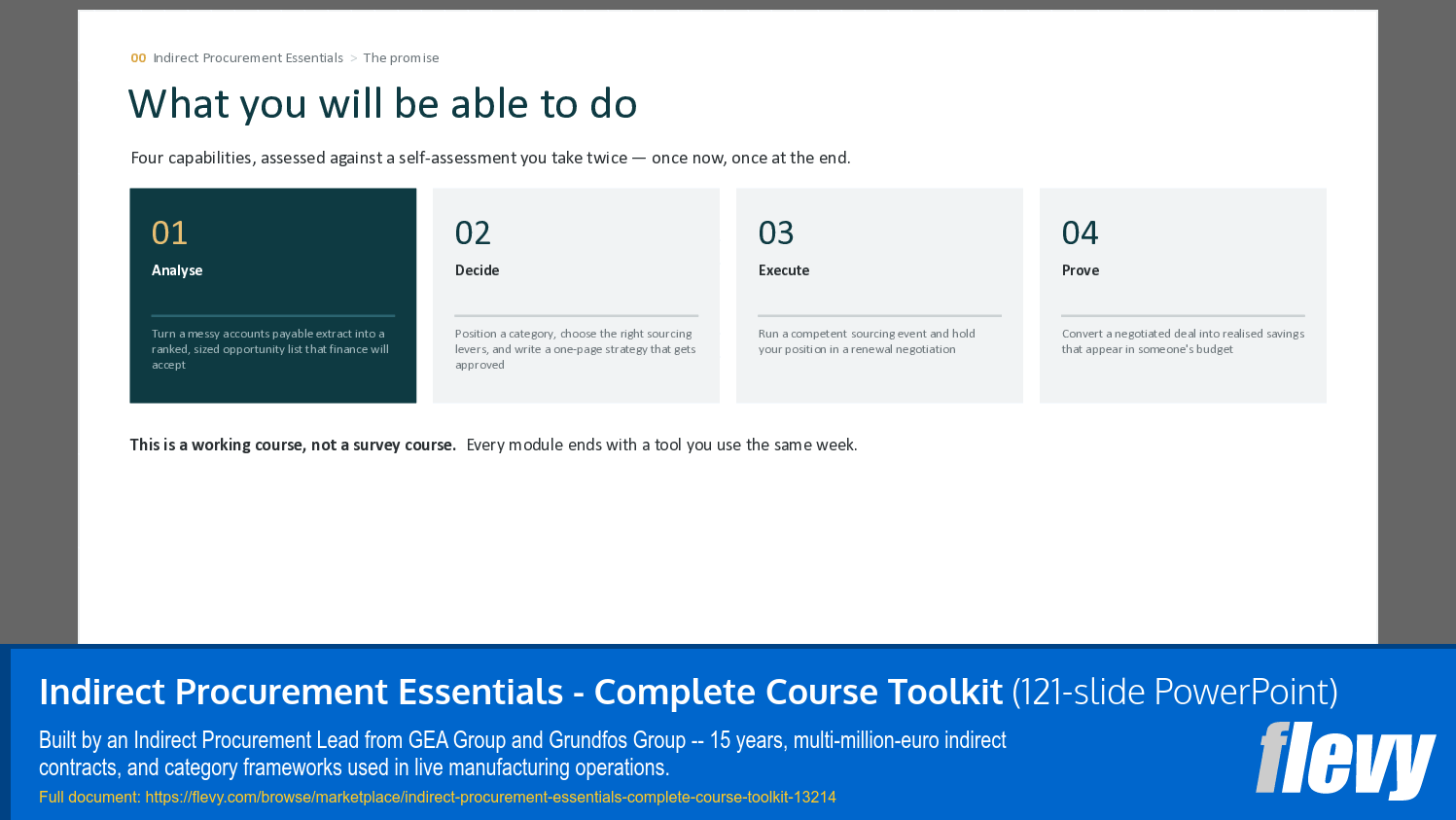
- Take a set of indirect categories from no visibility to a defensible spend cube, a ranked opportunity pipeline and an approved one-page category strategy.
- Run a competitive sourcing event end to end - RFP, weighted evaluation set before bids arrive, total cost of ownership, award and debrief.
- Convert a negotiated deal into savings that finance recognises, using a methodology agreed before anything is claimed.
PROCUREMENT STRATEGY PPT TEMPLATE DESCRIPTION
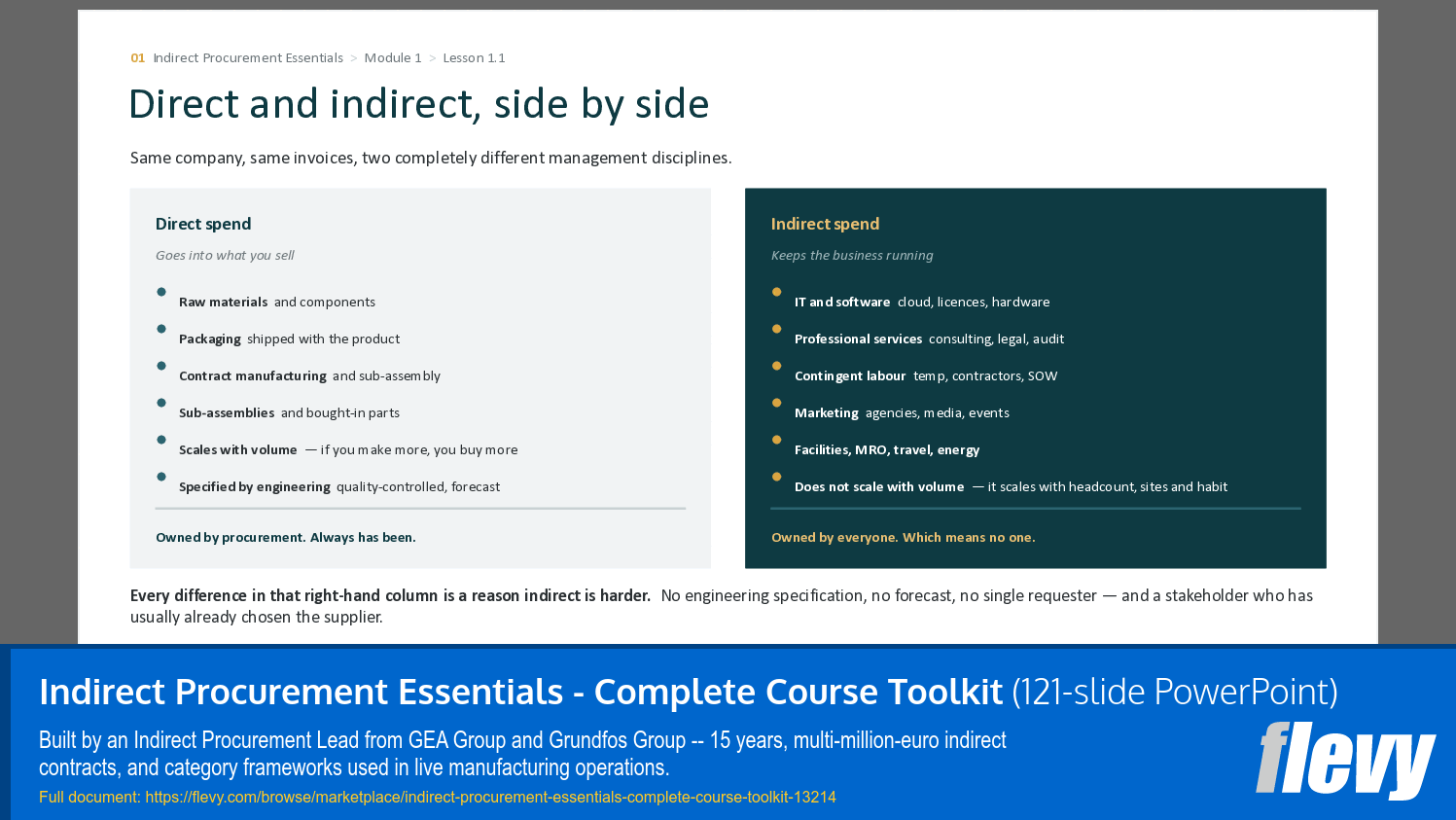
Between thirty-five and forty-five per cent of what most organisations spend with third parties is indirect – software, professional services, contingent labour, marketing, facilities, maintenance supplies, travel, energy. In most organisations it belongs to nobody in particular. This is the complete programme for taking control of it.
WHAT THIS IS
This is a complete programme rather than a template pack: a written handbook, the full slide deck, and 35 working tools that do the analysis on your own data. The three components are designed together. The handbook carries the argument in prose, the deck carries the visuals and the data, and each section of the handbook names the slide it belongs to.
Every spreadsheet ships unlocked, with live formulas, one worked example row and a blank working area. The colour convention is the standard financial-modelling one, applied consistently across every file: blue text on a pale yellow fill is an input you type over, black is a formula, green is a cross-sheet reference. Nothing is password-protected.
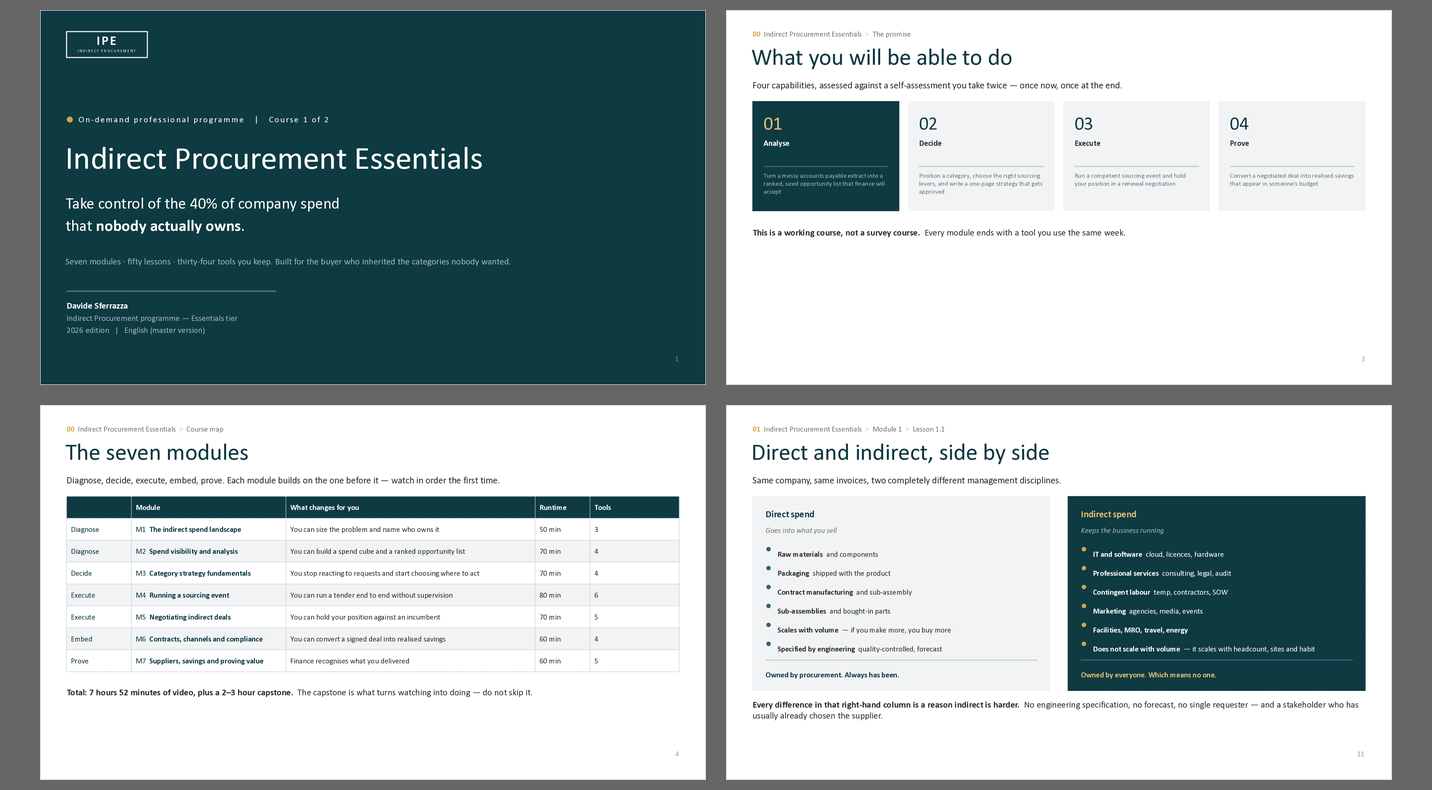
THE 8 MODULES
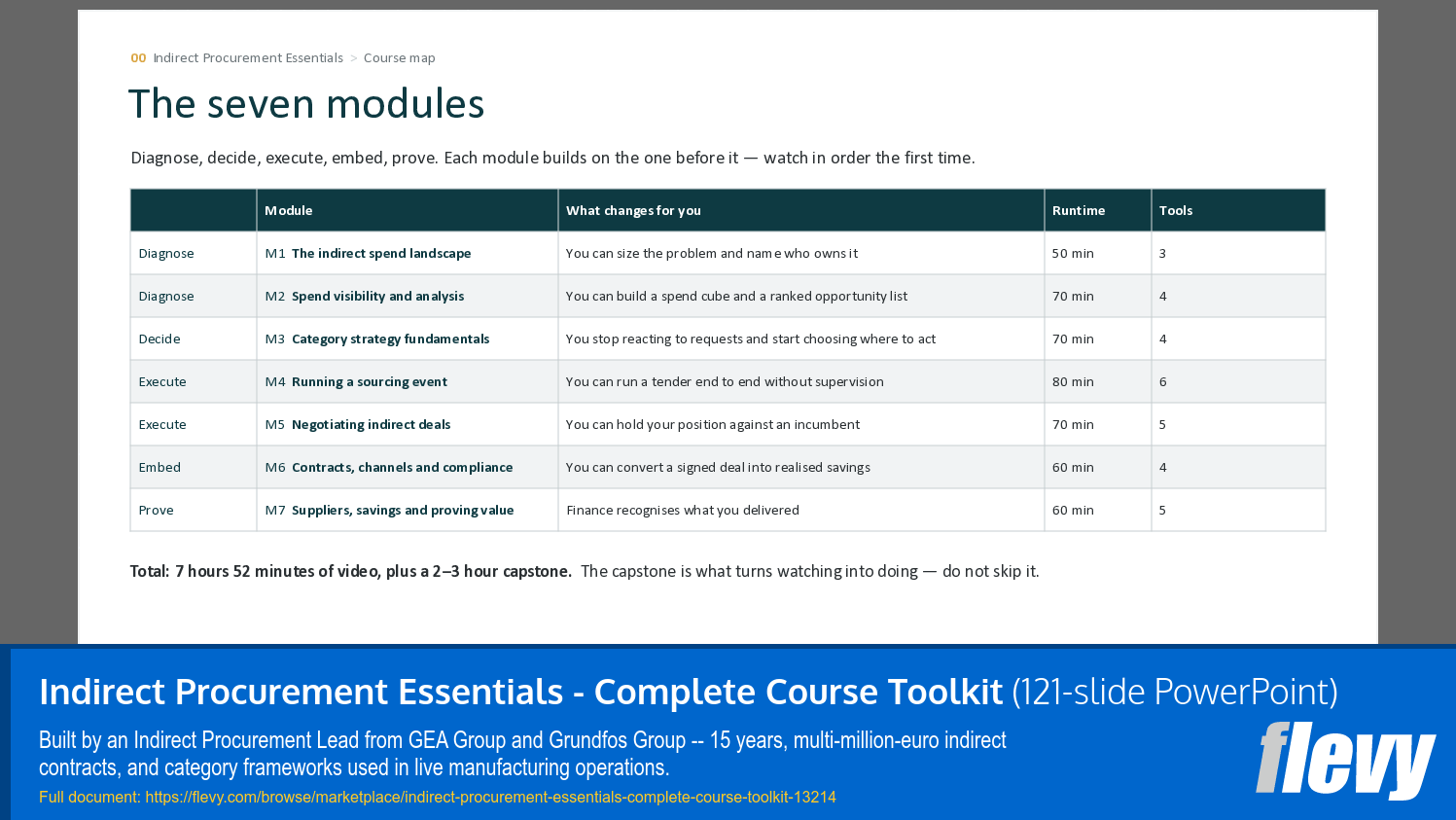
Module 0 – Orientation
Module 1 – The Indirect Spend Landscape
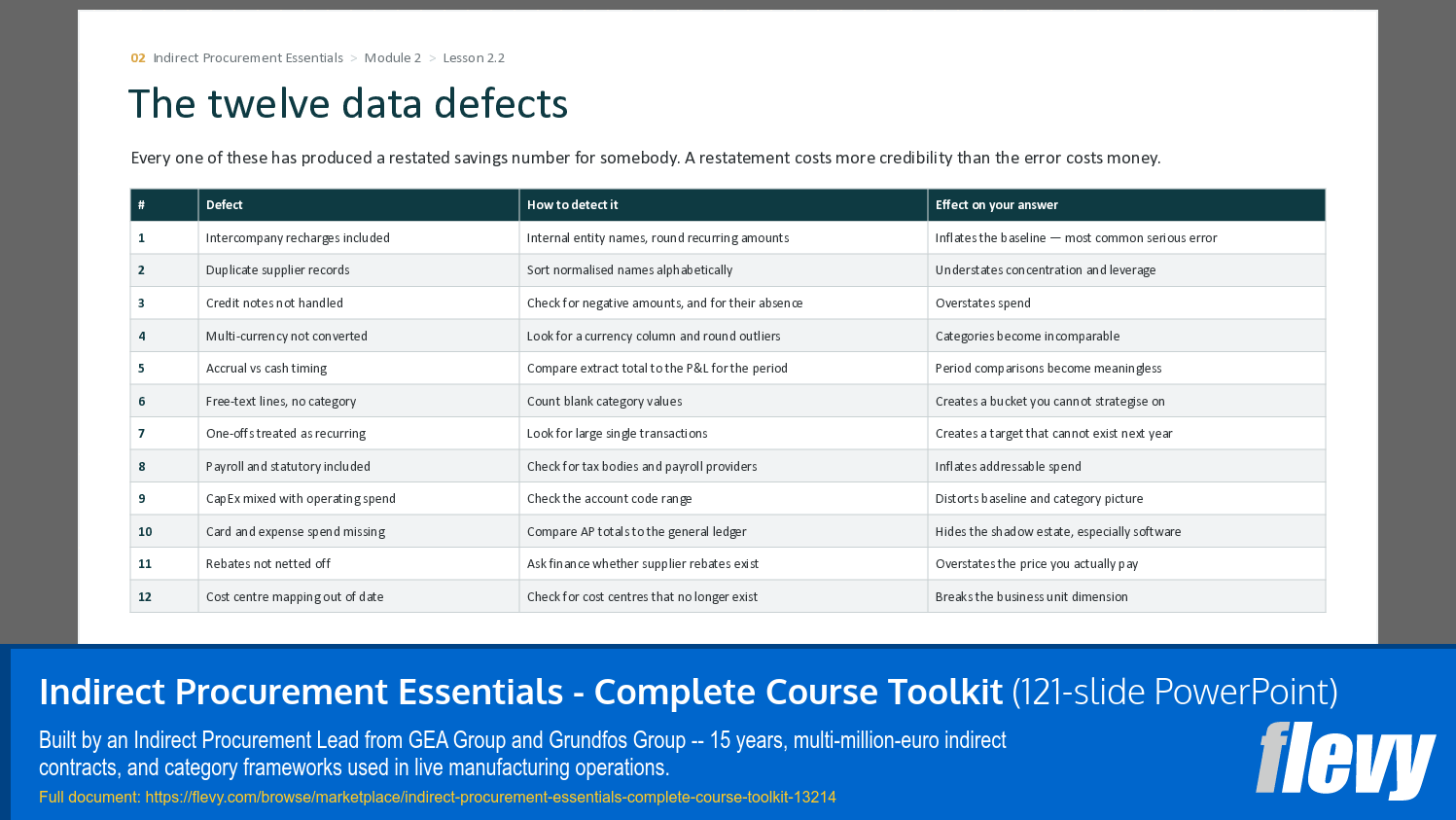
Module 2 – Spend Visibility and Analysis
Module 3 – Category Strategy Fundamentals
Module 4 – Running a Sourcing Event
Module 5 – Negotiating Indirect Deals
Module 6 – Contracts, Channels and Compliance
Module 7 – Suppliers, Savings and Proving Value
WHAT IS INCLUDED
Primary document – the 120-slide course deck.
Accompanying archive:
• 70-page handbook in PDF
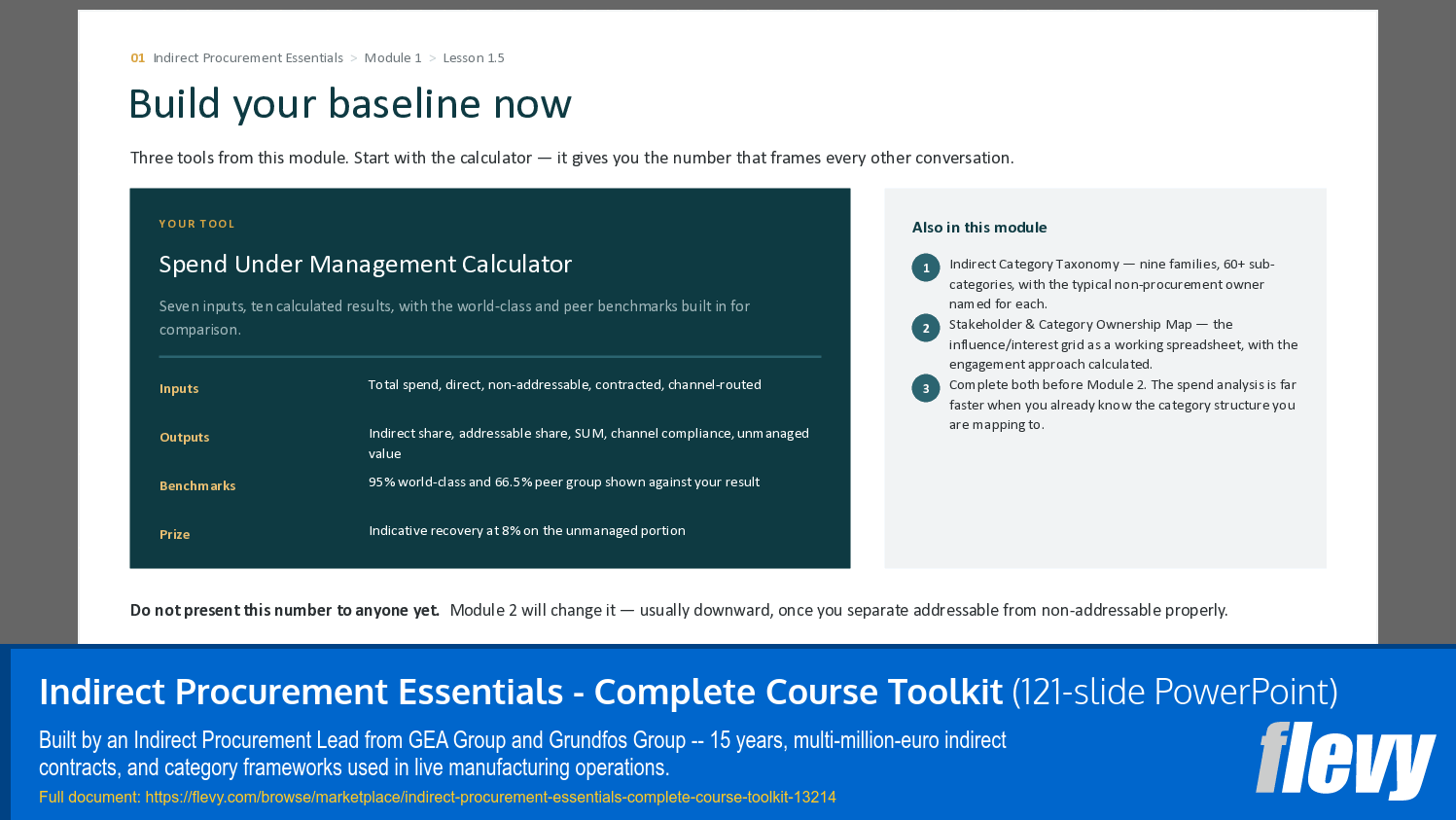
• 35 working tools by module: 18 Excel workbooks, 14 Word documents, 3 PowerPoint assets
• Toolkit index mapping every tool to the lesson that explains it
• 14 documents also supplied as read-only PDF, for circulation to people who should not edit them
• Case study library: composite cases with real figures, each containing at least one thing that went wrong
• Best practice library: plays, failure modes, process practices and anti-patterns
WHO IT IS FOR
Buyers and category managers who have just inherited a set of indirect categories and have to produce a result before they have worked out where the data lives. Procurement specialists moving from transactional buying into category strategy. Professionals in finance, operations, facilities and IT who now buy and negotiate without having been trained to. Consultants who need models that hold up in front of a client.
WHAT THIS IS NOT
It is not a video course and it does not pretend to be. It is not accredited by, endorsed by or affiliated with CIPS, ISM or any other professional body, although the material is mapped to their competency areas so that you can show an employer what it covers in language they recognise. It is not legal advice: the contractual material exists so that you can identify what matters commercially and ask better questions of whoever does advise you. All case studies are composite – figures are drawn from real engagements, but no case describes a single identifiable organisation and every company name is invented.
Got a question about the product? Email us at support@flevy.com or ask the author directly by using the "Ask the Author a Question" form. If you cannot view the preview above this document description, go here to view the large preview instead.
Source: Best Practices in Procurement Strategy PowerPoint Slides: Indirect Procurement Essentials - Complete Course Toolkit PowerPoint (PPTX) Presentation Slide Deck, Davide Sferrazza
ABOUT THE AUTHOR

Indirect Procurement Lead, with 15 years spent in the categories most organisations manage least well: MRO, facilities, utilities and energy, marketing services, IT and software, professional services, logistics and CapEx.
That career has been inside manufacturing groups -- Pavan (GEA Group) and DAB Pumps (Grundfos Group) -- leading procurement transformation projects, negotiating
... [read more]
Ask the Author a Question
You must be logged in to contact the author.