Designing and pricing a consulting project is both an art and science. This document provides an overview of the overarching process and points out important considerations at each stage of the process.
The lessons and advice in this presentation can be applied to all size and type consulting firm. However, it is best suited for a large, established consulting firm selling management consulting services. It presents best practices used by global consulting firms.
The document contains the following sections:
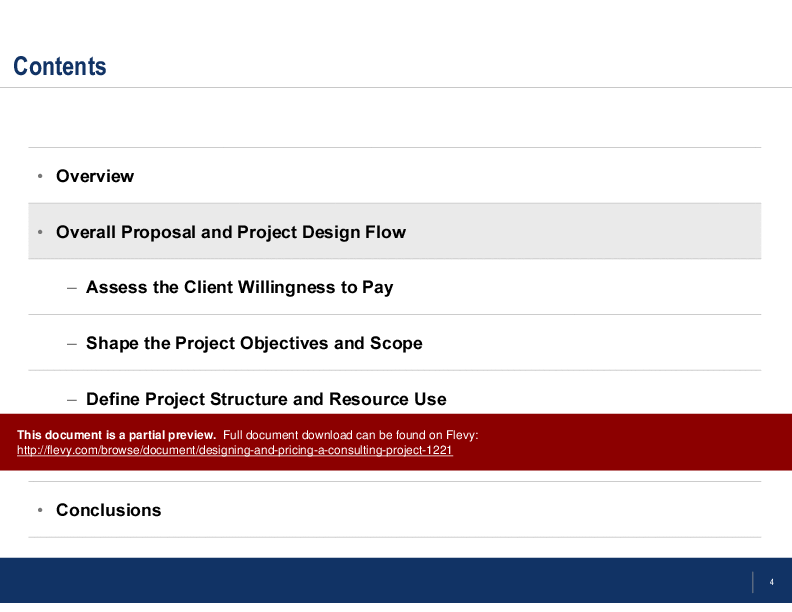
1. Overall Proposal and Project Design Flow
2. Assess the Client Willingness to Pay
3. Shape the Project Objectives and Scope
4. Define Project Structure and Resource Use
5. Price the Project
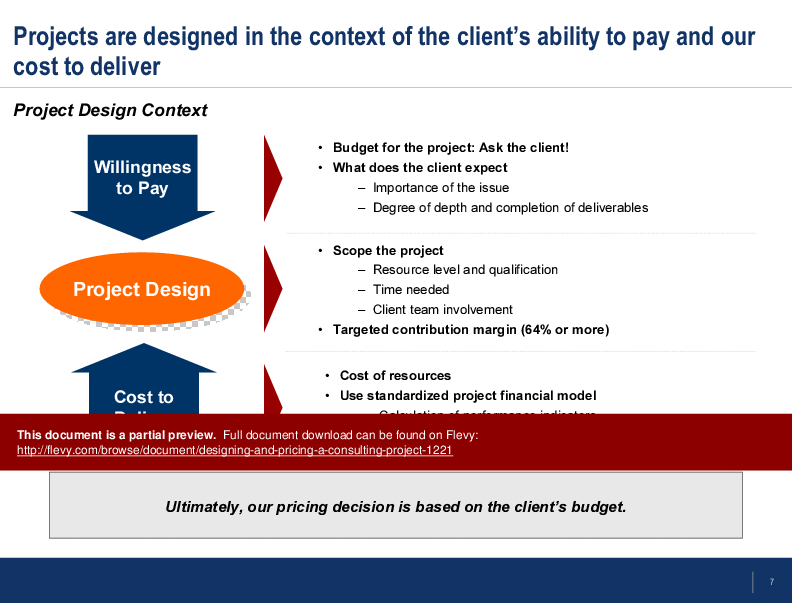
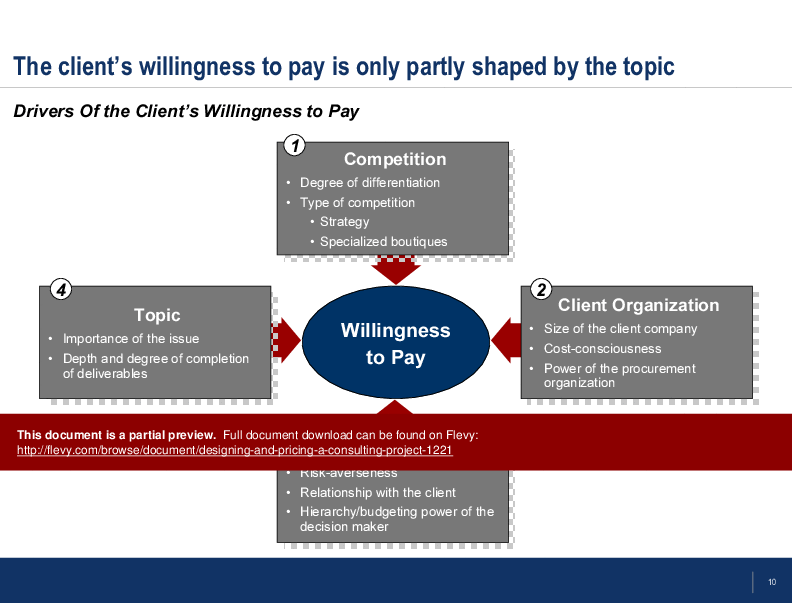
This PPT delves into the intricacies of project design within the context of client budgets and delivery costs. It emphasizes the importance of understanding the client's willingness to pay and how this shapes the project design. The presentation provides a detailed breakdown of the factors influencing client willingness, including competition, client organization characteristics, and the significance of the project topic. These insights are crucial for tailoring proposals that align with client expectations and budget constraints.
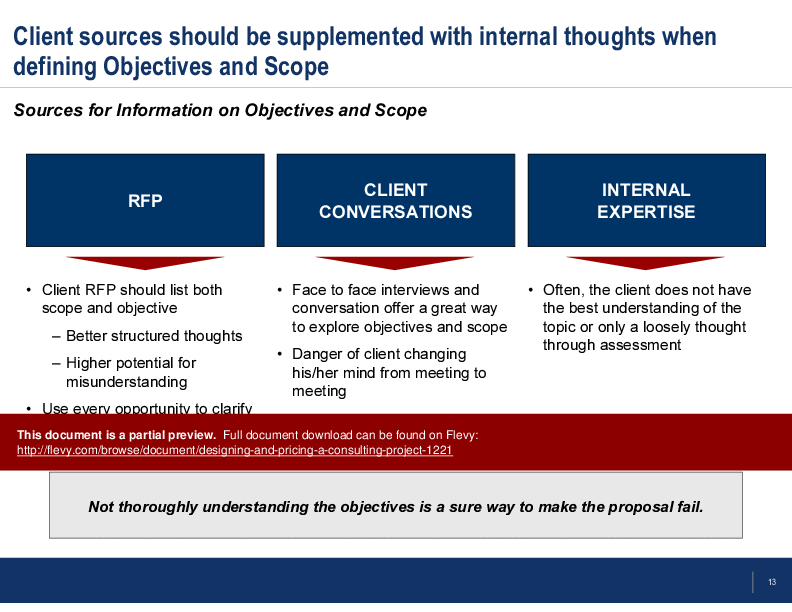
The presentation also highlights the importance of gathering information from various sources such as RFPs, client conversations, and internal expertise to define project objectives and scope accurately. This multi-faceted approach ensures that all aspects of the project are well-understood and aligned with client needs. The document stresses the potential pitfalls of misunderstanding project objectives, which can lead to proposal failures. It underscores the need for thorough and clear communication with clients to avoid misalignment.
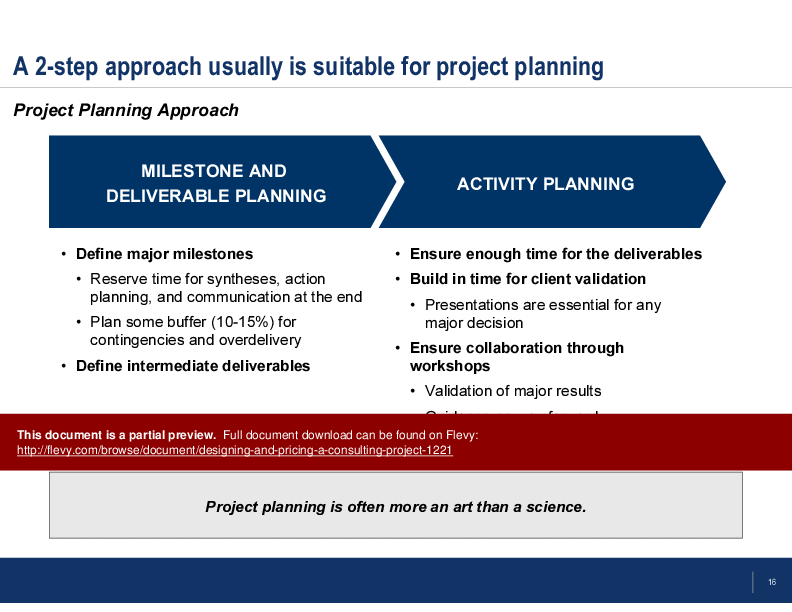
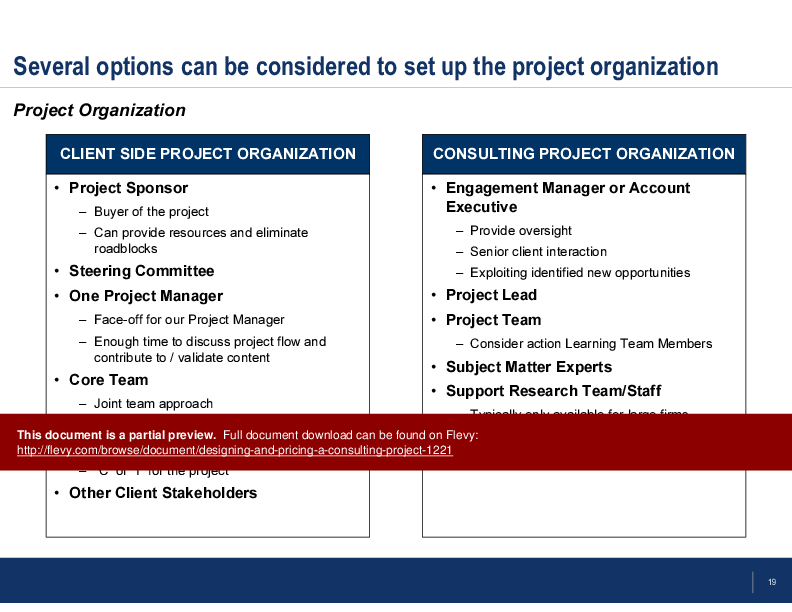
A two-step approach to project planning is recommended, focusing on milestone and deliverable planning followed by activity planning. This method ensures that major milestones are defined, intermediate deliverables are planned, and enough time is allocated for client validation and collaboration through workshops. The document also explores various project organization structures, comparing client-side and consulting project organizations to provide a comprehensive view of how to set up effective project teams. This structured approach to project planning and organization is essential for delivering successful consulting projects.
Got a question about the product? Email us at support@flevy.com or ask the author directly by using the "Ask the Author a Question" form. If you cannot view the preview above this document description, go here to view the large preview instead.
Executive Summary
This presentation titled "Designing and Pricing a Consulting Project" offers a structured approach to effectively design and price consulting projects, embodying the quality and rigor expected from a McKinsey, Bain, or BCG-quality framework (consulting-grade; not affiliated). It guides consulting professionals through essential stages, including assessing client willingness to pay, shaping project objectives, defining project structure, and pricing strategies. By applying these best practices, consultants can enhance project success and client satisfaction while ensuring profitability.
Who This Is For and When to Use
• Management consultants engaged in project design and pricing
• Account executives responsible for client negotiations
• Project managers overseeing consulting engagements
• Business development teams focused on proposal creation
Best-fit moments to use this deck:
• During the proposal phase to establish project pricing
• When assessing client needs and budget constraints
• In project planning sessions to define objectives and scope
• For training new consultants on project design methodologies
Learning Objectives
• Define the critical elements of project design and pricing
• Assess client willingness to pay and its implications for project scope
• Shape clear project objectives and deliverables
• Structure project teams effectively for optimal resource use
• Develop pricing strategies that align with client budgets and project value
• Implement best practices for project planning and execution
Table of Contents
• Overview (page 3)
• Overall Proposal and Project Design Flow (page 4)
• Assess the Client Willingness to Pay (page 9)
• Shape the Project Objectives and Scope (page 12)
• Define Project Structure and Resource Use (page 15)
• Price the Project (page 22)
• Conclusions (page 26)
Primary Topics Covered
• Client Willingness to Pay - Understanding the factors influencing a client's budget, including the importance of the issue and competition.
• Project Objectives and Scope - Defining clear objectives through client conversations and internal expertise to avoid misunderstandings.
• Project Structure and Resource Use - Structuring the project team and resources effectively to ensure successful delivery and client satisfaction.
• Pricing Strategies - Developing pricing models, including fixed price and time and material projects, based on project scope and client expectations.
• Holden Sales Methodology - Utilizing a structured approach to project design and pricing that incorporates client engagement and iterative feedback.
• Project Planning - Implementing a two-step approach to project planning that includes milestone and deliverable planning alongside activity planning.
Deliverables, Templates, and Tools
• Project design framework template for structuring consulting engagements
• Client assessment tools for evaluating willingness to pay
• Objective and scope definition checklist to ensure clarity
• Pricing model templates for fixed price and time and material projects
• Project planning timeline template incorporating milestones and deliverables
• Workshop facilitation guides for collaborative client engagement
Slide Highlights
• Overview of the Holden Sales Methodology outlining the 7 phases of project design
• Visual representation of the iterative process for assessing client willingness to pay
• Key considerations for defining project objectives and scope
• Breakdown of fixed price versus time and material pricing strategies
• Final comments emphasizing the importance of client collaboration and project planning
Potential Workshop Agenda
Introduction to Project Design (60 minutes)
• Overview of project design principles
• Discussion on client willingness to pay and its implications
• Interactive session on defining project objectives
Project Structuring and Resource Planning (90 minutes)
• Workshop on effective team structuring
• Case studies on resource allocation and project success
• Group activity to develop a project structure
Pricing Strategies and Client Engagement (60 minutes)
• Overview of pricing models and considerations
• Role-playing exercises on client negotiations
• Feedback session on pricing proposals
Customization Guidance
• Tailor project objectives based on specific client needs and industry context
• Adjust resource allocation based on project complexity and team capabilities
• Modify pricing strategies to reflect client budget constraints and competitive landscape
• Incorporate client feedback iteratively throughout the project design process
Secondary Topics Covered
• Importance of client relationships in project pricing
• Techniques for effective communication and mobilization during project delivery
• Strategies for managing project scope changes and client expectations
• Best practices for conducting focus interviews and workshops
FAQ
What is the Holden Sales Methodology?
The Holden Sales Methodology is a structured framework used by consulting firms to guide the project design and pricing process through 7 key phases, from market planning to project delivery.
How do I assess a client's willingness to pay?
Engage in discussions with the client to understand their budget constraints, the importance of the project, and the competitive landscape influencing their decision-making.
What are the key components of defining project objectives?
Utilize client RFPs, direct conversations, and internal expertise to clarify objectives and scope, ensuring alignment with the client's strategic goals.
What are the advantages of fixed price projects?
Fixed price projects provide clients with planning security and eliminate the need for time management, making them preferable for projects with clear deliverables and limited risk.
When should I consider a time and materials pricing model?
Use a time and materials model when project scope may vary or when clients require flexibility in deliverables and understand the potential for changes during the project.
How can I ensure effective project planning?
Implement a two-step approach that includes defining major milestones and reserving time for synthesis and communication, while also planning for contingencies.
What staffing considerations should I keep in mind?
Ensure the project team has the right balance of skills and experience, considering the number of consultants needed and the duration of the project to avoid complexity.
How important is client collaboration in project design?
Client collaboration is crucial for aligning project objectives, ensuring clarity in scope, and enhancing overall satisfaction with the project outcomes.
Glossary
• Client Willingness to Pay - The budget a client is prepared to allocate for a consulting project based on various factors.
• Project Objectives - The specific goals and outcomes that a consulting project aims to achieve.
• Scope - The boundaries and deliverables of a project, defining what is included and excluded.
• Holden Sales Methodology - A structured approach to project design and pricing used by consulting firms.
• Fixed Price Projects - Consulting engagements with a set price based on defined deliverables.
• Time and Material Projects - Projects billed based on the time spent and materials used, allowing for flexibility in scope.
• Milestones - Key points in a project timeline that indicate significant progress or deliverables.
• Contingency Planning - Preparing for unforeseen events that may impact project delivery or scope.
• Workshops - Collaborative sessions designed to generate ideas, align stakeholders, and validate project objectives.
• Project Structure - The organization of the project team and resources to facilitate effective delivery.
• Resource Allocation - The process of assigning available resources to specific project tasks.
• Client Engagement - The ongoing interaction and collaboration with the client throughout the project lifecycle.
• Deliverables - Tangible outputs produced as a result of project activities.
• Project Planning - The process of defining project scope, objectives, timelines, and resources.
• Stakeholders - Individuals or groups with an interest in the project's outcome.
• Project Manager - The individual responsible for overseeing project execution and ensuring alignment with objectives.
• Subject Matter Experts (SMEs) - Individuals with specialized knowledge or expertise relevant to the project.
• Change Management - The approach to managing the transition and communication during project implementation.
• Engagement Manager - The consultant responsible for client interactions and project oversight.
• Steering Committee - A group of stakeholders providing guidance and support for the project.
• Core Team - The primary group of consultants working directly on the project.
• Extended Team - Additional resources or consultants involved in the project as needed.
Source: Best Practices in Consulting Proposal Development, Consulting Sales, Bain PowerPoint PowerPoint Slides: Designing and Pricing a Consulting Project PowerPoint (PPT) Presentation Slide Deck, kgoldin
|
Receive our FREE whitepaper on the Top 101 Consulting Frameworks

Download our 200+ page guide summarizing the Top 101 Management Consulting Frameworks. Each framework provides a structured approach to analyzing and solving a common business problem. |