 Click main image to view in full screen.


INVENTORY MANAGEMENT EXCEL DESCRIPTION
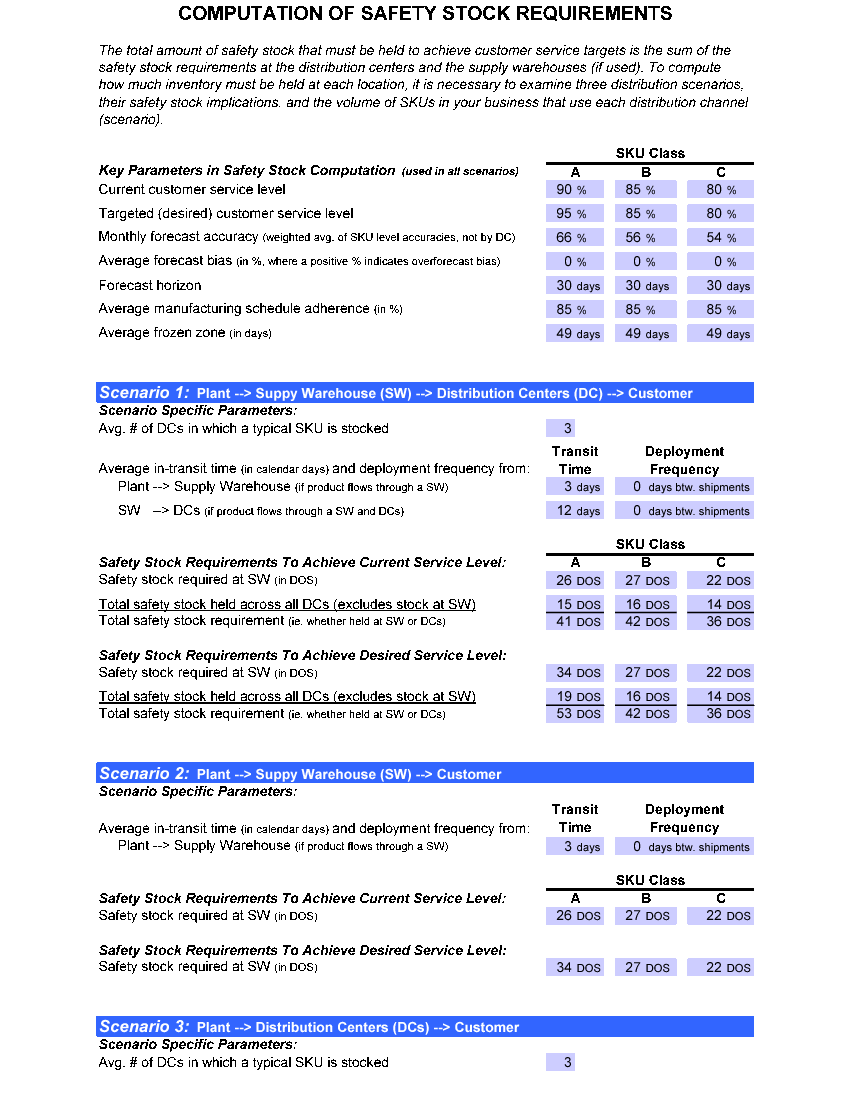
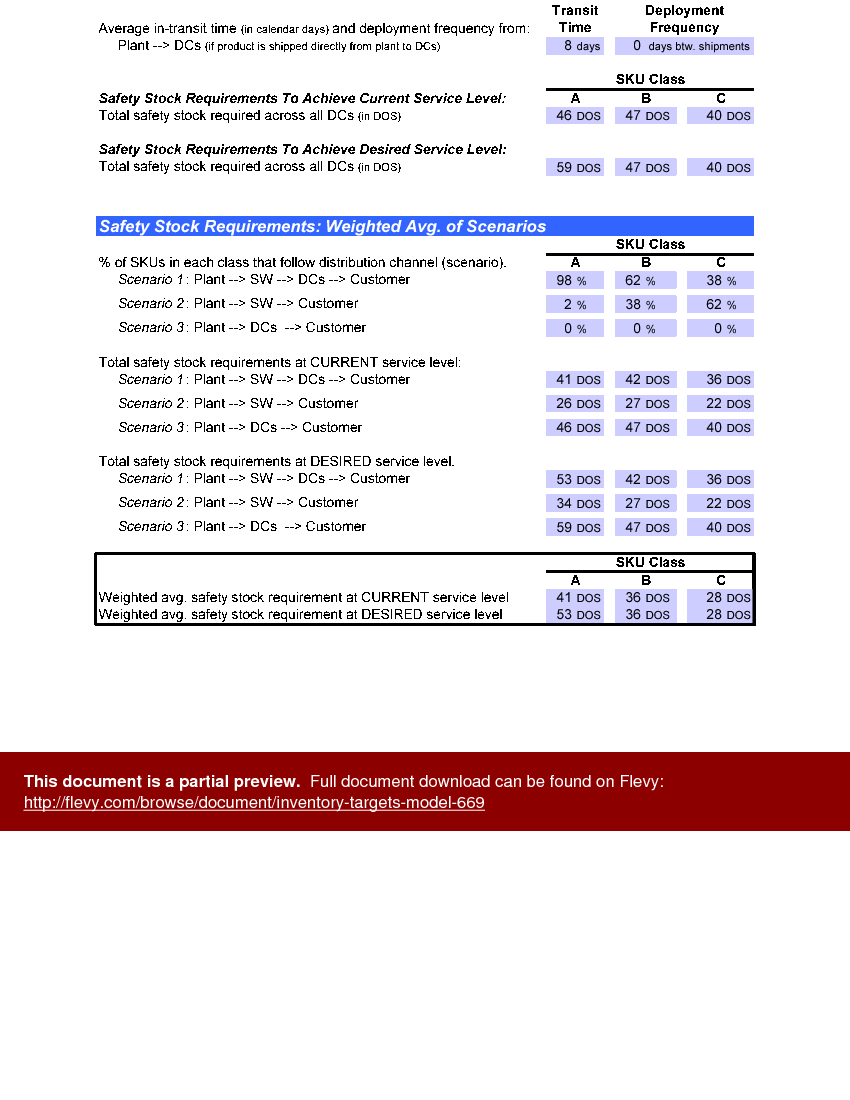
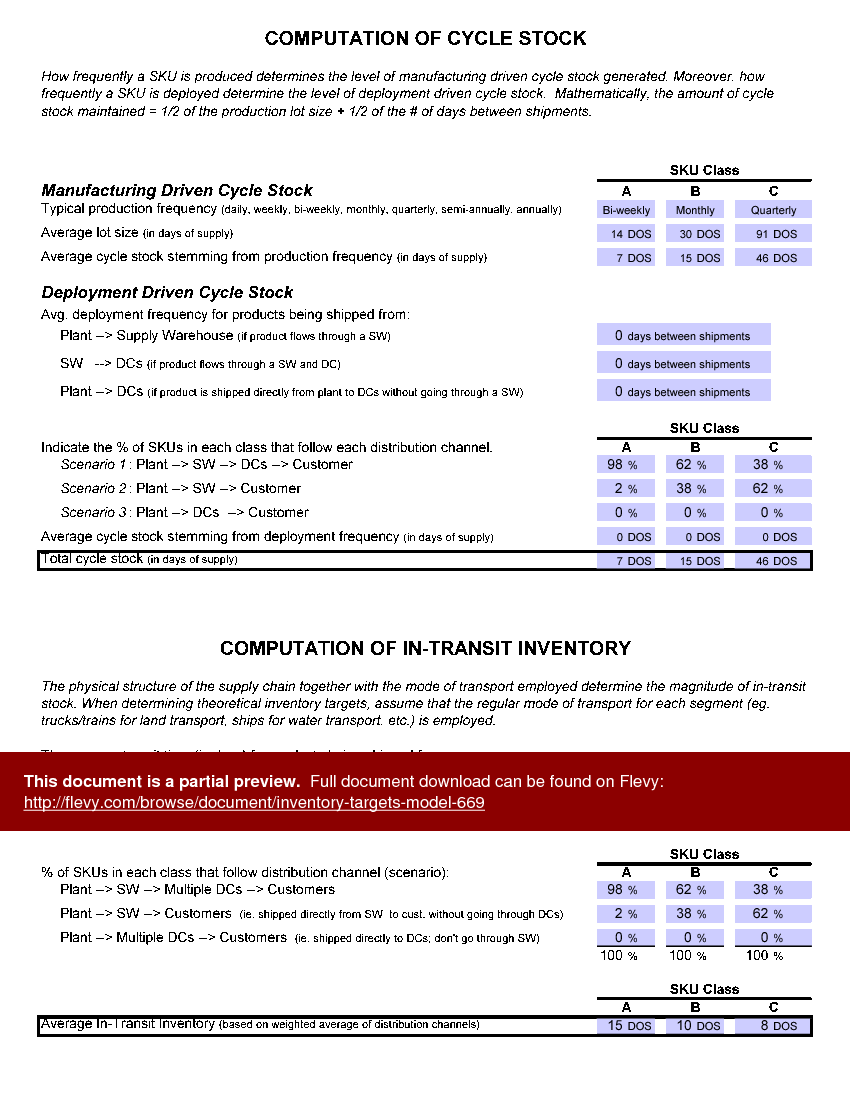
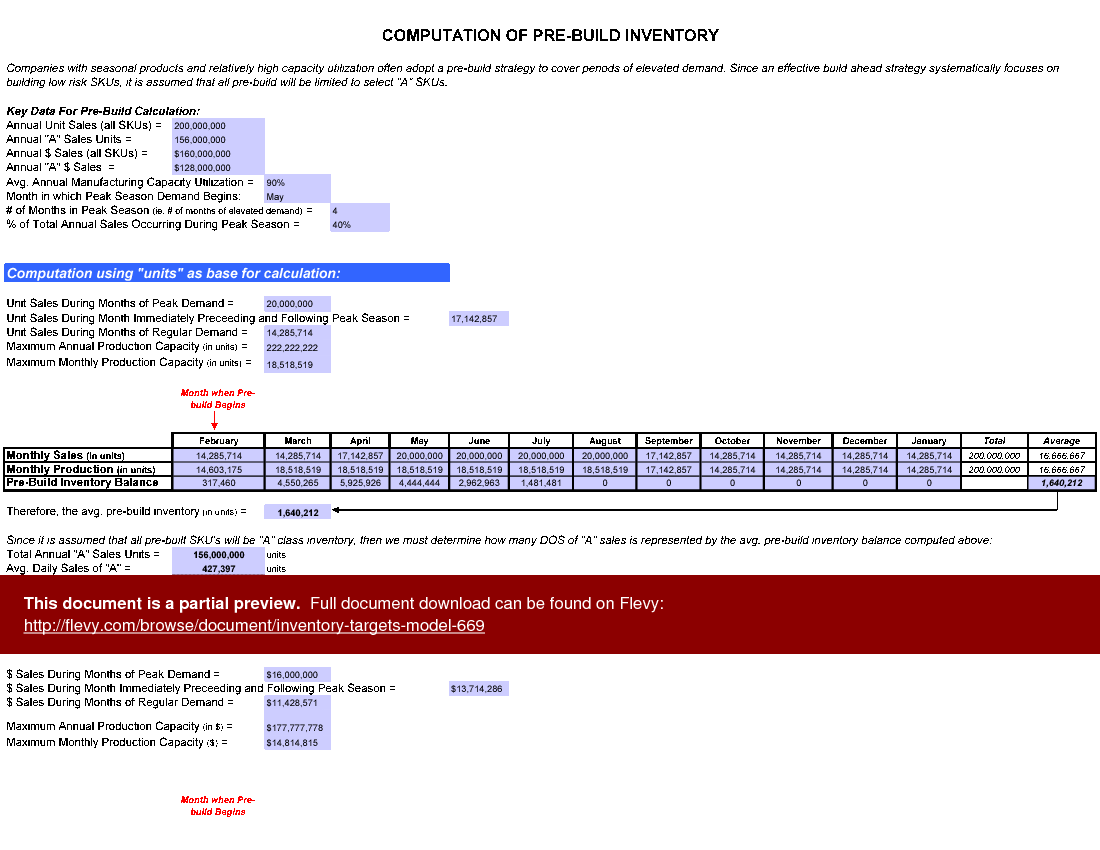
This tool is designed to compute optimum inventory level in a manufacturing environment based on customer service level, sales forecast, capacity utilization, and distribution channel. It can be used to estimate optimum level of pre-build stock, safety stock, in-transit stock and cycle stock by SKU class.
While an EOQ inventory model is theoretical in nature, this model is more practical and has been applied to effectively reduce inventory levels at a pharma company in North America.
This template provides a comprehensive approach to determining inventory targets by SKU class. It factors in various scenarios and weighted averages to ensure your inventory levels are optimized for different service levels and shipment frequencies. The model's flexibility allows you to adjust parameters like days between shipments and customer service levels to see how they impact your inventory requirements.
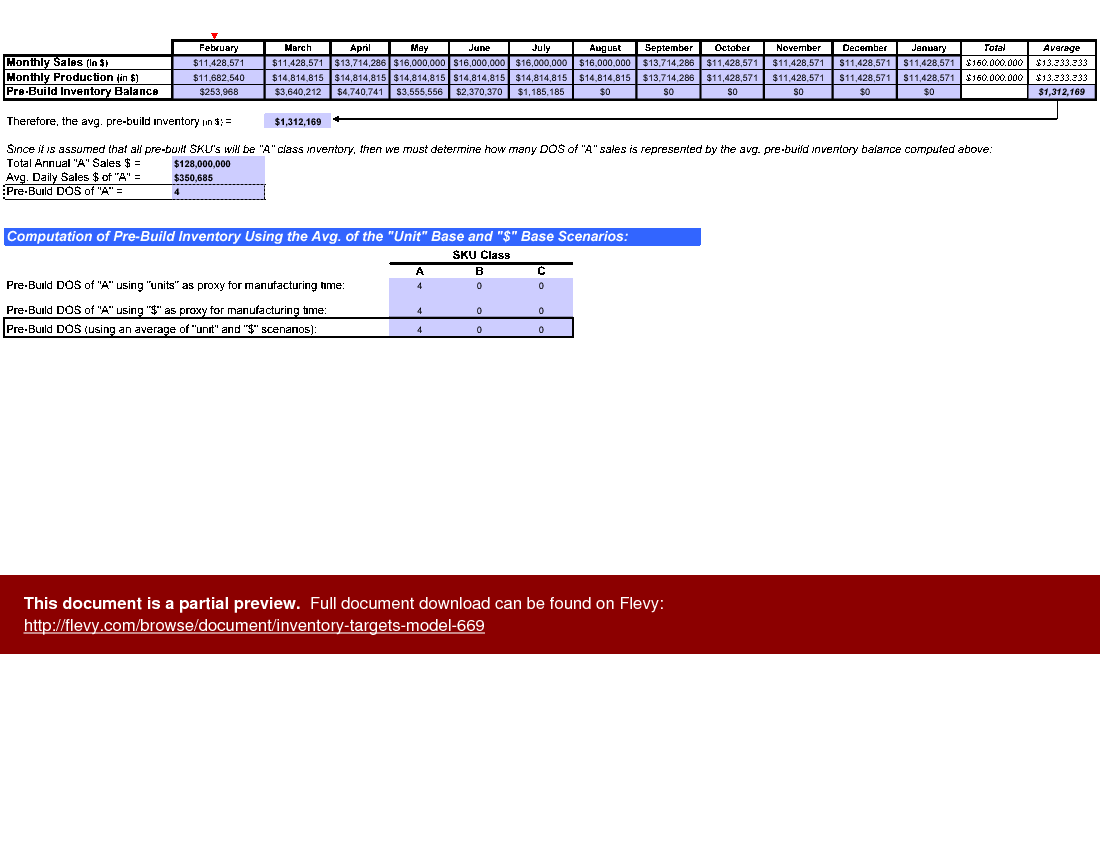
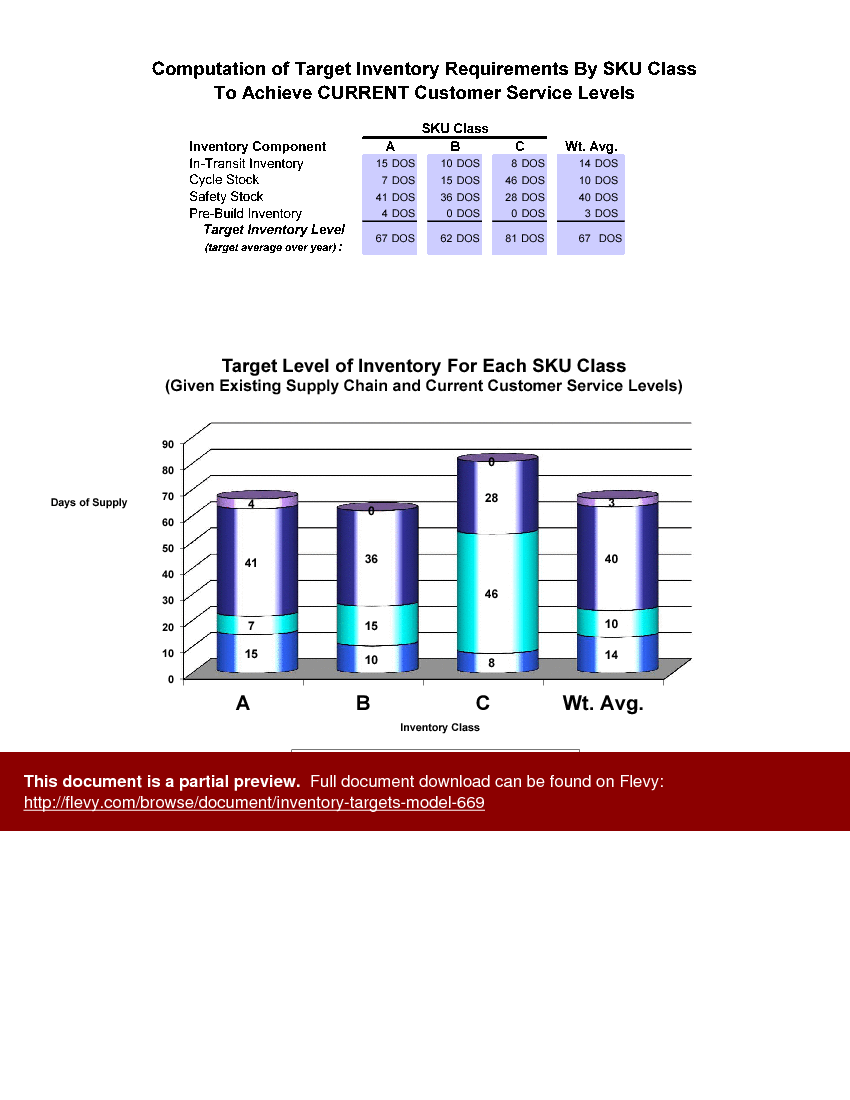
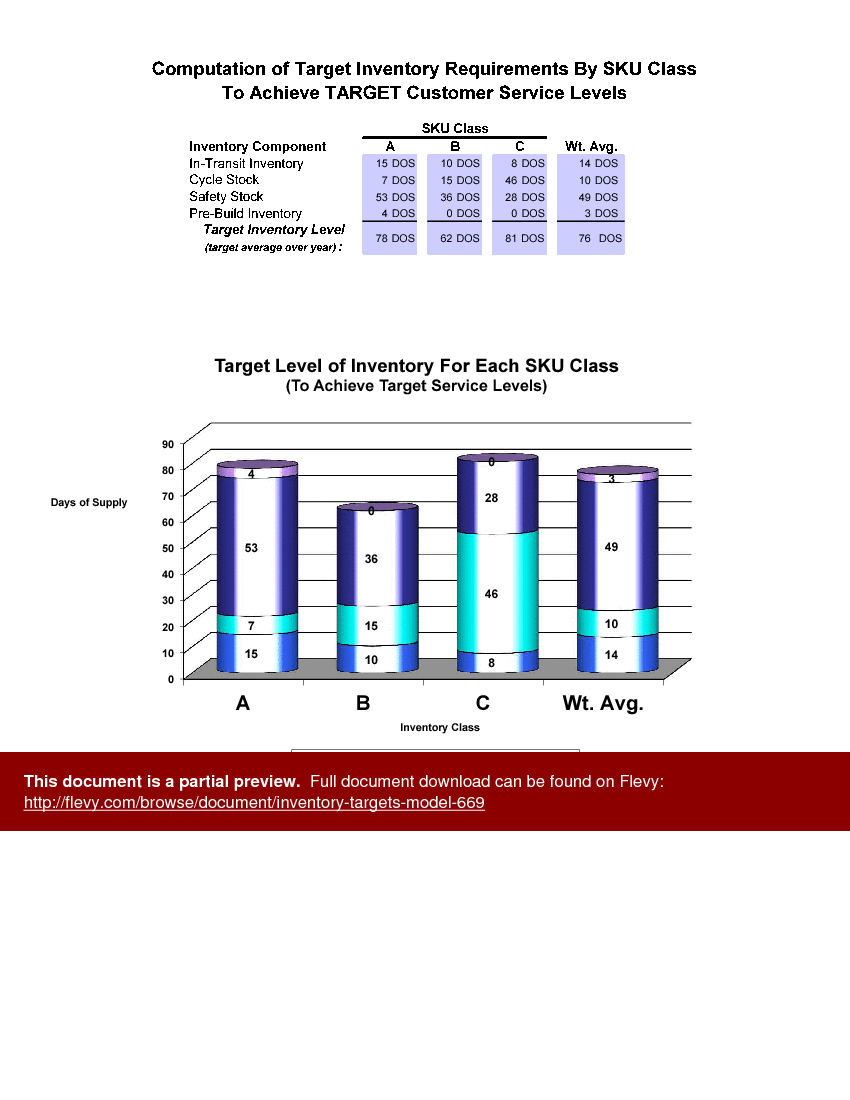
You can also compute pre-build inventory needs based on both unit and dollar values, offering a dual perspective on your inventory strategy. This is particularly useful for aligning your financial planning with your inventory management. The visual representation of inventory targets for each SKU class makes it easy to communicate strategies and decisions to stakeholders.
The tool's practical application is demonstrated through detailed computations and visual aids, ensuring you can quickly grasp the impact of different variables on your inventory levels. This makes it an invaluable resource for decision-makers looking to balance service levels with inventory costs.
Incorporating this model into your operations can lead to significant improvements in inventory efficiency and cost savings. It's designed to be user-friendly yet robust enough to handle complex inventory scenarios, making it suitable for a wide range of industries and business sizes.
Got a question about the product? Email us at support@flevy.com or ask the author directly by using the "Ask the Author a Question" form. If you cannot view the preview above this document description, go here to view the large preview instead.
TOPIC FAQ
What factors determine optimum inventory levels by SKU class in practical models?
Practical inventory targets typically factor in customer service level, sales forecast, capacity utilization, distribution channel, and shipment cadence. Flevy's Inventory Targets Model specifically uses customer service level, sales forecast, capacity utilization, and distribution channel to compute SKU-class targets.How can I estimate safety stock for different SKUs without complex theory?
Use a practical template that lets you set customer service levels and shipment cadence, then computes safety stock by SKU class across scenarios. Flevy's Inventory Targets Model includes safety stock computation driven by those parameters and SKU-class grouping.How do I decide how much pre-build versus cycle stock to hold for a launch?
Compare forecasted demand, chosen service levels, and shipment frequency to derive pre-build and cycle stock by SKU class; convert outcomes to units and dollars for planning. The model supports pre-build calculations in both unit and dollar terms.What features should I prioritize when choosing an inventory targets spreadsheet or template?
Prioritize adjustable customer service level inputs, configurable days-between-shipments/shipment frequency, SKU-class grouping, scenario-weighted averages, and the ability to report pre-build in units and dollars; visual outputs for stakeholder communication are also useful.Can a practical inventory model actually reduce on-hand stock in real operations?
Yes; by modeling service-level trade-offs, shipment cadence, and capacity utilization to derive SKU-class targets, organizations can identify excess stock and adjust policies. The template was applied to reduce inventory at a North American pharma company.How can I align inventory planning with financial budgeting and cash-flow forecasts?
Use a model that outputs pre-build inventory in both unit and dollar values so finance teams can incorporate inventory needs into budgets and cash-flow analyses. Flevy's Inventory Targets Model supports pre-build calculations in dollar terms.How flexible are scenario analyses for shipment frequency and service levels in spreadsheet models?
Effective templates let you vary days between shipments and customer service levels and then compute weighted averages across scenarios to see impacts on pre-build, safety, in-transit, and cycle stock. This model emphasizes days-between-shipments and service-level adjustments.What’s the practical difference between EOQ and applied inventory-target models used in operations?
EOQ is largely theoretical, while applied inventory-target models factor in service levels, sales forecasts, capacity utilization, and distribution channels to set SKU-class targets; Flevy's Inventory Targets Model is presented as a practical, applied alternative to EOQ.Source: Best Practices in Inventory Management Excel: Inventory Targets Model Excel (XLS) Spreadsheet, Documents & Files




























