
Problem Statement:
In today's complex business landscape, enterprise organizations are grappling with a myriad of challenges. These challenges include operational inefficiencies, lack of clear role definition, and a growing need to foster cross-functional collaboration. Additionally, many executives face the struggle of adapting their organization's architecture and structure to meet evolving business goals. To make informed decisions and optimize their organizational structure, executive decision-makers need a comprehensive solution to assess their organization's current state and develop a target state.
Solution Approach:
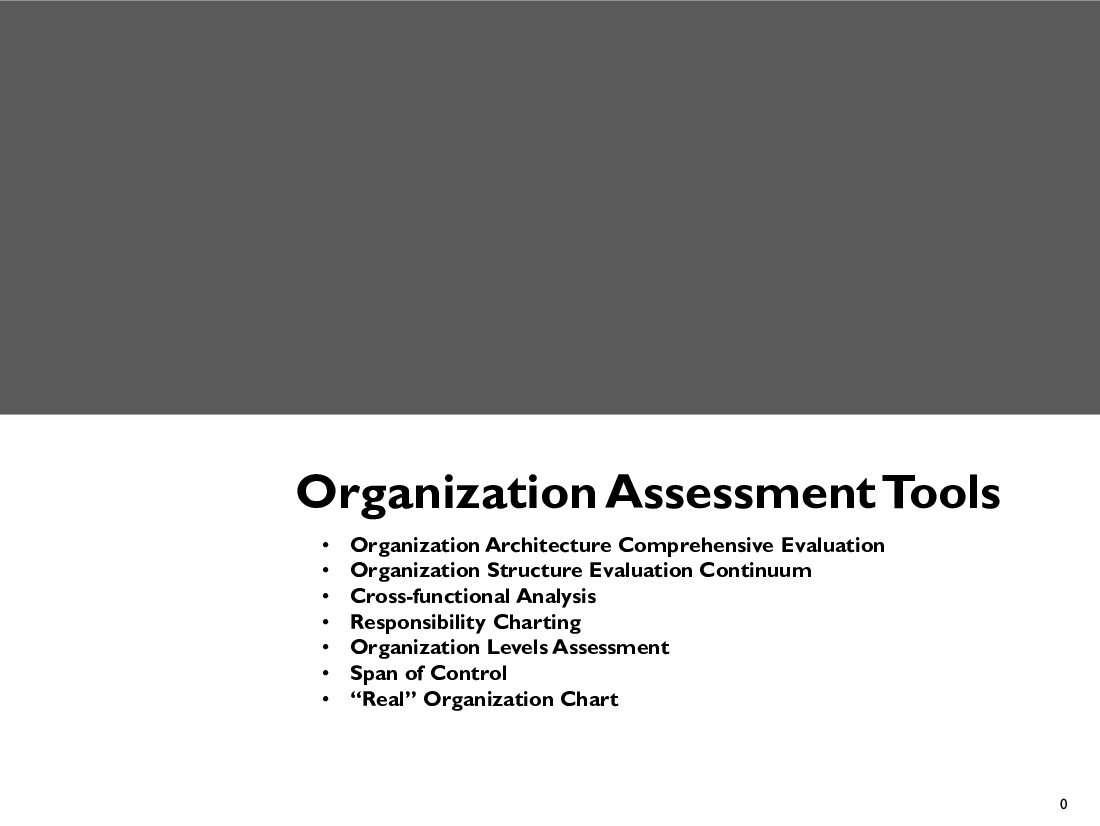
Our "Enterprise Organizational Assessment Toolkit for Executive Decision-Makers" is the answer to these pressing challenges. This meticulously crafted toolkit provides a holistic approach to understanding and optimizing your organization's architecture, structure, and dynamics. Here's how each component of the toolkit addresses these issues:
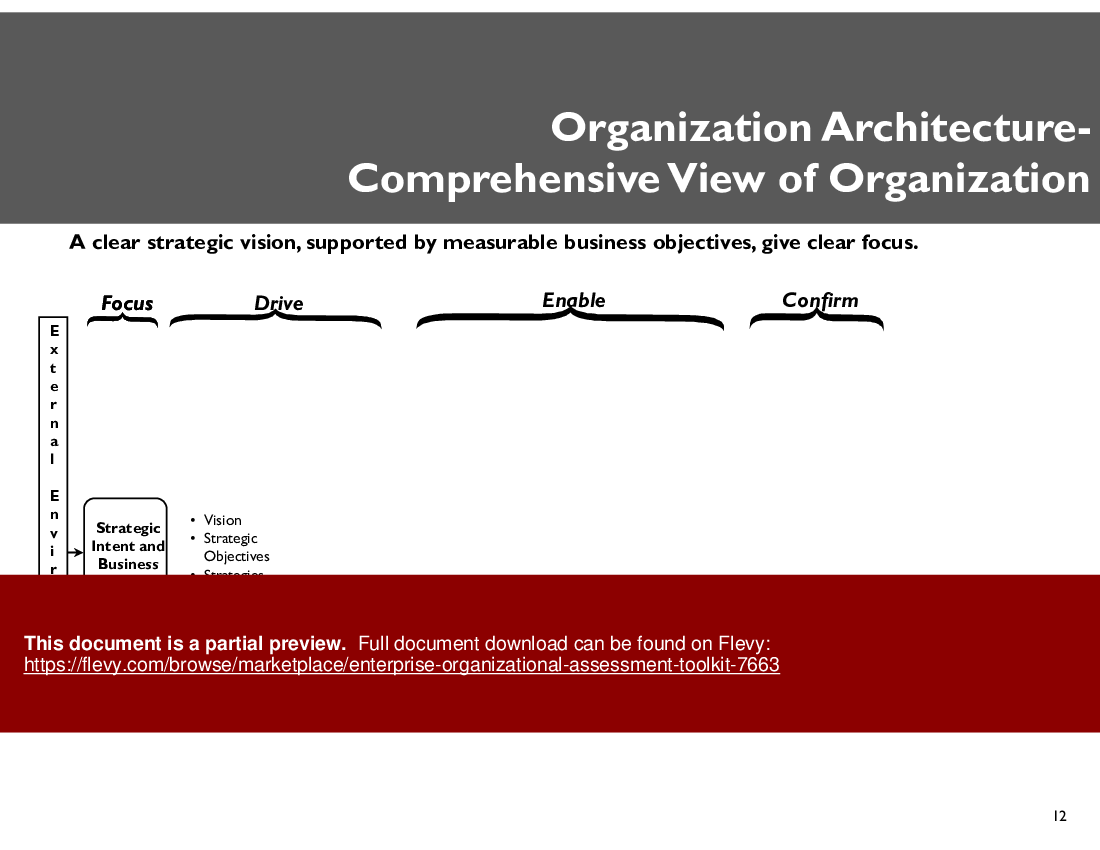
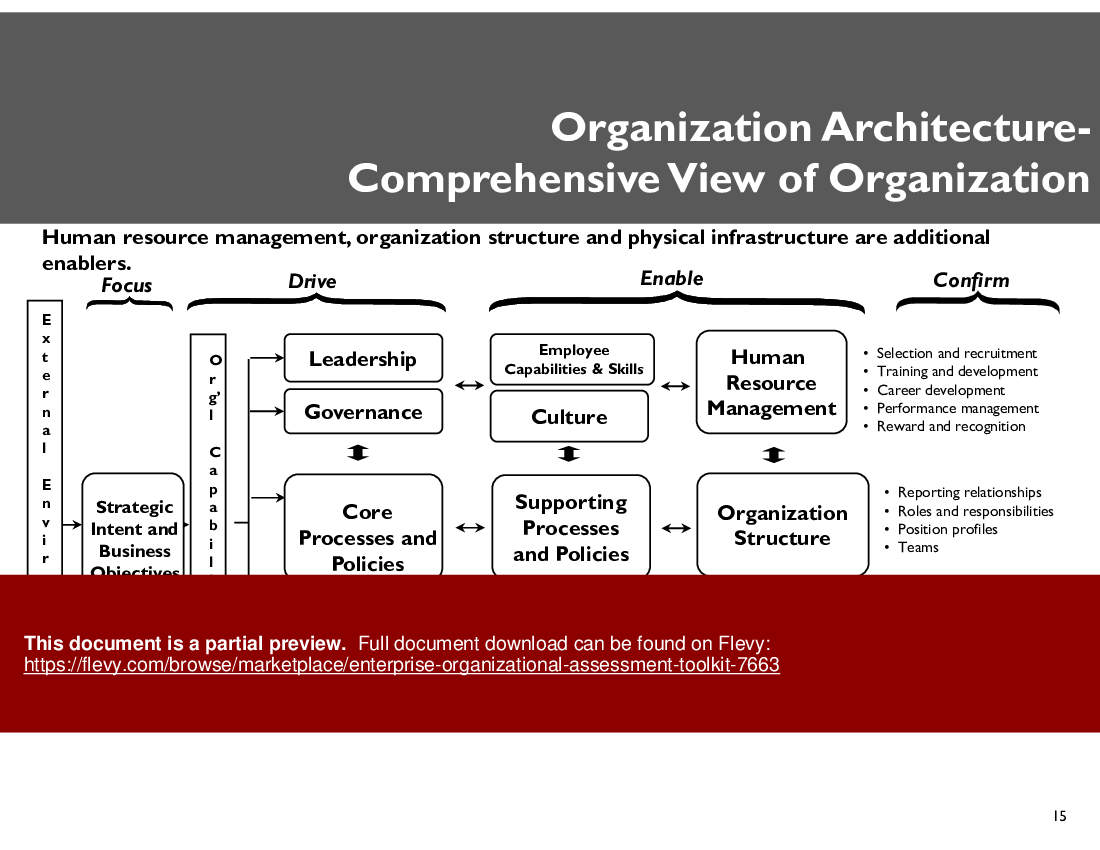
1️⃣ Organization Architecture Comprehensive Evaluation: This evaluation helps identify misalignments between your current architecture and your strategic objectives, enabling you to rectify inefficiencies and bottlenecks.
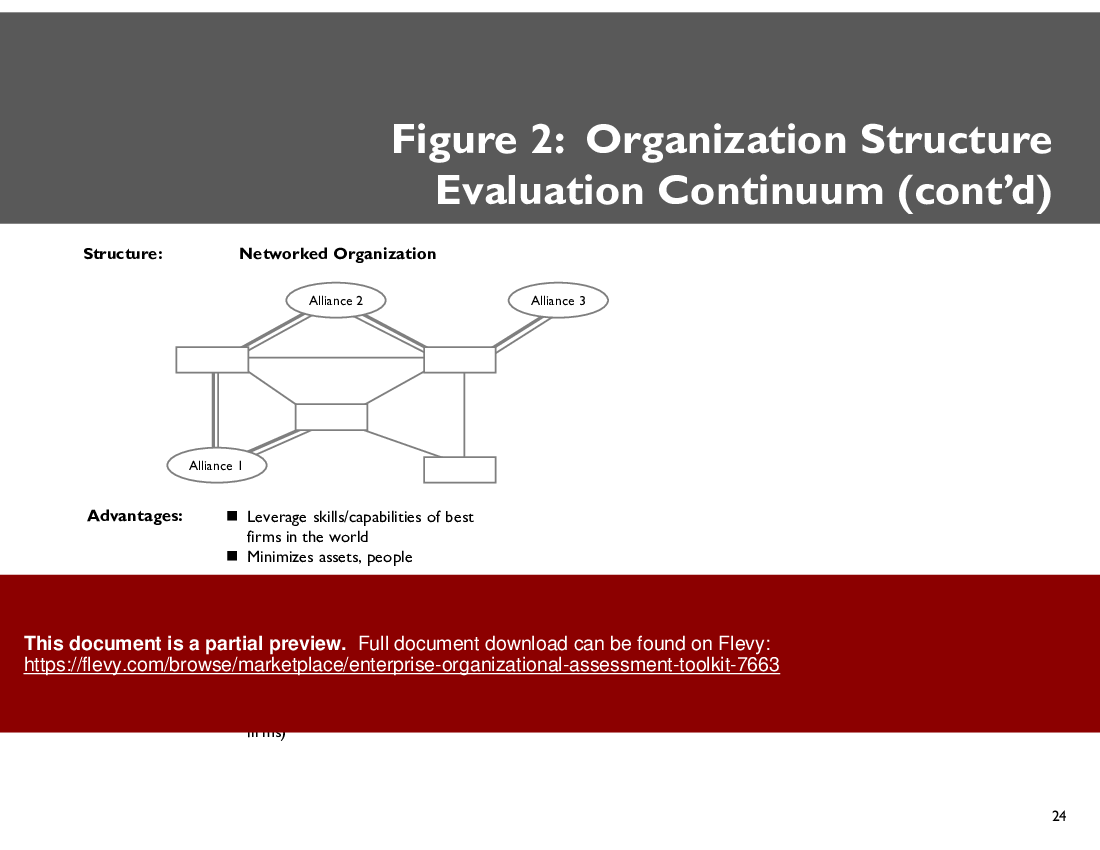
2️⃣ Organization Structure Evaluation Continuum: By assessing your organization on a continuum, this tool ensures that your structure strikes the perfect balance between flexibility and control, crucial for adapting to change and ensuring operational excellence.
3️⃣ Cross-functional Analysis: This analysis tears down silos and fosters collaboration across departments, uncovering the latent potential within your organization for streamlined processes and innovation.
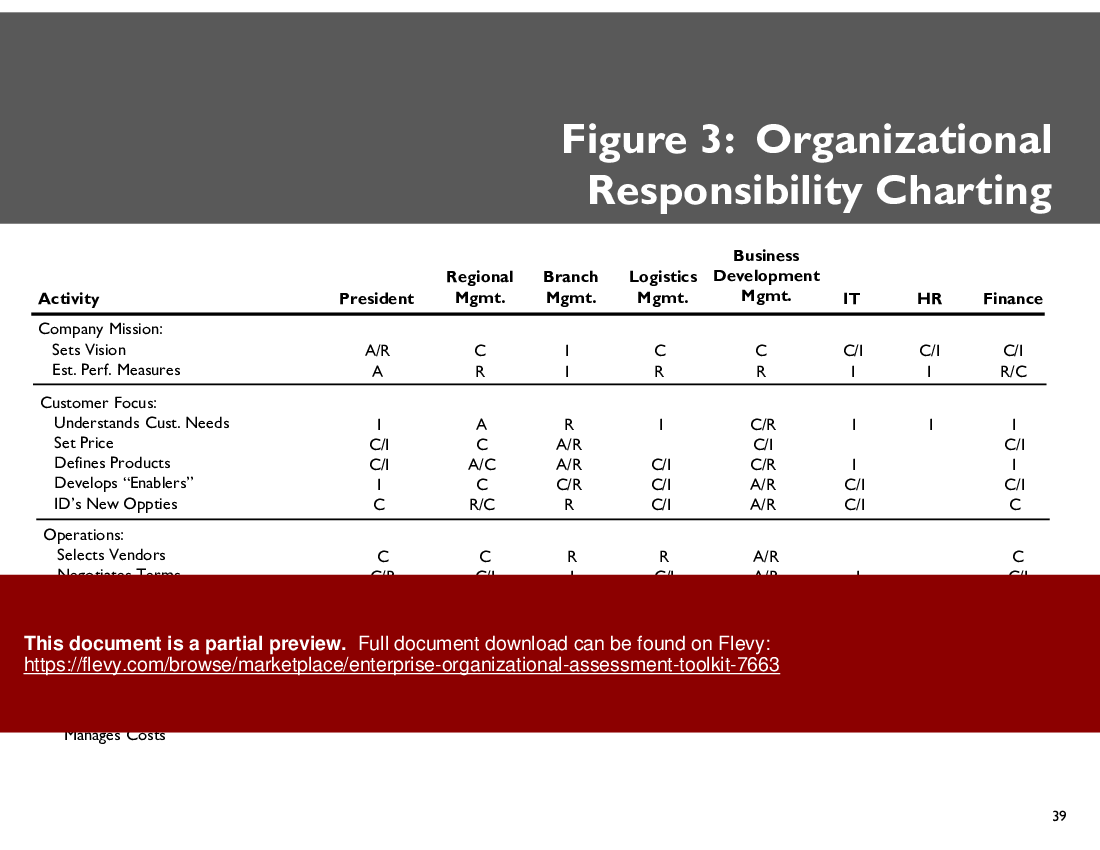
4️⃣ Responsibility Charting: Clear role definitions are critical. Responsibility Charting ensures role clarity and accountability, preventing misunderstandings and enhancing productivity.
5️⃣ Organization Levels Assessment: Scrutinizing the hierarchy within your organization identifies opportunities for reducing bureaucracy and improving decision-making, directly impacting your overall efficiency.
6️⃣ Span of Control: Optimize the span of control to ensure effective supervision without overburdening your leadership team, thereby ensuring efficient workflows and high-performance teams.
7️⃣ "Real" Organization Chart: This dynamic organization chart reflects your actual workflow, fostering transparency and open communication throughout your organization.
By employing this toolkit, executive decision-makers will have the insights and tools required to address these challenges effectively. It empowers them to make data-driven decisions, streamline operations, and enhance the overall organizational performance, aligning the organization with its strategic objectives.
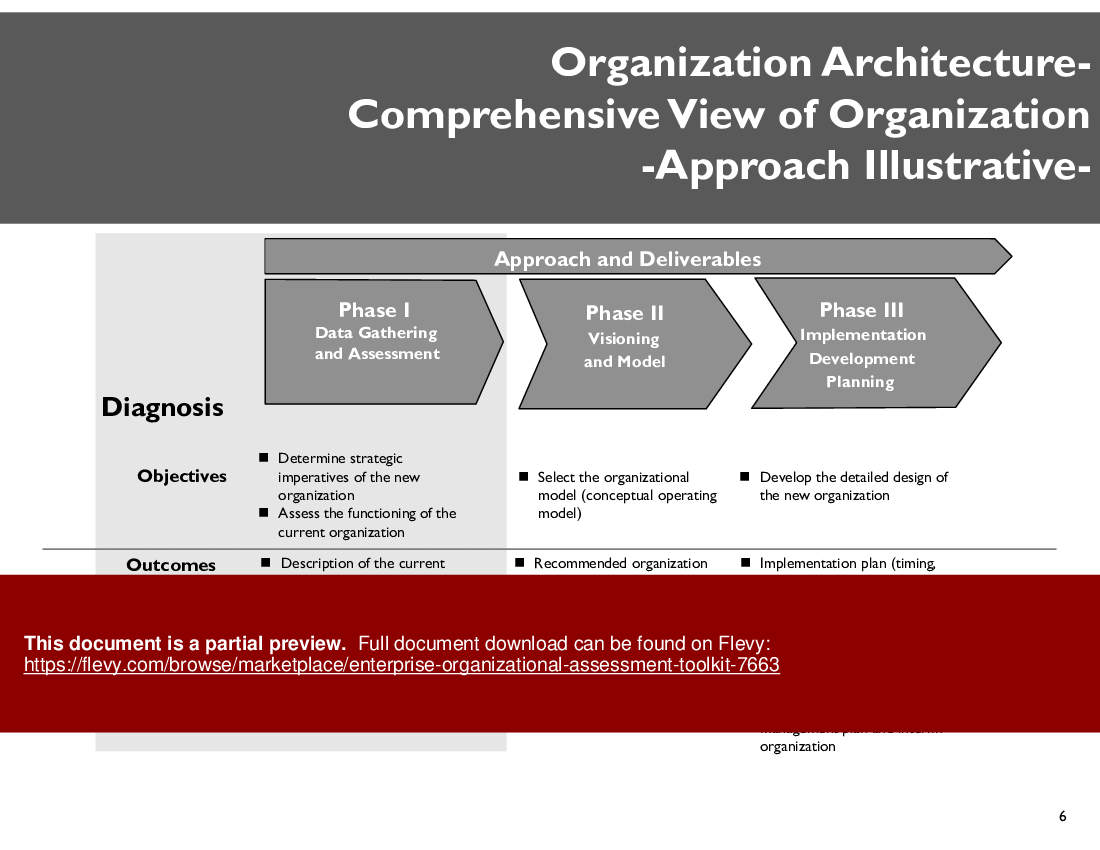
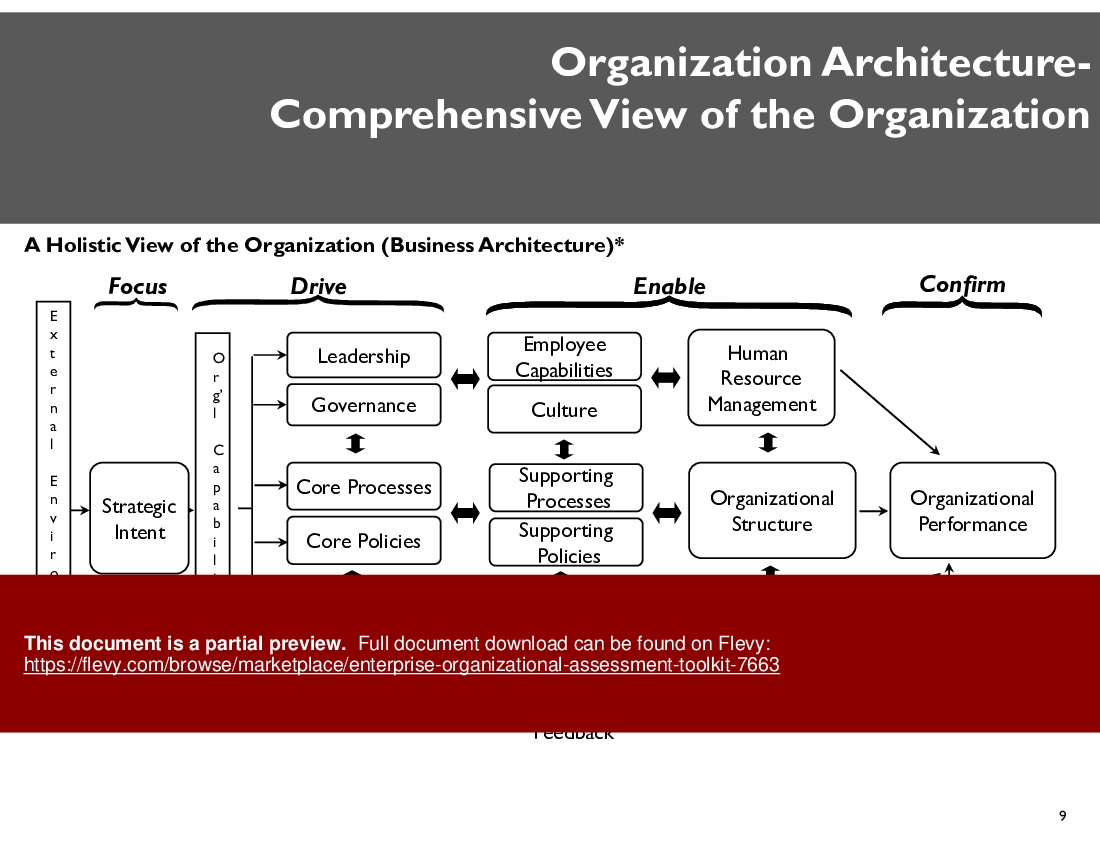
The toolkit's phased approach ensures a thorough diagnosis, visioning, and implementation plan tailored to your organization's unique needs. A holistic view of the organization integrates leadership, governance, and core processes with human resource management and culture to drive performance.
Got a question about the product? Email us at support@flevy.com or ask the author directly by using the "Ask the Author a Question" form. If you cannot view the preview above this document description, go here to view the large preview instead.
Executive Summary
The Enterprise Organizational Assessment Toolkit is a consulting-grade presentation designed to provide a comprehensive evaluation of organizational structures and performance. Crafted with the rigor expected from McKinsey, Bain, or BCG-quality frameworks (not affiliated), this toolkit enables corporate executives and consultants to assess current organizational effectiveness, identify strategic imperatives, and develop actionable recommendations for improvement. By utilizing this toolkit, users will gain insights into the functioning of their organization, clarify roles, and enhance communication across functional units, ultimately driving alignment with business objectives.
Who This Is For and When to Use
• Corporate executives seeking to optimize organizational structure and performance
• Integration leaders managing organizational change initiatives
• Consultants facilitating organizational assessments and transformations
• HR professionals involved in restructuring and role clarification
• Project managers overseeing cross-functional teams and initiatives
Best-fit moments to use this deck:
• During organizational restructuring efforts to evaluate current and future state models
• When assessing the effectiveness of communication and collaboration across functional units
• In preparation for major change initiatives requiring stakeholder buy-in and alignment
• For conducting post-merger integration assessments to align organizational capabilities with strategic goals
Learning Objectives
• Define the current organizational structure and identify key areas for improvement
• Analyze the effectiveness of cross-functional communication and collaboration
• Develop alternative organizational models that align with strategic objectives
• Clarify roles and responsibilities to enhance accountability and performance
• Identify and eliminate inefficiencies within organizational processes
• Create a comprehensive action plan for implementing organizational changes
Table of Contents
• Organization Architecture Comprehensive Evaluation (page 3)
• Organization Structure Evaluation Continuum (page 18)
• Cross-functional Analysis (page 29)
• Responsibility Charting (page 33)
• Organization Levels Assessment (page 44)
• Span of Control (page 50)
• “Real” Organization Chart (page 56)
Primary Topics Covered
• Organization Architecture Comprehensive Evaluation - A holistic assessment tool that evaluates the current organizational structure, identifies issues, and develops alternative models to achieve strategic objectives.
• Organization Structure Evaluation Continuum - A framework for assessing both the current ("As Is") and desired ("To Be") organizational structures, facilitating the identification of necessary changes.
• Cross-functional Analysis - A method to examine interdependencies between functional units, identify overlaps, and improve organizational communication and efficiency.
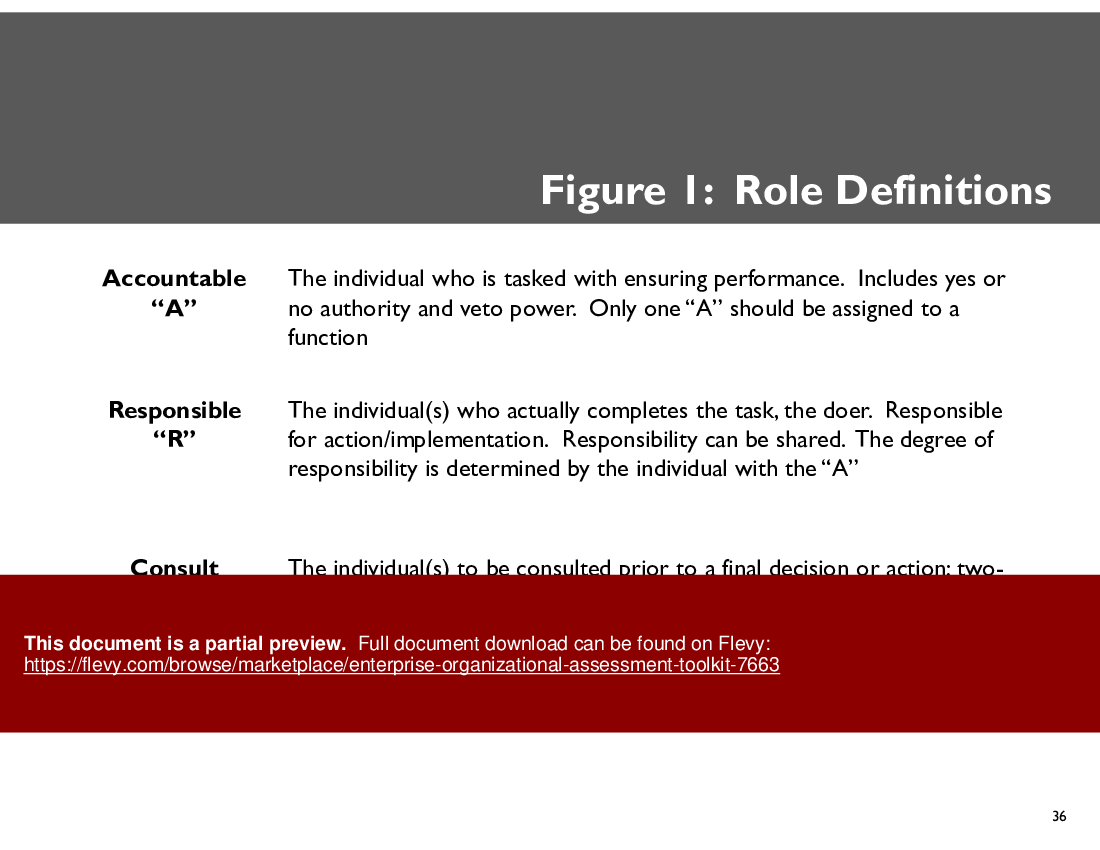
• Responsibility Charting - A tool to clarify roles and responsibilities, ensuring accountability for key activities and decisions within the organization.
• Organization Levels Assessment - An evaluation of organizational layers and structures to identify potential issues and align them with strategic goals.
• Span of Control - An analysis of reporting structures to assess managerial effectiveness and optimize organizational hierarchy.
• “Real” Organization Chart - A visual representation of actual reporting relationships, highlighting informal authority and responsibilities that differ from the official structure.
Deliverables, Templates, and Tools
• Organization Architecture evaluation template for assessing current and future state models
• Responsibility Charting framework to clarify roles and responsibilities
• Cross-functional analysis matrix for visualizing interdependencies between units
• Span of Control assessment tool for analyzing reporting structures
• “Real” Organization Chart template to illustrate informal relationships and authority
• Organization Levels Assessment checklist for identifying structural issues
Slide Highlights
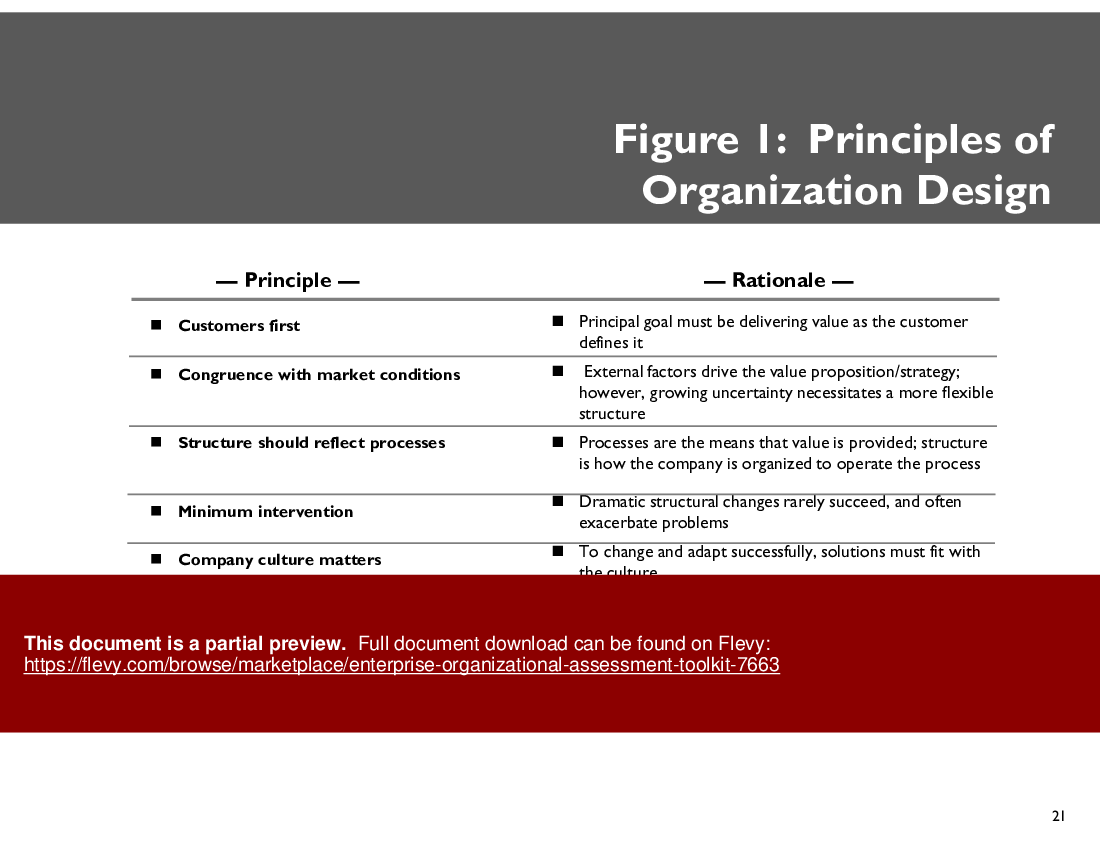
• Overview of the Organization Architecture framework, emphasizing strategic intent and organizational capabilities
• Visual representation of the Organization Structure Evaluation Continuum, illustrating the transition from "As Is" to "To Be"
• Flowchart examples from the Cross-functional Analysis section, demonstrating process inefficiencies and overlaps
• Sample Responsibility Charting template showcasing roles and accountability
• Annotated Organization Charts highlighting staffing and budgetary considerations
Potential Workshop Agenda
Organizational Assessment Kickoff (60 minutes)
• Introduce the toolkit and its objectives
• Discuss the current organizational challenges and strategic goals
• Outline the assessment process and expected outcomes
Cross-functional Analysis Workshop (90 minutes)
• Identify key functional units and their activities
• Conduct interviews to gather insights on interdependencies
• Develop flowcharts to visualize processes and communication
Responsibility Charting Session (60 minutes)
• Define key activities and decisions critical to success
• Draft the "As Is" Responsibility Chart and validate with participants
• Create the "To Be" Responsibility Chart based on new organizational models
Customization Guidance
• Tailor the toolkit to reflect specific organizational terminology and structures
• Adjust the assessment templates to align with unique business objectives and strategic goals
• Incorporate company-specific metrics and KPIs into the evaluation frameworks
• Modify the Responsibility Charting definitions to fit the organizational culture and decision-making processes
Secondary Topics Covered
• Organizational change management principles and best practices
• Strategies for enhancing employee engagement during restructuring
• Techniques for effective stakeholder communication and buy-in
• Performance management frameworks to support new organizational models
• Governance structures for overseeing organizational change initiatives
FAQ
What is the purpose of the Organization Architecture Comprehensive Evaluation?
The purpose is to provide a holistic view of the organization, assess its current functioning, and develop alternative models that align with strategic objectives.
How does the Organization Structure Evaluation Continuum work?
It assists clients in evaluating both the current and desired organizational structures, facilitating discussions on necessary changes and alignment with business requirements.
What is the significance of Cross-functional Analysis?
It helps identify overlaps in business activities among functional units, improves communication, and highlights process inefficiencies that can be addressed for better organizational effectiveness.
How can Responsibility Charting enhance accountability?
By clearly defining roles and responsibilities for key activities, it ensures that individuals understand their contributions and are held accountable for outcomes.
What insights can be gained from the Organization Levels Assessment?
This assessment provides early insights into internal structures and potential issues, helping to identify areas that may hinder organizational effectiveness.
What does the Span of Control Assessment analyze?
It reviews the reporting structure to assess the average span of control for managers, helping to optimize hierarchy and improve managerial effectiveness.
Why is the “Real” Organization Chart important?
It reveals informal reporting relationships and responsibilities that may differ from the official structure, providing a clearer understanding of actual organizational dynamics.
How can this toolkit be customized for specific organizations?
Users can tailor the templates and frameworks to reflect their unique terminology, business objectives, and organizational culture, ensuring relevance and applicability.
Glossary
• Organization Architecture - A framework for evaluating and designing organizational structures to achieve strategic objectives.
• Cross-functional Analysis - A method for examining interdependencies between functional units to improve communication and efficiency.
• Responsibility Charting - A tool for clarifying roles and responsibilities within an organization.
• Span of Control - The number of subordinates managed by a single supervisor, impacting organizational hierarchy and effectiveness.
• “Real” Organization Chart - A visual representation of actual reporting relationships within an organization, highlighting informal authority.
• Organization Levels Assessment - An evaluation of organizational layers to identify potential issues affecting effectiveness.
• Organizational Change Management - The process of managing changes in an organization to minimize resistance and maximize engagement.
• Stakeholder Communication - Strategies for effectively communicating with individuals or groups invested in organizational changes.
• Performance Management - A framework for assessing and improving employee performance in alignment with organizational goals.
• Governance Structure - The framework for overseeing organizational change initiatives and ensuring accountability.
• Strategic Objectives - Specific goals that guide an organization’s direction and decision-making.
• Business Processes - A series of tasks or activities that produce a specific outcome within an organization.
• Functional Units - Distinct departments or teams within an organization that perform specific functions.
• Organizational Effectiveness - The degree to which an organization meets its goals and objectives efficiently and effectively.
• Informal Authority - Influence or power that individuals hold within an organization that is not formally recognized in the organizational chart.
• Accountability - The obligation of individuals to report on their activities and accept responsibility for outcomes.
• Stakeholder Buy-in - The process of gaining support and commitment from individuals or groups affected by organizational changes.
• Organizational Culture - The shared values, beliefs, and practices that shape how work is done within an organization.
• Decision-making Process - The steps taken to make choices within an organization, often involving multiple stakeholders.
• Change Initiative - A planned effort to improve or transform an organization’s processes, structures, or culture.
• Business Objectives - Specific, measurable goals that an organization aims to achieve within a defined timeframe.
• Leadership Development - Programs and initiatives aimed at enhancing the skills and capabilities of current and future leaders within an organization.
Source: Best Practices in Organizational Design, Organizational Structure PowerPoint Slides: Enterprise Organizational Assessment Toolkit PowerPoint (PPTX) Presentation Slide Deck, WallStBizStrategist
|
Download our FREE Organization, Change, & Culture, Templates
Download our free compilation of 50+ slides and templates on Organizational Design, Change Management, and Corporate Culture. Methodologies include ADKAR, Burke-Litwin Change Model, McKinsey 7-S, Competing Values Framework, etc. |