
 Click main image to view in full screen.
Cybersecurity GRC: Governance, Risk Management, Compliance – PowerPoint PPTX Template
PowerPoint (PPTX) 24 Slides


CYBER SECURITY PPT TEMPLATE DESCRIPTION
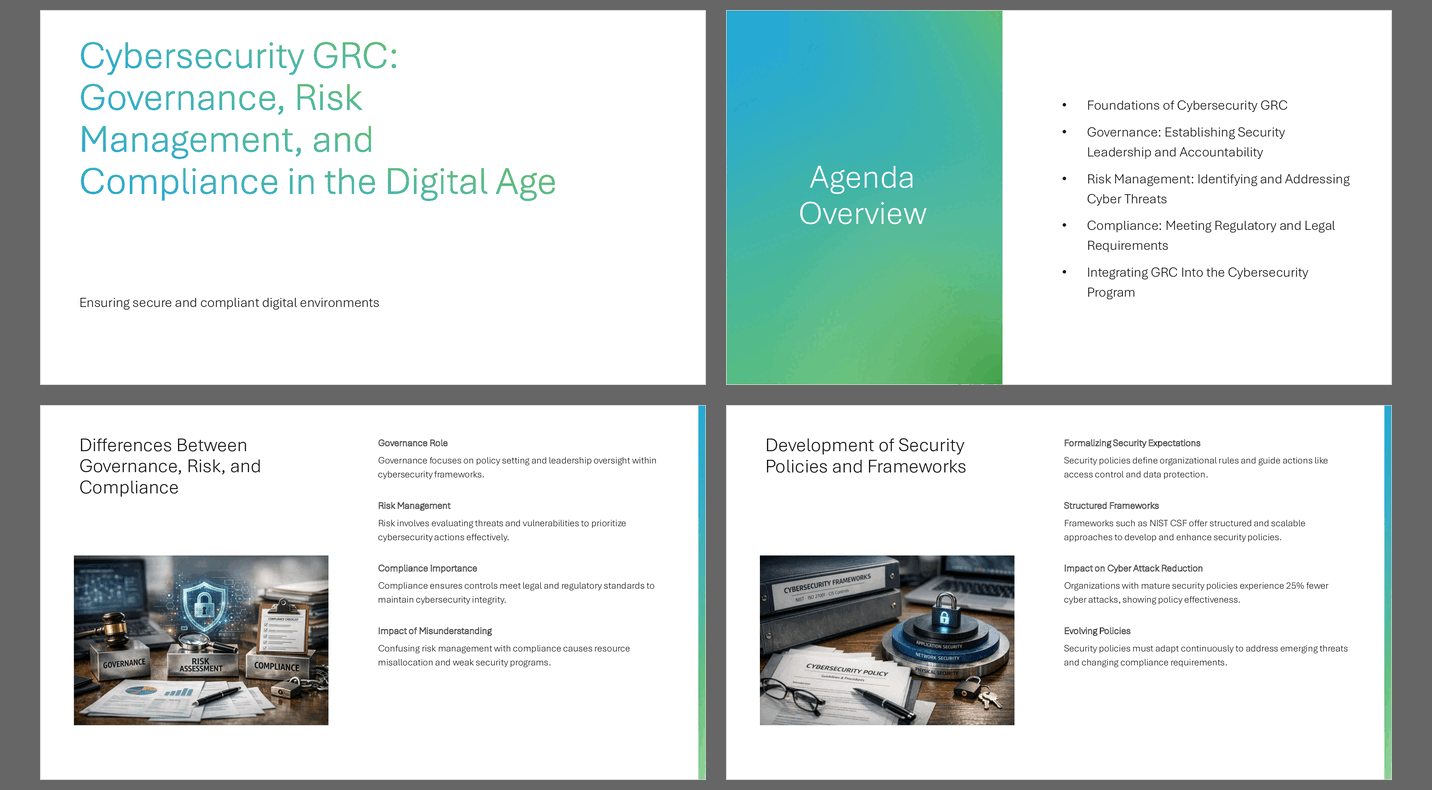
Cybersecurity GRC: Governance, Risk Management, and Compliance in the Digital Age
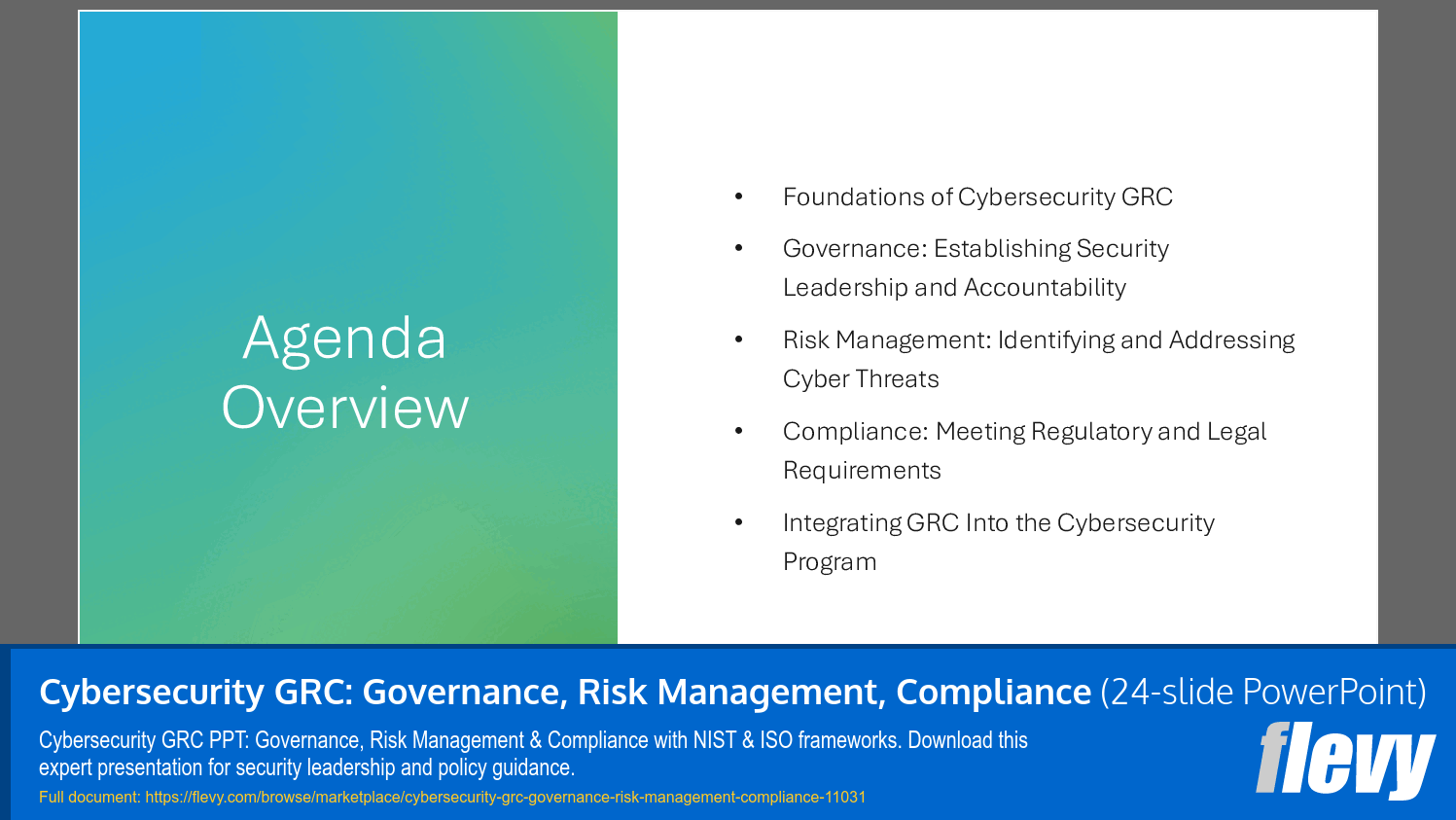
Foundations of Cybersecurity GRC
Governance: Establishing Security Leadership and Accountability
Risk Management: Identifying and Addressing Cyber Threats
Compliance: Meeting Regulatory and Legal Requirements
Integrating GRC Into the Cybersecurity Program
Key Principles and Definitions
Governance in Cybersecurity
Governance defines leadership roles and policies to direct cybersecurity efforts effectively.
Risk Management
Risk management identifies, assesses, and mitigates cyber risks proactively to protect assets.
Compliance Assurance
Compliance ensures adherence to laws and standards like ISO/IEC 27001 and NIST frameworks.
Standardized Definitions
Clear definitions reduce ambiguity, promoting uniform cybersecurity practices across industries.
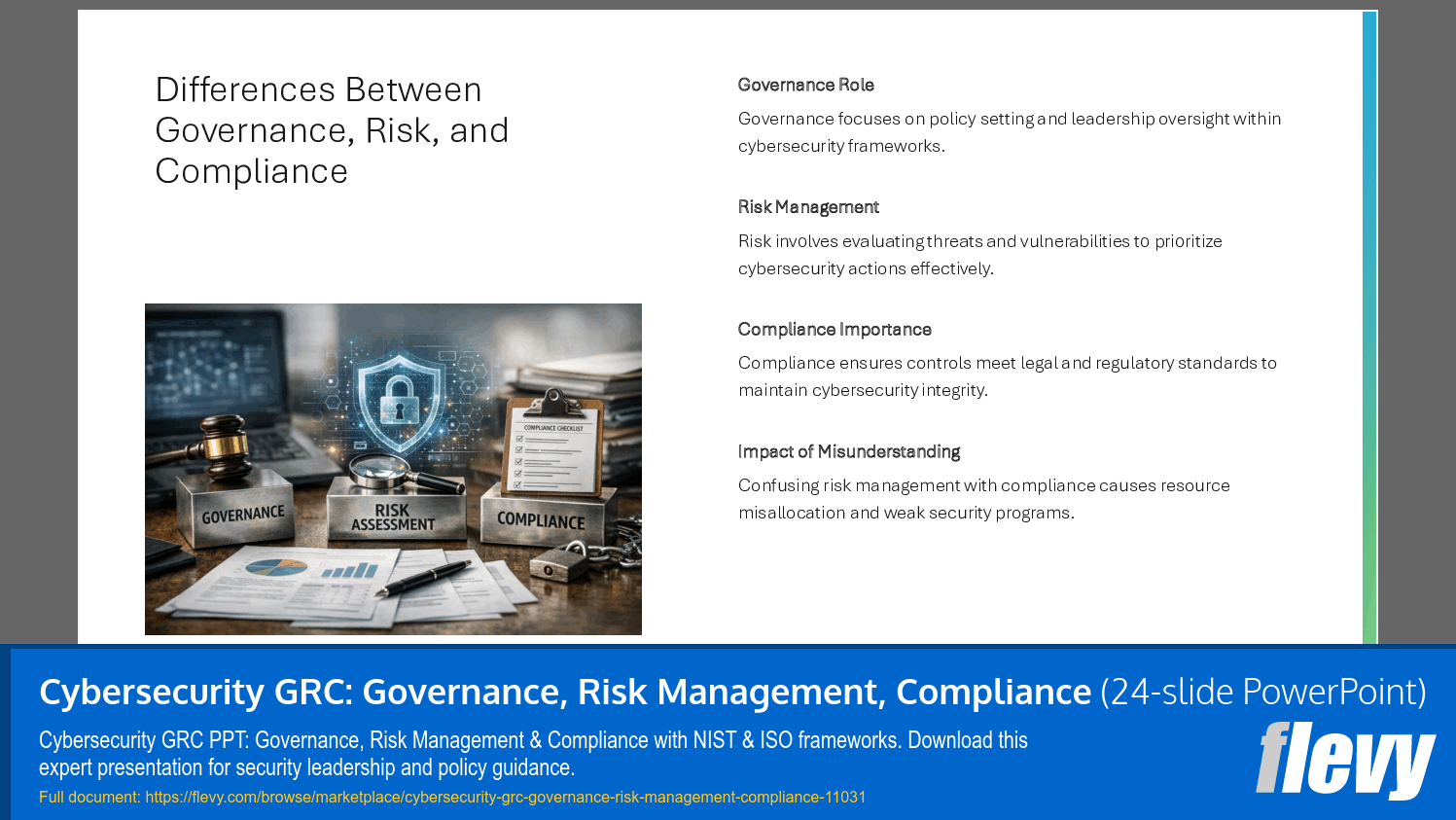
Differences Between Governance, Risk, and Compliance
Governance Role
Governance focuses on policy setting and leadership oversight within cybersecurity frameworks.
Risk Management
Risk involves evaluating threats and vulnerabilities to prioritize cybersecurity actions effectively.
Compliance Importance
Compliance ensures controls meet legal and regulatory standards to maintain cybersecurity integrity.
Impact of Misunderstanding
Confusing risk management with compliance causes resource misallocation and weak security programs.
Board and Executive Roles in Cybersecurity
Leadership's Cybersecurity Role
Boards and executives are essential in shaping cybersecurity strategy and overseeing risk management.
Cost Reduction Benefits
Active board engagement in cybersecurity reduces breach-related costs by up to 40%, improving organizational resilience.
Regulatory Accountability
Regulatory bodies require explicit board-level accountability, such as SEC cybersecurity disclosure rules.
Culture and Alignment
Executives promote a security culture and align cybersecurity goals with business objectives.
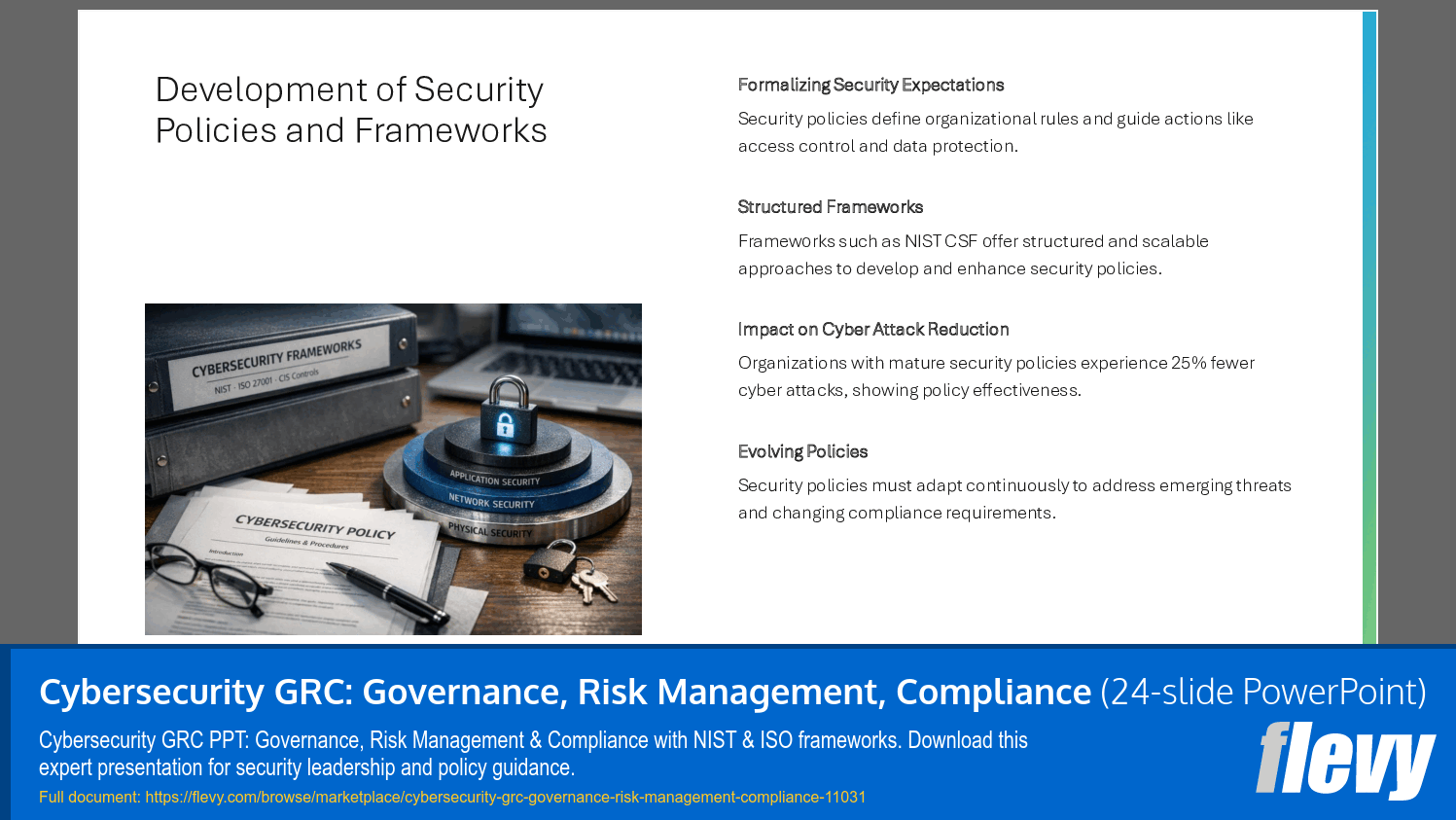
Development of Security Policies and Frameworks
Formalizing Security Expectations
Security policies define organizational rules and guide actions like access control and data protection.
Structured Frameworks
Frameworks such as NIST CSF offer structured and scalable approaches to develop and enhance security policies.
Impact on Cyber Attack Reduction
Organizations with mature security policies experience 25% fewer cyber attacks, showing policy effectiveness.
Evolving Policies
Security policies must adapt continuously to address emerging threats and changing compliance requirements.
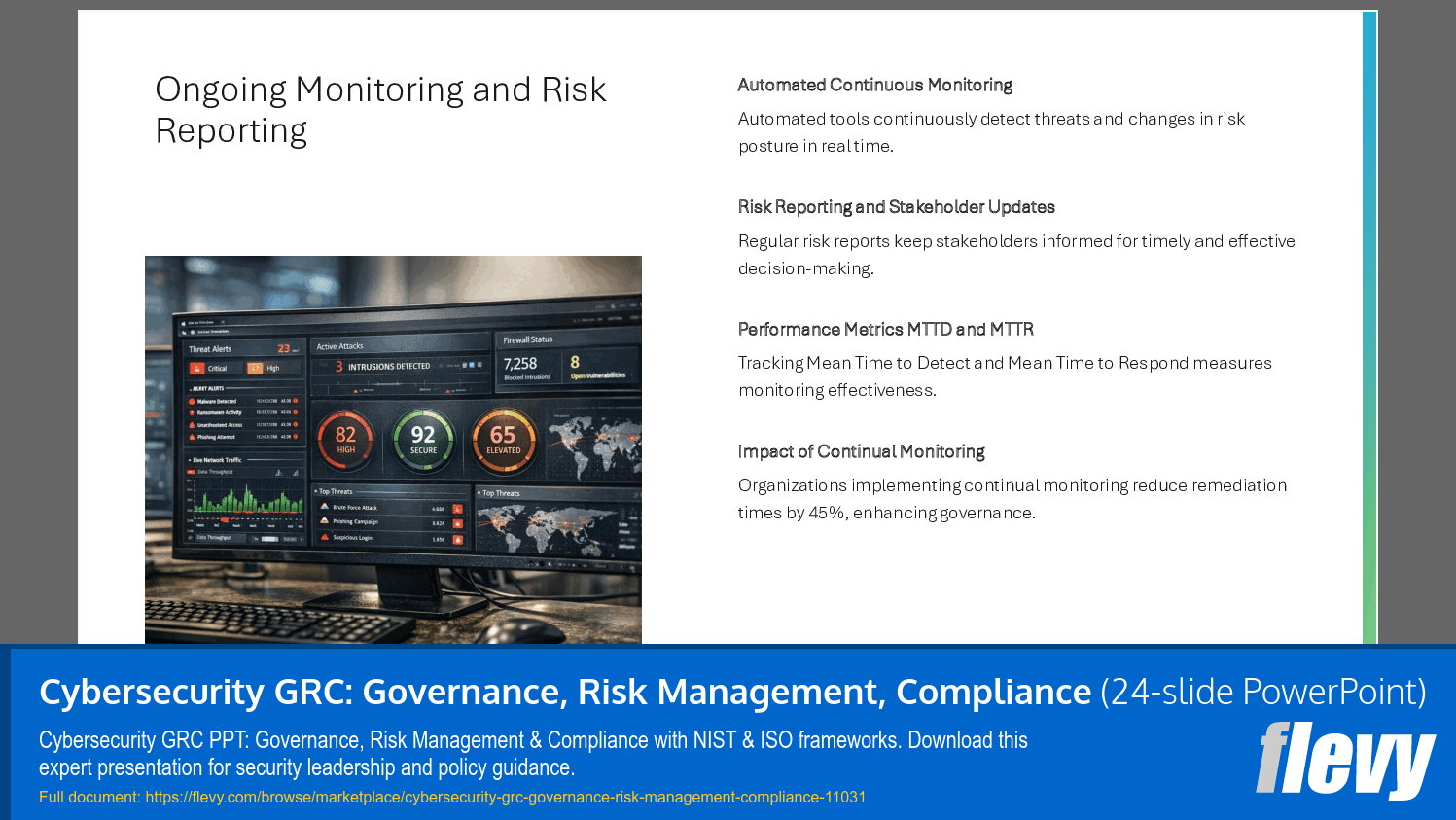
Security Program Oversight and Continuous Improvement
Ongoing Security Oversight
Continuous oversight ensures security programs adapt to evolving risks and changing business needs.
Continuous Improvement Practices
Regular audits, performance metrics, and feedback loops enable detection and correction of security deficiencies.
Industry Benchmarking
Benchmarking against standards keeps security programs current and effective amidst evolving threats.
Impact on Incident Resolution
Continuous oversight reduces incident resolution times by 35%, enhancing organizational security response.
Got a question about the product? Email us at support@flevy.com or ask the author directly by using the "Ask the Author a Question" form. If you cannot view the preview above this document description, go here to view the large preview instead.
Source: Best Practices in Cyber Security, IT Governance PowerPoint Slides: Cybersecurity GRC: Governance, Risk Management, Compliance PowerPoint (PPTX) Presentation Slide Deck, Mohamed Alshamey
ABOUT THE AUTHOR

Senior Consultant in Cybersecurity GRC, Data Governance, Cybersecurity, Privacy, and Data Management, with over 20 years of experience in information technology, consulting, training, and technical capacity building. holds a PhD. In AI & Data Privacy, he has a master's degree in cybersecurity and is currently pursuing research focused on data privacy. possesses extensive expertise in ... [read more]
Ask the Author a Question
You must be logged in to contact the author.




























