
Customer loyalty is all about attracting the right customer, getting them to buy, buy often, buy in higher quantities and bring you even more customers. However, that focus is not how you build customer loyalty. You build loyalty by:
• Keeping touch with customers using email marketing, thank you cards and more.
• Treating your team well so they treat your customers well.
• Showing that you care and remembering what they like and don't like.
• Rewarding them for choosing you over your competitors.
• Truly giving a damn about them and figuring out how to make them more success, happy and joyful.
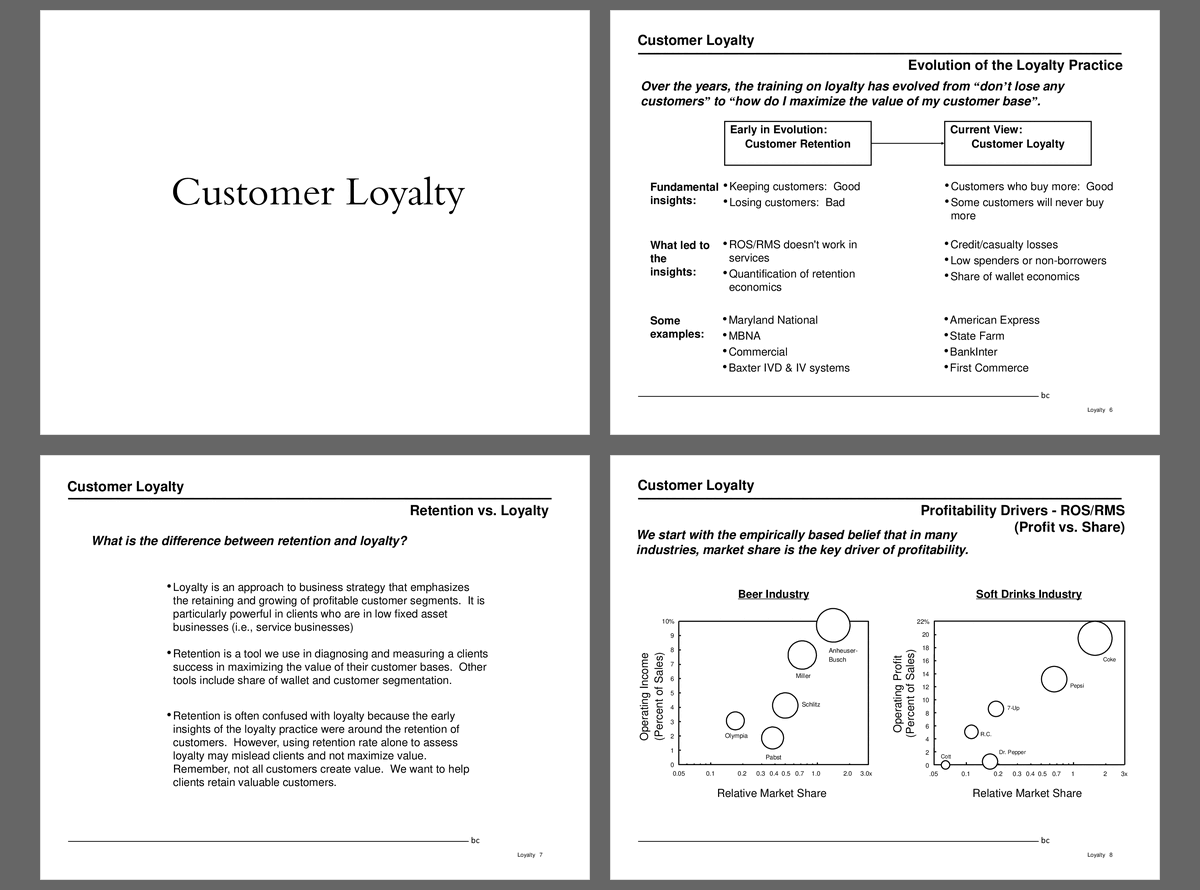
This presentation provides an overview of customer loyalty and shows how the concepts and various supporting tools can be applied to maximize value from a company's customer base. It is an excellent tool for senior corporate managers, marketing professionals and business consultants to develop effective customer strategies.
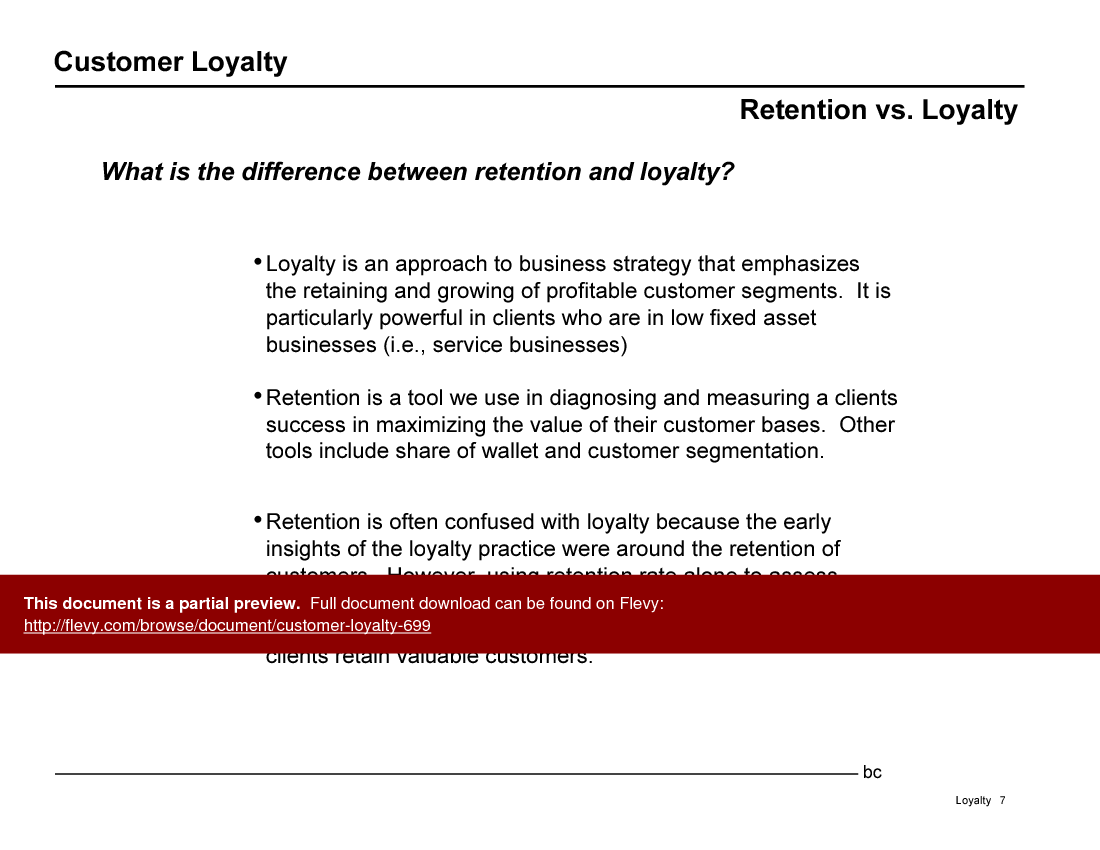
This comprehensive presentation delves into the intricacies of customer retention versus loyalty, offering a clear distinction between the two concepts. It emphasizes that while retention focuses on maintaining a customer base, loyalty is about fostering a deeper, more profitable relationship. The document provides detailed methodologies for calculating retention rates and customer value, ensuring that your strategies are data-driven and effective.
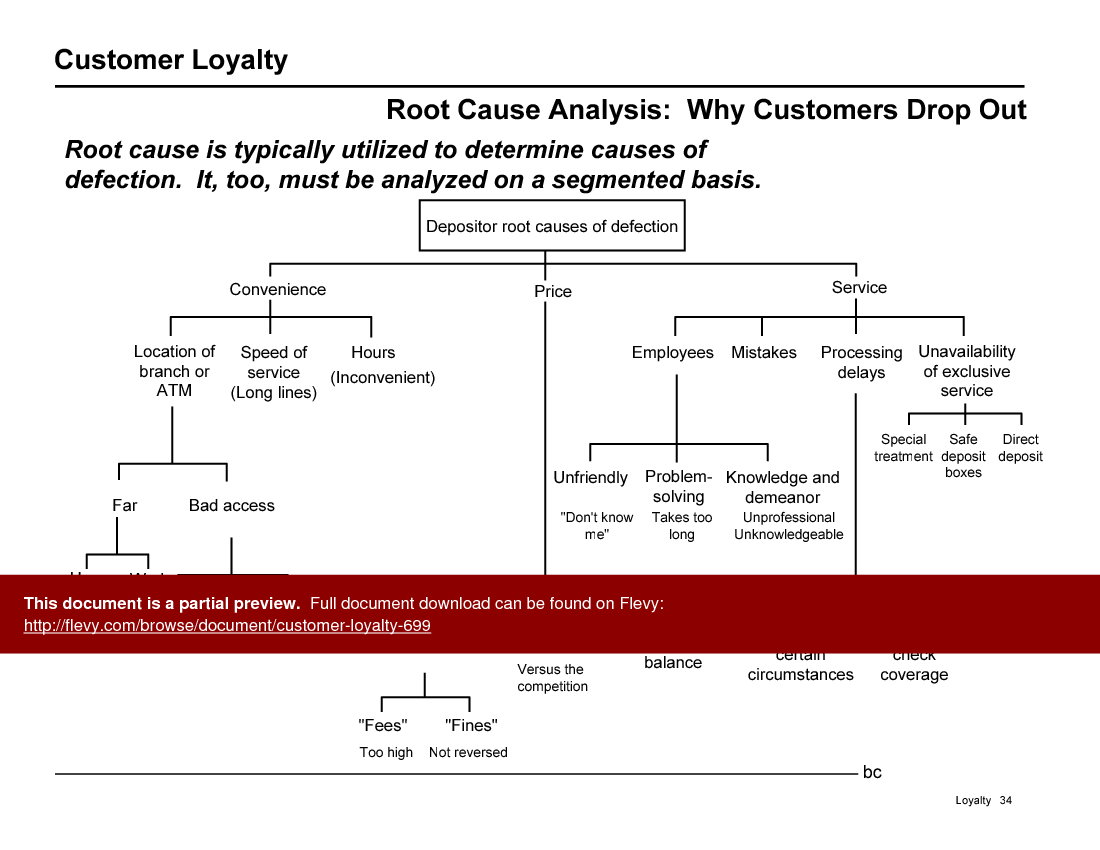
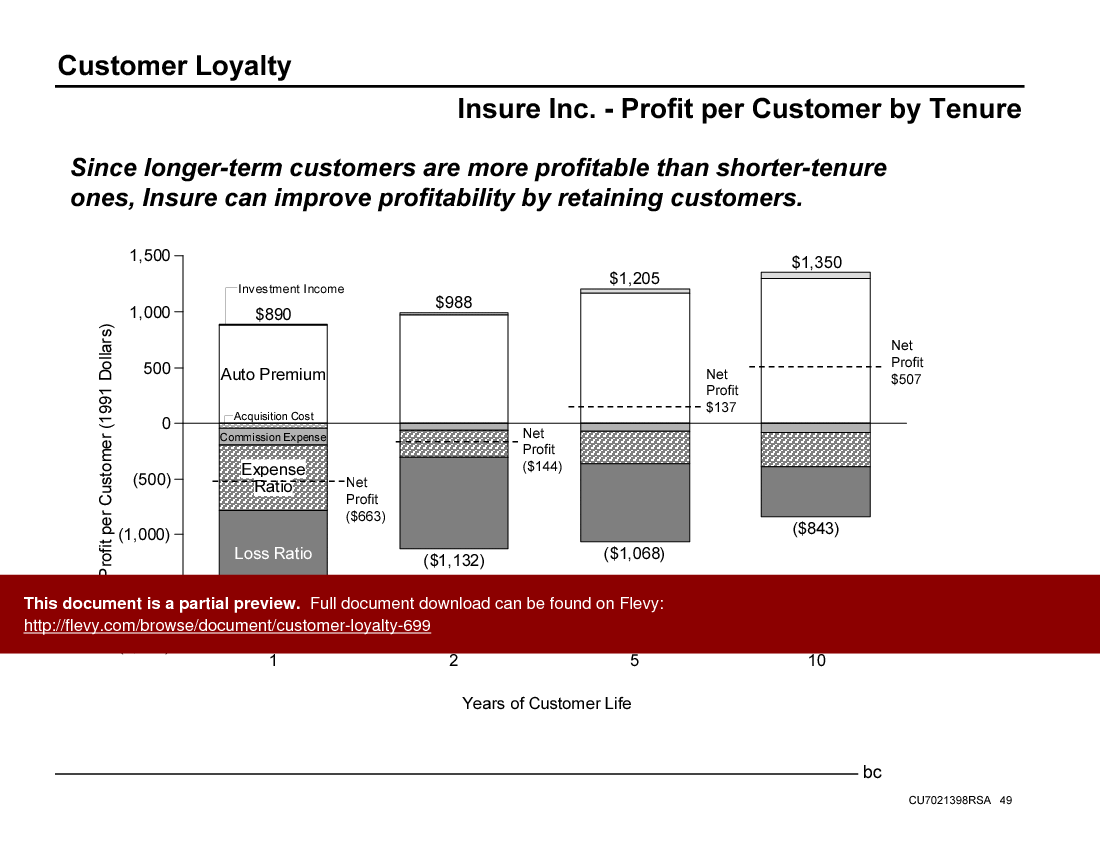
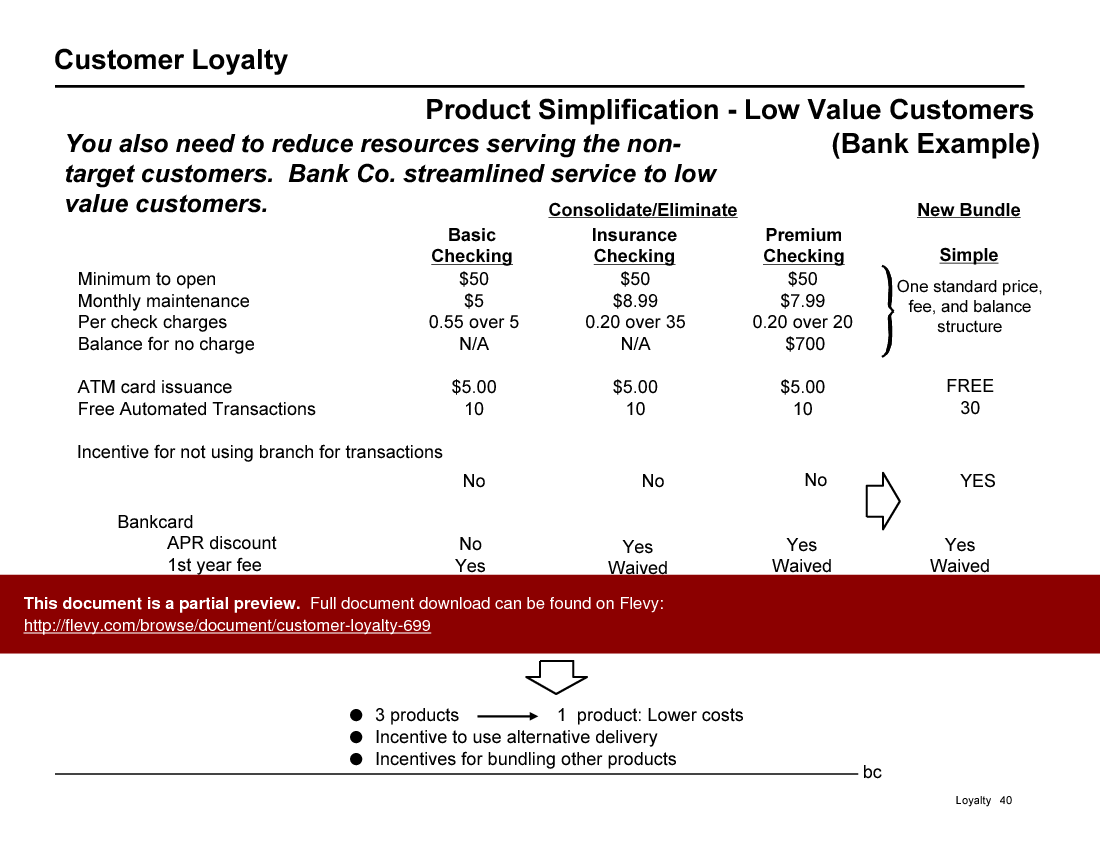
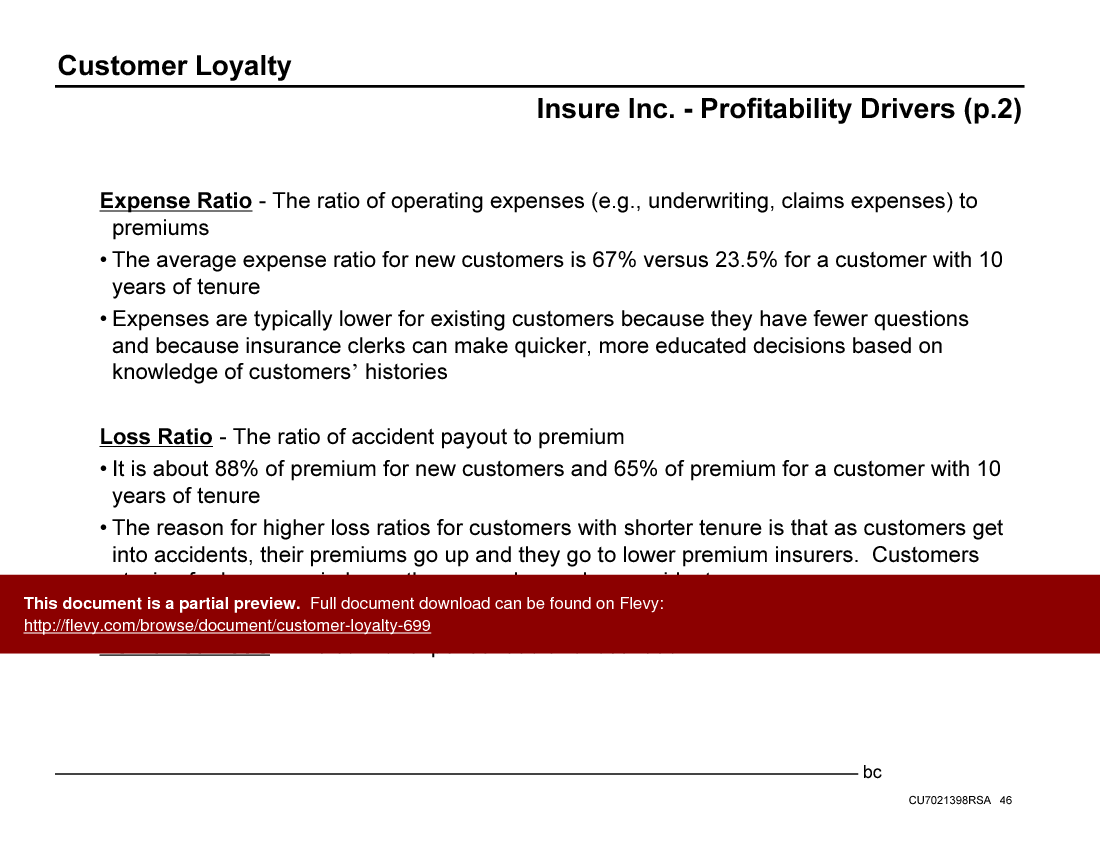
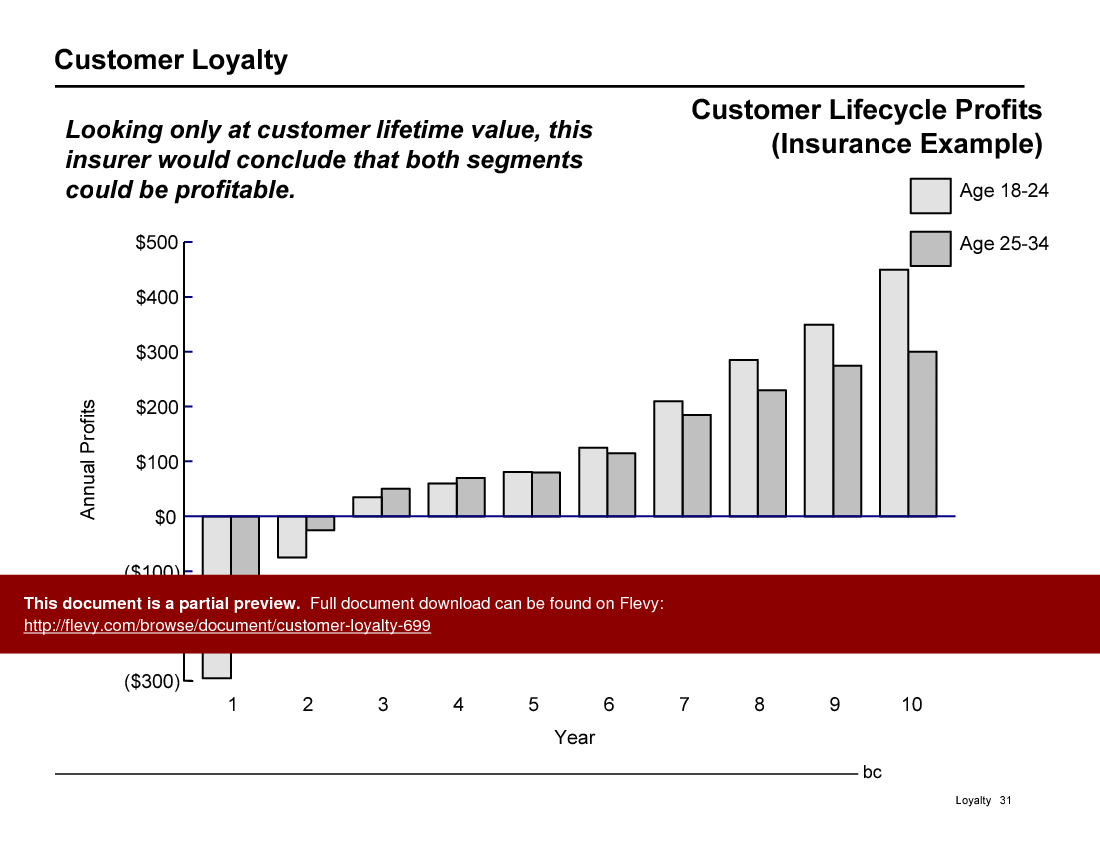
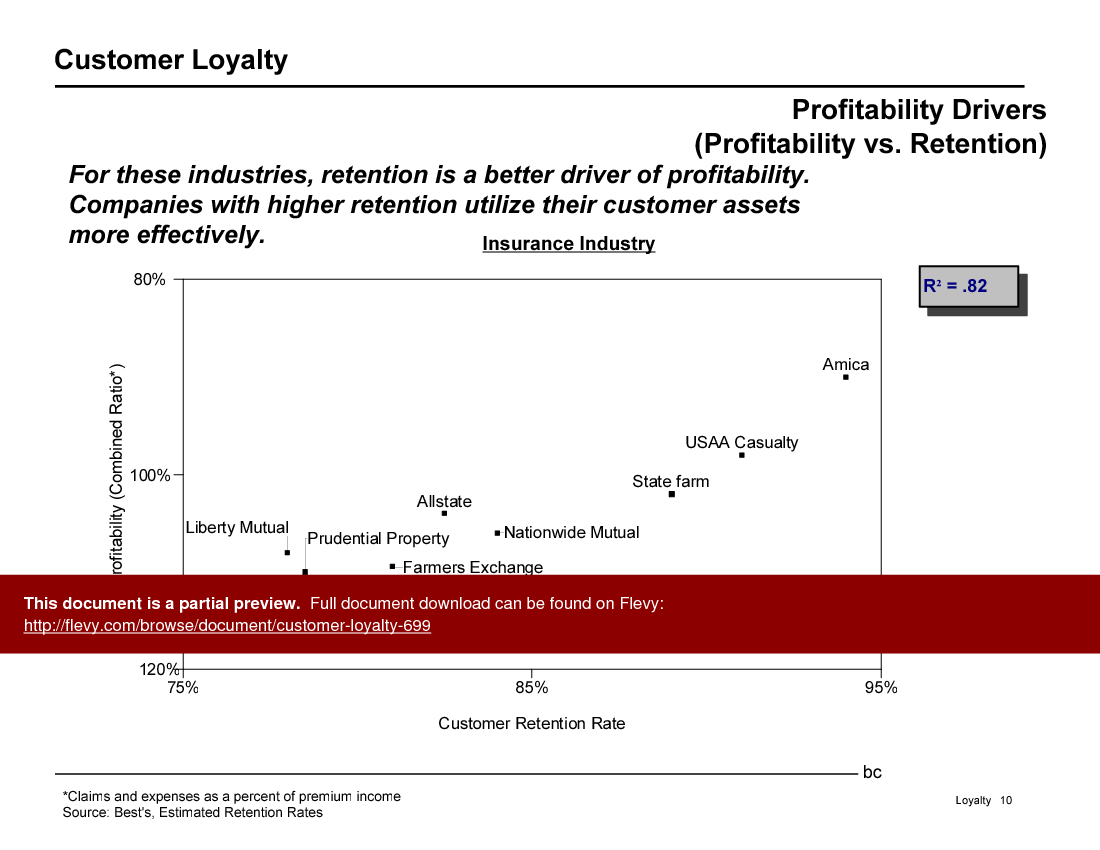
The presentation also includes case studies and industry-specific examples, such as the insurance and banking sectors, to illustrate the real-world application of these concepts. By understanding the profitability drivers and root causes of customer defection, you can implement targeted strategies to enhance customer satisfaction and loyalty. This resource is essential for any executive looking to optimize their customer base and drive long-term profitability.
Got a question about the product? Email us at support@flevy.com or ask the author directly by using the "Ask the Author a Question" form. If you cannot view the preview above this document description, go here to view the large preview instead.
Executive Summary
This presentation titled "Customer Loyalty" offers a comprehensive exploration of loyalty programs, focusing on strategies to enhance customer retention and engagement. Crafted in a McKinsey, Bain, or BCG-quality format (consulting-grade; not affiliated), this slide deck equips corporate executives and consultants with actionable insights to maximize the value of their customer base. Users will learn to differentiate between customer retention and loyalty, understand loyalty economics, and implement effective loyalty strategies tailored to their business needs.
Who This Is For and When to Use
• Marketing executives seeking to enhance customer engagement strategies
• Business consultants focused on customer retention solutions
• Customer experience teams aiming to improve service delivery
• Data analysts responsible for measuring customer loyalty metrics
Best-fit moments to use this deck:
• During strategic planning sessions focused on customer engagement
• When developing or revising loyalty programs
• For training sessions on customer retention strategies
• In workshops aimed at analyzing customer value and profitability
Learning Objectives
• Define customer loyalty and its importance in business strategy
• Differentiate between customer retention and loyalty
• Analyze loyalty economics to drive profitability
• Develop targeted strategies for maximizing customer lifetime value
• Implement effective loyalty tools and methodologies
• Conduct root cause analysis to understand customer defection
Table of Contents
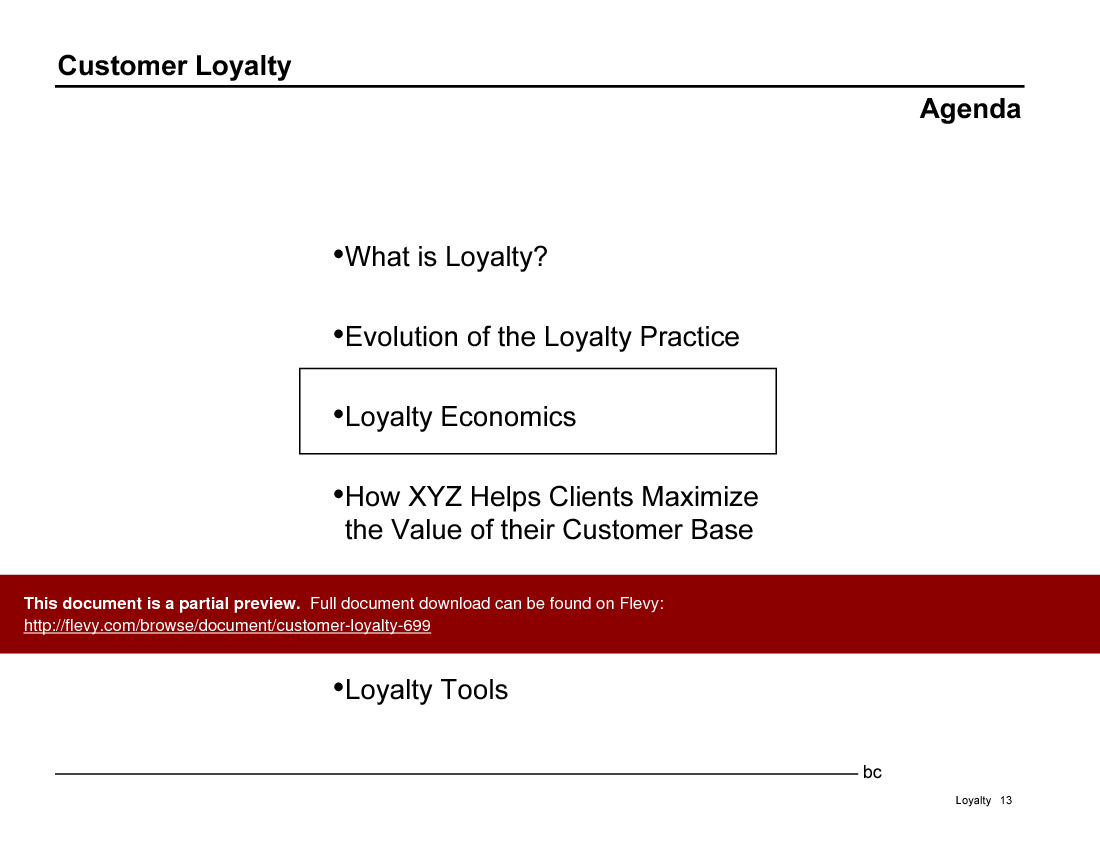
• What is Loyalty? (page 3)
• Evolution of the Loyalty Practice (page 6)
• Loyalty Economics (page 8)
• How XYZ Helps Clients Maximize the Value of their Customer Base (page 14)
• Example Case Study: Insure Inc. (page 44)
• Loyalty Tools (page 73)
Primary Topics Covered
• Definition of Loyalty - Loyalty emphasizes delivering superior value to key customers and employees, focusing on retention and growth.
• Evolution of Loyalty Practices - The shift from merely retaining customers to maximizing the value of customer segments has transformed loyalty strategies.
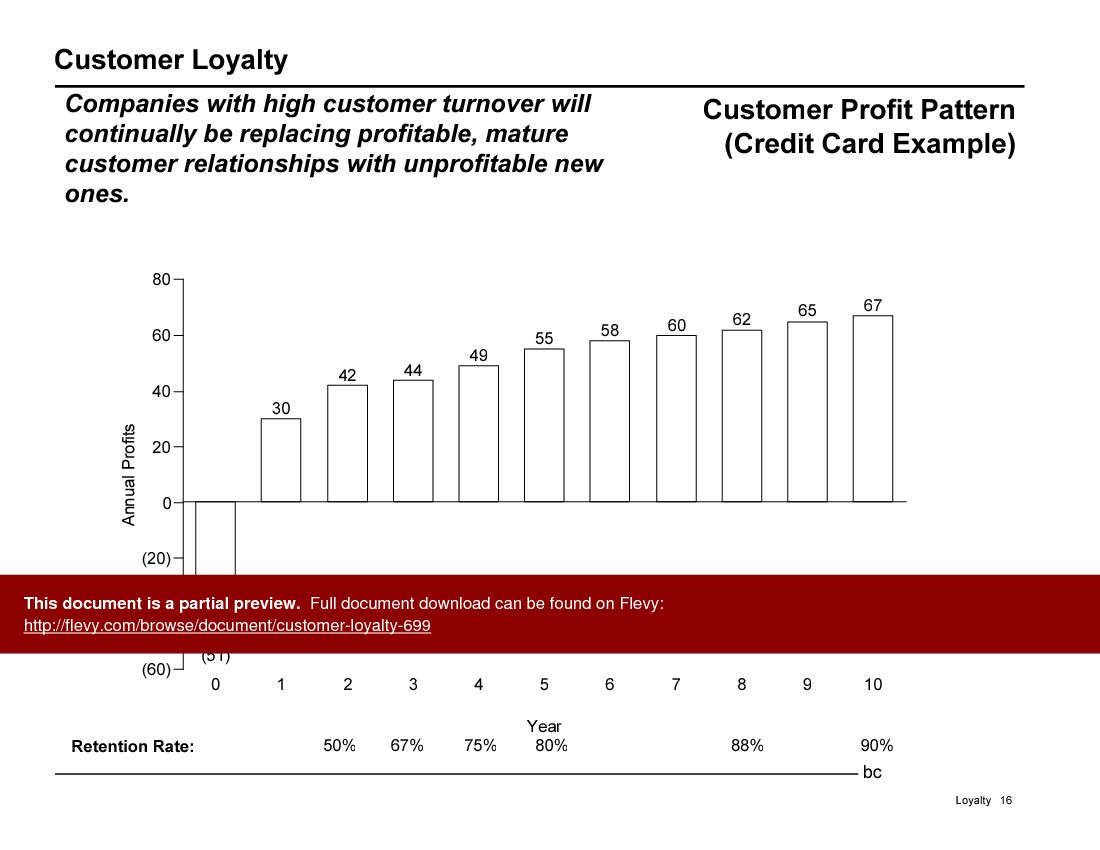
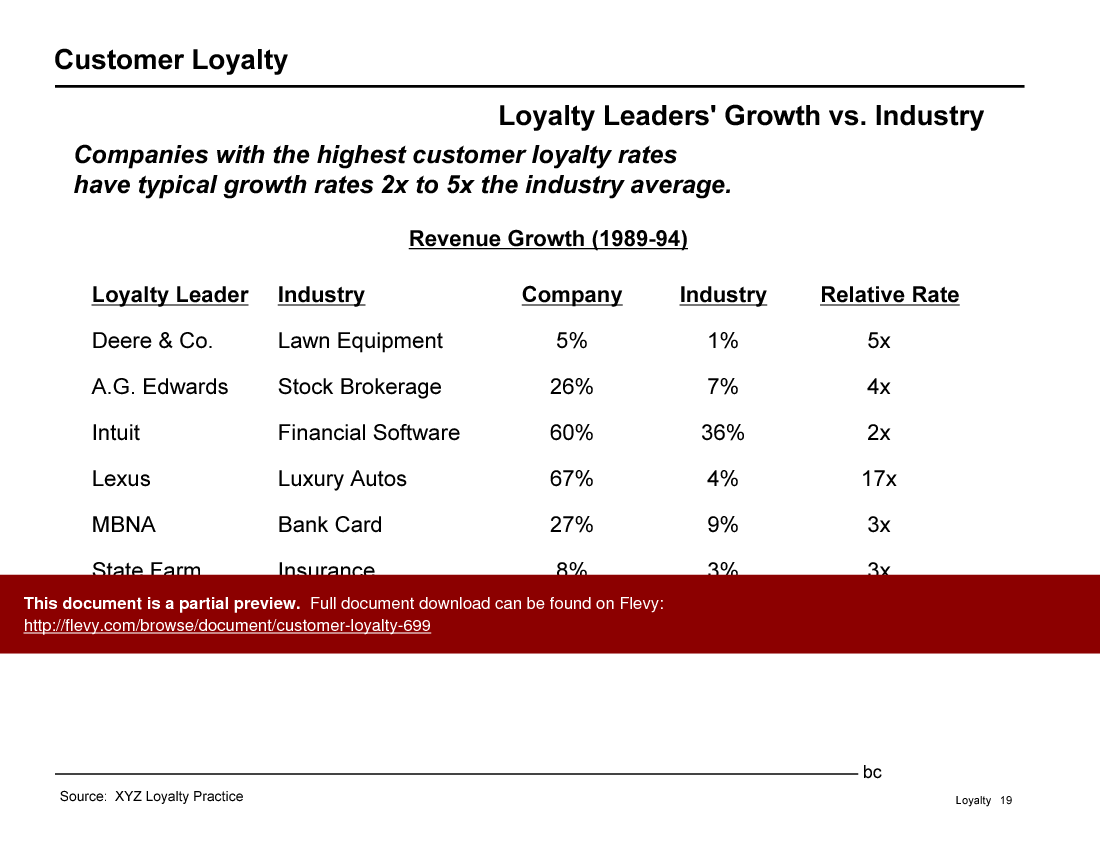
• Loyalty Economics - Understanding the financial implications of customer retention and the relationship between retention rates and profitability.
• Customer Lifetime Value - Calculating the long-term value of customers to inform retention strategies and resource allocation.
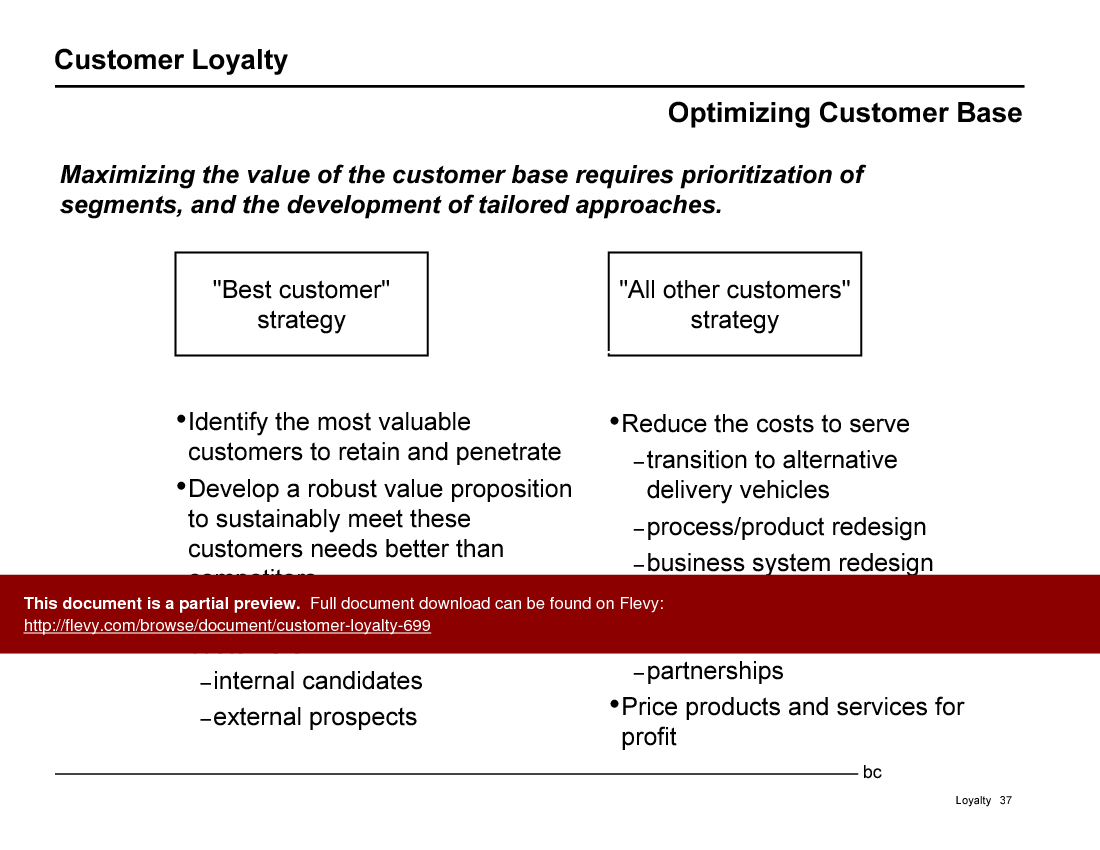
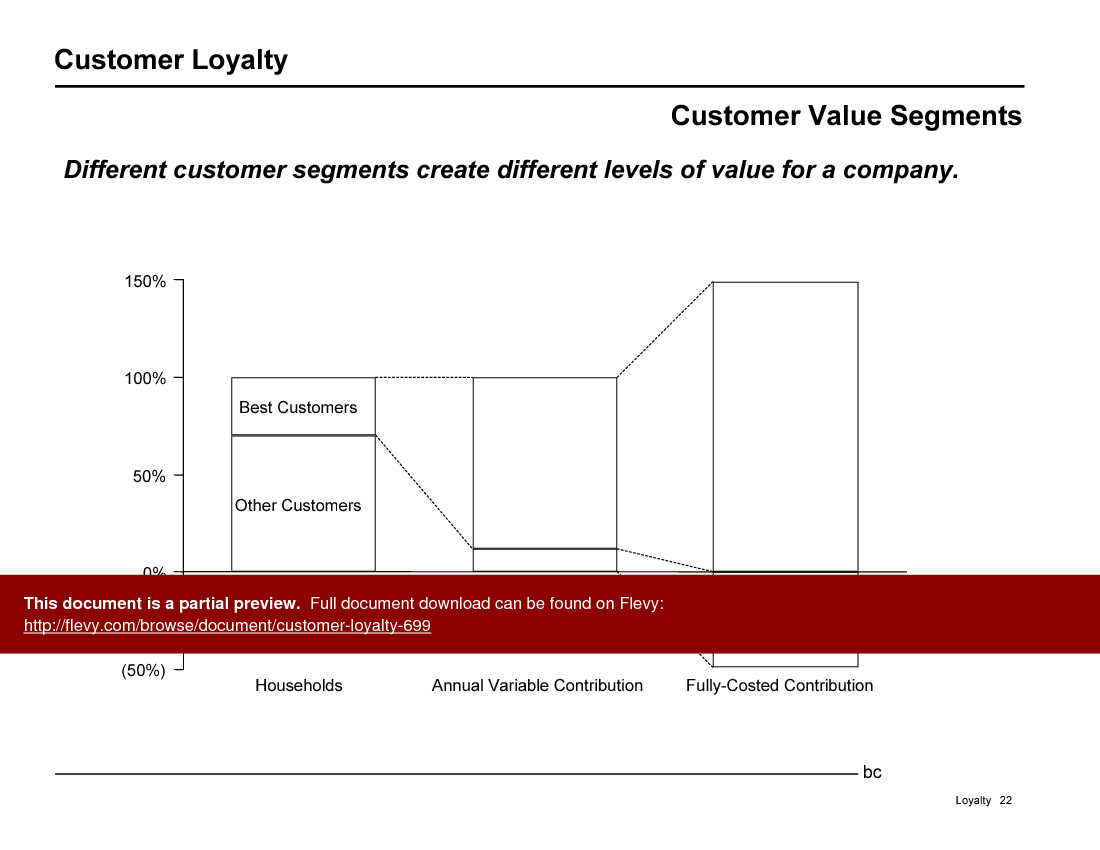
• Segmentation and Targeting - Identifying high-value customer segments for tailored loyalty initiatives.
• Root Cause Analysis - Analyzing reasons for customer defection to develop targeted retention strategies.
Deliverables, Templates, and Tools
• Customer loyalty assessment templates to evaluate current strategies
• Frameworks for calculating customer lifetime value and share of wallet
• Root cause analysis tools for identifying defection reasons
• Segmentation models for targeting high-value customers
• Methodologies for measuring retention rates and customer satisfaction
• Case study examples illustrating successful loyalty program implementations
Slide Highlights
• Overview of loyalty definitions and their strategic importance
• Graphs illustrating the evolution of loyalty practices over time
• Economic analysis showcasing the correlation between retention rates and profitability
• Case study insights from Insure Inc. demonstrating effective retention strategies
• Visual frameworks for customer segmentation and targeting
Potential Workshop Agenda
Understanding Customer Loyalty (90 minutes)
• Define loyalty and its significance in business
• Discuss the evolution of loyalty practices and their impact on strategy
• Explore loyalty economics and profitability drivers
Implementing Effective Loyalty Strategies (120 minutes)
• Analyze case studies of successful loyalty programs
• Develop segmentation strategies for high-value customers
• Conduct root cause analysis to identify defection reasons
Customization Guidance
• Tailor the customer segmentation models to fit specific business demographics
• Adjust the loyalty assessment templates to reflect unique business metrics
• Incorporate company-specific case studies to enhance relevance and engagement
Secondary Topics Covered
• The role of customer satisfaction in loyalty
• Strategies for improving customer service to enhance retention
• The impact of pricing strategies on customer loyalty
• Methods for measuring share of wallet across customer segments
• Insights into loyalty program design and implementation
FAQ
What is the difference between retention and loyalty?
Retention focuses on keeping customers, while loyalty emphasizes growing profitable segments and maximizing their value.
How can I measure customer loyalty effectively?
Utilize methodologies such as customer lifetime value calculations, retention rate assessments, and share of wallet analyses.
What are the key drivers of customer profitability?
Key drivers include customer tenure, acquisition costs, commission expenses, and loss ratios.
How can segmentation improve loyalty strategies?
Segmentation allows businesses to tailor loyalty initiatives to specific customer needs, enhancing engagement and retention.
What tools can help analyze customer defection?
Root cause analysis frameworks and qualitative interviews can identify reasons for customer defection and inform retention strategies.
How does customer satisfaction relate to loyalty?
While customer satisfaction is important, it does not always correlate with profitability; loyalty requires deeper engagement and value delivery.
What is the role of pricing in customer loyalty?
Pricing strategies can significantly impact customer retention and loyalty, particularly in competitive markets.
How can I implement a successful loyalty program?
Focus on delivering superior value, understanding customer needs, and continuously measuring program effectiveness to adapt strategies.
Glossary
• Customer Loyalty - A commitment by customers to repurchase or continue using a brand.
• Retention Rate - The percentage of customers who continue to do business with a company over a specific period.
• Customer Lifetime Value (CLV) - The total revenue a business can expect from a single customer account throughout the business relationship.
• Segmentation - The process of dividing customers into groups based on shared characteristics for targeted marketing.
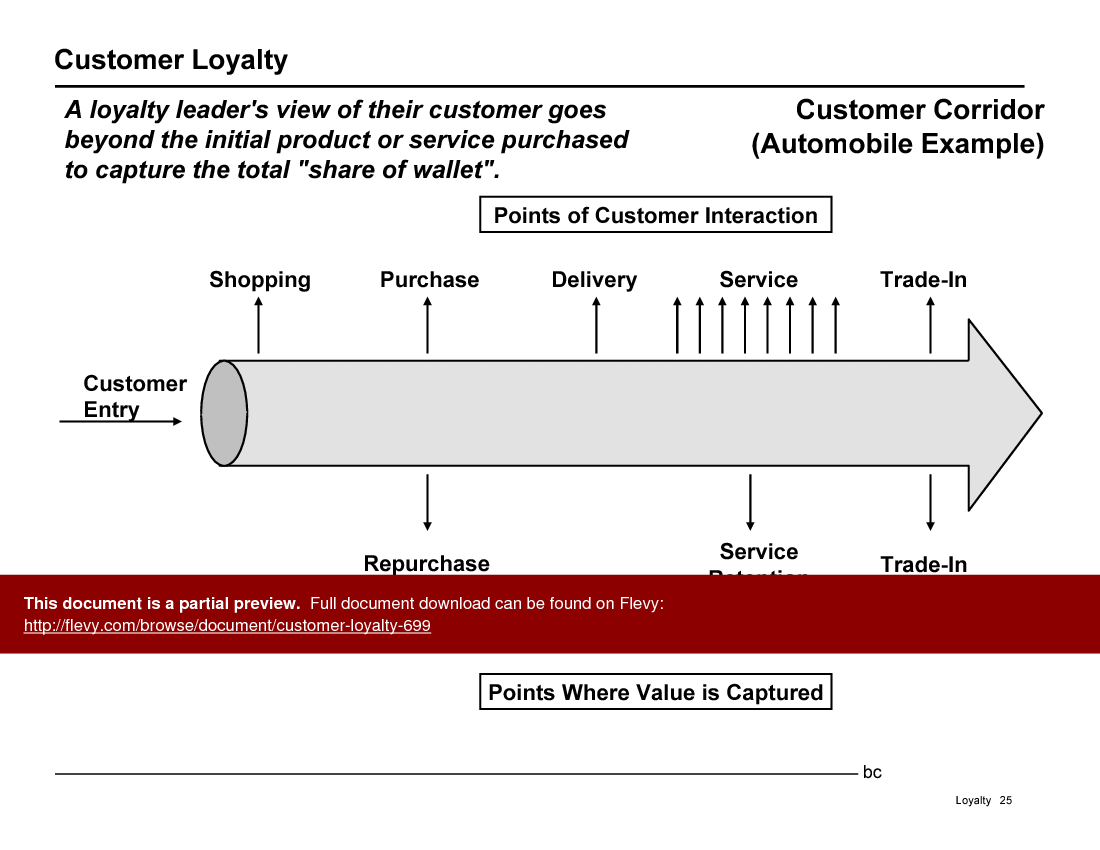
• Share of Wallet - The percentage of a customer's total spending within a category that is captured by a particular brand.
• Root Cause Analysis - A method used to identify the underlying reasons for customer defection.
• Profitability Drivers - Factors that influence the profitability of a customer or segment, including retention rates and acquisition costs.
• Customer Corridor - A framework for understanding the various touchpoints and interactions a customer has with a brand.
• Value Proposition - The promise of value to be delivered to customers, highlighting the benefits of a product or service.
• Customer Segmentation - The practice of dividing a customer base into groups to tailor marketing strategies effectively.
• Loyalty Program - A structured marketing strategy designed to encourage customers to continue to shop at or use the services of a business.
• Defection Rate - The percentage of customers who stop doing business with a company over a specific period.
• Customer Experience - The overall perception a customer has of a brand based on their interactions across various touchpoints.
• Customer Value - The perceived benefits that a customer receives from a product or service relative to its cost.
• Profit Margin - The difference between revenue and expenses, expressed as a percentage of revenue.
• Acquisition Cost - The total cost associated with acquiring a new customer, including marketing and sales expenses.
• Customer Satisfaction - A measure of how products and services meet or exceed customer expectations.
• Customer Engagement - The emotional connection between a customer and a brand, influencing loyalty and retention.
• Competitive Advantage - A condition that allows a company to produce goods or services better or more cheaply than its rivals.
• Customer Insights - Information about customer preferences and behaviors that can inform business strategies.
• Loyalty Metrics - Measurements used to assess the effectiveness of loyalty programs and customer retention strategies.
Source: Best Practices in Customer Experience, Customer Loyalty PowerPoint Slides: Customer Loyalty PowerPoint (PPT) Presentation Slide Deck, Documents & Files
|
Download our FREE Digital Transformation Templates
Download our free compilation of 50+ Digital Transformation slides and templates. DX concepts covered include Digital Leadership, Digital Maturity, Digital Value Chain, Customer Experience, Customer Journey, RPA, etc. |