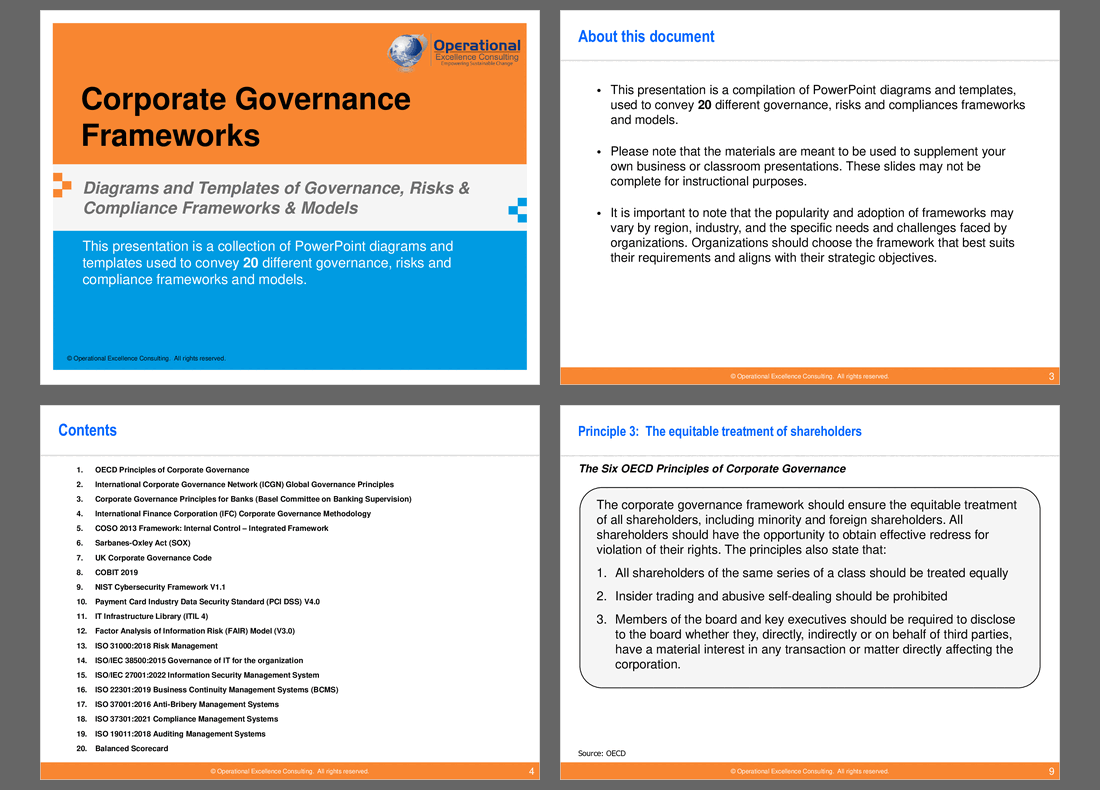

This presentation is a collection of PowerPoint diagrams and templates used to convey 20 different governance, risks and compliance frameworks and models. (Please note that these are diagrams and charts that are to be used in your own business or classroom presentations. These are not instructional slides.)

INCLUDED FRAMEWORKS/MODELS:
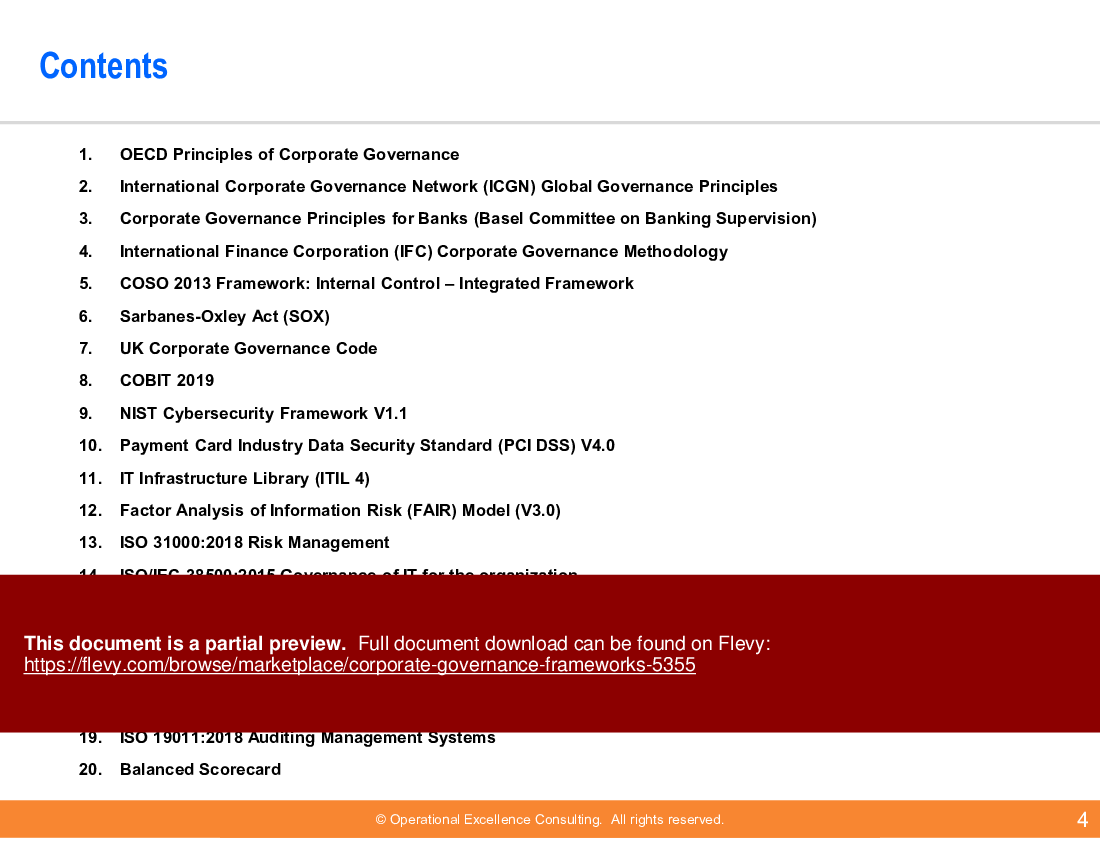
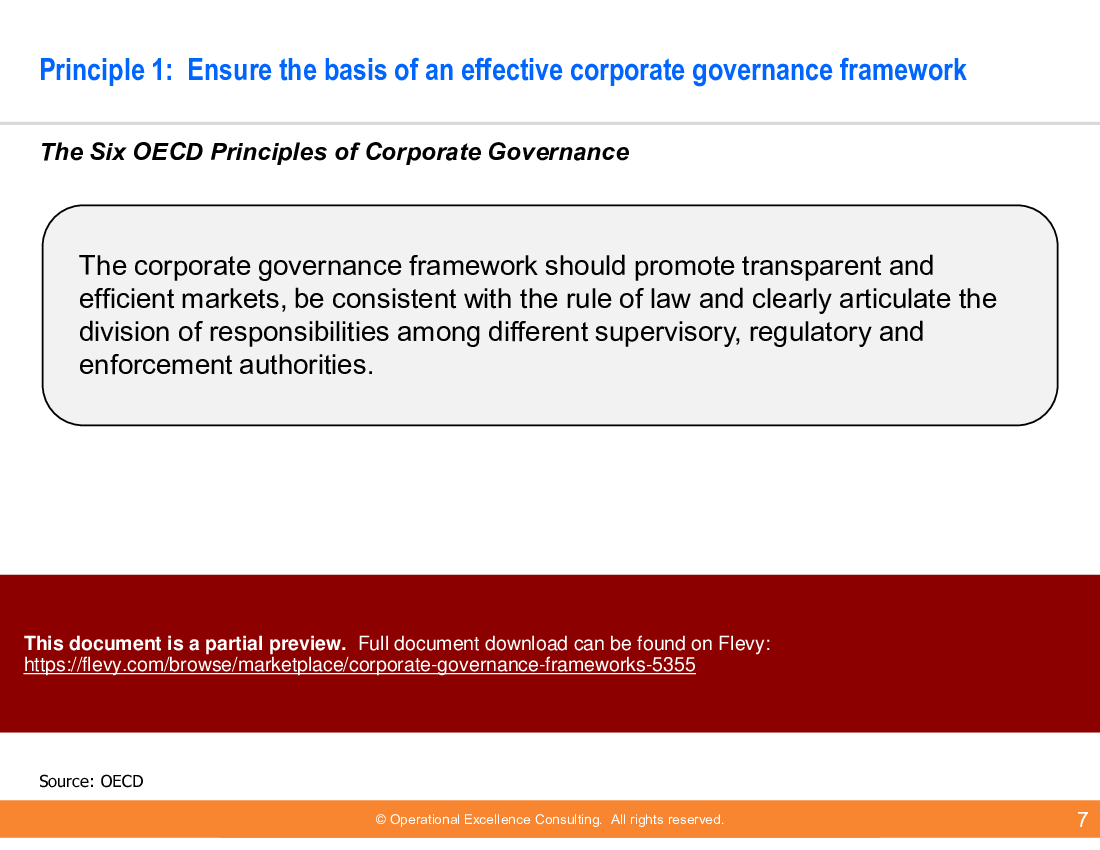
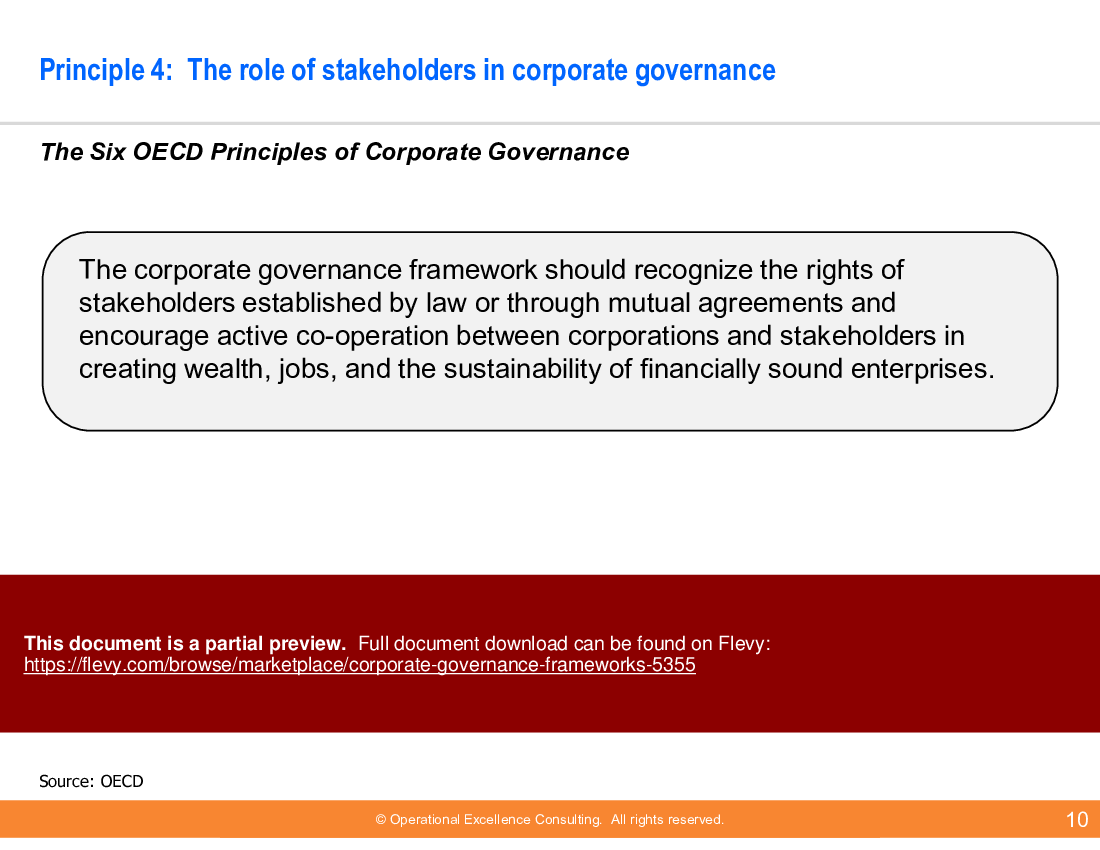
1. OECD Principles of Corporate Governance
2. International Corporate Governance Network (ICGN) Global Governance Principles
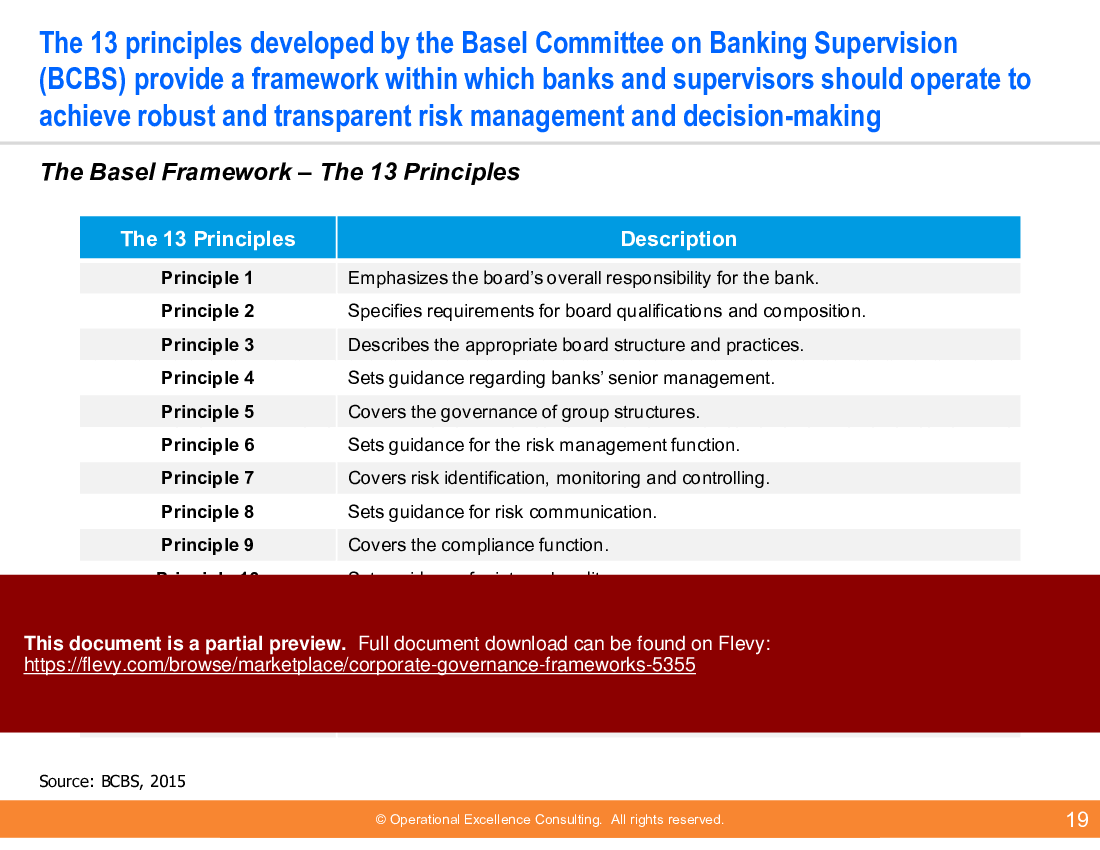
3. Corporate Governance Principles for Banks (Basel Committee on Banking Supervision)
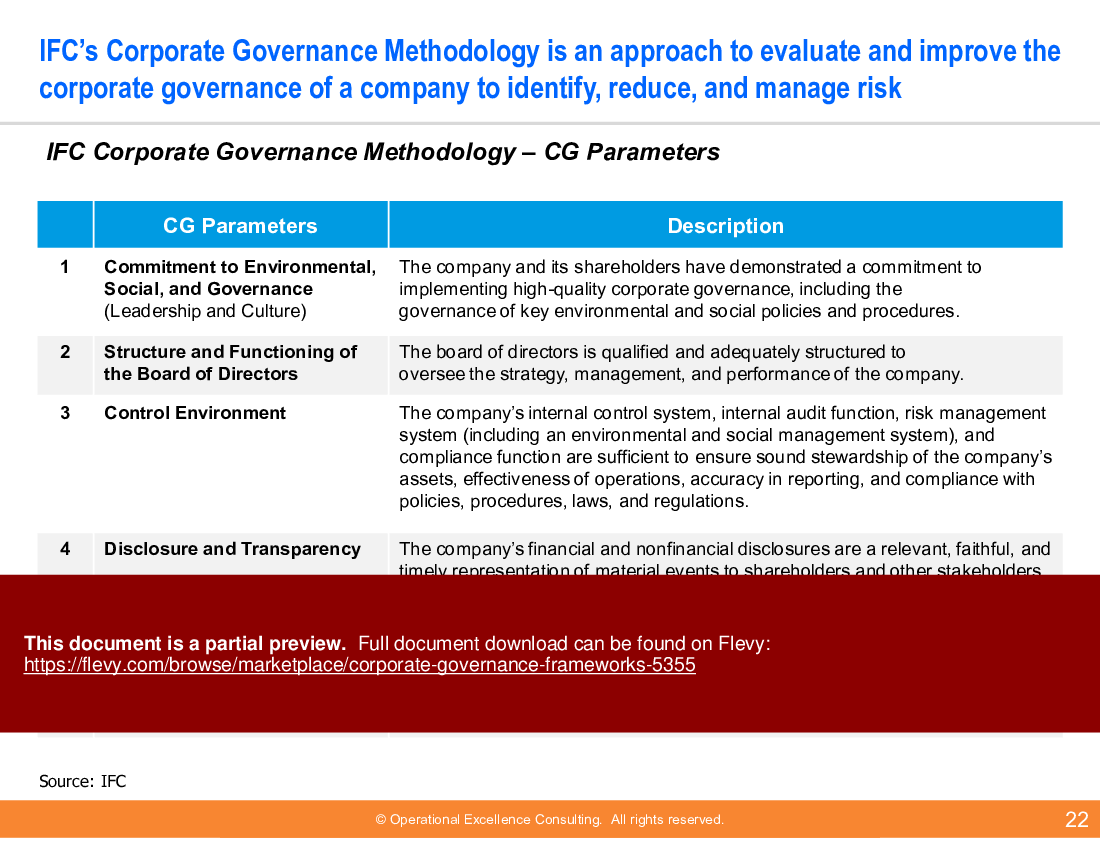
4. International Finance Corporation (IFC) Corporate Governance Methodology
5. COSO 2013 Framework: Internal Control – Integrated Framework
6. Sarbanes-Oxley Act (SOX)
7. UK Corporate Governance Code (formerly known as the UK Combined Code)
8. COBIT 2019
9. NIST Cybersecurity Framework v1.1
10. Payment Card Industry Data Security Standard (PCI DSS) v4.0
11. IT Infrastructure Library (ITIL 4)
12. Factor Analysis of Information Risk (FAIR) Model (v3.0)
13. ISO 31000:2018 Risk Management
14. ISO/IEC 38500:2015 Governance of IT for the organization
15. ISO/IEC 27001:2022 Information Security Management System
16. ISO 22301:2019 Business Continuity Management Systems
17. ISO 37001:2016 Anti-Bribery Management Systems
18. ISO 37301:2021 Compliance Management Systems
19. ISO 19011:2018 Auditing Management Systems
20. Balanced Scorecard
This PPT offers a comprehensive overview of key corporate governance frameworks, ensuring your organization adheres to best practices and regulatory requirements. The presentation includes detailed diagrams and templates that cover frameworks such as the OECD Principles of Corporate Governance and the International Corporate Governance Network (ICGN) Global Governance Principles. These resources are designed to help you implement robust governance structures and enhance transparency and accountability within your organization.
The frameworks included in this presentation also address critical areas such as risk management, internal controls, and cybersecurity. For instance, the COSO 2013 Framework provides a structured approach to internal control, while the NIST Cybersecurity Framework offers guidelines for managing and reducing cybersecurity risks. By leveraging these frameworks, your organization can ensure compliance with international standards, safeguard stakeholder interests, and foster long-term sustainability.
Got a question about the product? Email us at support@flevy.com or ask the author directly by using the "Ask the Author a Question" form. If you cannot view the preview above this document description, go here to view the large preview instead.
Executive Summary
This presentation titled "Corporate Governance Frameworks" is a comprehensive collection of PowerPoint diagrams and templates that convey 20 distinct governance, risk, and compliance frameworks and models. Developed by Operational Excellence Consulting, this resource is designed to enhance understanding and implementation of corporate governance principles, enabling organizations to foster transparency, accountability, and effective risk management. The frameworks included serve as essential tools for executives, compliance officers, and governance professionals aiming to align their practices with global standards and best practices.
Who This Is For and When to Use
• Corporate Executives seeking to enhance governance structures
• Compliance Officers responsible for risk management and regulatory adherence
• Board Members looking for frameworks to guide decision-making
• Risk Management Professionals aiming to implement best practices
• Consultants advising organizations on governance improvements
Best-fit moments to use this deck:
• During board meetings to present governance frameworks
• In training sessions for compliance and risk management teams
• For strategic planning sessions focused on governance enhancements
• When conducting audits or assessments of current governance practices
Learning Objectives
• Define key corporate governance frameworks and their importance
• Identify the roles and responsibilities of boards in governance
• Analyze the principles of effective risk management and compliance
• Develop strategies for implementing governance frameworks in organizations
• Evaluate the effectiveness of existing governance practices
• Foster stakeholder engagement through transparent governance
Table of Contents
• OECD Principles of Corporate Governance (page 6)
• International Corporate Governance Network (ICGN) Global Governance Principles (page 14)
• Corporate Governance Principles for Banks (Basel Committee on Banking Supervision) (page 19)
• International Finance Corporation (IFC) Corporate Governance Methodology (page 22)
• COSO 2013 Framework: Internal Control – Integrated Framework (page 25)
• Sarbanes-Oxley Act (SOX) (page 31)
• UK Corporate Governance Code (page 34)
• COBIT 2019 (page 37)
• NIST Cybersecurity Framework V1.1 (page 51)
• Payment Card Industry Data Security Standard (PCI DSS) V4.0 (page 55)
• IT Infrastructure Library (ITIL 4) (page 60)
• Factor Analysis of Information Risk (FAIR) Model (V3.0) (page 67)
• ISO 31000:2018 Risk Management (page 71)
• ISO/IEC 38500:2015 Governance of IT for the Organization (page 77)
• ISO/IEC 27001:2022 Information Security Management Systems (page 80)
• ISO 22301:2019 Business Continuity Management Systems (BCMS) (page 87)
• ISO 37001:2016 Anti-Bribery Management Systems (page 91)
• ISO 37301:2021 Compliance Management Systems (page 95)
• ISO 19011:2018 Auditing Management Systems (page 99)
• Balanced Scorecard (page 105)
Primary Topics Covered
• OECD Principles of Corporate Governance - A framework promoting effective governance structures and practices for organizations, emphasizing transparency and accountability.
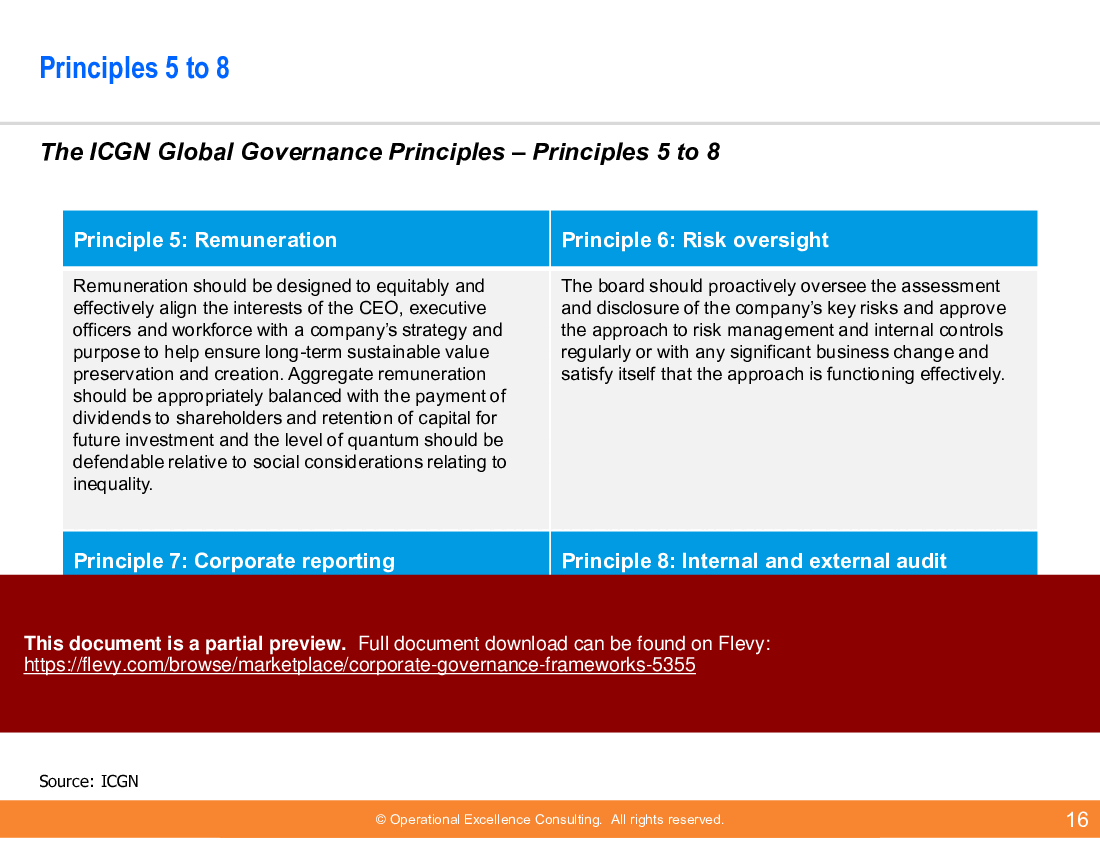
• ICGN Global Governance Principles - Guidelines for companies and investors to foster sound corporate governance practices, focusing on board responsibilities and stakeholder engagement.
• Corporate Governance Principles for Banks - A set of principles aimed at ensuring robust governance and risk management in banking institutions.
• IFC Corporate Governance Methodology - A structured approach for evaluating and improving corporate governance, focusing on environmental, social, and governance (ESG) factors.
• COSO 2013 Framework - An integrated framework for designing and evaluating internal controls within organizations, emphasizing risk management.
• Sarbanes-Oxley Act (SOX) - Legislation aimed at enhancing corporate governance and accountability through strict financial reporting requirements.
• UK Corporate Governance Code - Best practices for board leadership, accountability, and stakeholder engagement in UK-listed companies.
• COBIT 2019 - A framework for the governance and management of enterprise IT, focusing on stakeholder value and risk management.
• NIST Cybersecurity Framework - A voluntary framework for managing cybersecurity risk, consisting of standards and best practices.
• PCI DSS V4.0 - Security standards for organizations that handle credit card information, ensuring a secure environment.
• ITIL 4 - A framework for service management that emphasizes value creation and continual improvement.
• FAIR Model - A quantitative model for information security and operational risk, providing a structured approach to risk analysis.
• ISO 31000:2018 - A standard providing principles and guidelines for effective risk management applicable to any organization.
• ISO/IEC 38500:2015 - An international standard for the governance of IT, outlining responsibilities for governing bodies.
• ISO/IEC 27001:2022 - A global standard for information security management systems, focusing on confidentiality, integrity, and availability.
• ISO 22301:2019 - A standard for business continuity management systems, providing a framework for maintaining operational resilience.
• ISO 37001:2016 - A standard for anti-bribery management systems, outlining requirements for establishing and maintaining anti-bribery controls.
• ISO 37301:2021 - A standard for compliance management systems, focusing on ethical behavior and risk-based approaches.
• ISO 19011:2018 - Guidance on managing audit programs and conducting audits effectively.
• Balanced Scorecard - A strategic planning and management system that aligns business activities to the vision and strategy of the organization.
Deliverables, Templates, and Tools
• Governance framework templates for various industries
• Risk management assessment tools
• Compliance checklists and audit templates
• Presentation slides for board meetings on governance topics
• Training materials for governance and compliance workshops
• Diagrams illustrating key governance models and frameworks
Slide Highlights
• Overview of OECD Principles of Corporate Governance
• Key elements of the ICGN Global Governance Principles
• Summary of Basel Committee governance principles for banks
• Framework for IFC Corporate Governance Methodology
• COSO 2013 Framework components and principles
• Key provisions of the Sarbanes-Oxley Act
• Highlights of the UK Corporate Governance Code principles
• COBIT 2019 governance system principles
• NIST Cybersecurity Framework functions and categories
• Overview of PCI DSS V4.0 requirements
• ITIL 4 Service Value System and Value Chain
• FAIR Model risk analysis structure
• ISO 31000:2018 risk management process overview
• ISO/IEC 27001:2022 key clauses and security controls
• ISO 22301:2019 business continuity management process
• ISO 37001:2016 anti-bribery management system overview
• ISO 37301:2021 compliance management system elements
• ISO 19011:2018 auditing principles and processes
• Balanced Scorecard strategic alignment framework
Potential Workshop Agenda
Introduction to Corporate Governance (60 minutes)
• Overview of governance frameworks
• Discussion on the importance of corporate governance
• Interactive Q&A session
Framework Deep Dive (90 minutes)
• Detailed exploration of selected frameworks (e.g., OECD, COSO, ISO)
• Group activities to apply frameworks to case studies
• Sharing insights and best practices
Risk Management and Compliance Strategies (60 minutes)
• Identifying key risks in governance
• Developing compliance strategies
• Group discussion on challenges and solutions
Wrap-Up and Next Steps (30 minutes)
• Recap of key takeaways
• Action planning for implementing frameworks
• Feedback and closing remarks
Customization Guidance
• Tailor the presentation content to align with specific organizational governance needs
• Modify templates to reflect internal policies and procedures
• Update case studies and examples to resonate with the audience's industry
• Adjust diagrams and frameworks to incorporate organizational branding and terminology
Secondary Topics Covered
• Stakeholder engagement strategies in governance
• The role of technology in enhancing governance practices
• Best practices for board evaluations and performance assessments
• Trends in corporate governance and compliance regulations
• The impact of cultural factors on governance effectiveness
Topic FAQ
Document FAQ
These are questions addressed within this presentation.
What are corporate governance frameworks?
Corporate governance frameworks are structured guidelines that outline the processes, practices, and rules by which organizations are directed and controlled, ensuring accountability and transparency.
Why is corporate governance important?
Effective corporate governance helps organizations manage risks, comply with regulations, and build trust with stakeholders, ultimately enhancing long-term sustainability and performance.
How can these frameworks be customized?
Frameworks can be tailored by modifying templates, incorporating organizational policies, and aligning with specific industry requirements to meet unique governance needs.
What is the role of the board in governance?
The board is responsible for providing strategic guidance, overseeing management, ensuring accountability, and protecting the interests of shareholders and stakeholders.
How do these frameworks support compliance?
Frameworks provide structured approaches to identify, assess, and manage compliance risks, ensuring organizations adhere to legal and regulatory requirements.
Can these frameworks be applied to all industries?
Yes, the frameworks are designed to be adaptable and applicable across various industries, allowing organizations to implement best practices in governance and compliance.
What are the benefits of using the Balanced Scorecard?
The Balanced Scorecard helps organizations align business activities with their vision and strategy, improve internal and external communications, and monitor organizational performance against strategic goals.
How often should governance frameworks be reviewed?
Governance frameworks should be reviewed regularly, at least annually, or when significant changes occur within the organization or regulatory environment to ensure continued relevance and effectiveness.
Glossary
• Corporate Governance - The system by which companies are directed and controlled.
• Risk Management - The process of identifying, assessing, and controlling threats to an organization's capital and earnings.
• Compliance - Adherence to laws, regulations, and internal policies.
• Stakeholders - Individuals or groups that have an interest in the organization's performance.
• Framework - A structured approach to governance, risk management, or compliance.
• Audit - An official inspection of an organization's accounts, typically by an independent body.
• Transparency - Openness in communication and decision-making processes.
• Accountability - The obligation of an organization to explain its actions and decisions to stakeholders.
• ISO Standards - International standards that ensure quality, safety, and efficiency in products, services, and systems.
• COSO Framework - A model for designing, implementing, and evaluating internal controls.
• NIST Framework - A voluntary framework that consists of standards and best practices to manage cybersecurity risk.
• Balanced Scorecard - A strategic planning and management system that organizations use to communicate what they are trying to accomplish.
• Governance Model - A framework that outlines how an organization is governed, including roles, responsibilities, and processes.
• Internal Controls - Processes designed to provide reasonable assurance regarding the achievement of objectives in operations, reporting, and compliance.
• Stakeholder Engagement - The process of involving individuals or groups that may be affected by or can affect the outcome of a decision.
• Compliance Management System - A framework for managing compliance obligations and ensuring adherence to laws and regulations.
• Business Continuity Management - A holistic management process that identifies potential threats to an organization and the impacts to business operations.
• Anti-Bribery Management System - A framework to prevent, detect, and respond to bribery and corruption within an organization.
• Auditing - The examination of financial records and processes to ensure accuracy and compliance with established standards.
• Governance of IT - The framework that ensures that IT investments support business goals and deliver value.
• Information Security Management System (ISMS) - A systematic approach to managing sensitive company information to remain secure.
• Continuous Improvement - Ongoing efforts to improve products, services, or processes.
• Ethical Behavior - Conduct that is consistent with the principles of right and wrong that govern the conduct of a person or group.
Source: Best Practices in Business Framework PowerPoint Diagrams, Governance PowerPoint Slides: Corporate Governance Frameworks PowerPoint (PPTX) Presentation Slide Deck, Operational Excellence Consulting
|
Download our FREE Strategy & Transformation Framework Templates
Download our free compilation of 50+ Strategy & Transformation slides and templates. Frameworks include McKinsey 7-S, Balanced Scorecard, Disruptive Innovation, BCG Curve, and many more. |