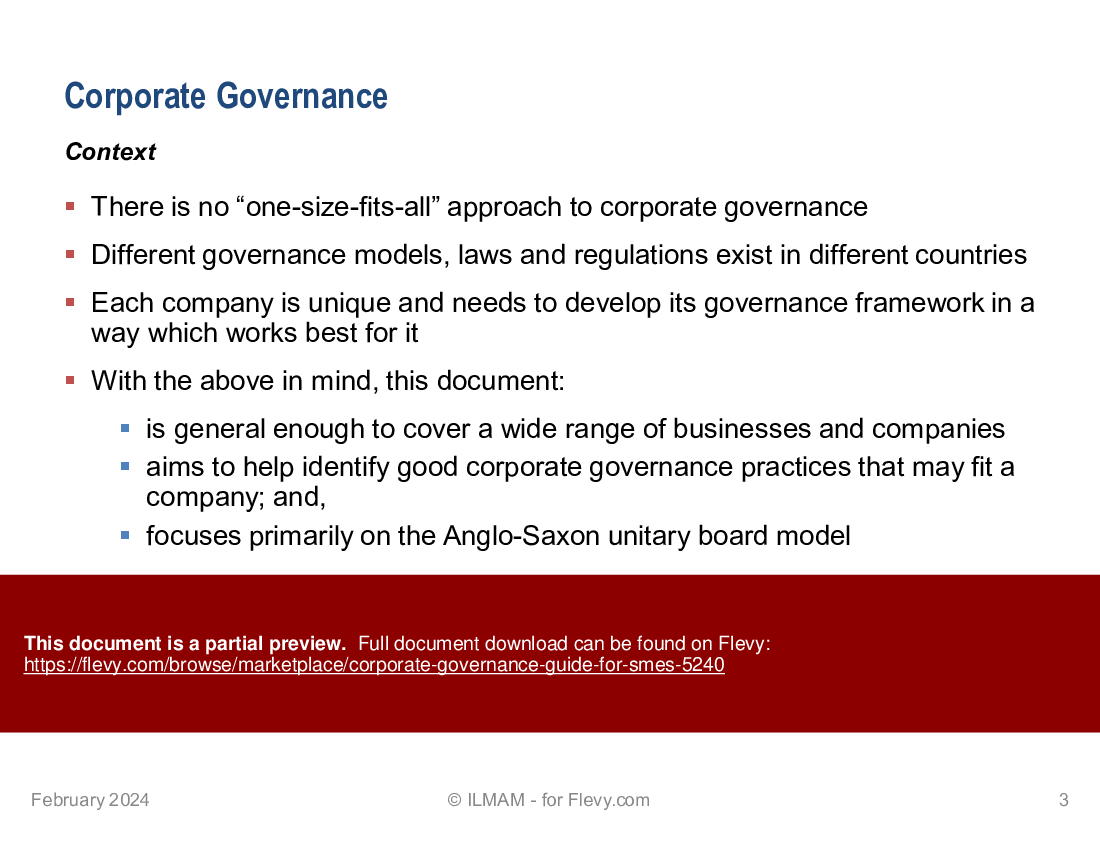

There is no "one-size-fits-all" approach to corporate governance. Different governance models, laws and regulations exist in different countries. Furthermore, each company is unique and needs to develop its governance framework in a way which works best for it.
With the above in mind, this document is general enough to cover a wide range of businesses and companies. It aims to help identify good corporate governance practices that may fit a company, focusing primarily on the Anglo-Saxon unitary board model.
Contents
1. Corporate Governance: Context and key definitions
• Context
• Key definitions
• Corporate governance vs corporate management
2. Corporate Governance: Key milestones and diversity
• Key modern corporate governance milestones
• A historical overview of corporate governance in the USA
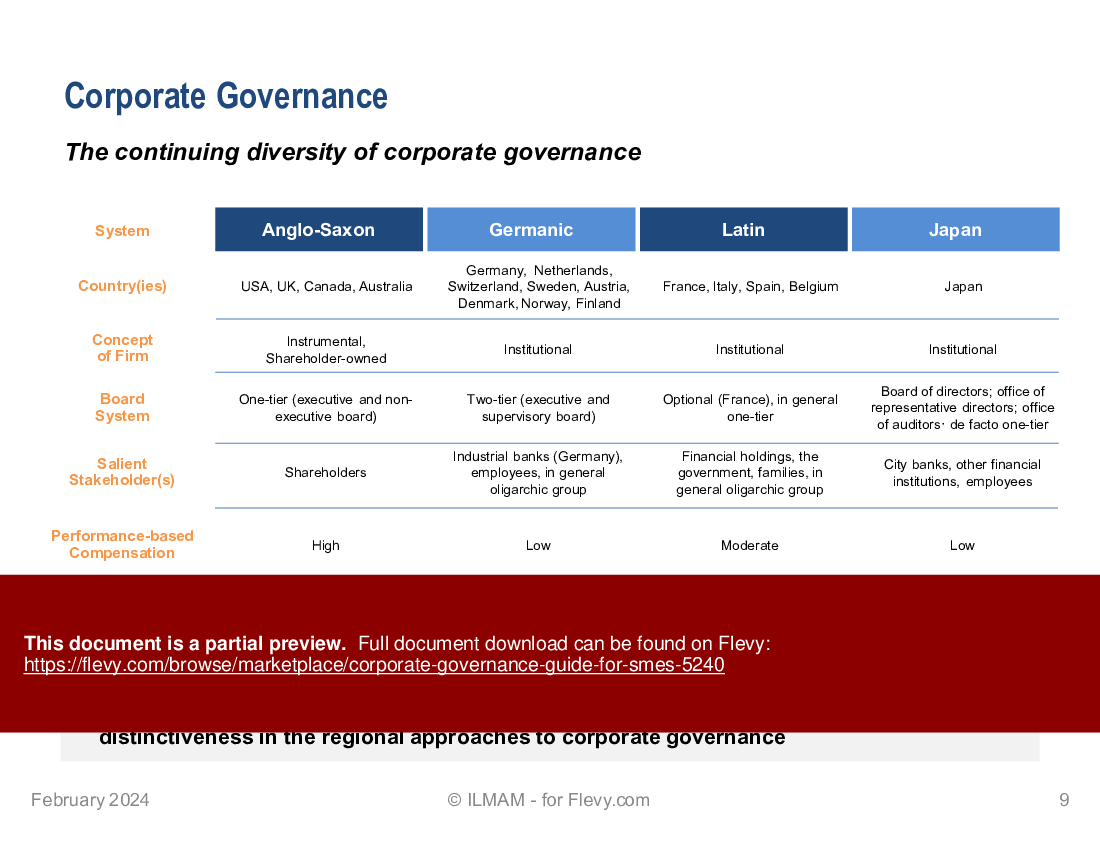
• The continuing diversity of corporate governance
3. Corporate Governance: Key stakeholders
• Corporate governance stakeholders
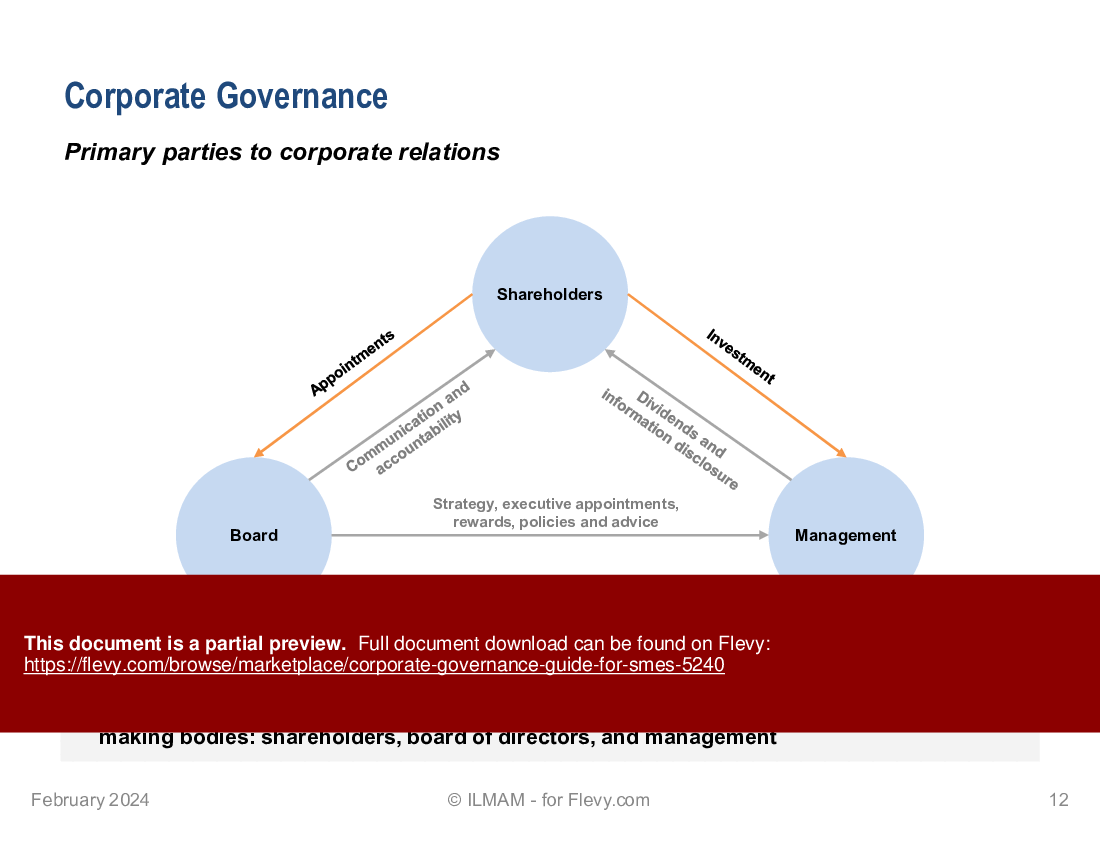
• Primary parties to corporate relations
• The principle agent dilemma
4. SME Governance: Key elements, levels and benefits
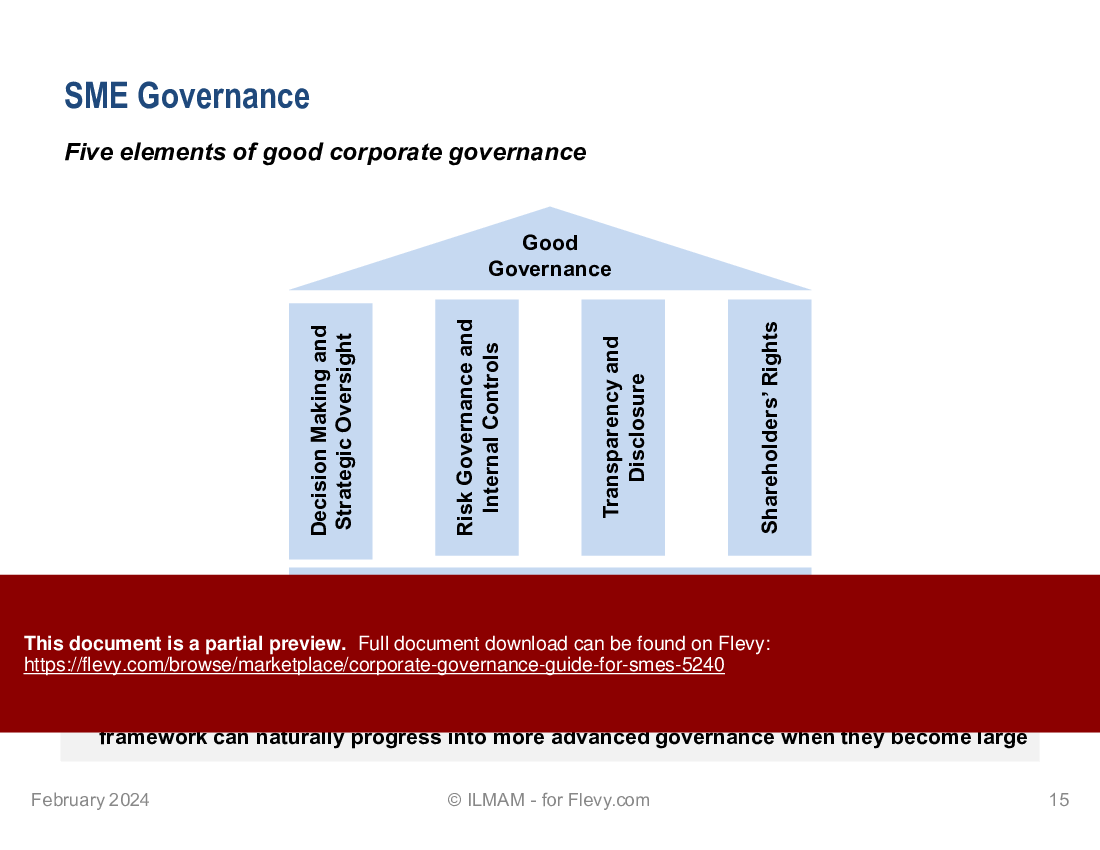
• Five elements of good corporate governance
• Core values of corporate governance
• Common issues of private family-owned companies
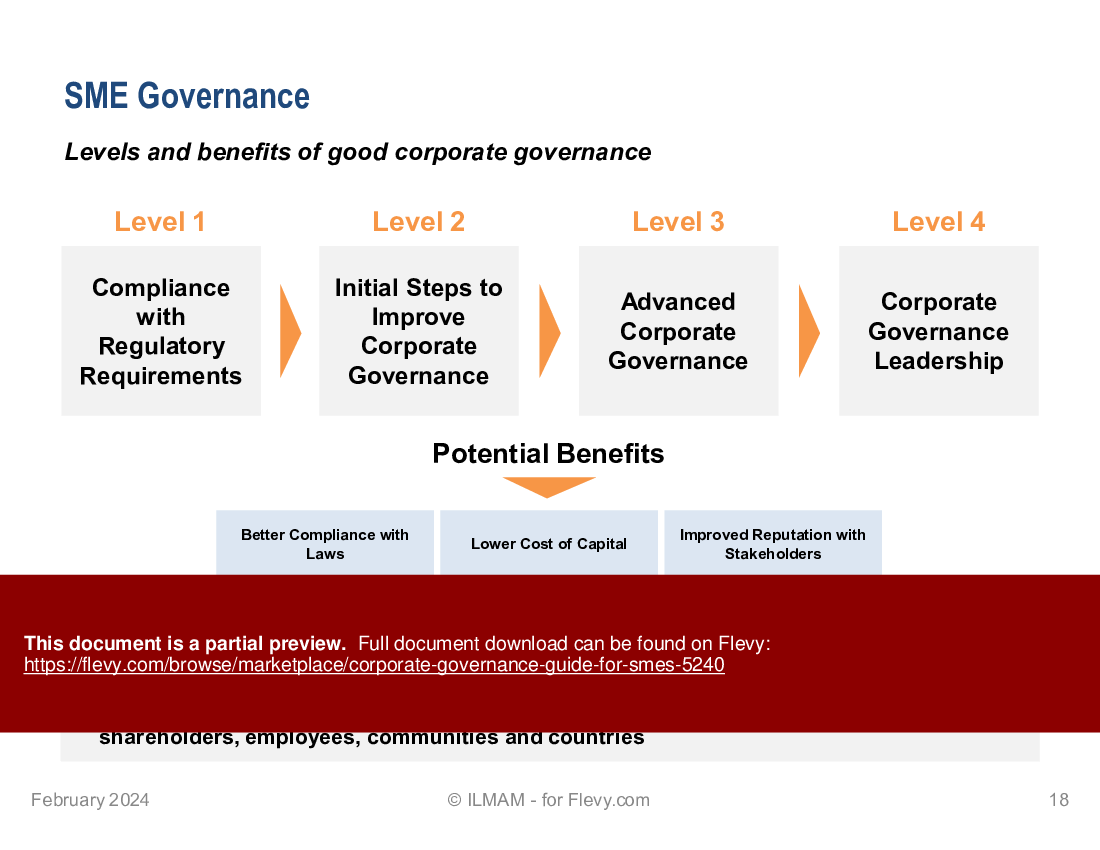
• Levels and benefits of good corporate governance
5. SME Governance: Good governance by element and development stage
• Five elements of good corporate governance with key governance topics
• The governance evolution of SMEs
• Commitment to corporate governance
• Decision making and strategic oversight
• Risk governance and internal controls
• Disclosure and transparency
• Shareholders' rights
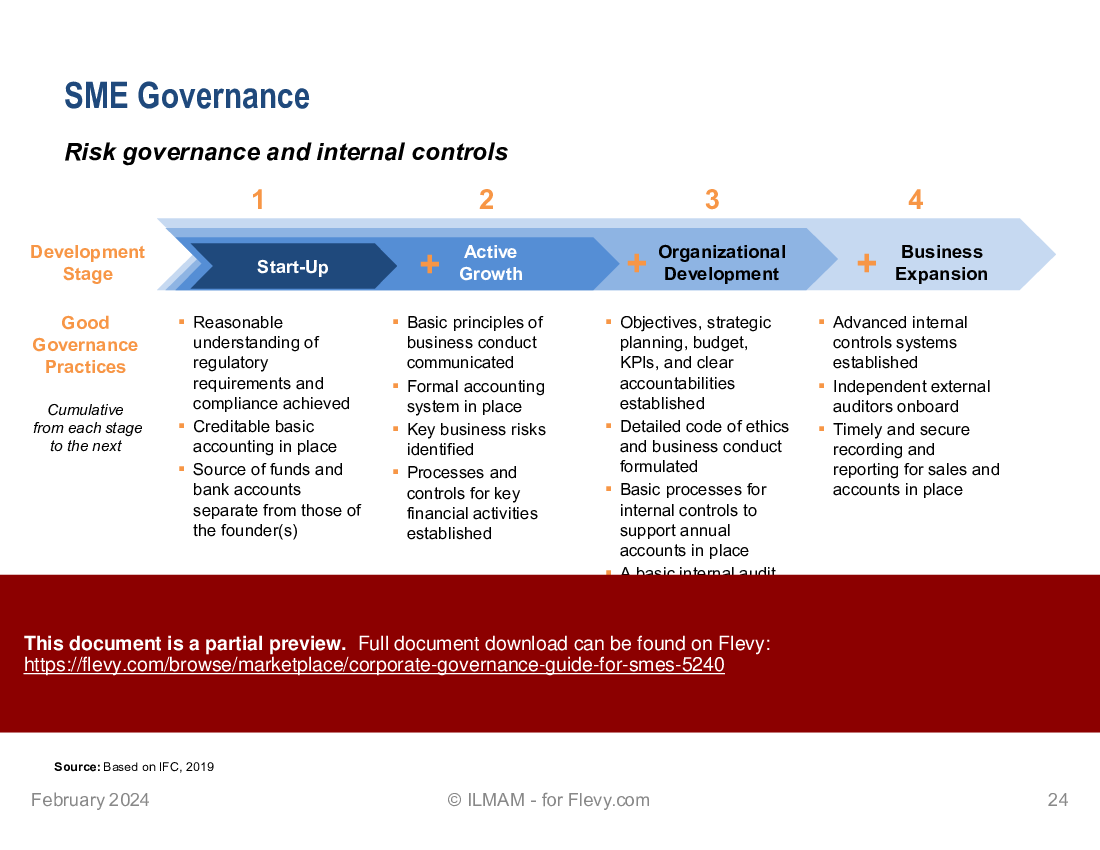
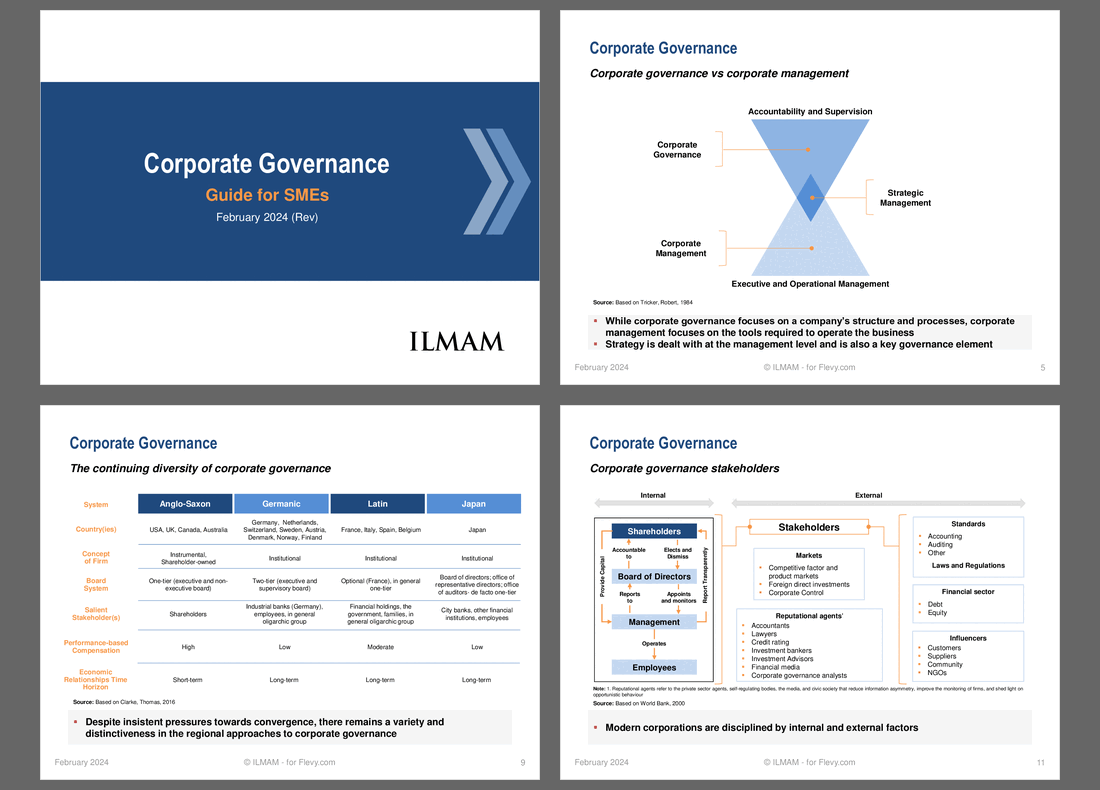
This guide delves into the intricacies of corporate governance, emphasizing the diversity of governance systems across regions. It provides a detailed comparison of the Anglo-Saxon, Germanic, Latin, and Japanese models, highlighting their unique characteristics and stakeholder dynamics. The PPT also outlines the evolution of governance practices in SMEs, from start-up to business expansion, and underscores the importance of risk governance and internal controls at each stage. This resource is essential for SMEs aiming to enhance their governance framework and align with best practices globally.
Got a question about the product? Email us at support@flevy.com or ask the author directly by using the "Ask the Author a Question" form. If you cannot view the preview above this document description, go here to view the large preview instead.
Executive Summary
This presentation, titled "Corporate Governance: Guide for SMEs," is crafted in a McKinsey, Bain, or BCG-quality style (consulting-grade; not affiliated). It serves as a comprehensive resource for small and medium-sized enterprises (SMEs) to establish effective corporate governance practices. The guide emphasizes the importance of tailoring governance frameworks to fit individual company needs, particularly focusing on the Anglo-Saxon unitary board model. Buyers will gain insights into key governance elements, stakeholder roles, and the benefits of good governance, enabling them to enhance their governance frameworks effectively.
Who This Is For and When to Use
• Executives and board members of SMEs seeking to improve governance practices
• Consultants advising SMEs on governance frameworks
• Compliance officers responsible for regulatory adherence
• Family business owners aiming to clarify roles and responsibilities
Best-fit moments to use this deck:
• During strategic planning sessions to integrate governance into business operations
• When assessing current governance frameworks and identifying areas for improvement
• In workshops focused on stakeholder engagement and governance training
Learning Objectives
• Define corporate governance and its significance for SMEs
• Identify key milestones and diversity in governance practices
• Establish effective stakeholder relationships and communication strategies
• Develop a tailored governance framework that aligns with company goals
• Assess the benefits of good governance for long-term sustainability
• Implement risk management and internal control practices
Table of Contents
• Corporate Governance - Context and Key Definitions (page 3)
• Corporate Governance - Key Milestones and Diversity (page 7)
• Corporate Governance - Key Stakeholders (page 11)
• SME Governance - Key Elements, Levels and Benefits (page 15)
• SME Governance - Good Governance by Element and Development Stage (page 20)
Primary Topics Covered
• Corporate Governance Context - This section outlines the absence of a one-size-fits-all approach, emphasizing the need for customized governance frameworks.
• Key Milestones in Governance - Highlights significant events that have shaped modern corporate governance practices, including the Sarbanes-Oxley Act and the Cadbury Report.
• Stakeholder Roles - Discusses the interaction among shareholders, boards, and management, detailing their responsibilities and decision-making processes.
• Elements of Good Governance - Identifies 5 core elements essential for effective governance in SMEs, including transparency and risk management.
• Benefits of Good Governance - Explains how effective governance enhances operational performance, compliance, and stakeholder trust.
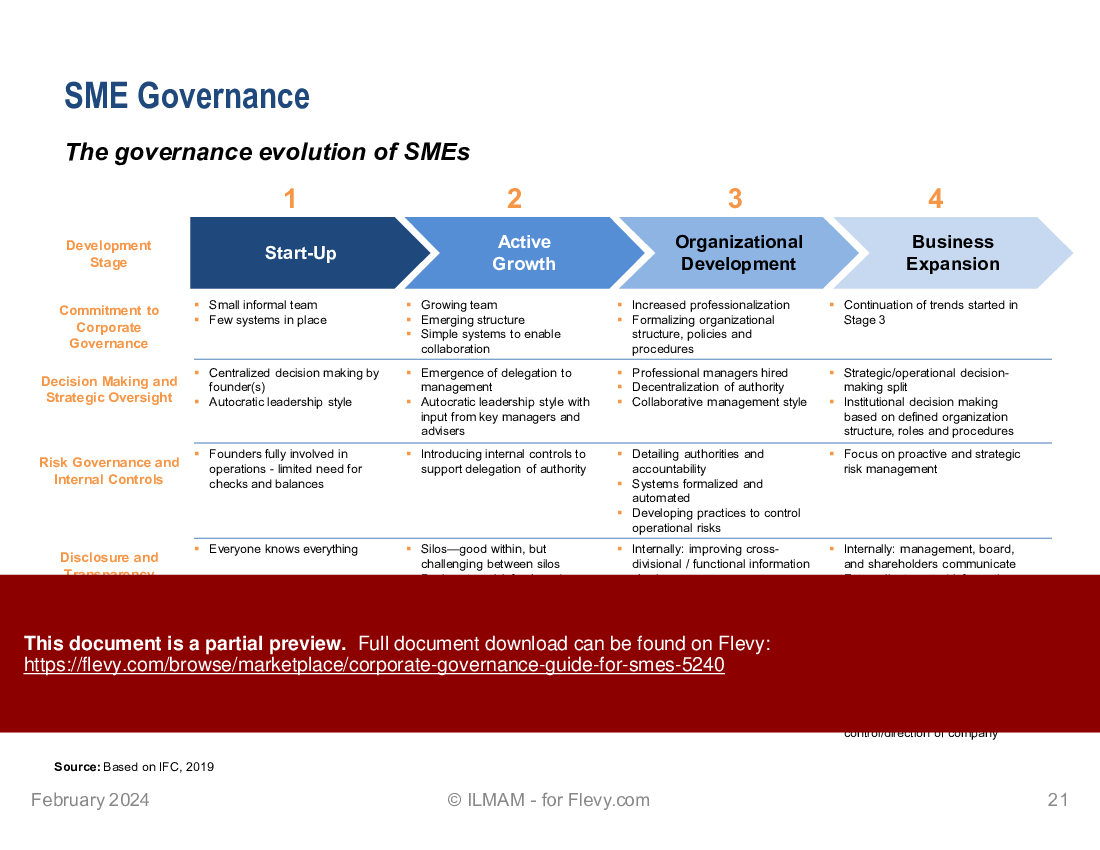
• Governance Development Stages - Describes the evolution of governance practices as SMEs grow, outlining key practices at each stage.
Deliverables, Templates, and Tools
• Governance framework template tailored for SMEs
• Stakeholder engagement plan to enhance communication and transparency
• Risk management checklist to identify and mitigate potential issues
• Internal control framework for financial and operational oversight
• Governance action plan to track compliance and performance metrics
Slide Highlights
• Overview of corporate governance definitions and its distinction from corporate management
• Timeline of key milestones in corporate governance evolution
• Visual representation of primary stakeholders and their roles in governance
• Framework outlining the 5 elements of good governance for SMEs
• Development stages of governance practices with corresponding best practices
Potential Workshop Agenda
Introduction to Corporate Governance (60 minutes)
• Overview of corporate governance principles and definitions
• Discussion on the importance of governance for SMEs
Stakeholder Engagement Strategies (90 minutes)
• Identify key stakeholders and their roles
• Develop a communication plan for effective engagement
Governance Framework Development (120 minutes)
• Assess current governance practices
• Create a tailored governance framework based on company needs
Customization Guidance
• Adapt the governance framework template to reflect specific company structures and needs
• Incorporate local laws and regulations into the governance action plan
• Modify stakeholder engagement strategies to align with company culture and values
Secondary Topics Covered
• Historical evolution of corporate governance in various regions
• Differences between Anglo-Saxon and other governance models
• Common challenges faced by family-owned businesses in governance
• The role of external advisors in governance practices
FAQ
What is corporate governance?
Corporate governance refers to the procedures and processes by which an organization is directed and controlled, focusing on the distribution of rights and responsibilities among participants.
Why is corporate governance important for SMEs?
Good corporate governance enhances operational performance, builds reputation, and ensures long-term sustainability, particularly for SMEs navigating growth and regulatory challenges.
What are the key elements of good governance?
The 5 elements include shareholders' rights, transparency and disclosure, risk governance and internal controls, decision-making and strategic oversight, and commitment to corporate governance.
How can SMEs tailor their governance frameworks?
SMEs should assess their unique needs, incorporate local regulations, and engage stakeholders to develop a governance framework that aligns with their business objectives.
What are common issues faced by family-owned businesses?
Family-owned companies often struggle with role definitions, transparency, weak governing bodies, and succession planning, which can be addressed through effective governance practices.
What benefits can SMEs expect from good governance?
Benefits include better risk management, improved operational performance, lower cost of capital, and enhanced reputation with stakeholders.
How does the governance evolution of SMEs occur?
SMEs typically progress through stages, starting from informal governance structures to more advanced frameworks as they grow and professionalize.
What role do external advisors play in governance?
External advisors provide strategic input, help establish governance frameworks, and ensure compliance with regulations, enhancing overall governance effectiveness.
Glossary
• Corporate Governance - Procedures and processes for directing and controlling an organization.
• Stakeholders - Individuals or groups with an interest in the company's performance and governance.
• Transparency - The practice of disclosing information to stakeholders to enable informed decision-making.
• Risk Management - The process of identifying, assessing, and mitigating risks to ensure organizational stability.
• Internal Controls - Mechanisms put in place to ensure the integrity of financial and operational processes.
• Shareholders' Rights - Legal entitlements of shareholders to participate in decision-making and receive information.
• Governance Framework - A structured approach to managing governance processes and responsibilities.
• Decision-Making Oversight - The process of monitoring and guiding strategic decisions within the organization.
• Compliance - Adherence to laws, regulations, and internal policies governing the organization.
• Family Business Governance - Governance practices tailored to address the unique challenges of family-owned enterprises.
• Ethics and Integrity - Core values guiding decision-making and behavior within the organization.
• Accountability - The obligation of individuals and organizations to account for their actions and decisions.
Source: Best Practices in Governance PowerPoint Slides: Corporate Governance: Guide for SMEs PowerPoint (PPTX) Presentation Slide Deck, ILMAM - Strategy & Management Consulting
|
Download our FREE Organization, Change, & Culture, Templates
Download our free compilation of 50+ slides and templates on Organizational Design, Change Management, and Corporate Culture. Methodologies include ADKAR, Burke-Litwin Change Model, McKinsey 7-S, Competing Values Framework, etc. |