
Introduction:
Change Management (CM) is the compass that guides organizations through the turbulent waters of transformation. It encompasses a spectrum of strategies and approaches aimed at preparing, supporting, and navigating individuals, teams, and organizations through significant organizational changes. This presentation unveils an effective framework for mastering the art of change management, ensuring that your organization can smoothly sail towards its desired state.
1. Understanding Change Management:
• Change Management Essentials: An introduction to the core principles and objectives of Change Management.
• Types of Organizational Change: Explore various forms of change, from strategic realignment to process optimization.
• The Role of CM: Delve into how CM bridges the gap between vision and reality.
2. The Change Management Framework:
• Components of the Framework: Uncover the critical elements that constitute a robust CM framework.
• Leadership Alignment: Ensure leaders are on board with change strategy, urgency, and key actions.
• Risk Identification & Mitigation: Identify, manage, and mitigate critical risks associated with change.
• Seamless Operations: Maintain business continuity despite transformation activities.
• Achieving Operational Readiness: Swiftly attain the desired performance level across all organizational tiers.
• Minimizing Performance Dips: Strategies to mitigate individual and team performance disruptions.
3. The Benefits of Effective Change Management:
• Alignment & Strategy: Forge leadership alignment on change strategy and its critical aspects.
• Risk Management: Mitigate and manage risks proactively to safeguard the change process.
• Business Continuity: Ensure uninterrupted business operations even during transformative change.
• Rapid Operational Readiness: Expedite the attainment of optimal performance at all levels.
• Performance Optimization: Minimize dips in individual and team performance.
4. Tailoring the Framework to Your Needs:
• Customization: Customize the CM framework to align with your organization's unique requirements.
• Flexible Content: Tailor the presentation by selecting and skipping content as needed.
• Visual Aids: Utilize graphics and visuals for a holistic understanding of CM concepts.
In the realm of change, effective Change Management is your North Star. This presentation equips you with a comprehensive framework to navigate and manage change within your organization. Customize the content to suit your specific needs and ensure a seamless transition towards your desired organizational performance level. Master the art of Change Management and steer your organization towards success.
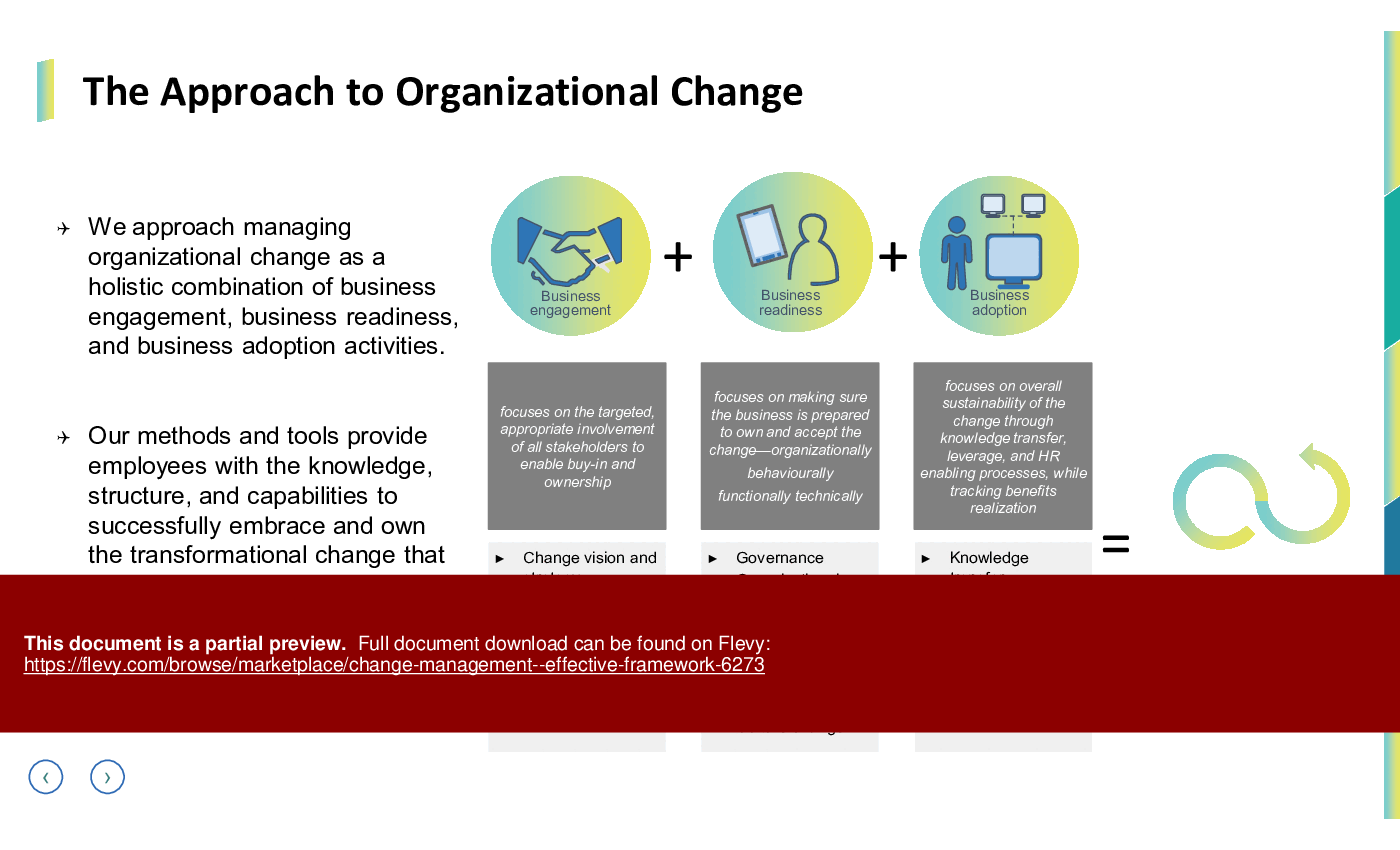
This framework emphasizes the importance of addressing both the people and business impacts of change. It provides a holistic approach combining business engagement, readiness, and adoption activities to ensure sustainable transformation.
Got a question about the product? Email us at support@flevy.com or ask the author directly by using the "Ask the Author a Question" form. If you cannot view the preview above this document description, go here to view the large preview instead.
Executive Summary
The "Change Management - Effective Framework" presentation is designed to equip organizations with a structured approach to managing change. Developed by experts with experience at leading consulting firms, this framework emphasizes the importance of aligning leadership, engaging stakeholders, and minimizing resistance to ensure successful transformation. By utilizing this framework, organizations can achieve operational readiness quickly, maintain business continuity, and enhance overall performance during transitions.
Who This Is For and When to Use
• Change Management Leaders responsible for guiding transformation initiatives
• Project Managers overseeing change implementation
• HR Professionals involved in workforce transition and training
• Executives seeking to align strategy with operational changes
Best-fit moments to use this deck:
• During the planning phase of a significant organizational change
• When preparing for the implementation of new systems or processes
• In workshops aimed at stakeholder engagement and alignment
• For training sessions focused on change readiness and impact assessment
Learning Objectives
• Define the principles of effective change management and its significance
• Identify key roles in change management, including change agents and sponsors
• Develop a comprehensive change management plan that addresses both business and people impacts
• Assess organizational readiness and identify potential barriers to change
• Implement strategies to engage stakeholders and mitigate resistance
• Measure the effectiveness of change initiatives and track progress
Table of Contents
• Change Management Defined (page 3)
• Organizational Change Management Overview (page 5)
• Managing Organizational Change (page 7)
• Enabling Transformation (page 10)
• Approach to Organizational Change (page 12)
• Key People Levers in Change Management (page 15)
• Change Management Tools and Activities (page 18)
• Change Readiness Assessment (page 22)
• Change Impact Assessment (page 25)
• Integrated Transformation Approach (page 28)
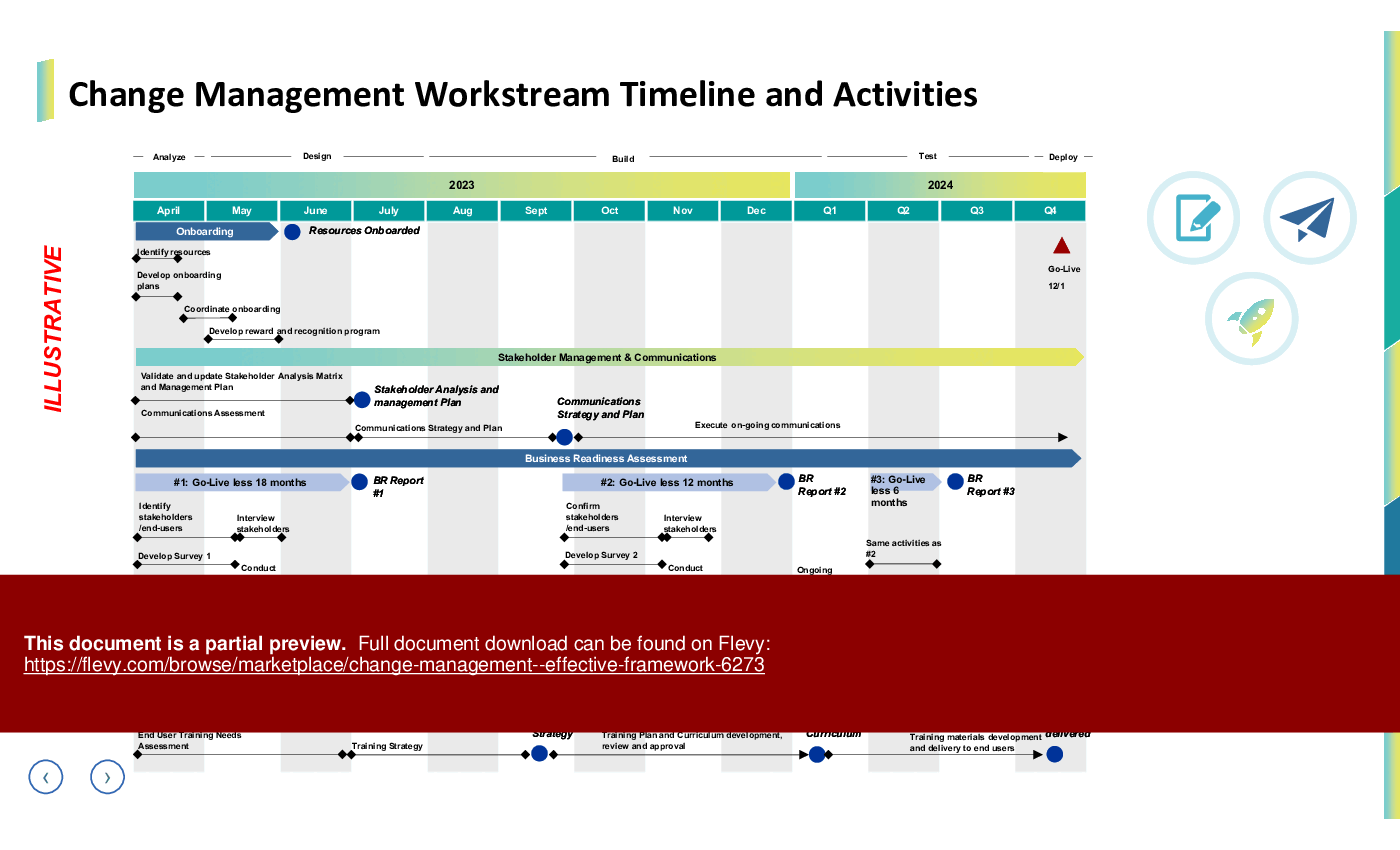
• Change Management Workstream Timeline (page 30)
• Risks of Not Managing Change (page 32)
Primary Topics Covered
• Change Management Definition - A structured discipline aimed at preparing individuals for organizational changes to achieve desired performance levels.
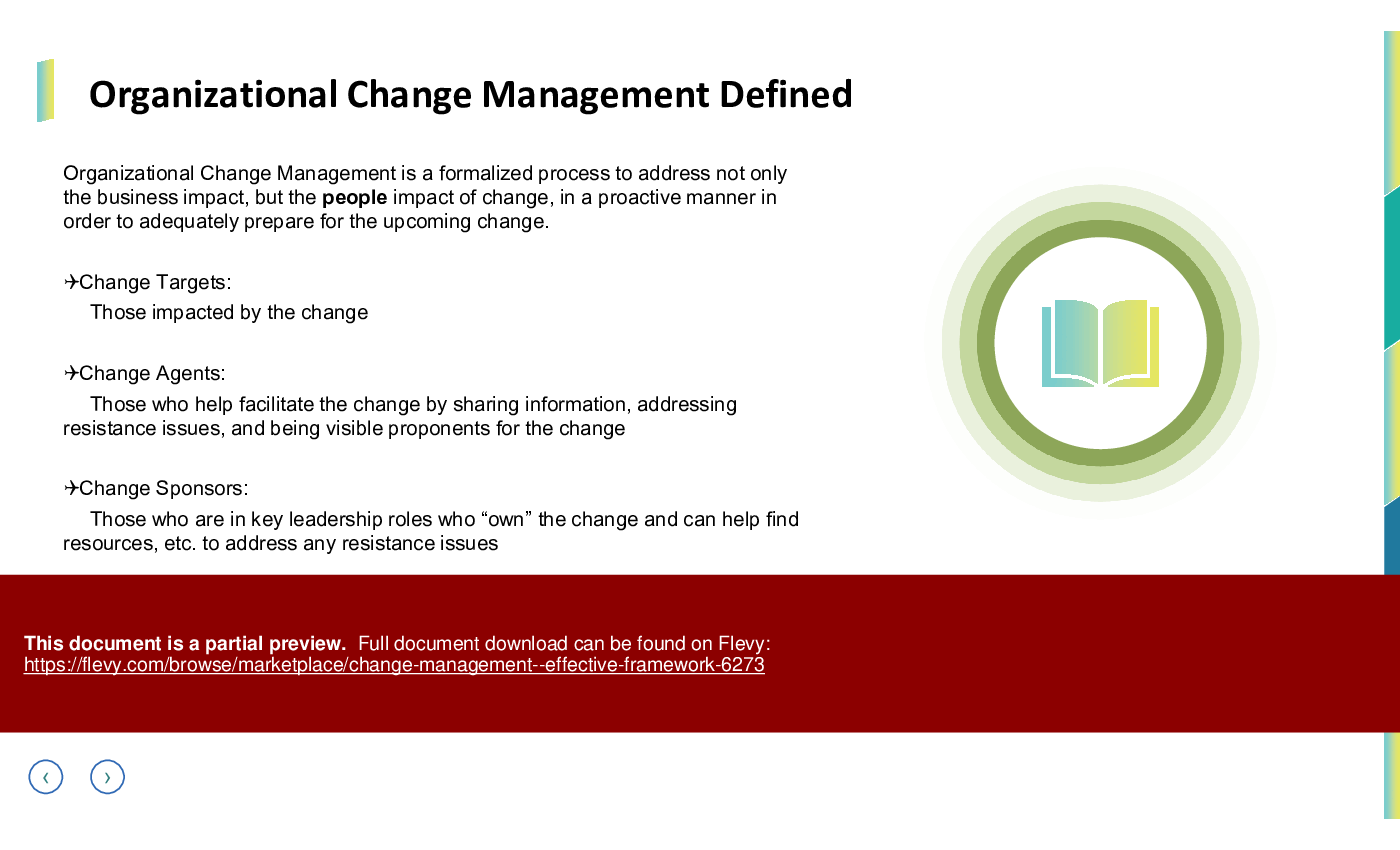
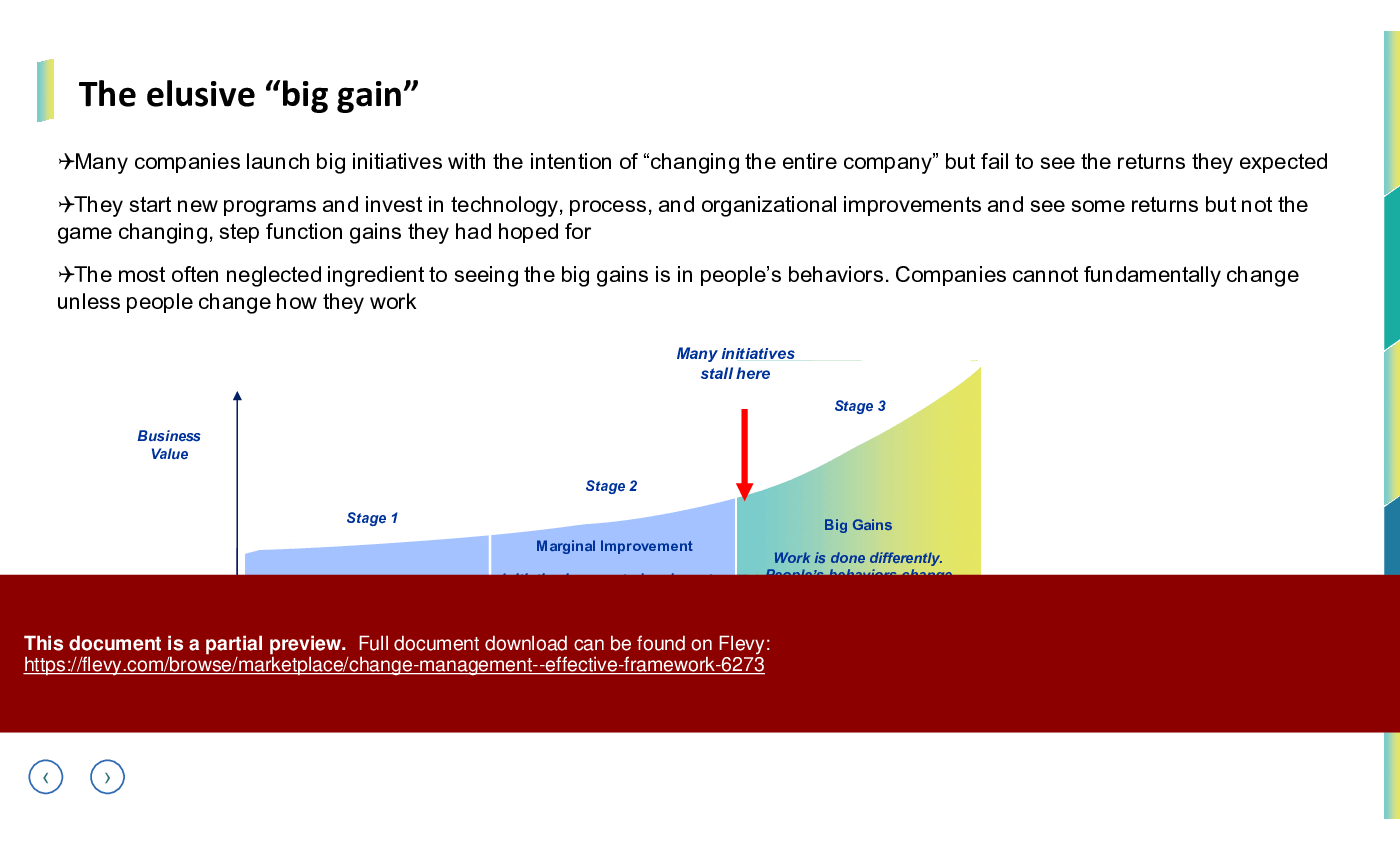
• Organizational Change Management - A formalized process addressing both business impacts and the human aspects of change, ensuring proactive preparation.
• Managing Organizational Change - Emphasizes the correlation between effective change management and the success of project objectives, highlighting the importance of leadership alignment.
• Transformation Enablement - Strategies for engaging stakeholders early, balancing technology and business readiness, and sustaining change through ongoing measurement.
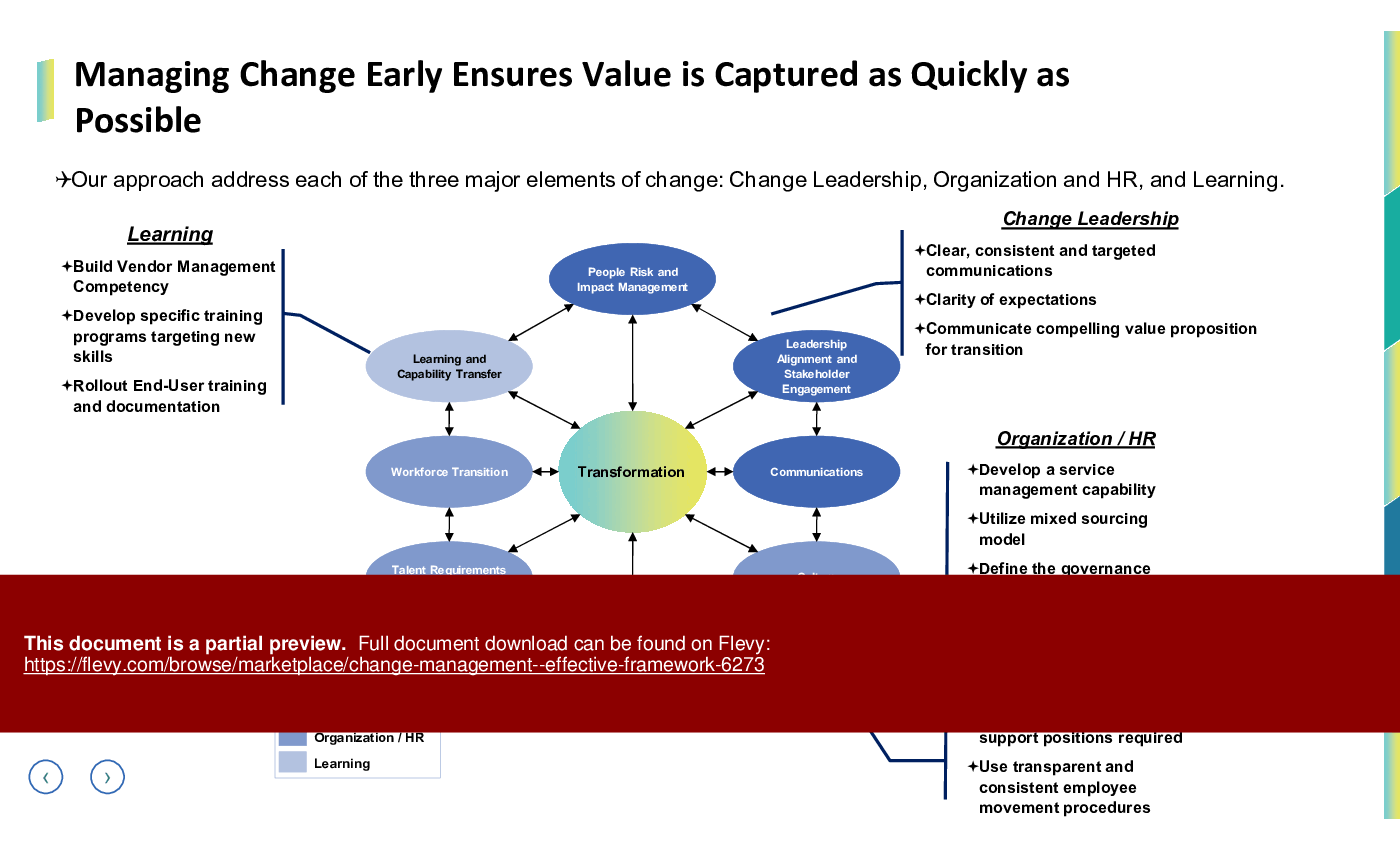
• Key People Levers - Focuses on critical areas such as leadership alignment, communication, and workforce transition to drive successful change.
• Change Management Tools - A variety of tools and activities designed to facilitate stakeholder engagement, readiness assessments, and effective training.
Deliverables, Templates, and Tools
• Change Management Plan Template for structured implementation
• Change Readiness Assessment Tool to gauge organizational preparedness
• Stakeholder Engagement Plan to ensure effective communication
• Training Strategy Template tailored to specific roles and needs
• Change Impact Assessment Framework to identify and address job changes
• Communication Strategy Guide for consistent messaging throughout the change process
Slide Highlights
• Overview of the Change Management Framework emphasizing key components
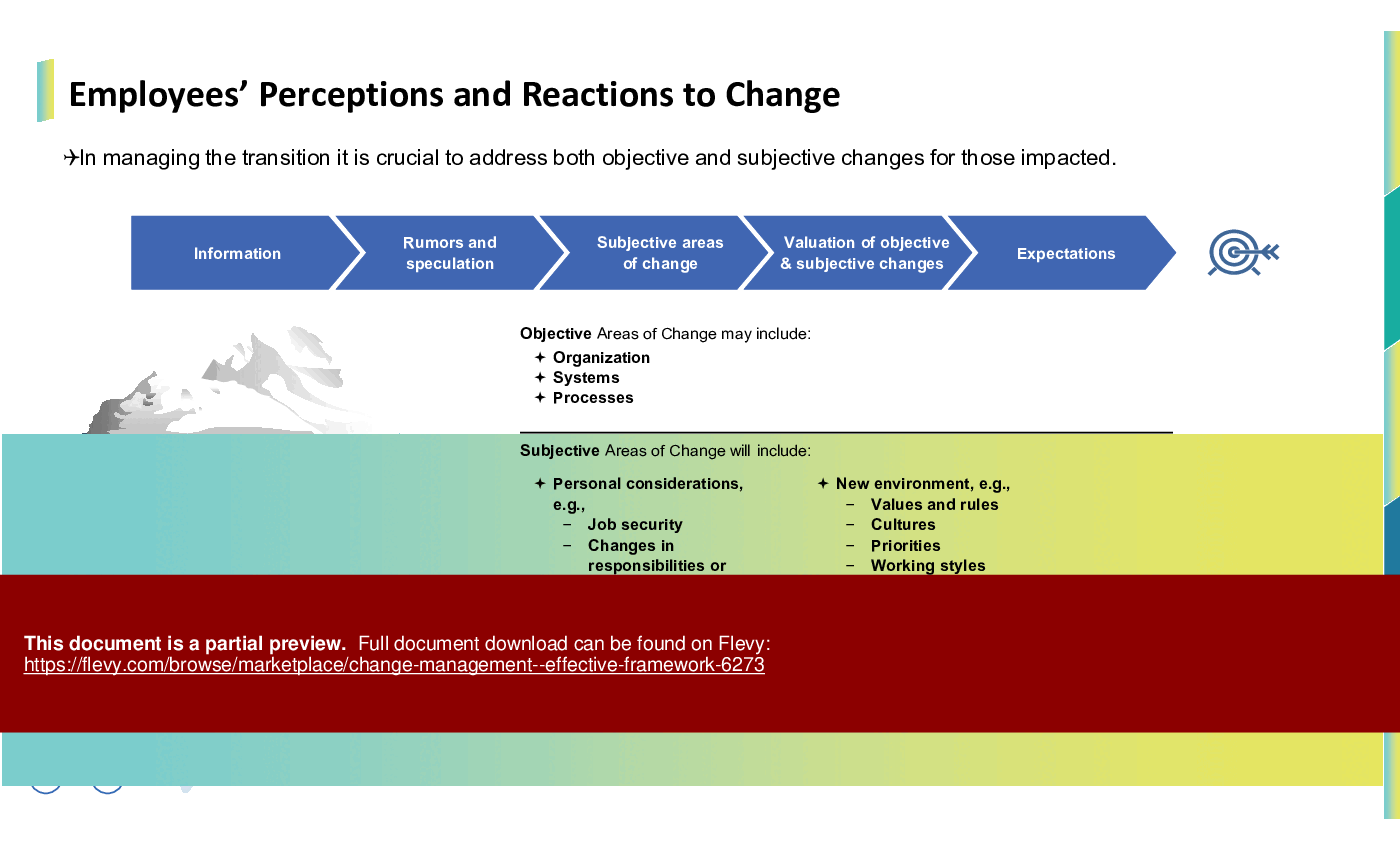
• The Transition Curve illustrating employee perceptions during change
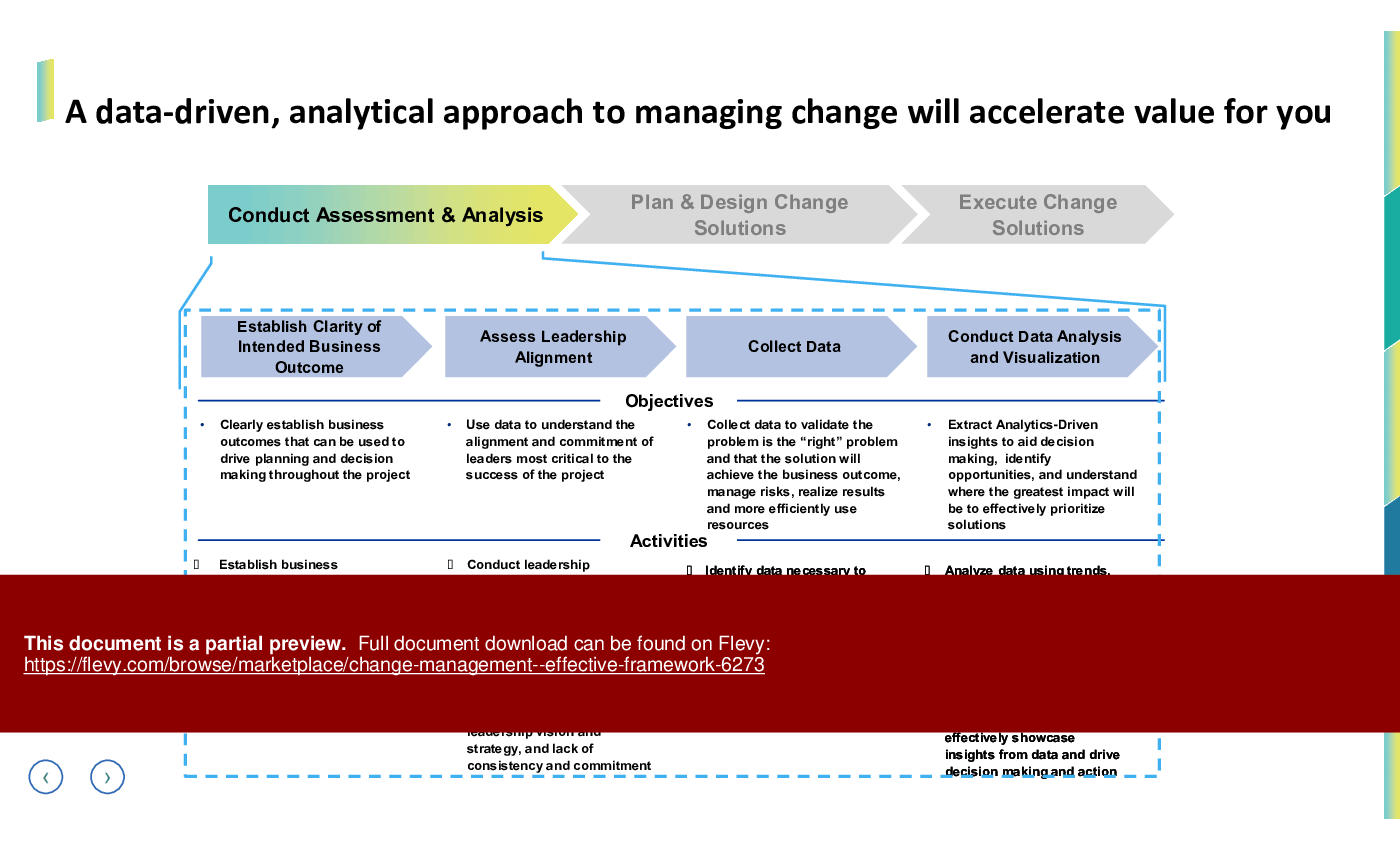
• Data-driven insights on the importance of managing change effectively
• Key People Levers diagram showcasing critical areas for successful transformation
• Change Management Engagement Model outlining best practices for implementation
Potential Workshop Agenda
Change Management Overview Session (90 minutes)
• Introduce the Change Management Framework and its significance
• Discuss roles and responsibilities in managing change
Stakeholder Engagement Workshop (60 minutes)
• Identify key stakeholders and their impacts
• Develop strategies for effective communication and engagement
Change Readiness Assessment Session (90 minutes)
• Conduct readiness assessments and analyze results
• Create action plans to address identified gaps
Customization Guidance
• Tailor the Change Management Plan Template to align with specific organizational goals and culture
• Adjust the Stakeholder Engagement Plan to reflect unique stakeholder dynamics
• Modify training materials to suit the specific needs of different employee roles
Secondary Topics Covered
• Resistance to Change and its impact on transformation efforts
• The importance of Leadership Alignment in driving change
• Strategies for effective Communication and Engagement during transitions
• Workforce Transition planning to ensure smooth shifts in roles and responsibilities
• Learning and Capability Transfer to equip employees for new processes
Topic FAQ
Document FAQ
These are questions addressed within this presentation.
What is Change Management?
Change Management is the discipline of preparing and supporting individuals through transitions to achieve desired organizational performance.
Why is Organizational Change Management important?
It addresses both business and people impacts of change, ensuring proactive preparation and minimizing resistance.
How can we assess our organization's readiness for change?
Conduct a Change Readiness Assessment to gauge understanding, commitment, and preparedness among stakeholders.
What are the key roles in the Change Management process?
Key roles include Change Targets (those impacted), Change Agents (facilitators of change), and Change Sponsors (leaders who support the change).
What tools can help in managing change?
Tools include Change Management Plans, Readiness Assessments, Stakeholder Engagement Plans, and Training Strategies.
How do we measure the success of change initiatives?
Success can be measured through stakeholder feedback, progress against key metrics, and overall organizational performance post-change.
What are common barriers to successful change?
Barriers include resistance from employees, inadequate sponsorship, and lack of clear communication.
How can we engage stakeholders effectively?
Engage stakeholders through regular communication, involvement in planning, and addressing their concerns proactively.
What is a Change Impact Assessment?
A Change Impact Assessment identifies how employees' roles will change and ranks these changes based on their impact.
How can we sustain change after implementation?
Sustain change by embedding new processes into daily operations, providing ongoing training, and measuring performance regularly.
Glossary
• Change Management - The discipline of preparing and supporting individuals through organizational changes.
• Change Agents - Individuals who facilitate change by addressing resistance and promoting the change.
• Stakeholder Engagement - The process of involving stakeholders in the change process to ensure buy-in and support.
• Change Readiness Assessment - A tool used to evaluate how prepared an organization is for change.
• Change Impact Assessment - An analysis to identify and rank changes that will affect employeesâ roles.
• Leadership Alignment - Ensuring that leaders are unified in their vision and support for the change initiative.
• Workforce Transition - The process of managing shifts in employee roles and responsibilities during change.
• Training Strategy - A plan for educating employees about new processes and systems.
• Communication Strategy - A plan for how information about the change will be shared with stakeholders.
• Resistance to Change - The pushback or reluctance from employees when faced with new initiatives.
• Organizational Change - A formal process to address the impacts of change on the organization and its people.
• Sponsorship - The support provided by leaders to champion and drive change initiatives.
• Stakeholder Analysis - The process of identifying and assessing the influence of stakeholders on a change initiative.
• Knowledge Transfer - The process of sharing information and skills to ensure employees can operate effectively in the new environment.
• Cultural Change - The shift in organizational values, norms, and behaviors that may accompany a change initiative.
• Performance Metrics - Measurements used to assess the effectiveness of change initiatives and stakeholder engagement.
• Governance Structure - The framework that outlines roles, responsibilities, and decision-making processes during change.
• Benefits Realization - The process of ensuring that the expected outcomes of change initiatives are achieved.
• Training Needs Assessment - An evaluation to determine the training requirements for employees during a change initiative.
• Change Champion - An individual who advocates for change and helps to drive its implementation within the organization.
Source: Best Practices in Change Management PowerPoint Slides: Change Management - Effective Framework PowerPoint (PPTX) Presentation Slide Deck, RadVector Consulting
|
Download our FREE Organization, Change, & Culture, Templates
Download our free compilation of 50+ slides and templates on Organizational Design, Change Management, and Corporate Culture. Methodologies include ADKAR, Burke-Litwin Change Model, McKinsey 7-S, Competing Values Framework, etc. |










