 Click main image to view in full screen.
AI Use Cases for Indirect Procurement – PowerPoint PPTX Template
PowerPoint (PPTX) + Zip archive file (ZIP) 17 Slides


BENEFITS OF THIS DOWNLOADABLE POWERPOINT DOCUMENT
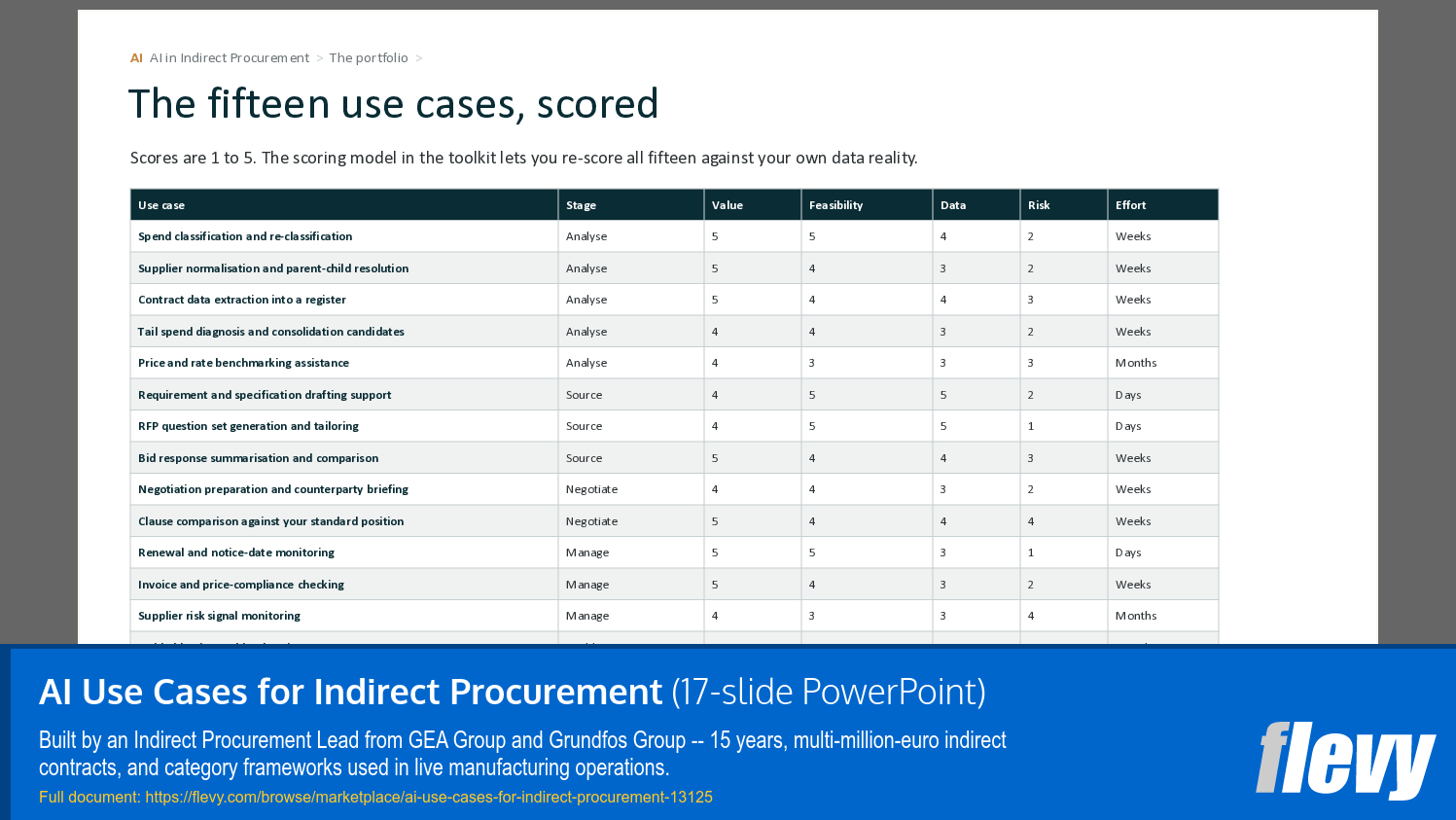
- Score fifteen AI use cases against your own data reality, not against a vendor capability list, and get a ranked sequence out of it.
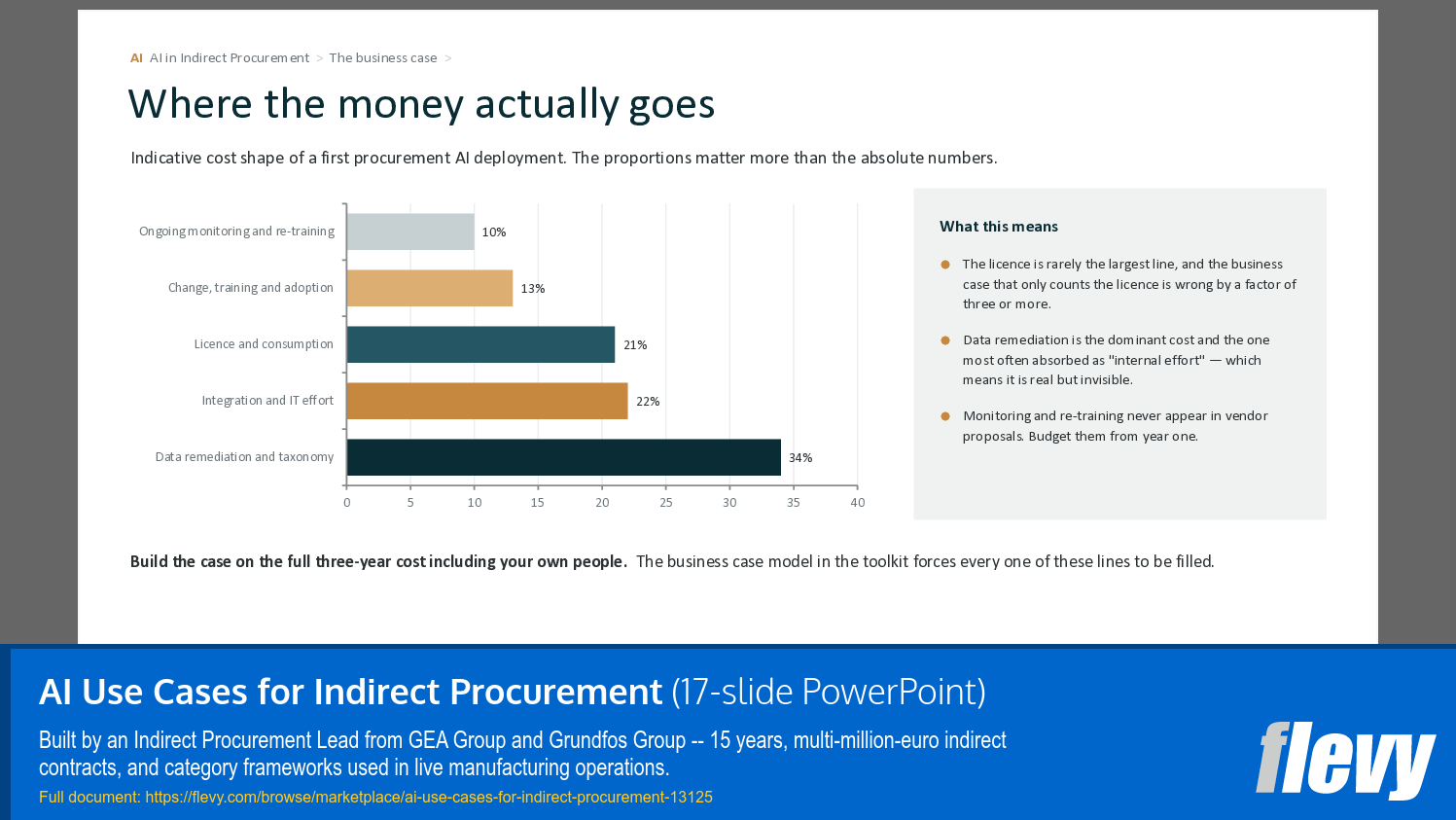
- Build a business case that includes data remediation and internal effort - the lines that dominate real cost and never appear in a vendor quote.
- Take a twenty-five question diagnostic into your next demo and separate a working capability from a demonstration in ten minutes.
ARTIFICIAL INTELLIGENCE PPT TEMPLATE DESCRIPTION
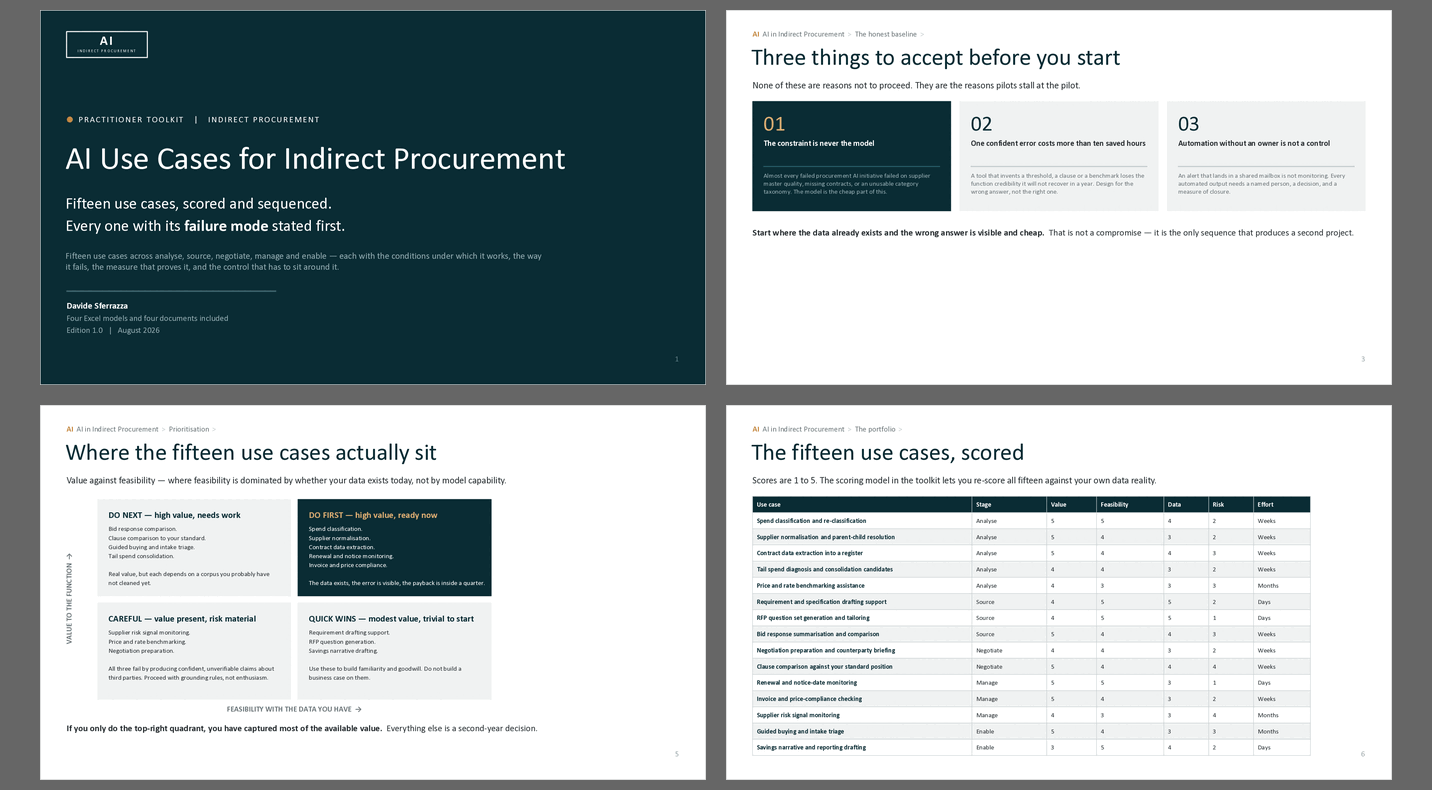
A practitioner's assessment of where artificial intelligence genuinely works in indirect procurement, and where it does not.
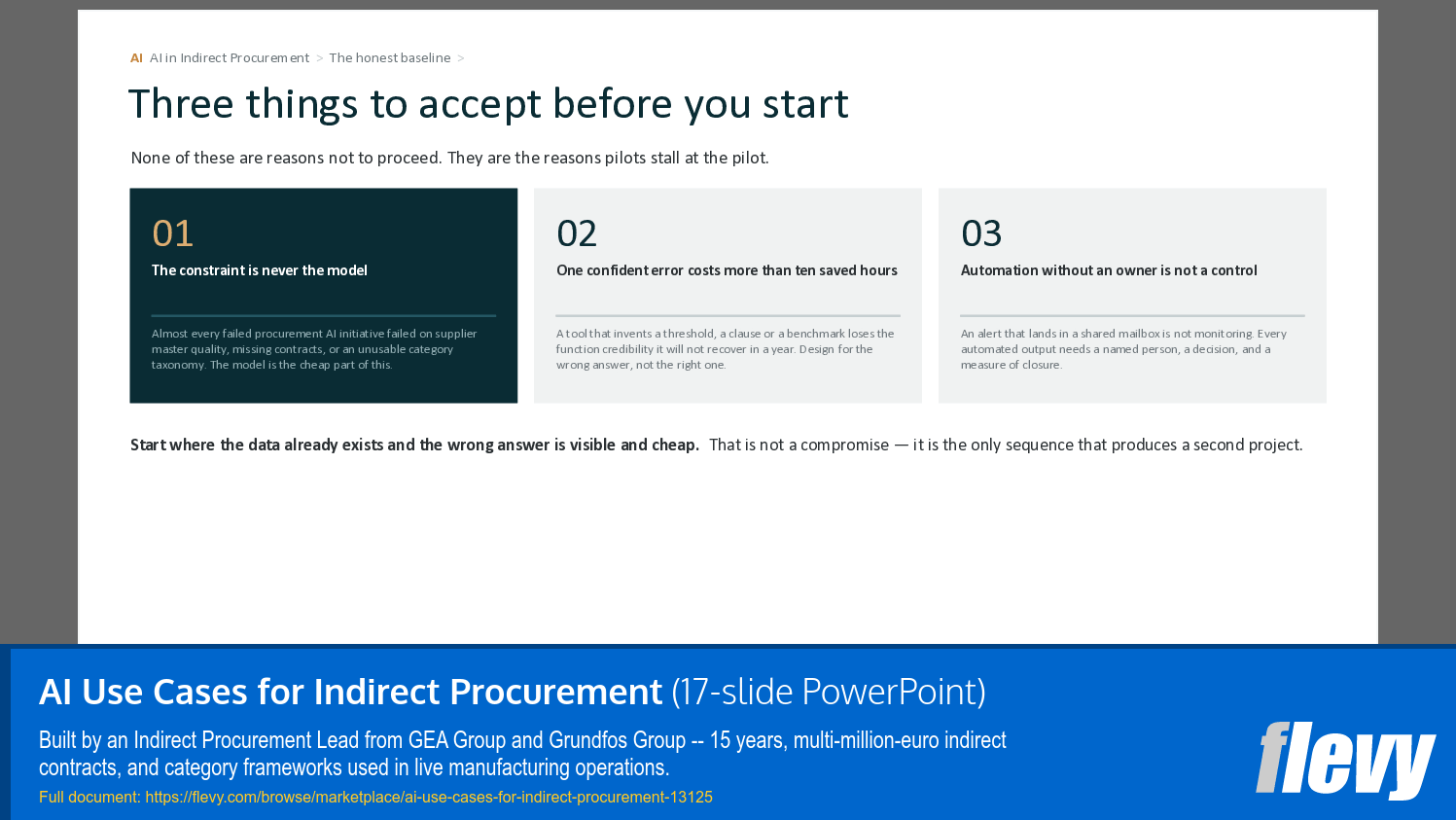
Most AI-in-procurement material answers the wrong question. It asks what AI can do. The useful question, if you are the person who has to sign the business case, is where it can be trusted – and what happens when it is wrong.
This pack contains fifteen use cases across the full cycle: analyse, source, negotiate, manage and enable. Every one is stated with four things that are usually missing: the conditions under which it works, the specific way it fails, the measure that proves whether it is working, and the human control that has to sit around it. A use case without those four things is a demonstration, not a plan.
WHAT IS INCLUDED
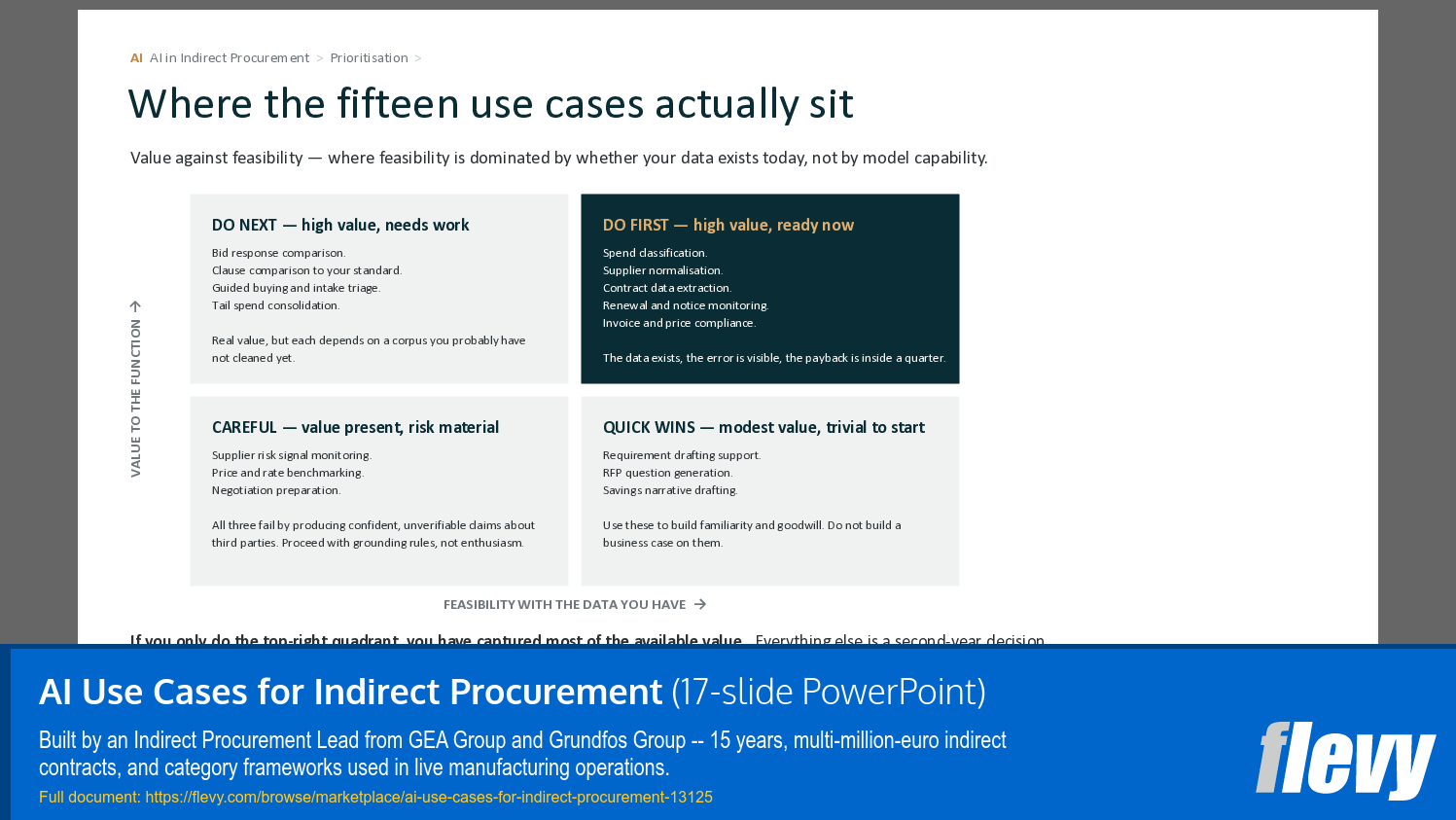
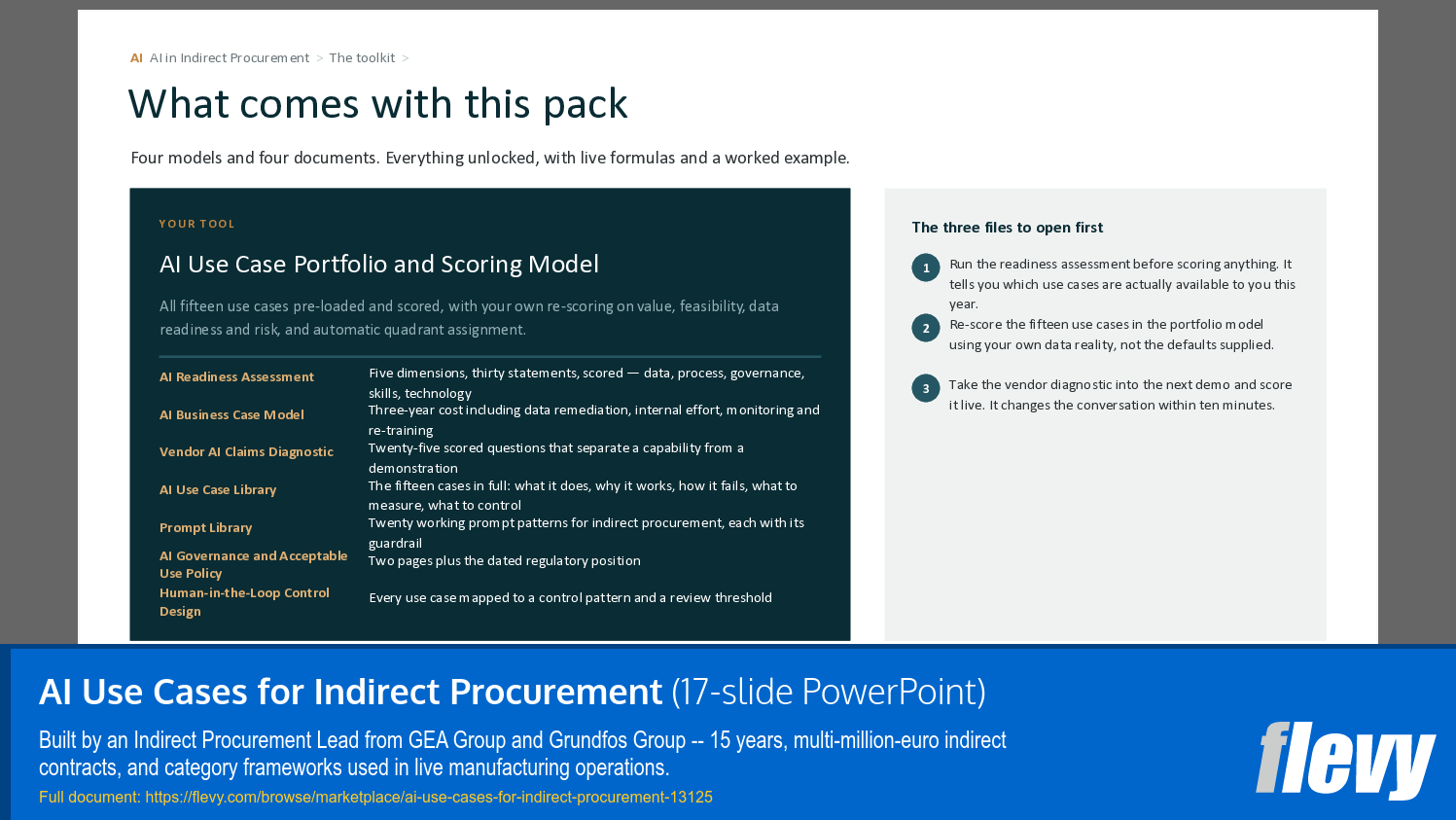
Primary document – a 17-slide guide covering the four questions that decide any use case, the prioritisation matrix showing where all fifteen sit on value against feasibility, the two use cases that always pay (spend classification and contract extraction), the three control patterns that cover most of the risk, the cost shape of a real deployment, the current EU AI Act position, and a twelve-month sequence.
Working files, all unlocked with live formulas:
AI Use Case Portfolio and Scoring Model (Excel) – all fifteen use cases pre-loaded and pre-scored, with your own re-scoring on value, feasibility, data readiness and risk, automatic quadrant assignment and ranking.
AI Readiness Assessment (Excel) – thirty statements across data, process, governance, skills and technology, scored by dimension, with a reading that tells you honestly whether to start.
AI Business Case Model (Excel) – three-year cost including the lines vendors never quote: data remediation, internal effort, integration, monitoring and re-training. With phased benefits, cumulative net, net present value and payback.
Vendor AI Claims Diagnostic (Excel) – twenty-five scored questions to use live in a demo, covering accuracy evidence, behaviour when unsure, grounding and traceability, data and security terms, and commercial reality.
AI Use Case Library (Word) – the fifteen cases in full detail, sixteen pages.
Prompt Library for Indirect Procurement (Word) – ten working prompt patterns for classification, normalisation, contract extraction, bid comparison, clause review, negotiation preparation, policy answering, invoice checking, savings narrative and requirement de-biasing. Each one with the guardrail that makes it safe and the check that has to happen before the output is used.
AI Acceptable Use Policy for Procurement (Word) – a two-page skeleton with permitted and prohibited uses, mandatory controls by risk level, and the regulatory position isolated in a single dated annex so it can be updated without rewriting the policy.
Human-in-the-Loop Control Design (Word) – every use case mapped to a control pattern, a review rule and a named owner, plus the six things to write down before a pilot starts.
WHO IT IS FOR
Heads of procurement building a case or being asked for one, category managers deciding where to spend limited attention, and consultants who need something more rigorous than a capability list.
WHAT THIS IS NOT
It is not a technology recommendation and it names no vendors. It is not legal advice, and the regulatory summary is drawn from public secondary sources with a stated validity date. It does not assume you have a procurement platform, a data team or a budget already approved.
Got a question about the product? Email us at support@flevy.com or ask the author directly by using the "Ask the Author a Question" form. If you cannot view the preview above this document description, go here to view the large preview instead.
Source: Best Practices in Artificial Intelligence, Procurement Strategy PowerPoint Slides: AI Use Cases for Indirect Procurement PowerPoint (PPTX) Presentation Slide Deck, Davide Sferrazza
ABOUT THE AUTHOR

Indirect Procurement Lead, with 15 years spent in the categories most organisations manage least well: MRO, facilities, utilities and energy, marketing services, IT and software, professional services, logistics and CapEx.
That career has been inside manufacturing groups -- Pavan (GEA Group) and DAB Pumps (Grundfos Group) -- leading procurement transformation projects, negotiating
... [read more]
Ask the Author a Question
You must be logged in to contact the author.




























