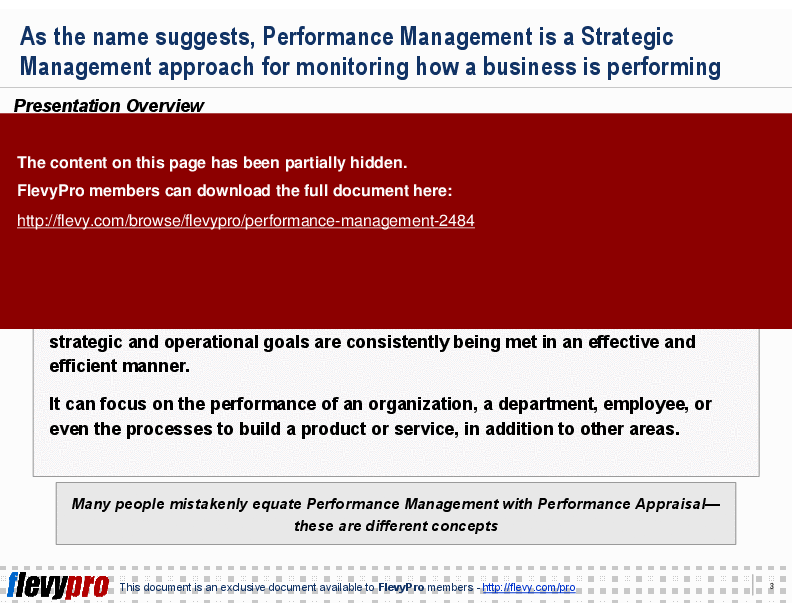

Performance Management (also known as Business Performance Management, and Strategic Performance Management, and Enterprise Performance Management, and Corporate Performance Management) is a Strategic Management approach for monitoring how a business is performing. It describes the methodologies, metrics, processes, systems, and software that are used for monitoring and managing the business performance of an enterprise.
Performance Management includes activities that ensure the organization’s strategic and operational goals are consistently being met in an effective and efficient manner.
It can focus on the performance of an organization, a department, employee, or even the processes to build a product or service, in addition to other areas. Many people mistakenly equate Performance Management with Performance Appraisal—these are different concepts
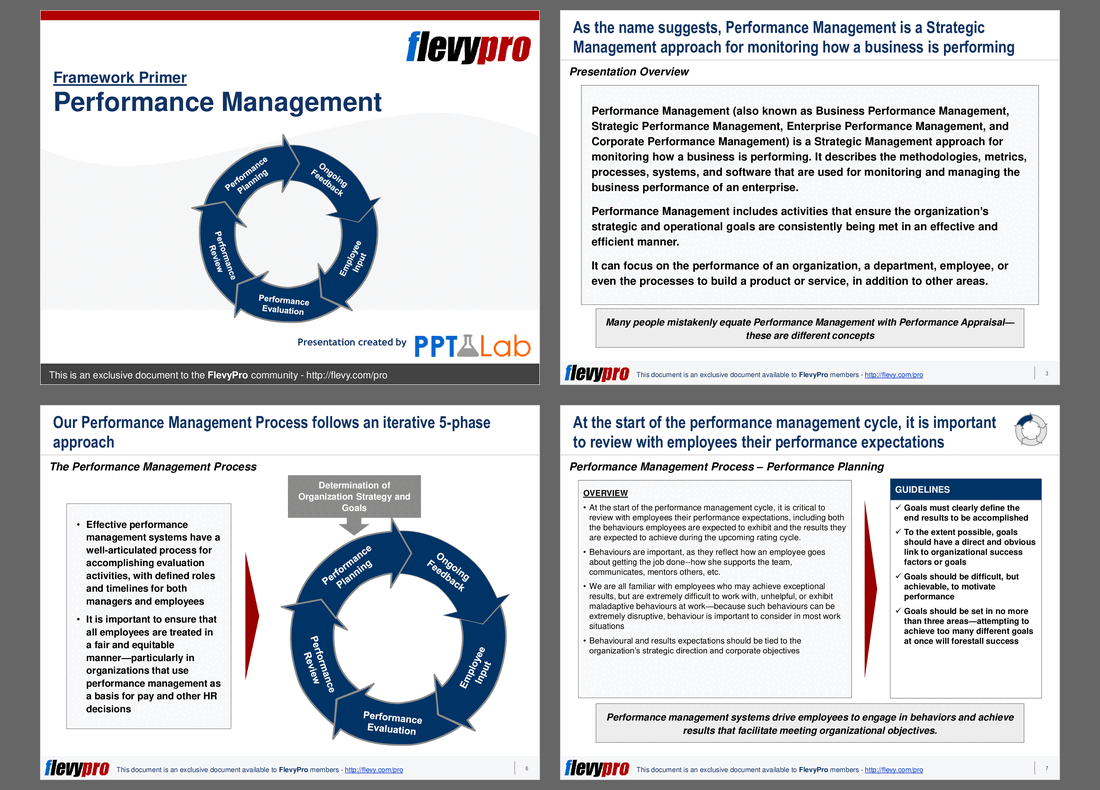
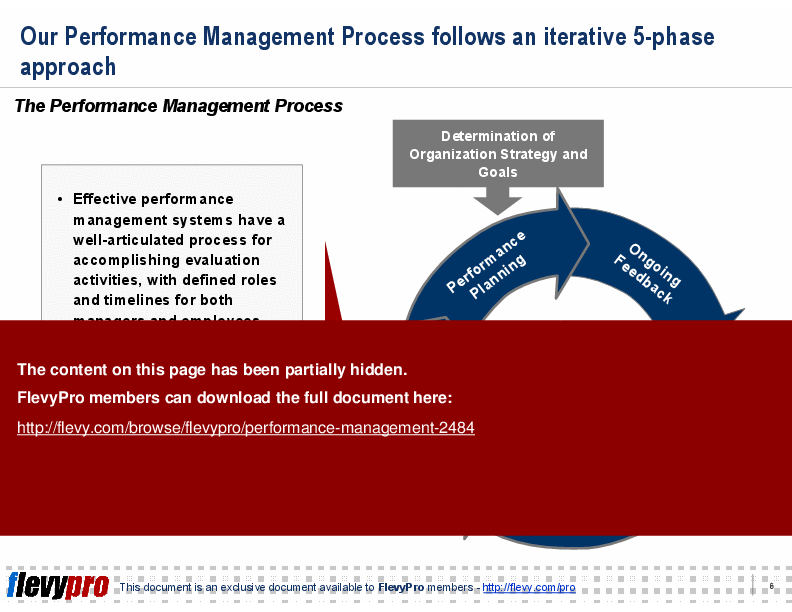
The Performance Management Primer delves into the iterative 5-phase approach to performance management, ensuring a structured and comprehensive process. This methodology includes the determination of organizational strategy and goals, performance planning, ongoing feedback, employee input, and performance evaluation. Each phase is meticulously designed to align employee activities with the strategic objectives of the organization, driving both individual and collective success.
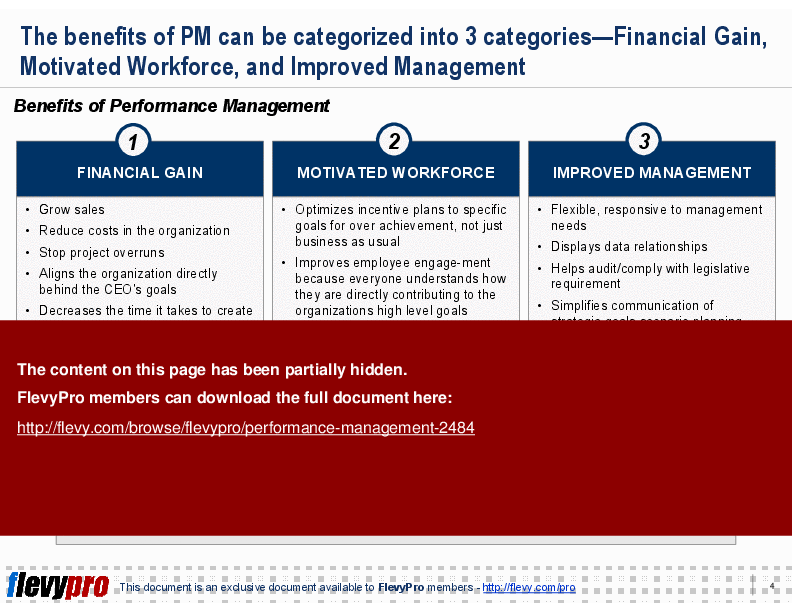
The PPT highlights the benefits of performance management, categorized into financial gain, motivated workforce, and improved management. It demonstrates how optimizing incentive plans, reducing costs, and improving employee engagement can directly contribute to the organization's high-level goals. The focus on flexible, responsive management needs and compliance with legislative requirements ensures that the performance management system is robust and adaptable.
Implementation is another critical aspect covered, with seven cornerstones identified for successful deployment. These include getting key stakeholders on board, training employees and managers, and automating processes. The emphasis is on aligning the system with the culture and business needs of the organization, ensuring that performance management is not just a procedural exercise, but a strategic tool for achieving business excellence.
Got a question about this document? Email us at flevypro@flevy.com.
Executive Summary
The Performance Management Primer is a strategic framework designed to enhance organizational performance through a structured approach to monitoring and managing business activities. This presentation outlines the methodologies, metrics, and processes integral to effective performance management. By leveraging this framework, corporate executives and managers can ensure that their teams align with strategic goals, optimize employee engagement, and drive operational efficiency. The document serves as a comprehensive guide for implementing performance management systems that foster accountability and continuous improvement.
Who This Is For and When to Use
• Corporate executives overseeing strategic initiatives and performance management systems
• HR leaders responsible for employee performance evaluations and development
• Department managers aiming to align team objectives with organizational goals
• Consultants advising organizations on performance management best practices
Best-fit moments to use this deck:
• During the rollout of a new performance management system
• When conducting performance reviews and evaluations
• In training sessions focused on employee engagement and feedback processes
Learning Objectives
• Define the key components of a performance management system
• Build a structured performance management process that aligns with organizational goals
• Establish effective feedback mechanisms to enhance employee performance
• Implement competency models for performance evaluation
• Create actionable performance improvement plans based on evaluations
• Foster a culture of continuous feedback and employee input
Table of Contents
• Overview (page 3)
• Performance Management Process (page 6)
• Performance Management Implementation (page 13)
Primary Topics Covered
• Performance Management Overview - An introduction to performance management as a strategic approach for monitoring business performance and achieving organizational goals.
• Performance Management Process - A detailed description of the iterative five-phase approach to performance management, including planning, ongoing feedback, employee input, evaluation, and review.
• Performance Planning - Guidelines for setting clear performance expectations and aligning them with organizational objectives.
• Ongoing Feedback - Strategies for providing continuous feedback to employees to enhance performance and engagement.
• Employee Input - The importance of incorporating employee self-assessments and accomplishments in the performance evaluation process.
• Performance Evaluation - Utilizing competency models and 360-degree feedback to assess employee performance fairly and effectively.
Deliverables, Templates, and Tools
• Performance management process flowchart template
• Performance planning goal-setting framework
• Ongoing feedback and communication guidelines
• Employee self-assessment template for performance reviews
• Competency model framework for performance evaluation
• Performance improvement plan template
Slide Highlights
• Overview of the performance management process with a visual representation of the 5 phases
• Guidelines for effective performance planning and feedback mechanisms
• Examples of competency models used in performance evaluations
• Key considerations for conducting performance review sessions
Potential Workshop Agenda
Performance Management System Overview (60 minutes)
• Introduce the concept of performance management and its importance
• Discuss the five-phase performance management process
• Review the benefits of effective performance management
Performance Planning and Goal Setting (90 minutes)
• Set clear performance expectations and organizational alignment
• Develop individual performance goals linked to strategic objectives
• Discuss best practices for ongoing feedback and employee input
Performance Evaluation and Continuous Improvement (60 minutes)
• Explore competency models and 360-degree feedback mechanisms
• Create actionable performance improvement plans
• Discuss strategies for fostering a culture of continuous feedback
Customization Guidance
• Tailor performance goals to align with specific organizational objectives and strategic priorities
• Adapt feedback mechanisms to fit the organizational culture and employee needs
• Modify competency models to reflect the unique skills and behaviors required for success in your organization
Secondary Topics Covered
• The role of technology in performance management systems
• Best practices for training managers and employees on performance management processes
• The impact of organizational culture on performance management effectiveness
• Strategies for communicating performance management changes to employees
Topic FAQ
Document FAQ
These are questions addressed within this presentation.
What is the purpose of performance management?
Performance management aims to monitor and improve organizational performance by aligning employee goals with strategic objectives and providing ongoing feedback.
How does employee input enhance performance evaluations?
Incorporating employee input fosters ownership and acceptance of performance evaluations, leading to more accurate assessments and improved communication.
What are the key phases of the performance management process?
The performance management process consists of 5 phases: performance planning, ongoing feedback, employee input, performance evaluation, and performance review.
How can organizations ensure fairness in performance evaluations?
Utilizing competency models and 360-degree feedback helps create a fair and comprehensive evaluation process by considering multiple perspectives.
What are the benefits of ongoing feedback?
Ongoing feedback enhances employee engagement, allows for timely adjustments to performance, and fosters a culture of continuous improvement.
How can performance management systems be implemented effectively?
Successful implementation involves aligning the system with organizational culture, training stakeholders, and continuously evaluating and improving the process.
What role do competency models play in performance management?
Competency models define the skills and behaviors necessary for success, guiding performance evaluations and development efforts.
How can organizations tailor performance goals?
Organizations should customize performance goals to reflect specific strategic priorities and ensure they are challenging yet achievable.
Glossary
• Performance Management - A strategic approach to monitoring and managing business performance.
• Performance Planning - The process of setting clear performance expectations aligned with organizational goals.
• Ongoing Feedback - Continuous communication regarding employee performance throughout the evaluation period.
• Employee Input - Contributions from employees regarding their performance and accomplishments.
• Performance Evaluation - The assessment of employee performance based on established criteria and feedback.
• Competency Model - A framework outlining the skills and behaviors necessary for effective performance.
• 360-Degree Feedback - A comprehensive feedback process involving multiple perspectives on employee performance.
• Performance Review - A formal meeting to discuss performance evaluations and development needs.
• Performance Improvement Plan - A structured plan outlining steps for enhancing employee performance.
• Strategic Objectives - The long-term goals that guide an organization's direction and decision-making.
• Organizational Culture - The shared values, beliefs, and practices that shape how work is done within an organization.
• Continuous Improvement - An ongoing effort to enhance products, services, or processes.
• Stakeholders - Individuals or groups with an interest in the performance management process and its outcomes.
• Training - The process of equipping employees and managers with the skills needed for effective performance management.
• Alignment - The process of ensuring that individual and team goals are in sync with organizational objectives.
• Fairness - The quality of being free from bias or favoritism in performance evaluations.
• Engagement - The level of commitment and involvement an employee has towards their organization and its goals.
• Accountability - The obligation of employees to take responsibility for their performance and outcomes.
Source: Best Practices in Performance Management, Strategic Management PowerPoint Slides: Performance Management Primer PowerPoint (PPT) Presentation Slide Deck, PPT Lab
Did you need more documents?
Consider a FlevyPro subscription from $39/month. View plans here.
For $10.00 more, you can download this document plus 2 more FlevyPro documents. That's just $13 each.
|
Download our FREE Strategy & Transformation Framework Templates
Download our free compilation of 50+ Strategy & Transformation slides and templates. Frameworks include McKinsey 7-S, Balanced Scorecard, Disruptive Innovation, BCG Curve, and many more. |










