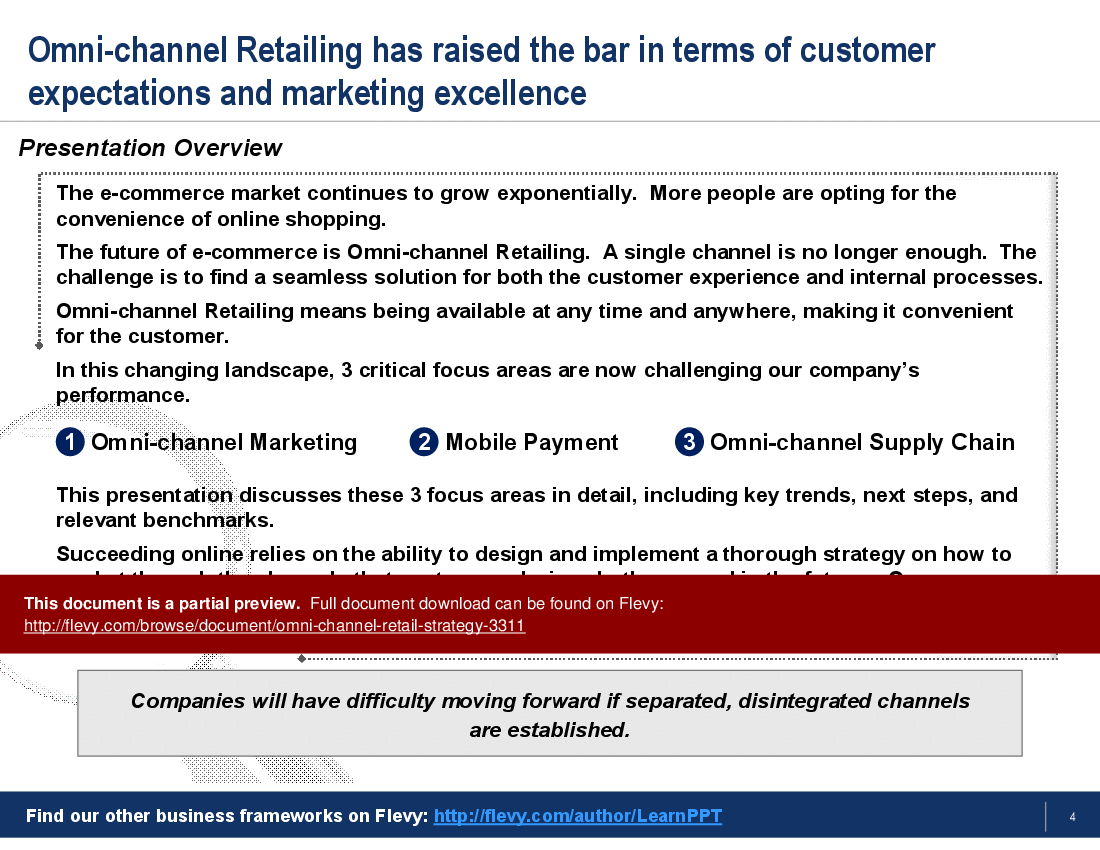

The e-commerce market continues to grow exponentially. More consumers are opting for the convenience of online shopping. This trend has been accelerated by COVID-19.
The future of e-commerce is Omni-channel Retailing. A single channel is no longer enough. The challenge is to find a seamless solution for both the Customer Experience and internal processes.
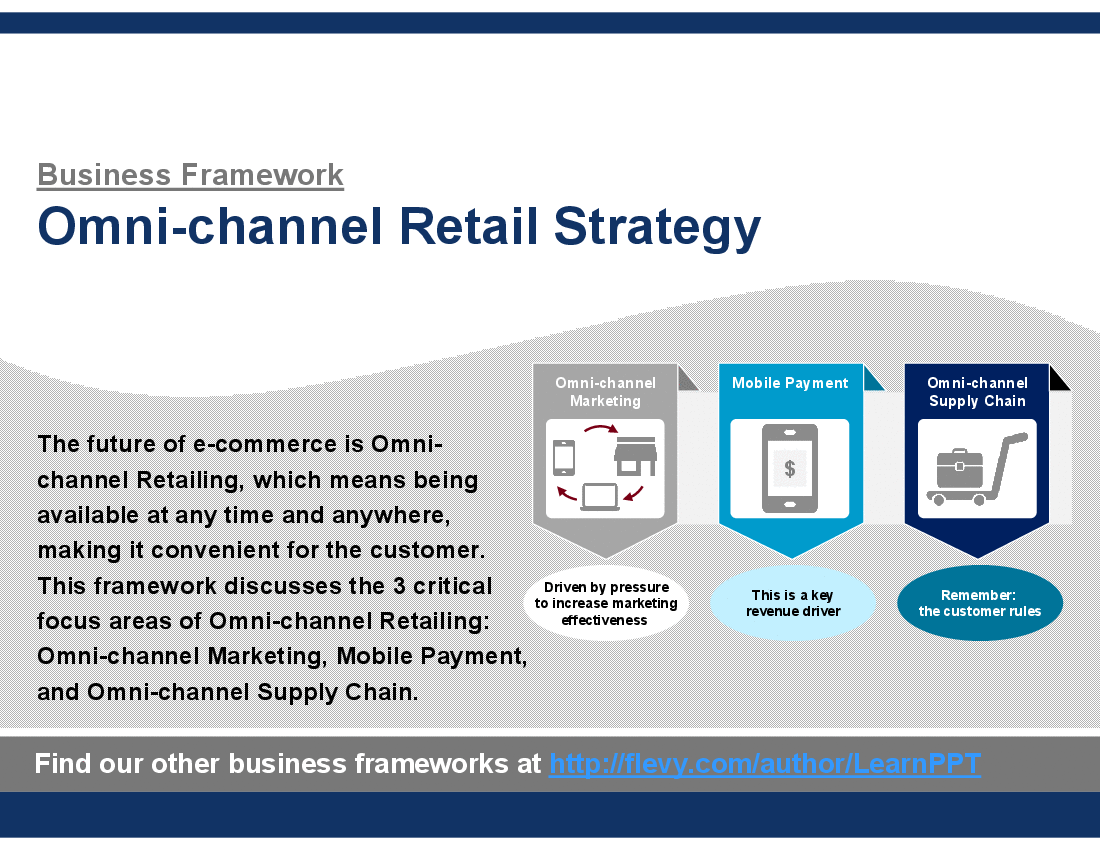
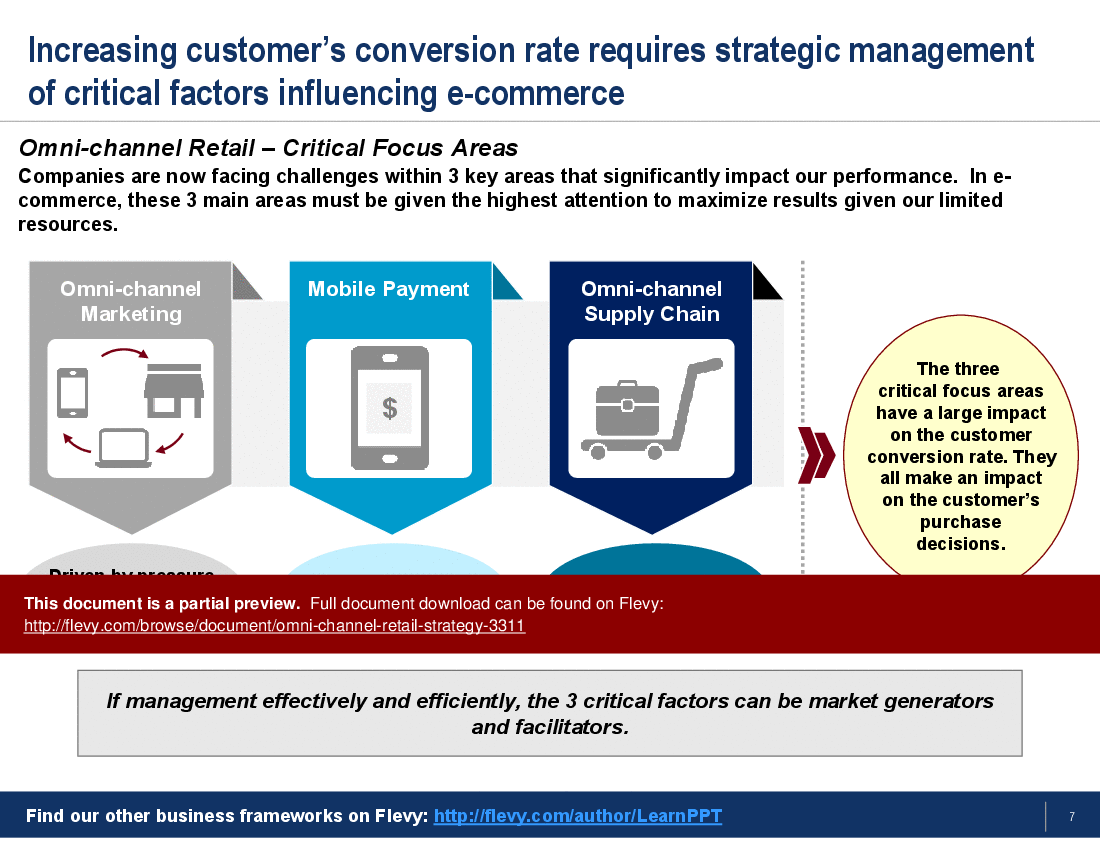
Omni-channel Retailing means being available at any time and anywhere, making it convenient for the customer. We must develop a Channel Sales Strategy that incorporates all relevant channels and integrates the Customer experience across these various sales and retail marketing channels. In this changing landscape, 3 critical focus areas are now challenging our company's performance:
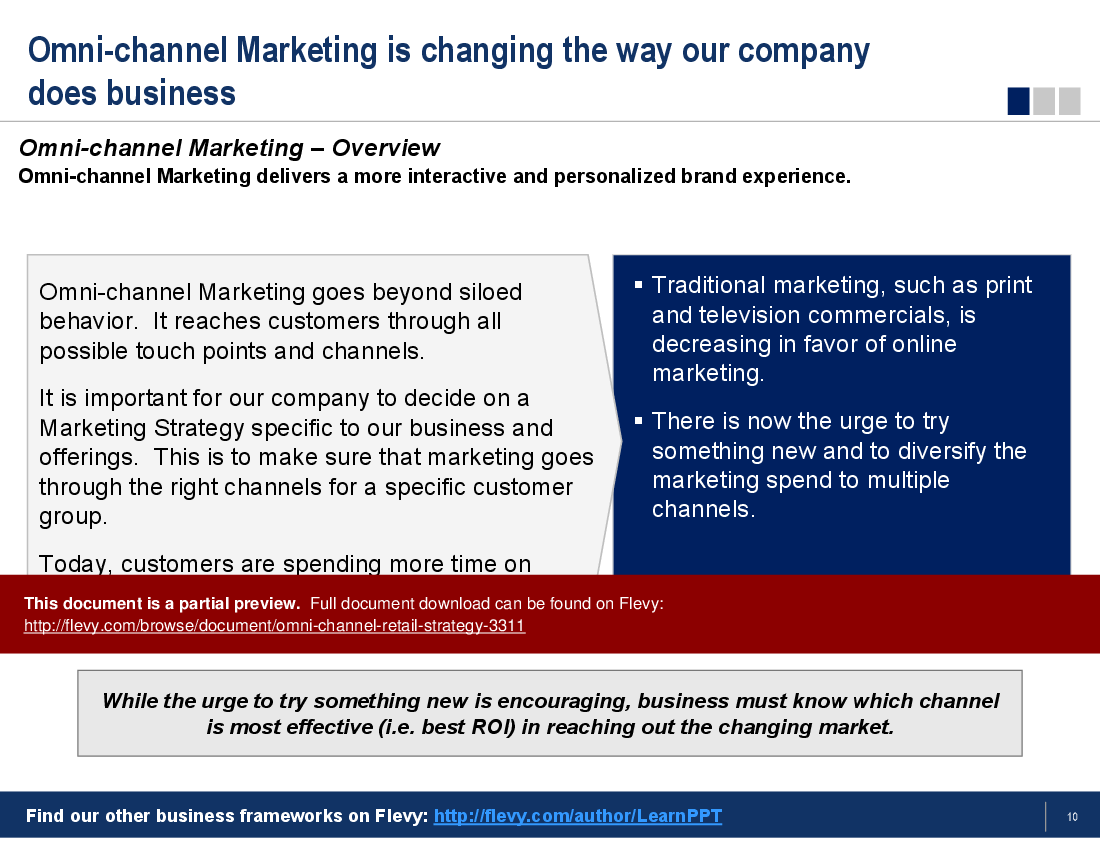
1. Omni-channel Marketing – Consumers demand a more personalized shopping experience, making retail marketing offers based on consumers’ shopping behavior important. It is a challenge to know which channels to use to get the highest conversion rate and sales performance.
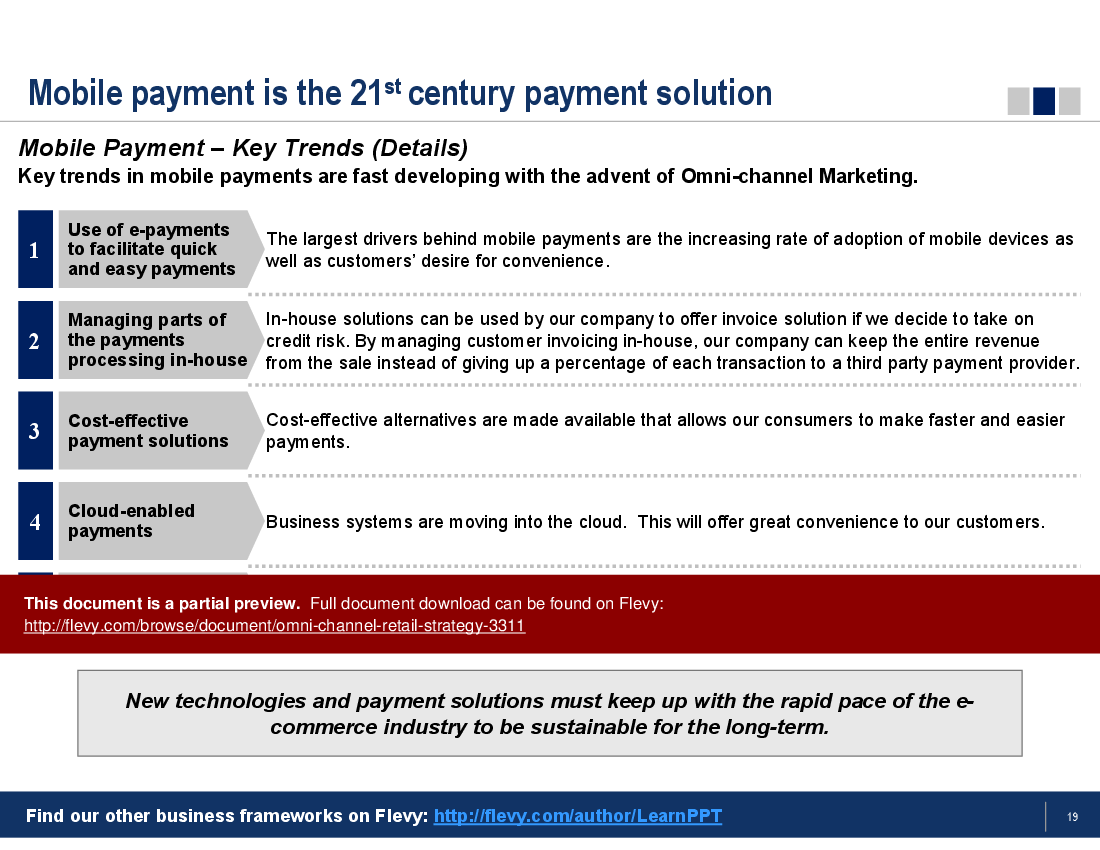
2. Mobile Payment – The availability of convenient, mobile payment solutions decides the consumer’s purchasing decision. Customers want quick, safe, and simple payments. Our company must develop our own in-house payment solutions to control costs and to increase influence on customer’s decisions.
3. Omni-channel Supply Chain – Customers demand better service levels, high availability of the product, and faster delivery. New Fulfillment and Supply Chain Strategies have emerged as our companies respond to the changing marketplace by developing alternative solutions.
This Omni-channel Retail Strategy PPT discusses these 3 focus areas in detail (with at least 5 slides per area), including key trends, next steps, and relevant benchmarks.
Succeeding online relies on the ability to design and implement a thorough strategy on how to market through the channels that customers desire—both now and in the future. Our company needs to invest significant time in planning before executing. It is critical to do it right.
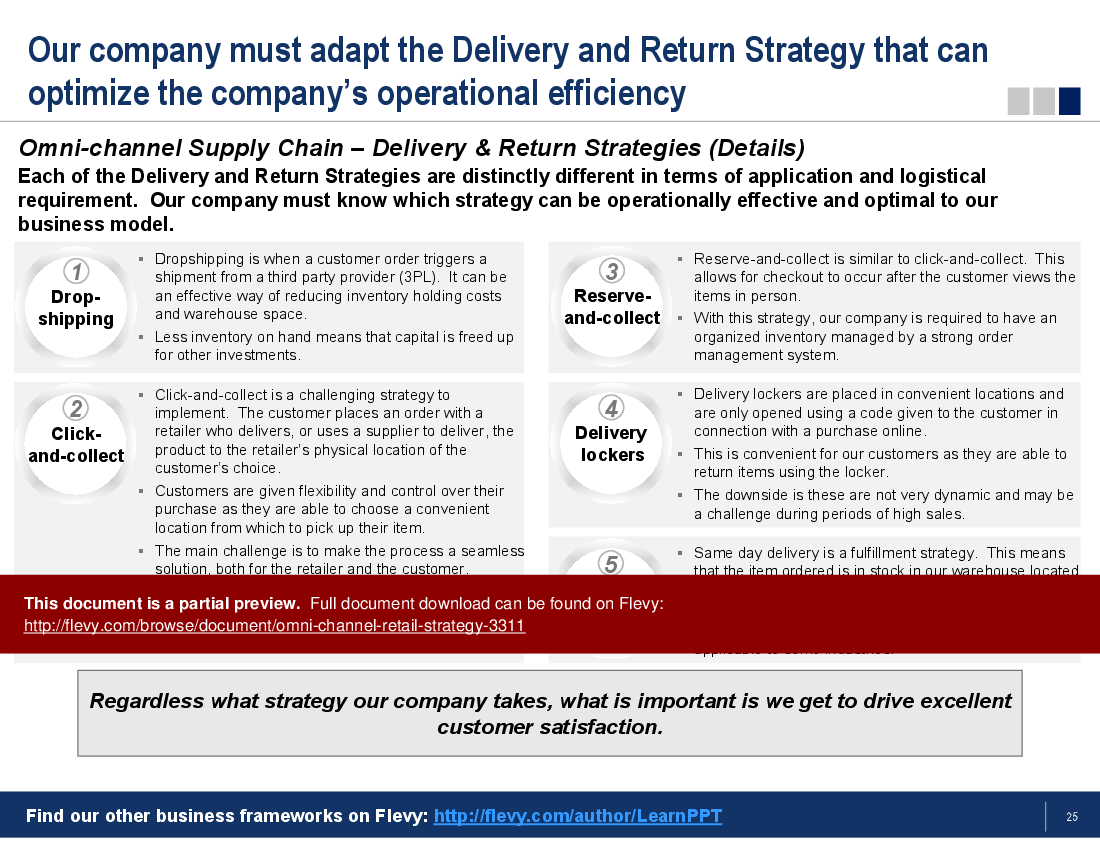
This Retail Strategy PPT also includes slide templates for you to use in your own business presentations. These PPT templates depict the concepts of the Evolution of Retail, Omni-channel Retail Focus Areas, Online Marketing Focus Areas, Mobile Payment Trends, 5 Delivery & Return Strategies, and Order Management System (OMS).
The PPT also provides a comprehensive overview of key trends in mobile payments and their impact on consumer behavior. It includes practical templates for implementing effective delivery and return strategies to enhance operational efficiency.

Got a question about the product? Email us at support@flevy.com or ask the author directly by using the "Ask the Author a Question" form. If you cannot view the preview above this document description, go here to view the large preview instead.
Executive Summary
The Omni-channel Retail Strategy presentation provides a robust framework for navigating the future of e-commerce, emphasizing the necessity of being accessible anytime and anywhere for customers. Crafted by former consultants from top-tier firms such as McKinsey, BCG, and Deloitte, this consulting-grade resource outlines critical strategies for enhancing customer experiences through integrated marketing, mobile payment solutions, and supply chain management. Buyers will gain actionable insights to effectively implement an omni-channel approach, ensuring alignment with evolving consumer expectations and optimizing operational efficiencies.
Who This Is For and When to Use
• E-commerce executives seeking to enhance customer engagement and conversion rates
• Marketing leaders focused on integrating multi-channel strategies
• Supply chain managers looking to streamline operations for omni-channel fulfillment
• Business consultants advising clients on e-commerce strategies
Best-fit moments to use this deck:
• During strategic planning sessions for e-commerce initiatives
• When assessing current marketing and supply chain capabilities
• For training teams on omni-channel best practices and implementation
Learning Objectives
• Define the principles of omni-channel retailing and its importance in modern e-commerce
• Build a comprehensive omni-channel marketing strategy tailored to customer behaviors
• Establish effective mobile payment solutions that enhance customer convenience
• Design an integrated supply chain that supports seamless customer experiences
• Identify key performance indicators (KPIs) for measuring omni-channel success
• Develop actionable plans for optimizing marketing spend across channels
Table of Contents
• Overview (page 3)
• Omni-channel Marketing (page 9)
• Mobile Payment (page 16)
• Omni-channel Supply Chain (page 22)
• Templates (page 32)
Primary Topics Covered
• Omni-channel Marketing - Strategies for delivering personalized marketing experiences across various channels to meet customer expectations.
• Mobile Payment - Insights into the importance of offering diverse, secure, and user-friendly payment options to facilitate customer transactions.
• Omni-channel Supply Chain - Framework for integrating supply chain operations to ensure timely and efficient delivery of products across multiple channels.
Deliverables, Templates, and Tools
• Omni-channel marketing strategy template for defining customer engagement approaches
• Mobile payment solution assessment framework to evaluate current capabilities
• Supply chain management checklist for optimizing fulfillment processes
• Performance benchmarking tool for measuring omni-channel effectiveness
• Customer feedback analysis template to align services with consumer expectations
Slide Highlights
• Overview of the evolution of retail and the shift towards omni-channel strategies
• Key trends in mobile payment solutions and their impact on consumer behavior
• Delivery and return strategies tailored to meet customer demands
• Insights into the critical focus areas of omni-channel marketing, mobile payment, and supply chain management
Potential Workshop Agenda
Omni-channel Strategy Development Session (90 minutes)
• Discuss the importance of omni-channel retailing and its impact on customer experience
• Identify current gaps in omni-channel marketing and supply chain strategies
• Develop a preliminary action plan for implementing omni-channel initiatives
Mobile Payment Solutions Workshop (60 minutes)
• Explore the latest trends in mobile payment technologies
• Evaluate existing payment options and identify areas for improvement
• Create a roadmap for enhancing payment processing capabilities
Customization Guidance
• Tailor marketing strategies to reflect specific customer demographics and behaviors
• Adjust payment solution offerings based on customer preferences and industry trends
• Modify supply chain logistics to align with operational capabilities and market demands
Secondary Topics Covered
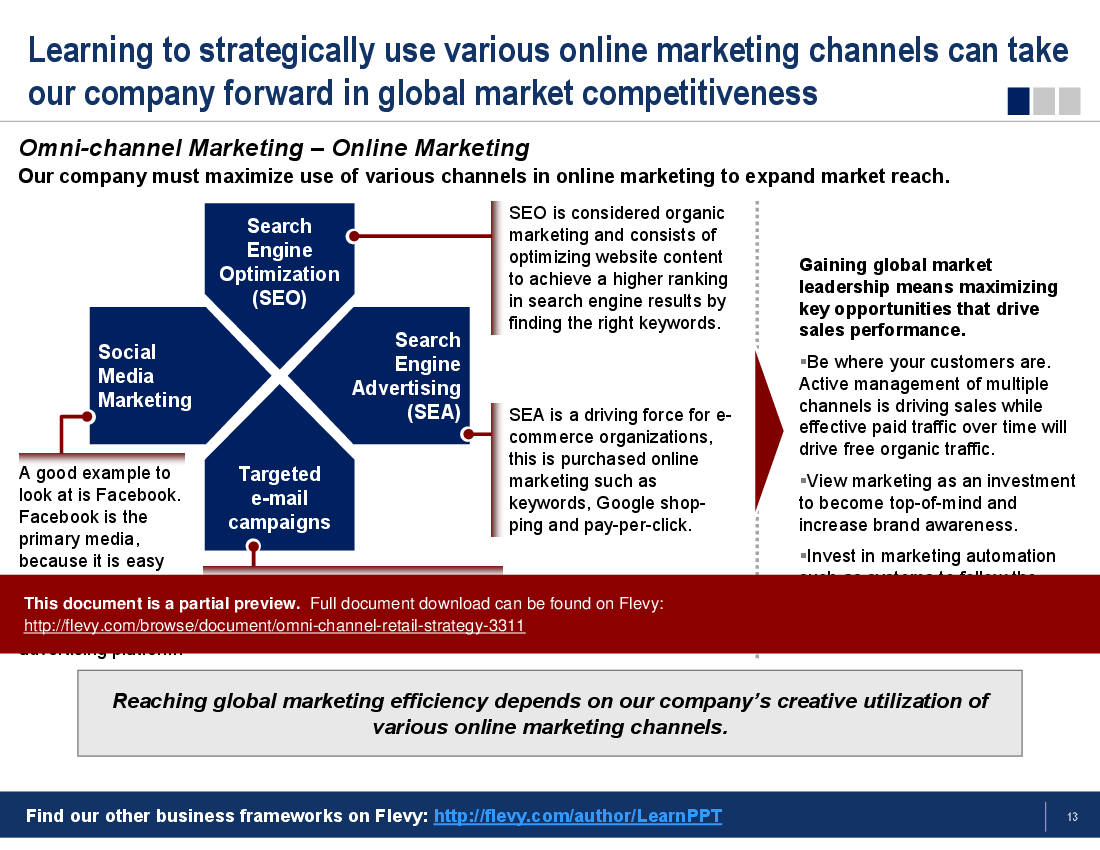
• The role of social media in omni-channel marketing
• Best practices for managing customer data across channels
• Strategies for enhancing customer service in an omni-channel environment
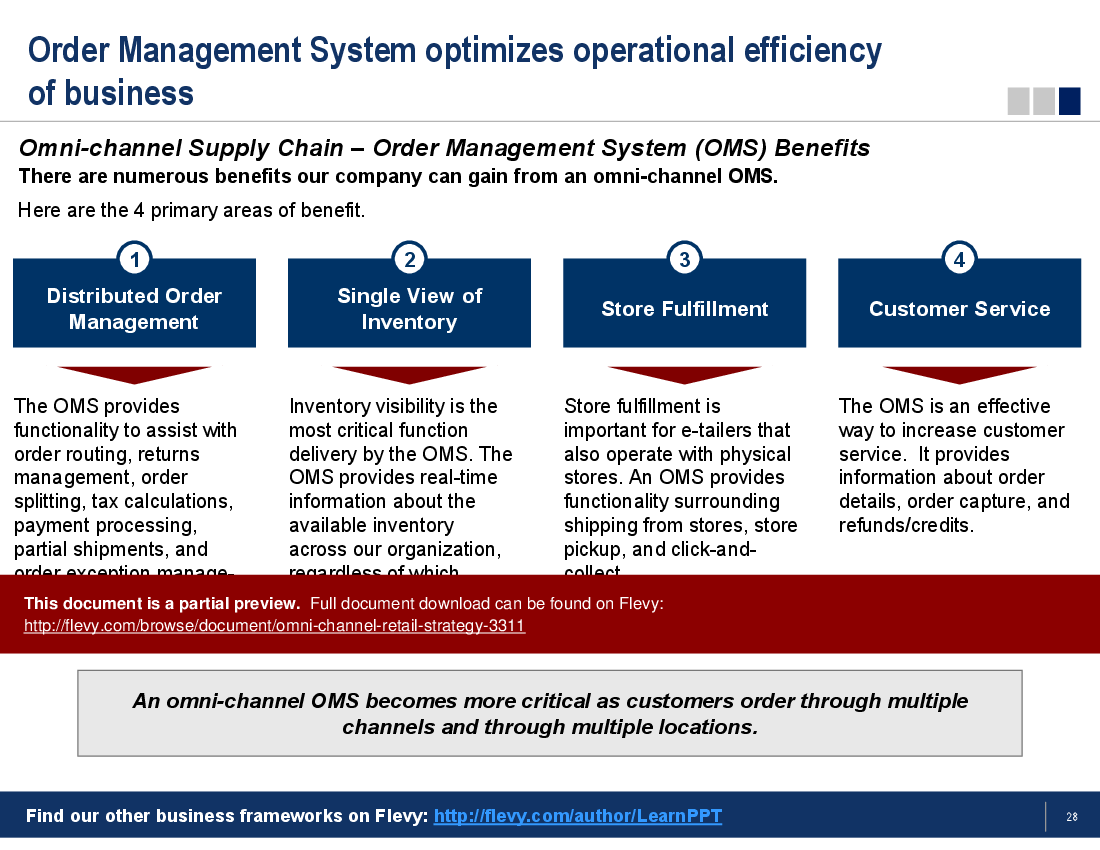
• The importance of real-time inventory visibility in supply chain management
FAQ
What is omni-channel retailing?
Omni-channel retailing refers to a seamless shopping experience that integrates various channels, allowing customers to interact with a brand anytime and anywhere.
Why is mobile payment important for e-commerce?
Mobile payment solutions enhance customer convenience, enabling quick and secure transactions, which can significantly influence purchasing decisions.
How can I measure the effectiveness of my omni-channel strategy?
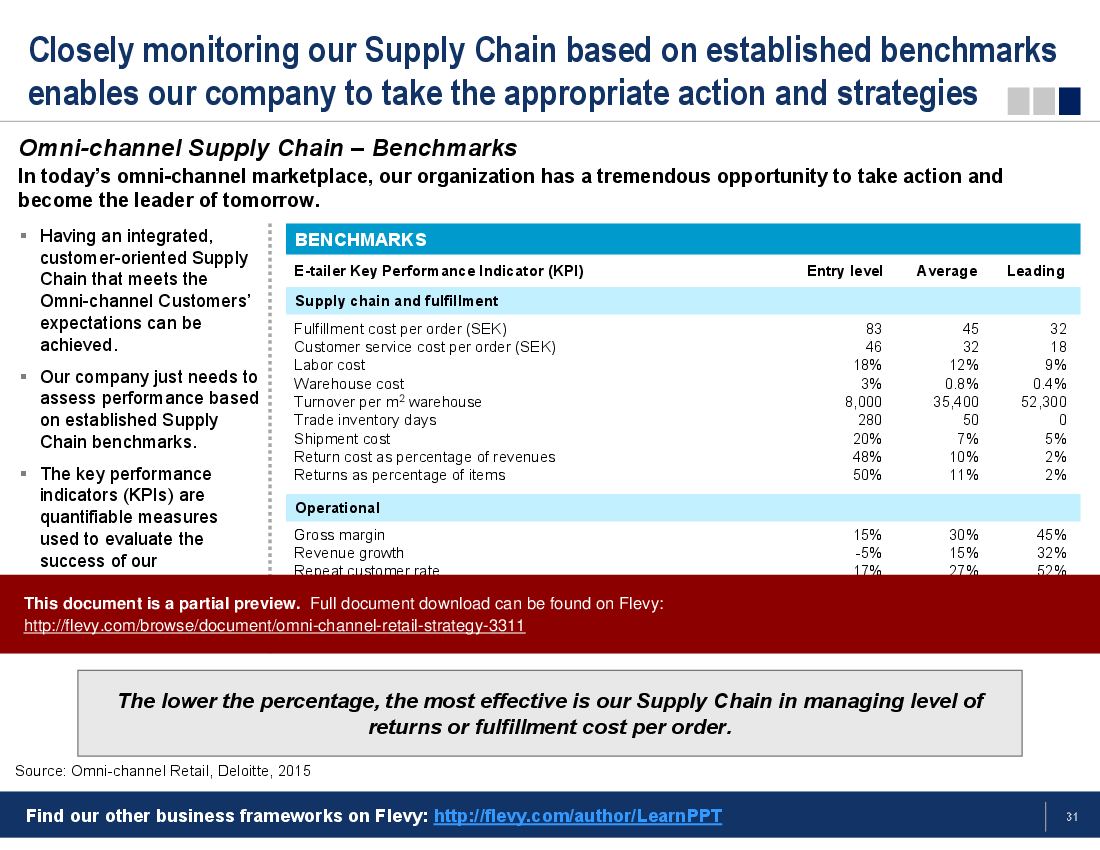
Utilize key performance indicators (KPIs) such as conversion rates, customer satisfaction scores, and fulfillment costs to evaluate the success of your omni-channel initiatives.
What are the critical focus areas for omni-channel retailing?
The 3 critical focus areas are omni-channel marketing, mobile payment solutions, and an integrated supply chain.
How can I optimize my supply chain for omni-channel fulfillment?
Implement a robust order management system (OMS) to ensure real-time visibility and coordination across all channels, enhancing operational efficiency.
What templates are included in this presentation?
The presentation includes templates for omni-channel marketing strategies, mobile payment assessments, and supply chain management checklists.
How can customer feedback improve my omni-channel strategy?
Customer feedback provides insights into preferences and expectations, allowing businesses to tailor their offerings and improve service delivery.
What challenges do companies face in implementing omni-channel strategies?
Common challenges include integrating disparate systems, managing inventory across channels, and ensuring consistent customer experiences.
Glossary
• Omni-channel Retailing - A retail strategy that provides customers with a seamless shopping experience across multiple channels.
• Mobile Payment - A payment method that allows consumers to make transactions using mobile devices.
• Supply Chain Management (SCM) - The management of the flow of goods and services from raw materials to the final customer.
• Order Management System (OMS) - A system that facilitates the processing and tracking of orders across various sales channels.

• Key Performance Indicators (KPIs) - Quantifiable measures used to evaluate the success of an organization in meeting objectives.
• Customer Experience - The overall perception and interaction a customer has with a brand throughout their buying journey.
• Delivery Strategies - Approaches used to fulfill customer orders, including options like drop-shipping and same-day delivery.
• Return Management - The process of handling product returns from customers, including policies and logistics.
• Search Engine Marketing (SEM) - A digital marketing strategy focused on increasing visibility in search engine results through paid advertising and optimization.
• Customer Feedback - Information provided by customers regarding their experiences and satisfaction with products or services.
• Fulfillment Cost - The total cost associated with processing and delivering an order to the customer.
• Inventory Visibility - The ability to track and manage inventory levels in real-time across all sales channels.
• Personalization - Tailoring marketing messages and product offerings to individual customer preferences and behaviors.
• E-commerce - The buying and selling of goods and services over the internet.
• Conversion Rate - The percentage of visitors to a website who complete a desired action, such as making a purchase.
• Customer Satisfaction - A measure of how products and services meet or exceed customer expectations.
• Logistics - The detailed coordination of complex operations involving people, facilities, and supplies.
• Market Trends - Patterns and tendencies observed in consumer behavior and preferences within a specific market.
• Brand Awareness - The extent to which consumers recognize and are familiar with a brand.
• Customer Retention - The ability of a company to retain its customers over a specified period.
Source: Best Practices in Retail Strategy, Omnichannel Marketing, Omni-channel Supply Chain, Channel Strategy PowerPoint Slides: Omni-channel Retail Strategy PowerPoint (PPT) Presentation Slide Deck, LearnPPT Consulting
|
Download our FREE Strategy & Transformation Framework Templates
Download our free compilation of 50+ Strategy & Transformation slides and templates. Frameworks include McKinsey 7-S, Balanced Scorecard, Disruptive Innovation, BCG Curve, and many more. |