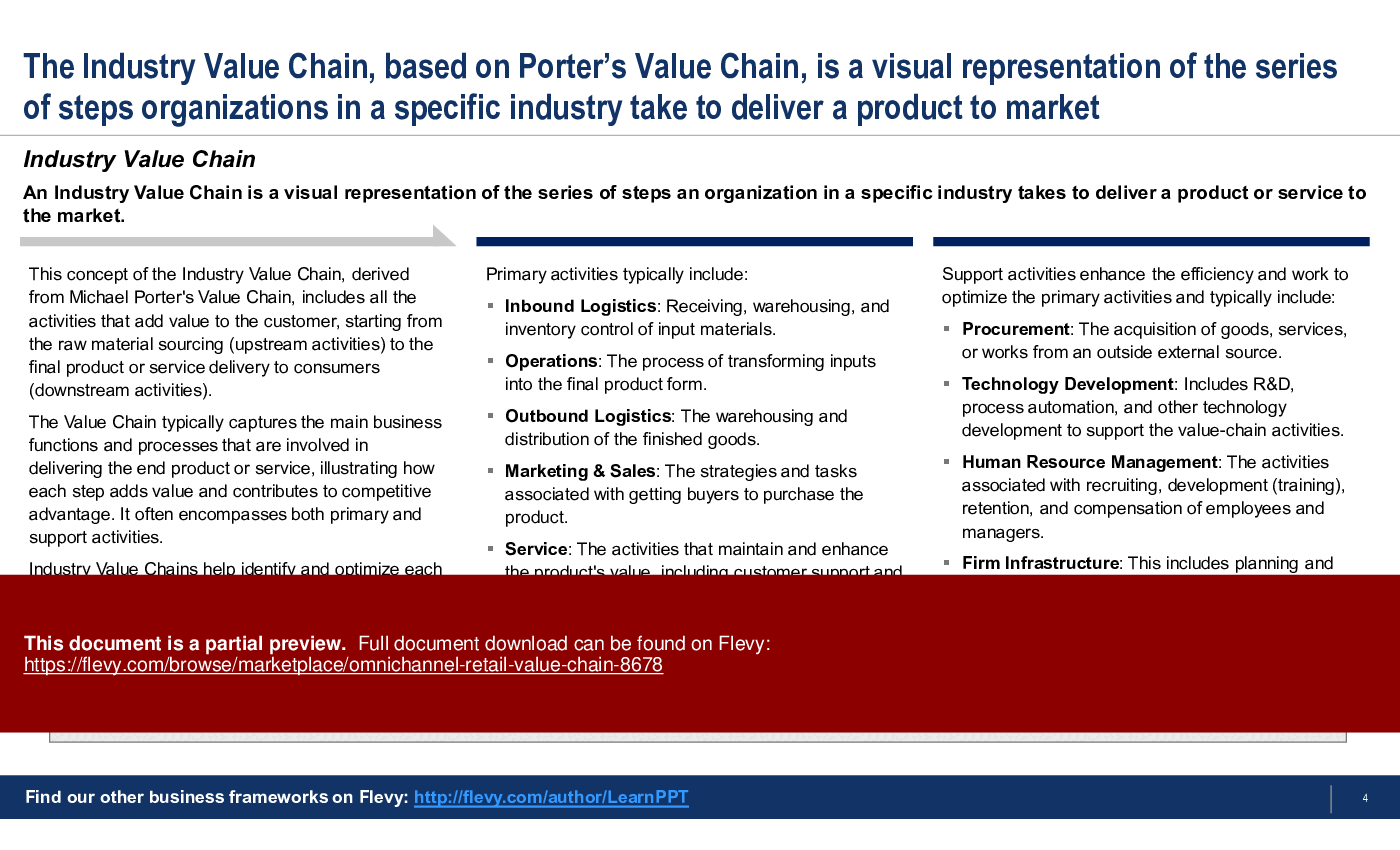

An Industry Value Chain is a visual representation of the series of steps an organization in a specific industry takes to deliver a product or service to the market. It captures the main business functions and processes that are involved in delivering the end product or service, illustrating how each step adds value and contributes to a Competitive Advantage. It often encompasses both primary and support activities.
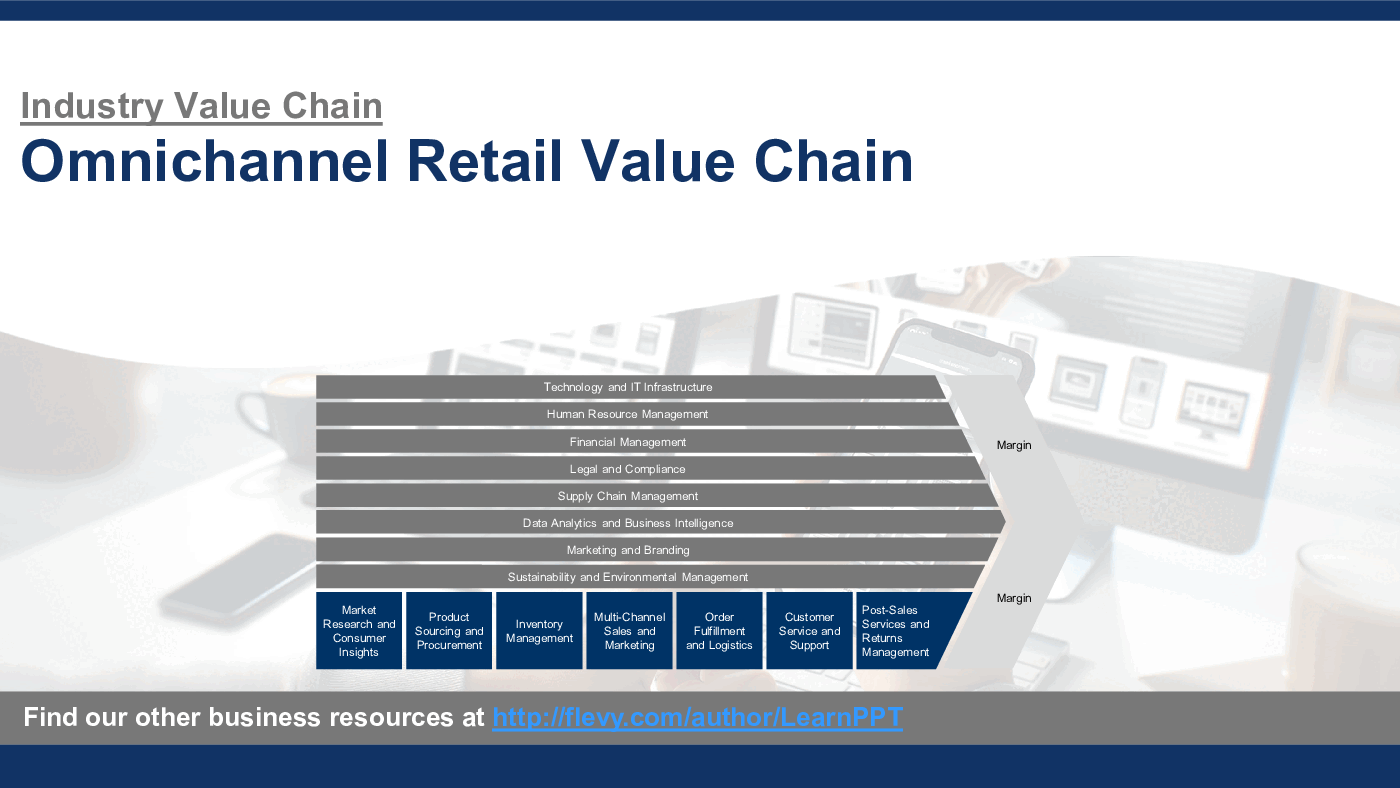
This PowerPoint presentation captures the Omnichannel Retail Industry Value Chain, which includes the following primary and support activities for Omnichannel Retail:
Primary Activities
1. Market Research and Consumer Insights
2. Product Sourcing and Procurement
3. Inventory Management
4. Multi-Channel Sales and Marketing
5. Order Fulfillment and Logistics
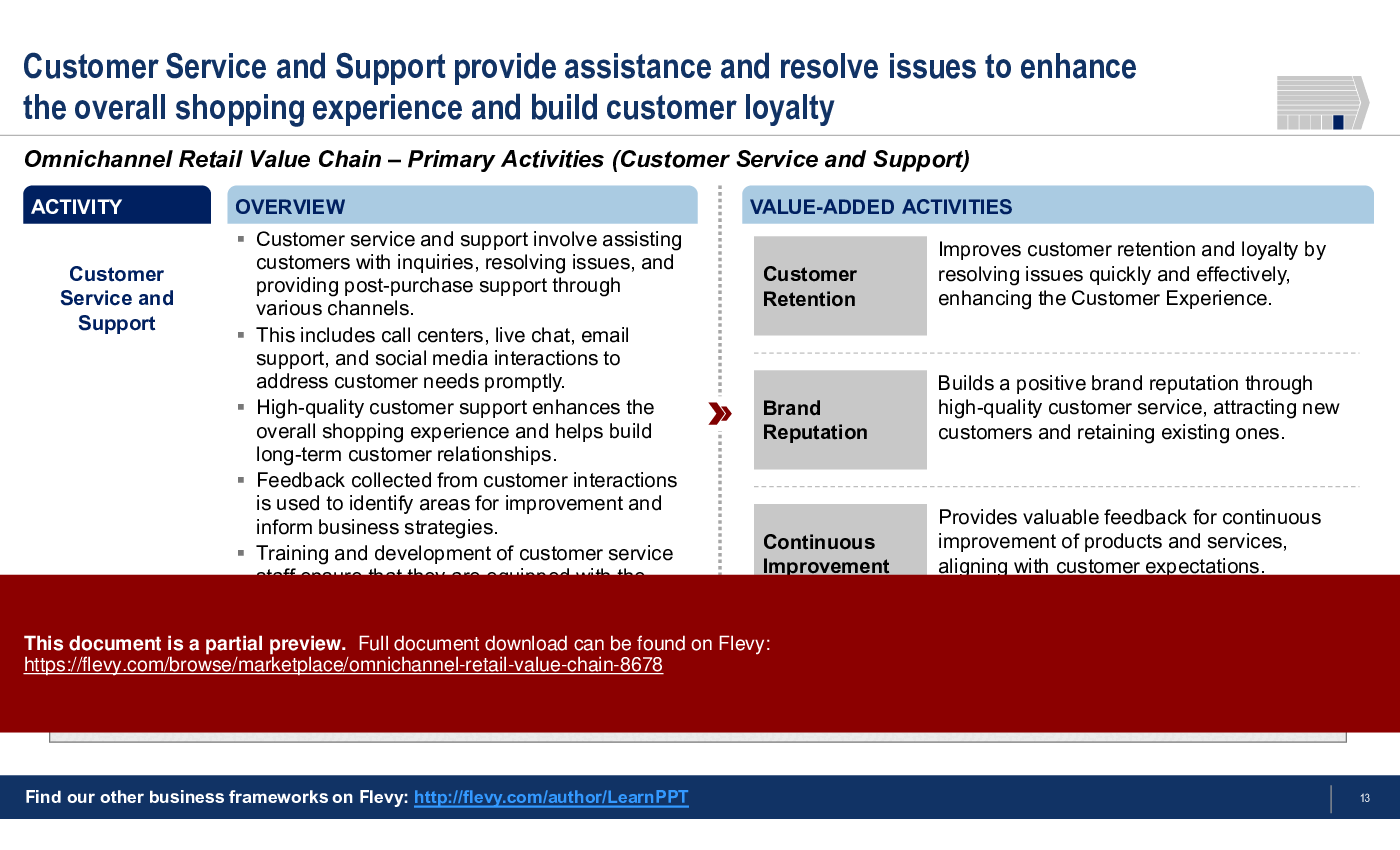
6. Customer Service and Support
7. Post-Sales Services and Returns Management
Support Activities
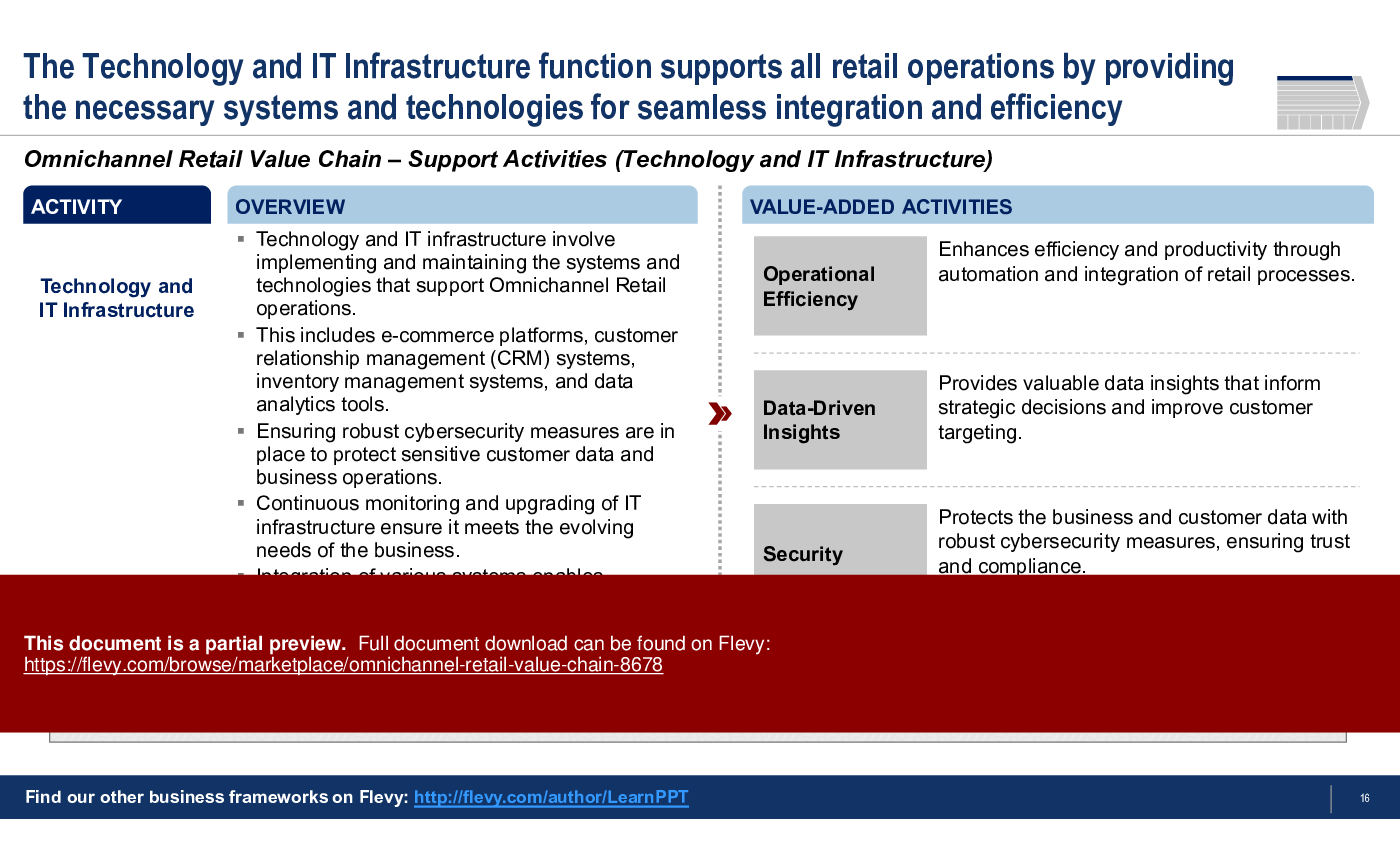
1. Technology and IT Infrastructure
2. Human Resource Management
3. Financial Management
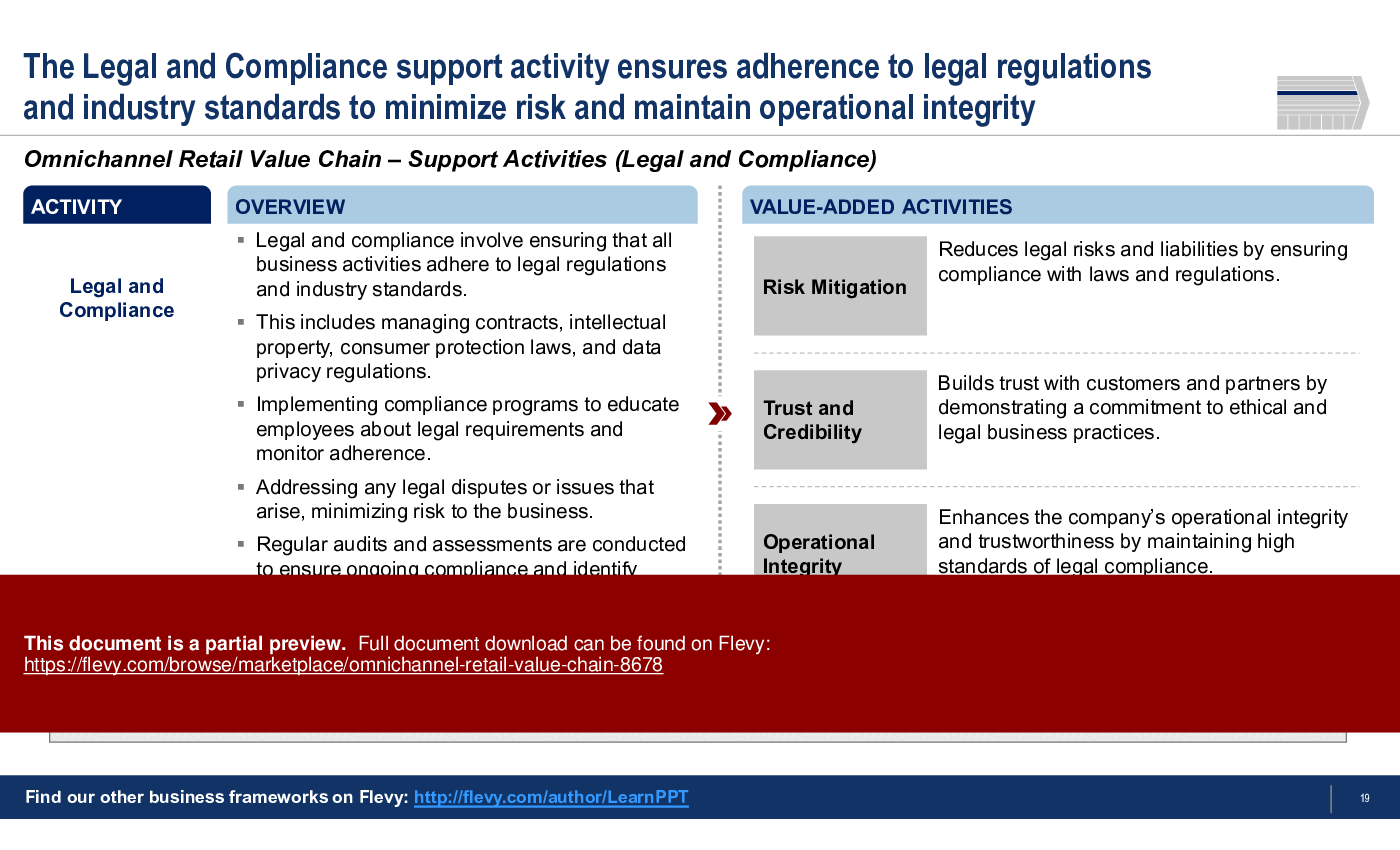
4. Legal and Compliance
5. Supply Chain Management
6. Data Analytics and Business Intelligence
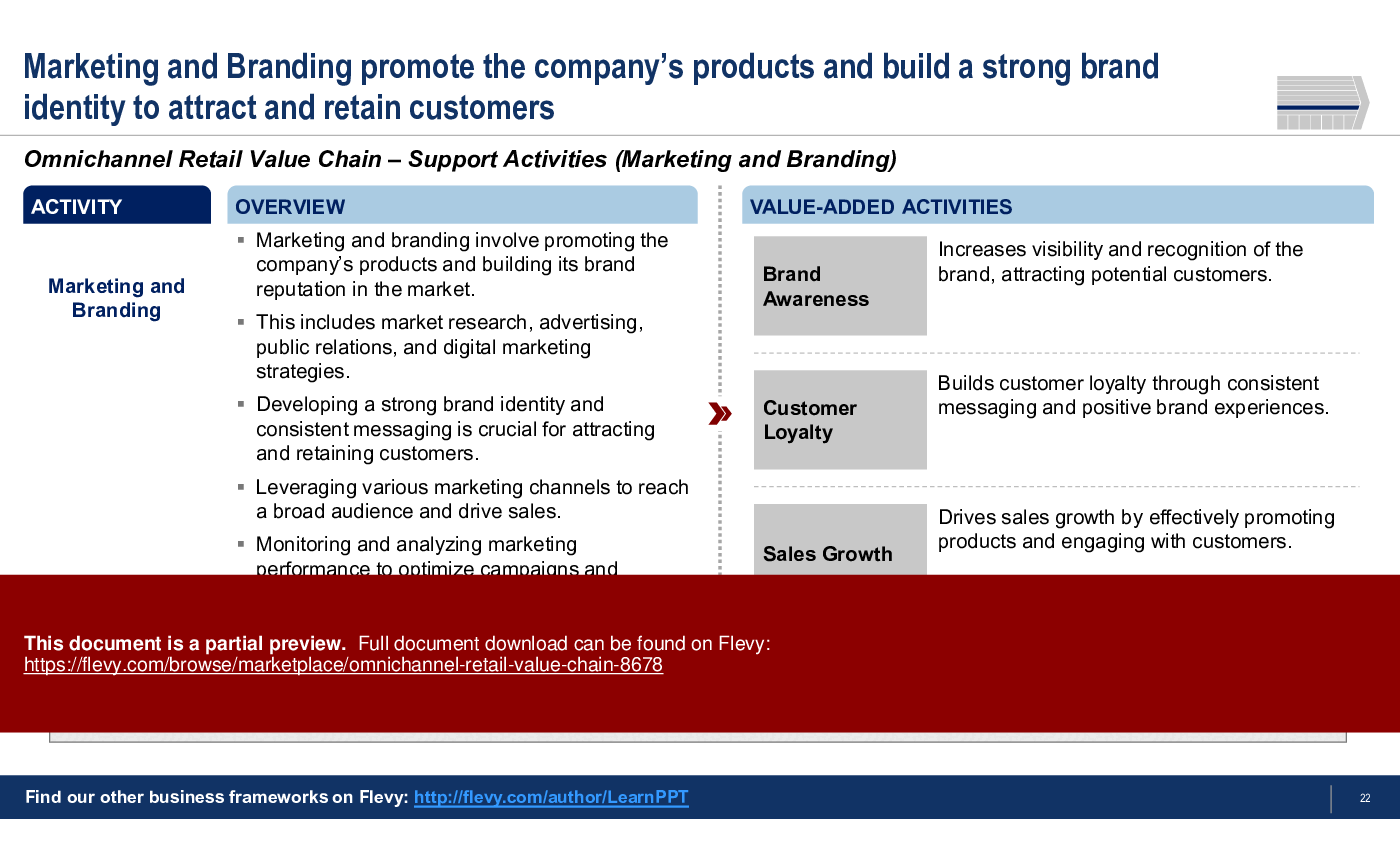
7. Marketing and Branding
8. Sustainability and Environmental Management
This PowerPoint presentation dives deeper into each of these activities, highlighting key elements.
The Omnichannel Retail Value Chain seamlessly integrates market research, product sourcing, inventory management, sales, and customer support to deliver a cohesive and engaging Customer Experience across all channels. Post-sales services and returns management enhance customer satisfaction and loyalty by providing hassle-free solutions and support.
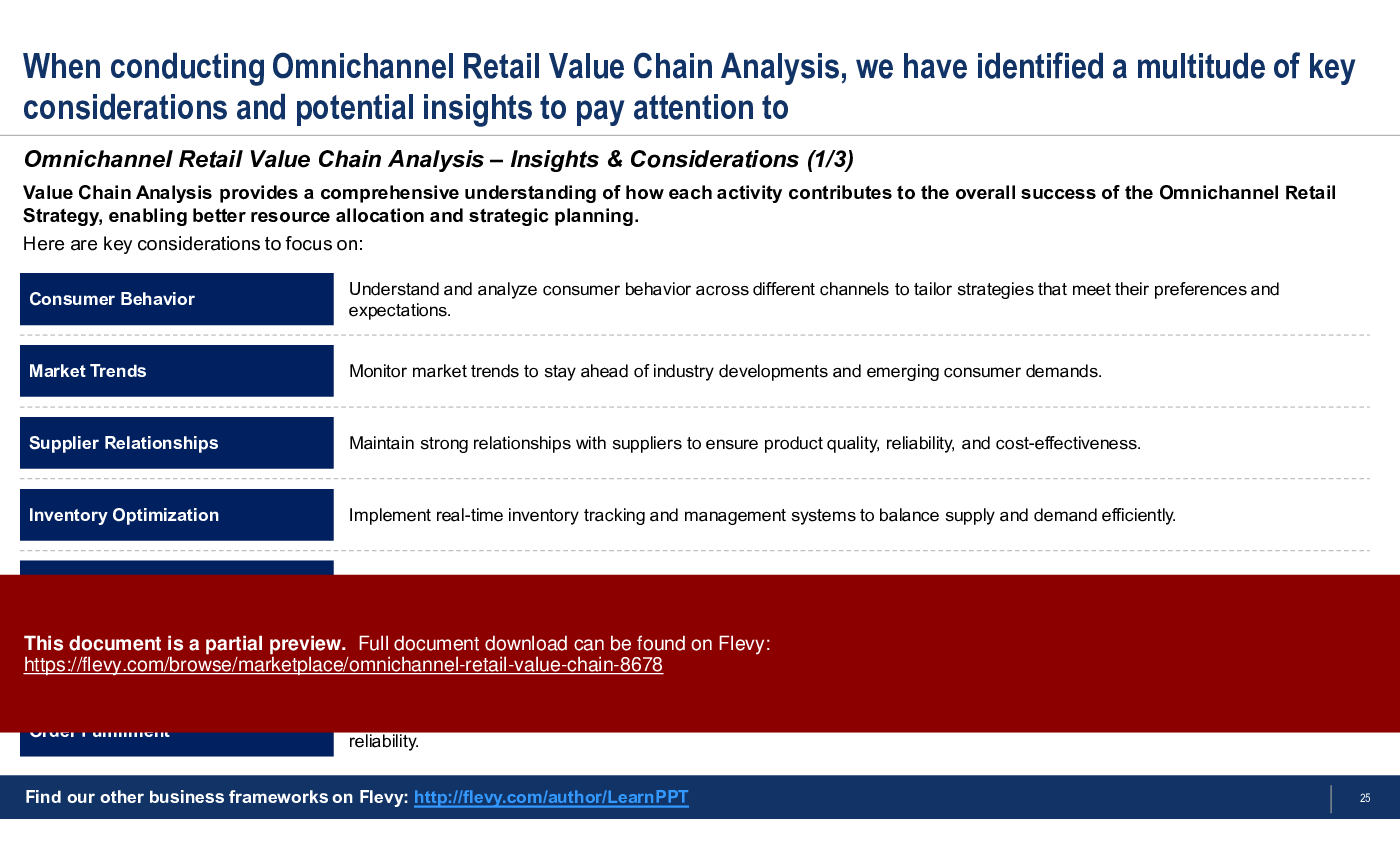
This PowerPoint presentation also discusses Omnichannel Retail Value Chain Analysis, highlighting a multitude of key considerations and potential insights to pay attention to. Value Chain Analysis enables Omnichannel Retailers to align their operations with consumer expectations and market trends, ensuring competitiveness and agility in a rapidly evolving market. We further discuss the significant impact of Digital Transformation and various specific emergent technologies on the Omnichannel Retail Industry.
Got a question about the product? Email us at support@flevy.com or ask the author directly by using the "Ask the Author a Question" form. If you cannot view the preview above this document description, go here to view the large preview instead.
Executive Summary
The Omnichannel Retail Value Chain framework offers a comprehensive analysis of the steps involved in delivering products and services in the retail sector. Developed by former consultants from top-tier firms such as McKinsey, Bain, and BCG, this consulting-grade presentation provides actionable insights into enhancing customer experience and operational efficiency. It covers both primary and support activities essential for a successful omnichannel strategy, enabling organizations to align their operations with consumer expectations and market trends.


Who This Is For and When to Use
• Retail executives and managers focused on omnichannel strategies
• Supply chain and logistics professionals aiming to optimize delivery processes
• Marketing teams seeking to enhance customer engagement across channels
• Data analysts and IT professionals involved in technology integration
• Customer service leaders looking to improve post-sales support
Best-fit moments to use this deck:
• During strategic planning sessions for omnichannel initiatives
• When assessing current operational efficiencies and identifying improvement areas
• For training sessions focused on customer experience enhancement
• In workshops aimed at aligning marketing strategies with consumer insights
Learning Objectives
• Define the components of the Omnichannel Retail Value Chain and their interdependencies
• Analyze consumer behavior to tailor marketing strategies effectively
• Implement efficient inventory management practices to meet consumer demand
• Enhance order fulfillment processes to improve customer satisfaction
• Develop robust customer service protocols to foster loyalty
• Integrate advanced technologies to optimize retail operations
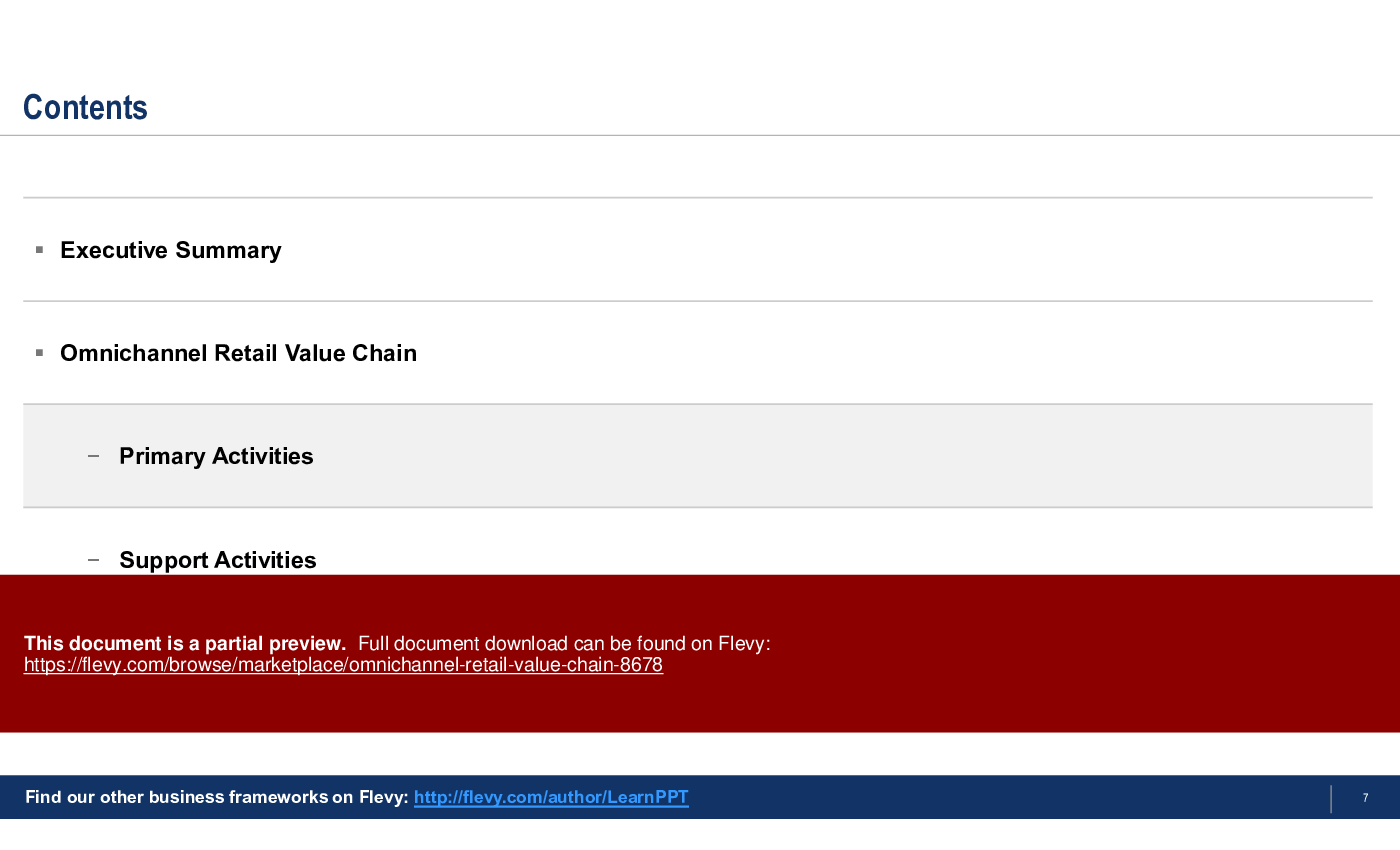
Table of Contents
• Executive Summary (page 1)
• Omnichannel Retail Value Chain (page 2)
• Primary Activities (page 3)
• Support Activities (page 4)
• Omnichannel Retail Value Chain Analysis (page 5)
Primary Topics Covered
• Market Research and Consumer Insights - Understanding consumer behavior and market trends to inform retail strategies.
• Product Sourcing and Procurement - Securing high-quality products from reliable suppliers to meet consumer demand.
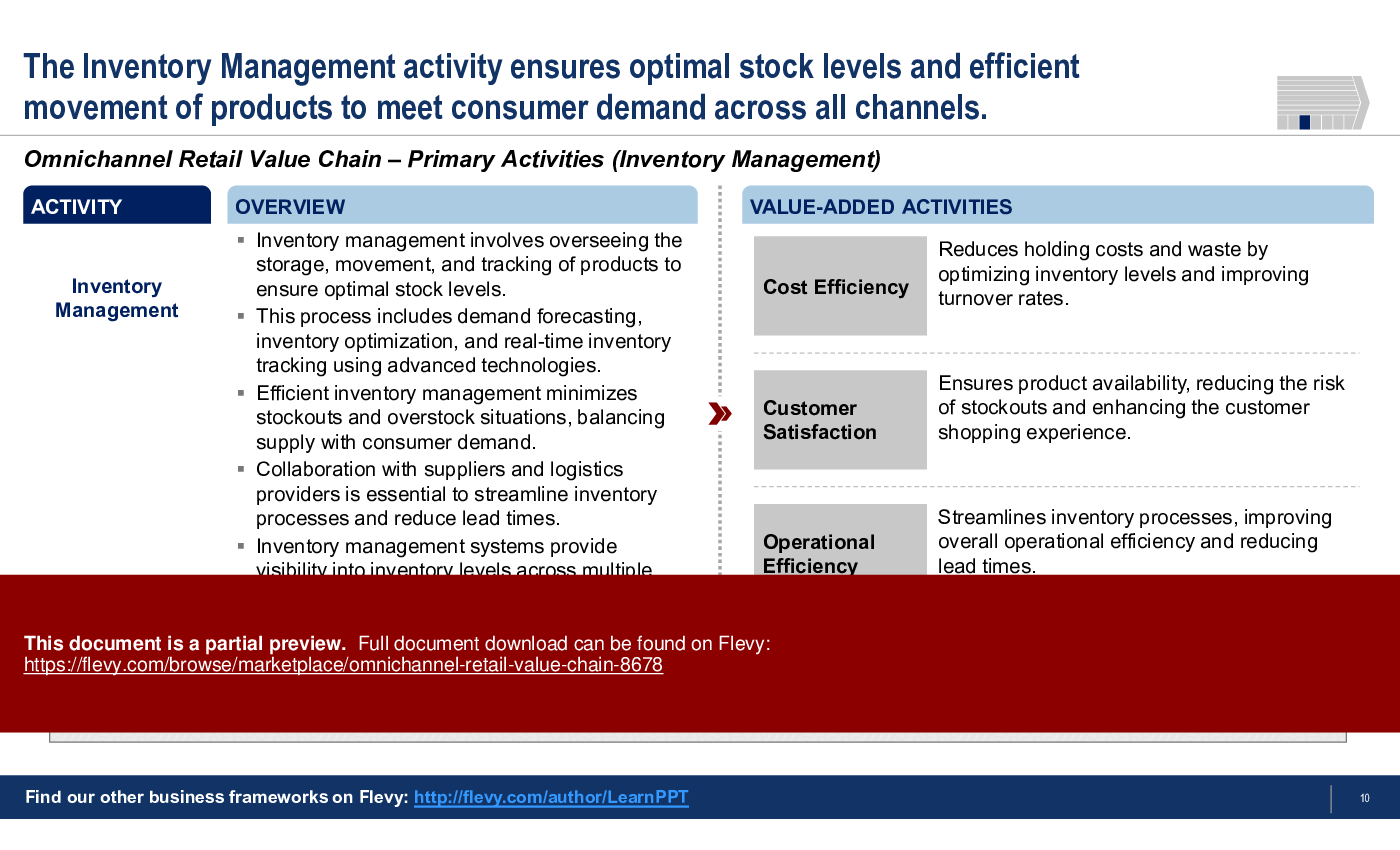
• Inventory Management - Ensuring optimal stock levels and efficient movement of products across channels.
• Multi-Channel Sales and Marketing - Promoting products across various platforms to reach a broad audience.
• Order Fulfillment and Logistics - Managing the processing and delivery of customer orders for timely fulfillment.
• Customer Service and Support - Providing assistance and resolving issues to enhance customer loyalty.
• Post-Sales Services and Returns Management - Handling returns and exchanges efficiently to build customer trust.
Deliverables, Templates, and Tools
• Market research templates for gathering consumer insights
• Procurement frameworks for supplier evaluation and negotiation
• Inventory management systems for real-time tracking
• Marketing strategy templates for multi-channel campaigns
• Order fulfillment process maps for logistics optimization
• Customer service training materials for staff development
Slide Highlights
• Overview of the Omnichannel Retail Value Chain, illustrating primary and support activities
• Detailed breakdown of Market Research and Consumer Insights, emphasizing data-driven decision-making
• Visual representation of Inventory Management practices for optimizing stock levels
• Framework for Multi-Channel Sales and Marketing strategies to enhance customer engagement
• Insights into Order Fulfillment and Logistics processes for improving delivery efficiency
Potential Workshop Agenda
Omnichannel Strategy Development (90 minutes)
• Discuss the components of the Omnichannel Retail Value Chain
• Identify key consumer insights to inform strategy
• Develop action plans for integrating marketing and sales channels
Operational Efficiency Optimization (60 minutes)
• Review current inventory management practices
• Analyze order fulfillment processes for improvement opportunities
• Establish metrics for measuring customer satisfaction
Customer Experience Enhancement (90 minutes)
• Explore best practices in customer service and support
• Develop post-sales service protocols to improve returns management
• Collect feedback mechanisms to continuously improve the customer experience
Customization Guidance
• Tailor the framework to reflect specific market conditions and consumer preferences
• Adjust inventory management practices based on product categories and sales channels
• Modify marketing strategies to align with brand messaging and target demographics
• Incorporate local regulations and compliance requirements into procurement processes
Secondary Topics Covered
• Digital transformation impacts on retail operations
• The role of technology in enhancing customer insights
• Sustainability practices in sourcing and logistics
• Risk management strategies across the value chain
• Financial performance metrics for omnichannel success
FAQ
What is the Omnichannel Retail Value Chain?
The Omnichannel Retail Value Chain is a framework that outlines the essential activities involved in delivering products and services across multiple channels, ensuring a cohesive customer experience.
How can this framework improve customer satisfaction?
By analyzing and optimizing each step in the value chain, organizations can better align their operations with consumer expectations, leading to enhanced customer satisfaction and loyalty.
What are the primary activities involved in the value chain?
The primary activities include Market Research and Consumer Insights, Product Sourcing and Procurement, Inventory Management, Multi-Channel Sales and Marketing, Order Fulfillment and Logistics, Customer Service and Support, and Post-Sales Services and Returns Management.
How does technology play a role in the Omnichannel Retail Value Chain?
Technology supports various functions, including data analytics for consumer insights, inventory management systems for real-time tracking, and CRM systems for enhancing customer interactions.
What are some key considerations for successful implementation?
Organizations should focus on understanding consumer behavior, optimizing inventory processes, ensuring seamless channel integration, and investing in employee training for effective omnichannel operations.
How can I tailor the framework to my organization?
Customize the framework by incorporating specific market insights, adjusting operational practices to fit your product offerings, and aligning marketing strategies with your brand's unique value proposition.
What metrics should be used to measure success?
Key performance indicators (KPIs) may include customer satisfaction scores, inventory turnover rates, order fulfillment accuracy, and overall sales growth across channels.
What are the benefits of post-sales services and returns management?
Effective post-sales services enhance customer trust and loyalty by providing hassle-free returns and support, which can lead to improved product quality and customer satisfaction.
Glossary
• Omnichannel Retail - A retail strategy that integrates multiple sales channels to provide a seamless customer experience.
• Value Chain - A series of steps an organization takes to deliver a product or service, illustrating how each step adds value.
• Market Research - The process of gathering and analyzing data on consumer preferences and market trends.
• Inventory Management - The supervision of ordering, storing, and using a company's inventory.
• Order Fulfillment - The complete process of receiving, processing, and delivering orders to customers.
• Customer Service - Assistance provided to customers before, during, and after purchasing products or services.
• Returns Management - The process of handling product returns and exchanges efficiently.
• Data Analytics - The science of analyzing raw data to make conclusions about that information.
• Supply Chain Management - The management of the flow of goods and services from suppliers to customers.
• Sustainability - Practices aimed at reducing environmental impact and promoting eco-friendly operations.
• Digital Transformation - The integration of digital technology into all areas of a business, fundamentally changing how it operates and delivers value to customers.
• Customer Experience - The overall perception of a customer’s interaction with a brand or company.
• Competitive Advantage - A condition or circumstance that puts a company in a favorable or superior business position.
• Consumer Insights - Understanding of consumer preferences and behaviors that inform business strategies.
• Logistics - The detailed coordination of complex operations involving people, facilities, and supplies.
• Procurement - The process of acquiring goods and services, typically for business purposes.
• Brand Loyalty - The tendency of consumers to continue buying the same brand of goods rather than competing brands.
• Performance Metrics - Standards of measurement that evaluate the success of an organization in achieving its objectives.
• Risk Management - The identification, assessment, and prioritization of risks followed by coordinated efforts to minimize, monitor, and control the probability of unfortunate events.
• Employee Engagement - The emotional commitment the employee has to the organization and its goals.
• Customer Feedback - Information coming directly from customers about their experiences with a product or service.
Source: Best Practices in Value Chain Analysis, Retail Strategy, Omnichannel Marketing, Channel Strategy PowerPoint Slides: Omnichannel Retail Value Chain PowerPoint (PPTX) Presentation Slide Deck, LearnPPT Consulting
|
Download our FREE Strategy & Transformation Framework Templates
Download our free compilation of 50+ Strategy & Transformation slides and templates. Frameworks include McKinsey 7-S, Balanced Scorecard, Disruptive Innovation, BCG Curve, and many more. |