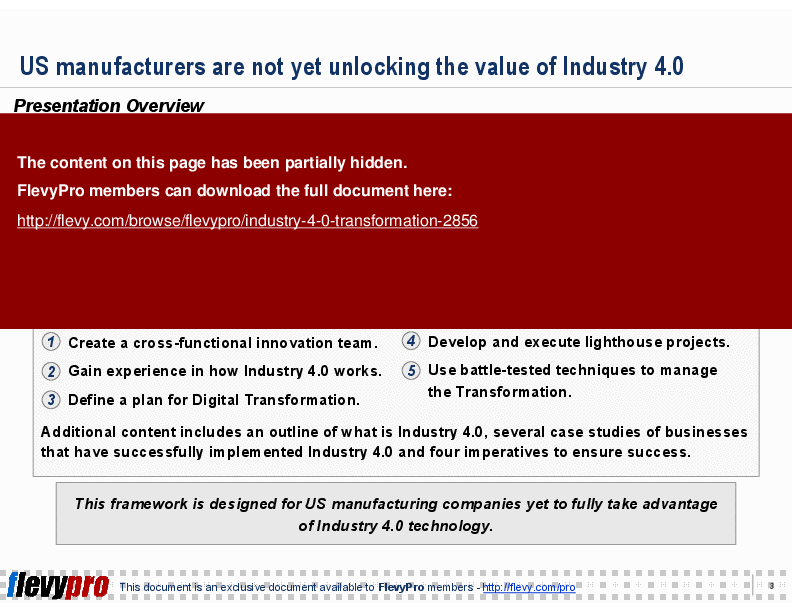
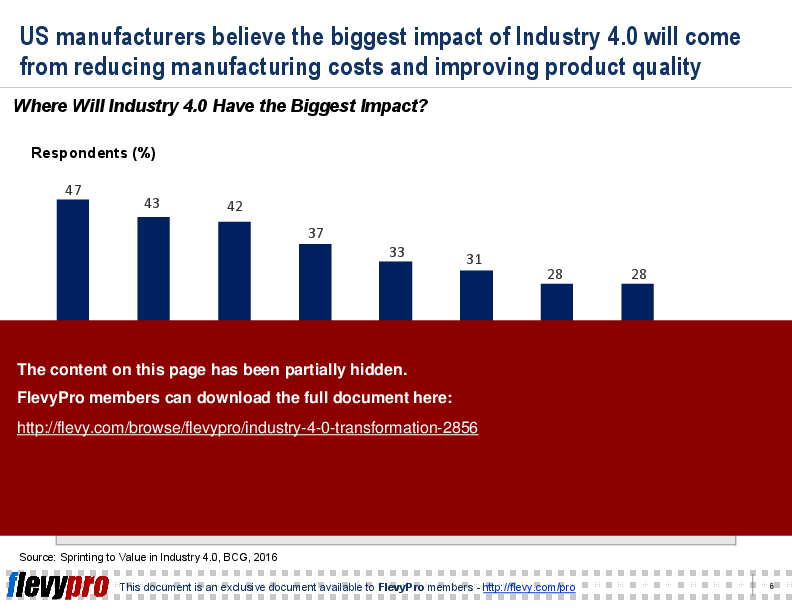

US manufacturers recognize the potential of new digital industrial technologies to create value, but they have yet to fully appreciate the scope and magnitude of the opportunity or find the path to success.
Companies must set ambitious goals and capture value rapidly over the course of a multiyear transformation. The winners will approach the race to Industry 4.0 as a series of sprints but manage their program as a marathon.
This presentation reviews the key benefits to Industry 4.0 technology and outlines 6 steps companies can take to unlock revenue growth and reduce costs.
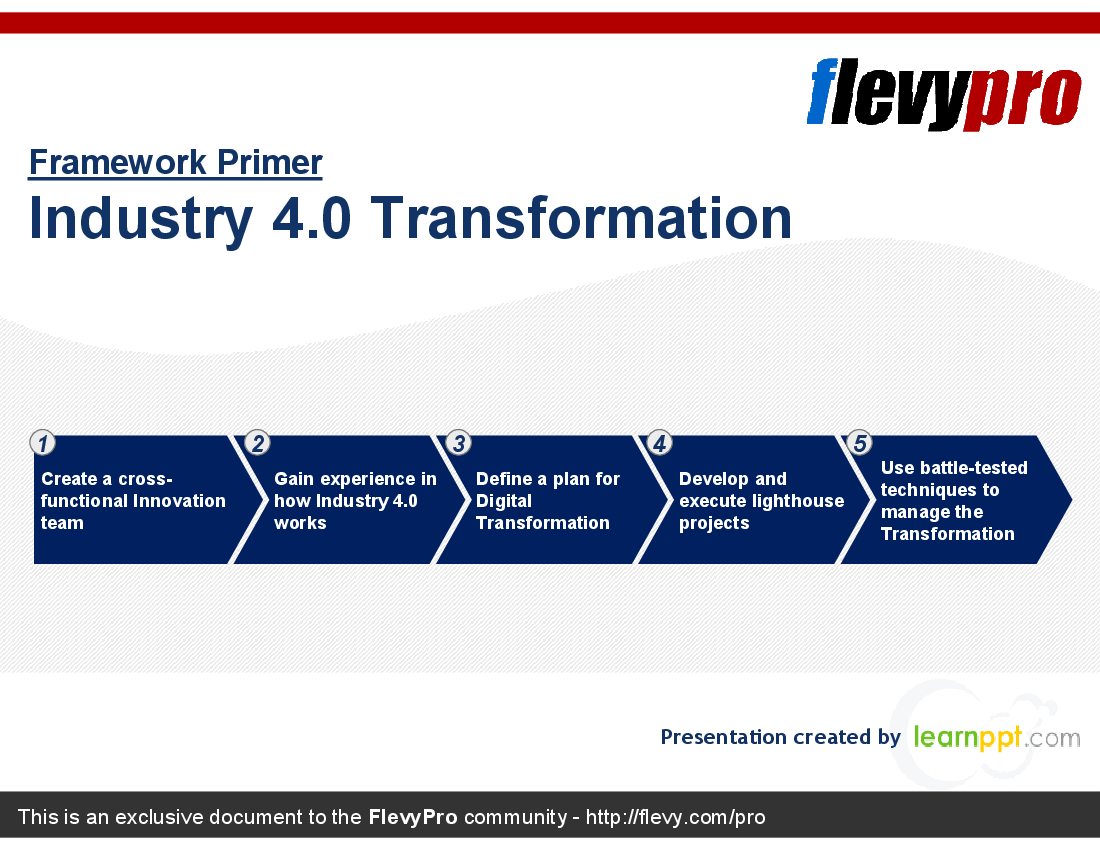
1. Create a cross-functional innovation team.
2. Gain experience in how Industry 4.0 works.
3. Define a plan for Digital Transformation.
4. Develop and execute lighthouse projects.
5. Use battle-tested techniques to manage the Transformation.
This framework is designed for US manufacturing companies yet to fully take advantage of Industry 4.0 technology. Additional content includes an outline of what is Industry 4.0, several case studies of businesses that have successfully implemented Industry 4.0 and four imperatives to ensure success.
This PPT delves into the nine technology drivers that underpin Industry 4.0, providing a comprehensive overview of each. From cybersecurity to cloud computing, it highlights the critical areas that companies must focus on to stay ahead in the digital transformation race. The content is tailored to help organizations understand and implement these technologies effectively, ensuring they are well-prepared for the future.
The presentation also includes detailed case studies showcasing real-world applications and benefits of Industry 4.0 technologies. These examples illustrate how leading companies have successfully reduced costs, improved product quality, and streamlined processes. This document is an essential resource for executives looking to drive significant value from their Industry 4.0 initiatives.
Got a question about this document? Email us at flevypro@flevy.com.
Executive Summary
The Industry 4.0 Transformation presentation provides a comprehensive framework for organizations aiming to leverage digital technologies to enhance manufacturing processes. It outlines key strategies for creating cross-functional innovation teams, gaining hands-on experience with Industry 4.0 technologies, and defining actionable digital transformation plans. The presentation emphasizes the importance of lighthouse projects to demonstrate value and the necessity of using proven techniques to manage long-term transformations effectively. This resource is tailored for US manufacturing companies looking to unlock the full potential of Industry 4.0.
Who This Is For and When to Use
• Manufacturing executives seeking to implement Industry 4.0 strategies
• Innovation leaders responsible for driving digital transformation initiatives
• Operations managers aiming to enhance efficiency and reduce costs
• Consultants advising clients on digital transformation best practices
Best-fit moments to use this deck:
• During strategic planning sessions focused on digital transformation
• When forming cross-functional teams to spearhead innovation
• For workshops aimed at introducing Industry 4.0 technologies to stakeholders
Learning Objectives
• Define the core components of Industry 4.0 and its relevance to manufacturing
• Create a strategic plan for implementing digital transformation initiatives
• Develop and execute lighthouse projects to validate new technologies
• Establish a cross-functional innovation team to drive change
• Utilize battle-tested techniques for managing large-scale transformations
• Gain hands-on experience with Industry 4.0 technologies through practical engagements
Table of Contents
• Overview (page 3)
• Nine Technology Drivers of Industry 4.0 (page 9)
• Case Studies (page 12)
• Industry 4.0 Adoption Process (page 15)
• Reasons for Failure (page 22)
Primary Topics Covered
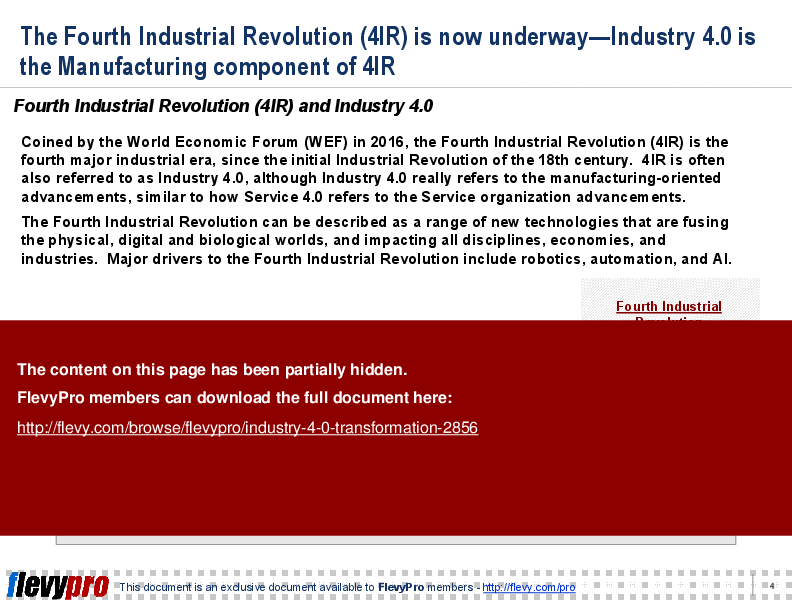
• Overview of Industry 4.0 - An introduction to the Fourth Industrial Revolution and its significance in the manufacturing sector.
• Technology Drivers - Key technologies such as Big Data, IoT, and Cybersecurity that underpin Industry 4.0 initiatives.
• Case Studies - Real-world examples demonstrating successful implementations of Industry 4.0 technologies.
• Adoption Process - A structured approach for organizations to adopt Industry 4.0, including the creation of cross-functional teams.
• Challenges and Solutions - Common pitfalls organizations face when adopting Industry 4.0 and strategies to overcome them.
Deliverables, Templates, and Tools
• Cross-functional innovation team framework template
• Digital transformation strategic plan template
• Lighthouse project execution guide
• Industry 4.0 technology assessment checklist
• Change management toolkit for digital initiatives
Slide Highlights
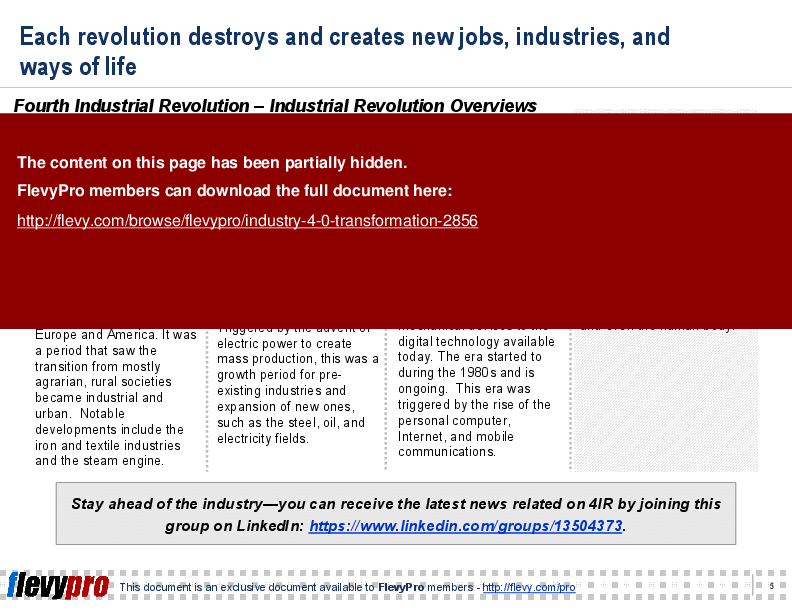
• Overview of the Fourth Industrial Revolution and its impact on manufacturing
• Detailed breakdown of the nine technology drivers of Industry 4.0
• Case studies showcasing tangible benefits from implementing Industry 4.0 technologies
• Step-by-step guide for developing lighthouse projects
• Framework for managing long-term digital transformation initiatives
Potential Workshop Agenda
Introduction to Industry 4.0 (60 minutes)
• Overview of Industry 4.0 concepts and technologies
• Discussion on the importance of digital transformation
Creating Cross-Functional Teams (90 minutes)
• Identifying team members and their roles
• Strategies for fostering collaboration and innovation
Lighthouse Project Development (120 minutes)
• Brainstorming potential lighthouse projects
• Defining objectives and success metrics for each project
Customization Guidance
• Tailor the strategic plan to reflect specific organizational goals and industry context
• Adjust the lighthouse project examples to align with current operational challenges
• Incorporate company-specific terminology and metrics into the presentation
Secondary Topics Covered
• The role of leadership in driving digital transformation
• Best practices for fostering a culture of innovation
• Strategies for overcoming resistance to change
• Importance of continuous learning and skill development in Industry 4.0
Topic FAQ
Document FAQ
These are questions addressed within this presentation.
What is Industry 4.0?
Industry 4.0 refers to the Fourth Industrial Revolution characterized by the integration of digital technologies into manufacturing processes, enhancing efficiency and innovation.
How can my organization start implementing Industry 4.0?
Begin by forming a cross-functional innovation team and defining a strategic plan that includes lighthouse projects to test and validate new technologies.
What are lighthouse projects?
Lighthouse projects are model initiatives designed to showcase the potential of Industry 4.0 technologies and inspire broader adoption across the organization.
What challenges might we face during implementation?
Common challenges include a lack of clear strategic vision, insufficient talent, and resistance to change. Addressing these proactively is crucial for success.
How can we measure the success of our Industry 4.0 initiatives?
Establish clear objectives and key performance indicators (KPIs) for each project, and regularly assess progress against these metrics.
What role does leadership play in this transformation?
Leadership is essential for setting the vision, fostering a culture of innovation, and ensuring alignment across the organization.
How do we ensure our workforce is prepared for Industry 4.0?
Invest in training and development programs to equip employees with the necessary digital skills and knowledge.
What technologies should we prioritize for adoption?
Focus on technologies that align with your strategic goals, such as Big Data, IoT, and automation, based on your specific operational needs.
Glossary
• Industry 4.0 - The integration of digital technologies into manufacturing processes.
• Lighthouse Project - A model initiative demonstrating the potential of Industry 4.0 technologies.
• Cross-Functional Team - A group composed of members from various departments working together on innovation initiatives.
• Digital Transformation - The process of integrating digital technologies into all areas of a business.
• Big Data - Large and complex data sets analyzed for insights and decision-making.
• IoT (Internet of Things) - The network of interconnected devices that communicate and exchange data.
• Cybersecurity - Measures taken to protect digital systems from cyber threats.
• Automation - The use of technology to perform tasks without human intervention.
• Change Management - The approach to transitioning individuals, teams, and organizations to a desired future state.
• Agile Methodology - A project management approach that emphasizes flexibility and iterative progress.
• Data Analytics - The science of analyzing raw data to make conclusions about that information.
• Digital Factory - A model facility that showcases the application of Industry 4.0 technologies.
• Smart Manufacturing - The use of advanced technologies to improve manufacturing processes and operations.
• Collaborative Robots (Cobots) - Robots designed to work alongside humans in a shared workspace.
• Augmented Reality (AR) - Technology that overlays digital information onto the real world to enhance user experience.
• Cloud Computing - The delivery of computing services over the internet.
• Additive Manufacturing - The process of creating objects by adding material layer by layer, commonly known as 3D printing.
• Simulation - The use of models to replicate the behavior of systems or processes.
• Horizontal Integration - The integration of processes across different departments or companies.
• Vertical Integration - The consolidation of multiple stages of production within a single company.
• Innovation Center - A dedicated space for developing and testing new technologies and processes.
Source: Best Practices in Fourth Industrial Revolution, Manufacturing, Industry 4.0 PowerPoint Slides: Industry 4.0 Transformation PowerPoint (PPT) Presentation Slide Deck, LearnPPT Consulting
Did you need more documents?
Consider a FlevyPro subscription from $39/month. View plans here.
For $10.00 more, you can download this document plus 2 more FlevyPro documents. That's just $13 each.
|
Download our FREE Digital Transformation Templates
Download our free compilation of 50+ Digital Transformation slides and templates. DX concepts covered include Digital Leadership, Digital Maturity, Digital Value Chain, Customer Experience, Customer Journey, RPA, etc. |