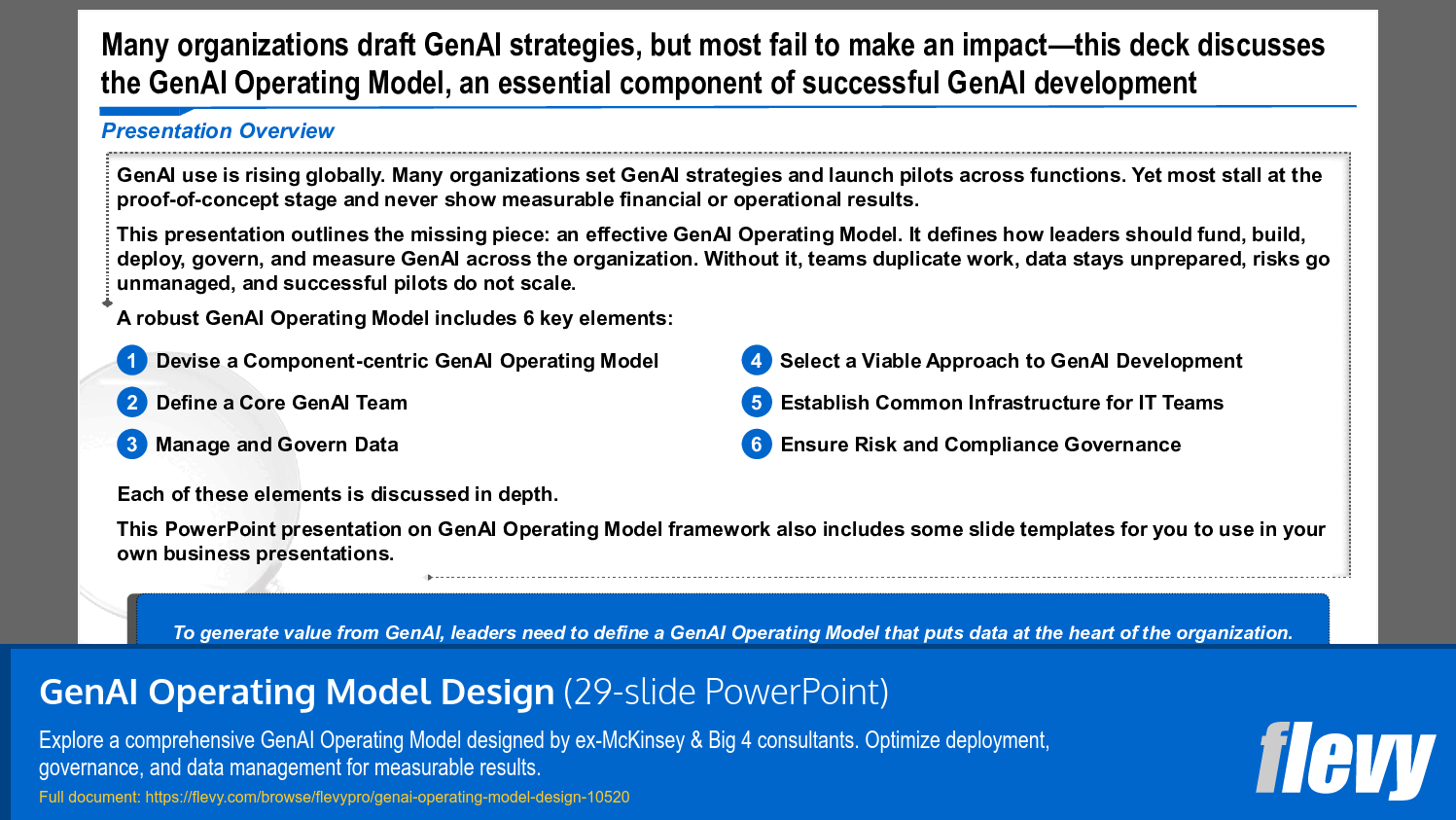

GenAI use is rising globally. Many organizations set GenAI strategies and launch pilots across functions. Yet most stall at the proof-of-concept stage and never show measurable financial or operational results.
This PPT presentation outlines the missing piece: an effective GenAI Operating Model. It defines how leaders should fund, build, deploy, govern, and measure GenAI across the organization. Without it, teams duplicate work, data stays unprepared, risks go unmanaged, and successful pilots do not scale.
To generate value from GenAI, leaders need to define a GenAI Operating Model that puts data at the heart of the organization.
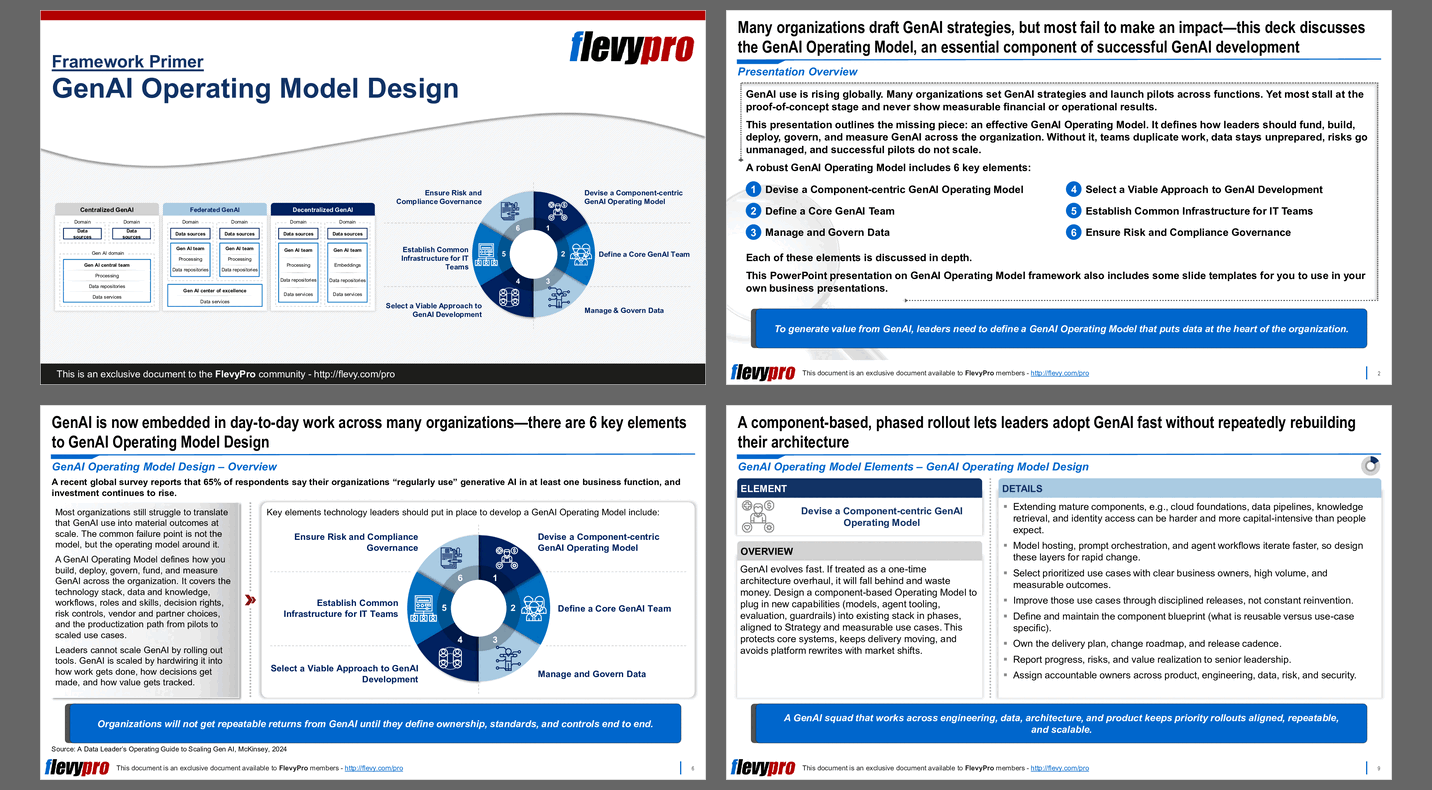
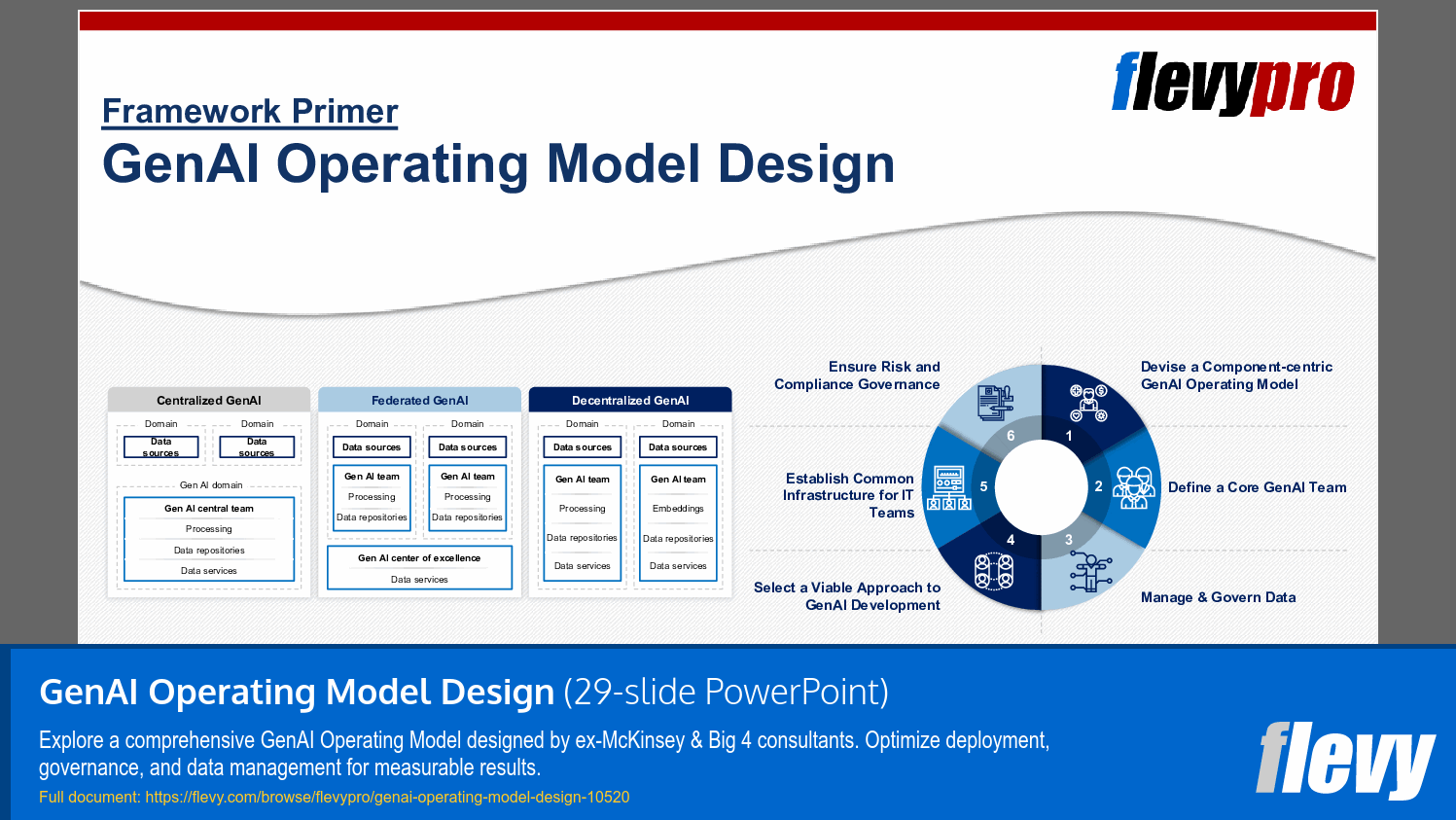
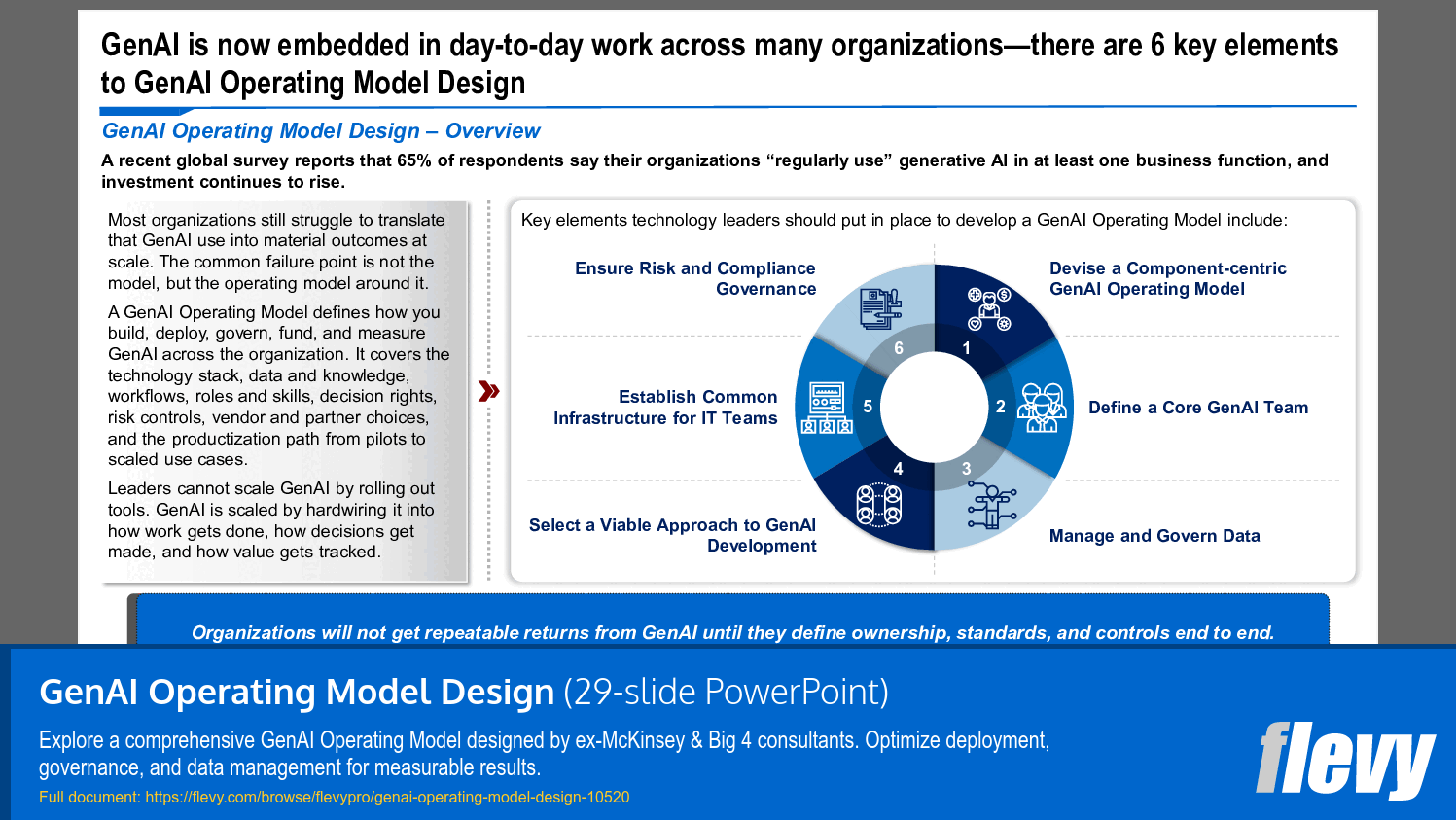
A robust GenAI Operating Model includes 6 key elements:
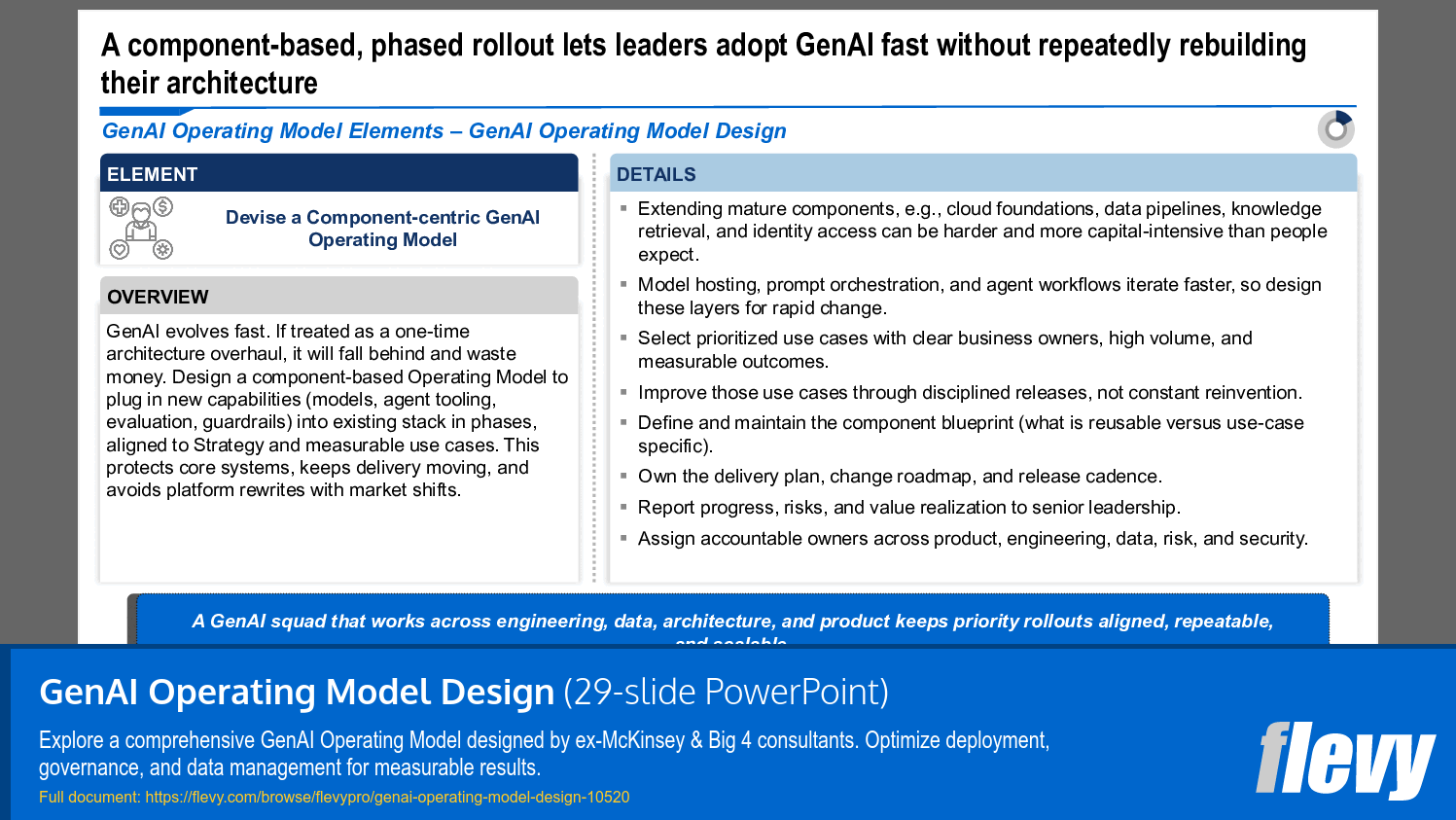
1. Devise a Component-centric GenAI Operating Model
2. Define a Core GenAI Team
3. Manage and Govern Data
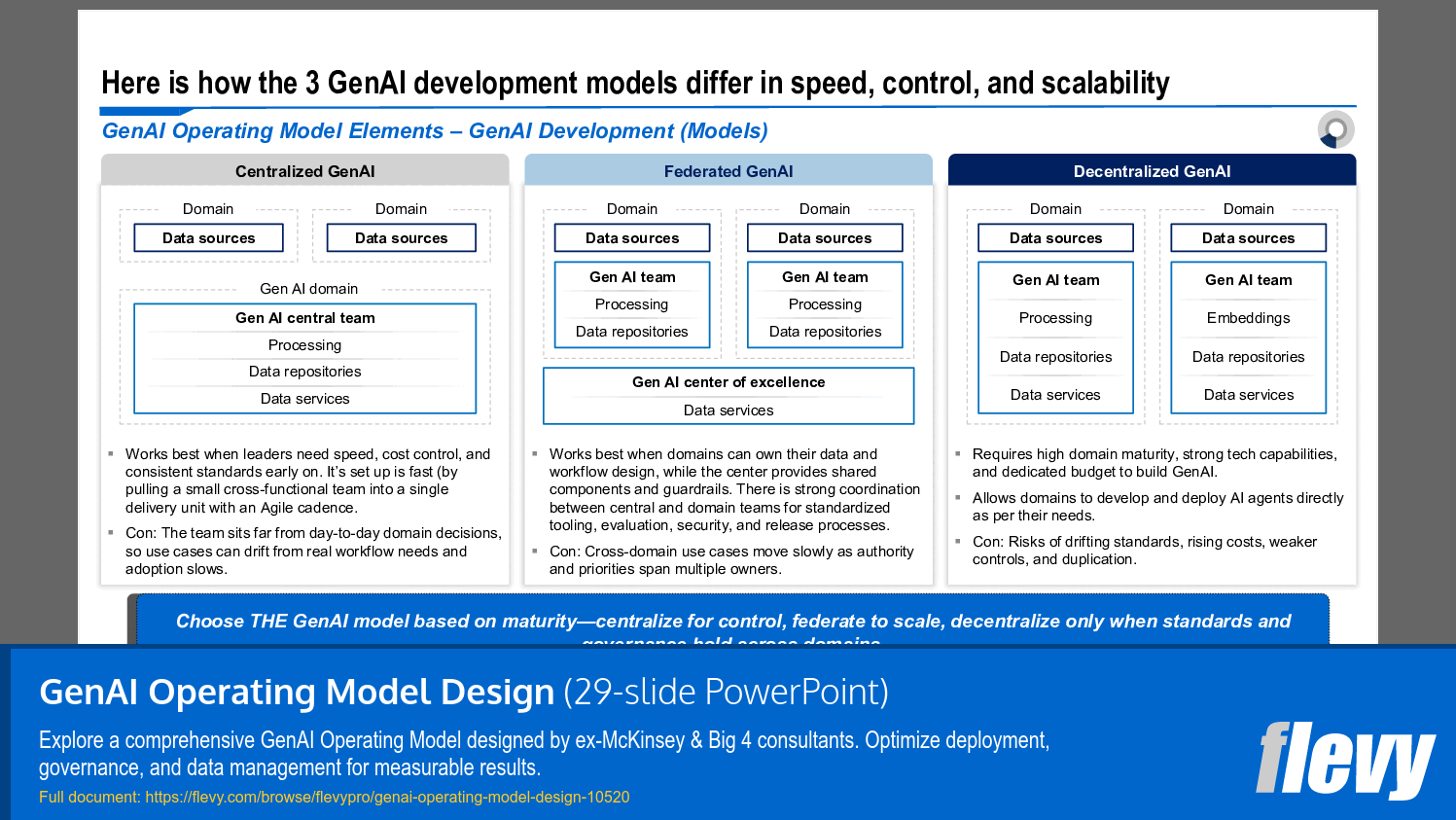
4. Select a Viable Approach to GenAI Development
5. Establish Common Infrastructure for IT Teams
6. Ensure Risk and Compliance Governance
Each of these elements is discussed in depth.
This PowerPoint presentation on GenAI Operating Model framework also includes some slide templates for you to use in your own business presentations.
Got a question about this document? Email us at flevypro@flevy.com.
Executive Summary
The GenAI Operating Model Design presentation provides a structured framework for organizations to effectively implement Generative AI (GenAI) strategies. Designed by former consultants from McKinsey and the Big 4, this comprehensive deck outlines essential components for successful GenAI deployment, governance, and data management. It emphasizes the importance of a robust operating model to avoid common pitfalls, ensuring that organizations can scale their GenAI initiatives from pilot projects to impactful, measurable outcomes. Leaders will gain insights into establishing a component-centric approach, defining core teams, managing data, and ensuring compliance.
Who This Is For and When to Use
• Corporate executives overseeing digital transformation initiatives
• Integration leaders responsible for implementing GenAI strategies
• IT teams tasked with developing and maintaining GenAI infrastructure
• Data governance professionals ensuring compliance and risk management
Best-fit moments to use this deck:
• During the initial planning phase for GenAI implementation
• When assessing existing GenAI initiatives for scalability and effectiveness
• In workshops aimed at aligning cross-functional teams on GenAI strategies
Learning Objectives
• Define the key components of a GenAI Operating Model for effective implementation
• Build a core GenAI team with clear roles and responsibilities
• Establish governance frameworks for data management and compliance
• Select the appropriate GenAI development approach (centralized, federated, decentralized)
• Manage and govern data to ensure quality and accessibility
• Identify common pitfalls in GenAI initiatives and strategies to avoid them
Table of Contents
• Overview (page 2)
• GenAI Operating Model Design (page 3)
• GenAI Operating Model Elements (page 7)
• Slide Design Structure & Templates (page 18)
Primary Topics Covered
• GenAI Operating Model Design - A framework outlining how organizations can structure their GenAI initiatives to ensure alignment with business goals and operational efficiency.
• Key Elements of GenAI - Six critical components that organizations must address to successfully implement GenAI strategies, including team structure and data governance.
• Common Pitfalls in GenAI Initiatives - Identification of frequent challenges organizations face when deploying GenAI and strategies to mitigate these risks.
• Data Management Strategies - Approaches for managing unstructured data to ensure it is governed and reusable, enhancing the effectiveness of GenAI applications.
• Development Approaches - Discussion of centralized, federated, and decentralized models for GenAI development, with guidance on when to use each.
• Governance and Compliance - Frameworks for ensuring that GenAI initiatives adhere to risk management and compliance standards.
Deliverables, Templates, and Tools
• GenAI Operating Model framework template for organizational use
• Governance and compliance checklist for GenAI initiatives
• Data management strategy template for structured and unstructured data
• Development model selection guide for choosing between centralized, federated, or decentralized approaches
• Risk assessment framework for evaluating GenAI initiatives
• Slide templates for presenting GenAI strategies to stakeholders
Slide Highlights
• Overview of the GenAI Operating Model with key components illustrated
• Comparison of centralized, federated, and decentralized GenAI development models
• Visual representation of common pitfalls and strategies to avoid them
• Data management framework detailing processes for governance and quality assurance
• Governance and compliance structure for managing GenAI risks
Potential Workshop Agenda
GenAI Strategy Alignment Session (90 minutes)
• Discuss the current state of GenAI initiatives within the organization
• Identify key stakeholders and their roles in the GenAI Operating Model
• Outline initial steps for implementing the GenAI framework
Data Management and Governance Workshop (60 minutes)
• Review data management strategies and compliance requirements
• Develop a draft governance framework for GenAI initiatives
• Assign responsibilities for data stewardship across teams
GenAI Development Approach Session (90 minutes)
• Evaluate the pros and cons of centralized vs. decentralized development models
• Define criteria for selecting the appropriate GenAI development approach
• Create a roadmap for transitioning to the chosen model
Customization Guidance
• Tailor the GenAI Operating Model framework to align with specific organizational goals and structures
• Adjust the data management strategy to reflect the unique data landscape of the organization
• Modify governance frameworks to meet industry-specific compliance requirements
• Update development model selection criteria based on organizational maturity and capabilities
Secondary Topics Covered
• The role of IT in supporting GenAI initiatives
• Strategies for fostering cross-functional collaboration in GenAI projects
• Best practices for monitoring and evaluating GenAI outcomes
• Case studies of successful GenAI implementations across industries
Topic FAQ
Document FAQ
These are questions addressed within this presentation.
What is the GenAI Operating Model?
The GenAI Operating Model is a structured framework that outlines how organizations can effectively implement and manage Generative AI initiatives, ensuring alignment with business objectives and operational efficiency.
How can organizations avoid common pitfalls in GenAI initiatives?
By following the guidelines outlined in the presentation, organizations can establish clear objectives, set standards for data management, and ensure proper governance, thus mitigating risks associated with disconnected experiments.
What are the key components of a successful GenAI Operating Model?
The model includes defining a core GenAI team, managing and governing data, selecting a viable development approach, and ensuring risk and compliance governance.
How do I determine the best development approach for my organization?
Evaluate your organization's maturity, data stewardship capabilities, and governance structures to choose between centralized, federated, or decentralized development models.
What role does data management play in GenAI initiatives?
Effective data management is crucial for transforming unstructured information into governed, reusable assets, which enhances the scalability and reliability of GenAI applications.
How can I ensure compliance with regulations when implementing GenAI?
Establish a governance framework that includes risk tolerance thresholds, regular assessments, and training for teams involved in GenAI initiatives.
What resources are available for further learning about GenAI?
The presentation includes templates, frameworks, and case studies that can be used as references for implementing GenAI strategies effectively.
What are the benefits of a component-centric approach to GenAI?
A component-centric approach allows organizations to plug in new capabilities without overhauling existing systems, ensuring faster adoption and scalability of GenAI initiatives.
How can I measure the success of my GenAI initiatives?
Track key performance indicators such as adoption rates, cycle times, error rates, and overall impact on business outcomes to evaluate the effectiveness of GenAI implementations.
Glossary
• GenAI - Generative AI, a subset of AI that creates original content based on user prompts.
• Operating Model - A framework that defines how an organization structures its resources and processes to achieve strategic goals.
• Data Management - The process of collecting, storing, and using data effectively and securely.
• Governance - The framework of rules and practices that ensure accountability and compliance in an organization.
• Centralized Development - A model where a single team manages all aspects of GenAI development and governance.
• Federated Development - A model where multiple teams share responsibilities for GenAI initiatives while maintaining some central oversight.
• Decentralized Development - A model where individual teams have full control over their GenAI capabilities and projects.
• Risk Management - The process of identifying, assessing, and mitigating risks associated with business operations.
• Compliance - Adhering to laws, regulations, and standards relevant to an organization's operations.
• Core GenAI Team - A dedicated group responsible for overseeing GenAI initiatives and ensuring alignment with organizational goals.
• Component-centric Model - An approach that focuses on building reusable components for GenAI applications to facilitate scalability and efficiency.
• Use Case - A specific application of GenAI technology to solve a business problem or enhance a process.
• Data Stewardship - The management of data assets to ensure their quality, security, and compliance.
Source: Best Practices in Operating Model, GenAI PowerPoint Slides: GenAI Operating Model Design PowerPoint (PPTX) Presentation Slide Deck, LearnPPT Consulting
Did you need more documents?
Consider a FlevyPro subscription from $39/month. View plans here.
For $10.00 more, you can download this document plus 2 more FlevyPro documents. That's just $13 each.
|
Download our FREE Organization, Change, & Culture, Templates
Download our free compilation of 50+ slides and templates on Organizational Design, Change Management, and Corporate Culture. Methodologies include ADKAR, Burke-Litwin Change Model, McKinsey 7-S, Competing Values Framework, etc. |










