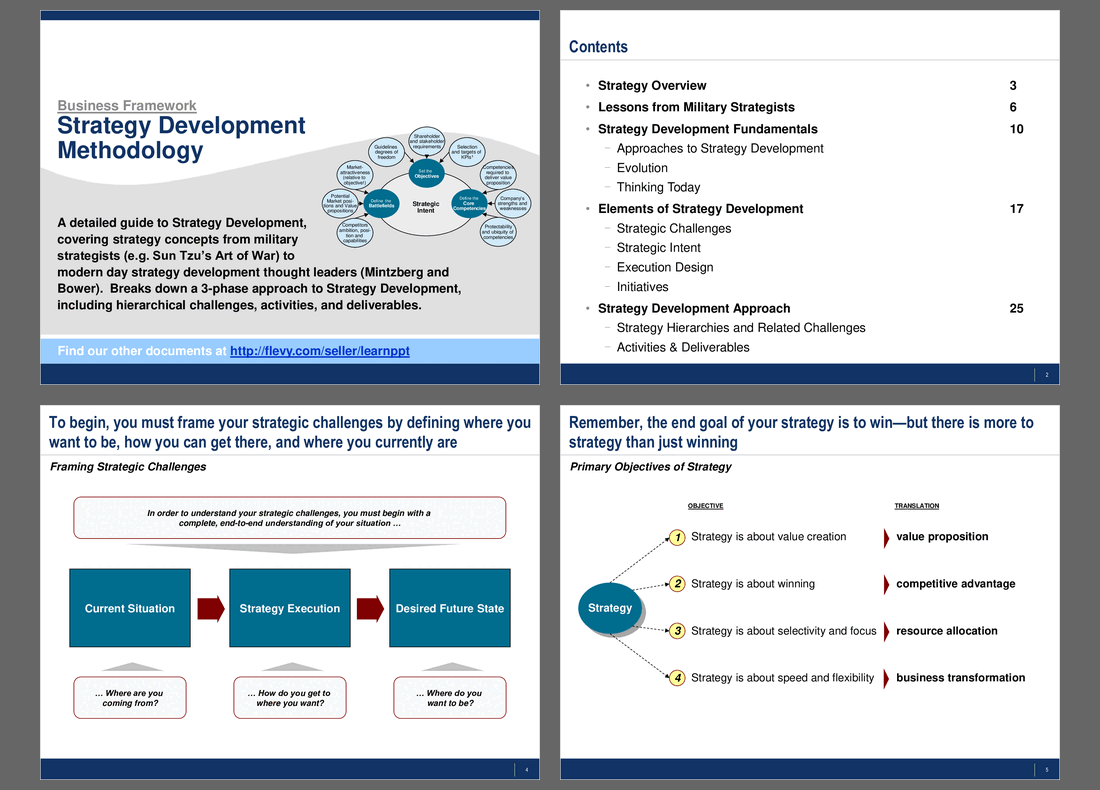

This PowerPoint presentation is a detailed guide to Strategy Development, covering strategy concepts from military strategists (e.g. Sun Tzu's Art of War) to modern day Strategy Development thought leaders (Mintzberg and Bower).
This Strategy Development methodology PPT presentation is divided into 5 sections:
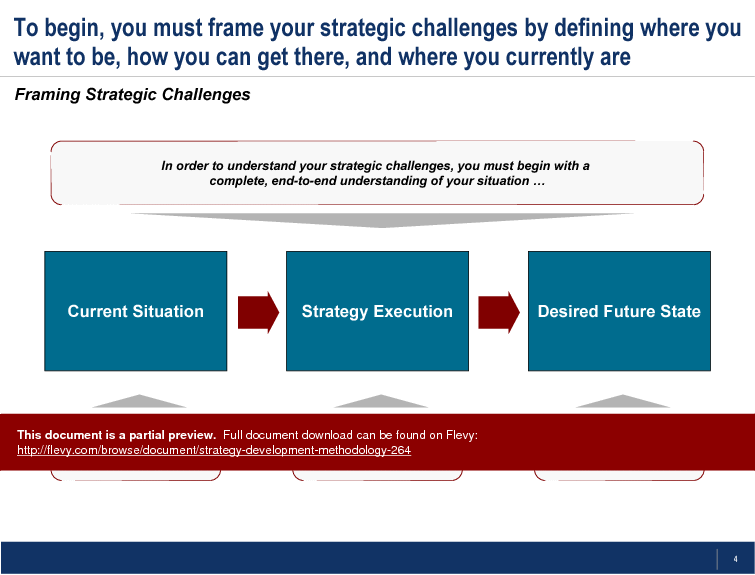
• Strategy Overview – This section discusses framing strategic challenges and and the primary objectives of Strategy.
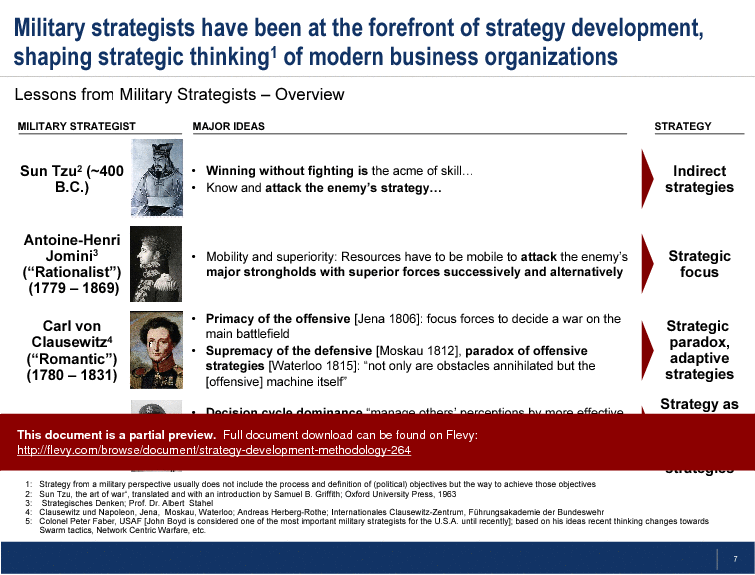
• Lessons from Military Strategists – Discusses major strategic ideas from Sun Tzu, Antoine-Henri Jomini, Carl von Clausewitz, and John Boyd; with deeper discussion on Sun Tzu's The Art of War.
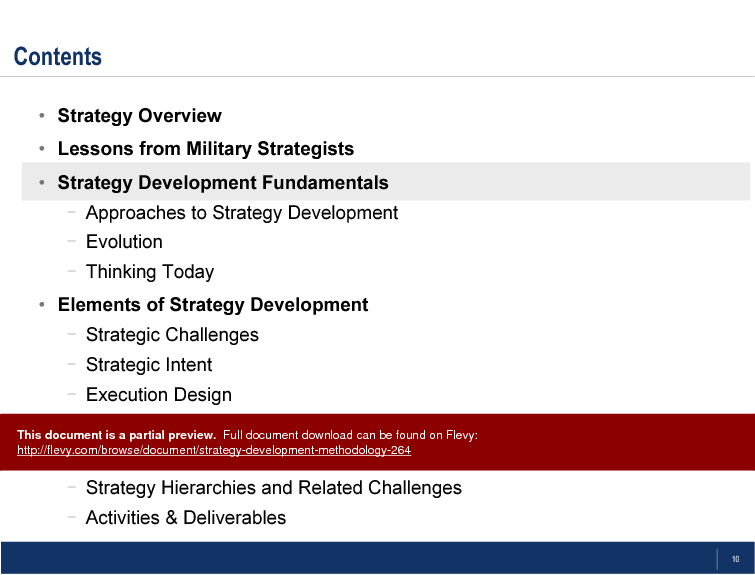
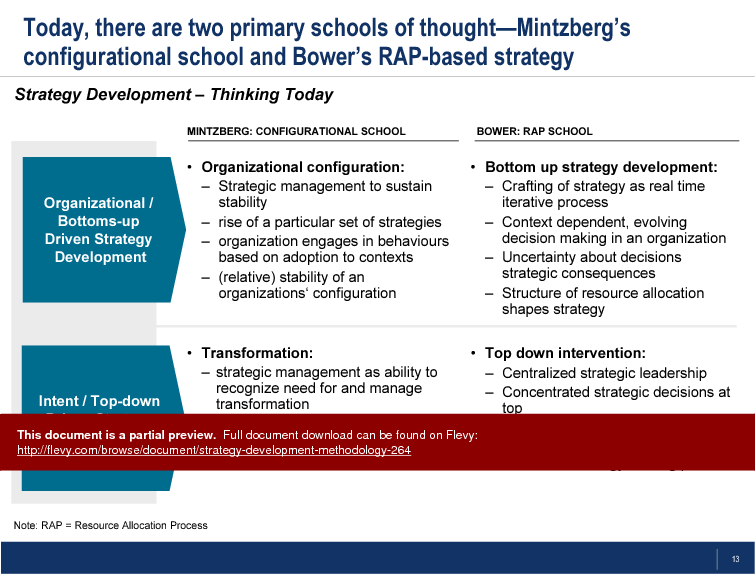
• Strategy Development Fundamentals – This section discusses approach to strategic challenges, the 5-phase evolution of Strategy Development methodologies & philosophies (from Financial Planning in the 50s to Long-term Planning in the 60s to Strategic Planning in the 70s to Strategic Renewal in the 80s to Strategic Management in the 90s). It then dives into a deeper analysis of today's modern Strategy Development thinking (Mintzberg's Configurational School, Bower's Resource Allocation Process [RAP] School) and Organizational / Bottoms-up Driven vs. Intent / Top-down Driven Strategy Methodology.

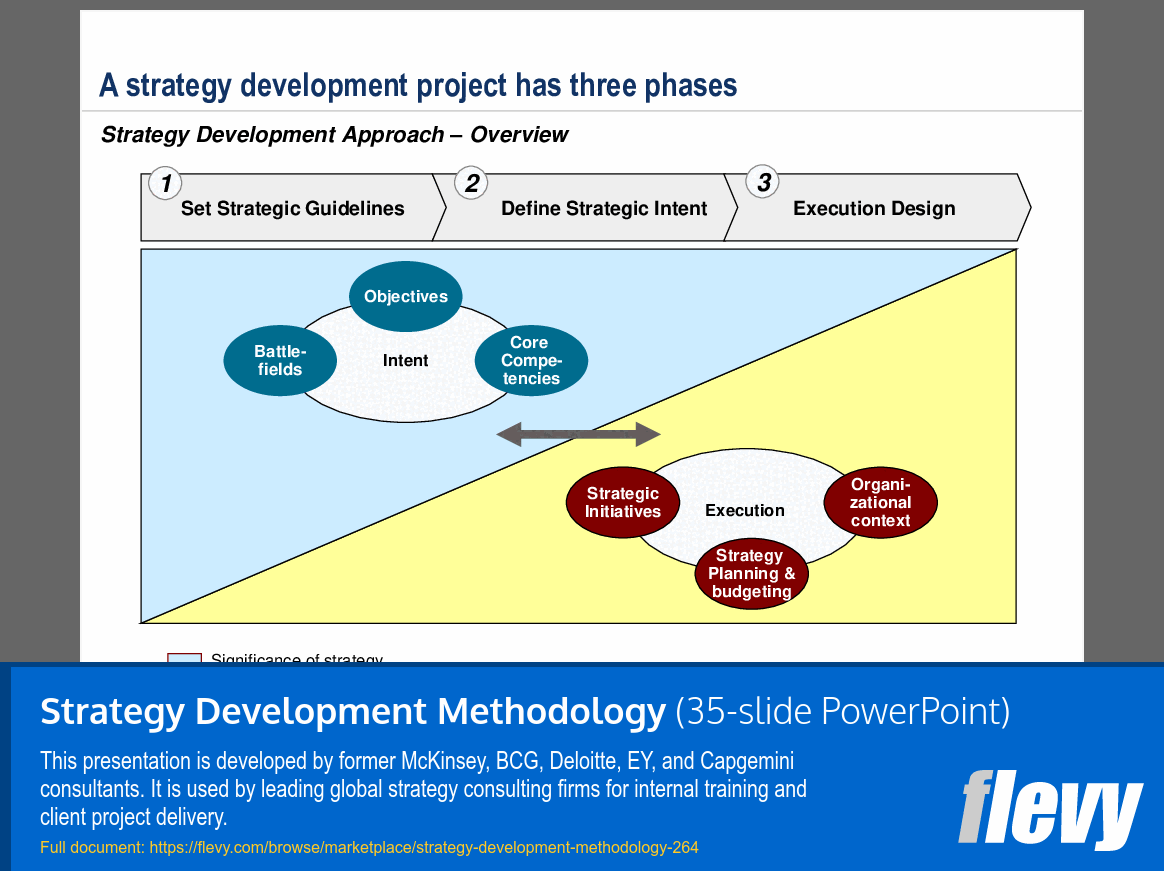
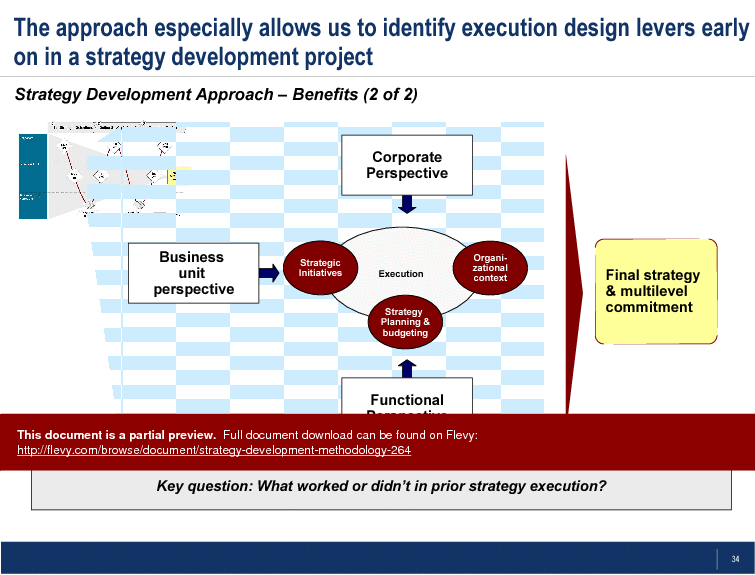
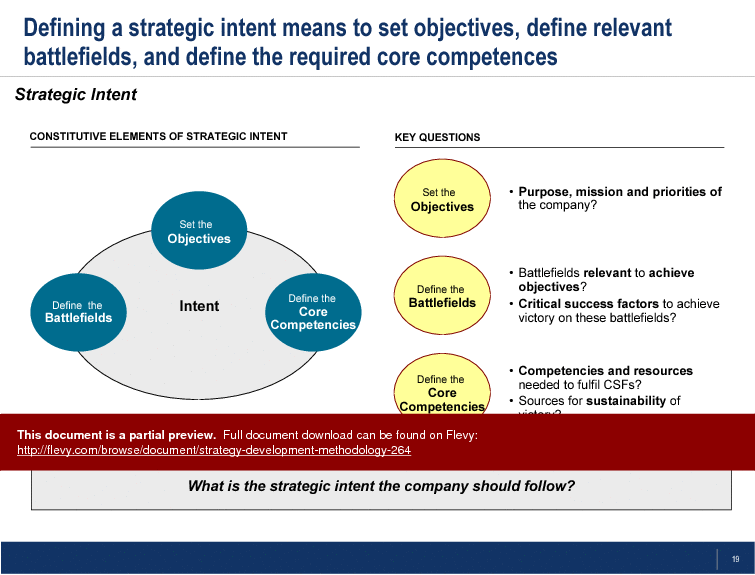
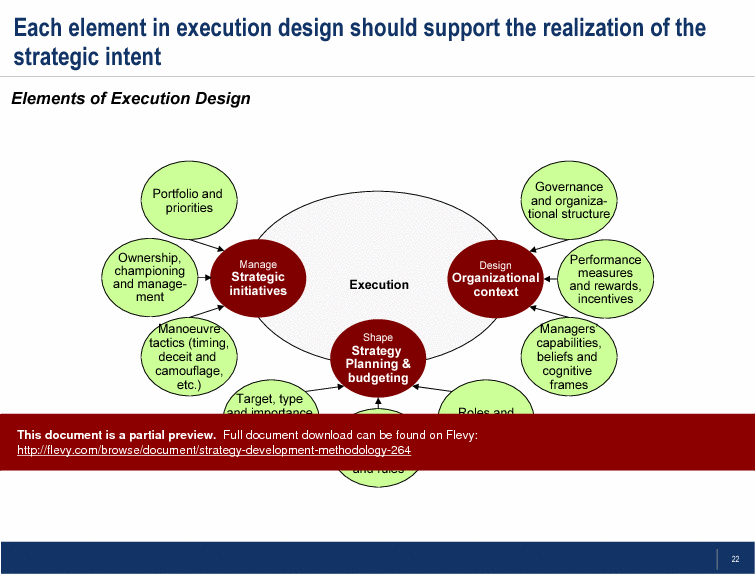
• Elements of Strategy Development – This section breaks down all the various elements of Strategic Intent (Battlefields, Objectives, and Core Competencies) and Strategy Execution Design (Strategic Initiatives, Strategy Planning & Budgeting, Organizational Context). It also discusses the ambiguity of Strategy Development as well as maps Strategy Development initiatives to the elements of Strategy Development.
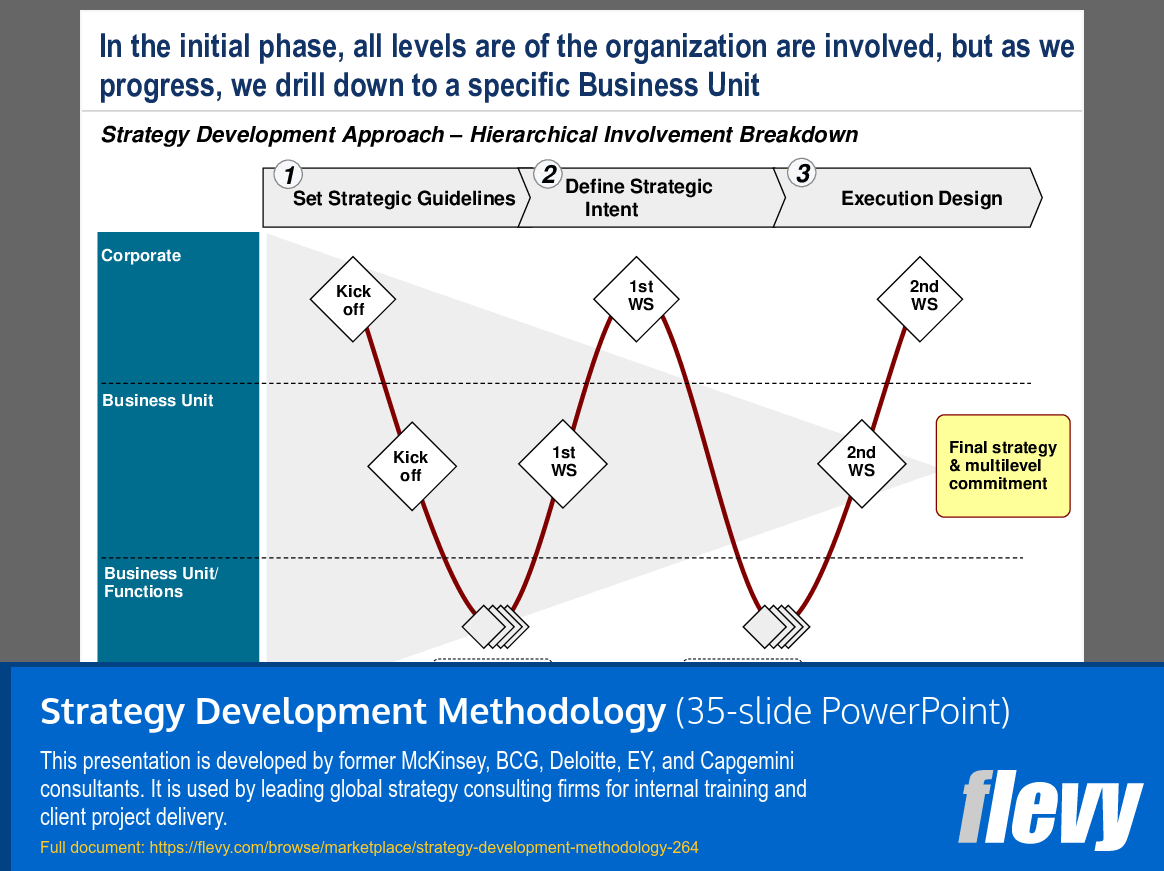
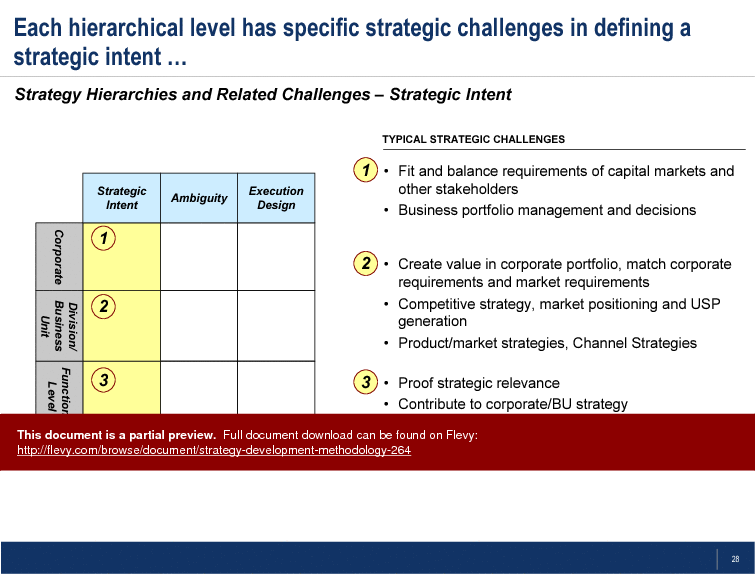
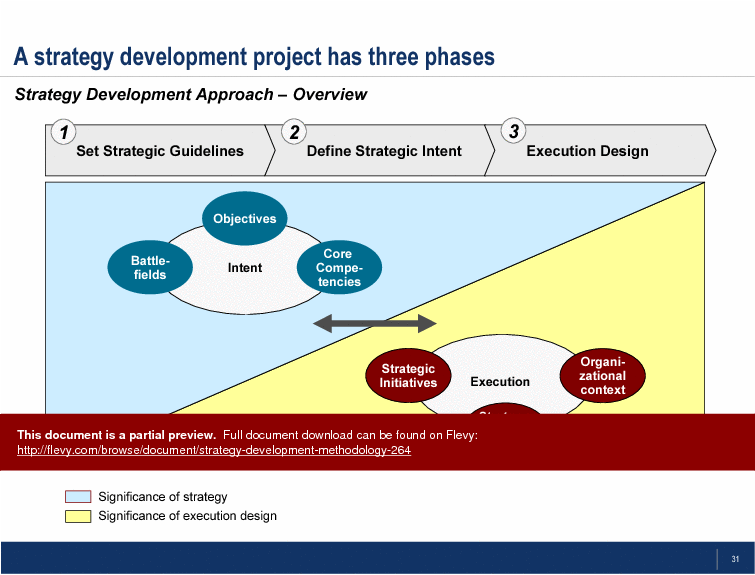
• Strategy Development Approach – This final section pulls everything together and introduces a 9-box Strategy Development framework that captures how Strategy should be applied with varying emphasis at each hierarchical level of the organization. It also breaks down a 3-phase approach to Strategy Development, including hierarchical challenges, key activities, and deliverables:
1. Set Strategic Guidelines
2. Define Strategic Intent
3. Execution Design
Numerous Strategy Development methods and concepts are discussed in this comprehensive presentation. As this is a fully editable PowerPoint presentation, you can also adapt the slides as templates for your own presentations on Strategy Development. This PPT was developed and used by leading global strategy consulting firms.
This presentation emphasizes the importance of framing strategic challenges and understanding the current situation to achieve desired future states. It also highlights the role of execution design in supporting strategic intent.
Got a question about the product? Email us at support@flevy.com or ask the author directly by using the "Ask the Author a Question" form. If you cannot view the preview above this document description, go here to view the large preview instead.
Executive Summary
This Strategy Development Methodology presentation offers a comprehensive guide to crafting effective business strategies, drawing insights from both historical military strategists and contemporary thought leaders like Mintzberg and Bower. Structured in a McKinsey, Bain, or BCG-quality format (consulting-grade; not affiliated), this presentation outlines a three-phase approach to strategy development. It equips corporate executives and consultants with the tools to define strategic intent, set objectives, and design execution plans that align with organizational goals. By utilizing this framework, users will enhance their strategic planning capabilities and drive successful outcomes.
Who This Is For and When to Use
• Corporate executives responsible for strategic planning and execution
• Strategy consultants guiding organizations through strategic transformations
• Business unit leaders tasked with aligning departmental strategies with corporate objectives
• Project managers overseeing strategic initiatives and execution design
Best-fit moments to use this deck:
• During strategic planning sessions to establish clear objectives and execution plans
• When assessing organizational capabilities and aligning them with strategic intent
• In workshops aimed at refining strategic initiatives and addressing execution challenges
Learning Objectives
• Define strategic intent and articulate the core competencies required for success
• Set measurable objectives that align with stakeholder expectations
• Identify relevant market battlefields and assess their attractiveness
• Design execution plans that effectively translate strategic intent into action
• Analyze strategic challenges and develop initiatives to overcome them
• Evaluate organizational structures and resource allocation to support strategy execution
Table of Contents
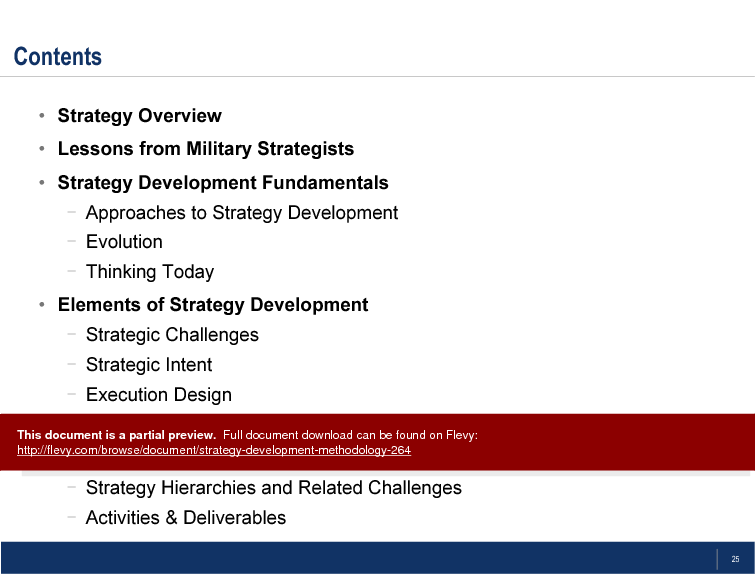
• Strategy Overview (page 3)
• Lessons from Military Strategists (page 6)
• Strategy Development Fundamentals (page 10)
• Elements of Strategy Development (page 17)
• Strategy Development Approach (page 25)
Primary Topics Covered
• Strategy Overview - An introduction to the fundamental concepts of strategy development and its significance in achieving organizational goals.
• Lessons from Military Strategists - Insights from historical figures like Sun Tzu and Clausewitz that inform modern strategic thinking.
• Strategy Development Fundamentals - A breakdown of various approaches to strategy development, including historical evolution and contemporary practices.
• Elements of Strategy Development - Key components such as strategic challenges, intent, execution design, and initiatives necessary for effective strategy formulation.
• Strategy Development Approach - A structured methodology detailing the hierarchical challenges and specific activities and deliverables involved in strategy development.
Deliverables, Templates, and Tools
• Strategic intent framework to define objectives and core competencies
• Execution design templates for aligning organizational context with strategic initiatives
• Guidelines for assessing market attractiveness and competitive positioning
• Tools for conducting strategic audits and identifying key success factors
• Roadmap development templates for visualizing strategic initiatives and timelines
Slide Highlights
• Overview of strategic challenges and how to frame them effectively
• Insights from military strategists and their application to business strategy
• Detailed breakdown of the three-phase strategy development approach
• Visual representations of strategic intent and execution design elements
• Key activities and deliverables associated with each phase of strategy development
Potential Workshop Agenda
Kickoff Session (60 minutes)
• Introduce the strategy development framework and its importance
• Discuss the current strategic landscape and organizational challenges
Strategic Intent Workshop (90 minutes)
• Define strategic objectives and core competencies
• Identify relevant market battlefields and assess their attractiveness
Execution Design Session (120 minutes)
• Develop execution plans that align with strategic intent
• Discuss resource allocation and organizational context adjustments
Customization Guidance
• Tailor the strategic intent framework to reflect specific organizational goals and stakeholder requirements
• Adjust execution design elements to fit the unique context of the organization
• Incorporate relevant KPIs to measure progress against strategic objectives
Secondary Topics Covered
• Historical evolution of strategy development practices
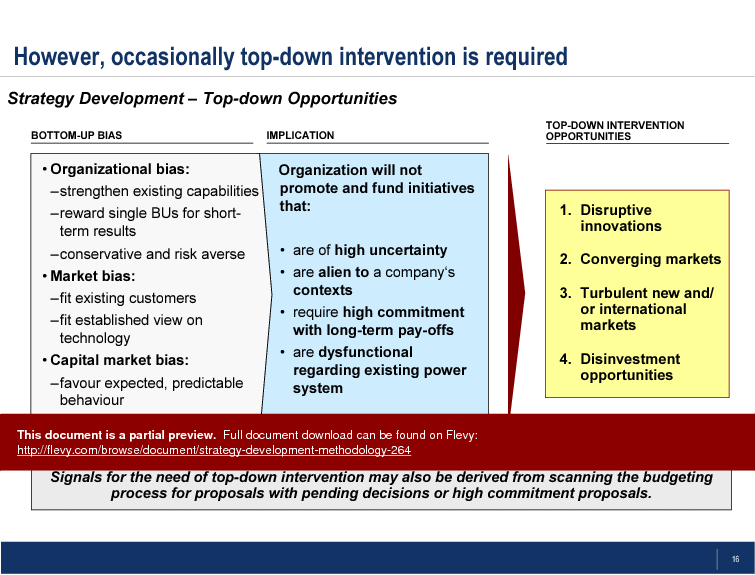
• Comparative analysis of top-down vs. bottom-up strategy development approaches
• The role of strategic audits in refining organizational strategies
• Techniques for managing strategic initiatives and ensuring alignment with corporate goals
FAQ
What is the primary focus of this strategy development methodology?
The methodology emphasizes defining strategic intent, setting clear objectives, and designing execution plans that align with organizational capabilities and market conditions.
How can this presentation be applied in a corporate setting?
It can be utilized in strategic planning sessions, workshops, and initiatives aimed at refining and executing business strategies effectively.
What are the key phases of the strategy development approach?
The approach consists of 3 phases: setting strategic guidelines, defining strategic intent, and executing the design.
How does the methodology incorporate lessons from military strategists?
It draws parallels between military strategy principles and business strategy, emphasizing the importance of indirect approaches and understanding competitive dynamics.
What types of strategic challenges does this methodology address?
It addresses ambiguity in strategic intent, alignment of execution context, and the need for top-down intervention in complex environments.
What deliverables can I expect from using this framework?
Users can expect templates for strategic intent, execution design, and a roadmap for implementing strategic initiatives.
How can I customize the framework for my organization?
Customization can be achieved by aligning the strategic intent framework with specific organizational goals, stakeholder needs, and relevant KPIs.
What tools are included in this presentation?
The presentation includes templates for strategic audits, execution design, and roadmap development to facilitate effective strategy formulation and execution.
Glossary
• Strategic Intent - The overarching goals and objectives that guide an organization's strategy.
• Core Competencies - The unique strengths and capabilities that provide competitive advantage.
• Execution Design - The framework for implementing strategic initiatives and aligning organizational resources.
• Market Battlefield - The competitive landscape where an organization seeks to achieve its objectives.
• Strategic Audit - A comprehensive assessment of an organization's strategic position and performance.
• Key Performance Indicators (KPIs) - Metrics used to measure the success of strategic initiatives.
• Resource Allocation - The process of distributing resources to align with strategic priorities.
• Strategic Challenges - Obstacles that organizations face in achieving their strategic goals.
• Stakeholder Requirements - The expectations and needs of individuals or groups with an interest in the organization's success.
• Value Proposition - The unique value that an organization offers to its customers.
• Competitive Positioning - The strategy used to differentiate an organization from its competitors.
• Strategic Initiatives - Specific projects or actions taken to achieve strategic objectives.
• Organizational Context - The internal and external factors that influence an organization's strategy.
• Ambiguity in Strategy - Uncertainty surrounding strategic intent or execution design that can affect decision-making.
• Balanced Scorecard - A performance management tool that translates strategic objectives into measurable outcomes.
• Vision Engineering - The process of defining and articulating a clear vision for the organization's future.
• Transformation Roadmap - A strategic plan outlining the steps required to achieve significant organizational change.
• Business Model Innovation - The process of developing new ways to create, deliver, and capture value.
• Growth Scenario Planning - A strategic approach to forecasting and preparing for potential growth opportunities.
• Intrapreneurship - The practice of fostering entrepreneurial behavior within an established organization.
Source: Best Practices in Strategy Development, Henry Mintzberg, Chief Strategy Officer PowerPoint Slides: Strategy Development Methodology PowerPoint (PPT) Presentation Slide Deck, LearnPPT Consulting
This document is available as part of the following discounted bundle(s):
Save %!
Strategy Development Frameworks
This bundle contains 7 total documents. See all the documents to the right.
|
Download our FREE Strategy & Transformation Framework Templates
Download our free compilation of 50+ Strategy & Transformation slides and templates. Frameworks include McKinsey 7-S, Balanced Scorecard, Disruptive Innovation, BCG Curve, and many more. |