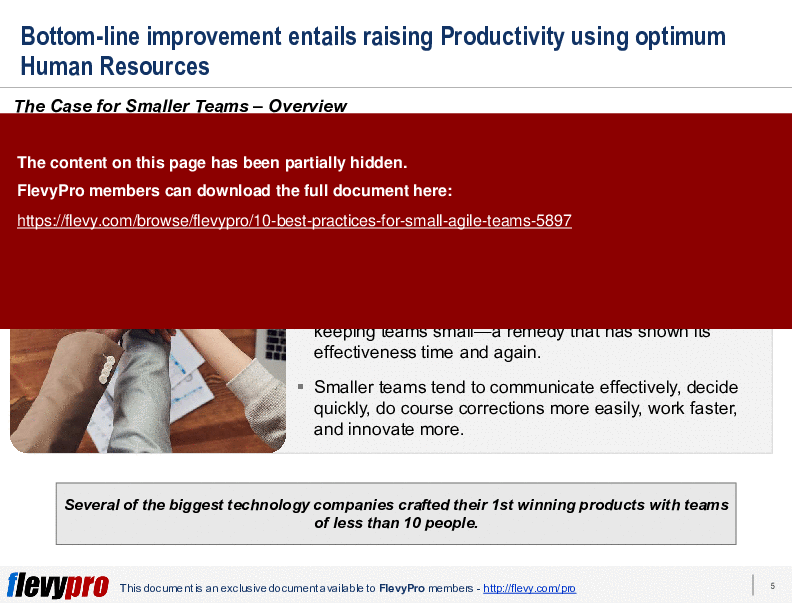

Profitability is at the core of successful businesses. Many markets do not allow as much top-line revenue increase as the companies would like therefore, organizations have to focus on improving the bottom-line.
Boosting the bottom-line entails raising Productivity. Productivity enhancement can be achieved by eliminating redundancies and improving processes that change the company. Process Improvement also means less people needed to accomplish the same tasks.
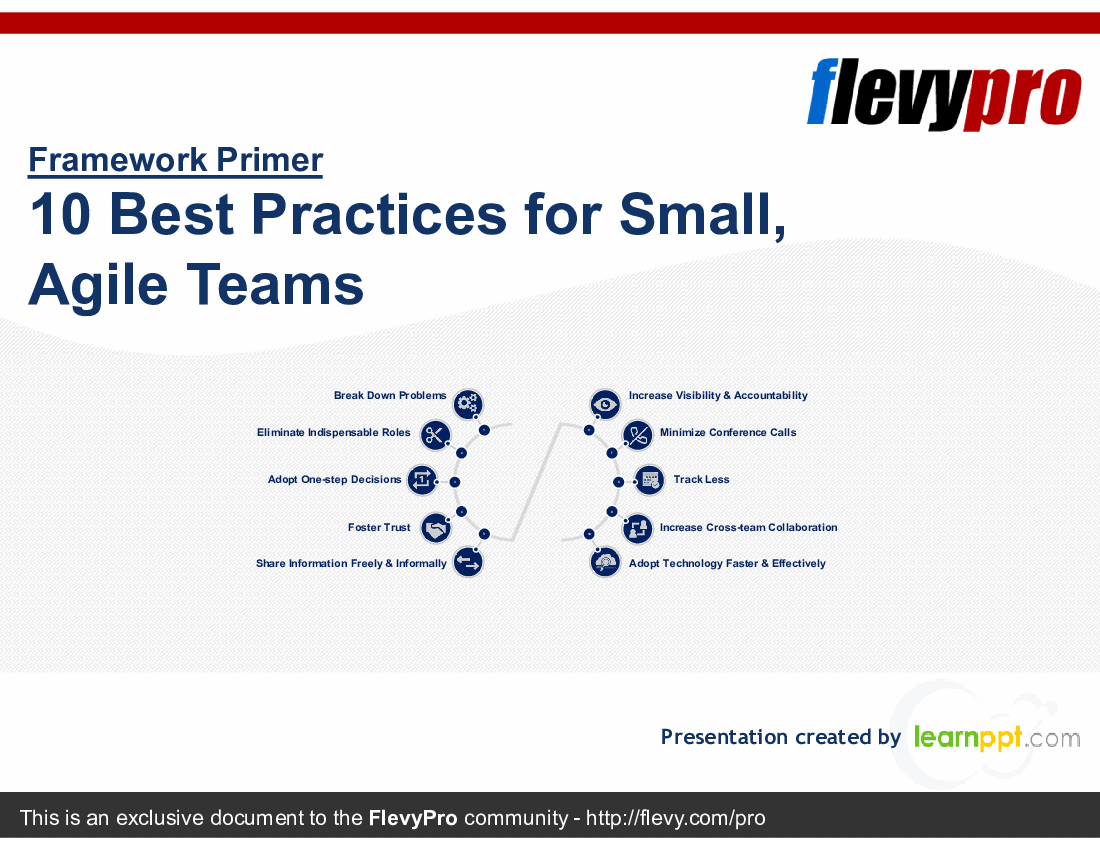
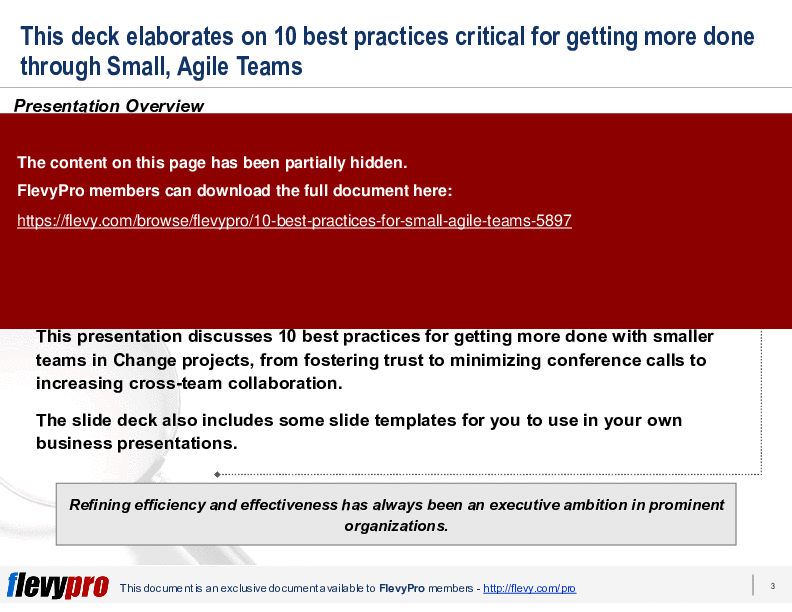
This presentation discusses 10 best practices for getting more done with smaller teams in Change projects, from fostering trust to minimizing conference calls to increasing cross-team collaboration.
The slide deck also includes some slide templates for you to use in your own business presentations.
This PPT delves into the critical best practices that enable small, agile teams to outperform larger counterparts. It emphasizes breaking down complex problems into manageable tasks, ensuring that teams can focus and deliver efficiently. The presentation also highlights the importance of eliminating indispensable roles to prevent bottlenecks and ensure smooth project execution.
The slide deck provides actionable insights on increasing visibility and accountability within teams. It underscores the significance of minimizing conference calls, which often lead to wasted time and reduced productivity. By adopting one-step decisions and fostering trust, teams can streamline their processes and enhance collaboration.
Included are templates that can be customized for your specific business needs. These templates are designed to help you implement the best practices discussed, making it easier to communicate your strategies and achieve your goals. Whether you are looking to improve team communication or drive innovation, this presentation offers valuable tools and insights to help you succeed.
Got a question about this document? Email us at flevypro@flevy.com.
Executive Summary
The "10 Best Practices for Small, Agile Teams" presentation provides actionable strategies designed to enhance productivity and efficiency within small teams. This resource outlines ten critical practices that facilitate effective collaboration, rapid decision-making, and streamlined processes. By implementing these best practices, organizations can optimize team performance, reduce bureaucratic delays, and foster an environment conducive to innovation. This presentation is particularly valuable for leaders aiming to improve team dynamics and project outcomes in change initiatives.
Who This Is For and When to Use
• Project managers overseeing small, agile teams in various sectors
• Team leaders looking to enhance collaboration and decision-making
• Executives focused on improving operational efficiency
• Change management professionals implementing new processes
Best-fit moments to use this deck:
• During team formation or restructuring initiatives
• When launching new projects requiring agile methodologies
• In workshops aimed at enhancing team collaboration and accountability
Learning Objectives
• Define the characteristics of effective small teams
• Build a framework for breaking down complex problems into manageable tasks
• Establish protocols for fostering trust and accountability within teams
• Implement strategies for minimizing unnecessary meetings and enhancing communication
• Identify tools and technologies that facilitate agile project management
• Create a culture of transparency and information sharing
Table of Contents
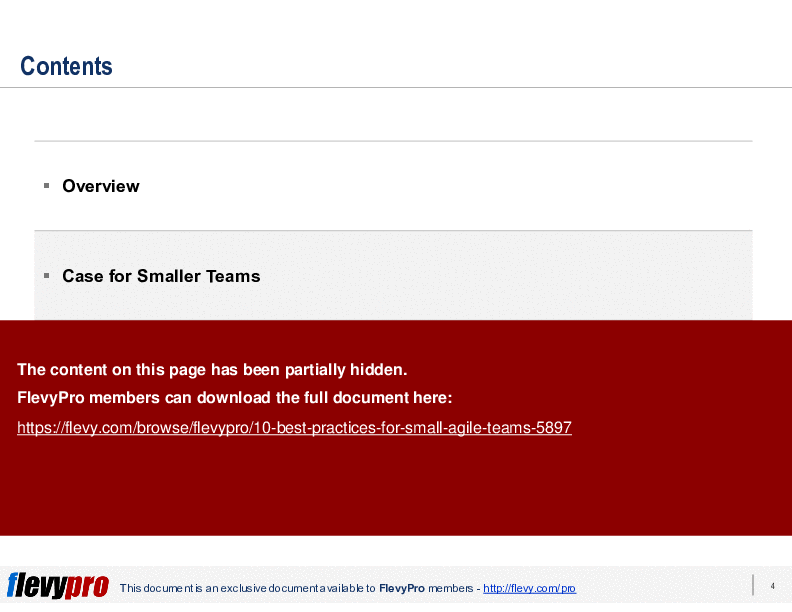
• Overview (page 3)
• Case for Smaller Teams (page 5)
• Best Practices (page 6)
• Templates (page 19)
Primary Topics Covered
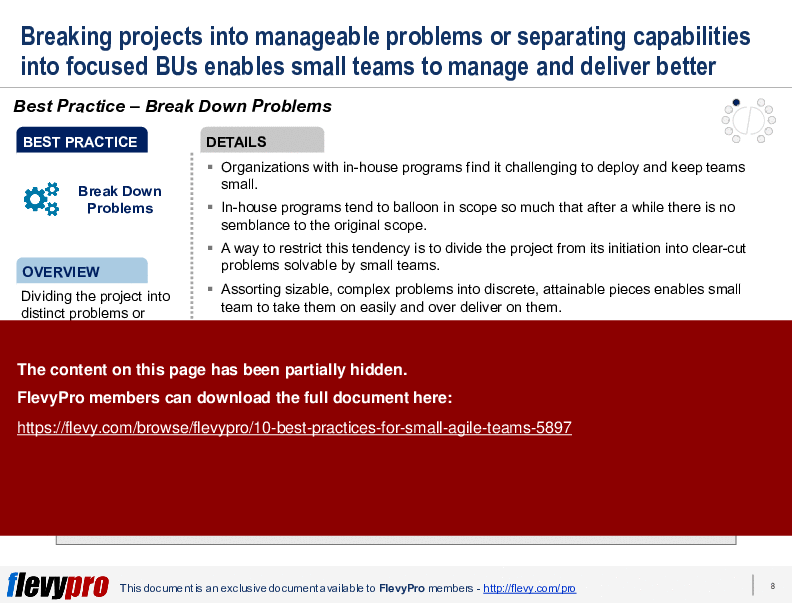
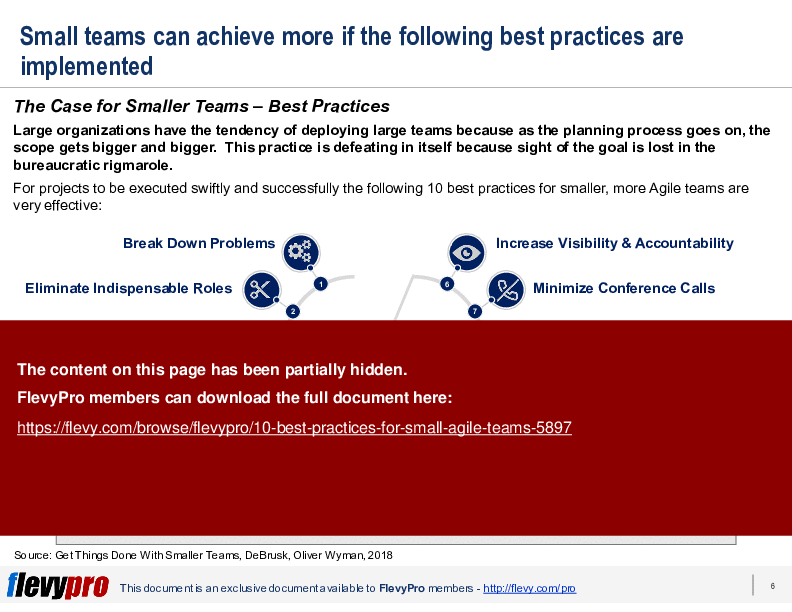
• Break Down Problems - Dividing projects into manageable components allows small teams to focus and deliver effectively.
• Eliminate Indispensable Roles - Reducing reliance on key individuals mitigates operational risks and enhances team performance.
• Adopt One-step Decisions - Streamlining decision-making processes accelerates project timelines and reduces bureaucratic delays.
• Foster Trust - Building trust within teams enhances collaboration and speeds up execution.
• Share Information Freely & Informally - Encouraging informal communication improves responsiveness and focus on tasks.
• Increase Visibility & Accountability - Ensuring all team members contribute fosters a culture of accountability.
• Minimize Conference Calls - Reducing reliance on conference calls streamlines communication and decision-making.
• Track Less - Shifting focus from status updates to delivery enhances project outcomes.
• Increase Cross-team Collaboration - Clear communication protocols between teams improve inter-team dependencies and timelines.
• Adopt Technology Faster & Effectively - Leveraging technology enhances agility and innovation within small teams.
Deliverables, Templates, and Tools
• Framework for breaking down complex problems into actionable tasks
• Guidelines for establishing trust and accountability within teams
• Decision-making templates to streamline processes
• Communication protocols for enhancing information sharing
• Tools for tracking project progress without excessive reporting
• Technology adoption frameworks to facilitate innovation
Slide Highlights
• Overview slide detailing the importance of small teams in enhancing productivity
• Best practices slide summarizing the ten key strategies for agile teams
• Case for smaller teams slide outlining the benefits of reduced team sizes
• Templates slide providing examples of frameworks for implementation
Potential Workshop Agenda
Introduction to Agile Teams (30 minutes)
• Overview of agile methodologies and their benefits
• Discussion on the importance of small teams in project success
Best Practices for Small Teams (60 minutes)
• In-depth exploration of each best practice
• Group activities to brainstorm implementation strategies
Action Planning Session (30 minutes)
• Develop individual action plans for integrating best practices into current projects
• Share plans with peers for feedback and refinement
Customization Guidance
• Tailor the best practices to fit specific team dynamics and organizational culture
• Adjust communication protocols based on team preferences and technology use
• Modify templates to align with project-specific requirements and goals
Secondary Topics Covered
• The role of leadership in fostering agile team environments
• Techniques for managing team dynamics and conflict resolution
• Strategies for continuous improvement in team processes
• The impact of organizational culture on team performance
Topic FAQ
Document FAQ
These are questions addressed within this presentation.
What are the key benefits of small, agile teams?
Small, agile teams can communicate effectively, make quick decisions, and innovate rapidly, leading to improved project outcomes and efficiency.
How can we implement these best practices in our organization?
Start by assessing current team structures and processes, then gradually integrate the recommended practices through workshops and training sessions.
What tools can help facilitate these best practices?
Consider using collaboration tools, project management software, and communication platforms that support real-time information sharing and decision-making.
How do we measure the success of implementing these practices?
Establish key performance indicators (KPIs) related to team productivity, project timelines, and stakeholder satisfaction to evaluate the impact of the changes.
Can these practices be applied to larger teams?
While primarily designed for small teams, many practices can be adapted for larger teams by creating sub-teams or working groups.
What challenges might we face when implementing these practices?
Resistance to change, existing organizational culture, and the need for training on new tools and processes can pose challenges.
How often should we revisit these practices?
Regularly review and adjust practices based on team feedback and project outcomes to ensure continuous improvement.
What role does leadership play in fostering an agile environment?
Leadership is crucial in modeling behaviors, providing support, and creating a culture that encourages collaboration and innovation.
Glossary
• Agile Teams - Small, cross-functional teams that work collaboratively to achieve project goals quickly.
• Best Practices - Proven methods or techniques that lead to desired outcomes in team performance.
• Communication Protocols - Established guidelines for how team members share information and collaborate.
• Decision-making - The process of making choices by identifying options and selecting the best course of action.
• Accountability - The obligation of team members to take responsibility for their actions and contributions.
• Visibility - The degree to which team members are aware of each other's progress and contributions.
• Collaboration - The act of working together towards a common goal, leveraging each member's strengths.
• Technology Adoption - The process of integrating new tools and technologies into team workflows.
• Transparency - Openness in communication and decision-making processes within teams.
• Cross-team Collaboration - Interaction and cooperation between different teams to achieve shared objectives.
• Project Management - The discipline of planning, executing, and closing projects effectively.
• Performance Indicators - Metrics used to assess the success and efficiency of team activities.
Source: Best Practices in Agile, Team Building, Employee Productivity, Agile Management PowerPoint Slides: 10 Best Practices for Small, Agile Teams PowerPoint (PPTX) Presentation Slide Deck, LearnPPT Consulting
Did you need more documents?
Consider a FlevyPro subscription from $39/month. View plans here.
For $10.00 more, you can download this document plus 2 more FlevyPro documents. That's just $13 each.
|
Download our FREE Organization, Change, & Culture, Templates
Download our free compilation of 50+ slides and templates on Organizational Design, Change Management, and Corporate Culture. Methodologies include ADKAR, Burke-Litwin Change Model, McKinsey 7-S, Competing Values Framework, etc. |