

 Click main image to view in full screen.
Code of Conduct Training (PowerPoint PPTX Slide Deck)
PowerPoint (PPTX) 25 Slides


BENEFITS OF THIS POWERPOINT DOCUMENT
- Train your staff in Code of Conduct
- Your staff will understand the standards within your business
- Modify the content to suit your business standards
EMPLOYEE TRAINING PPT DESCRIPTION
A complete training presentation based on Code of Conduct for your business for implementation and training of all personnel.
1. Introduction
2. Purpose
3. Scope of Training
4. Respect for others
5. Expectations of workers
6. Expectations of management and supervisors
7. Confidential information
8. Copyright, intellectual property and company information
9. Identifying and managing a conflict of interests
10. Conflict of interest – recruitment
11. Declaring gifts or benefits
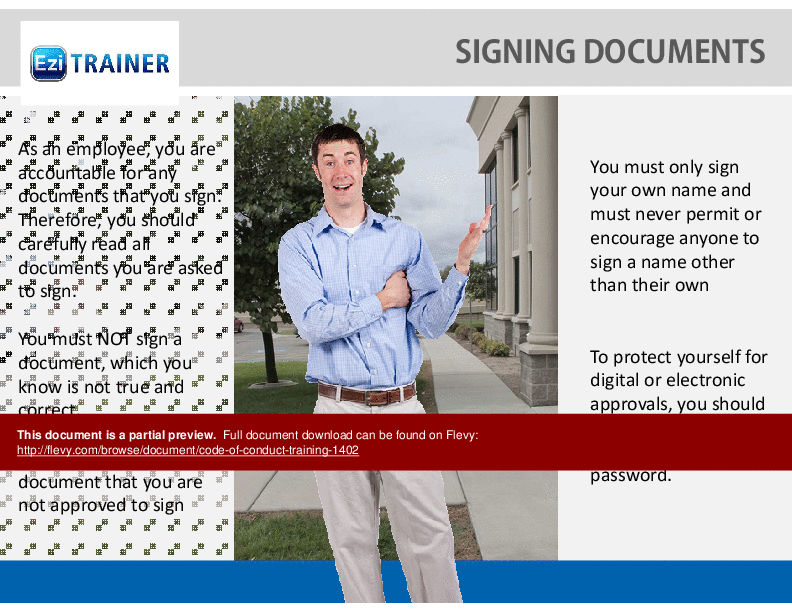
12. Signing documents – digital and hardcopy
13. Record keeping
14. Appropriate use of electronic equipment and social media
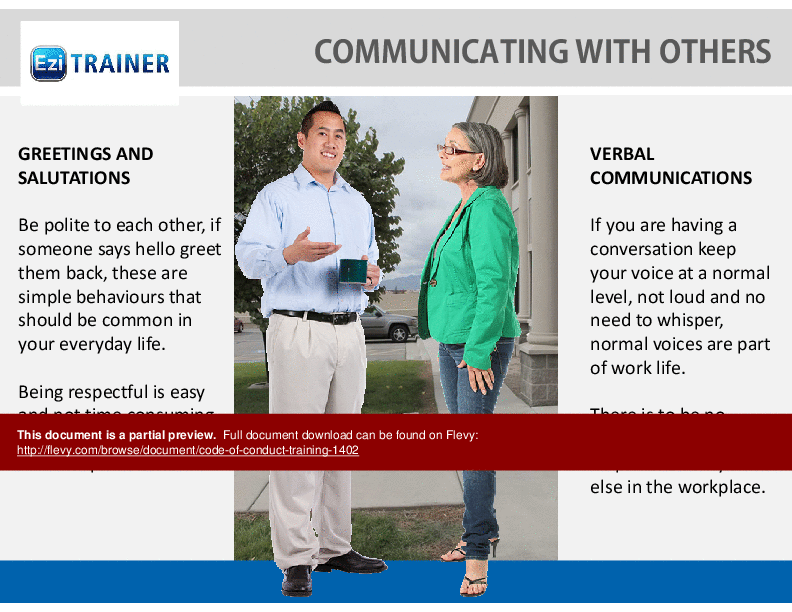
15. Communications – verbal and electronic
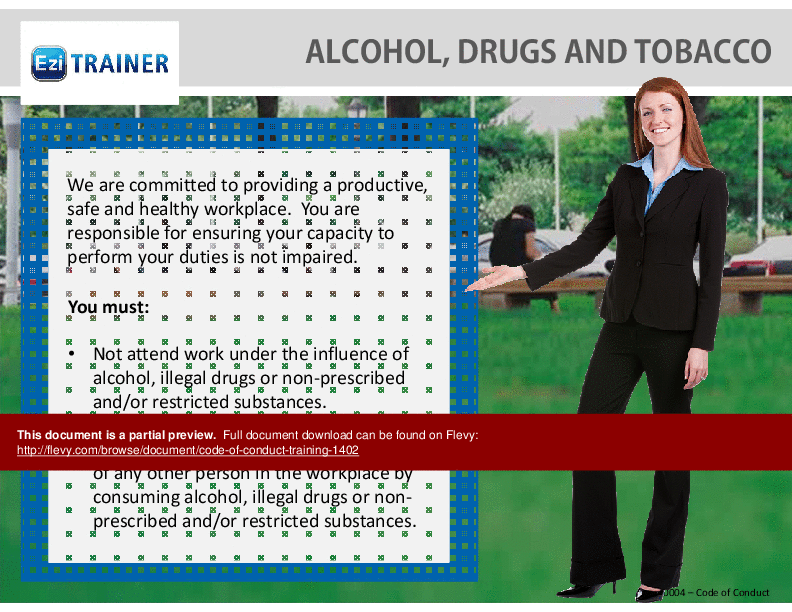
16. Use of alcohol, drugs and tabacco
17. Dress code
18. Work area
19. Reporting concerns of employee conduct
20. Breaching the code of conduct
21. General workplace etiquette
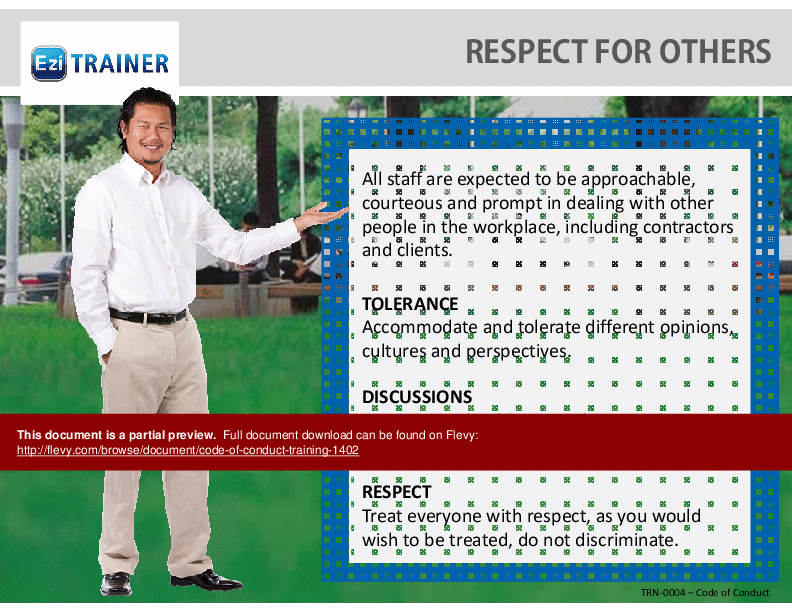
Respect for others is a cornerstone of this training. All personnel are expected to be approachable, courteous, and prompt in their interactions. Tolerance and respect for different opinions, cultures, and perspectives are emphasized. The training underscores the importance of treating everyone with the same respect you would wish to receive, ensuring a harmonious workplace environment.
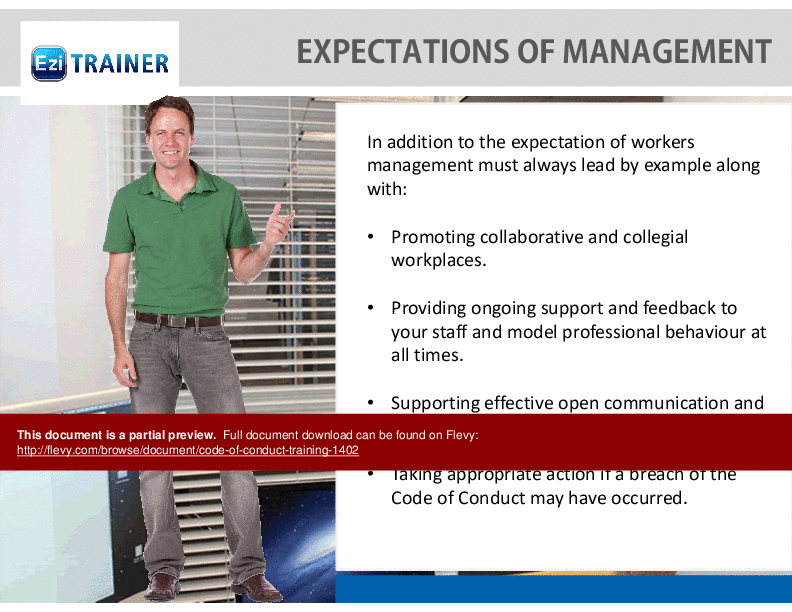
Management's role is pivotal in setting the tone for workplace conduct. They must lead by example, promoting a collaborative and collegial atmosphere. Providing ongoing support and feedback to staff is crucial. Effective communication and taking appropriate action in case of breaches are also highlighted. This ensures that the Code of Conduct is not just a document, but a lived experience within the organization.
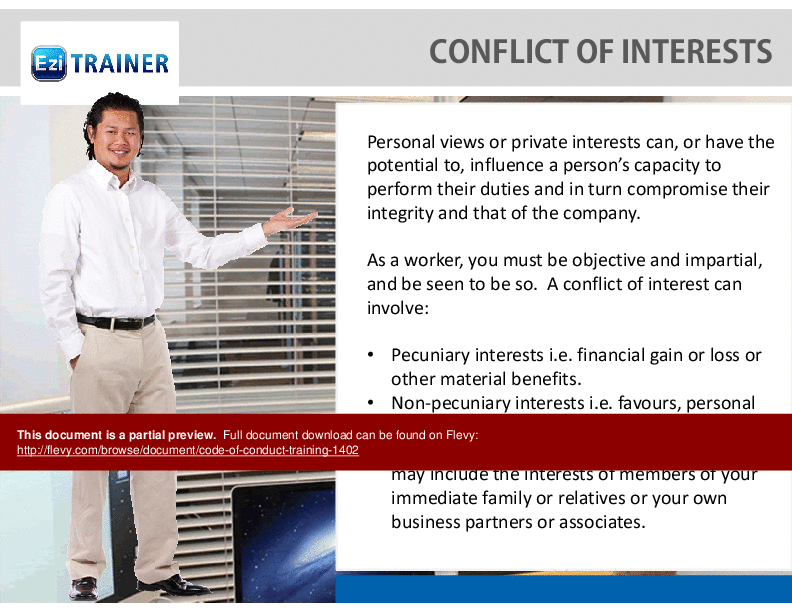
Conflict of interest is another critical area covered. Employees must remain objective and impartial, avoiding any personal views or interests that could compromise their duties. The training details both pecuniary and non-pecuniary interests, emphasizing the need for transparency. This section is designed to help employees navigate potential conflicts, ensuring their actions align with the company's integrity and ethical standards.
Got a question about the product? Email us at support@flevy.com or ask the author directly by using the "Ask the Author a Question" form. If you cannot view the preview above this document description, go here to view the large preview instead.
MARCUS OVERVIEW
This synopsis was written by Marcus [?] based on the analysis of the full 25-slide presentation.
Executive Summary
The Code of Conduct Training PPT is designed to equip employees with a comprehensive understanding of workplace ethics, emphasizing fairness, respect, integrity, and responsibility. This training will enable participants to recognize their actions' impact on others, comprehend the expectations of their roles, and understand the consequences of breaching the Code of Conduct. By fostering a culture of accountability and ethical behavior, this training supports the development of a respectful and productive workplace.
Who This Is For and When to Use
• Human Resources professionals responsible for employee training and development
• Team leaders and supervisors aiming to reinforce ethical standards within their teams
• Compliance officers ensuring adherence to workplace policies
• New employees needing orientation on company values and expectations
Best-fit moments to use this deck:
• Onboarding sessions for new hires to instill company values from the outset
• Regular training refreshers to reinforce ethical behavior among existing employees
• Preemptive training before organizational changes or policy updates
Learning Objectives
• Define the core principles of the Code of Conduct and their importance in the workplace
• Build awareness of personal accountability and the impact of individual actions on others
• Establish a clear understanding of the expectations for behavior as a worker or supervisor
• Identify the procedures for reporting breaches of the Code of Conduct
• Recognize the consequences of violating the Code of Conduct
Table of Contents
• Introduction to the Code of Conduct (page 1)
• Training Objectives (page 2)
• Commitment to Workplace Values (page 3)
• Respect for Others (page 4)
• Expectations of Workers (page 6)
• Expectations of Management (page 7)
• Confidential Information (page 8)
• Conflict of Interest (page 10)
• Declaring Gifts or Benefits (page 12)
• Signing Documents (page 13)
• Record Keeping (page 14)
• Electronics and Social Media (page 15)
• Alcohol, Drugs, and Tobacco (page 19)
• Dress Code (page 21)
• Your Workspace (page 22)
• Reporting Concerns of Conduct (page 23)
• Breaching the Code (page 24)
• Summary (page 25)
Primary Topics Covered
• Workplace Values - The Code of Conduct is grounded in values such as honesty, trustworthiness, fairness, respect, integrity, and responsibility, essential for maintaining a positive workplace culture.
• Respect for Others - Employees are expected to treat all individuals with respect and to accommodate diverse opinions and perspectives, fostering a collaborative environment.
• Accountability - Each employee is responsible for their actions and must avoid behaviors that negatively impact others or the company's reputation.
• Confidential Information - Employees must protect sensitive information and use it solely for work-related purposes, ensuring the integrity of the organization.
• Conflict of Interest - Employees must remain impartial and avoid situations where personal interests could compromise their professional duties.
• Reporting Breaches - Clear procedures are established for reporting any concerns regarding breaches of the Code of Conduct, ensuring confidentiality and protection for whistleblowers.
Deliverables, Templates, and Tools
• Code of Conduct overview presentation template
• Employee accountability checklist for ethical behavior
• Reporting procedure document for breaches of conduct
• Confidential information handling guidelines
• Conflict of interest disclosure form
• Training feedback form to assess understanding and engagement
Slide Highlights
• Introduction slide outlining the importance of the Code of Conduct
• Training objectives slide detailing the key learning outcomes
• Commitment slide emphasizing the organization's values
• Respect for others slide illustrating expected behaviors in the workplace
• Accountability slide highlighting the consequences of breaches
• Reporting concerns slide outlining the process for raising issues
Potential Workshop Agenda
Code of Conduct Overview (30 minutes)
• Introduce the Code of Conduct and its significance
• Discuss the core values underpinning the Code
Interactive Discussion on Respect (45 minutes)
• Engage participants in scenarios demonstrating respect in the workplace
• Facilitate group discussions on personal experiences and expectations
Conflict of Interest and Accountability (30 minutes)
• Define conflict of interest and its implications
• Explore accountability through case studies
Customization Guidance
• Tailor the training examples to reflect specific company scenarios and industry standards
• Update the reporting procedures to align with current organizational policies
• Incorporate company-specific values and mission statements into the presentation
Secondary Topics Covered
• Use of electronic communications and social media in the workplace
• Guidelines for appropriate dress and personal workspace management
• Policies on substance use and maintaining a safe work environment
Topic FAQ
What are the core components of a workplace Code of Conduct training program?
Core components typically include workplace values (honesty, respect, integrity), expectations for workers and management, confidentiality, conflict of interest, electronic communications and social media, substance-use and dress-code policies, reporting procedures, and consequences for breaches. The provided material maps these across the deck’s Table of Contents covering 21 topics.How should conflict of interest be addressed in employee training?
Training should define pecuniary and non-pecuniary interests, explain scenarios such as recruitment-related conflicts, require disclosure to management, and clarify impartial decision-making. Practical tools include a conflict of interest disclosure form and guidance on transparency, as reflected in the deliverables’ conflict of interest disclosure form.What procedures should be taught for reporting breaches and protecting whistleblowers?
Teach clear reporting channels, confidentiality assurances, non-retaliation protections, and escalation steps; provide contact methods (management email or phone) and investigation follow-up. The deck includes a reporting procedure document and a dedicated reporting concerns slide (page 23) as practical resources in Flevy's Code of Conduct Training.How should confidential information be handled according to Code of Conduct training?
Training should instruct employees to protect sensitive data, use confidential information only for work-related purposes, restrict access, and follow record-keeping rules. Practical guidance and procedures should be provided, such as the confidential information handling guidelines included with the training materials.What should I look for when purchasing a Code of Conduct training deck?
Look for coverage of core topics (values, conflicts, confidentiality), explicit reporting and disciplinary procedures, customization guidance, and accompanying templates (checklists, disclosure forms, reporting procedures). Flevy's Code of Conduct Training lists deliverables such as an employee accountability checklist and a conflict of interest disclosure form as evaluation criteria.How long should a standard Code of Conduct training session last and what follow-up materials are useful?
Typical instructor-led sessions run 90–120 minutes; the provided workshop agenda totals 105 minutes across overview, interactive discussion, and case studies. Useful follow-up materials include a reporting procedure document, record-keeping guidance, and a training feedback form, all included in Flevy's Code of Conduct Training.I need to onboard new hires quickly—which slides or tools introduce company values and expectations?
Use the Introduction, Training Objectives, and Commitment to Workplace Values slides, followed by Expectations of Workers and Expectations of Management. Pair slides with the employee accountability checklist to set clear standards; the deck includes these elements on slides covering pages 1–7 in Flevy's Code of Conduct Training.How can supervisors use this training to address behavior issues and investigations?
Supervisors can reference Expectations of Management, use the Reporting Concerns slide to initiate reports, follow record-keeping guidance, and apply the Breaching the Code slide to explain consequences. Practical artifacts for investigations include the reporting procedure document and slides on reporting concerns (page 23) and breaching the code (page 24).Document FAQ
These are questions addressed within this presentation.
What is the purpose of the Code of Conduct?
The Code of Conduct establishes the ethical standards and expectations for behavior within the workplace, promoting a respectful and productive environment.
How can I report a breach of the Code of Conduct?
Employees can report concerns by contacting management directly via email or phone, ensuring confidentiality throughout the process.
What happens if I breach the Code of Conduct?
Breaches of the Code of Conduct may lead to disciplinary action, including further investigation depending on the severity of the violation.
Are there specific guidelines for using social media?
Yes, employees must exercise caution when discussing company matters on social media, ensuring that no confidential information is disclosed.
What should I do if I witness a breach of conduct?
It is essential to report any observed breaches to management, following the established procedures for confidentiality and protection against retaliation.
How does the company handle conflicts of interest?
Employees are required to disclose any potential conflicts of interest to management to ensure impartiality and integrity in their roles.
What are the expectations for workplace appearance?
Employees should dress appropriately for their roles, maintaining a clean and tidy appearance that reflects respect for themselves and their colleagues.
Can I accept gifts from clients?
Gifts may be accepted in specific situations, such as small tokens of appreciation,, but must be declared and shared within the company.
Glossary
• Code of Conduct - A set of guidelines outlining expected ethical behavior in the workplace.
• Confidential Information - Sensitive data that must be protected from unauthorized access.
• Conflict of Interest - A situation where personal interests could compromise professional duties.
• Reporting Procedure - The established process for raising concerns about breaches of conduct.
• Accountability - The obligation to take responsibility for one's actions and their impact.
• Workplace Values - The core principles that guide behavior and decision-making in the organization.
• Substance Use Policy - Guidelines governing the use of alcohol, drugs, and tobacco in the workplace.
• Electronic Communications - Policies regarding the appropriate use of email and social media.
• Dress Code - Expectations for professional appearance and attire in the workplace.
• Whistleblower Protection - Safeguards for employees who report unethical behavior.
• Employee Training - Programs designed to educate staff on policies and expectations.
• Personal Workspace - Individual areas where employees can display personal items while maintaining professionalism.
Source: Best Practices in Employee Training PowerPoint Slides: Code of Conduct Training PowerPoint (PPTX) Presentation Slide Deck, PA Services Group




























