
 Click main image to view in full screen. Unlock all 22 preview images:
Change Management Methodology – PowerPoint PPTX Template
PowerPoint (PPTX) + supplemental PDF 73 Slides


BENEFITS OF THIS DOWNLOADABLE POWERPOINT DOCUMENT
- Provides a holistic framework for the management of all types of change programs and initiatives.
- Provides detailed activities for implementing the four phases of change in your organization.
- Includes a change management poster (printable in A3 size).
CHANGE MANAGEMENT PPT TEMPLATE DESCRIPTION
Change is the only constant in the work environment today. However, a McKinsey study revealed that 70% of change programs fail, most often due to resistance from employees. For change to be successful, it has to be effectively managed. To achieve this, it is essential that the human side of change be addressed throughout the change process.
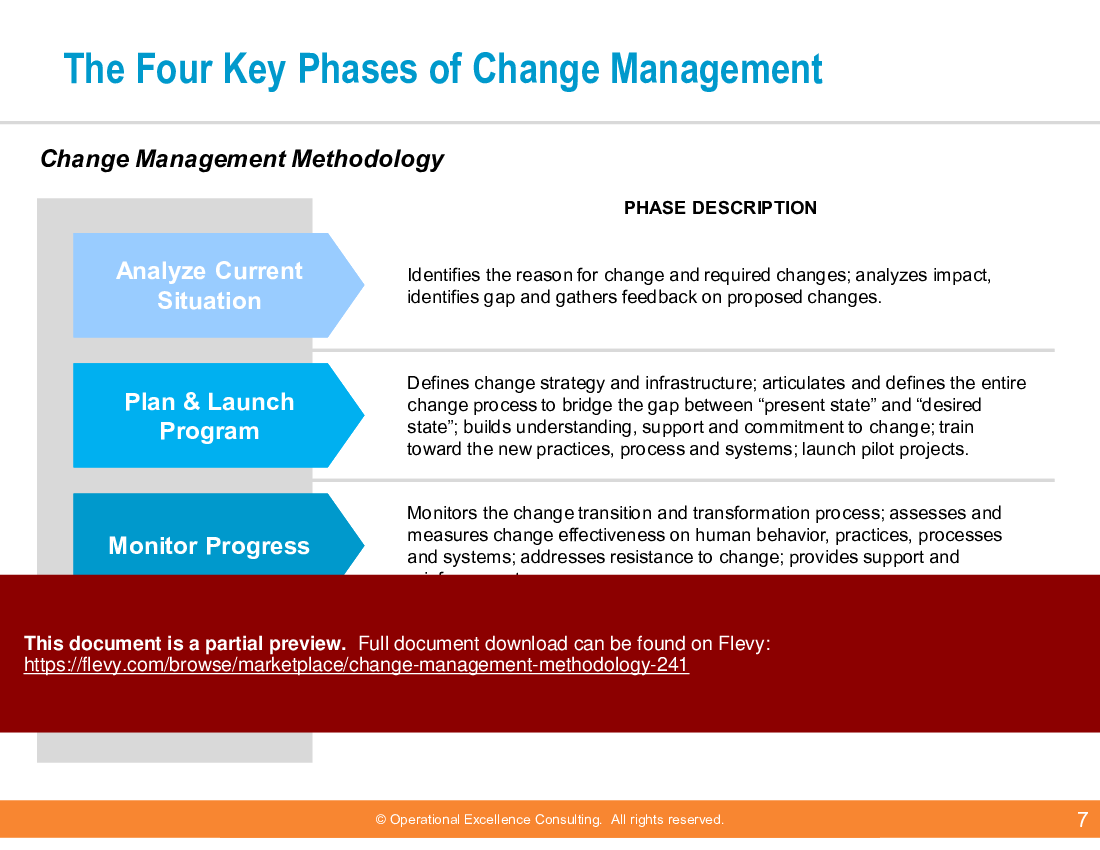
This comprehensive Change Management Methodology provides a step-by-step blueprint for change managers to successfully plan, implement and sustain change in their work environment. The Change Management process comprises four main phases: analyzing the current situation, planning and launching the program, monitoring progress, and evaluating effectiveness. The descriptions of the four phases of Change Management are as follow:
1. Analyze Current Situation: Identifies the reason for change and required changes; analyzes impact, identifies gap and gathers feedback on proposed changes.
2. Plan & Launch Program: Defines change strategy and infrastructure; articulates and defines the entire change process to bridge the gap between "present state" and "desired state".
3. Monitor Progress: Monitors the change transition and transformation process; assesses and measures change effectiveness on people, processes and systems; addresses resistance to change.
4. Evaluate Effectiveness: Reviews results of change process with appropriate follow-up actions; supports culture change; shares success stories and learning points; reward and recognize successful change.
This easy-to-follow methodology is applicable to all types of organizations embarking on organizational transformation such as process and technology improvement, behavioral and cultural change, role and organizational redefinition, mergers and acquisitions as well as the re-imagination of a new workplace in the post pandemic world.
||||||||||||||||||||||||||||||||||||||||||||||||||||||||||||||||||||||||||||||||||||||||||||||||||||||||||||||||||||||||||||||||||||||||||||||||||||||
This methodology package includes:
1. Change Management Methodology (PowerPoint format)
2. Change Management Poster (PDF format, in color and monochrome, printable in A3 size)
||||||||||||||||||||||||||||||||||||||||||||||||||||||||||||||||||||||||||||||||||||||||||||||||||||||||||||||||||||||||||||||||||||||||||||||||||||||
CONTENTS
1. Analyze Current Situation
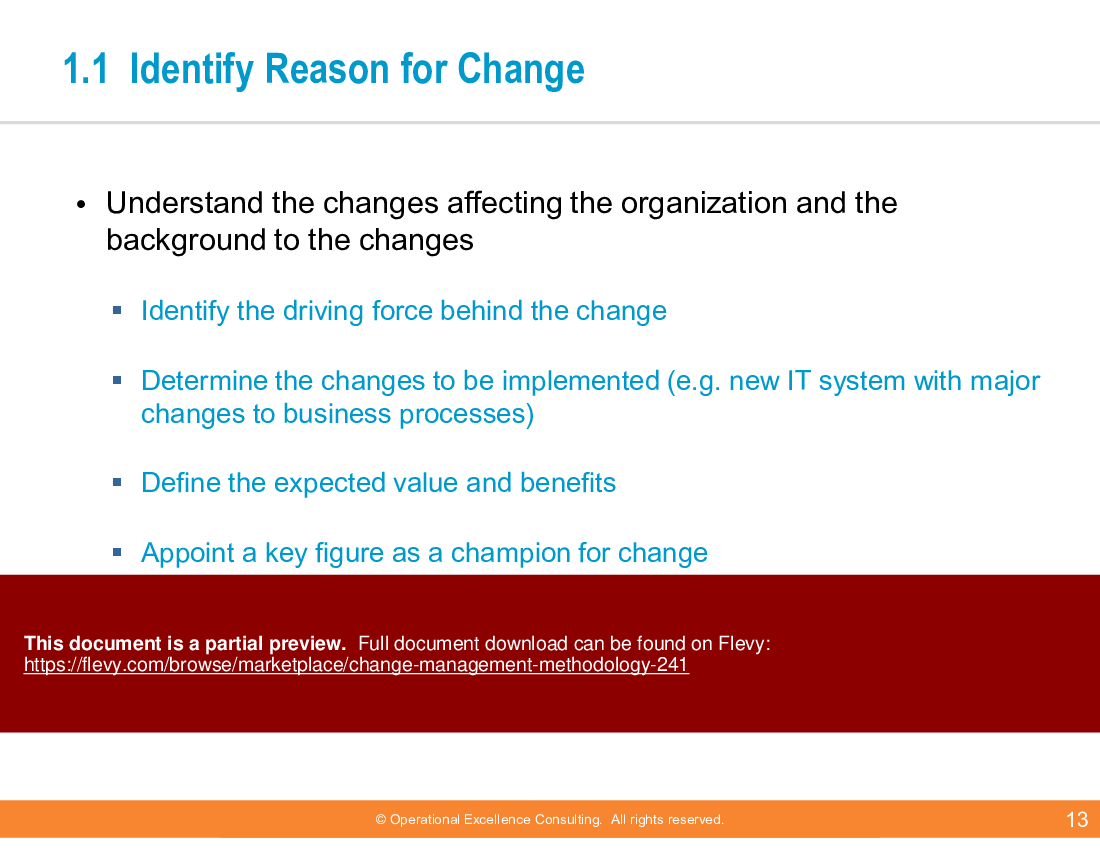
1.1 Identify reason for change
1.2 Assess readiness for change
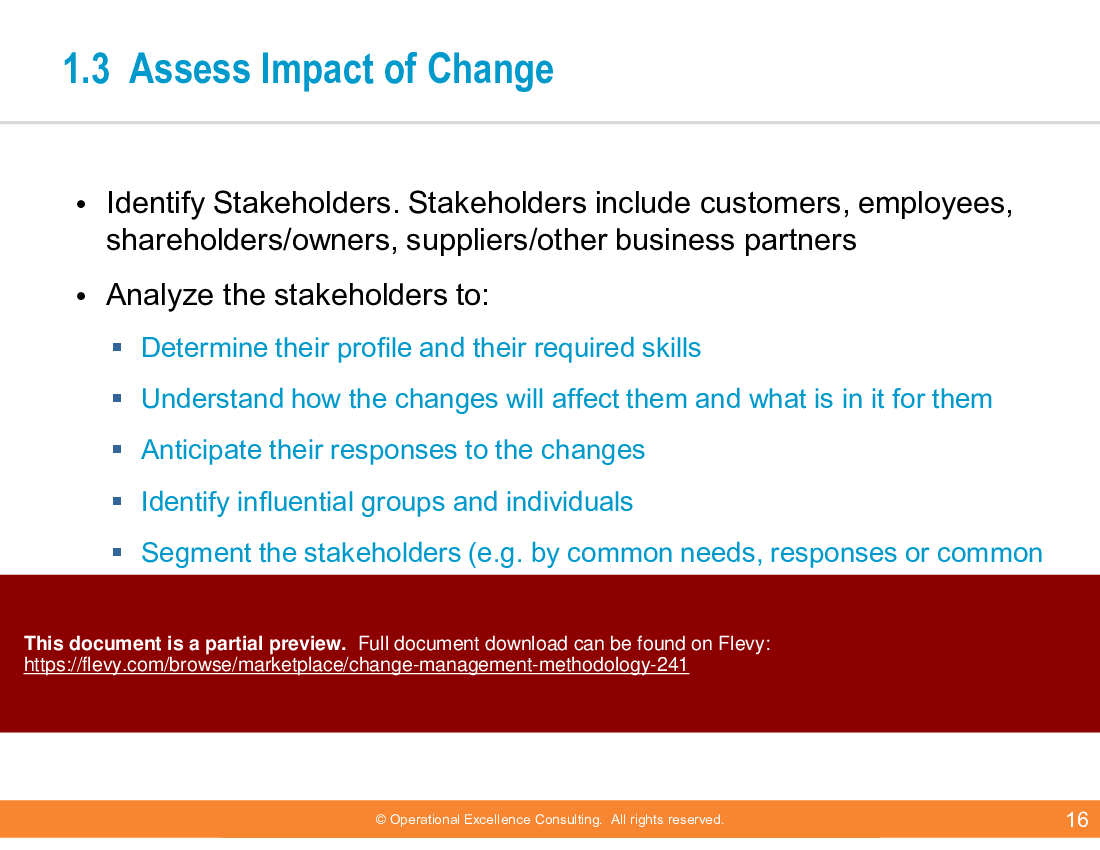
1.3 Assess impact of change
1.4 Identify gaps
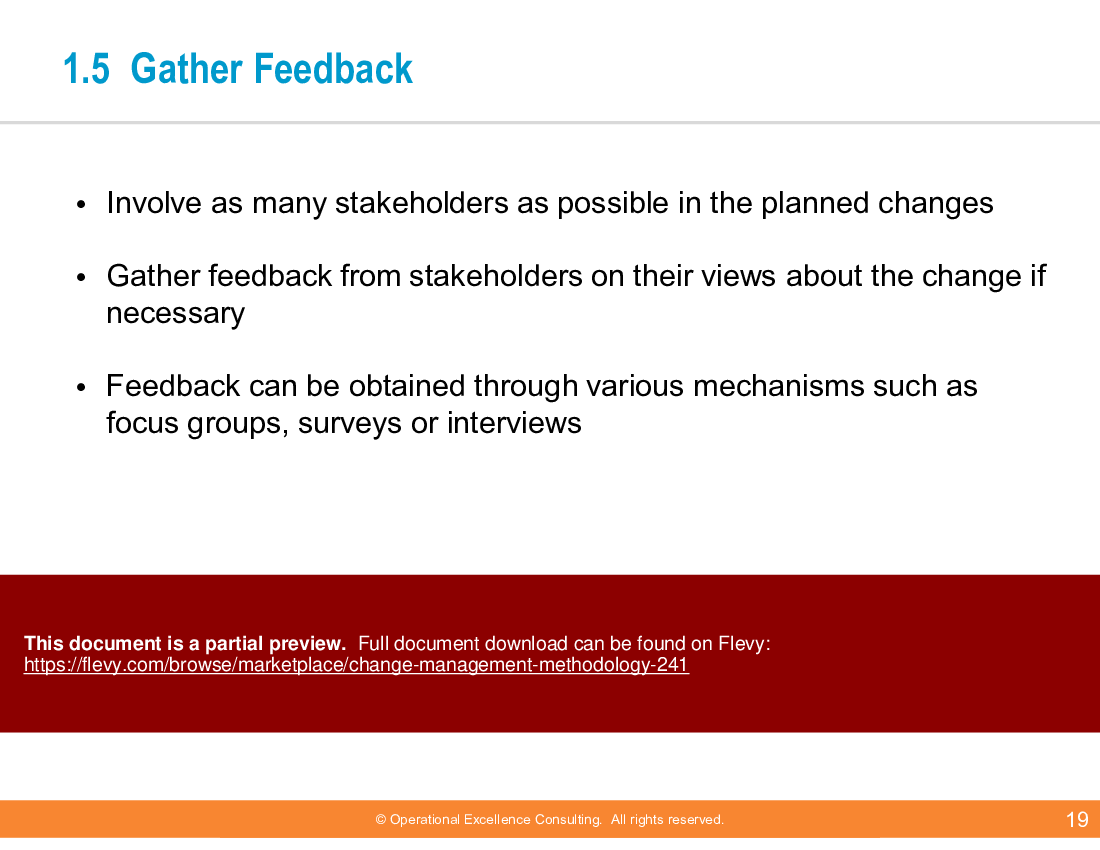
1.5 Gather feedback
2. Plan and Launch Program
2.1 Define change strategy
2.2 Set up change infrastructure
2.3 Create awareness and get buy-in
2.4 Develop and communicate plans
2.5 Develop skills
2.6 Launch pilot project
3. Monitor Progress
3.1 Monitor change process
3.2 Overcome resistance to change
3.3 Audit for behavioral changes
3.4 Measure effectiveness
3.5 Provide support
4. Evaluate Effectiveness
4.1 Review results
4.2 Share success stories
4.3 Provide follow up support
4.4 Reward and recognize
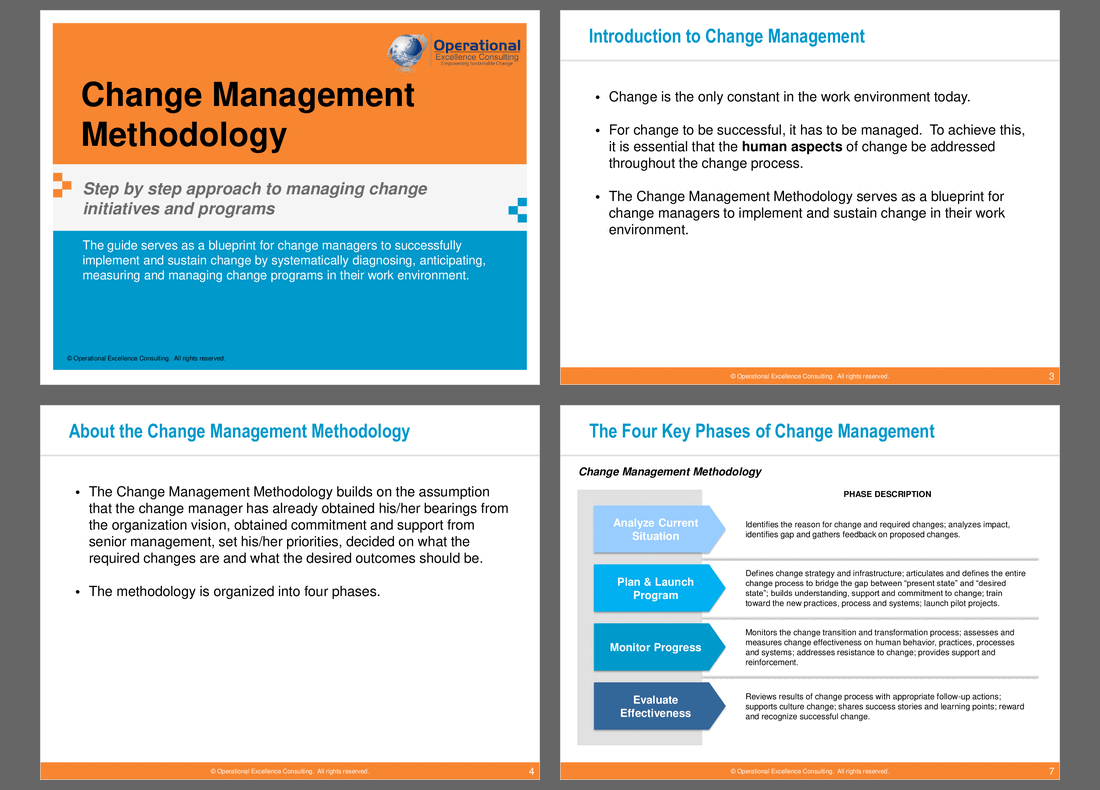
The Change Management Methodology builds on the assumption that the change manager has already obtained his/her bearings from the organization vision, obtained commitment and support from senior management, set his/her priorities, decided on what the required changes are and what the desired outcomes should be. The methodology is organized into four phases.
The methodology emphasizes the importance of identifying the driving force behind the change and determining the changes to be implemented. It also highlights the need to consolidate the training plan, addressing scope, approach, milestones, and resource requirements.
Got a question about the product? Email us at support@flevy.com or ask the author directly by using the "Ask the Author a Question" form. If you cannot view the preview above this document description, go here to view the large preview instead.
PRESENTATION DEEP DIVE ANALYSIS
This deep-dive analysis was generated from the full 73-slide PowerPoint presentation.
Source: Best Practices in Change Management PowerPoint Slides: Change Management Methodology PowerPoint (PPTX) Presentation Slide Deck, Operational Excellence Consulting
ABOUT THE AUTHOR

Operational Excellence Consulting, founded in 2009 by Allan Ung, draws from extensive experience at Microsoft, IBM, and Underwriters Laboratories (UL). We specialize in strategy deployment, customer experience design, and operational excellence, applying Design Thinking, Lean, and Systems Thinking to maximize customer value and minimize waste.
Our
... [read more]
Ask the Author a Question
You must be logged in to contact the author.




























