
 Click main image to view in full screen.
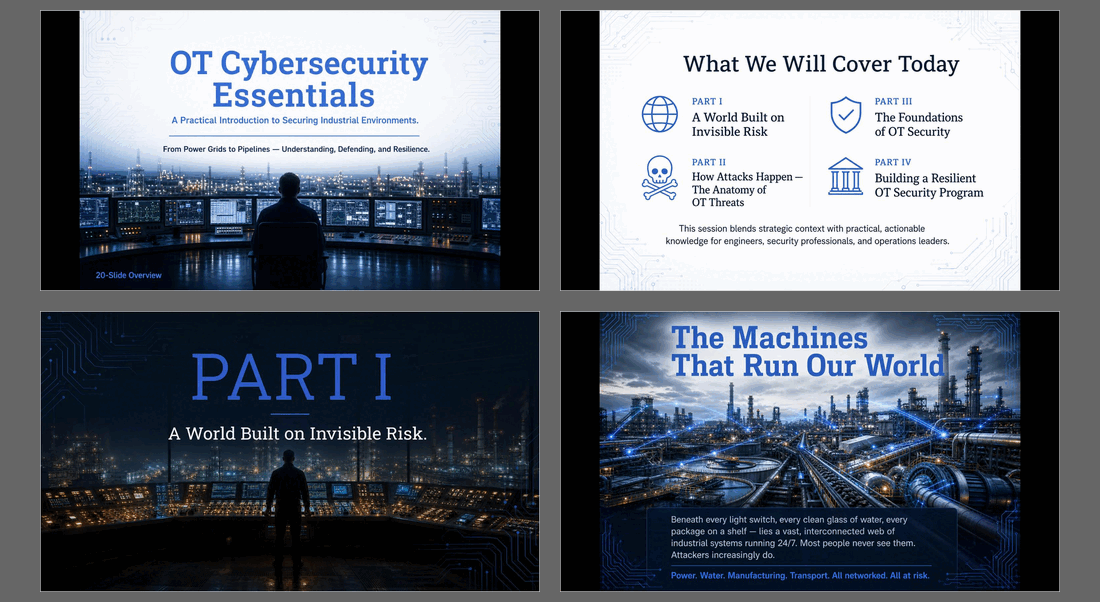
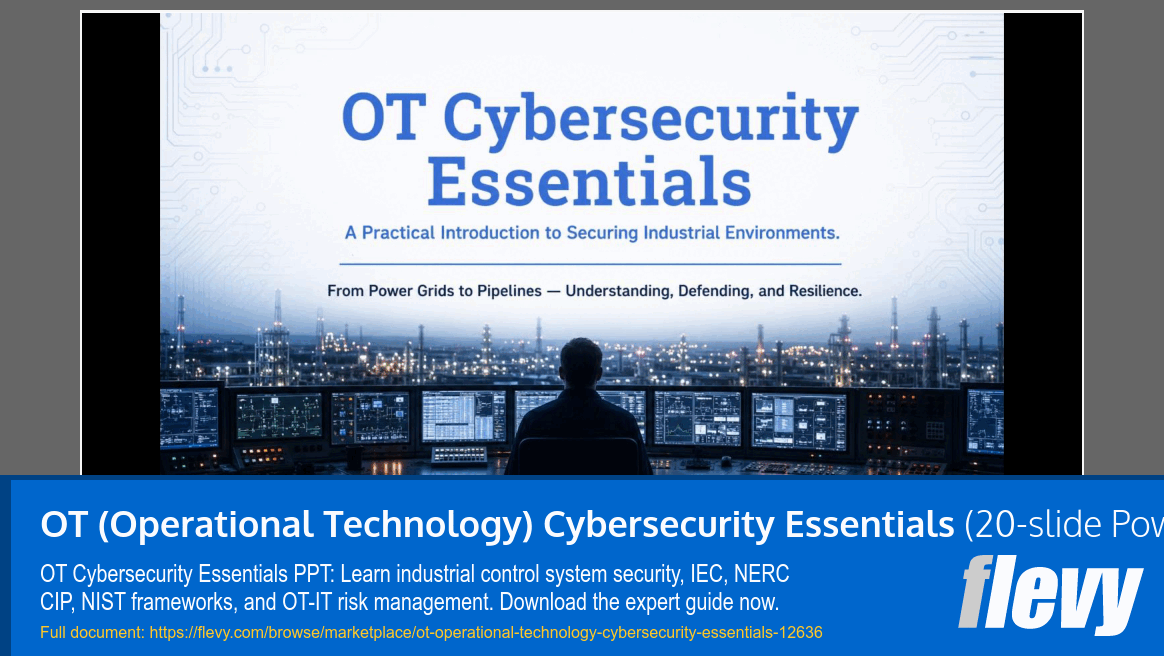
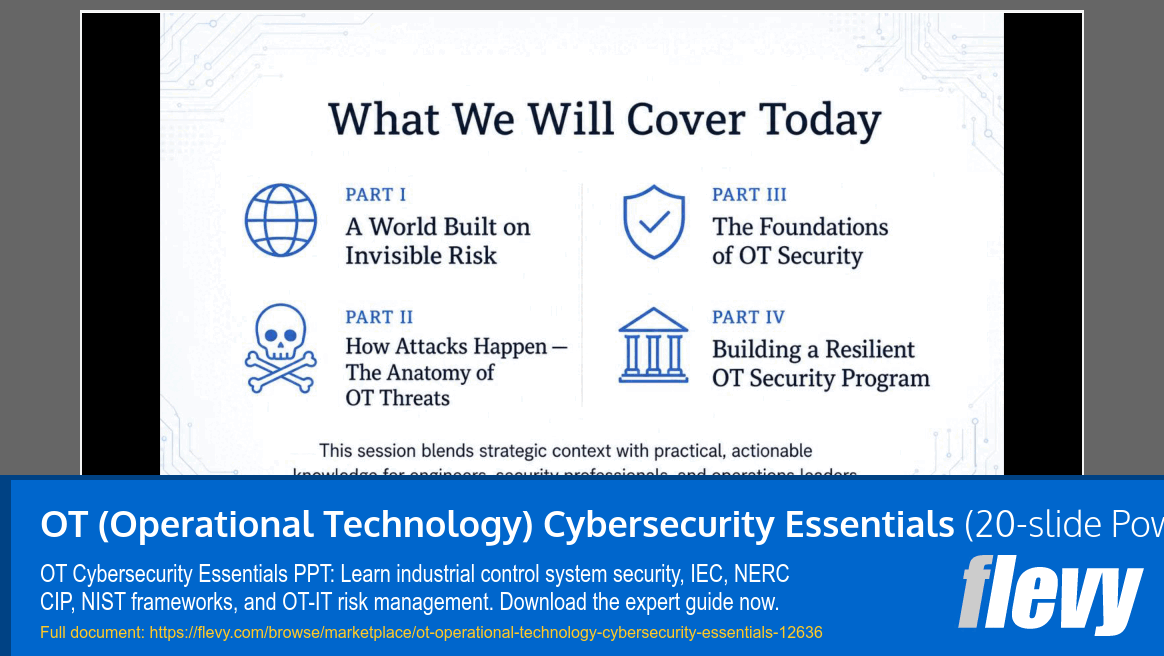
OT (Operational Technology) Cybersecurity Essentials – PowerPoint PPTX Template
PowerPoint (PPTX) + Zip archive file (ZIP) 20 Slides


CYBER SECURITY PPT TEMPLATE DESCRIPTION
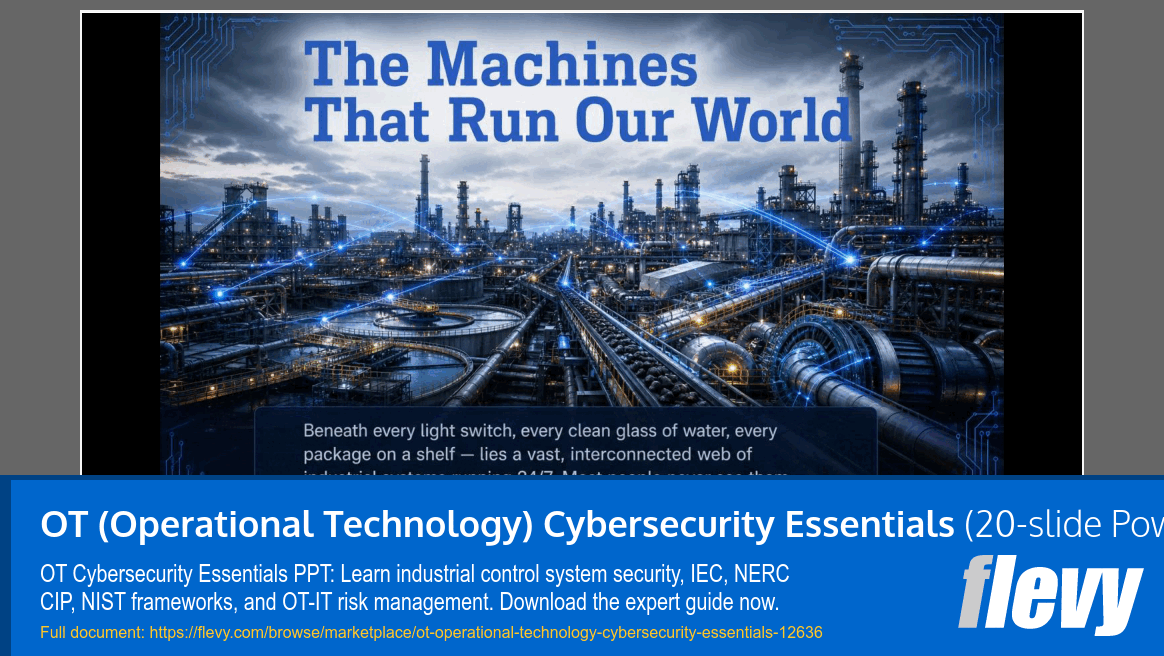
Critical infrastructure has always been a target. In the age before digital controls, attacking a power grid or a water treatment facility required physical presence, specialized knowledge, and significant logistical resources. The barrier to causing large-scale disruption was high. Today, that barrier has collapsed. A threat actor with a laptop, an internet connection, and knowledge of industrial control system vulnerabilities can attempt to interfere with the operations of a refinery, a desalination plant, or a national power grid from thousands of kilometers away.
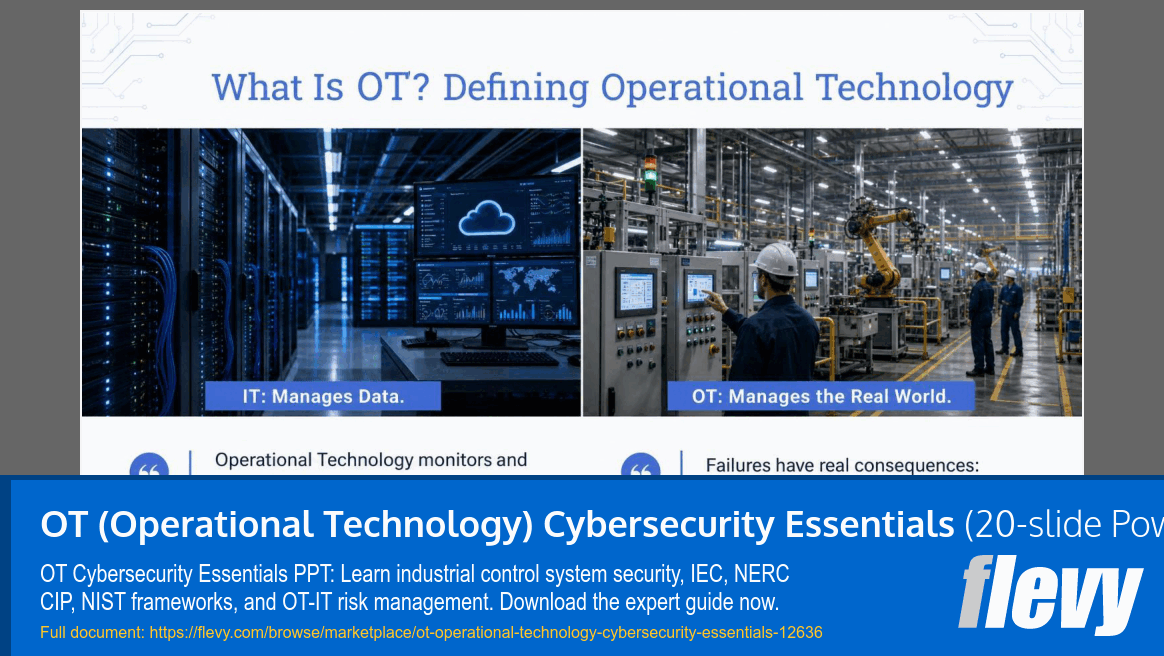
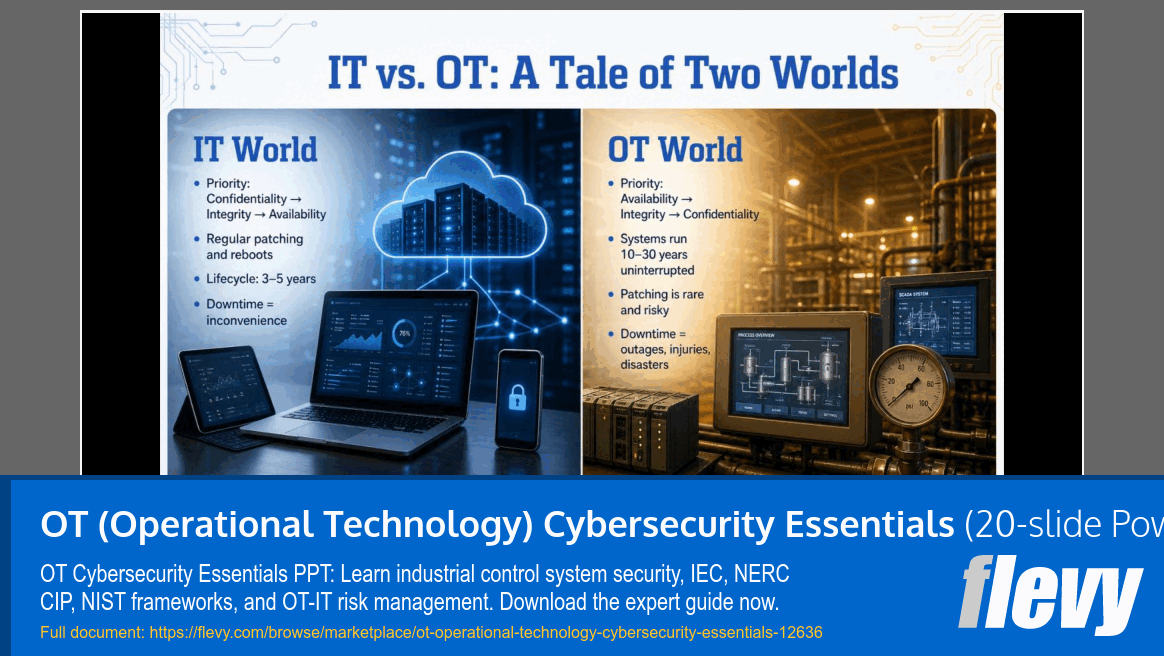
IT security professionals entering OT environments for the first time encounter a world that operates on fundamentally different principles: where availability takes precedence over confidentiality, where patching a system might require a six-month maintenance window, where a poorly timed security scan can disrupt an entire production line, and where the consequences of a security failure are not a data breach but a physical hazard. Without a structured introduction to these principles, IT security professionals make decisions in OT environments that are technically correct in the IT context but operationally dangerous in the OT context.
OT engineers, conversely, often have deep knowledge of their industrial systems and processes but limited exposure to the cybersecurity disciplines that are now essential for protecting those systems. They understand programmable logic controllers, distributed control systems, and SCADA architectures – but the concepts of threat modeling, network segmentation, security monitoring, and incident response may be unfamiliar territory.
This book is written for both audiences—and for students who are approaching both domains simultaneously for the first time. It provides the conceptual bridges between IT and OT security, the technical foundations of industrial control system architecture and protocols, and the practical frameworks – including IEC 62443, NERC CIP, NIST SP 800-82, and the NCA Essential Cybersecurity Controls – required to build and evaluate OT security programs.
With this Guide & toolkit, you have a starting point to know more about OT CYBERSECURITY ESSENTIALS
Got a question about the product? Email us at support@flevy.com or ask the author directly by using the "Ask the Author a Question" form. If you cannot view the preview above this document description, go here to view the large preview instead.
Source: Best Practices in Cyber Security PowerPoint Slides: OT (Operational Technology) Cybersecurity Essentials PowerPoint (PPTX) Presentation Slide Deck, Mohamed Alshamey
ABOUT THE AUTHOR

Senior Consultant in Cybersecurity GRC, Data Governance, Cybersecurity, Privacy, and Data Management, with over 20 years of experience in information technology, consulting, training, and technical capacity building. holds a PhD. In AI & Data Privacy, he has a master's degree in cybersecurity and is currently pursuing research focused on data privacy. possesses extensive expertise in ... [read more]
Ask the Author a Question
You must be logged in to contact the author.




























