
"An organizational structure carries inherent capabilities as to what can be achieved within its frame."
— Pearl Zhu
Nurturing the Seeds of Strategic Management:
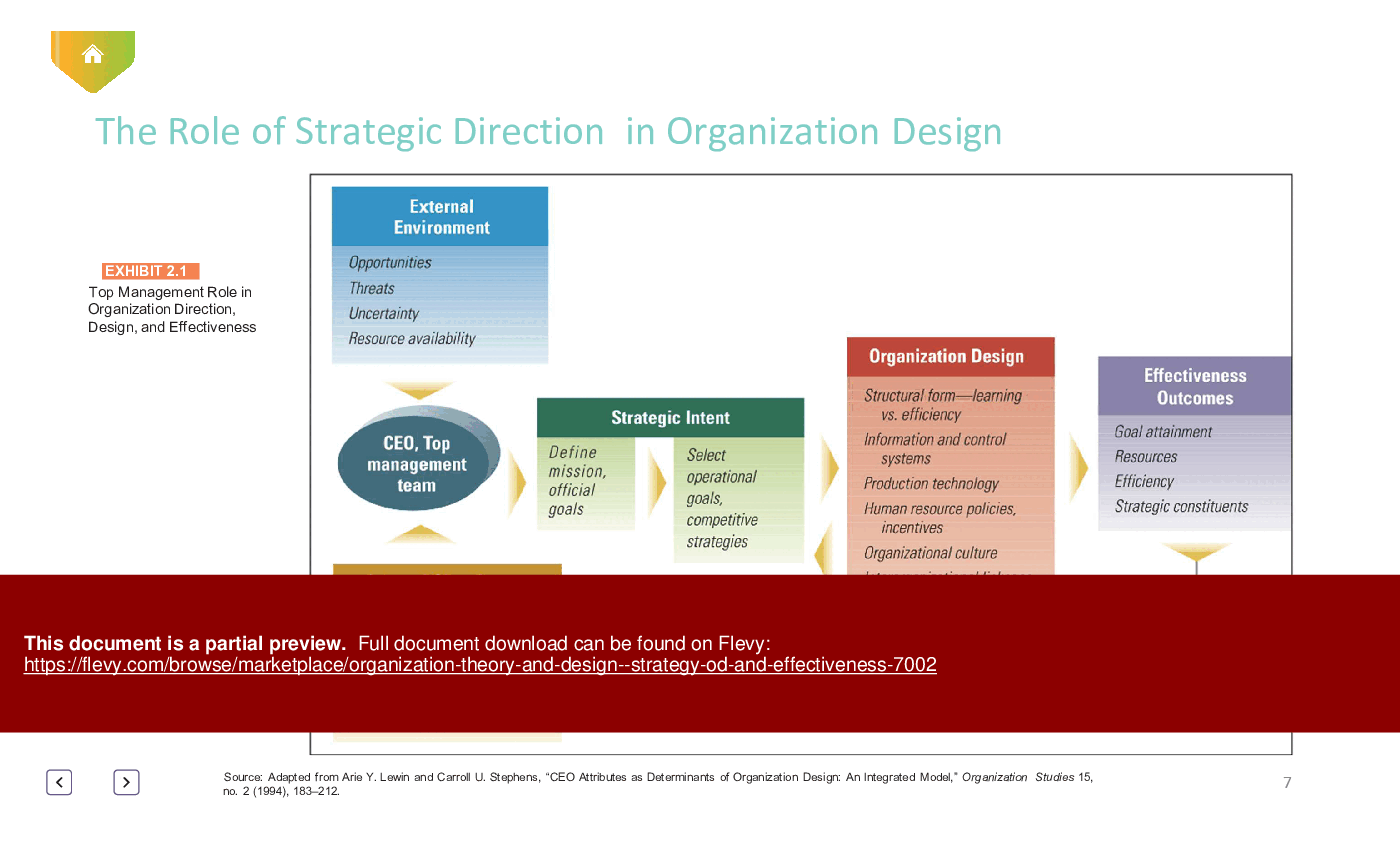
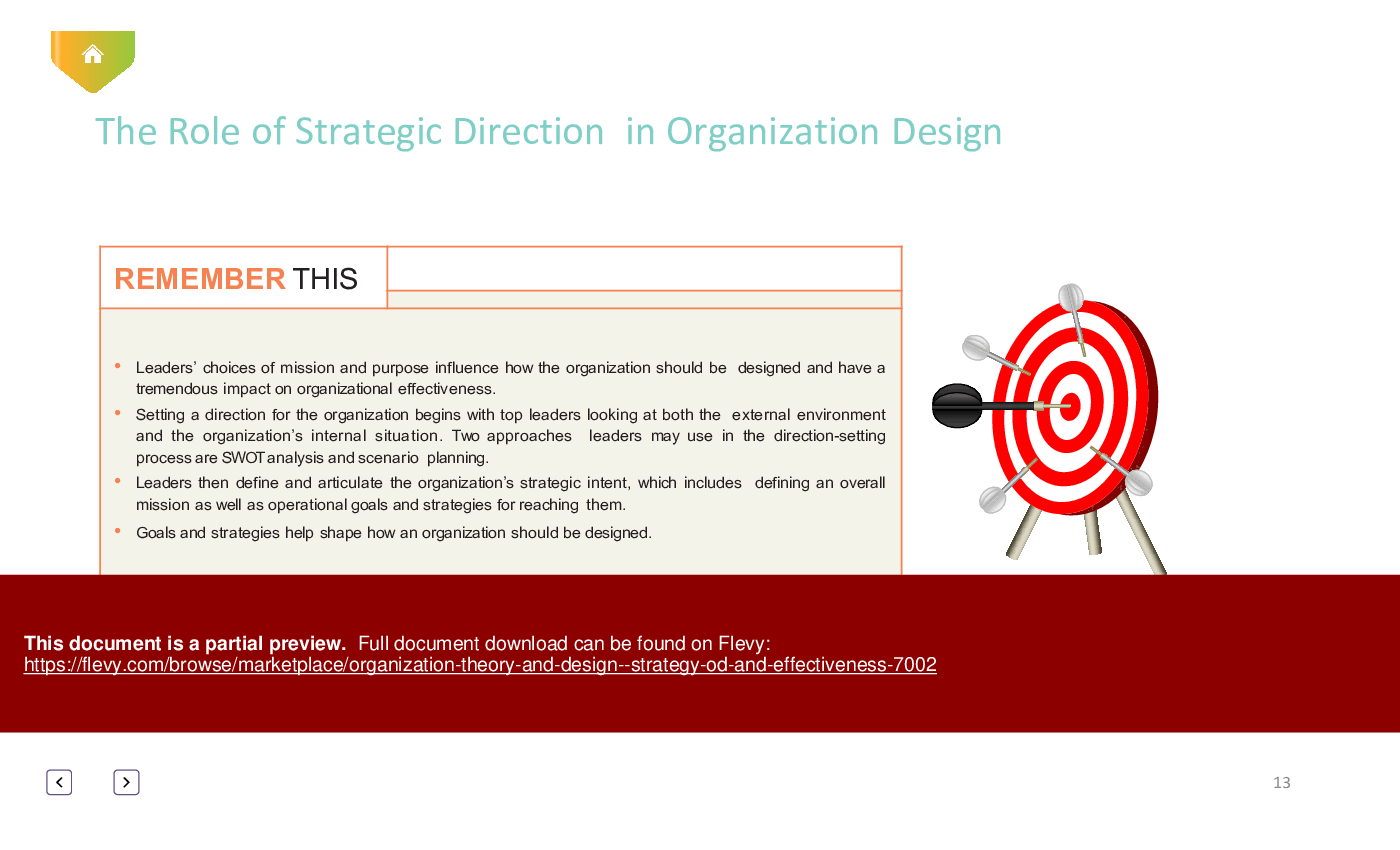
At the helm of organizations, top managers wield the rudder, steering their ship toward the fulfillment of goals. They don the mantle of visionaries, charting the course for their organizations, and crafting meticulous plans to translate these visions into reality. The essence of this presentation lies in guiding you through the multifaceted realm of organizational goals, competitive strategies, and their profound impact on organization design.
Sculpting Objectives: Objectives of This Presentation:
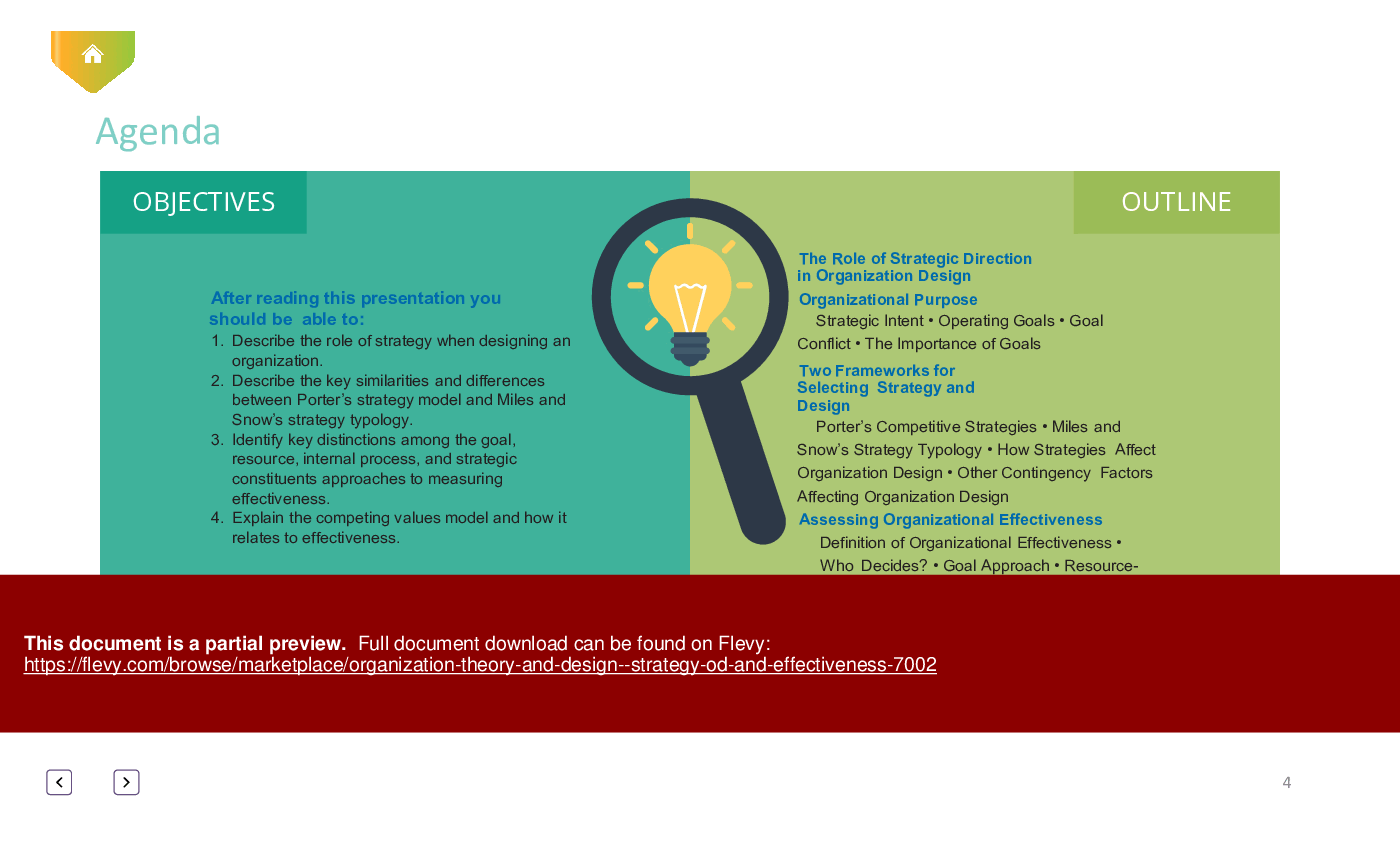
This presentation aspires to provide you with a panoramic view of strategic management. It embarks on a journey that unravels the tapestry of organizational goals, explores the competitive strategies that managers deploy, and delves into the symbiotic relationship between strategies and organization design. Moreover, it acquaints you with the preeminent methodologies for assessing the effectiveness of organizational endeavors. An organization's effectiveness hinges on the lucidity of its goals and its ability to gauge progress toward attaining them.
Embark on a Journey of Discovery: What Awaits You:
By embarking on this voyage of knowledge, you will gain insight into the pivotal role of strategic direction in organization design. You will navigate the terrain of organizational purpose, decoding strategic intent, operating goals, and the subtle interplay of goal conflict. Two eminent frameworks—Porter's Competitive Strategies and Miles and Snow's Strategy Typology—will illuminate the path, illustrating how strategies shape organization design. The presentation will also demystify the intricate process of assessing organizational effectiveness through various lenses.
The Compass to Understanding Organization Theory & Design:
This 67-Slide PowerPoint document serves as your compass in comprehending the intricate interplay between Strategy, Organization Design, and Effectiveness. With its versatility for customization and its treasure trove of impactful figures, diagrams, ice-breakers, pictures, and more, it offers a holistic perspective on the profound concepts that underpin Organization Theory & Design.
Got a question about the product? Email us at support@flevy.com or ask the author directly by using the "Ask the Author a Question" form. If you cannot view the preview above this document description, go here to view the large preview instead.
Executive Summary
The "Organization Theory & Design - Strategy, Org Design, & Effectiveness" presentation provides a comprehensive overview of strategic management, organizational alignment, and effectiveness. It equips corporate executives and consultants with essential frameworks, including Porter's Competitive Strategies and Miles & Snow's Strategy Typology. This resource enables leaders to define organizational goals, select appropriate strategies, and measure effectiveness, ensuring that their organizations are well-positioned to achieve competitive advantage and operational success.
Who This Is For and When to Use
• Corporate executives responsible for strategic planning and organizational design
• Integration leaders overseeing mergers and acquisitions
• Consultants advising on organizational effectiveness and strategy
• HR leaders focused on aligning workforce capabilities with strategic goals
Best-fit moments to use this deck:
• During strategic planning sessions to align organizational goals with design
• When assessing organizational effectiveness and identifying improvement areas
• In workshops aimed at fostering understanding of competitive strategies
Learning Objectives
• Describe the role of strategy in organizational design
• Compare and contrast Porter's strategy model with Miles and Snow's typology
• Identify key distinctions among approaches to measuring organizational effectiveness
• Explain the competing values model and its relevance to effectiveness
• Assess how strategies influence organizational structure and design
• Develop frameworks for evaluating organizational performance
Table of Contents
• The Role of Strategic Direction in Organization Design (page 6)
• Organizational Purpose (page 14)
• Two Frameworks for Selecting Strategy and Design (page 30)
• Assessing Organizational Effectiveness (page 46)
• An Integrated Effectiveness Model (page 60)
Primary Topics Covered
• Strategic Direction - The process by which top management defines organizational goals and strategies to guide design and effectiveness.
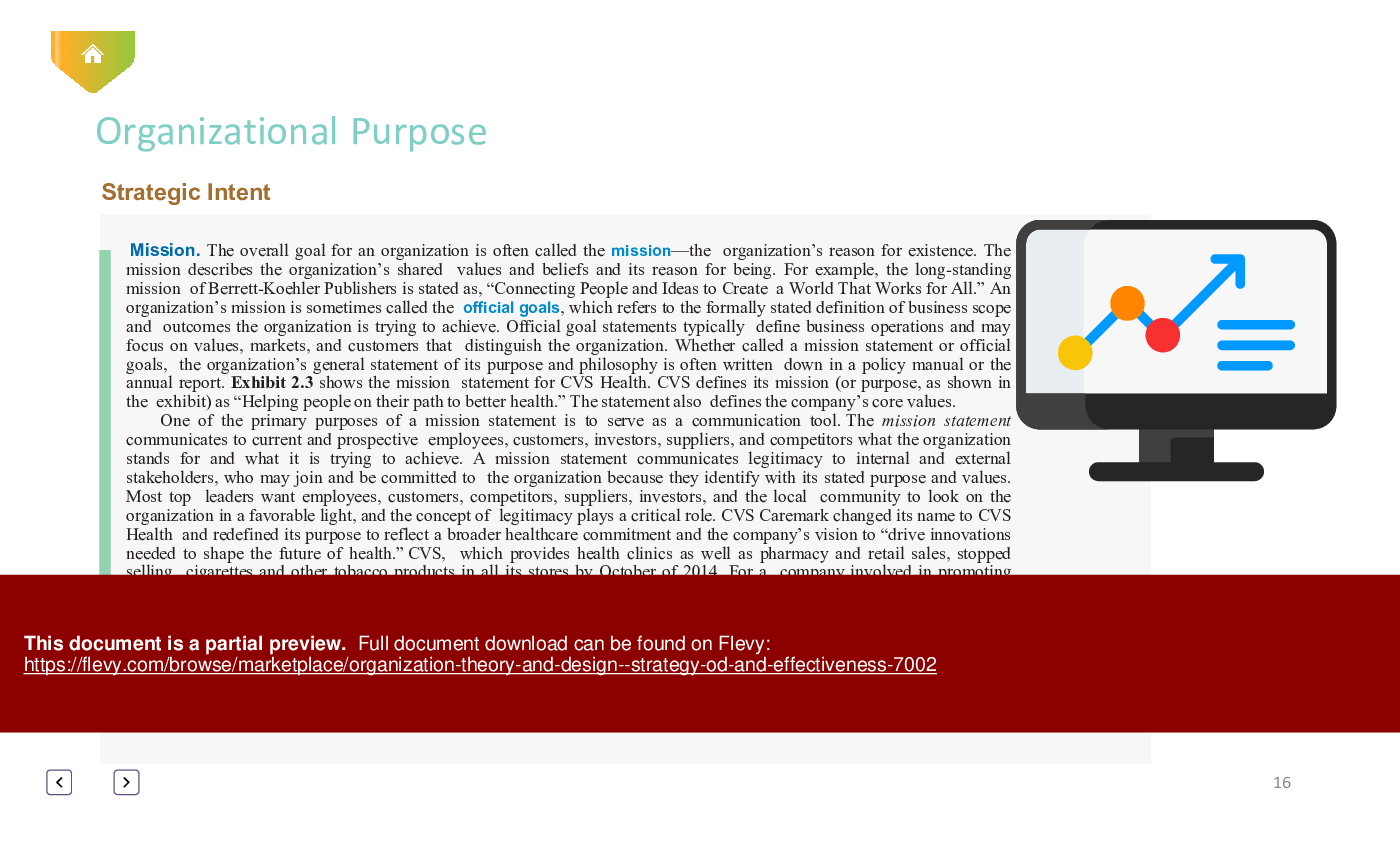
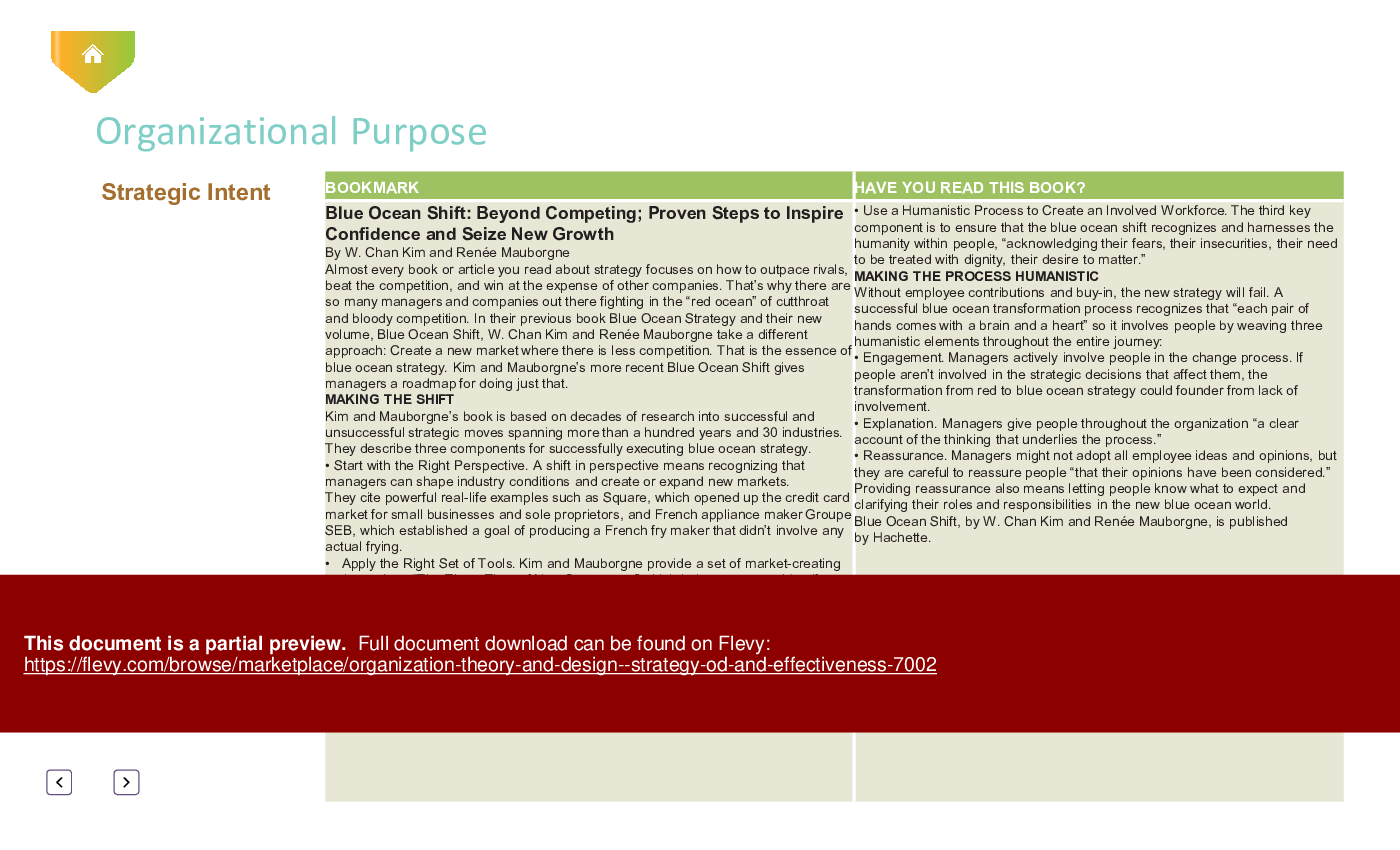
• Organizational Purpose - The mission and strategic intent that shape operational goals and resource allocation.
• Porter's Competitive Strategies - Differentiation and low-cost leadership strategies that influence organizational design and effectiveness.
• Miles and Snow's Strategy Typology - Prospector, defender, analyzer, and reactor strategies that align with organizational characteristics and external environments.
• Measuring Effectiveness - Various approaches, including goal, resource-based, internal process, and strategic constituents approaches.
• Competing Values Model - A framework that integrates diverse effectiveness criteria and acknowledges competing management values.
Deliverables, Templates, and Tools
• SWOT analysis template for assessing internal strengths and weaknesses
• Framework for defining strategic intent and operational goals
• Guidelines for measuring organizational effectiveness using multiple approaches
• Scenario planning tools for anticipating future challenges and opportunities
• Integrated effectiveness model for evaluating organizational performance
Slide Highlights
• Overview of strategic direction's role in organizational design
• Visual representation of Porter's and Miles & Snow's frameworks
• Examples of organizational purpose and mission statements
• Case studies illustrating the application of strategies in real organizations
• Insights into measuring effectiveness through various approaches
Potential Workshop Agenda
Defining Organizational Goals (90 minutes)
• Discuss the importance of strategic intent
• Conduct a SWOT analysis for participant organizations
• Develop operational goals aligned with strategic direction
Exploring Competitive Strategies (60 minutes)
• Review Porter's and Miles & Snow's frameworks
• Identify applicable strategies for participant organizations
• Discuss implications for organizational design
Measuring Effectiveness (90 minutes)
• Introduce the 4 approaches to measuring effectiveness
• Develop a customized effectiveness assessment plan
• Share best practices for ongoing evaluation and improvement
Customization Guidance
• Tailor the SWOT analysis to reflect specific organizational contexts and environments
• Adjust the strategic intent framework to align with unique mission statements and values
• Incorporate industry-specific metrics into the effectiveness measurement tools
Secondary Topics Covered
• The impact of organizational culture on strategy and design
• The importance of stakeholder engagement in defining effectiveness
• Techniques for fostering innovation within organizational structures
• Best practices for aligning HR strategies with organizational goals
• The role of technology in supporting organizational design and effectiveness
Topic FAQ
Document FAQ
These are questions addressed within this presentation.
What is the purpose of organizational design?
Organizational design aligns the structure and processes of an organization with its strategic goals, ensuring effective resource allocation and operational efficiency.
How do Porter's strategies influence organizational effectiveness?
Porter's strategies guide organizations in choosing between differentiation and cost leadership, shaping their operational focus and competitive positioning.
What are the key components of the competing values model?
The competing values model integrates internal and external focus with flexibility and stability, allowing organizations to balance diverse effectiveness criteria.
How can organizations measure their effectiveness?
Effectiveness can be measured through various approaches, including goal attainment, resource management, internal processes, and stakeholder satisfaction.
What role does strategic intent play in organizational success?
Strategic intent provides a clear direction for the organization, aligning resources and efforts toward achieving defined goals and competitive advantages.
Why is scenario planning important for organizations?
Scenario planning helps organizations anticipate potential challenges and opportunities, enabling proactive strategy formulation and risk management.
How can organizations ensure alignment between strategy and design?
Organizations should regularly assess their strategies and designs, making adjustments as needed to ensure that structures support strategic goals.
What challenges do organizations face in measuring effectiveness?
Organizations often encounter difficulties in defining clear metrics, balancing multiple goals, and addressing subjective assessments of performance.
Glossary
• Strategic Direction - The overarching goals and strategies set by top management to guide organizational design.
• SWOT Analysis - A framework for assessing internal strengths and weaknesses, as well as external opportunities and threats.
• Porter's Competitive Strategies - A model outlining differentiation and low-cost leadership as key competitive approaches.
• Miles and Snow's Strategy Typology - A framework categorizing organizations as prospectors, defenders, analyzers, or reactors based on their strategic focus.
• Organizational Effectiveness - The degree to which an organization achieves its goals and objectives.
• Competing Values Model - A framework that balances various organizational values and effectiveness criteria.
• Resource-Based Approach - An effectiveness measurement focusing on the management of valuable resources.
• Internal Process Approach - An effectiveness measurement assessing internal organizational health and efficiency.
• Strategic Constituents Approach - An effectiveness measurement focusing on the satisfaction of key stakeholders.
• Scenario Planning - A strategic technique for anticipating future challenges and opportunities.
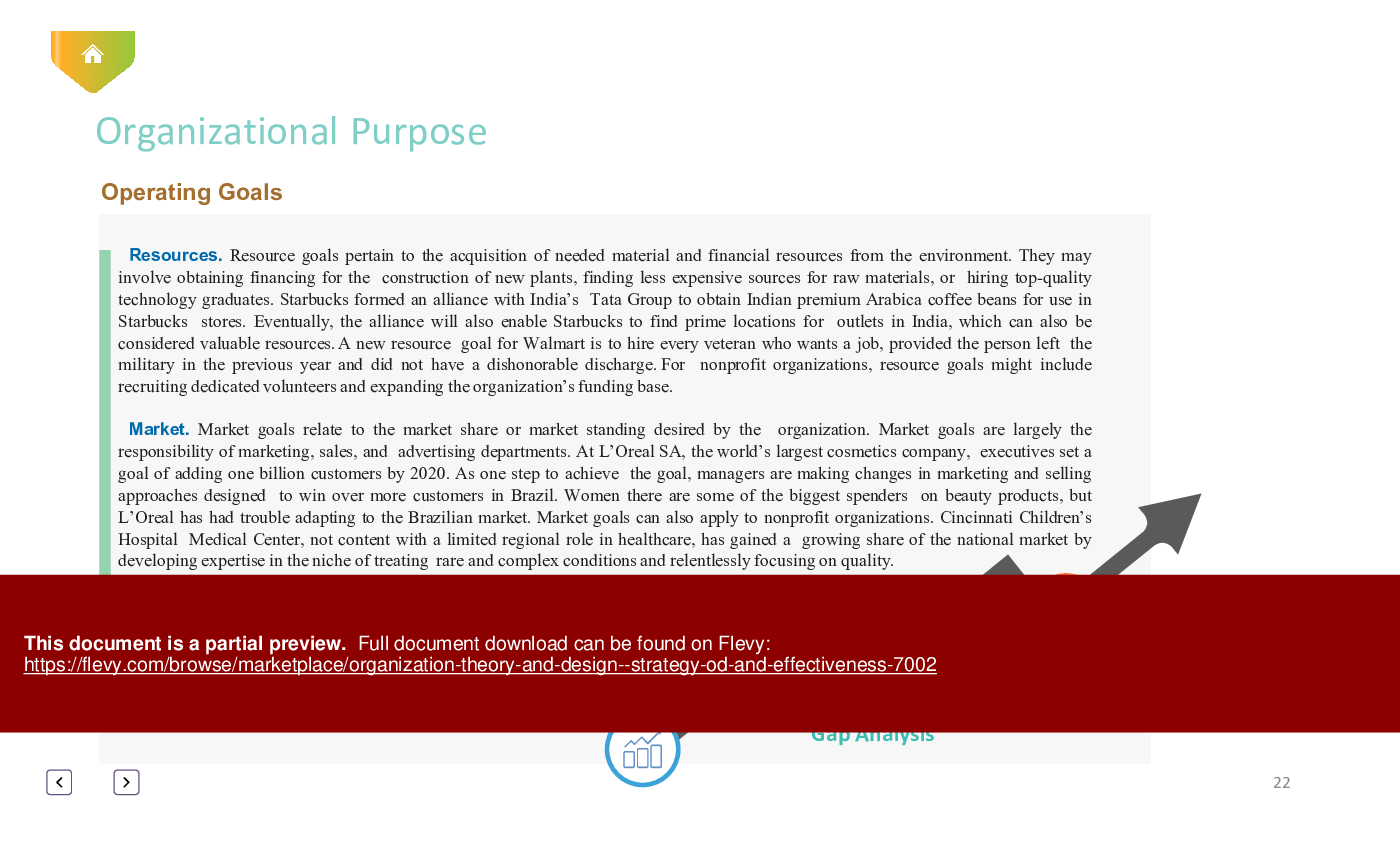
• Operational Goals - Specific, measurable outcomes that organizations aim to achieve through their activities.
• Strategic Intent - The focused, unifying goal that directs an organization's energies and resources.
• Differentiation Strategy - A competitive approach focused on providing unique products or services.
• Cost Leadership Strategy - A competitive approach focused on achieving lower costs than competitors.
• Analyzer Strategy - A hybrid strategy that balances stability with innovation.
• Defender Strategy - A strategy focused on maintaining current customers and efficiency.
• Prospector Strategy - A strategy focused on innovation and seeking new opportunities.
• Reactor Strategy - A strategy characterized by a lack of proactive planning and response to environmental changes.
Source: Best Practices in Organizational Design PowerPoint Slides: Organization Theory & Design - Strategy, Org Design, & Effectiveness PowerPoint (PPTX) Presentation Slide Deck, RadVector Consulting
|
Download our FREE Organization, Change, & Culture, Templates
Download our free compilation of 50+ slides and templates on Organizational Design, Change Management, and Corporate Culture. Methodologies include ADKAR, Burke-Litwin Change Model, McKinsey 7-S, Competing Values Framework, etc. |










