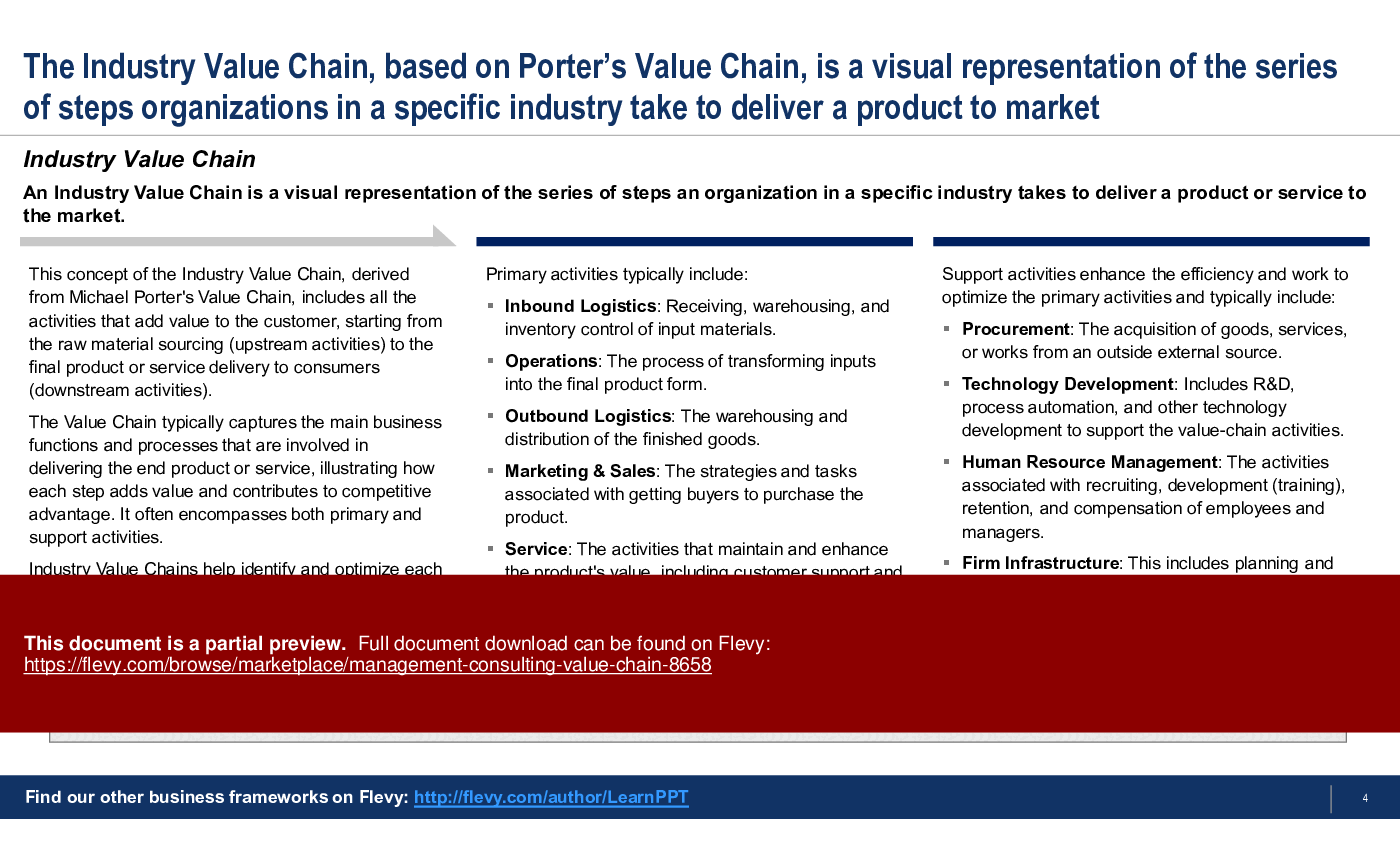
An Industry Value Chain is a visual representation of the series of steps an organization in a specific industry takes to deliver a product or service to the market. It captures the main business functions and processes that are involved in delivering the end product or service, illustrating how each step adds value and contributes to a Competitive Advantage. It often encompasses both primary and support activities.
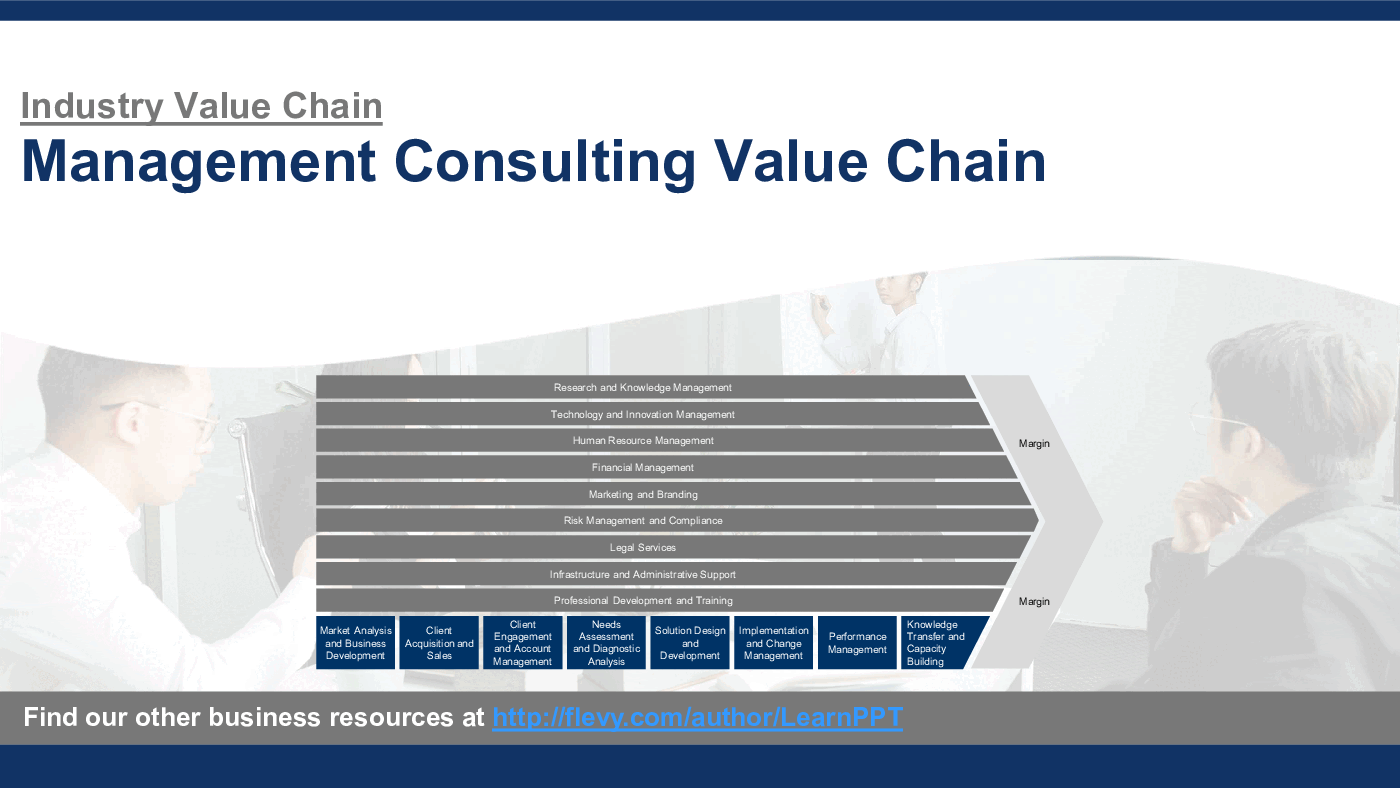
This PowerPoint presentation captures the Management Consulting Industry Value Chain, which includes the following primary and support activities:
Primary Activities
1. Market Analysis and Business Development
2. Client Acquisition and Sales
3. Client Engagement and Account Management
4. Needs Assessment and Diagnostic Analysis
5. Solution Design and Development
6. Implementation and Change Management
7. Performance Management
8. Knowledge Transfer and Capacity Building
Support Activities
1. Research and Knowledge Management
2. Technology and Innovation Management
3. Human Resource Management
4. Financial Management
5. Marketing and Branding
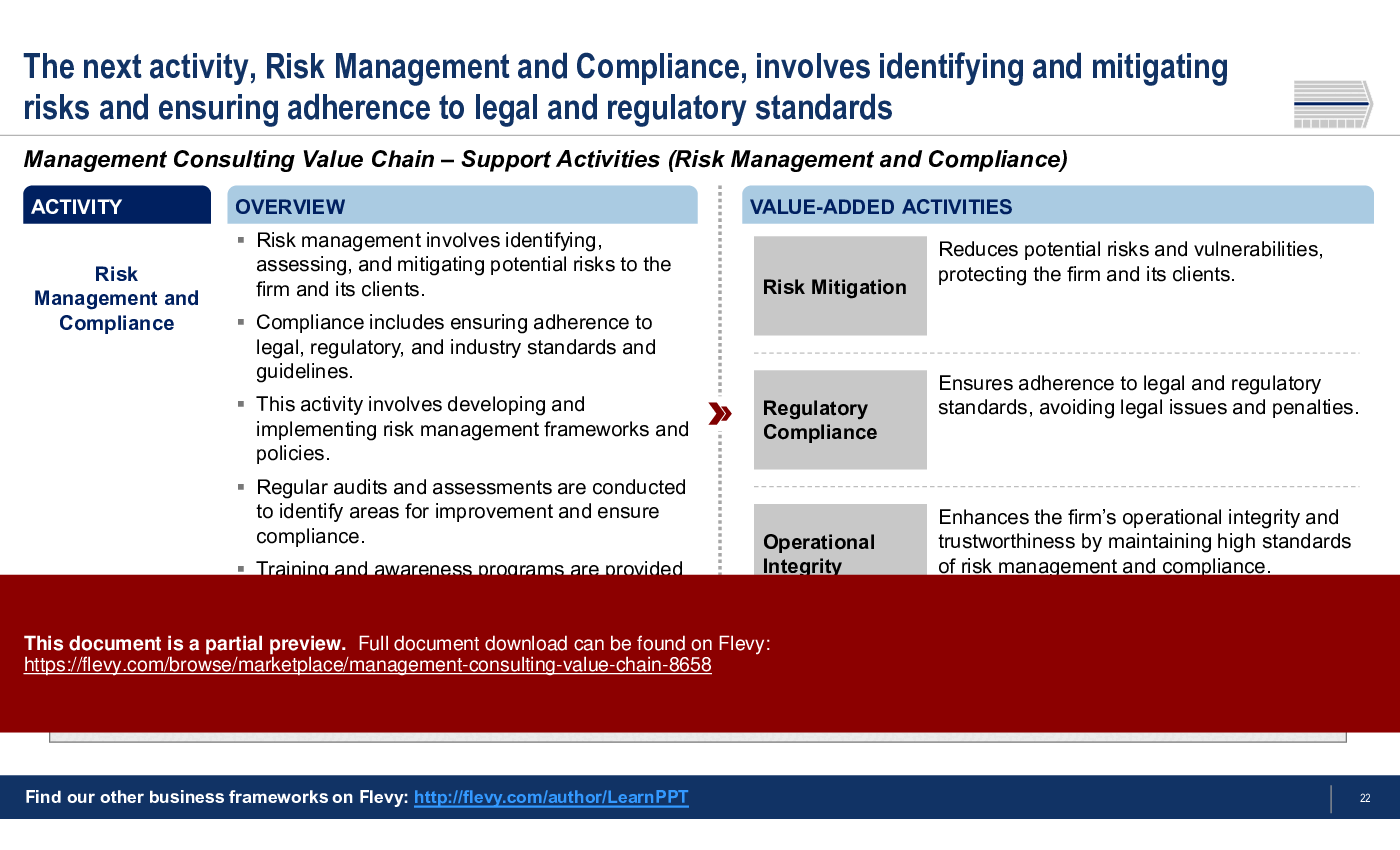
6. Risk Management and Compliance
7. Legal Services
8. Infrastructure and Administrative Support
9. Professional Development and Training
The Consulting Industry Value Chain integrates market analysis, client acquisition, solution development, and implementation, ensuring comprehensive support for client success. It is designed to broadly capture the full Management Consulting Industry. For smaller, boutique firms or independent consultants, not all activities may apply. Knowledge transfer and capacity building are essential for empowering clients to sustain improvements and drive continuous innovation.
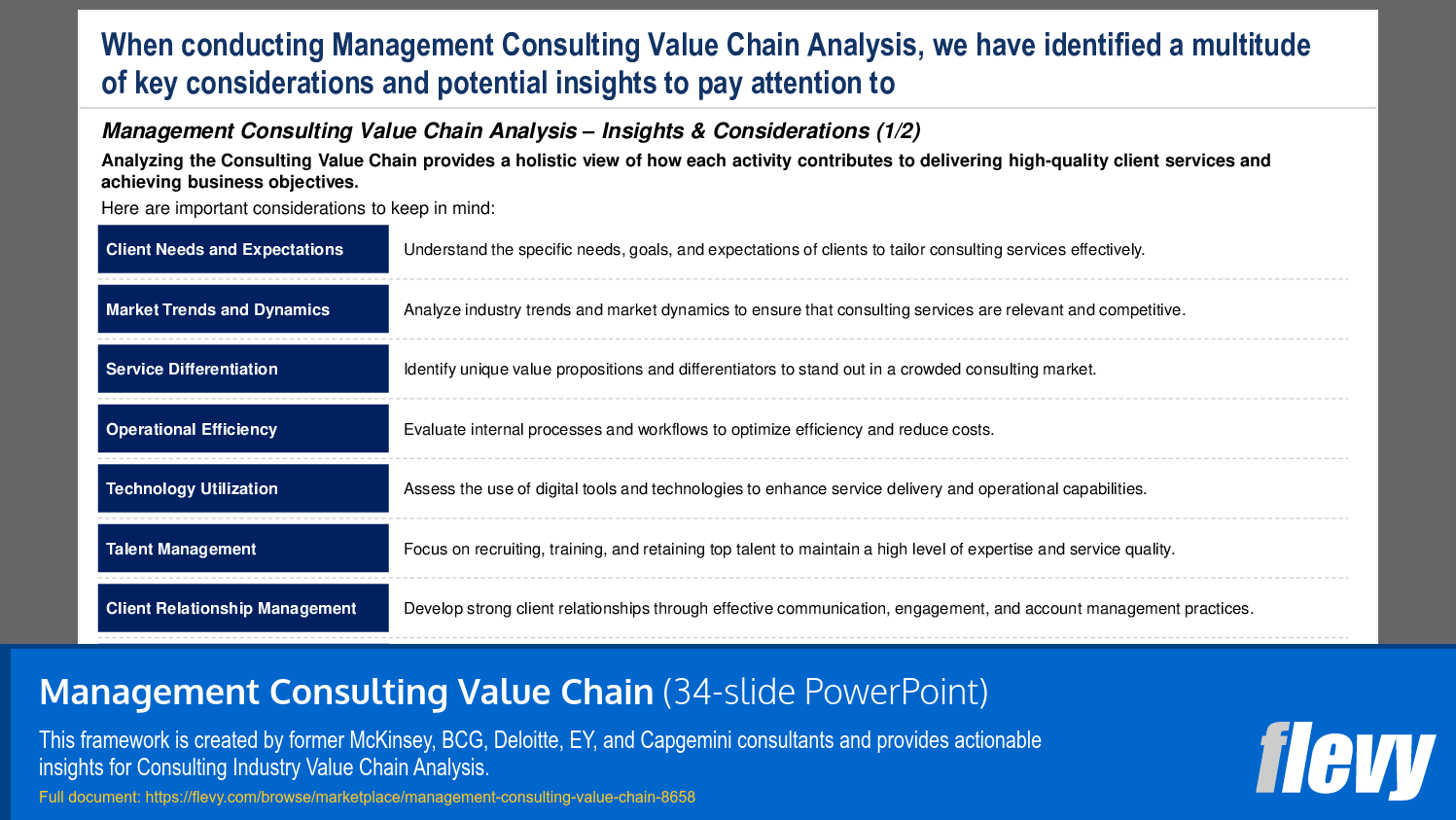
This PowerPoint presentation dives deeper into each of these activities, highlighting key elements. This presentation also discusses Management Consulting Value Chain Analysis, highlighting a multitude of key considerations and potential insights to pay attention to. We further discuss the significant impact of Digital Transformation and various specific emergent technologies on the Consulting Industry.
This presentation not only outlines the core activities of the Management Consulting Value Chain, but also emphasizes the importance of integrating digital transformation strategies. It provides actionable insights that can help firms enhance their operational efficiency and adapt to evolving market demands.
Got a question about the product? Email us at support@flevy.com or ask the author directly by using the "Ask the Author a Question" form. If you cannot view the preview above this document description, go here to view the large preview instead.
Executive Summary
The Management Consulting Value Chain framework is a comprehensive guide developed by former consultants from top-tier firms like McKinsey, BCG, and Deloitte. This consulting-grade presentation outlines the critical steps involved in delivering consulting services, emphasizing both primary and support activities that contribute to client success. By utilizing this framework, consulting firms can enhance their operational efficiency, improve client engagement, and ultimately drive sustainable growth.
Who This Is For and When to Use
• Management consultants seeking to optimize service delivery processes
• Business leaders aiming to enhance client satisfaction and loyalty
• Strategy teams focused on identifying market opportunities and competitive advantages
• Human resource professionals looking to improve talent management and development
Best-fit moments to use this deck:
• During strategic planning sessions to align consulting activities with business objectives
• When developing training programs to enhance consultant skills and knowledge
• In client engagements to assess needs and tailor solutions effectively
Learning Objectives
• Define the key components of the Management Consulting Value Chain
• Analyze market trends and client needs to inform strategic decisions
• Develop tailored solutions through needs assessment and diagnostic analysis
• Implement effective change management strategies to ensure successful adoption
• Monitor performance metrics to evaluate the effectiveness of consulting interventions
• Foster a culture of continuous improvement and knowledge sharing within consulting teams
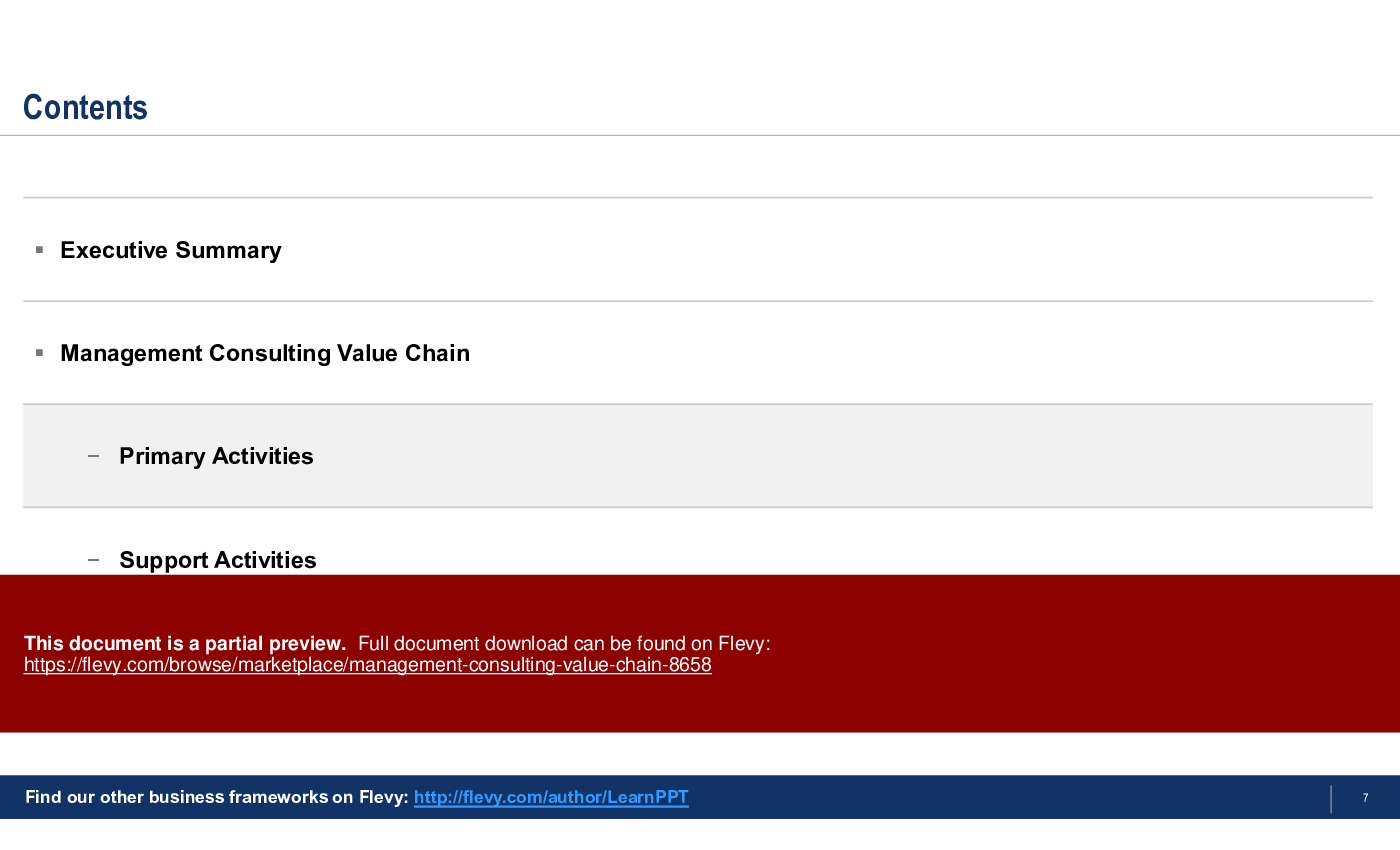
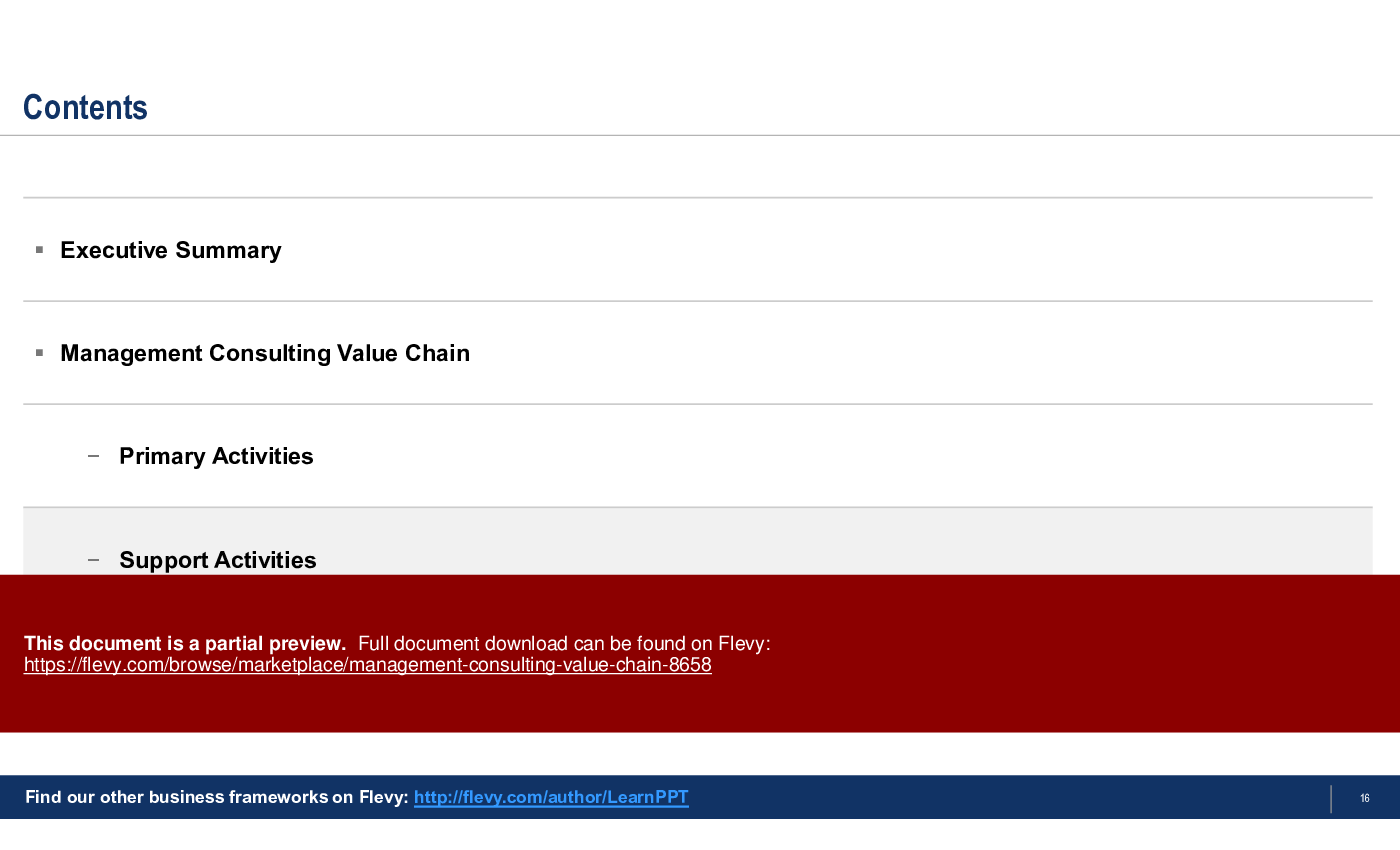
Table of Contents
• Executive Summary (page 1)
• Management Consulting Value Chain (page 2)
• Primary Activities (page 3)
• Support Activities (page 4)
• Management Consulting Value Chain Analysis (page 5)
Primary Topics Covered
• Market Analysis and Business Development - Focuses on identifying market opportunities and developing strategic initiatives to capture new business.
• Client Acquisition and Sales - Involves identifying potential clients, presenting service offerings, and securing new business contracts.
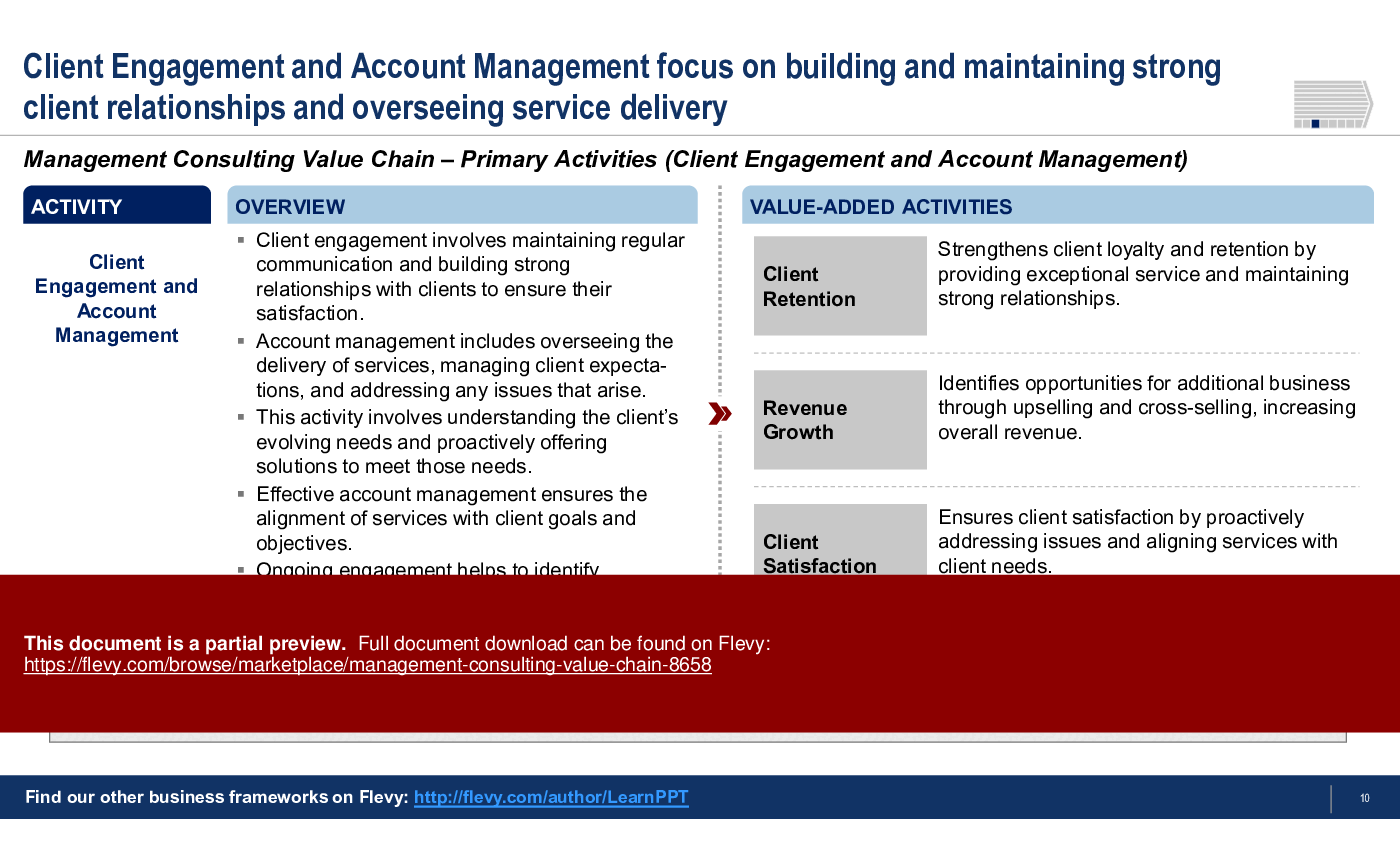
• Client Engagement and Account Management - Centers on building and maintaining strong client relationships and overseeing service delivery.
• Needs Assessment and Diagnostic Analysis - Entails understanding client challenges to develop tailored solutions.
• Solution Design and Development - Focuses on creating customized solutions to address client challenges.
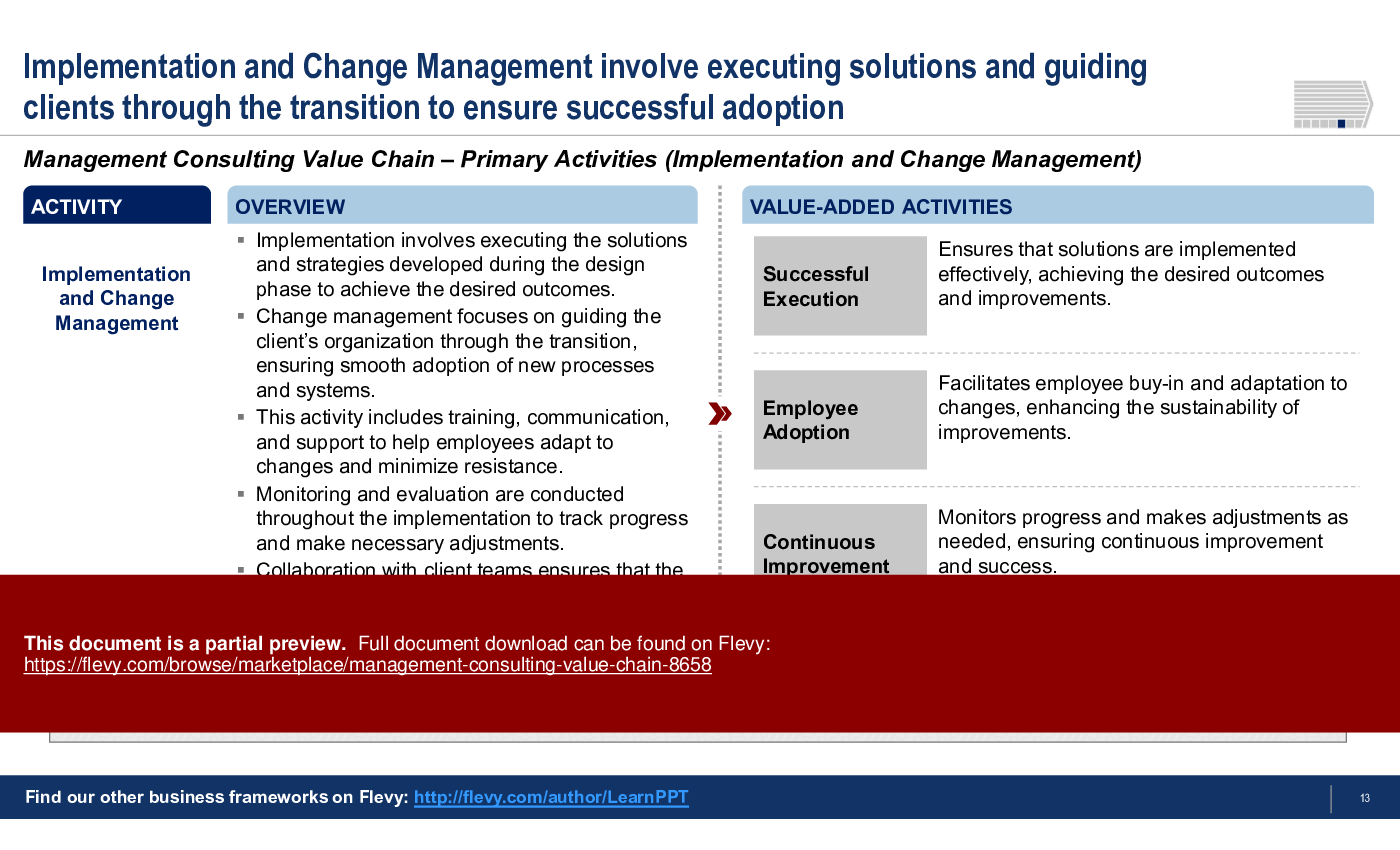
• Implementation and Change Management - Involves executing solutions and guiding clients through transitions.
• Performance Management - Tracks the effectiveness of implemented solutions and identifies areas for improvement.
• Knowledge Transfer and Capacity Building - Empowers clients with the skills and knowledge needed to sustain improvements.
Deliverables, Templates, and Tools
• Market analysis templates for identifying opportunities and trends
• Client engagement frameworks to enhance relationship management
• Needs assessment tools for comprehensive diagnostic analysis
• Solution design methodologies for customized client interventions
• Change management plans to facilitate smooth transitions
• Performance tracking dashboards to monitor key metrics
Slide Highlights
• Overview of the Management Consulting Value Chain illustrating primary and support activities
• Detailed breakdown of market analysis and business development strategies
• Visual representation of client engagement processes and account management best practices
• Framework for needs assessment and diagnostic analysis methodologies
• Implementation strategies for effective change management
Potential Workshop Agenda
Value Chain Overview Session (60 minutes)
• Introduce the Management Consulting Value Chain framework
• Discuss primary and support activities in detail
• Identify key roles and responsibilities in the value chain
Client Engagement Strategies Workshop (90 minutes)
• Explore best practices for client acquisition and relationship management
• Develop tailored approaches for engaging clients effectively
• Share case studies and success stories from previous engagements
Performance Management Review (60 minutes)
• Analyze performance metrics and evaluation techniques
• Discuss continuous improvement strategies for consulting services
• Set actionable goals for enhancing client satisfaction
Customization Guidance
• Tailor the market analysis templates to reflect specific industry dynamics
• Adjust client engagement frameworks to align with organizational culture
• Modify performance tracking dashboards to include relevant KPIs for your firm
Secondary Topics Covered
• Risk Management and Compliance strategies for consulting firms
• Financial Management practices to ensure profitability
• Human Resource Management approaches for talent development
• Marketing and Branding techniques to enhance visibility
• Legal Services considerations for contract management
FAQ
What is the Management Consulting Value Chain?
The Management Consulting Value Chain is a framework that outlines the key activities and processes involved in delivering consulting services, emphasizing both primary and support activities that contribute to client success.
How can this framework improve client engagement?
By clearly defining client engagement processes and account management strategies, firms can enhance client satisfaction and foster long-term relationships.
What are the primary activities in the value chain?
The primary activities include market analysis, client acquisition, client engagement, needs assessment, solution design, implementation, performance management, and knowledge transfer.
How does the framework support continuous improvement?
The framework encourages regular performance evaluation and knowledge sharing, enabling firms to adapt and refine their consulting practices over time.

Can this framework be customized for smaller firms?
Yes, while the framework is comprehensive, smaller firms can tailor specific activities to align with their operational capabilities and client needs.
What role does technology play in the value chain?
Technology enhances various activities, such as data analytics for market insights, CRM systems for client engagement, and automation tools for operational efficiency.
How can firms measure the effectiveness of their consulting services?
Firms can track key performance indicators (KPIs) and client feedback to assess the impact of their services and identify areas for improvement.
What are some best practices for knowledge transfer?
Best practices include structured training programs, documentation of processes, and fostering a culture of continuous learning within the organization.
Glossary
• Management Consulting Value Chain - A framework outlining the key activities involved in delivering consulting services.
• Client Engagement - The process of building and maintaining relationships with clients.
• Needs Assessment - A systematic approach to understanding client challenges and goals.
• Solution Design - The process of creating tailored solutions to address client needs.
• Change Management - Strategies for guiding clients through transitions and ensuring successful adoption of solutions.
• Performance Management - The practice of tracking and evaluating the effectiveness of consulting interventions.
• Knowledge Transfer - The process of sharing expertise and best practices with clients to sustain improvements.
• Market Analysis - Researching industry trends and competitive landscapes to inform strategic decisions.
• Client Acquisition - The process of identifying and securing new clients for consulting services.
• Risk Management - Identifying and mitigating potential risks to ensure operational integrity.
• Financial Management - Planning and controlling financial resources to ensure profitability.
• Human Resource Management - Strategies for recruiting, training, and retaining consulting talent.
• Marketing and Branding - Promoting consulting services and building a firm's reputation in the market.
• Legal Services - Providing legal support and compliance assurance for consulting activities.
• Infrastructure Support - Managing the physical and technological resources necessary for consulting operations.
• Professional Development - Training and growth opportunities for consultants to enhance their skills.
• Digital Transformation - Leveraging technology to improve consulting services and operational efficiency.
• Continuous Improvement - Ongoing efforts to enhance processes and outcomes in consulting engagements.
Source: Best Practices in Consulting Training, Value Chain Analysis PowerPoint Slides: Management Consulting Value Chain PowerPoint (PPTX) Presentation Slide Deck, LearnPPT Consulting
|
Receive our FREE whitepaper on the Top 101 Consulting Frameworks
Download our 200+ page guide summarizing the Top 101 Management Consulting Frameworks. Each framework provides a structured approach to analyzing and solving a common business problem. |