
 Click main image to view in full screen. Unlock all 22 preview images:
Human Resource Management for Organizational Effectiveness – PowerPoint PPTX Template
PowerPoint (PPTX) 73 Slides


BENEFITS OF THIS DOWNLOADABLE POWERPOINT DOCUMENT
- Providing a comprehensive HRM framework that drives improvements in the company's business performance.
- Providing effective HRM processes to enhance employee productivity.
- Positioning HRM as a business partner and operational partner to enhance organizational effectiveness.
ORGANIZATIONAL DESIGN PPT TEMPLATE DESCRIPTION
Human Resource Management for Organizational Effectiveness
Contents:
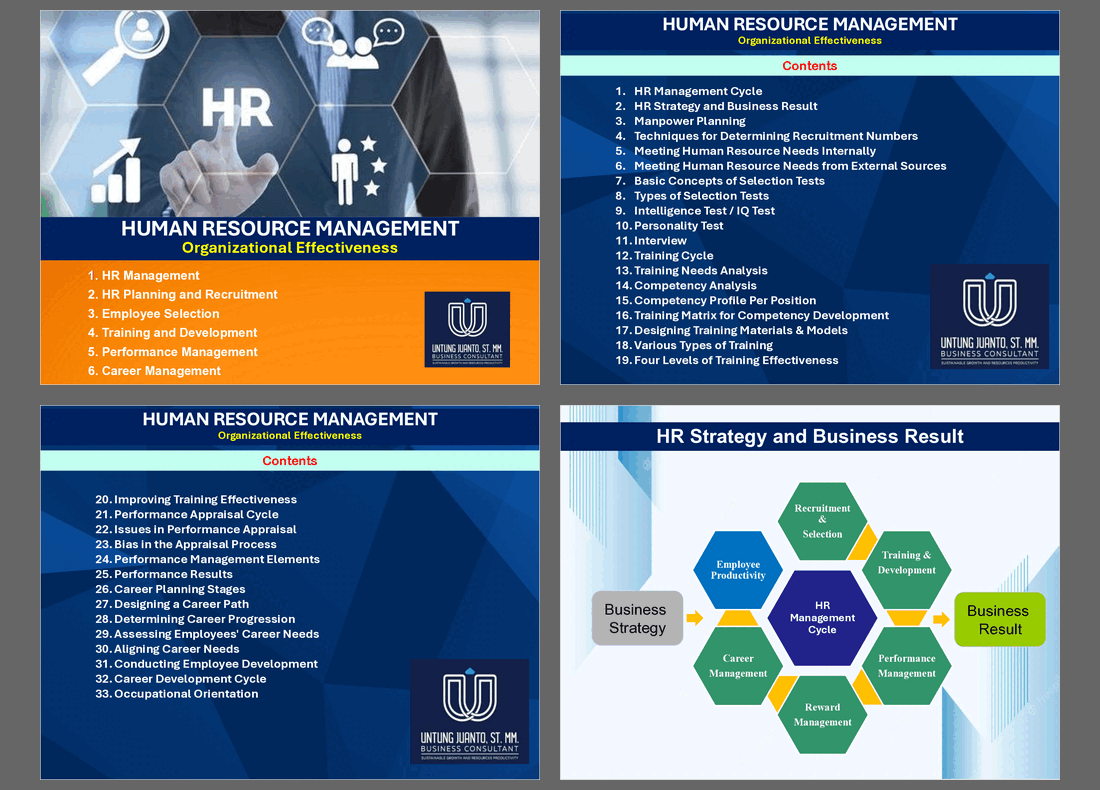
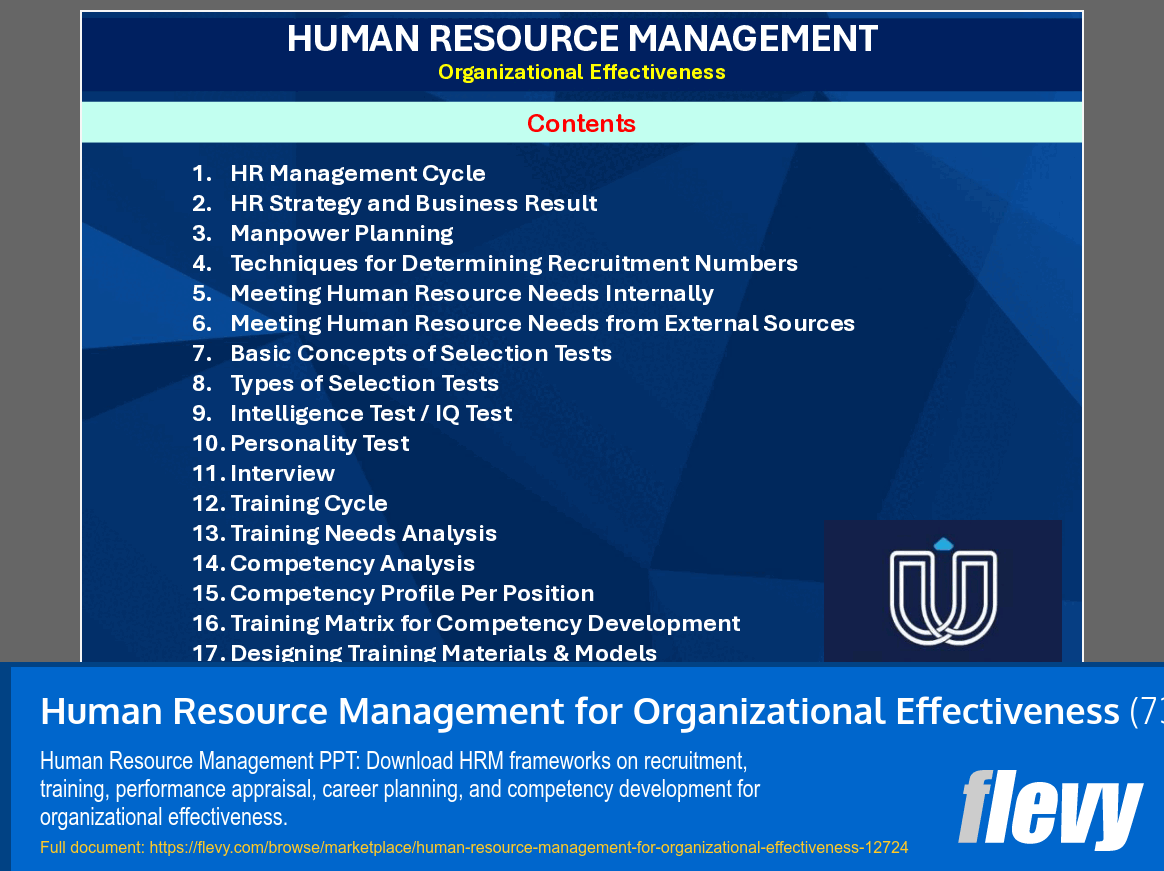
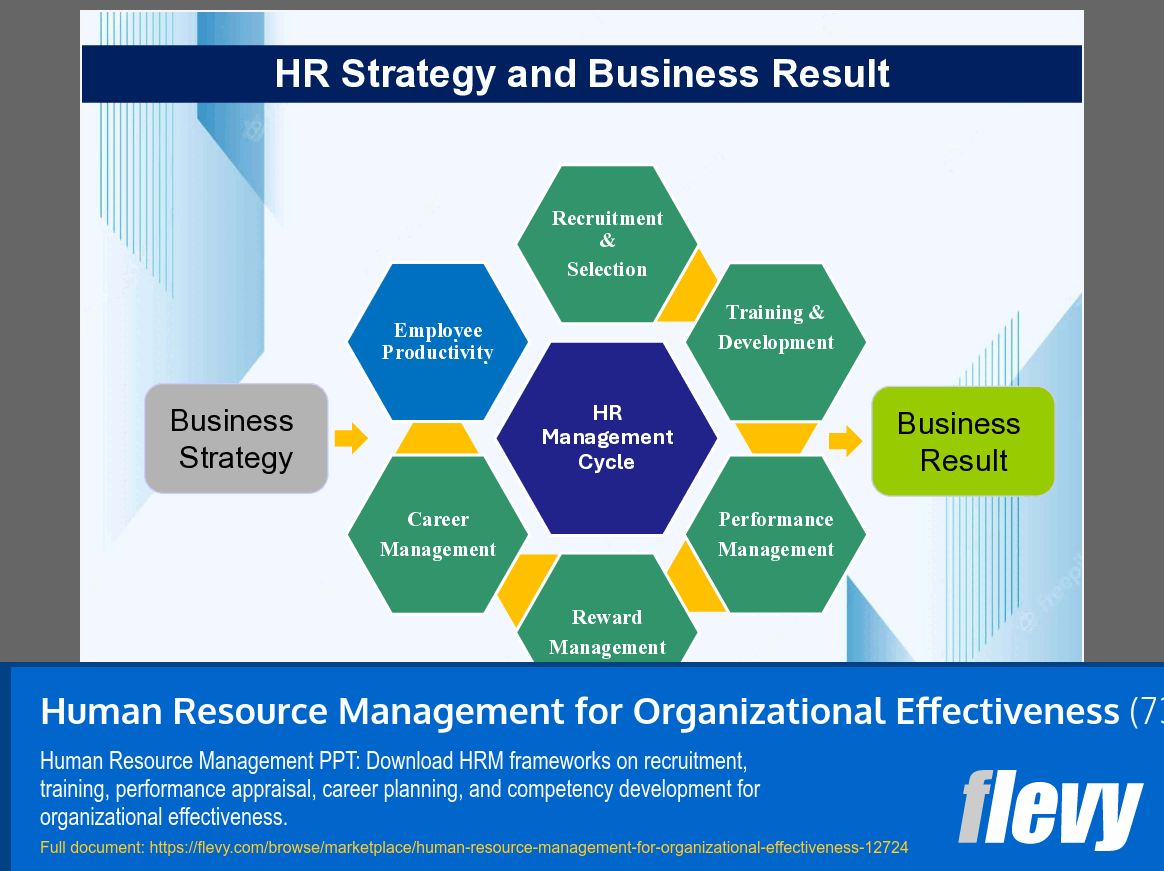
1. HR Management Cycle
2. HR Strategy and Business Result
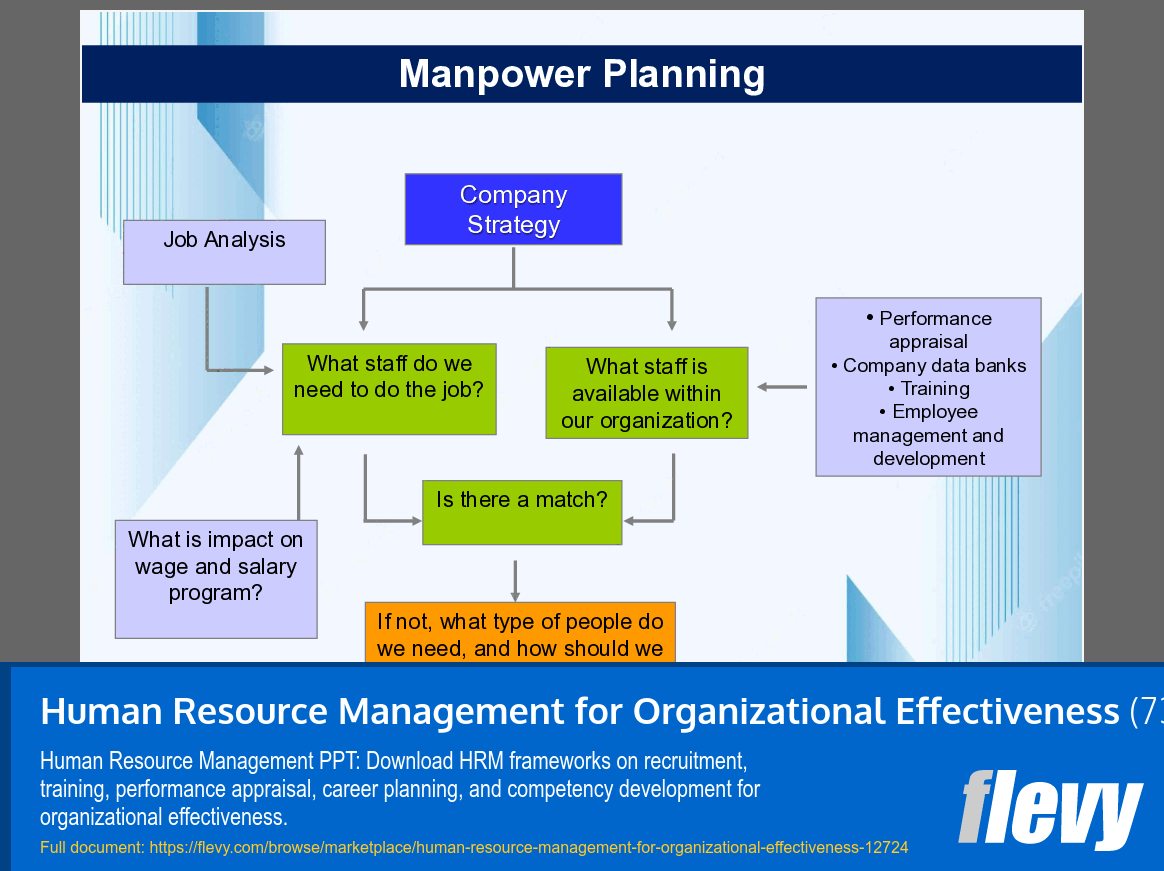
3. Manpower Planning
4. Techniques for Determining Recruitment Numbers
5. Meeting Human Resource Needs Internally
6. Meeting Human Resource Needs from External Sources
7. Basic Concepts of Selection Tests
8. Types of Selection Tests
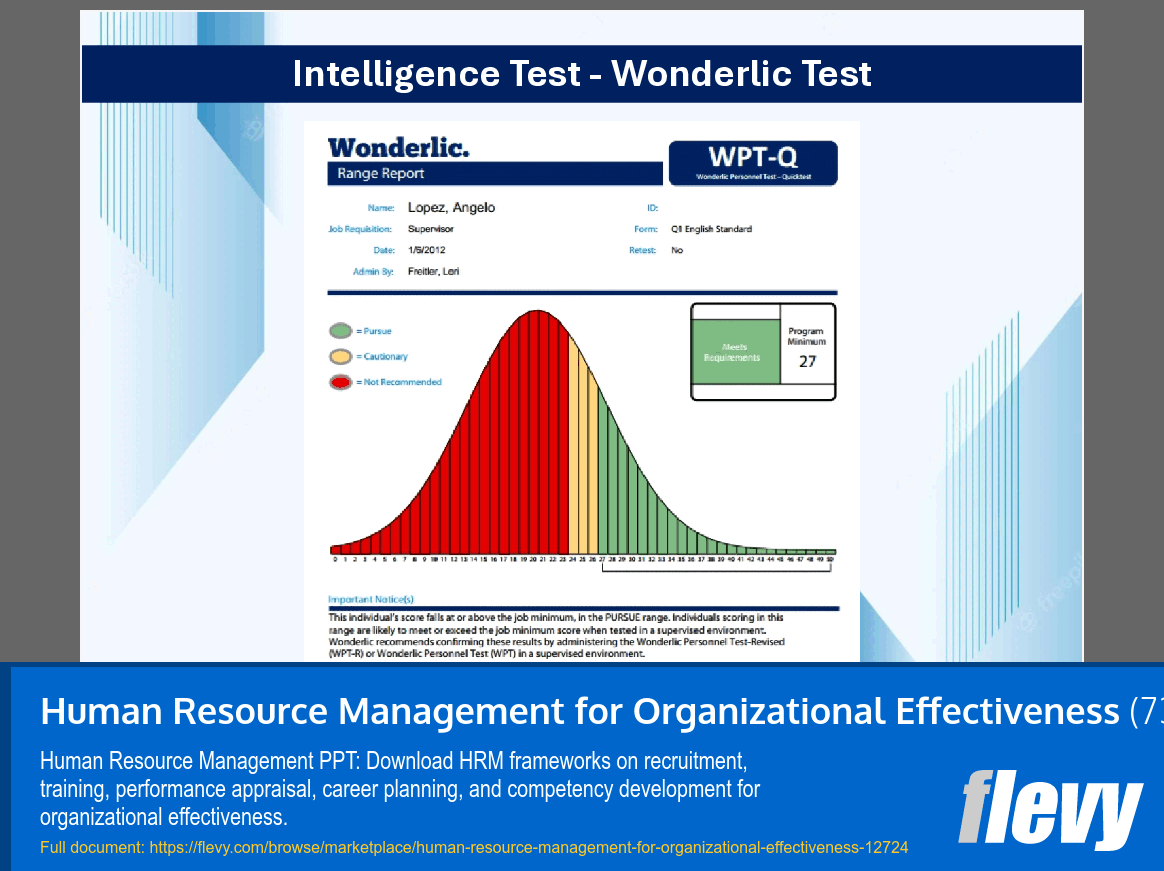
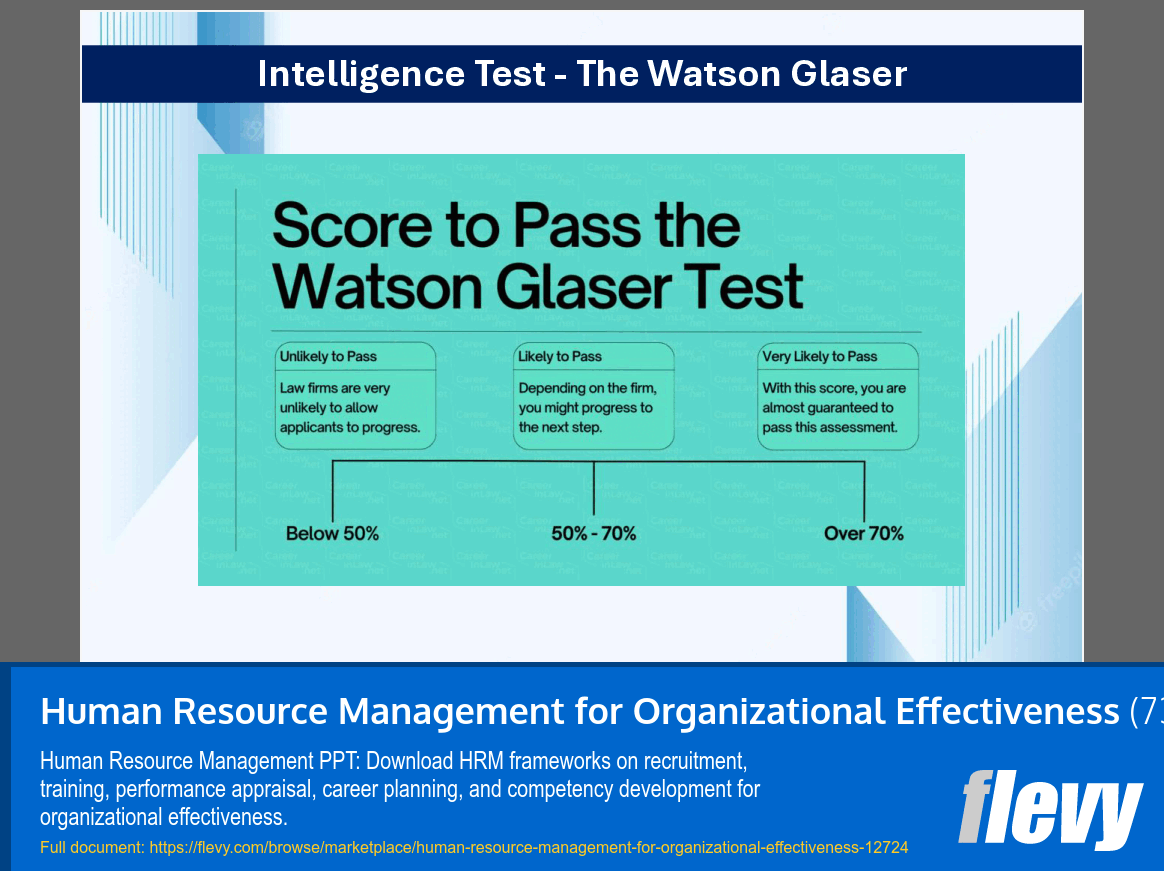
9. Intelligence Test / IQ Test
10. Personality Test
11. Interview
12. Training Cycle
13. Training Needs Analysis
14. Competency Analysis
15. Competency Profile Per Position
16. Training Matrix for Competency Development
17. Designing Training Materials & Models
18. Various Types of Training
19. Four Levels of Training Effectiveness
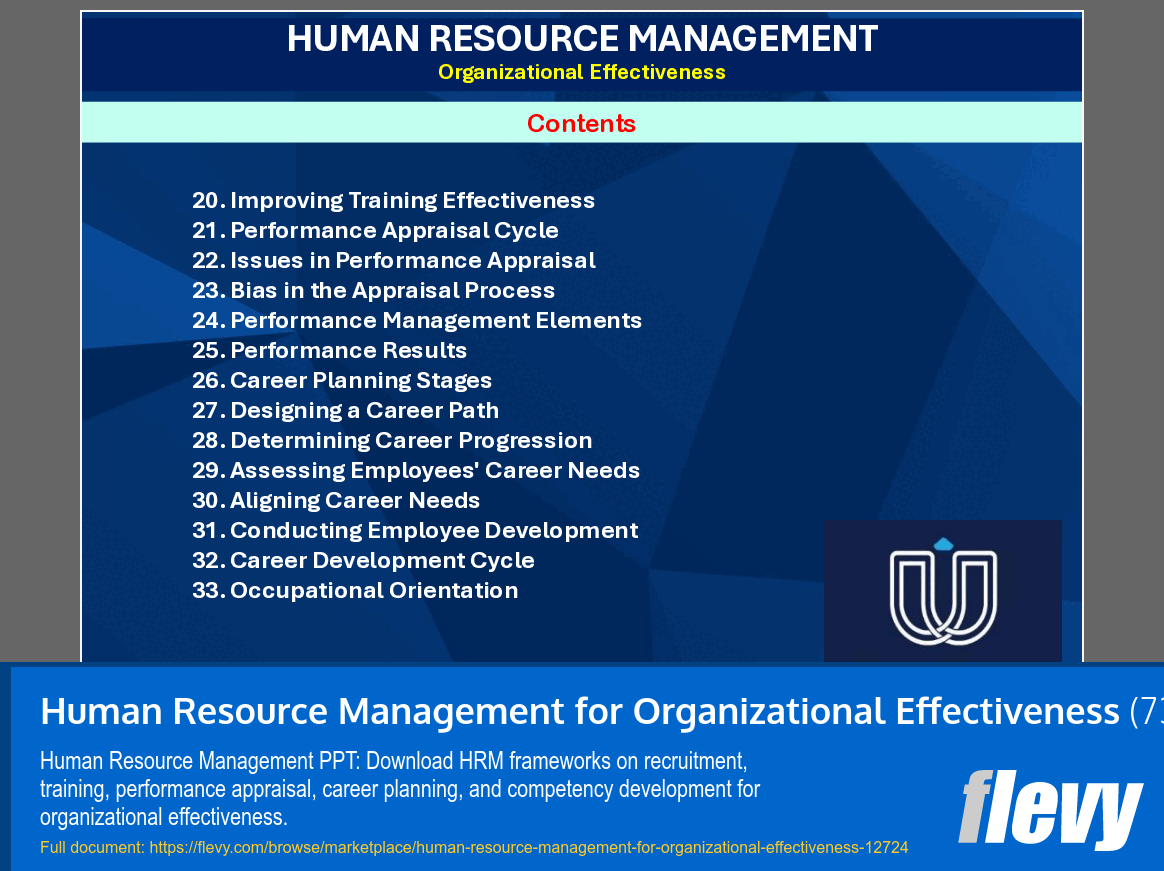
20. Improving Training Effectiveness
21. Performance Appraisal Cycle
22. Issues in Performance Appraisal
23. Bias in the Appraisal Process
24. Performance Management Elements
25. Performance Results
26. Career Planning Stages
27. Designing a Career Path
28. Determining Career Progression
29. Assessing Employees' Career Needs
30. Aligning Career Needs
31. Conducting Employee Development
32. Career Development Cycle
33. Occupational Orientation
HRM refers to human resource management. A function of organizations that is responsible for managing the human element required to meet company goals. Even for small organizations, having HRM remains important as it serves to ensure employee needs are met as they facilitate and strengthen business operations.
Some of the top responsibilities of HRM include:
1. Recruitment, training, and deploying of employees where and when they are needed
2. Developing, executing and overseeing policies that govern employees
3. Managing the relationship between the organization and its employees
4. Ensuring employee satisfaction
5. Providing opportunities for employee growth and advancement
Different organizations will have HR teams of varied sizes, structures, and skillsets. Most modern firms now also incorporate the use of HR management software that can automate various processes such as employee recruitment, payroll management, and compliance.
If your organization is being successful, you need to have a way to measure performance. Some experts have suggested two main areas in which one can measure this performance.
Economic performance is the first consideration that delves into the financial outcomes of the organization's operations. This can be measured by such metrics as profits, sales, and return on investment (ROI). The other area is operational performance. This refers to observable indicators of success like customer satisfaction and market dominance. Overall, there are many ways in which to measure organizational performance and the indicators chosen will often depend on the type of business and its goals. The levels at which this performance is being assessed will also matter.
Best Regards,
UJ Consulting
Got a question about the product? Email us at support@flevy.com or ask the author directly by using the "Ask the Author a Question" form. If you cannot view the preview above this document description, go here to view the large preview instead.
Source: Best Practices in Organizational Design, Human Resources PowerPoint Slides: Human Resource Management for Organizational Effectiveness PowerPoint (PPTX) Presentation Slide Deck, UJ Consulting _ Strategy-Insight-Impact
ABOUT THE AUTHOR
UJ Consulting | Strategy • Insight • Impact
UJ Consulting is an executive management consulting and business transformation practice founded by Untung Juanto, ST., MM., a senior executive, consultant, and transformation practitioner with more than 25 years of professional experience across local and multinational companies and diverse industries.
His career progressed from frontline
... [read more]
Ask the Author a Question
You must be logged in to contact the author.




























