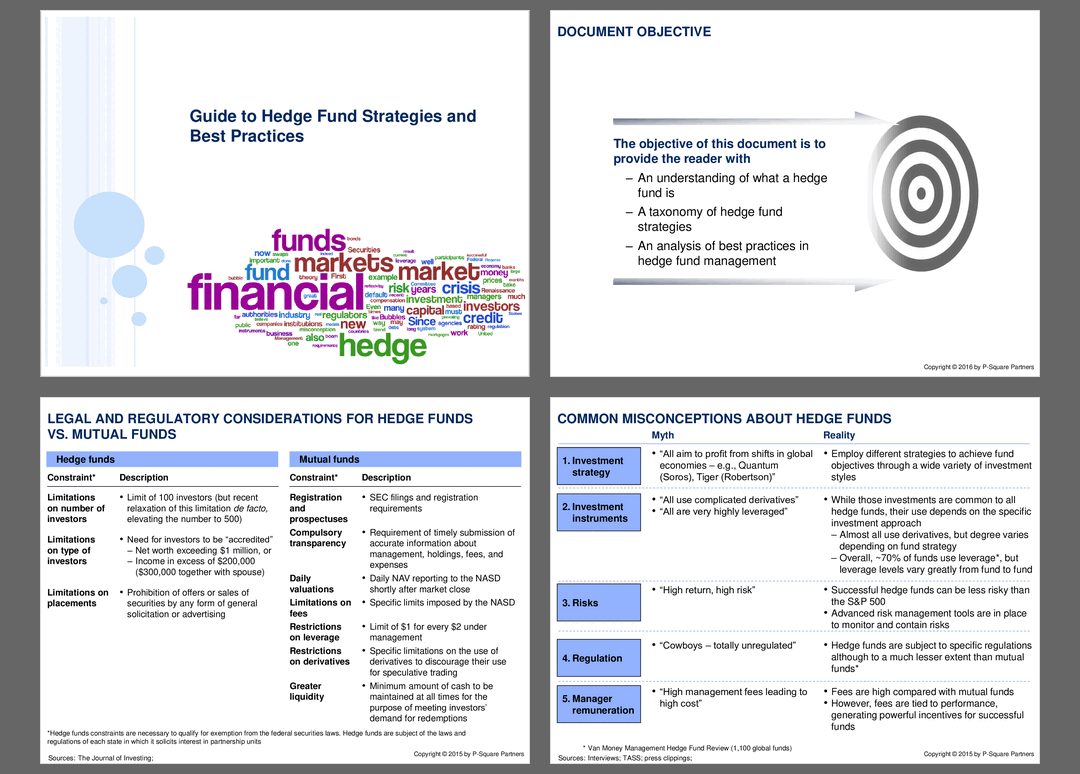

The objective of this document is to provide the reader with:
• an understanding of what a hedge fund is
• a taxonomy of hedge fund strategies
• an analysis of best practices in hedge fund management
Got a question about the product? Email us at support@flevy.com or ask the author directly by using the "Ask the Author a Question" form. If you cannot view the preview above this document description, go here to view the large preview instead.
Executive Summary
This presentation titled "Guide to Hedge Fund Strategies and Best Practices" is crafted to provide a detailed understanding of hedge funds, their strategies, and management best practices, reflecting the high standards of McKinsey, Bain, or BCG-quality (consulting-grade; not affiliated). It serves as a valuable resource for executives and consultants seeking to navigate the complex landscape of hedge fund management, enabling informed decision-making regarding investment strategies and operational frameworks.
Who This Is For and When to Use
• Hedge fund managers and investment professionals seeking to refine their strategy selection and management practices
• Financial analysts and consultants involved in hedge fund performance evaluation and risk management
• Institutional investors and family offices looking to understand hedge fund structures and strategies
• Compliance officers and legal advisors needing insights into hedge fund regulations and best practices
Best-fit moments to use this deck:
• During strategic planning sessions for hedge fund operations and management
• When evaluating potential hedge fund investments or partnerships
• In training sessions for new hedge fund staff on operational best practices
• For compliance reviews and regulatory assessments of hedge fund activities
Learning Objectives
• Define hedge funds and their distinguishing characteristics compared to traditional funds
• Identify and categorize various hedge fund strategies and their applications
• Analyze best practices in hedge fund management to enhance performance
• Evaluate the regulatory landscape affecting hedge fund operations
• Develop a framework for effective risk management in hedge fund strategies
• Establish performance metrics and compensation structures for hedge fund managers
Table of Contents
• Definition of Hedge Fund Strategies (page 1)
• Taxonomy of Hedge Fund Strategies (page 2)
• Best Practices in Hedge Fund Management (page 3)
Primary Topics Covered
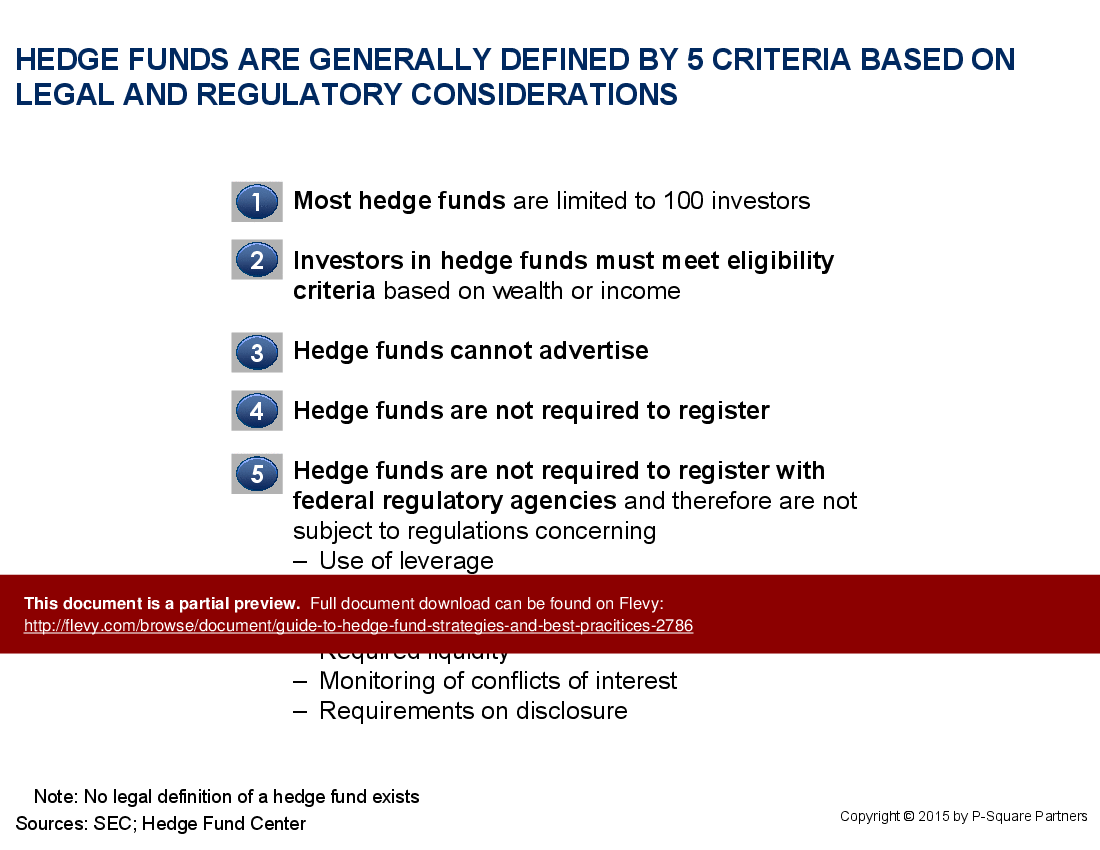
• Definition of Hedge Funds - Hedge funds are investment vehicles characterized by limited investor numbers, specific regulatory exemptions, and a focus on achieving absolute returns through diverse strategies.
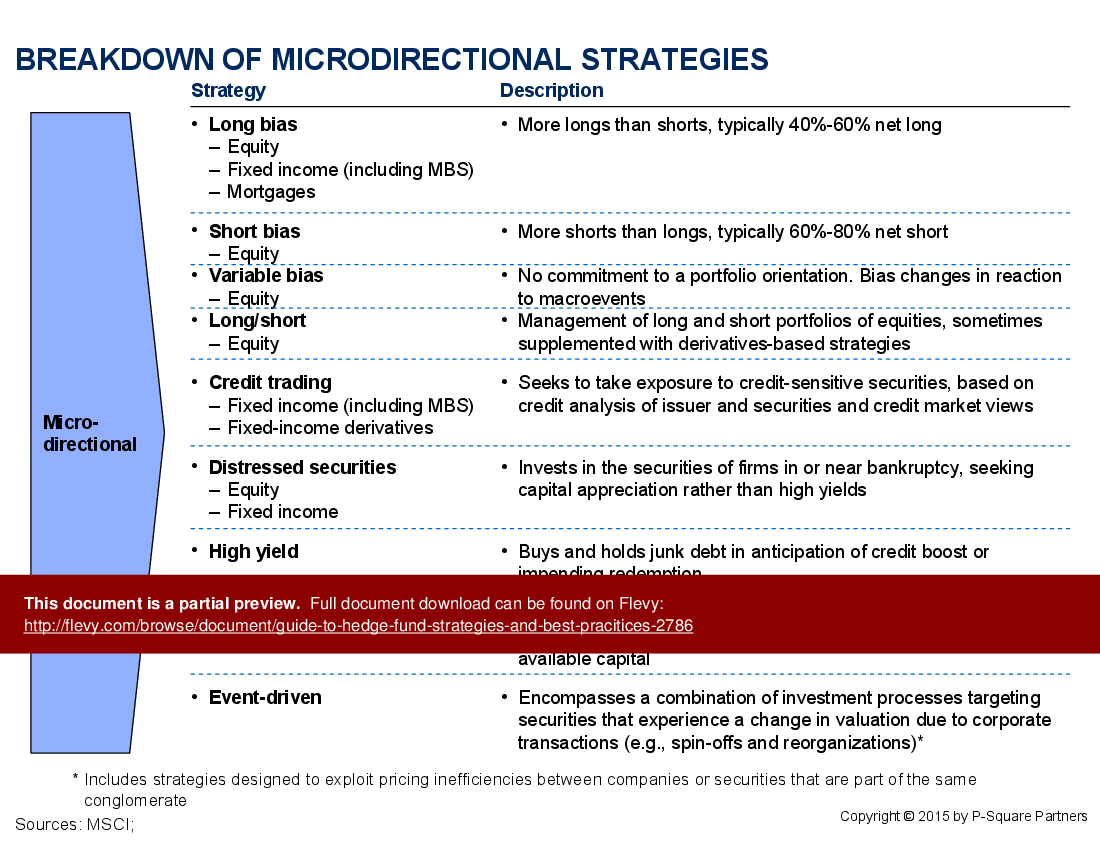
• Taxonomy of Hedge Fund Strategies - Strategies are categorized into macro-directional, micro-directional, relative value, and multi-strategy approaches, each targeting different market inefficiencies.

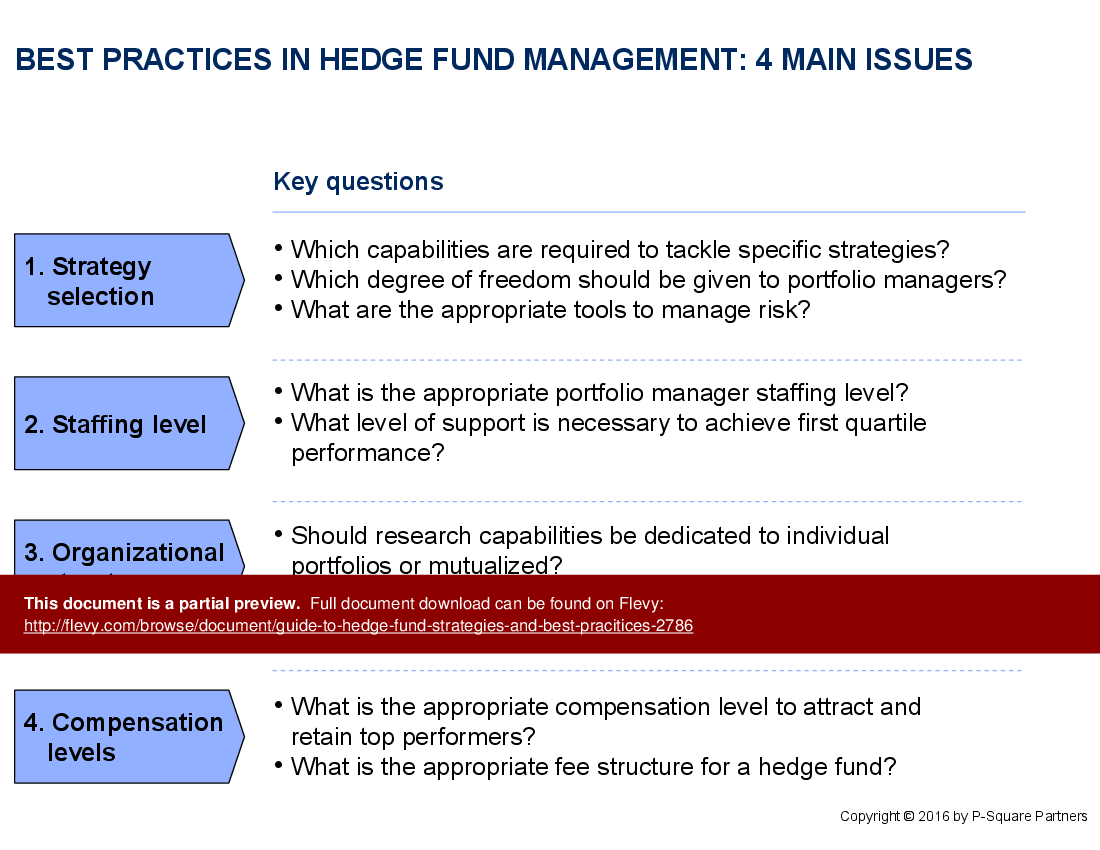
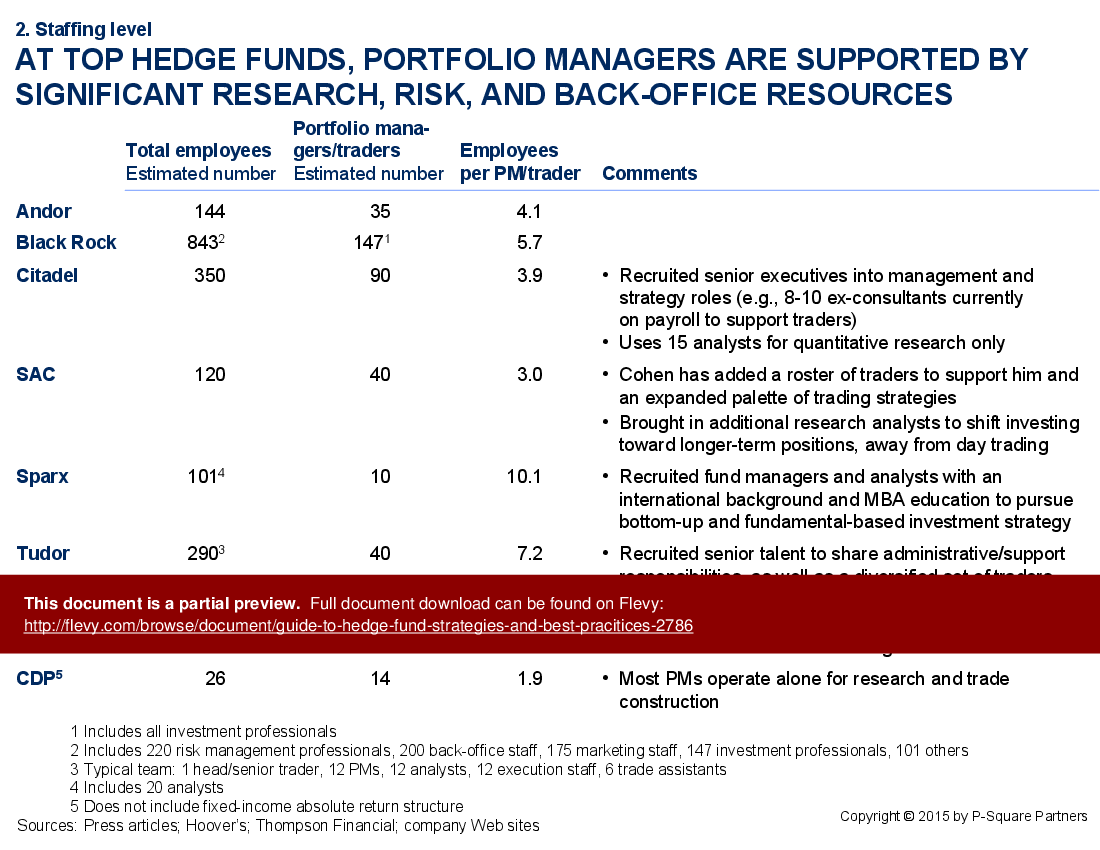
• Best Practices in Hedge Fund Management - Effective management involves strategic selection, appropriate staffing levels, organizational structure, and competitive compensation to attract top talent.
• Regulatory Considerations - Hedge funds operate under specific legal frameworks that differ from mutual funds, influencing their operational flexibility and investor eligibility.
• Risk Management Tools - Various tools are employed to manage market, idiosyncratic, liquidity, and operational risks within hedge fund strategies.
• Performance Metrics - Establishing clear performance metrics and compensation structures is crucial for aligning manager incentives with fund objectives.

Deliverables, Templates, and Tools
• Framework for categorizing hedge fund strategies based on market conditions and investment objectives
• Risk management toolkit outlining methods for assessing and mitigating various risk types
• Performance evaluation template to benchmark hedge fund performance against industry standards
• Staffing model for determining optimal portfolio manager-to-analyst ratios
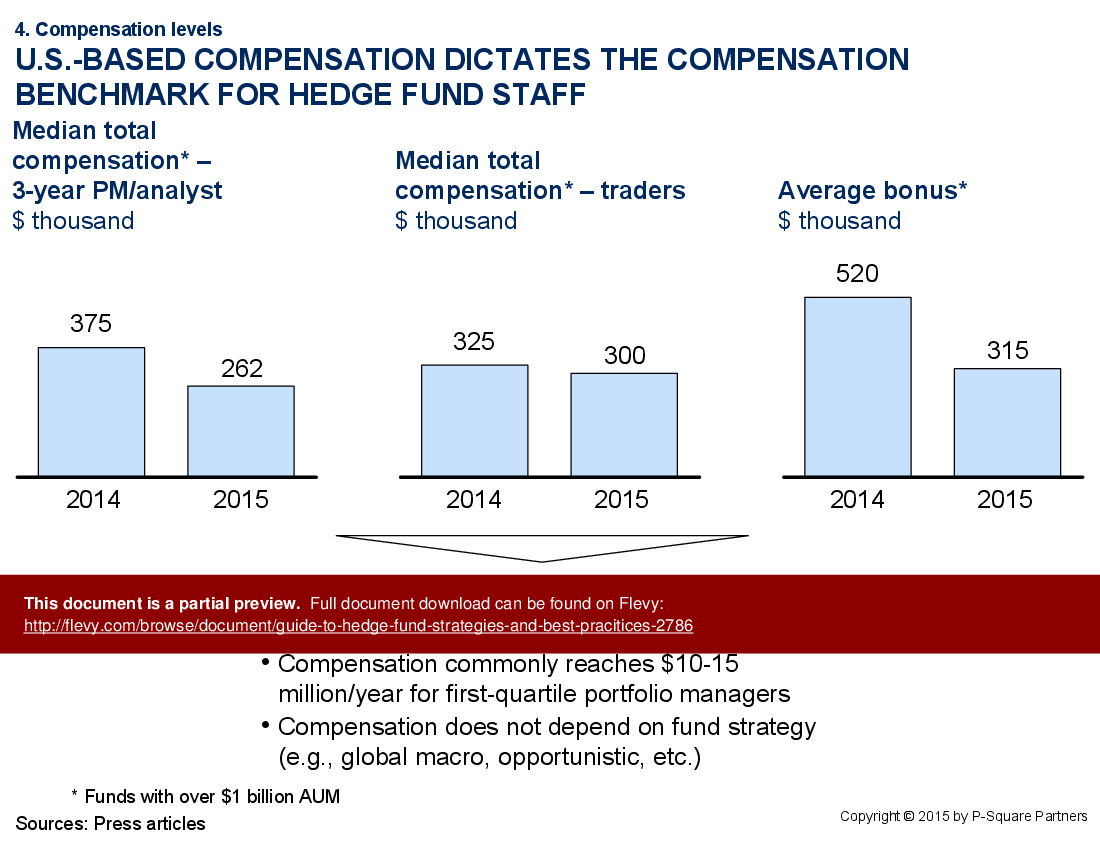
• Compensation structure guidelines to attract and retain high-performing hedge fund managers
• Regulatory compliance checklist for hedge fund operations
Slide Highlights
• Overview slide defining hedge funds and their key characteristics
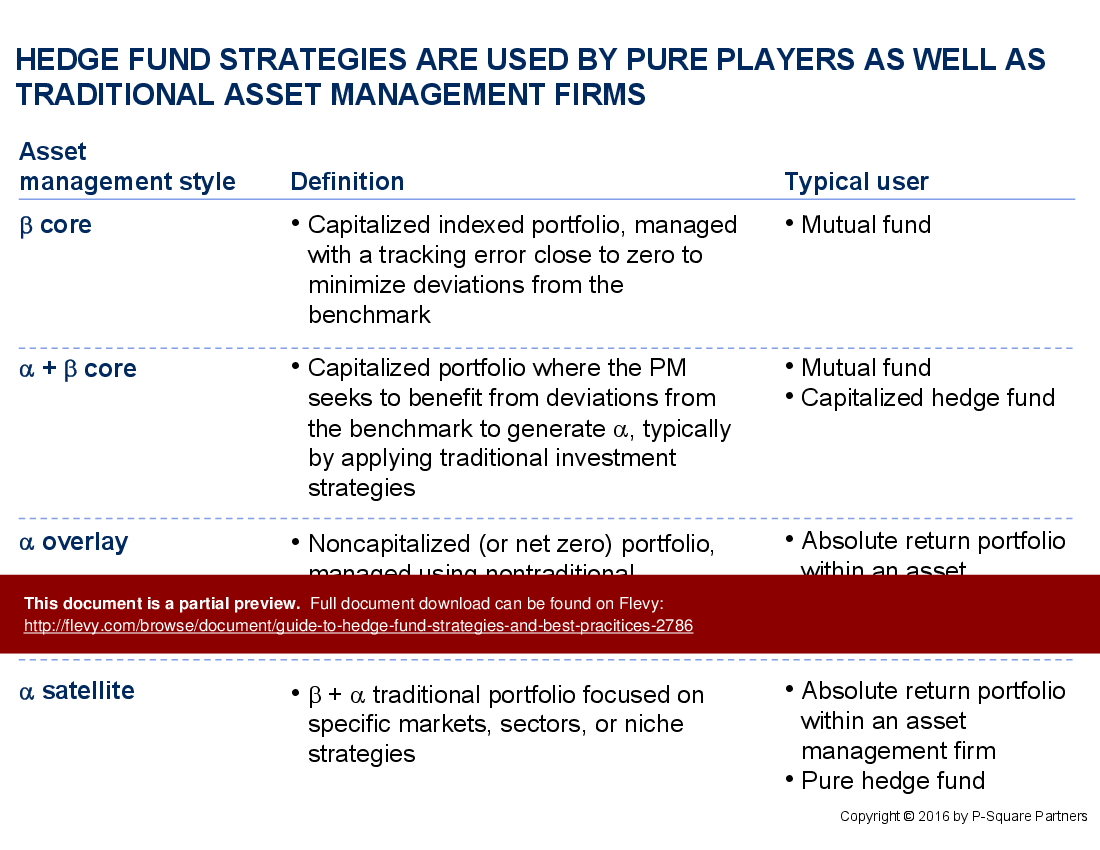
• Taxonomy slide illustrating the different hedge fund strategies and their applications
• Best practices slide detailing critical management considerations for hedge funds
• Risk management tools slide showcasing methods for addressing various risk factors
• Compensation analysis slide comparing hedge fund compensation structures with traditional funds
Potential Workshop Agenda
Hedge Fund Strategy Overview (60 minutes)
• Discuss the definition and characteristics of hedge funds
• Review the taxonomy of hedge fund strategies
• Explore the implications of hedge fund regulations
Best Practices in Hedge Fund Management (90 minutes)
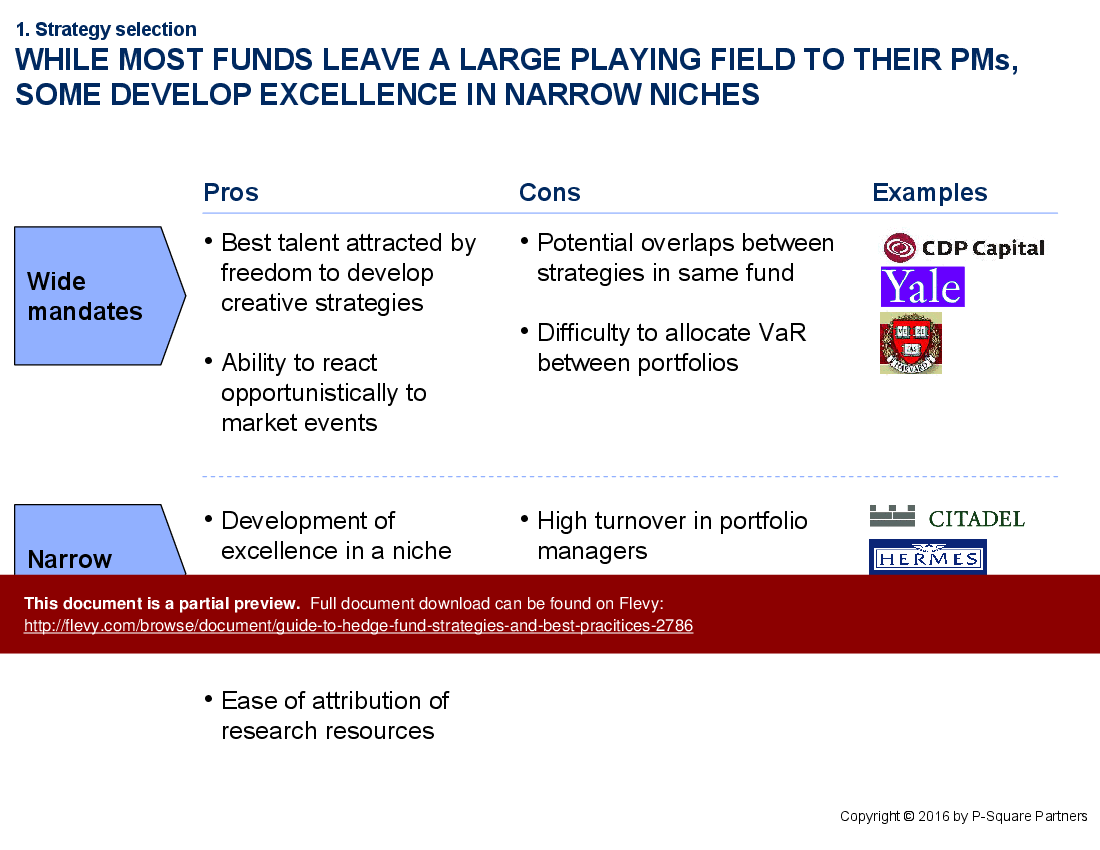
• Analyze best practices in strategy selection and staffing
• Evaluate organizational structures for hedge fund operations
• Discuss compensation models and performance metrics
Risk Management in Hedge Funds (60 minutes)
• Identify key risks associated with hedge fund strategies
• Review tools and techniques for effective risk management
• Discuss case studies of successful risk management practices
Customization Guidance
• Tailor the hedge fund strategy framework to align with specific investment objectives and market conditions
• Adjust the risk management toolkit to reflect the unique risk profile of your hedge fund
• Modify the performance evaluation template to incorporate specific benchmarks relevant to your fund
• Adapt the staffing model based on the size and complexity of your hedge fund operations
• Customize the compensation structure to reflect the competitive landscape of your target market
Secondary Topics Covered
• Differences between hedge funds and mutual funds in terms of regulation and operational flexibility
• Common misconceptions about hedge funds and their investment strategies
• The role of leverage and derivatives in hedge fund performance
• The impact of market conditions on hedge fund strategy effectiveness
• Trends in hedge fund management and emerging best practices
FAQ
What is a hedge fund?
A hedge fund is an investment vehicle that typically has a limited number of accredited investors and employs diverse strategies to achieve absolute returns, often with less regulatory oversight than mutual funds.
What are the main types of hedge fund strategies?
Hedge fund strategies can be categorized into macro-directional, micro-directional, relative value, and multi-strategy approaches, each targeting different market inefficiencies.
How do hedge funds manage risk?
Hedge funds utilize various tools such as value-at-risk models, stress tests, and liquidity assessments to manage market, idiosyncratic, and operational risks.
What are the best practices in hedge fund management?
Best practices include strategic selection of investment strategies, appropriate staffing levels, effective organizational structures, and competitive compensation to attract top talent.
What distinguishes hedge funds from mutual funds?
Hedge funds are typically less regulated, have fewer investor restrictions, and employ a wider range of investment strategies compared to mutual funds.
What is the typical compensation structure for hedge fund managers?
Hedge fund managers often receive a combination of management fees and performance-based incentive fees, which can be significantly higher than those in traditional funds.
How can I evaluate hedge fund performance?
Performance can be evaluated using benchmarks, risk-adjusted returns, and comparison against industry standards to assess effectiveness and efficiency.
What regulatory considerations should hedge funds be aware of?
Hedge funds must comply with specific regulations regarding investor eligibility, advertising restrictions, and operational disclosures, although they face less oversight than mutual funds.
Glossary
• Hedge Fund - An investment vehicle characterized by limited investor numbers and diverse strategies aimed at achieving absolute returns.
• Macro-directional Strategy - Investment strategies based on macroeconomic views targeting profits from global economic shifts.
• Micro-directional Strategy - Strategies focused on specific securities to capitalize on price movements due to corporate events.
• Relative Value Strategy - Strategies that exploit market inefficiencies through arbitrage opportunities.
• Multi-strategy Fund - A hedge fund that employs a combination of various strategies within its portfolio.
• Risk Management - The process of identifying, assessing, and mitigating risks associated with investment strategies.
• Performance Metrics - Standards used to evaluate the effectiveness of hedge fund strategies and manager performance.
• Compensation Structure - The framework determining how hedge fund managers are compensated, typically involving management and performance fees.
• Liquidity Risk - The risk of being unable to meet short-term financial obligations due to insufficient cash flow.
• Idiosyncratic Risk - The risk associated with individual securities or assets, distinct from market risk.
• Leverage - The use of borrowed capital to increase potential returns on investment.
• Derivatives - Financial instruments whose value is derived from the performance of underlying assets, often used for hedging or speculation.
• Accredited Investor - An individual or entity that meets specific financial criteria, allowing them to invest in hedge funds.
• Market Inefficiency - A situation where asset prices do not fully reflect all available information, creating opportunities for profit.
• Arbitrage - The simultaneous purchase and sale of an asset to profit from price discrepancies.
• Absolute Return - A strategy aimed at generating positive returns regardless of market conditions.
• Investment Strategy - A plan or method employed to achieve specific investment objectives.
• Portfolio Manager - A professional responsible for making investment decisions and managing a hedge fund's portfolio.
• Fund of Funds - An investment strategy that involves investing in other hedge funds rather than directly in securities.
• Performance Fee - A fee charged by hedge fund managers based on the fund's profits, incentivizing high performance.
• Management Fee - A fee charged for managing the hedge fund, typically a percentage of assets under management.
Source: Best Practices in Hedge Fund PowerPoint Slides: Guide to Hedge Fund Strategies and Best Practices PowerPoint (PPT) Presentation Slide Deck, P-Square Partners
|
Download our FREE Strategy & Transformation Framework Templates
Download our free compilation of 50+ Strategy & Transformation slides and templates. Frameworks include McKinsey 7-S, Balanced Scorecard, Disruptive Innovation, BCG Curve, and many more. |