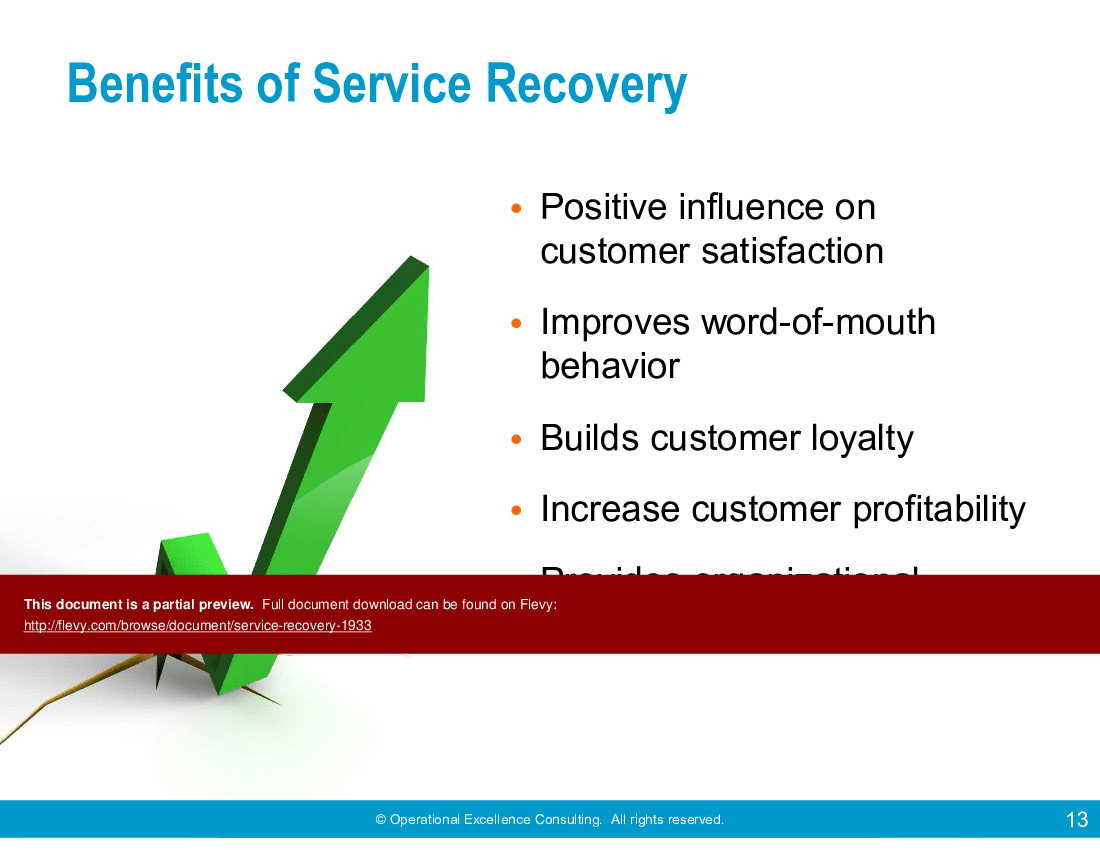


When things go wrong, customer expectations tend to drop while fear and anger rise. Many service providers avoid the issue, minimize costs, and shift blame. However, with the right approach and understanding, you can regain customer satisfaction and loyalty, making your organization even stronger. In today's competitive landscape, effective service recovery is crucial to enhancing the overall Customer Experience (CX).

In this Service Recovery PPT training presentation, you can educate customer service employees or new hires on the key concepts and principles of service recovery. Learn how to handle difficult customers and acquire the five-step service recovery skill to turn negative experiences into opportunities for strengthening customer relationships.
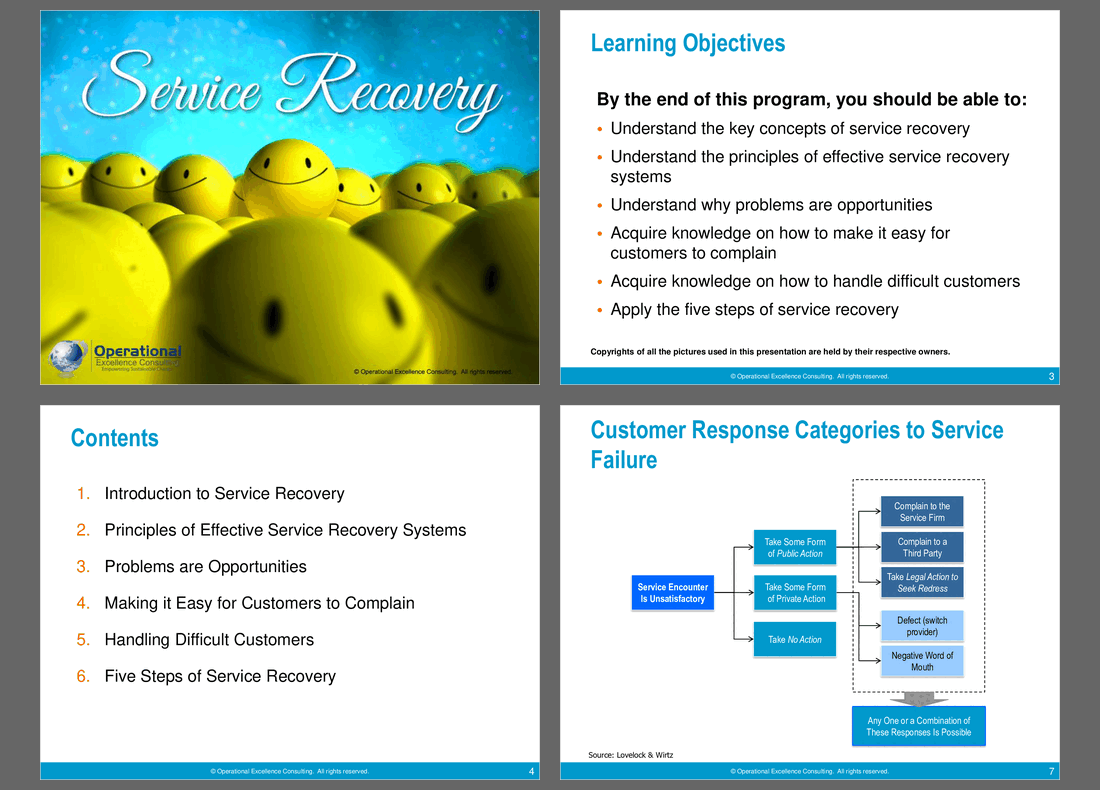
LEARNING OBJECTIVES
1. Understand the key concepts of service recovery
2. Understand the principles of effective service recovery systems
3. Understand why problems are opportunities
4. Acquire knowledge on how to make it easy for customers to complain
5. Acquire knowledge on how to handle difficult customers
6. Apply the five steps of service recovery skill
CONTENTS
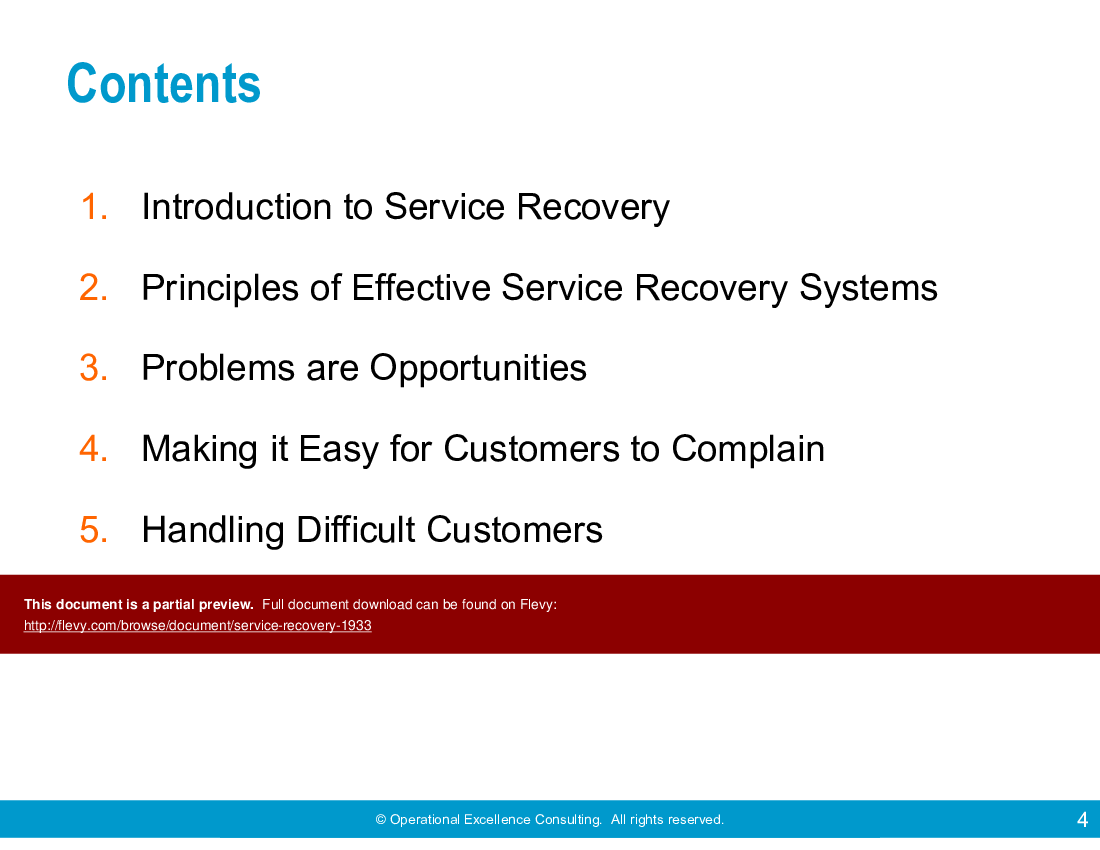
1. Introduction to Service Recovery
2. Principles of Effective Service Recovery Systems
3. Problems are Opportunities
4. Making it Easy for Customers to Complain
5. Handling Difficult Customers
6. Five Steps of Service Recovery
Note: In addition to this training presentation, you may also be interested in the following presentations on Customer Experience (CX) (sold separately):
• Customer-Centricity
• Digital Customer Service (DCS)
• Design Thinking
• Customer Journey Mapping
• Business Model Canvas
• Value Proposition Canvas
• Customer Experience Management Models
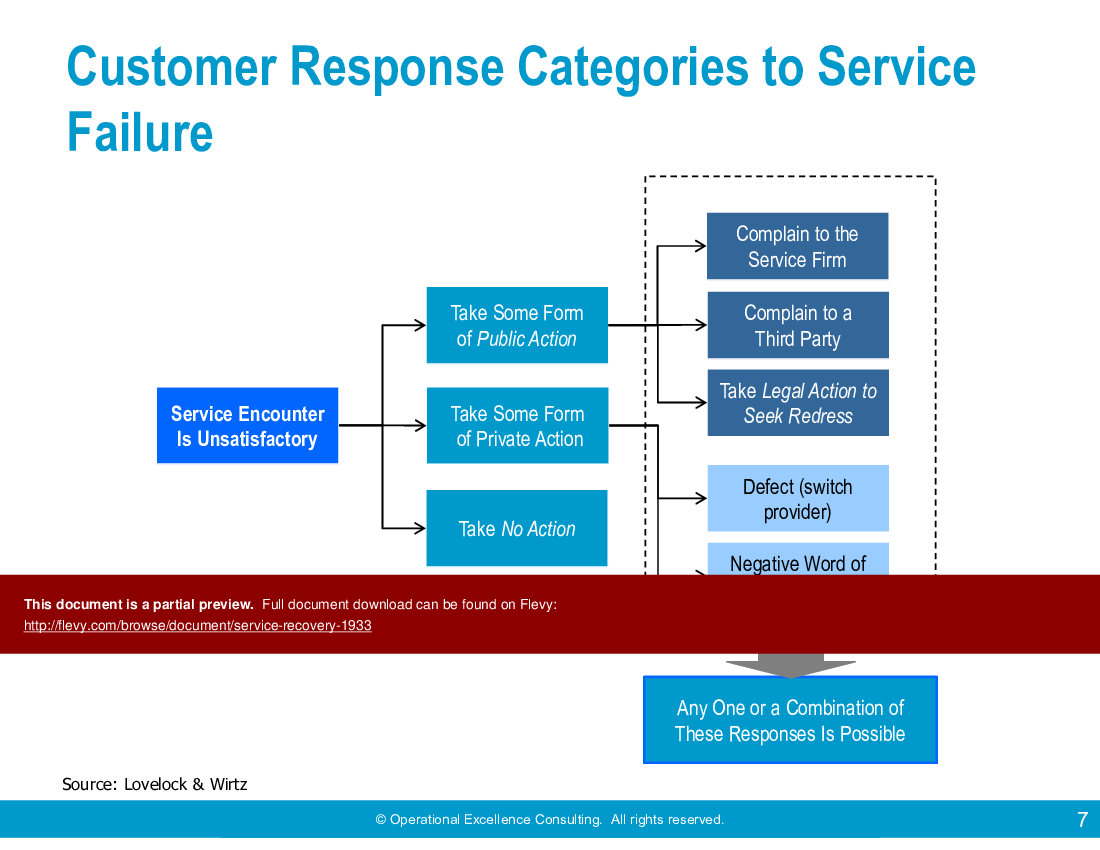
This presentation delves deep into the psychology of customer responses to service failures, categorizing them into public actions, private actions, and inactions. It underscores the importance of transforming complaints into opportunities for improvement, highlighting how effective service recovery can significantly boost customer satisfaction and loyalty. The five-step service recovery process is meticulously detailed, providing actionable strategies to address and resolve customer issues promptly. This resource is essential for any organization aiming to enhance its service recovery framework and turn dissatisfied customers into loyal advocates.
Got a question about the product? Email us at support@flevy.com or ask the author directly by using the "Ask the Author a Question" form. If you cannot view the preview above this document description, go here to view the large preview instead.
Executive Summary
This presentation, titled "CX Improvement Program: Mastering Service Recovery," serves as a vital resource for organizations aiming to enhance customer experience through effective service recovery strategies. Developed by Operational Excellence Consulting, it equips teams with the knowledge and skills necessary to turn service failures into opportunities for customer satisfaction and loyalty. The program outlines a structured approach to handling complaints, addressing difficult customers, and implementing a five-step service recovery process. By utilizing this presentation, organizations can improve customer retention and foster a culture of continuous improvement.
Who This Is For and When to Use
• Customer service managers seeking to enhance service recovery processes
• Training and development teams focused on customer experience improvement
• Operations leaders aiming to implement effective complaint handling systems
• Frontline staff who interact directly with customers and handle service issues
Best-fit moments to use this deck:
• During onboarding sessions for new customer service representatives
• In workshops aimed at improving existing service recovery protocols
• When analyzing customer feedback and identifying areas for improvement
Learning Objectives
• Understand the key concepts of service recovery
• Define the principles of effective service recovery systems
• Recognize problems as opportunities for improvement
• Learn how to facilitate customer complaints effectively
• Develop skills to manage difficult customer interactions
• Apply the 5 steps of service recovery in real scenarios
Table of Contents
• Introduction to Service Recovery (page 6)
• Principles of Effective Service Recovery Systems (page 15)
• Problems are Opportunities (page 21)
• Making it Easy for Customers to Complain (page 29)
• Handling Difficult Customers (page 45)
• Five Steps of Service Recovery (page 51)
Primary Topics Covered
• Introduction to Service Recovery - This section outlines the importance of service recovery and how it can enhance customer satisfaction and loyalty.
• Principles of Effective Service Recovery Systems - Discusses the key principles that underpin successful service recovery, including proactive measures and employee empowerment.
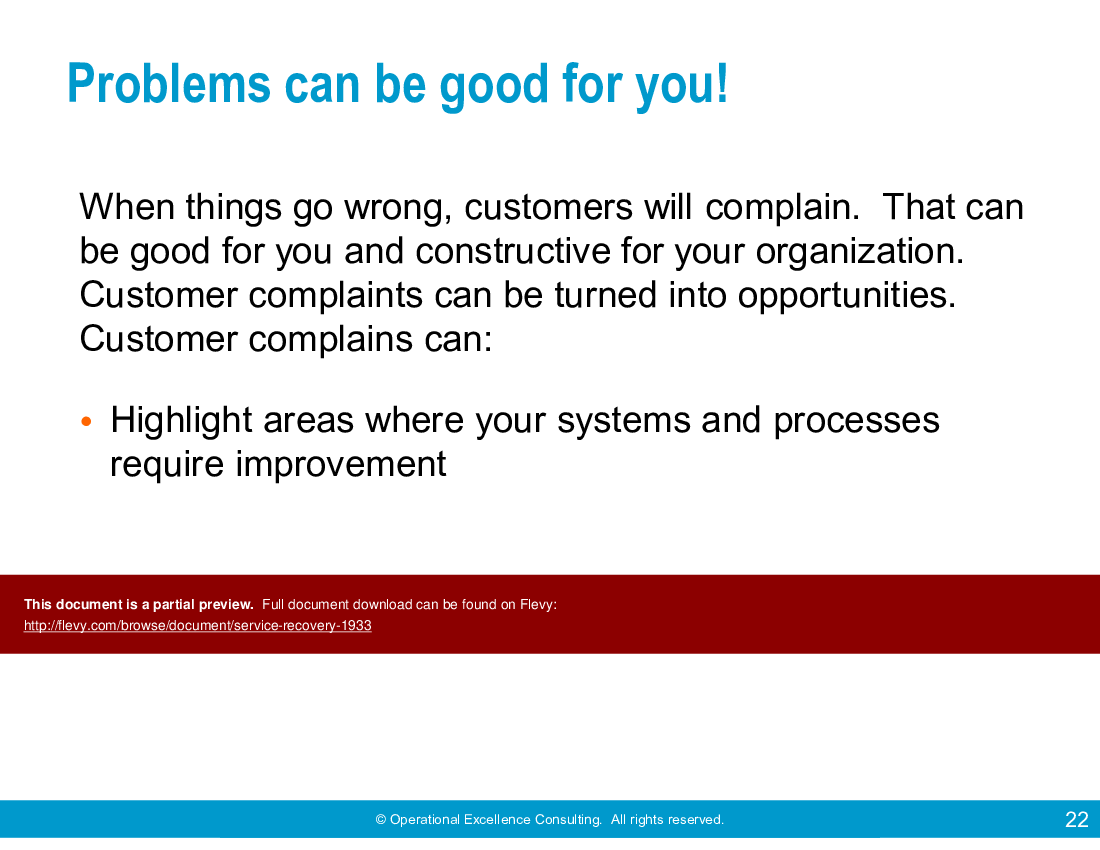
• Problems as Opportunities - Highlights how customer complaints can reveal areas for improvement and drive organizational learning.
• Facilitating Customer Complaints - Provides strategies for making it easy for customers to voice their concerns and feedback.
• Handling Difficult Customers - Offers techniques for managing various types of challenging customers effectively.
• Five Steps of Service Recovery - Details a structured approach to resolving customer issues and restoring satisfaction.
Deliverables, Templates, and Tools
• Service recovery training materials tailored for organizational needs
• Customer feedback collection templates for easy complaint submission
• Guidelines for effective complaint handling and resolution
• Training modules for staff on managing difficult customer interactions
• Follow-up procedures to ensure customer satisfaction post-recovery
Slide Highlights
• Overview of customer response categories to service failure
• Common mistakes in service recovery and how to avoid them
• The five-step service recovery process visualized for clarity
• Real-life examples illustrating the impact of effective service recovery
• Strategies for empowering employees to handle complaints effectively
Potential Workshop Agenda
Service Recovery Overview (60 minutes)
• Introduction to service recovery concepts
• Discussion on the importance of customer feedback
Principles of Effective Recovery (90 minutes)
• Review of key principles and common mistakes
• Group activities to identify service recovery opportunities
Five Steps of Service Recovery (90 minutes)
• In-depth exploration of the five-step process
• Role-playing exercises to practice recovery skills
Customization Guidance
• Adapt the training materials to reflect specific organizational policies and procedures
• Incorporate real customer feedback examples relevant to your industry
• Modify the complaint handling templates to align with existing communication channels
Secondary Topics Covered
• The psychological impact of service failures on customer perceptions
• Techniques for fostering a culture of continuous improvement
• The role of leadership in supporting effective service recovery
• Metrics for measuring the success of service recovery initiativesDocument FAQ
These are questions addressed within this presentation.
What is service recovery?
Service recovery refers to the actions taken by a service provider in response to a service failure, aiming to restore customer satisfaction and loyalty.
Why is service recovery important?
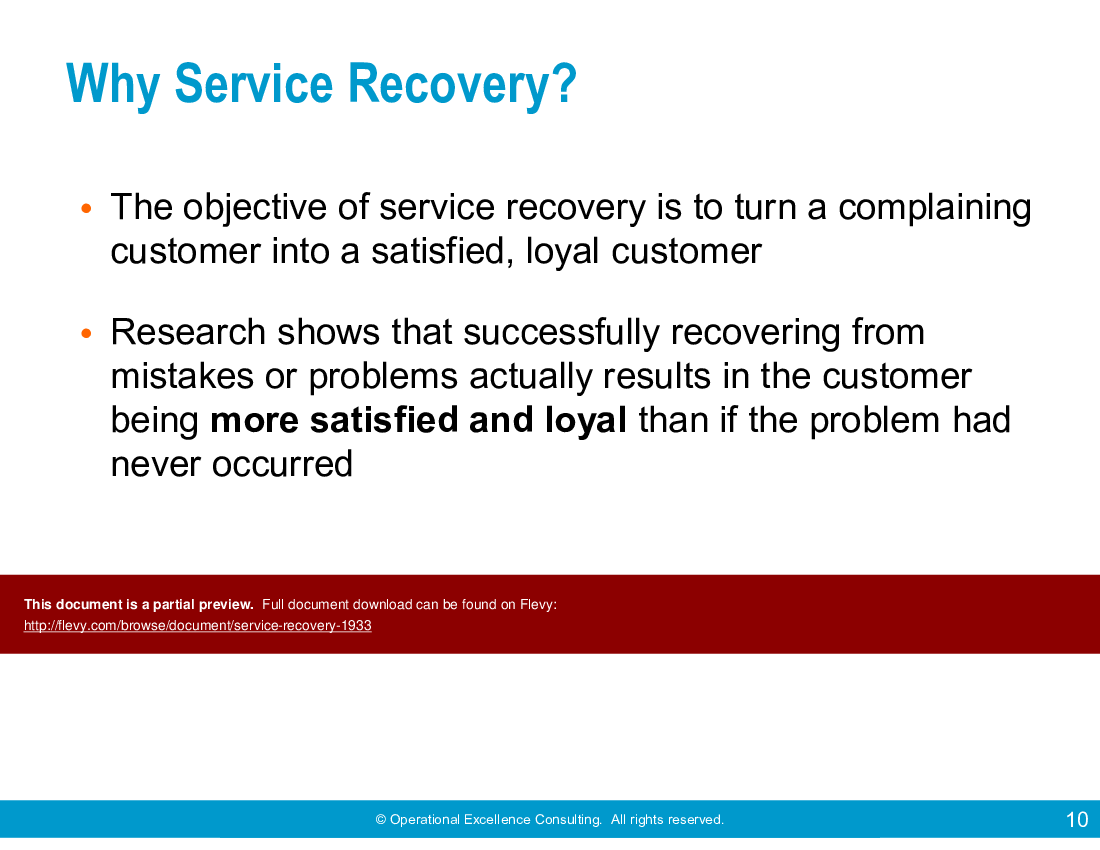
Effective service recovery can turn dissatisfied customers into loyal advocates, often resulting in higher satisfaction than if the issue had never occurred.
How can we encourage customers to complain?
Implementing easy-to-use feedback channels, such as hotlines and comment cards, can encourage customers to voice their concerns.
What are the 5 steps of service recovery?
The 5 steps are: Acknowledge, Apologize, Accept responsibility, Adjust to solve the problem, and Assure the customer that the issue has been resolved.
How should we handle difficult customers?
Understanding the customer's perspective, showing empathy, and actively listening are key strategies for managing difficult interactions.
What common mistakes should we avoid in service recovery?
Common mistakes include failing to empower employees, not making it easy for customers to provide feedback, and neglecting to analyze service recovery data.
How can we measure the success of our service recovery efforts?
Tracking customer satisfaction scores, retention rates, and feedback on service recovery experiences can provide insights into the effectiveness of your initiatives.
What training is necessary for staff involved in service recovery?
Training should focus on communication skills, empathy, problem-solving techniques, and the specific service recovery processes outlined in this presentation.
Glossary
• Service Recovery - Actions taken by a service provider to address service failures and restore customer satisfaction.
• Customer Feedback - Information provided by customers regarding their experiences and satisfaction levels.
• Complaint Handling - The process of addressing and resolving customer complaints effectively.
• Empowerment - Granting employees the authority and resources to make decisions in service recovery situations.
• Continuous Improvement - Ongoing efforts to enhance products, services, or processes based on feedback and performance metrics.
• Customer Loyalty - The likelihood of customers to continue doing business with a company based on their satisfaction and experiences.
• Proactive Recovery - Anticipating potential service failures and addressing them before they impact the customer experience.
• Acknowledge - The first step in service recovery, recognizing the customer's issue and discomfort.
• Apologize - Expressing regret for the inconvenience caused to the customer.
• Adjust - Making necessary changes to resolve the customer's issue effectively.
• Assure - Confirming to the customer that their problem has been resolved satisfactorily.
• Feedback Loop - The process of using customer feedback to inform and improve service delivery.
• Root Cause Analysis - A method for identifying the underlying reasons for service failures to prevent recurrence.
Source: Best Practices in Customer Service PowerPoint Slides: CX Improvement Program: Mastering Service Recovery PowerPoint (PPTX) Presentation Slide Deck, Operational Excellence Consulting
This document is available as part of the following discounted bundle(s):
Save %!
Service Excellence Training Package
This bundle contains 4 total documents. See all the documents to the right.
|
Receive our FREE presentation on Operational Excellence
This 50-slide presentation provides a high-level introduction to the 4 Building Blocks of Operational Excellence. Achieving OpEx requires the implementation of a Business Execution System that integrates these 4 building blocks. |